Artwork
Woman in a Negligé
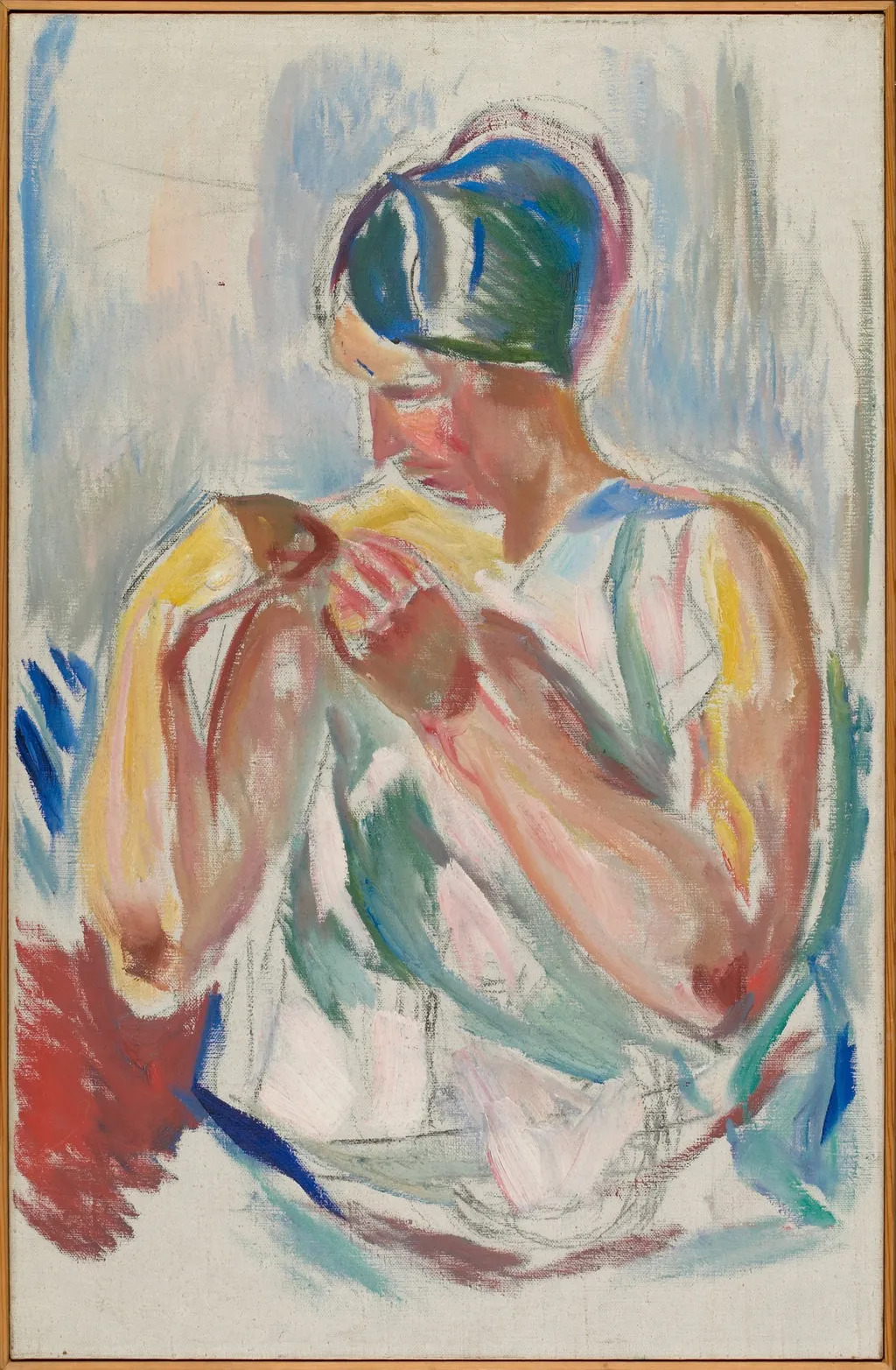
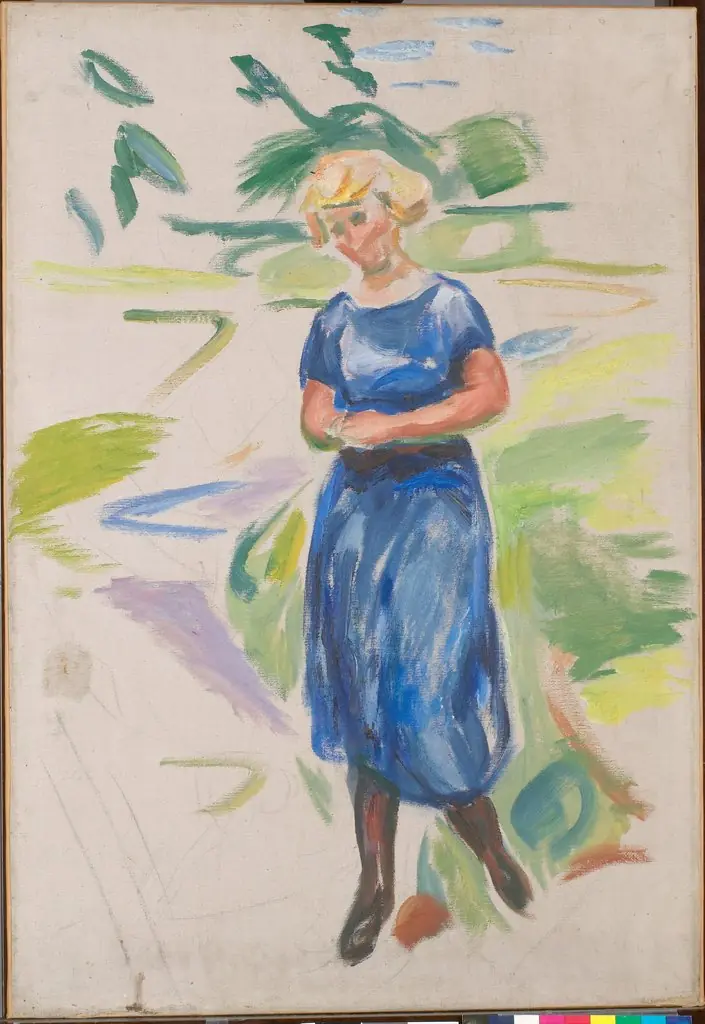
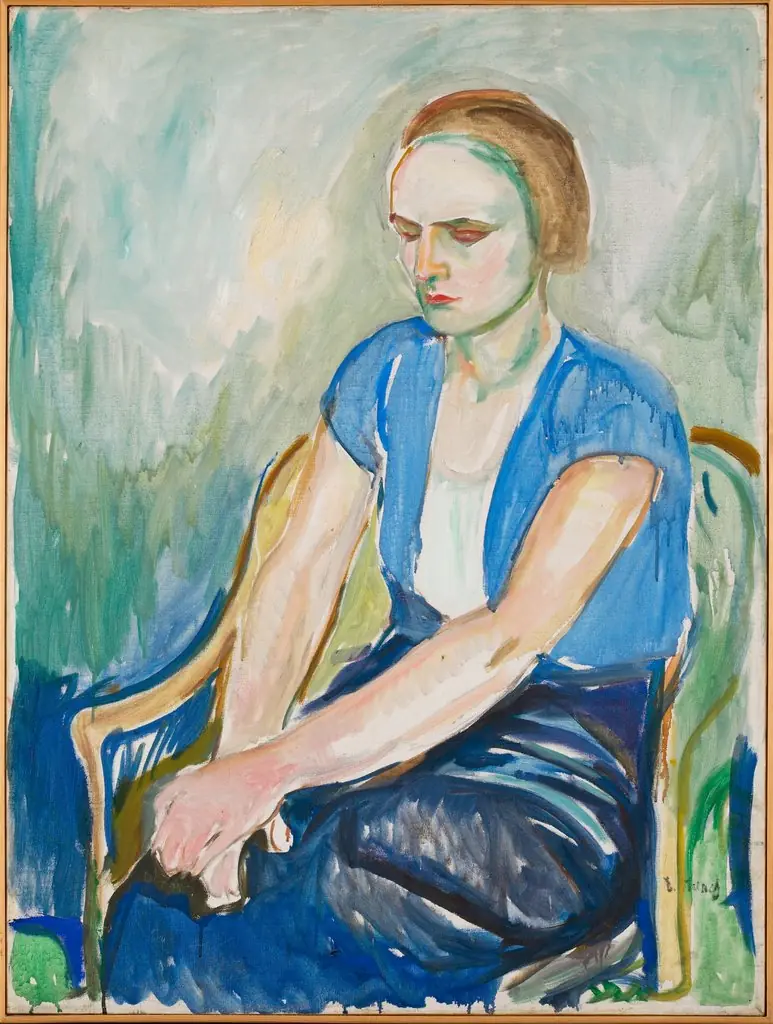
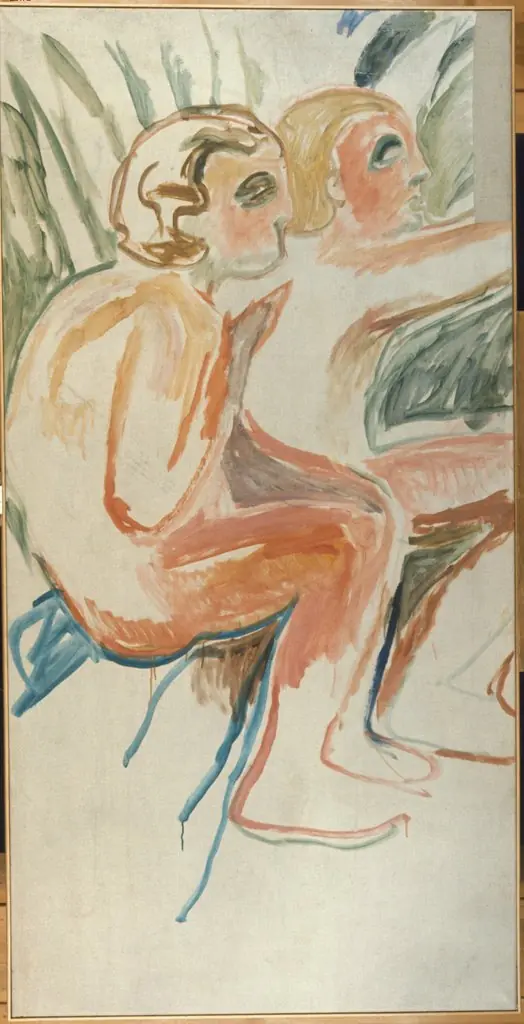
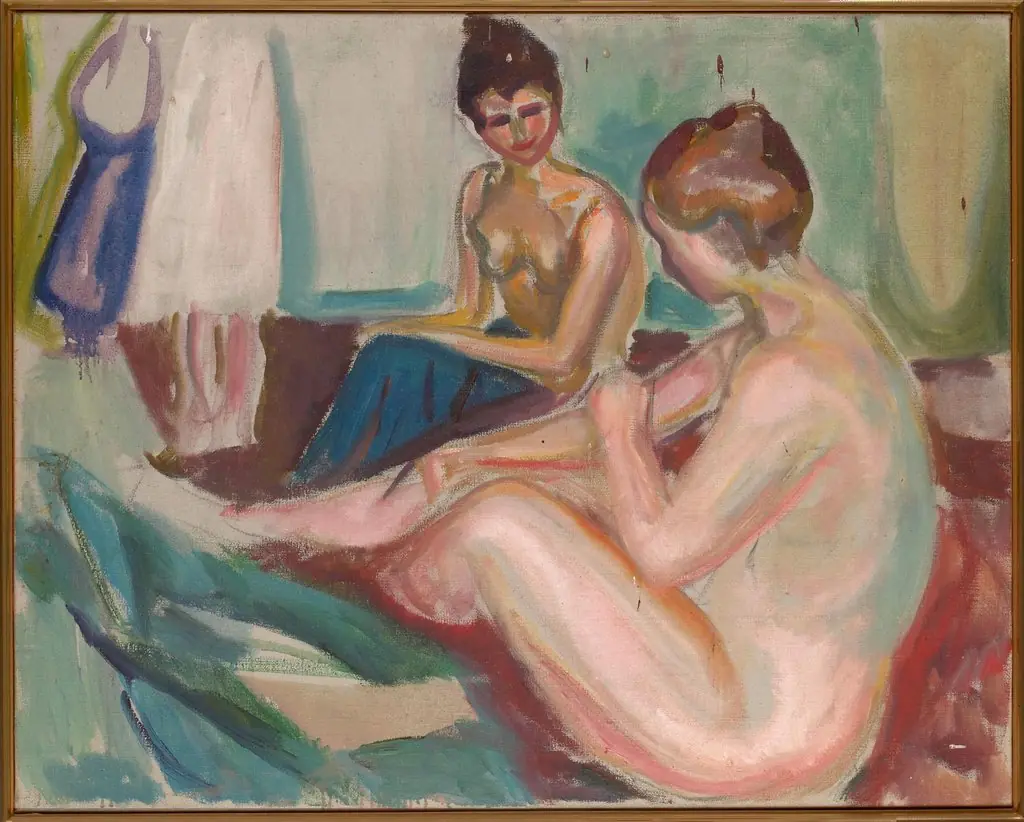
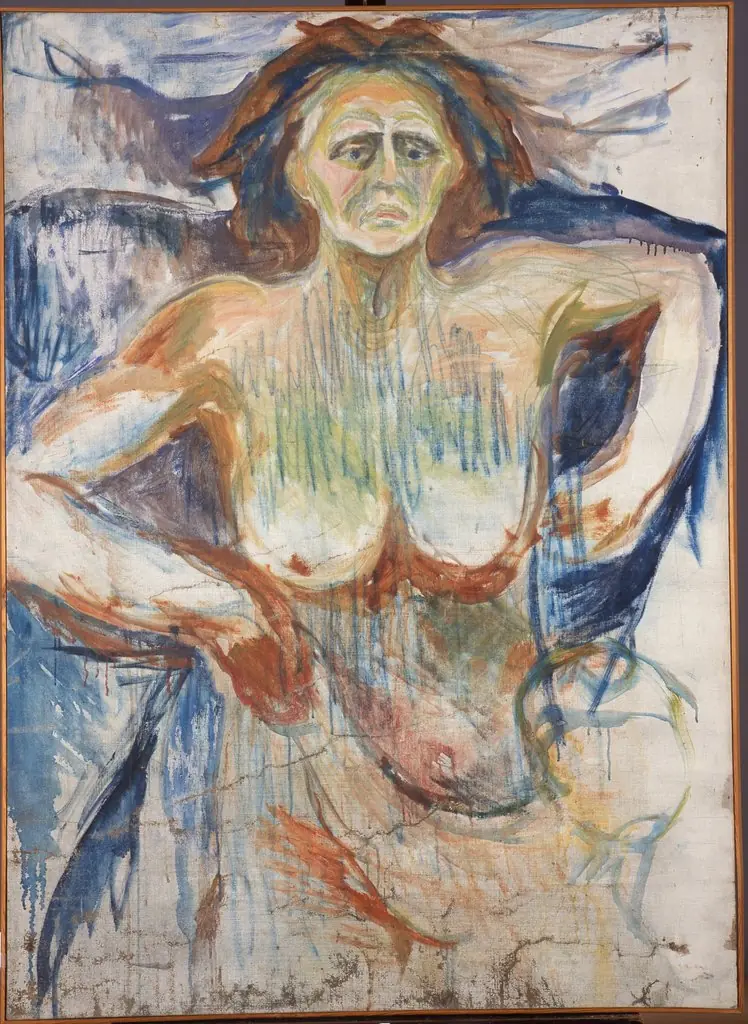
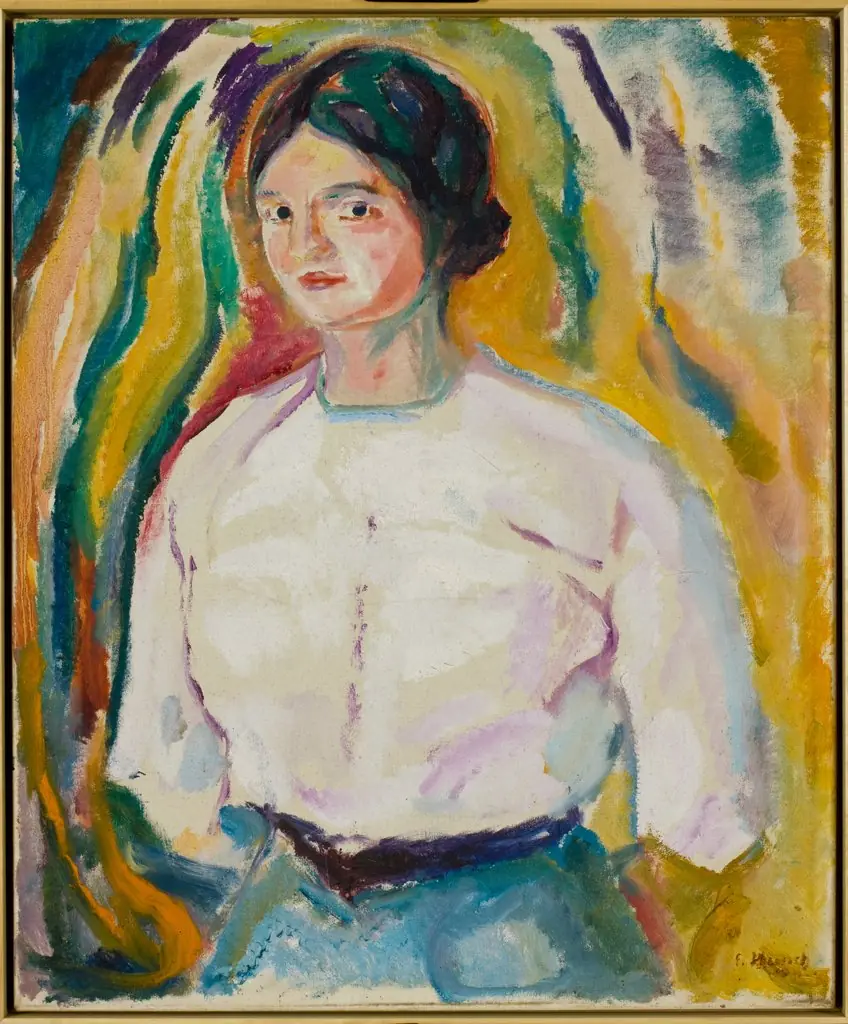
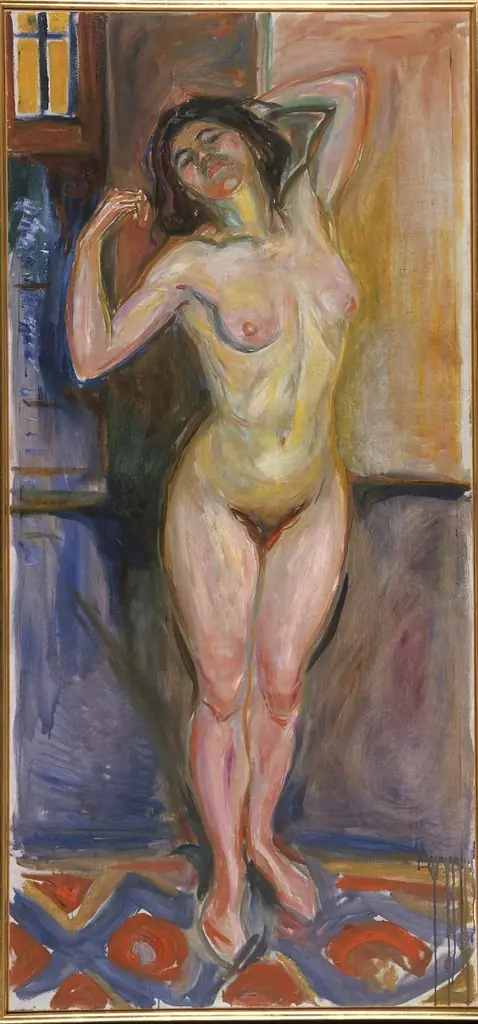
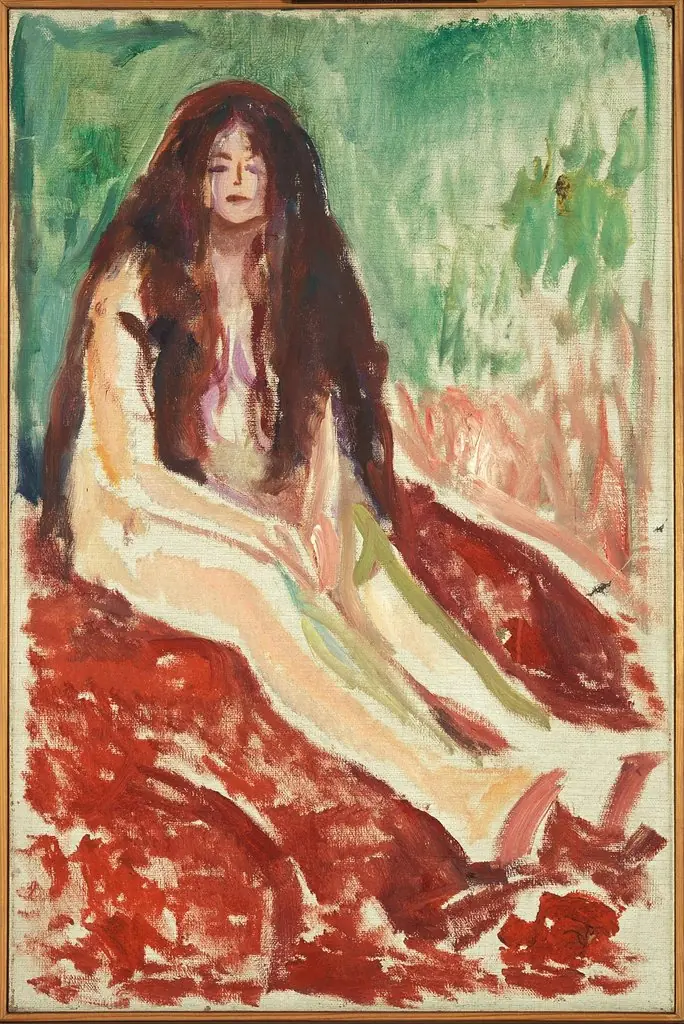
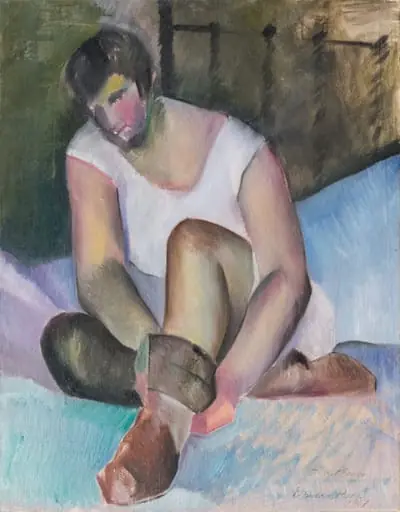
Woman in a Negligé is an oil painting by the Post-Impressionist artist Edvard Munch. It dates from 1925 and is held in the collection of the Munch Museum.
About this work
Overview
It belongs to his later period, continuing his exploration of intimate, psychological themes through portraiture.
Painted in 1925, *Woman in a Negligé* is an oil on canvas work by Norwegian artist Edvard Munch. It belongs to his later period, continuing his exploration of intimate, psychological themes through portraiture. The painting is part of the permanent collection at the Munch Museum in Oslo, where it reflects his sustained interest in the human figure as a vessel for emotional resonance rather than idealized form.
Subject & Meaning
The figure is depicted from behind, dressed in a loosely draped garment, suggesting vulnerability and private moments. Munch avoids direct gaze or narrative context, focusing instead on the physicality and solitude of the subject. This orientation invites contemplation rather than identification, reinforcing his broader tendency to portray inner states through posture and atmosphere rather than facial expression.
Technique & Style
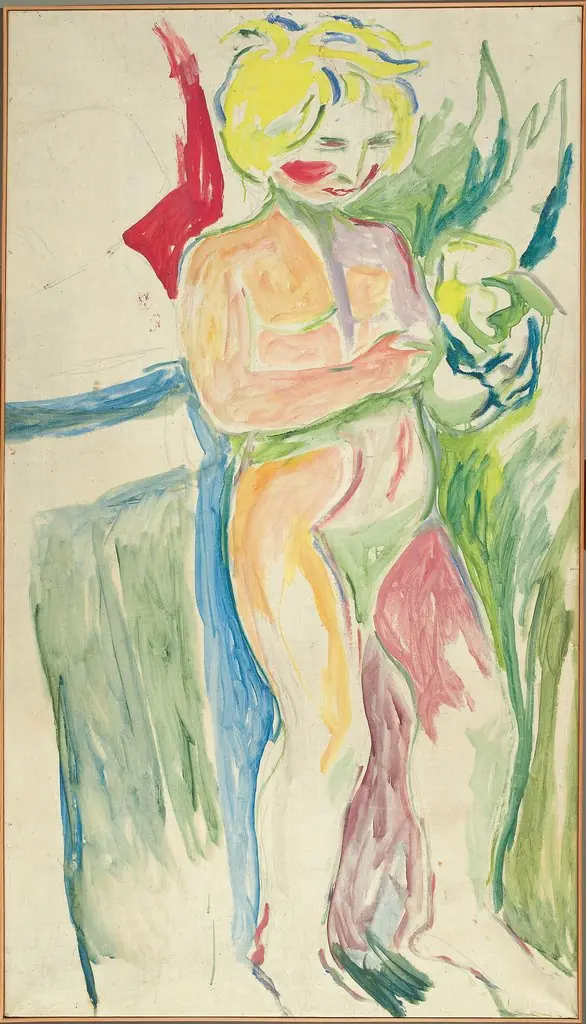
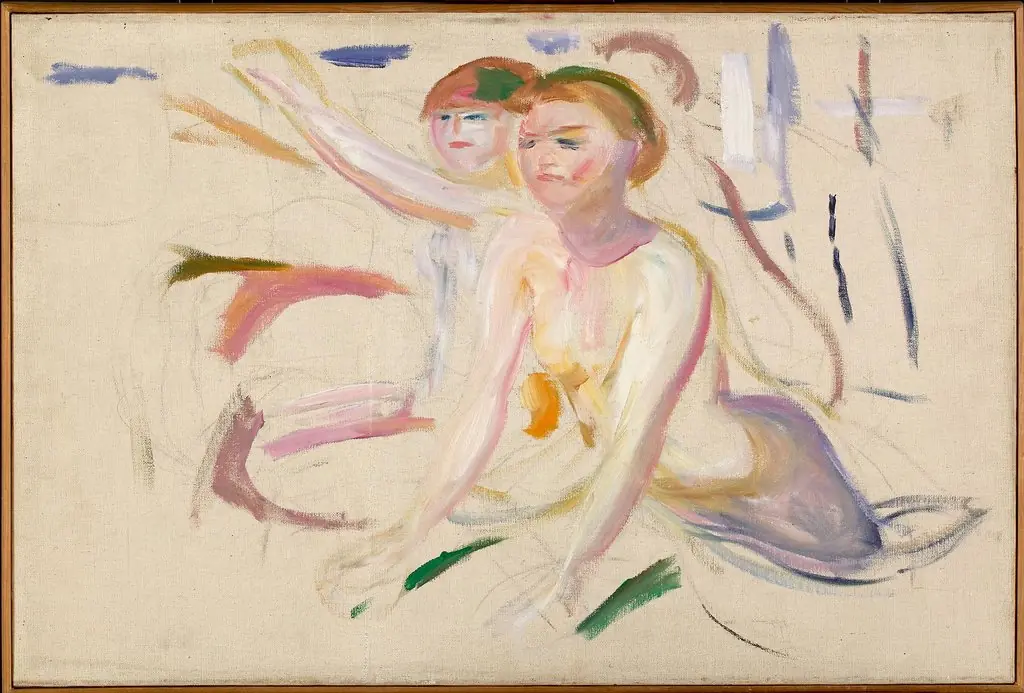
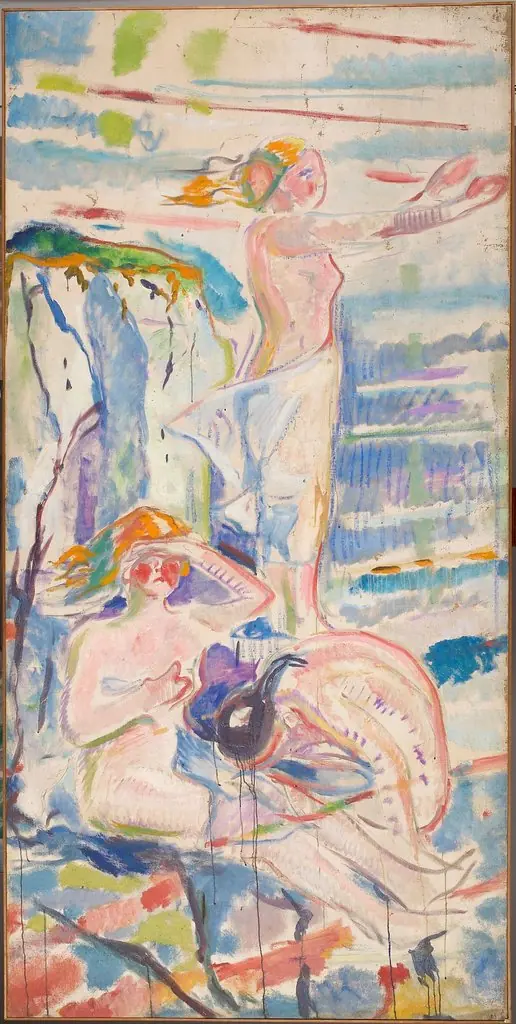
Munch applied oil paint with vigorous, unrefined brushwork, building texture through thick impasto. Colors—pinks, blues, yellows—are layered without blending, creating a sense of raw energy. The background, streaked with red and green, does not recede but competes for attention, destabilizing spatial depth. The deliberate lack of polish emphasizes immediacy, aligning with expressive rather than representational goals.
History & Provenance
The painting was completed during Munch’s later years in Norway, a time when he increasingly turned to personal subjects after years of international exposure. It remained in his possession until his death in 1944, after which it entered the Munch Museum’s collection, established to preserve his artistic legacy. Its provenance is well-documented, with no significant gaps in ownership.
Context
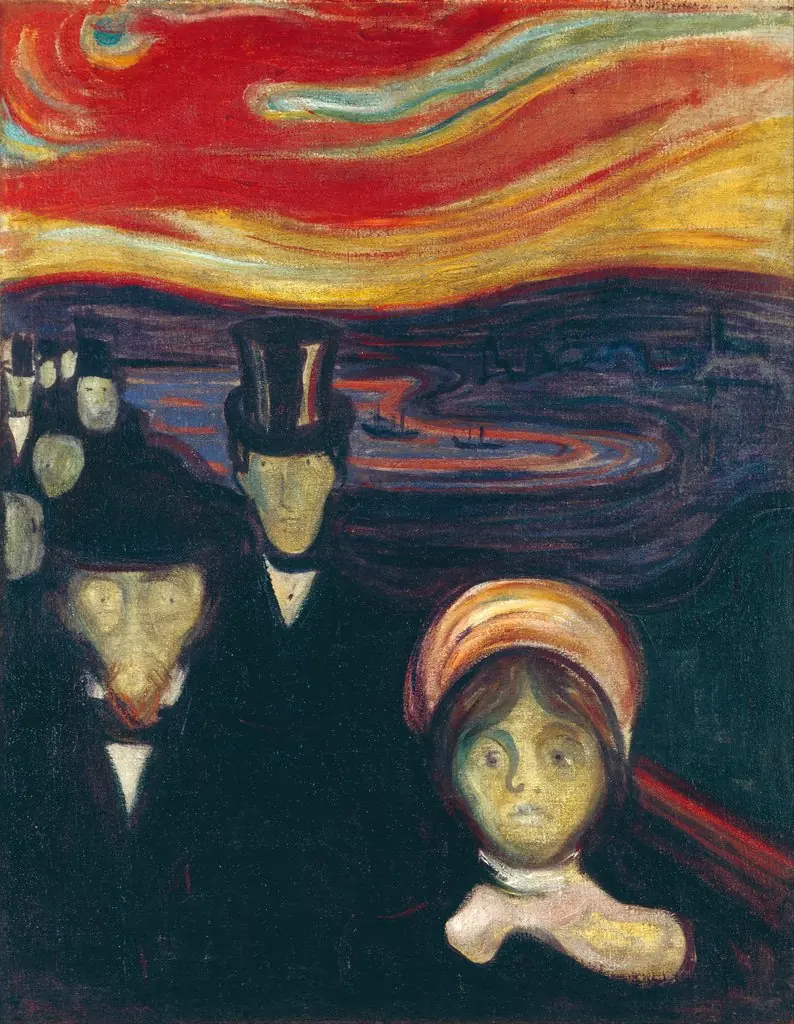
Created decades after *The Scream*, this work reflects Munch’s continued engagement with themes of intimacy and psychological tension, albeit in quieter form. While earlier works often depicted anxiety through dramatic symbolism, here emotion is conveyed through gesture and materiality. The painting sits within a broader trend in early 20th-century European art that valued subjective experience over academic precision.
Legacy
*Woman in a Negligé* exemplifies Munch’s late style, where emotional intensity is channeled through physical brushwork rather than symbolic content. It influenced later expressionist painters who prioritized gesture and texture over realism. Though less widely known than his iconic works, it remains a key example of his enduring commitment to portraying the inner life through the body.
Artist & collection

Artist
Edvard Munch ( MUUNK; Norwegian: ; 12 December 1863 – 23 January 1944) was a Norwegian painter.