Artwork
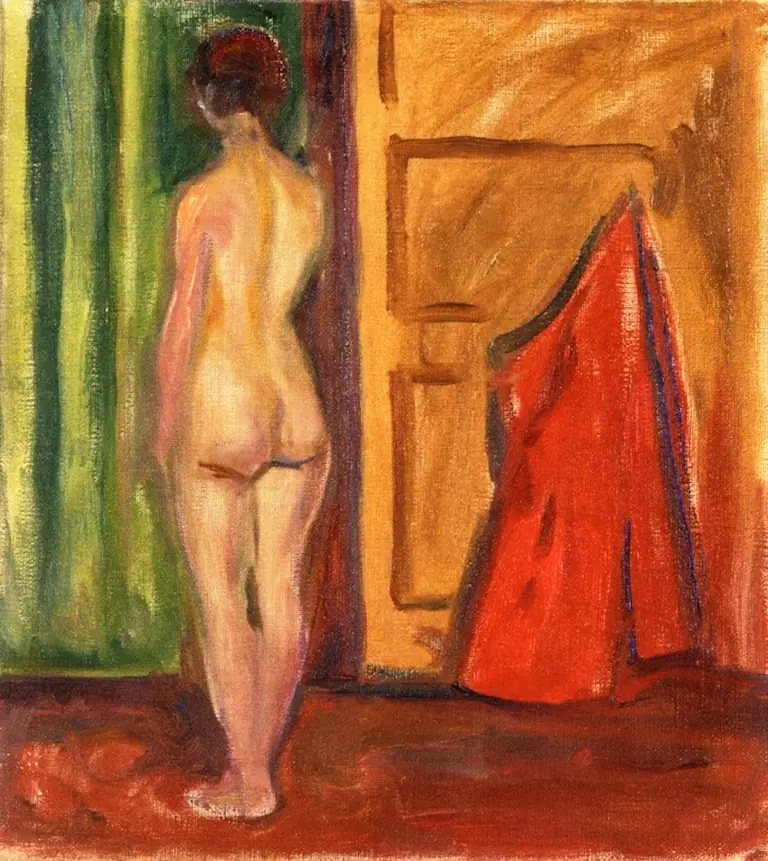
Woman Standing in the Doorway
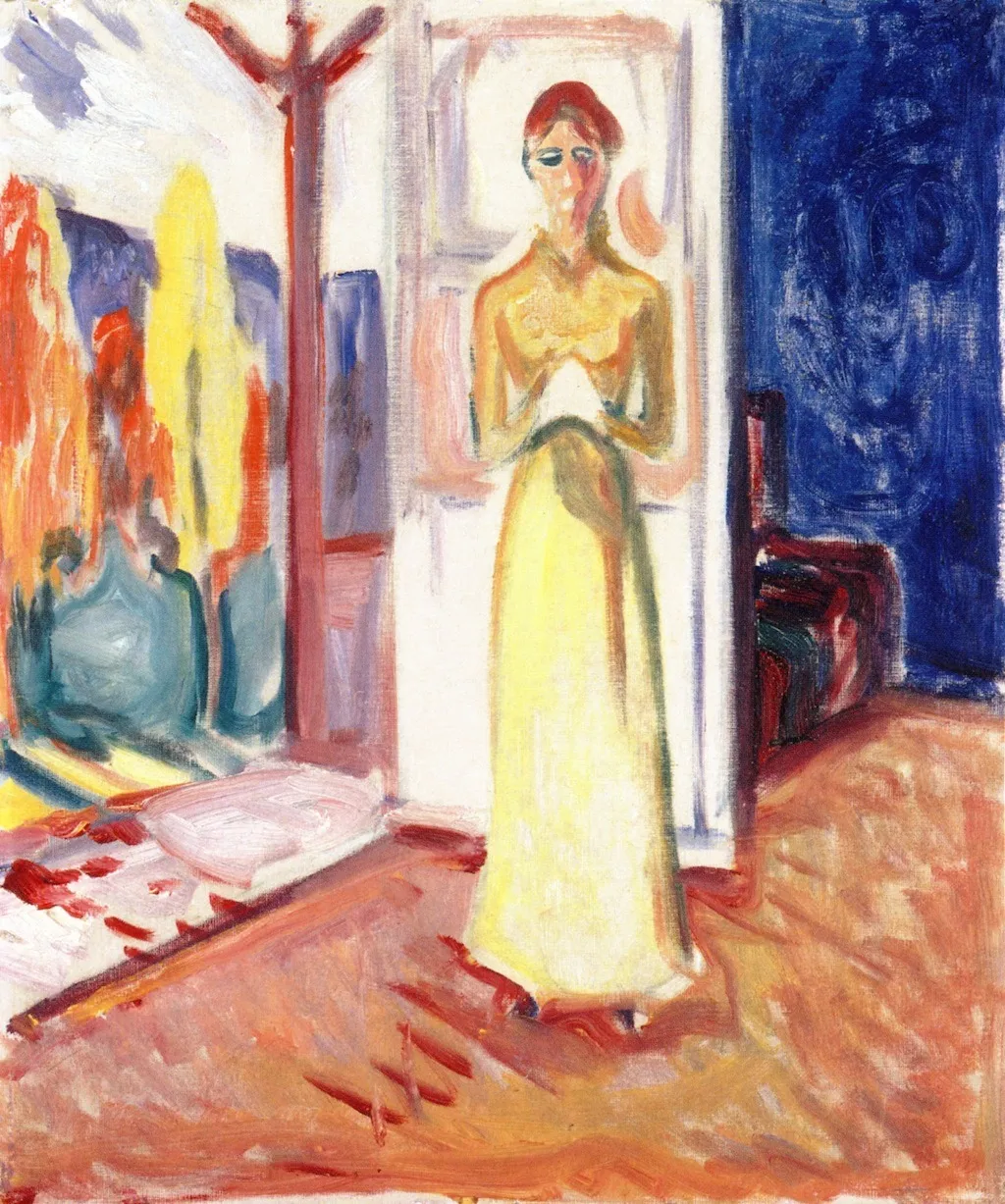
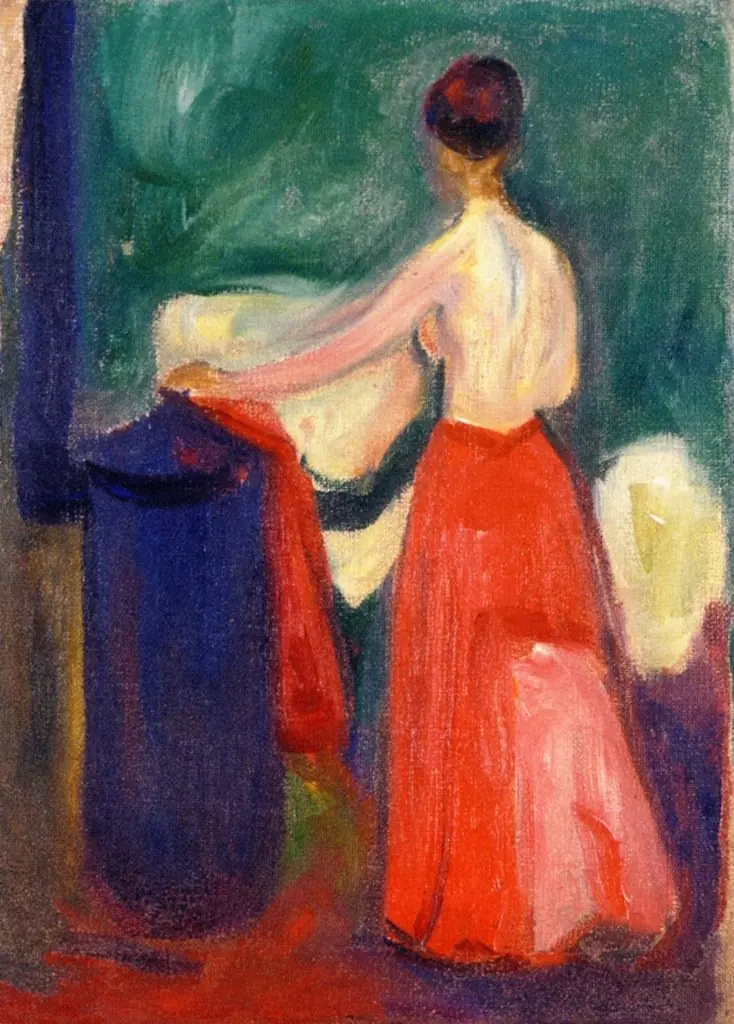
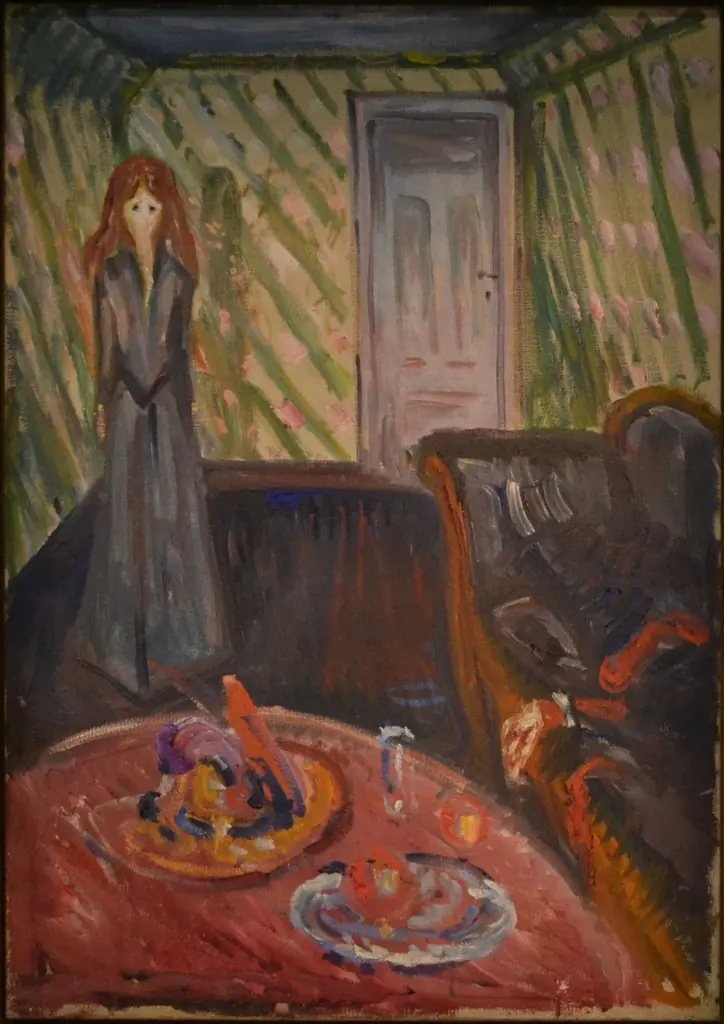
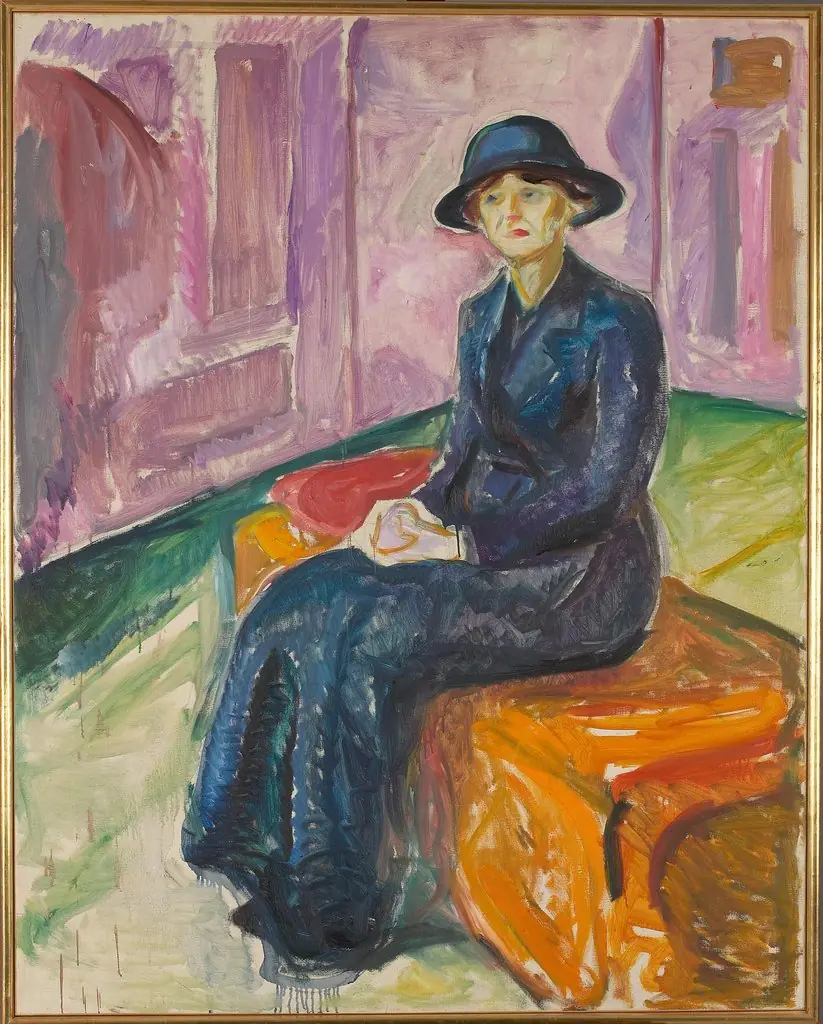
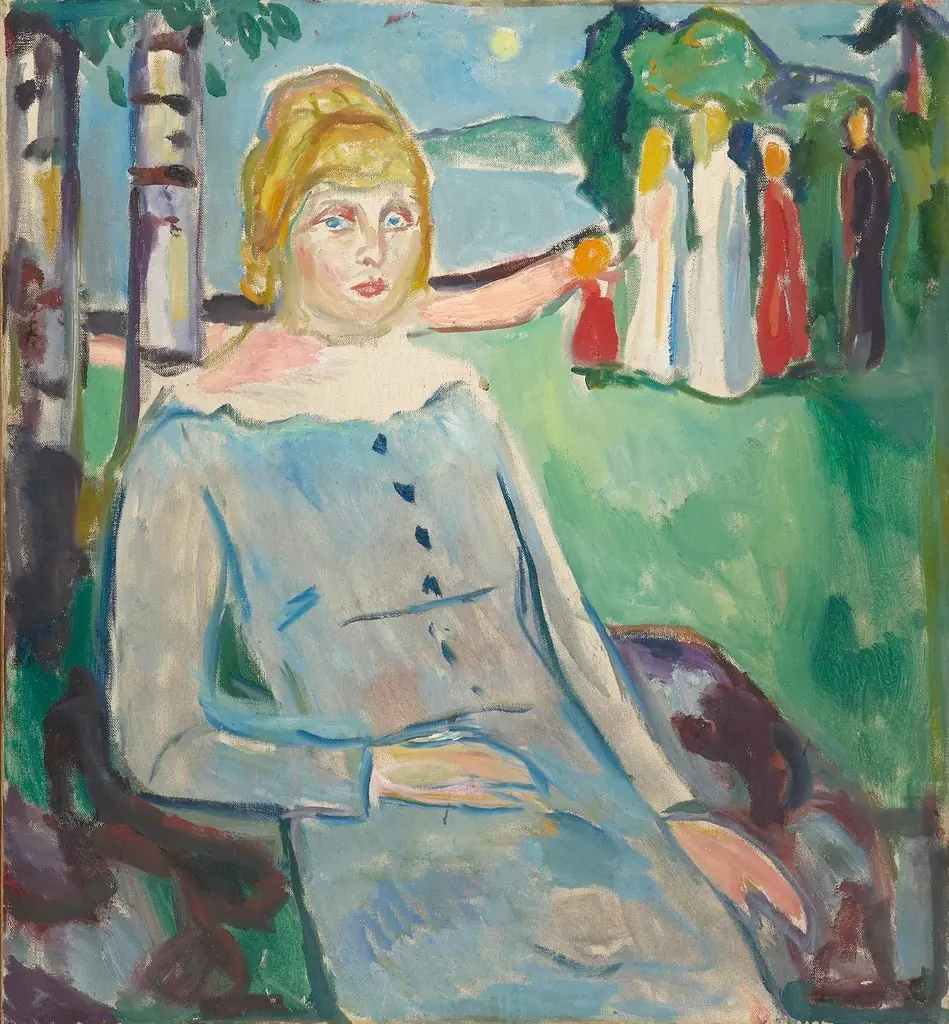
Woman Standing in the Doorway is an oil painting by the Post-Impressionist artist Edvard Munch. It dates from 1906 and is held in the collection of the Munch Museum.
About this work
Overview
Painted in 1906, *Woman Standing in the Doorway* is an oil on canvas work by Norwegian artist Edvard Munch. It belongs to a series of intimate interior scenes in which he examined solitude and psychological presence. The painting is part of the permanent collection of the Munch Museum in Oslo, where it reflects his sustained interest in the emotional resonance of everyday moments.
Subject & Meaning
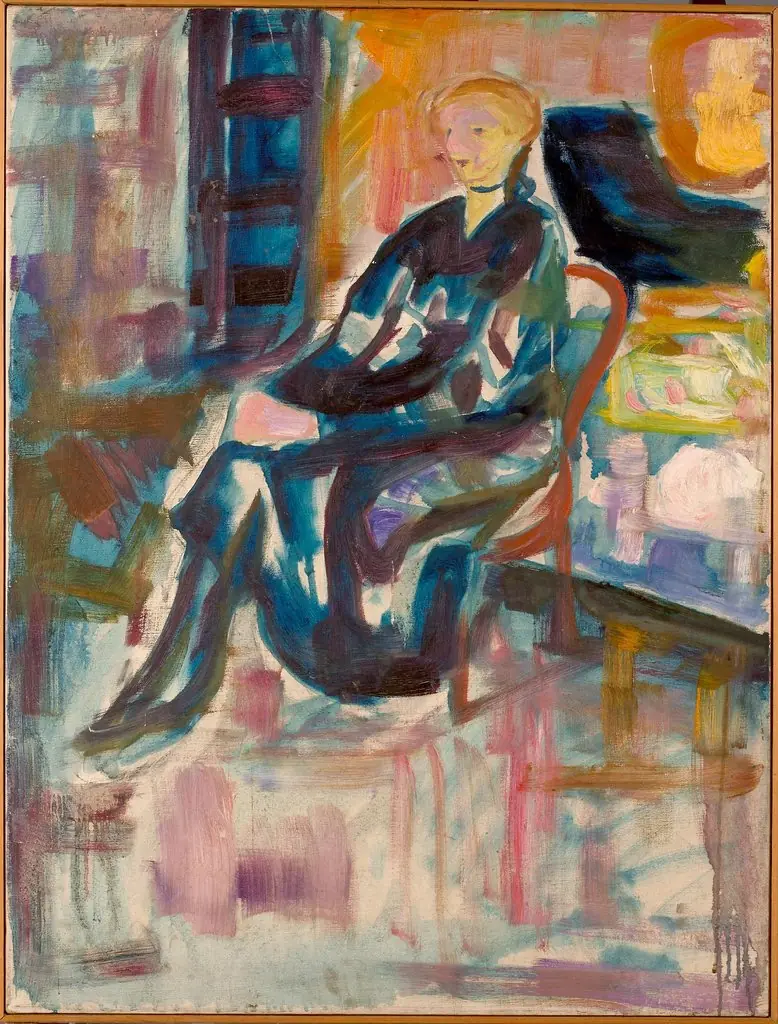
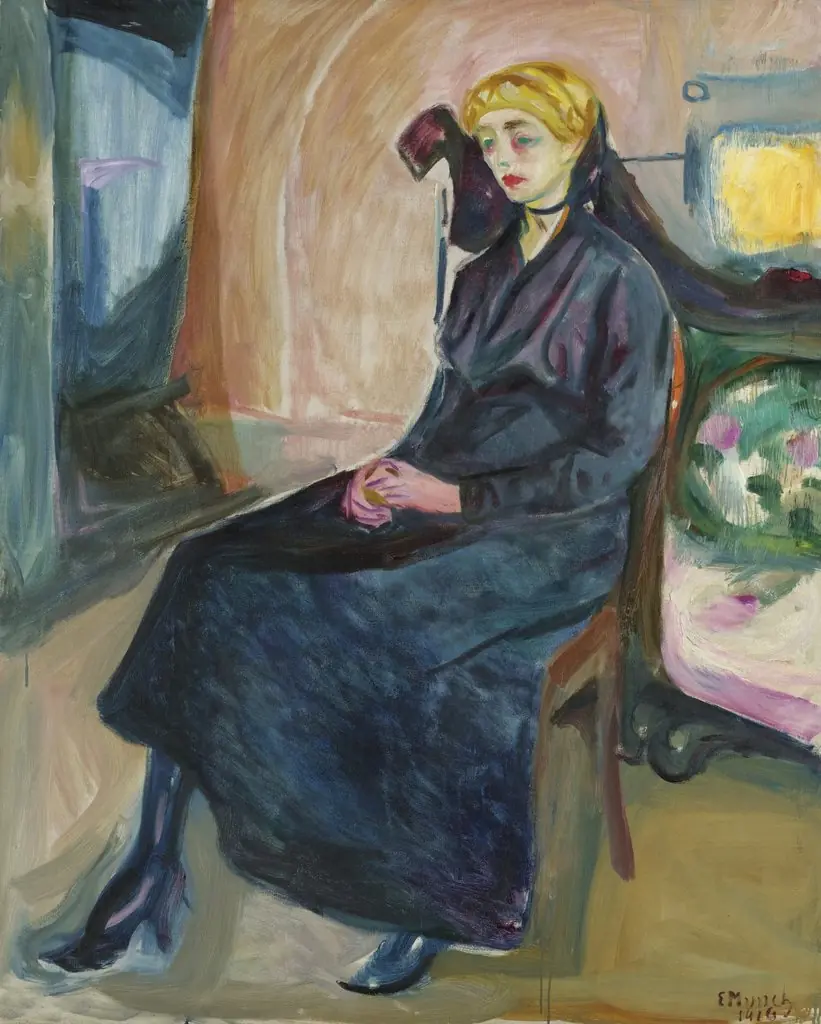
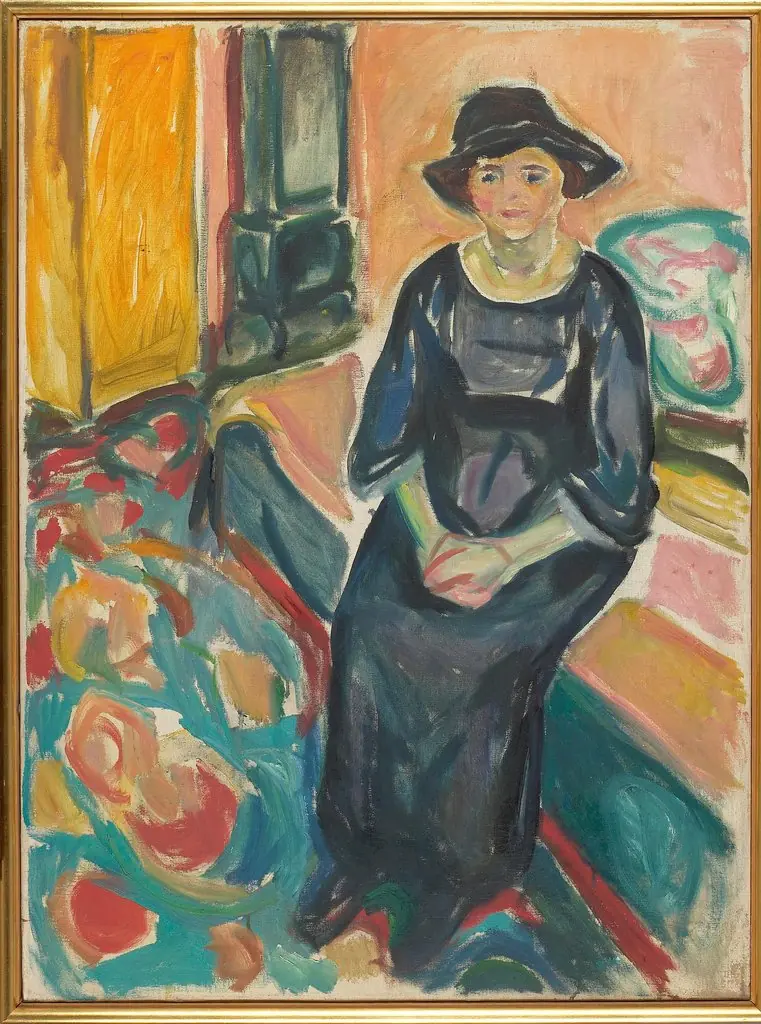
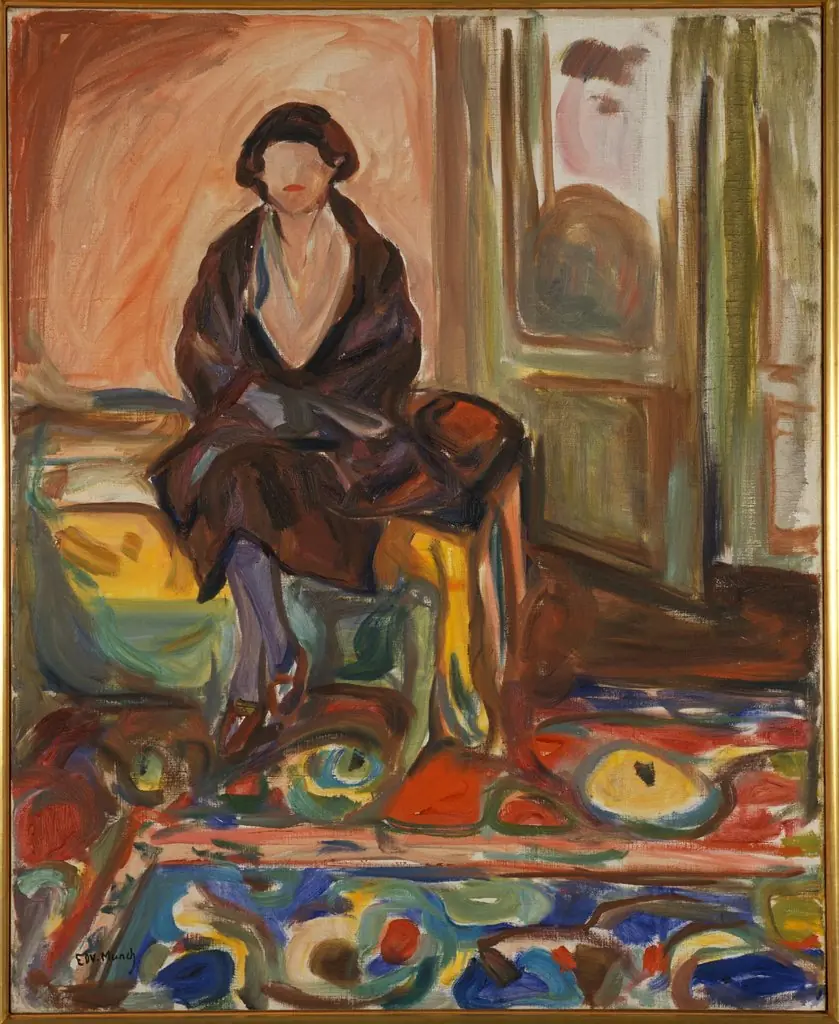
A solitary woman stands centered in a doorway, her face softened into ambiguity, neither fully present nor entirely withdrawn.
A solitary woman stands centered in a doorway, her face softened into ambiguity, neither fully present nor entirely withdrawn. The threshold she occupies suggests transition—between inside and outside, silence and speech, isolation and connection. Munch often used such liminal figures to evoke inner states rather than narrative, inviting viewers to project their own sense of unease or stillness onto the scene.
Technique & Style
Munch employed bold, expressive brushwork and heightened color to convey mood rather than realism. The yellow dress contrasts with the cool blue walls, creating visual tension. The floor rug and furnishings are rendered with loose, rhythmic strokes, while the figure’s blurred features dissolve detail into emotional ambiguity. Light and shadow are suggested through color contrast, not traditional chiaroscuro.
History & Provenance
Created during Munch’s mature period in Kristiania (now Oslo), the painting emerged from his personal engagement with themes of loneliness and psychological depth. It remained in his possession until his death in 1944, after which it entered the collection of the Munch Museum, established to preserve his legacy. Its provenance is well-documented through the artist’s own records and museum archives.
Context
Munch’s work in this era responded to broader European currents in Symbolism and Post-Impressionism, though he remained distinct in his focus on subjective experience. His bohemian surroundings in Oslo, along with personal losses and chronic illness, shaped his preoccupation with vulnerability and interiority. This painting aligns with his broader exploration of the human condition beyond literal representation.
Legacy
The painting contributes to Munch’s enduring reputation for translating emotional states into visual form. While less widely known than *The Scream*, it exemplifies his quieter, introspective mode—where domestic spaces become psychological landscapes. Its presence in the Munch Museum ensures continued study of his approach to atmosphere, figure, and the silent weight of presence.
Artist & collection
Artist
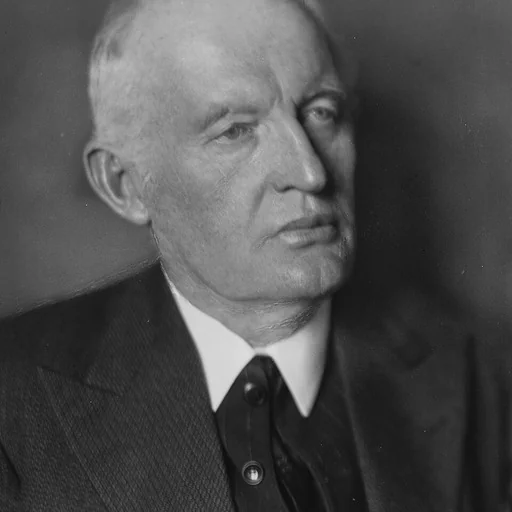
Edvard Munch ( MUUNK; Norwegian: ; 12 December 1863 – 23 January 1944) was a Norwegian painter.