Artwork
A Weir, near Oxford
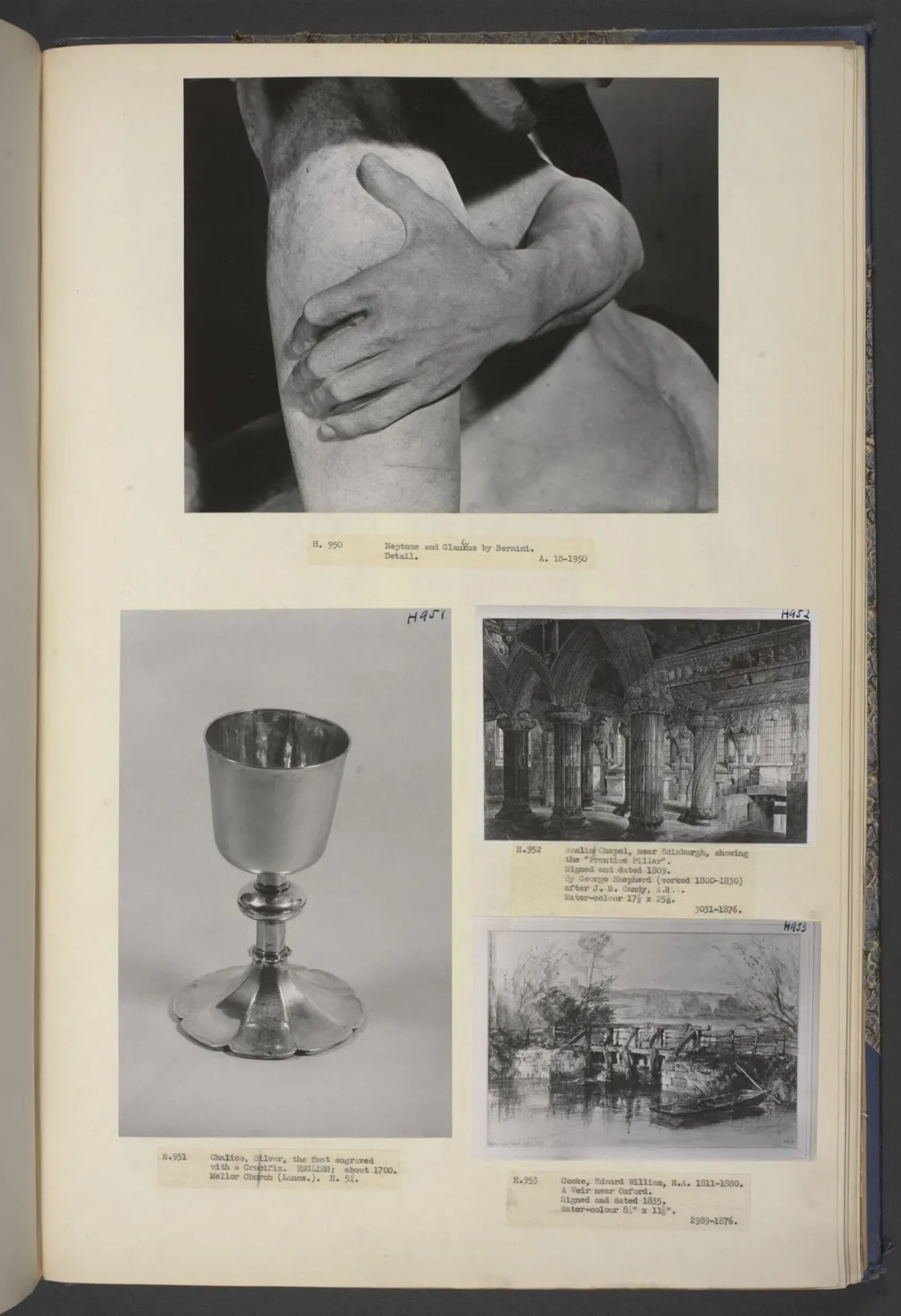
A Weir, near Oxford is a watercolor work on paper by the Romanticist artist Edward William Cooke. It dates from 1835 and is held in the collection of the Victoria and Albert Museum. Executed in 1835, this watercolour by Edward Cooke depicts a modest river structure near Oxford.
About this work
Overview
The scene captures a functional weir—constructed of wooden planks and posts—set against a tranquil stretch of water.
Executed in 1835, this watercolour by Edward Cooke depicts a modest river structure near Oxford. The scene captures a functional weir—constructed of wooden planks and posts—set against a tranquil stretch of water. A narrowboat rests near a modest dock, and the surrounding banks are lined with sparse vegetation. The work reflects a quiet, unidealized observation of rural infrastructure rather than a dramatic landscape.
Subject & Meaning
The subject centers on a working weir, an essential feature for managing water levels in pre-industrial England. Its presence supports navigation and milling, grounding the image in practical utility. Cooke’s focus on this unassuming structure, rather than picturesque scenery, suggests an interest in the everyday mechanics of river life. The scene conveys quiet functionality, not romanticized nature.
Technique & Style
Cooke employed transparent watercolour washes to suggest soft light and atmospheric haze. Delicate brushwork defines the wooden beams of the weir and the still surface of the water, while minimal detail in the background enhances the sense of calm. The palette is restrained, dominated by muted greens, browns, and greys, reinforcing the subdued, observational tone of the composition.
History & Provenance
The work is signed and dated by Cooke in 1835, placing it within his active period as a topographical watercolourist. While its early ownership is undocumented, it aligns with the tradition of amateur and professional artists recording local infrastructure during the early Victorian era. The piece remains in private or institutional collections, though its current location is not publicly specified.
Context
In the 1830s, British artists increasingly turned to ordinary landscapes and utilitarian structures as subjects, moving away from grand historical or alpine themes. Cooke’s work reflects this shift, documenting the quiet infrastructure of river systems vital to transport and industry. Such scenes were often studied for their topographical accuracy and social relevance.
Legacy
Cooke’s watercolours, including this one, contribute to a broader archive of 19th-century British topographical art. They offer insight into the overlooked elements of rural life that sustained local economies. Though not widely exhibited today, his works remain valuable for their unembellished record of England’s waterways and their human-modified environments.
Artist & collection