Artwork
Copy after the painting St Francis appearing to the brethren in a chariot of fire by the Master of the St Francis cycle in the Upper Church, San Francesco, Assisi
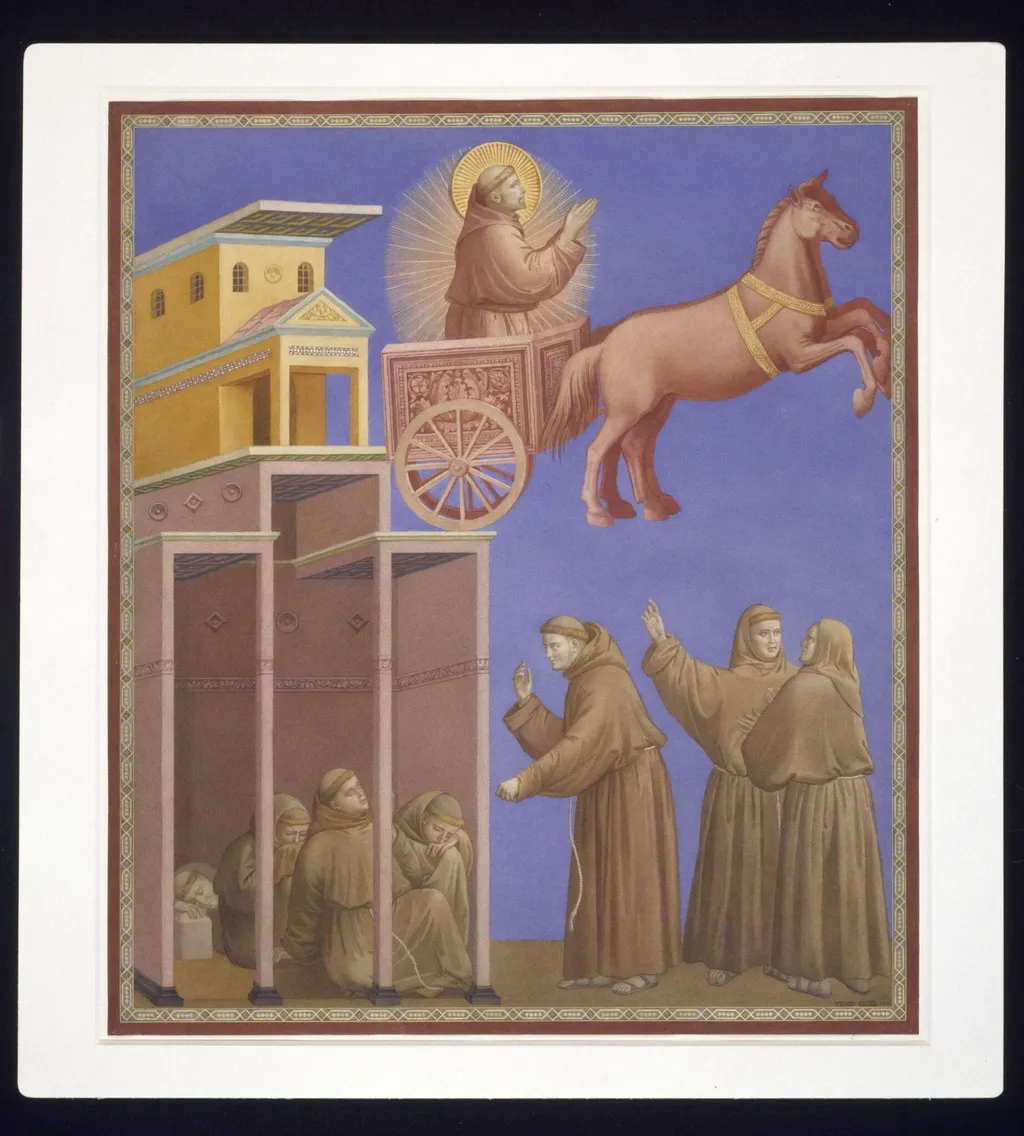
Copy after the painting St Francis appearing to the brethren in a chariot of fire by the Master of the St Francis cycle in the Upper Church, San Francesco, Assisi is a watercolor work on paper by the Impressionist artist Edward Kaiser. It dates from 1874 and is held in the collection of the Victoria and Albert Museum.
About this work
Overview
Kaiser’s version was commissioned by the Arundel Society to document medieval religious art, though it was never published.
Edward Kaiser created a watercolour copy in 1874 of a fresco from the Upper Church of San Francesco in Assisi. The original, attributed to the Master of the St Francis cycle, depicts a visionary moment involving St Francis. Kaiser’s version was commissioned by the Arundel Society to document medieval religious art, though it was never published. His inscription confirms his authorship and the work’s role as a faithful transcription of a deteriorating fresco.
Subject & Meaning
The scene portrays St Francis ascending in a fiery chariot, surrounded by kneeling friars who witness his divine elevation. The chariot, drawn by a single horse and wreathed in flame, suggests a spiritual translation rather than a physical departure. The figures’ solemn postures and upward gazes convey reverence and awe, aligning with Franciscan hagiography that emphasized Francis’s mystical connection to the divine.
Technique & Style
Kaiser employed transparent watercolour to replicate the fresco’s luminous tones and linear clarity. His brushwork is precise, with delicate shading to define drapery and form, yet retains a restrained palette consistent with 19th-century documentary practices. The background’s flat blue sky and simplified architecture reflect his focus on structural accuracy over atmospheric depth, prioritizing fidelity to the source over artistic embellishment.
History & Provenance
Commissioned by the Arundel Society in the 1870s, the watercolour was part of a broader effort to preserve deteriorating medieval murals through reproduction. Though intended for publication, it remained in the Society’s archives. Kaiser’s copy is now held by the Victoria and Albert Museum, where it serves as a record of the Assisi fresco’s condition before later restorations altered its appearance.
Context
In the 19th century, European institutions increasingly sought to document and disseminate medieval art, especially in Italy, where frescoes were vulnerable to decay and neglect. The Arundel Society’s projects, including Kaiser’s, reflected a scholarly impulse to preserve visual heritage. This work emerged amid growing interest in Gothic and early Christian iconography, positioning religious imagery as culturally significant rather than merely devotional.
Legacy
Kaiser’s watercolour remains a valuable historical document, offering insight into the appearance of the Assisi fresco before 20th-century interventions. It exemplifies the role of reproductive art in academic preservation, bridging medieval original and modern scholarship. While not an artistic innovation, its careful execution ensures its continued relevance to the study of Franciscan visual culture.
Artist & collection

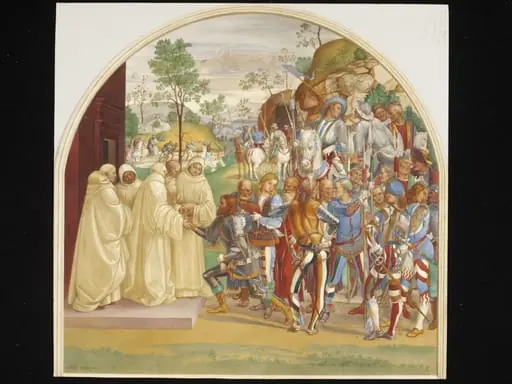 St Benedict and the True King Totila
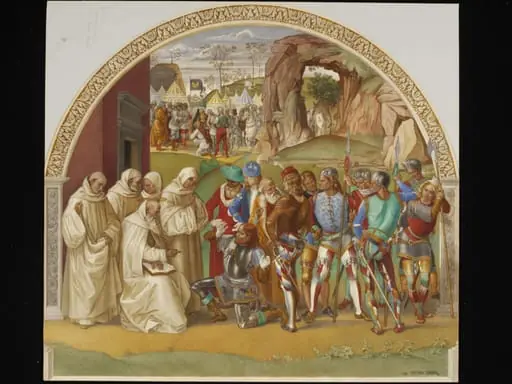 St Benedict and the False King Totila
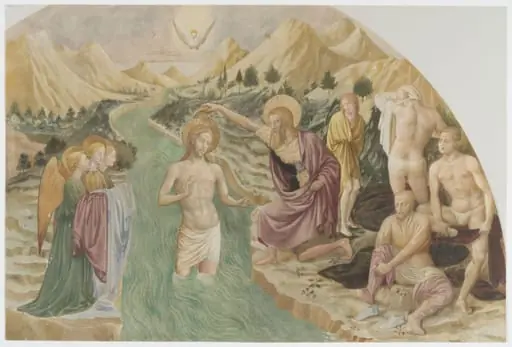 Copy after the painting Baptism of Christ by Masolino in Castiglione d'Olona
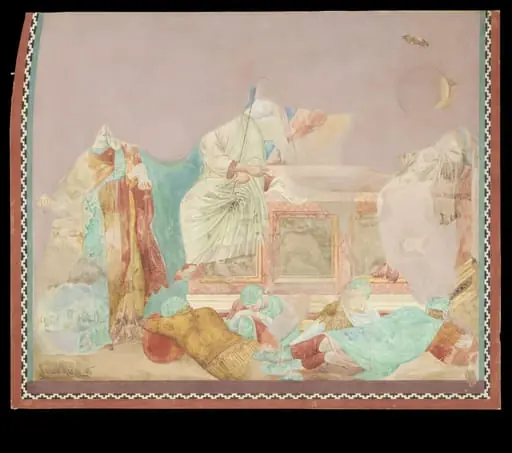 Copy after the painting The Maries at the Sepulchre attributed to the Isaac Master in the Upper Church, San Francesco, Assisi
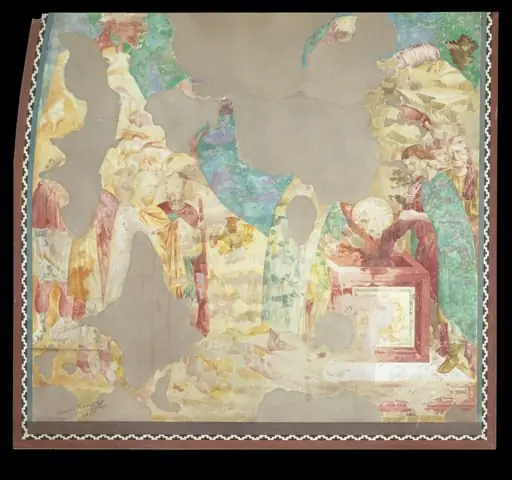 Copy after the painting Joseph and his brothers at the Well attributed to the Isaac Master in the Upper Church, San Francesco, Assisi
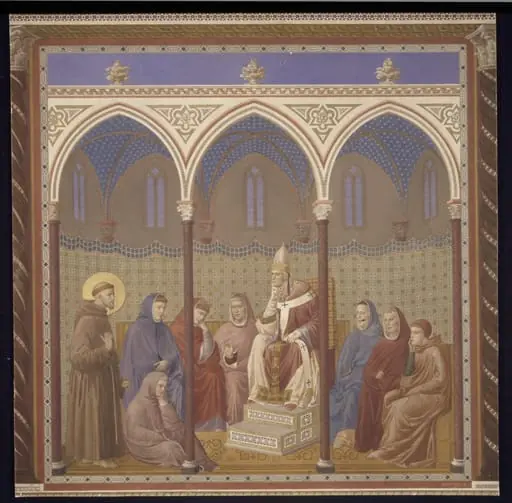 Copy after the painting St Francis before Pope Honorius by the Master of the St Francis cycle in the Upper Church, San Francesco, Assisi
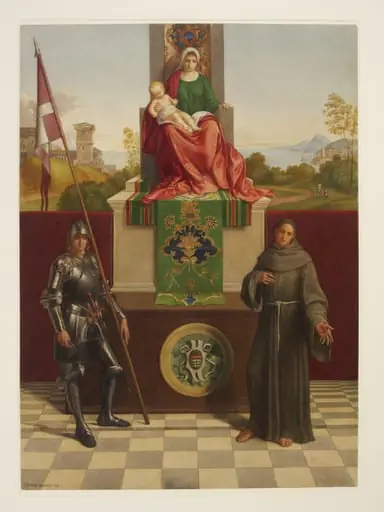 Copy after the painting Virgin and Child with Saints (Castelfranco Altarpiece) by Giorgione in S. Liberale, Castelfranco
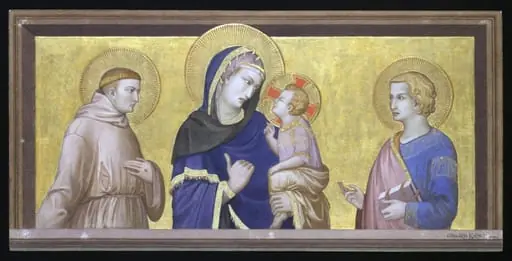 Copy after the painting Virgin and Child with St John and St Francis by Pietro Lorenzetti ??? in the Lower Church, San Francesco, Assisi
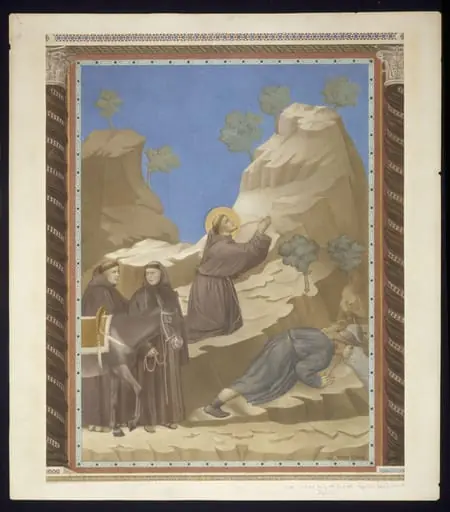 Copy after the painting St Francis Drawing water from the rock by the Master of the St Francis cycle in the Upper Church, San Francesco, Assisi
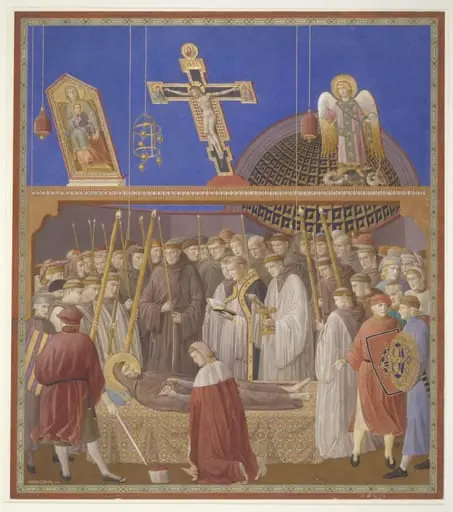 Copy after the painting Death of St Francis by the Master of the St Francis cycle in the Upper Church, San Francesco, Assisi
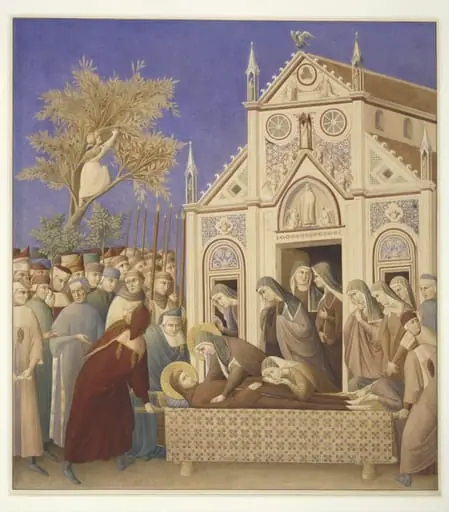 Copy after the painting The Body of St Francis Met by Santa Chiara by the Master of the St Francis Cycle in the Upper Church, San Francesco Assisi
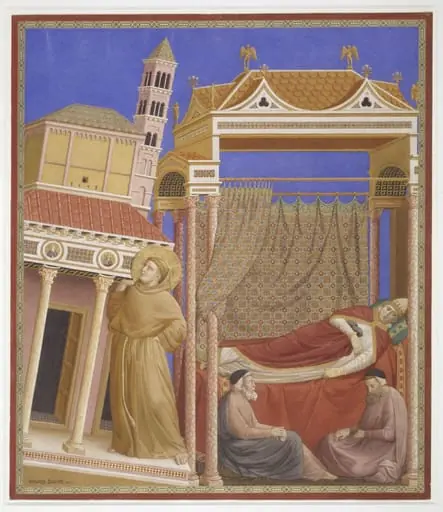 Copy after the painting The Dream of Innocent III by the Master of the St Francis cycle in the Upper Church, San Francesco, Assisi
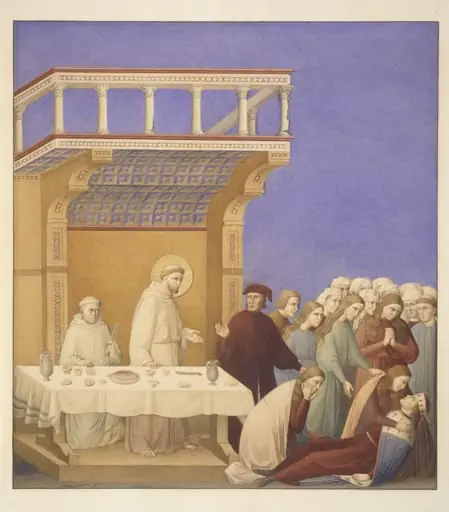 Copy after the painting Death of the Knight of Celano by the Master of the St Francis cycle in the Upper Church, San Francesco, Assisi
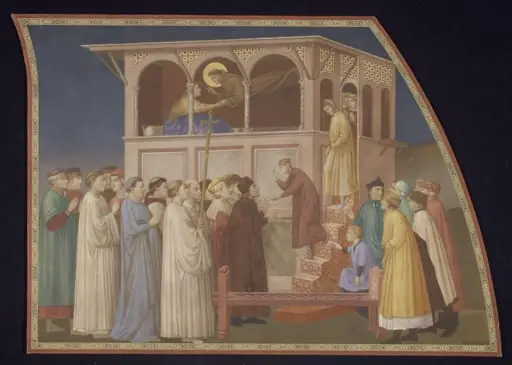 Copy after the painting Posthumous Miracle of St Francis by a follower of Giotto in the Lower Church, San Francesco, Assisi