Artwork
Untitled
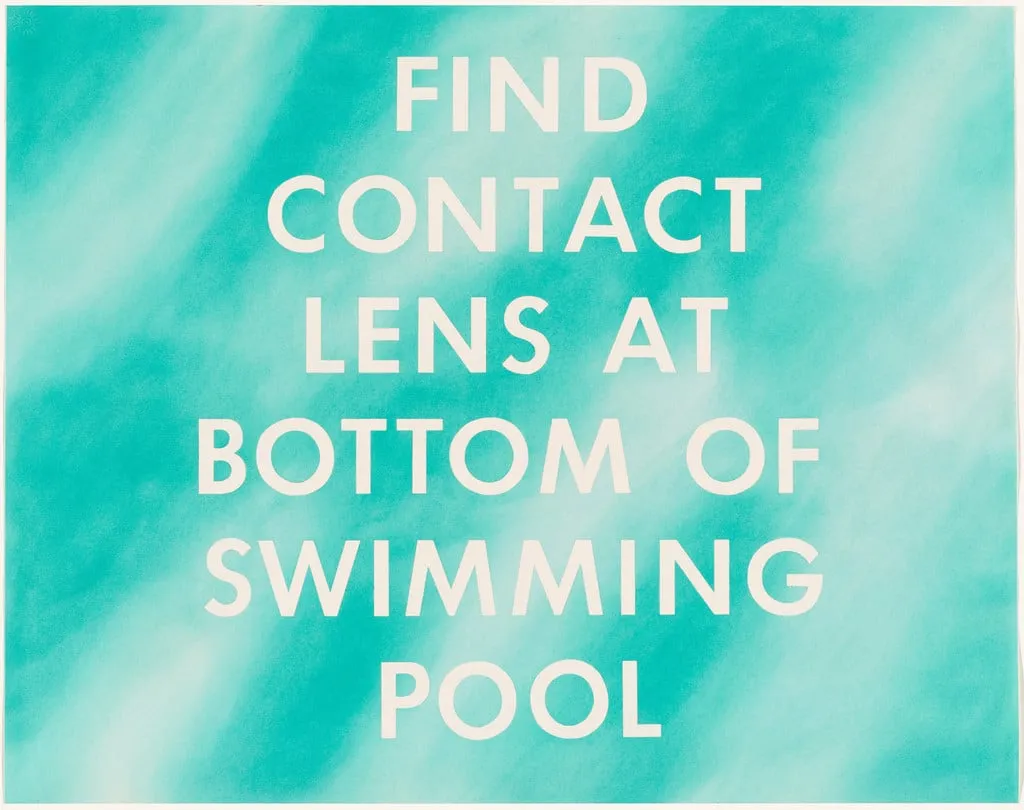
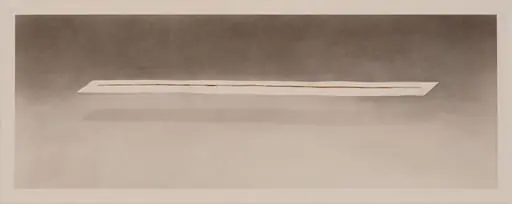
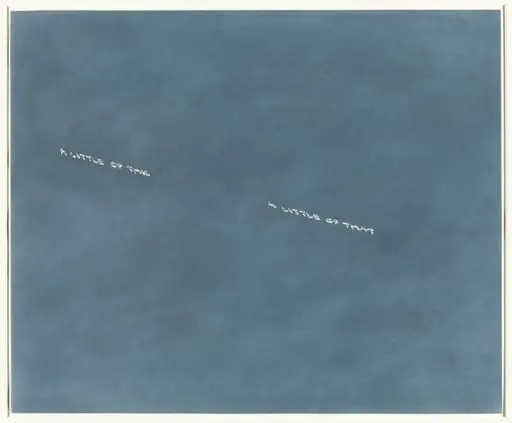
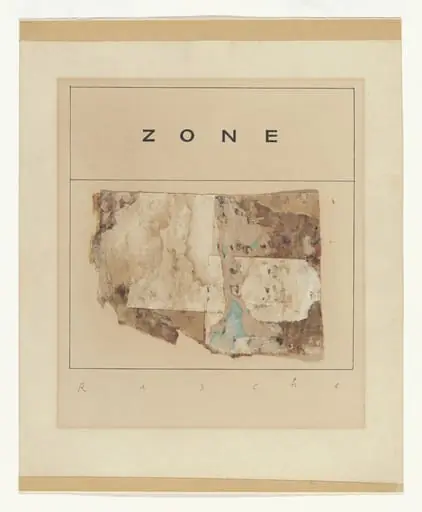
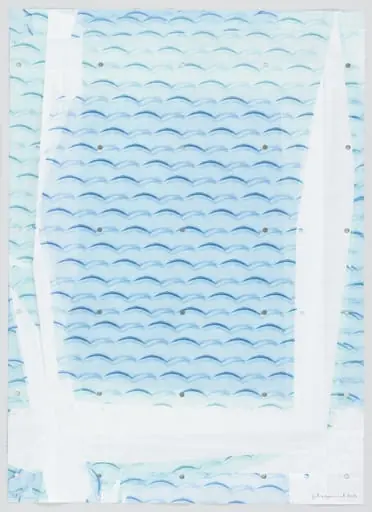
Untitled is a pastel drawing by Edward Ruscha. It dates from 1976 and is held in the collection of the Museum of Modern Art.
About this work
Overview
Though associated with Pop Art, Ruscha’s approach resists overt commercial imagery, favoring instead the quiet absurdity of everyday phrases.
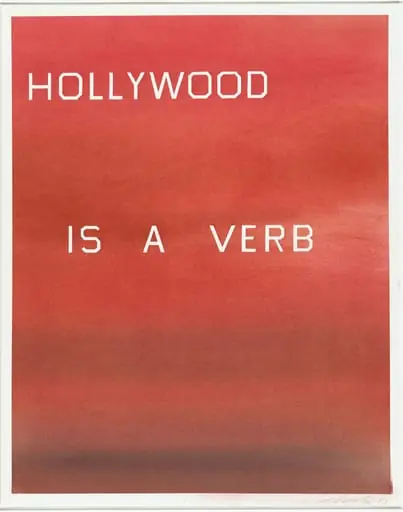
Edward Ruscha created this drawing in 1976 using pastel on paper, a medium that lends a muted, tactile quality to the work. It belongs to a series of text-based pieces that blend vernacular language with minimalist composition. Though associated with Pop Art, Ruscha’s approach resists overt commercial imagery, favoring instead the quiet absurdity of everyday phrases. The work is held in the collection of The Museum of Modern Art.
Subject & Meaning
The phrase 'Find contact lens at bottom of swimming pool' presents a futile, almost surreal instruction. It evokes mundane domestic concerns—vision, hygiene, loss—while amplifying their absurdity through context. The lack of visual embellishment forces attention onto the language itself, turning a trivial thought into a contemplative object. The humor is dry, not playful, inviting reflection on the weight of ordinary speech.
Technique & Style
Ruscha applied pastel lightly over a pale blue ground, allowing the paper’s texture to show through and the pigment to blur at the edges. The white text is rendered in bold, sans-serif lettering, centered and evenly spaced, mimicking commercial signage. The softness of the medium contrasts with the crispness of the words, creating a tension between fragility and authority. No brushwork or shading distracts from the text’s neutrality.
History & Provenance
This work emerged during a period when Ruscha was deeply engaged with language as a visual form, following his earlier artist’s books and typographic paintings. It entered The Museum of Modern Art’s collection in the late 1970s, part of a broader institutional recognition of conceptual drawing as a legitimate art form. Its acquisition reflects the museum’s interest in post-1960s American practices that challenged traditional boundaries between art and language.
Context
In the 1970s, Ruscha’s work aligned with Conceptual Art’s emphasis on idea over object, while retaining a distinctly Californian sensibility shaped by car culture, advertising, and suburban isolation. His use of banal phrases echoed the linguistic experiments of writers like Gertrude Stein and the deadpan tone of minimalist music. This piece sits at the intersection of pop culture’s vernacular and the quiet introspection of post-minimalist practice.
Legacy
Ruscha’s text-based drawings influenced generations of artists who explore language as both image and idea. His refusal to explain or embellish the phrases he selected established a model for conceptual clarity. This work, like others in the series, continues to be referenced in discussions about the relationship between speech, signage, and meaning in contemporary art, sustaining its relevance through understatement.
Artist & collection
Artist
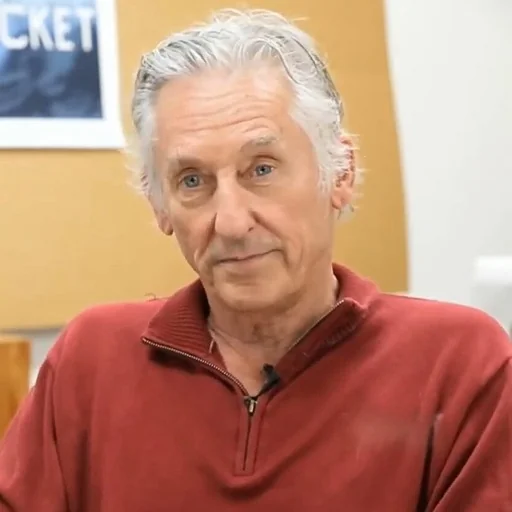
Edward Joseph Ruscha IV (, roo-SHAY; born December 16, 1937) is an American artist associated with the pop art movement.