Artwork
Mrs. Charles Harvey
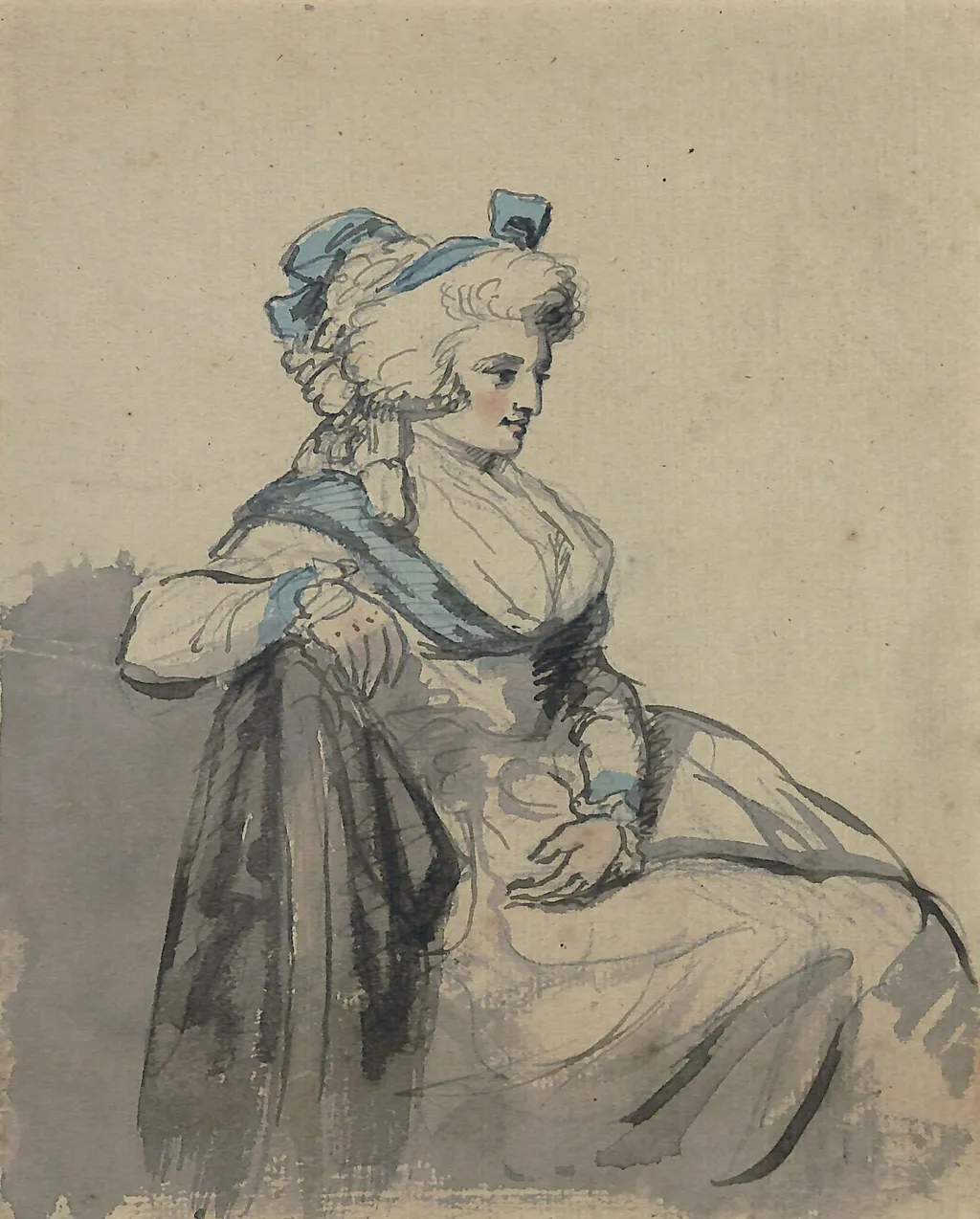
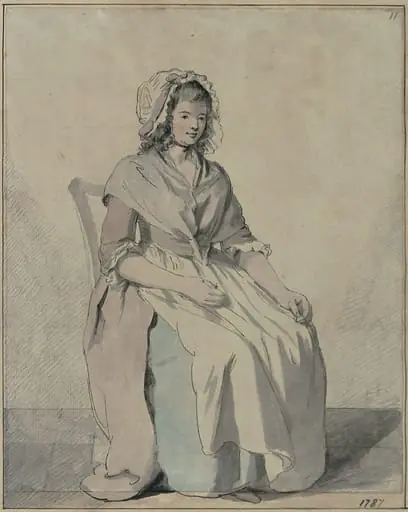
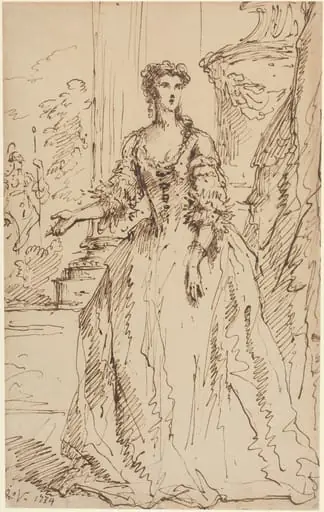
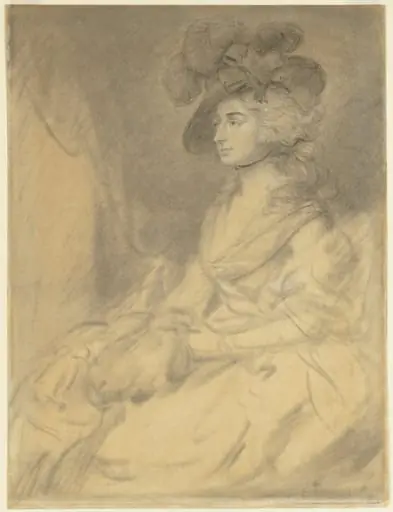
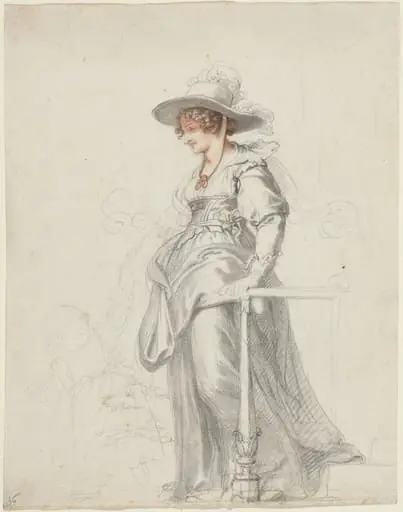
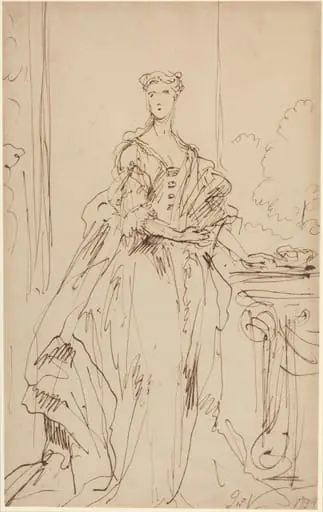
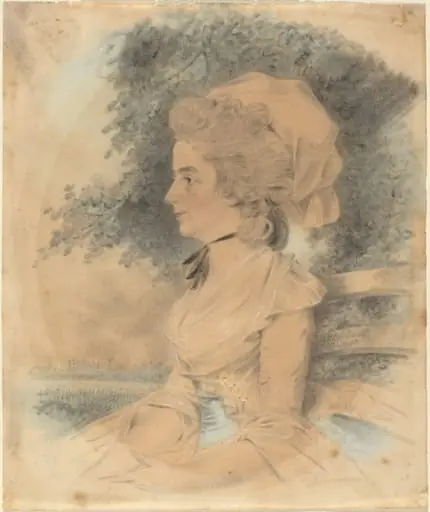
Mrs. Charles Harvey is a watercolor work on paper by the Rococo painting artist Edward Edwards. It dates from 1785 and is held in the collection of the Victoria and Albert Museum.
About this work
Overview
This watercolour portrait, completed in 1785 by Edward Edwards, depicts Sarah Haynes, who later became Mrs.
This watercolour portrait, completed in 1785 by Edward Edwards, depicts Sarah Haynes, who later became Mrs. Charles Harvey and subsequently adopted the surname Savill Onley. The work is a modestly scaled, intimate study of a woman of gentle social standing, rendered with the delicate transparency characteristic of 18th-century British watercolour portraiture. It stands as one of several personal likenesses produced by Edwards during his career.
Subject & Meaning
The sitter, Sarah Haynes, was the wife of Charles Harvey and mother of Onley Savill Onley. Her later adoption of the Savill Onley name reflects the social practice of incorporating maternal lineage into family identity. The portrait conveys quiet dignity rather than grandeur, emphasizing personal identity over status. Her turned gaze and composed posture suggest introspection, aligning with the era’s preference for restrained emotional expression in female portraiture.
Technique & Style
Edwards employed transparent watercolour on paper, building form through layered washes rather than bold outlines. The dress, rendered in soft, muted tones, draws the eye as the central element, while the plain background isolates the figure. Delicate handling of light and shadow lends a gentle realism. The technique avoids dramatic contrast, favoring a subdued, lyrical quality that aligns with contemporary tastes for refined, domestic portraiture.
History & Provenance
The painting was completed in 1785, during Edwards’s active period as a portraitist and academician. It remained within the Harvey-Savill Onley family for generations, documented through estate records and later acquisitions by private collectors. Its survival in relatively unchanged condition reflects careful stewardship, though its public exhibition history is limited, preserving its character as a private family portrait.
Context
In late 18th-century Britain, watercolour portraiture was increasingly favored among the gentry for its affordability and intimate scale. Edwards, trained in the Royal Academy tradition, adapted his style to suit private commissions. This work reflects a broader trend: portraits that emphasized personal character over heraldic display, often created for domestic spaces rather than public display.
Legacy
Though not widely exhibited, the portrait contributes to the understanding of watercolour’s role in personal portraiture during the transition from Rococo to early Romantic sensibilities. Edwards’s restrained technique here exemplifies how watercolour could convey quiet individuality. The work remains a quiet testament to the social and familial networks of its time, preserved as a material artifact of domestic life.
Artist & collection
Artist
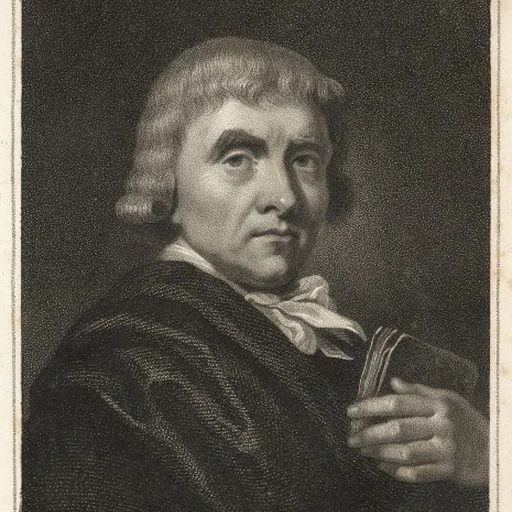
Edward Edwards (7 March 1738 – 19 December 1806) was an English painter and etcher. He held the post of Professor of Perspective at the Royal Academy, and compiled a book entitled Anecdotes of Painters (1808).