Artwork
Kalastajat nuotiolla
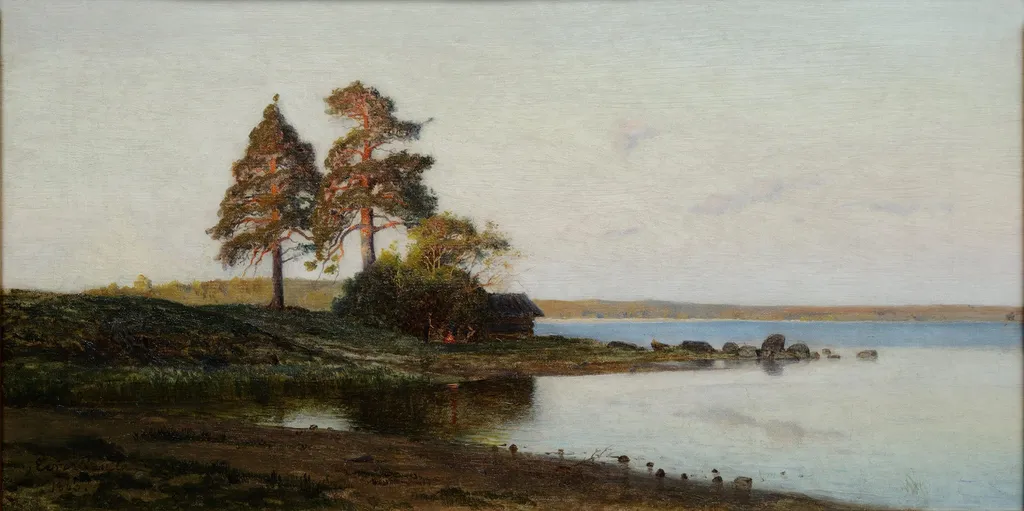
Kalastajat nuotiolla is a photography by Eero Järnefelt. It dates from 1910 and is held in the collection of the Järvenpää Art Museum.
About this work
Overview
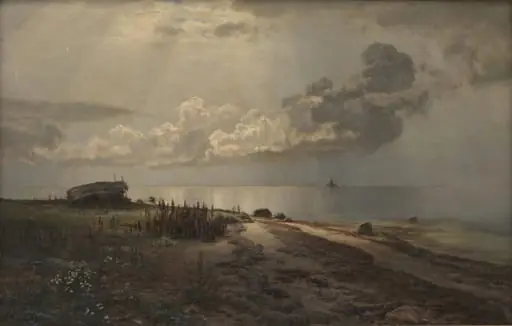
Painted around 1910 by Eero Järnefelt, this work depicts two figures seated beside a small fire on the shore of a lake at twilight. The composition centers on quiet human presence within a natural setting, rendered with attention to the subtle interplay of light and atmosphere. It reflects Järnefelt’s interest in rural Finnish life and the emotional resonance of ordinary moments.
Subject & Meaning
The two figures, dressed in traditional attire, are engaged in a silent, unremarkable moment—resting after fishing. Their stillness and the fading daylight suggest a pause in daily labor, evoking themes of endurance and quiet communion with nature. The scene carries no narrative drama, instead emphasizing dignity in simplicity and the rhythm of seasonal, labor-based life in northern Finland.
Technique & Style
The fire’s glow casts gentle highlights on clothing and water, grounding the scene in realism while avoiding theatricality.
Järnefelt employs soft, warm tones—amber, rose, and deepening violet—to capture the transitional light of dusk. Brushwork is restrained yet deliberate, blending hues to suggest atmospheric depth without overt detail. The fire’s glow casts gentle highlights on clothing and water, grounding the scene in realism while avoiding theatricality. The composition is deliberately low-key, reinforcing the painting’s intimate mood.
History & Provenance
Created during Järnefelt’s mature period, the painting emerged from his sustained focus on Finnish rural subjects following his early work in social realism. It was likely painted in the Karelian region, where he often traveled. The work remained in private Finnish collections until entering a public institution in the mid-20th century, where it is now preserved as part of the national artistic record.
Context
In early 20th-century Finland, artists increasingly turned to native landscapes and folk life as expressions of cultural identity amid growing nationalist sentiment. Järnefelt’s work aligned with this movement, distinguishing itself through its quiet observation rather than overt symbolism. His depictions of fishermen and laborers contributed to a broader visual language of Finnish self-definition.
Legacy
Though not widely exhibited internationally, the painting remains a representative example of Finnish realist painting from the era. It continues to be studied for its understated emotional tone and technical restraint. Järnefelt’s approach influenced later generations of Finnish artists who sought to portray everyday life with sincerity, avoiding romanticization while honoring its quiet dignity.
Artist & collection

Artist
Erik "Eero" Nikolai Järnefelt was a Finnish painter and art professor. He is best known for his portraits and landscapes of the area around Koli National Park, in the North Karelia region of Finland. He was a medal…

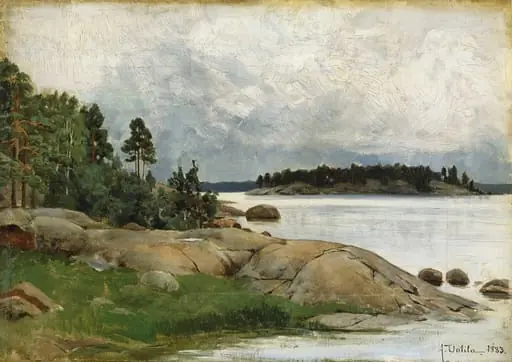 Saaristomaisema - Wiasholmen Pellingin saaristossa
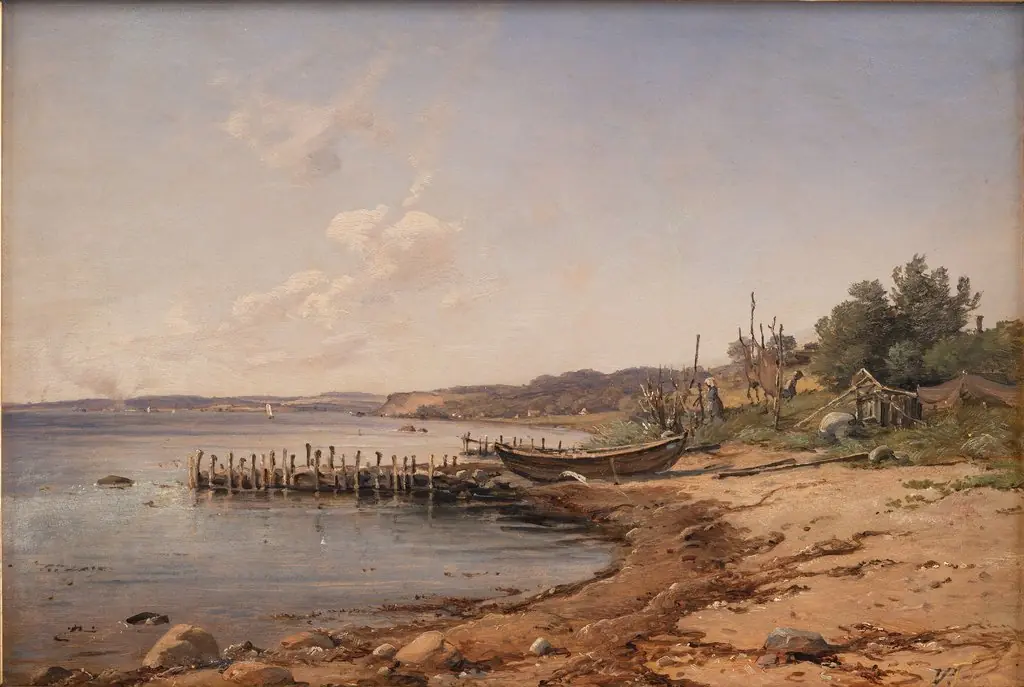 A Beach by the Sound
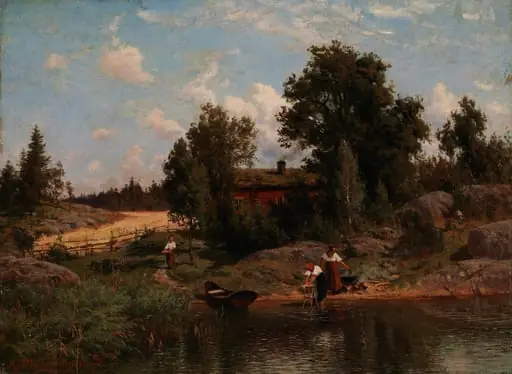 Suomalainen saaristomaisema
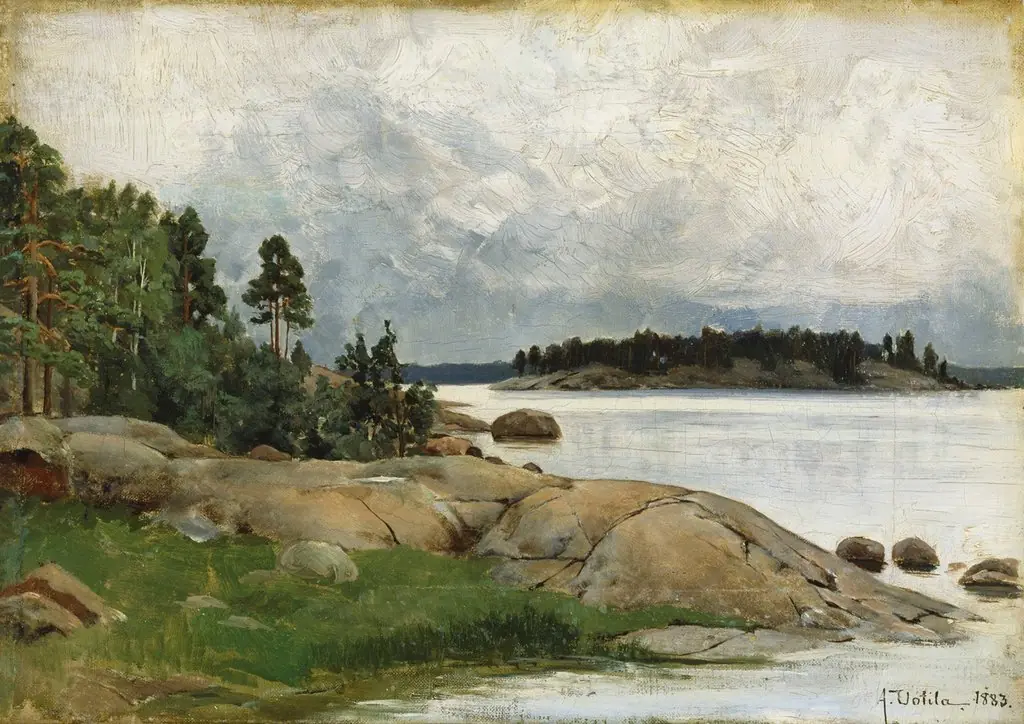 Landscape - Wiasholmen in the Pelling Islands
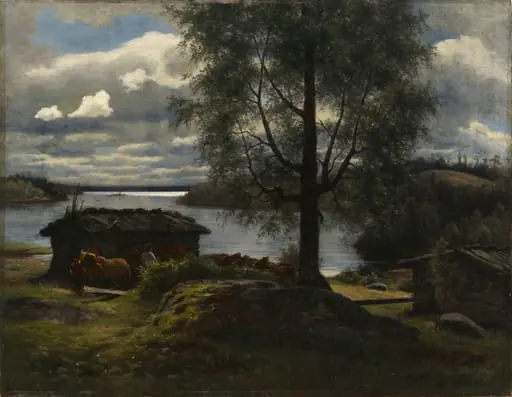 Näköala Aurejärvelle Kurun kappelista
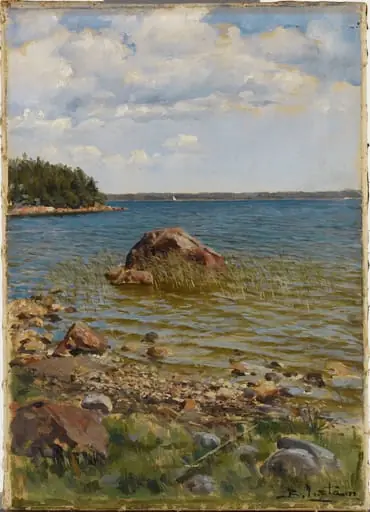 Maisema
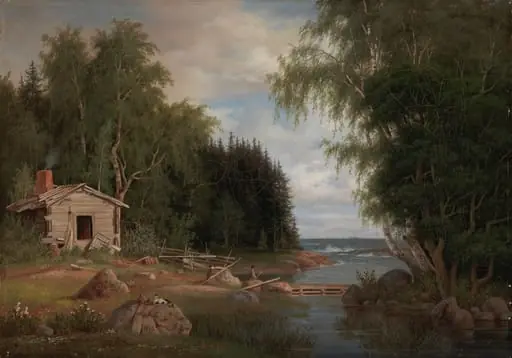 Rantamaisema, aihe Lehtisaaresta
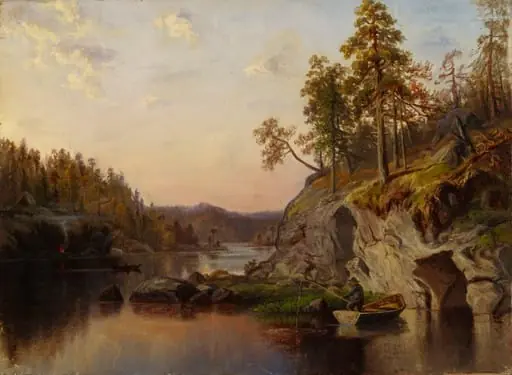 Maisema Hämeestä
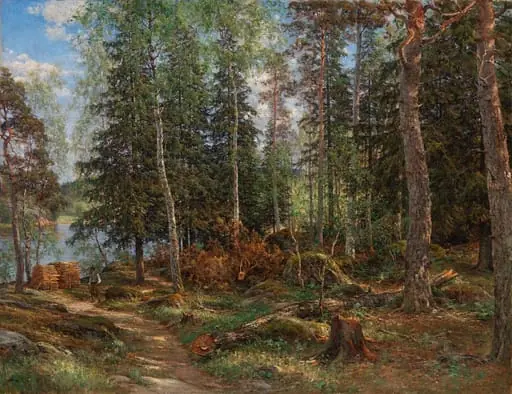 Metsänsisusta, aihe Laajasalosta, Helsingistä
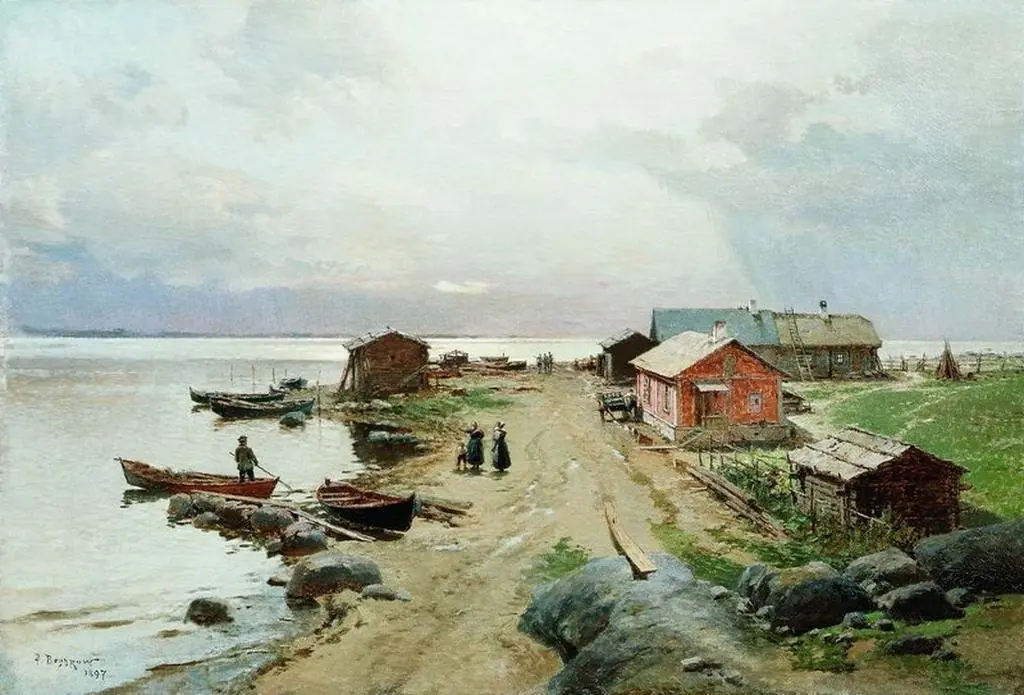 Shore at Hapsal
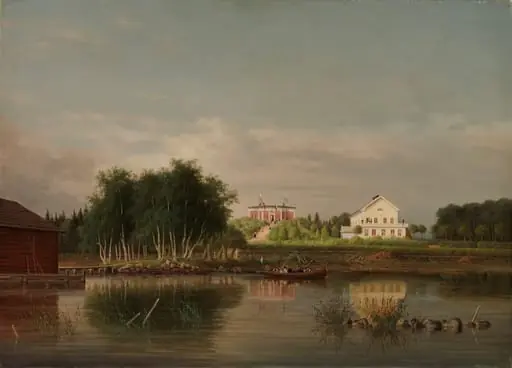 Honkolan kartano Urjalassa
 Strand