Artwork
Windmill Fire
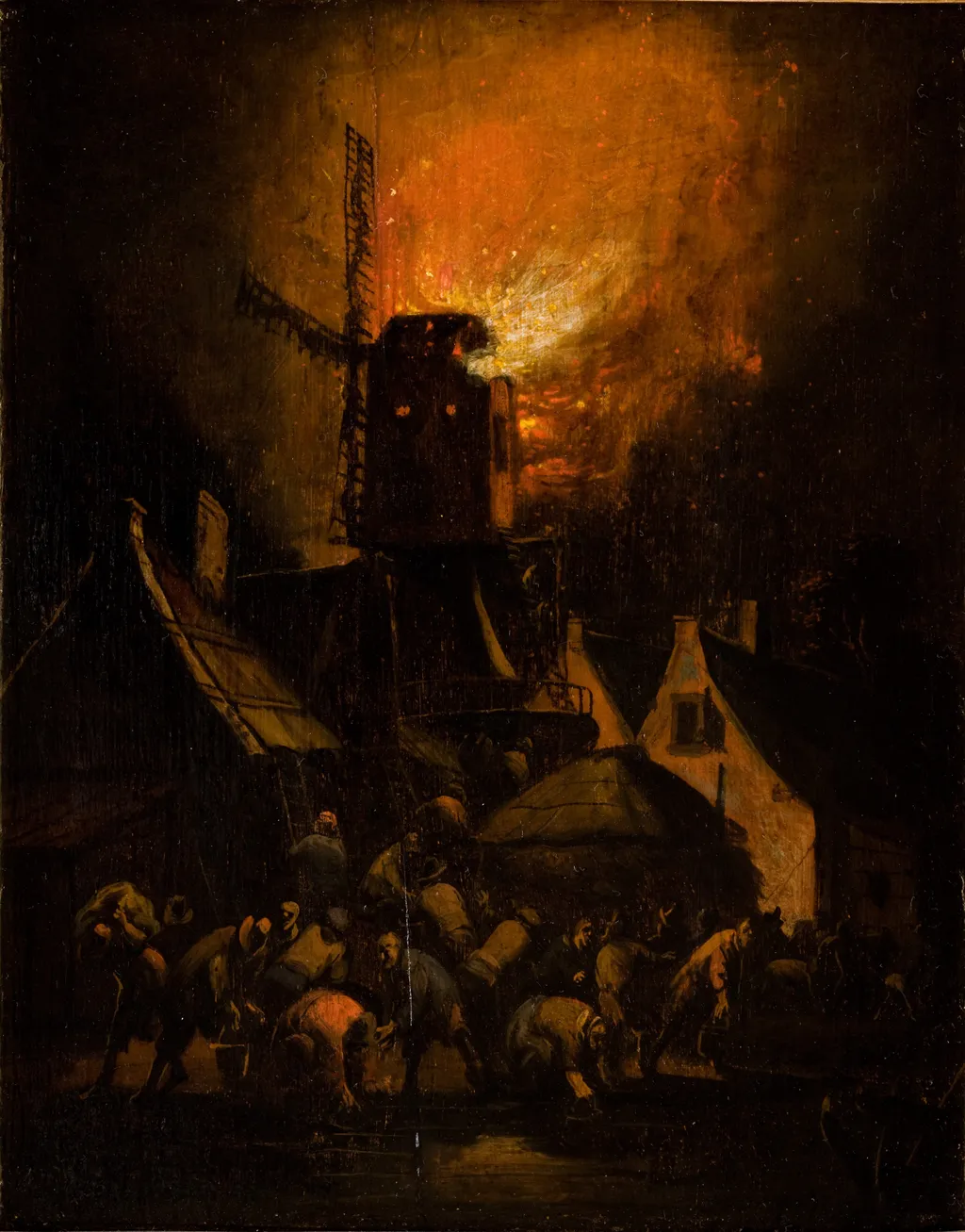
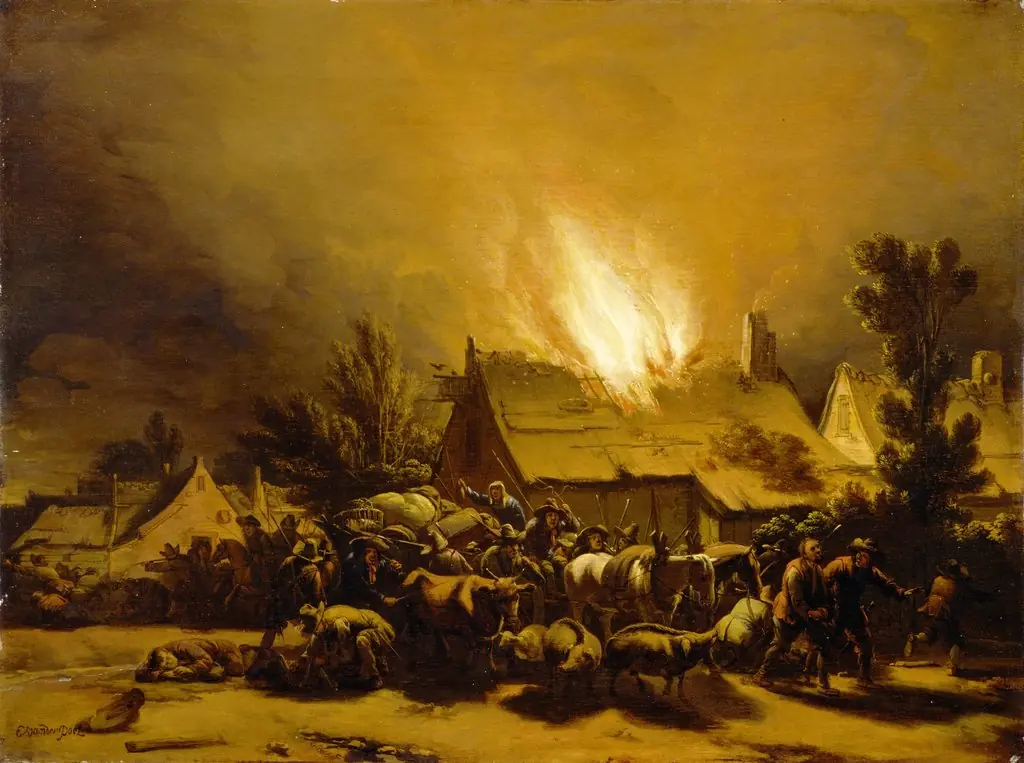
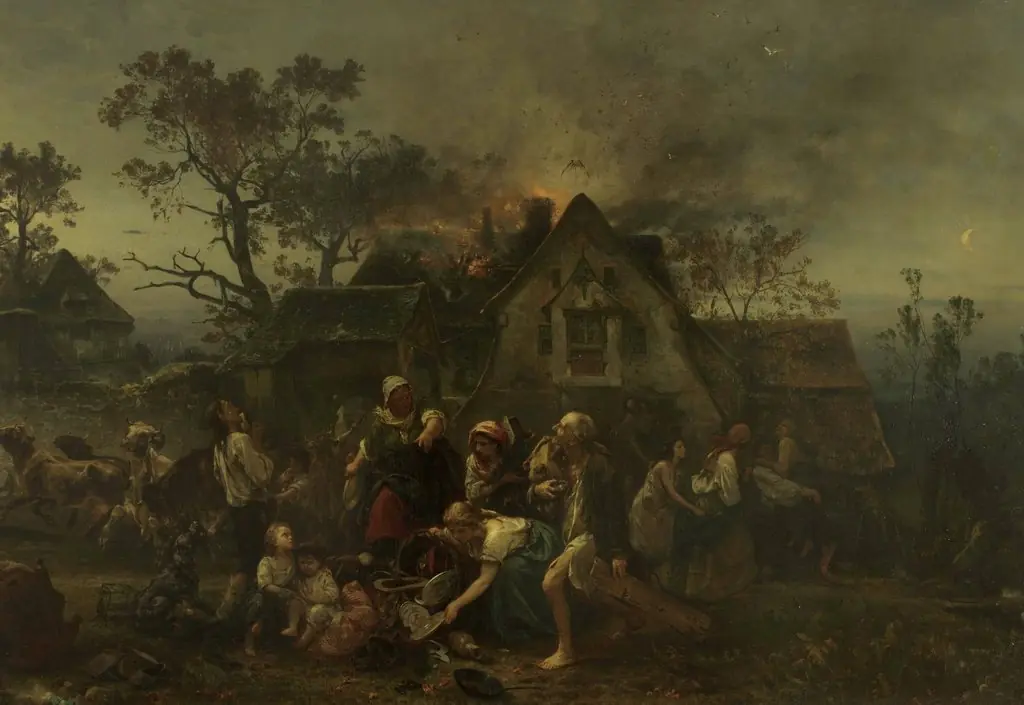
Windmill Fire is an oil painting by Egbert van der Poel. It dates from 1650 and is held in the collection of the National Museum in Kraków.
About this work
Overview
Painted around 1650 by Egbert van der Poel, Windmill Fire is an oil-on-canvas work depicting a rural blaze. The scene captures a windmill in full combustion, its wooden frame consumed by fire under a heavy sky. The painting is part of the collection at the National Museum in Kraków, where it remains one of the few surviving examples of Dutch genre scenes centered on disaster.
Subject & Meaning
The windmill, a symbol of economic and social stability, is shown collapsing under the fire, suggesting vulnerability in everyday life.
The painting portrays a moment of communal crisis: villagers gather near the burning windmill, some attempting to extinguish the flames, others watching in silence. The windmill, a symbol of economic and social stability, is shown collapsing under the fire, suggesting vulnerability in everyday life. The absence of heroic intervention underscores the helplessness of individuals before natural or accidental ruin.
Technique & Style
Van der Poel employs chiaroscuro to heighten the tension between light and shadow, with the fire’s glow illuminating figures and debris while plunging surrounding areas into darkness. Brushwork is controlled yet urgent, capturing the flicker of flames and the texture of burning wood. The composition directs the viewer’s eye toward the inferno, using diagonal lines of smoke and falling embers to reinforce the sense of instability.
History & Provenance
The painting was likely created in the Netherlands during the mid-seventeenth century, a period marked by frequent fires in wooden structures. It entered the National Museum in Kraków in the early twentieth century, possibly as part of a broader acquisition of Dutch and Flemish works. Its journey from Dutch studios to Polish collections reflects the movement of art across Europe after the Napoleonic Wars.
Context
In 17th-century Dutch society, windmills were vital for grinding grain and managing water, making their destruction a significant event. Paintings of fires were uncommon, but van der Poel’s work aligns with a growing interest in documenting everyday calamities. His focus on ordinary people in moments of crisis reflects a shift toward secular, observational art rather than religious or mythological narratives.
Legacy
Windmill Fire stands as a rare example of Dutch painting that treats disaster with quiet realism rather than moralizing spectacle. While van der Poel is not among the most widely recognized artists of his time, this work contributes to a nuanced understanding of how ordinary crises were visualized in the Golden Age. It remains a quiet testament to the fragility of communal infrastructure in early modern Europe.
Own this work as a print
Artist & collection

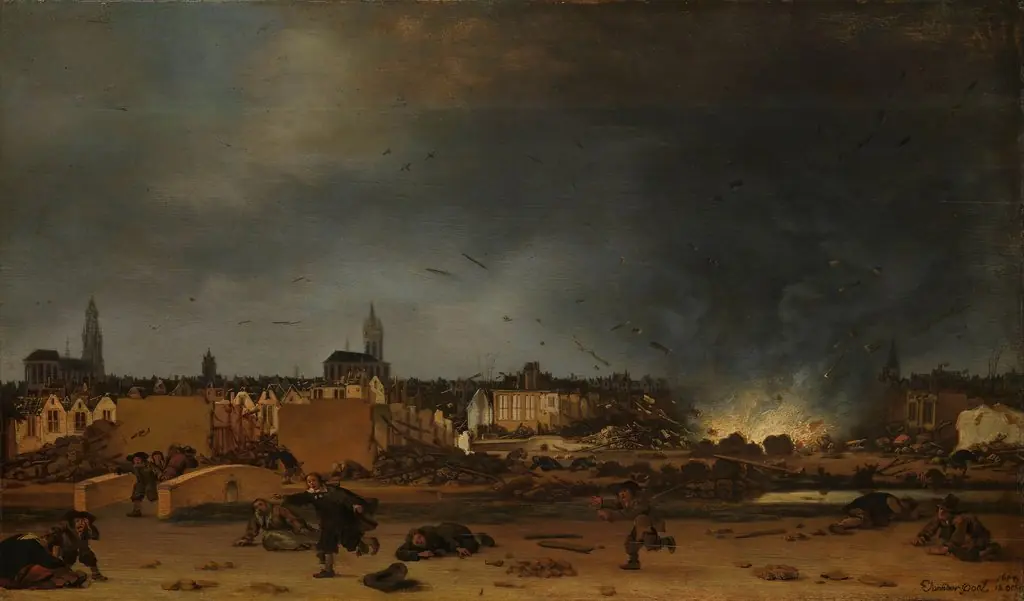 The explosion of the powder magazine in Delft, 12 October 1654
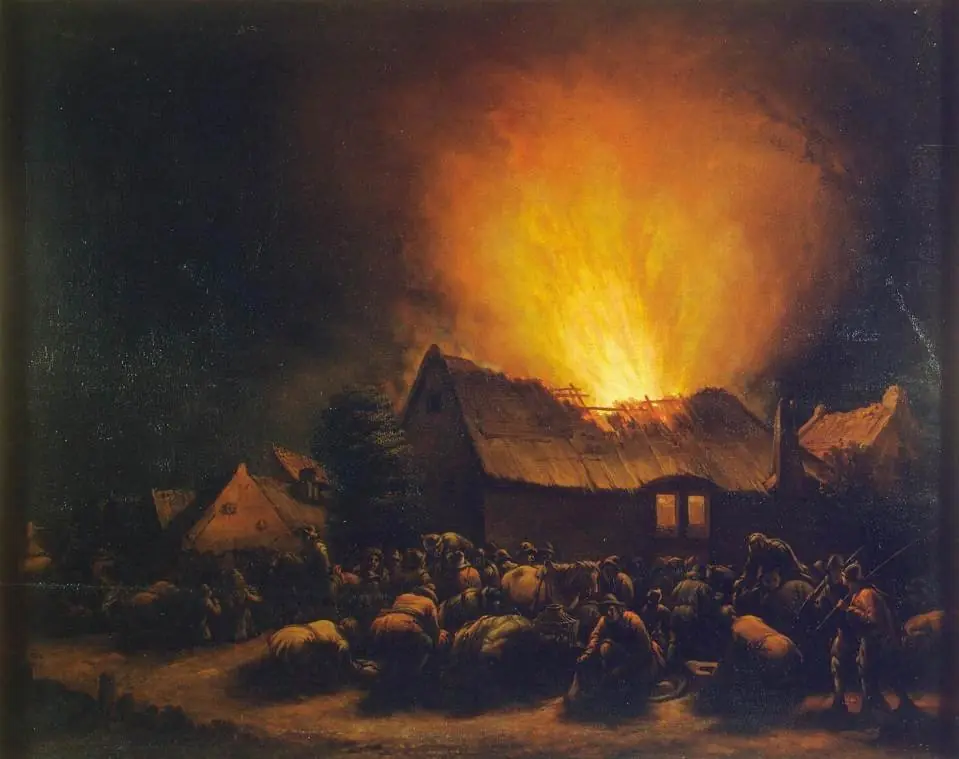 Fire in a Village
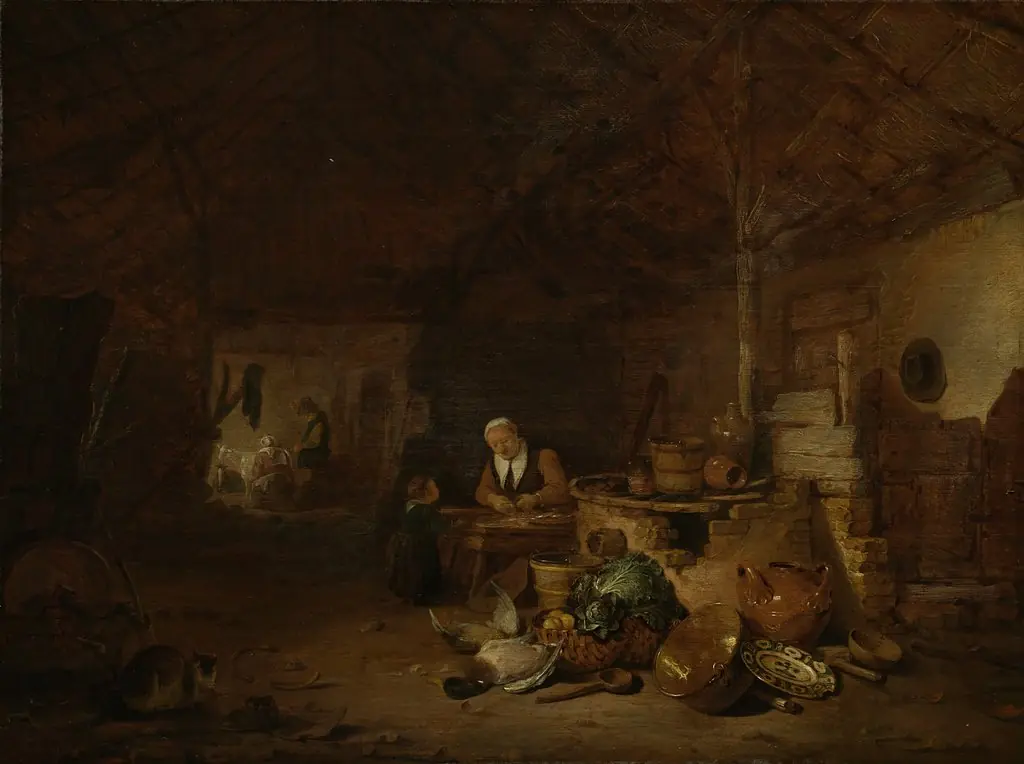 Interior of a barn
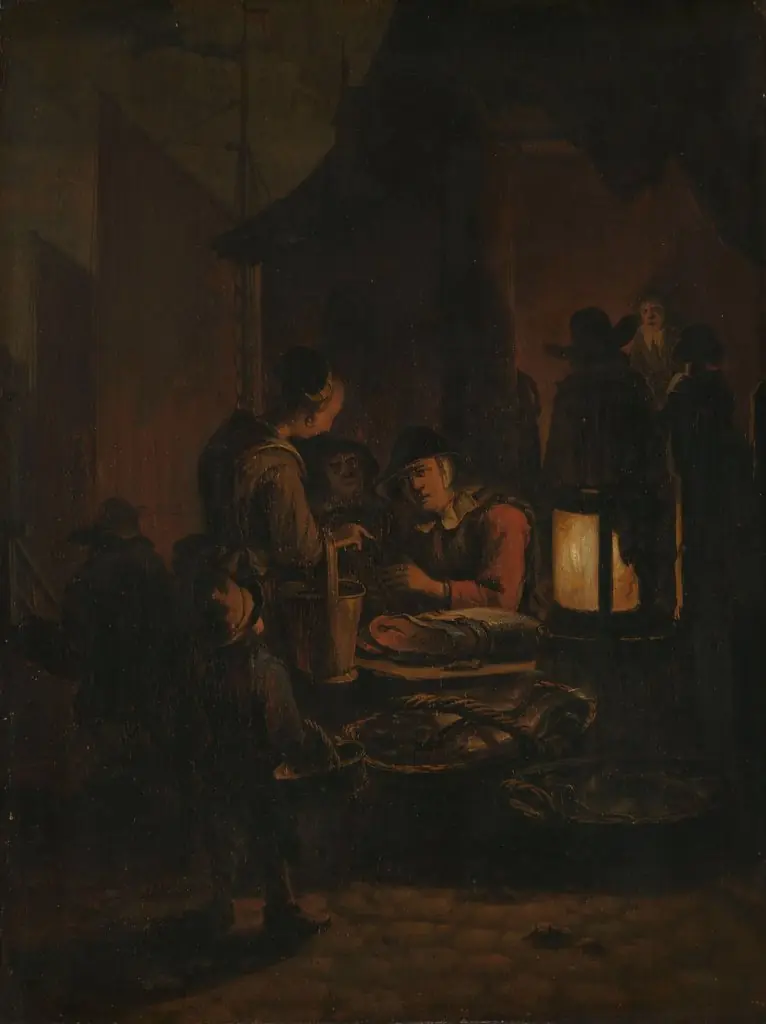 Fish market at night
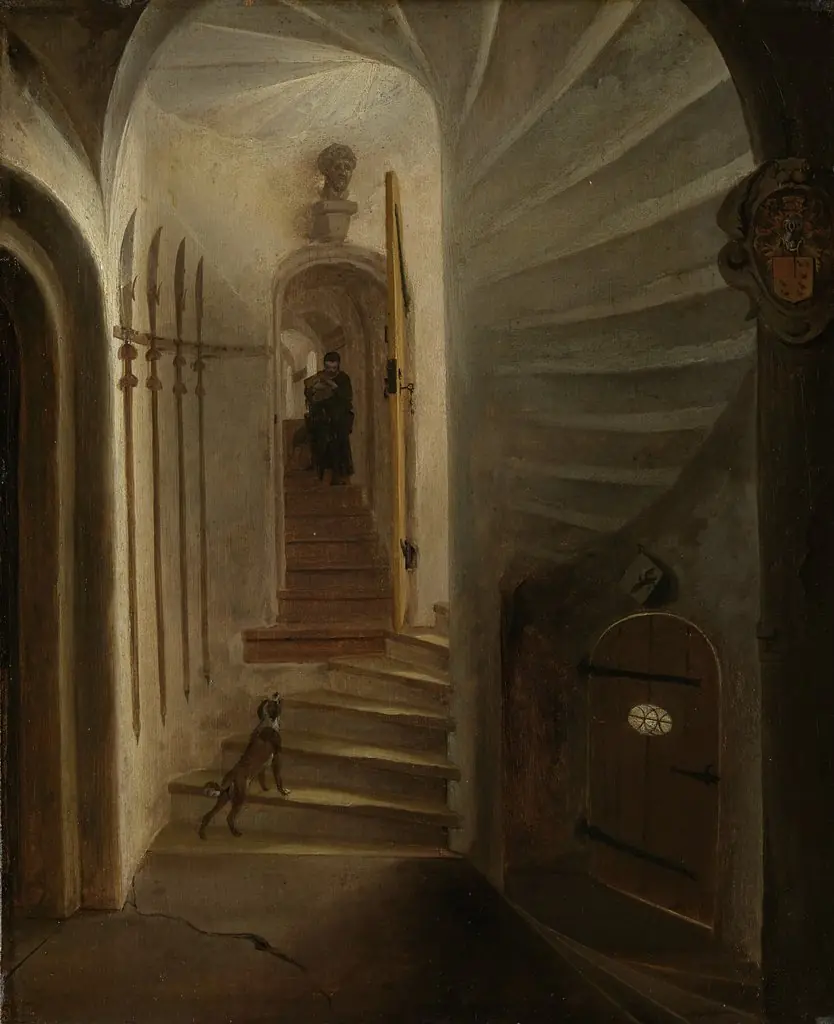 Portal of a stairway tower, with a man descending the stairs: presumably the moment before the assassination of William the Silent in the Ptinsenhof, Delft
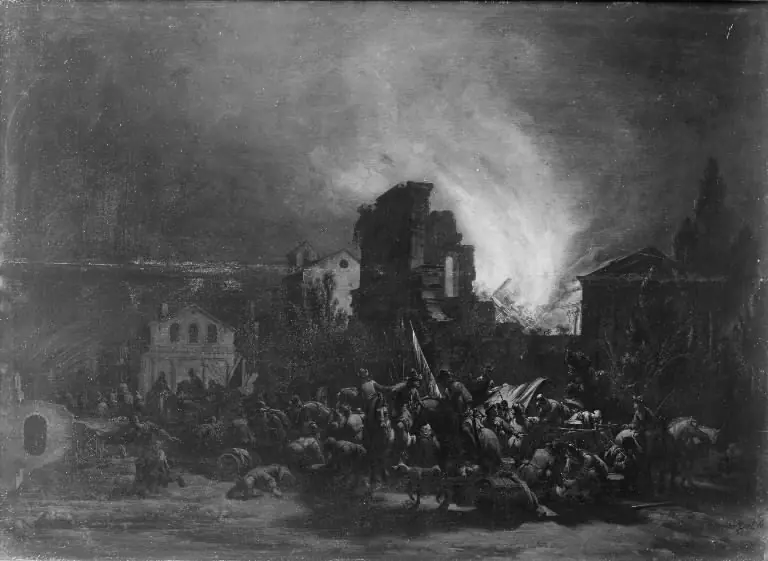 Nocturnal Fire and Looting in a Town
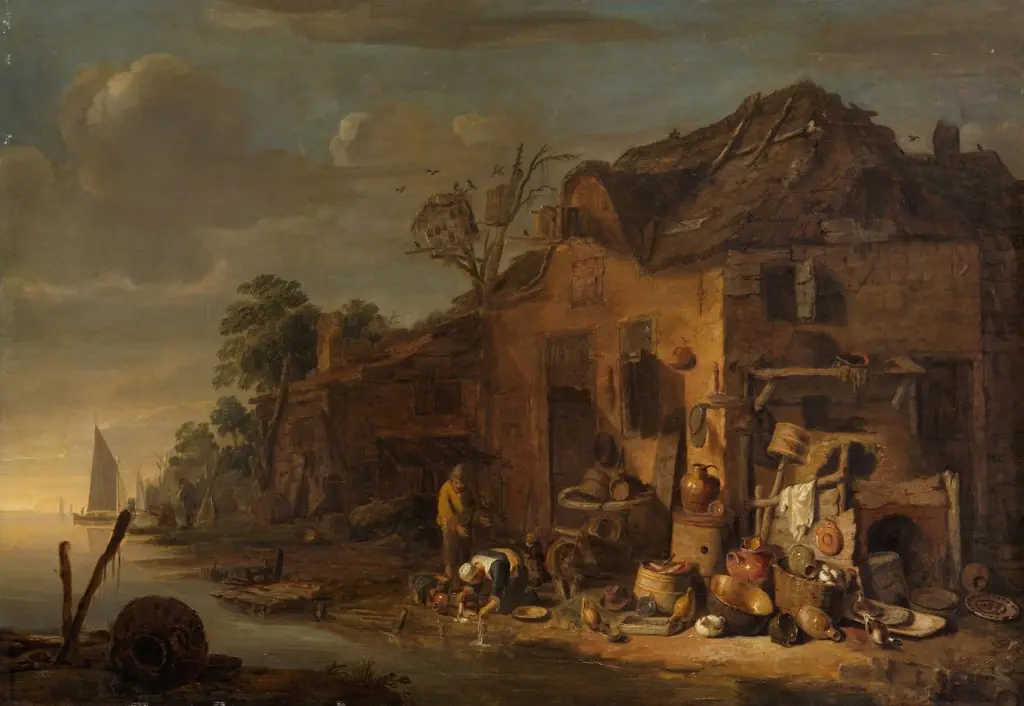 Landscape with farm at a river
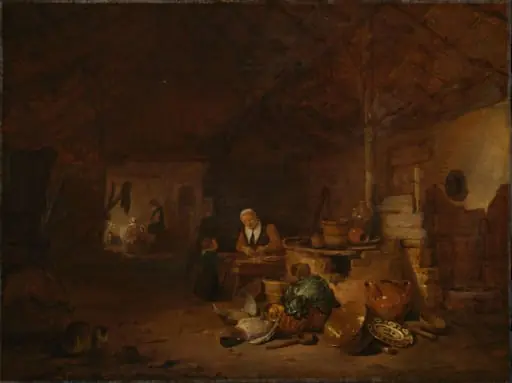 Interior of a barn
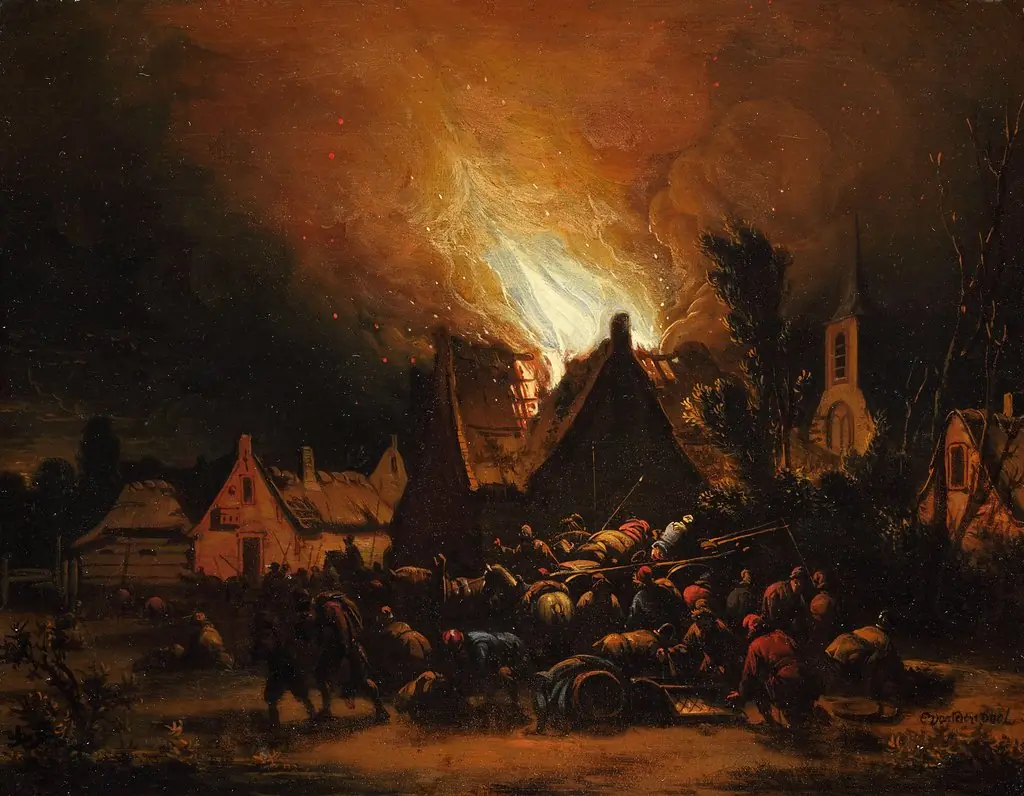 Nocturnal Fire
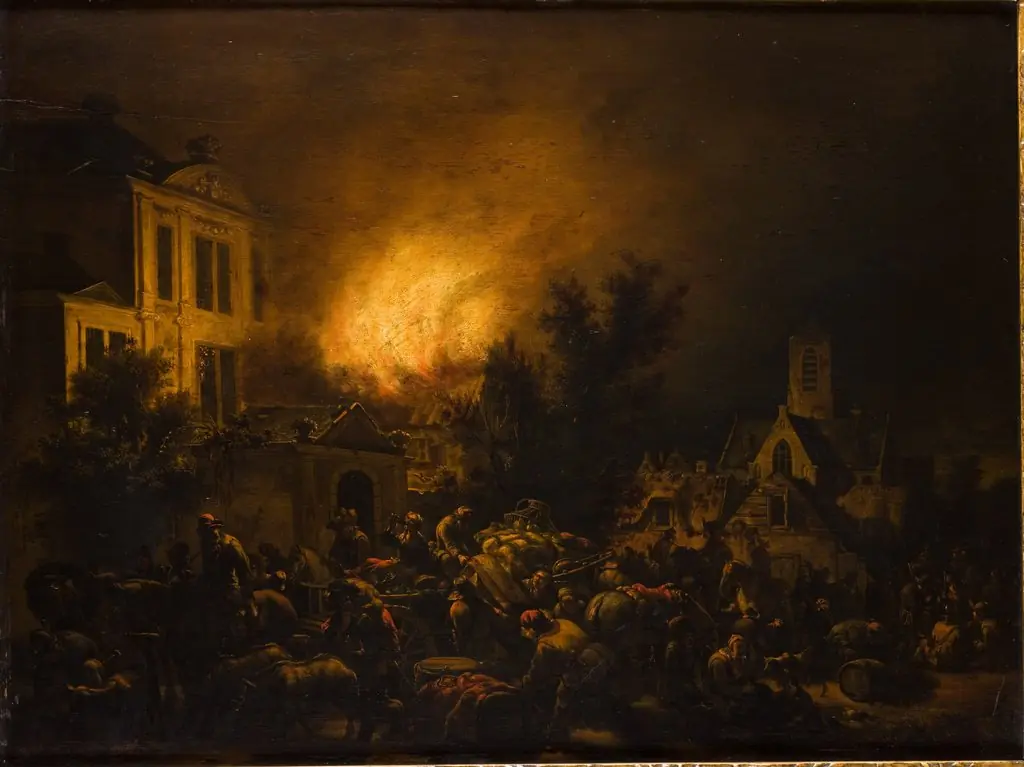 Fire in the City – Palace in the Fire
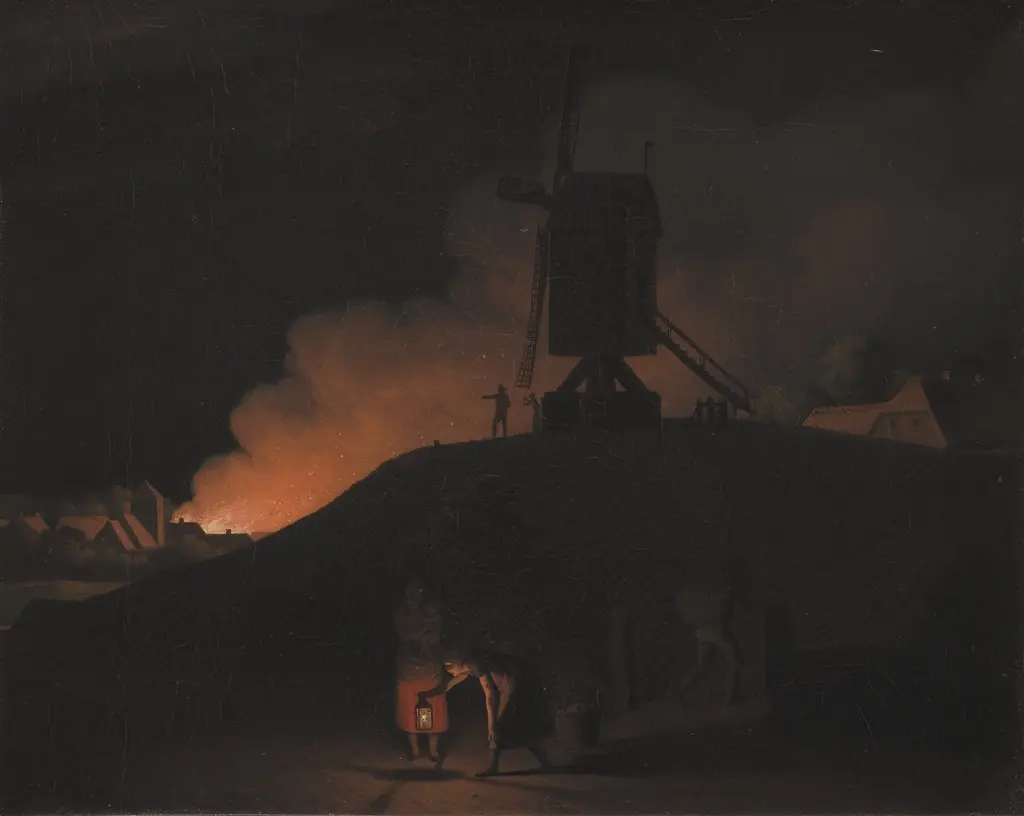 A Fire at Night
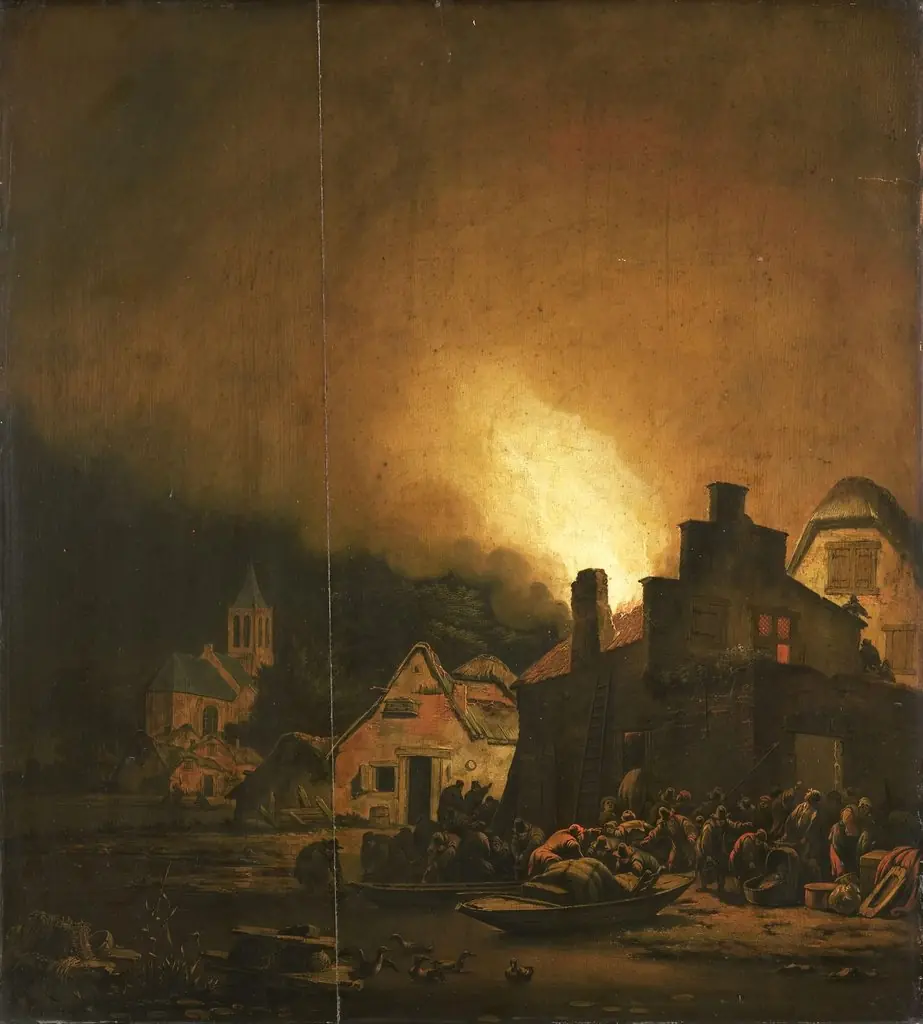 Nighttime fire in a village
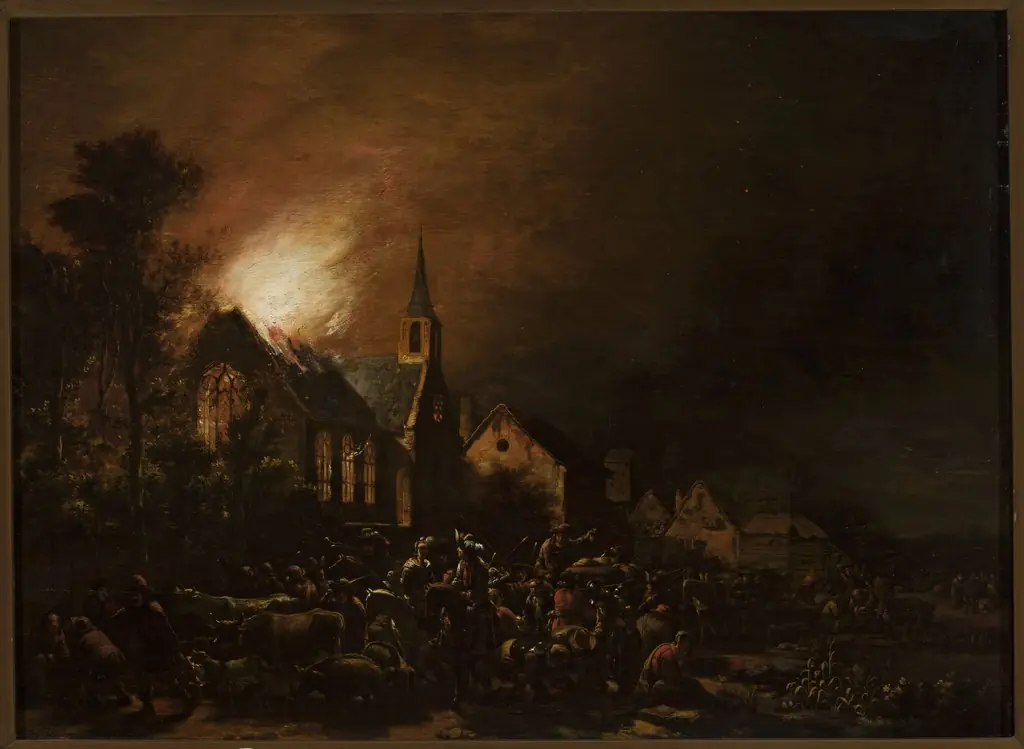 Church on fire
 Et schweizerlandskab med bjerget Wetterhorn
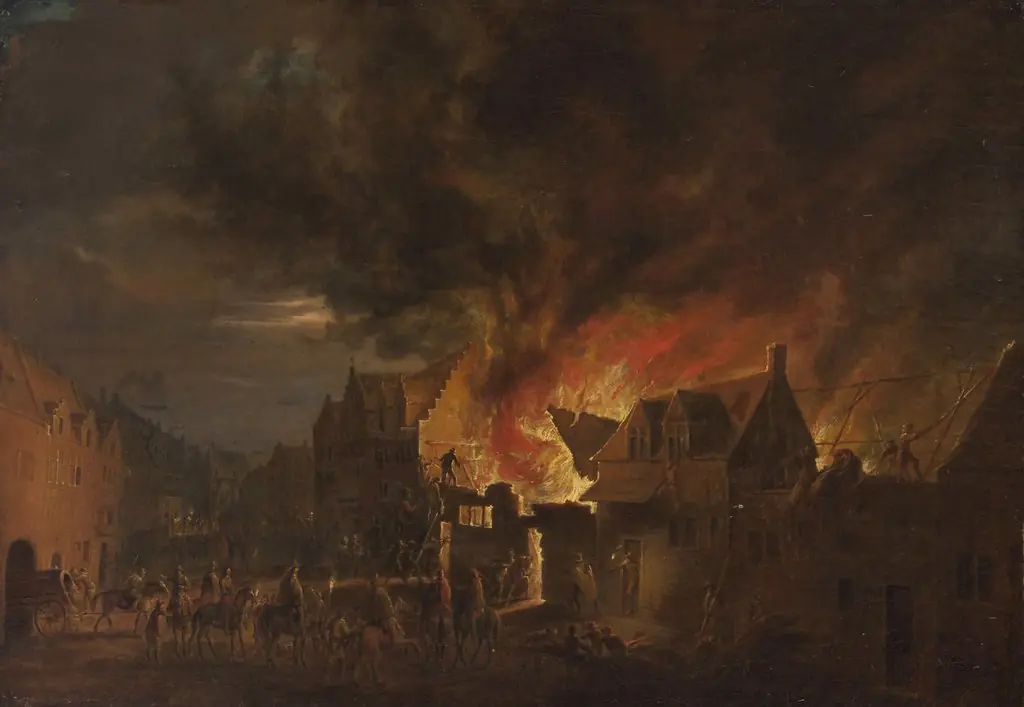 Archduke Leopold Wilhelm at a nocturnal fire
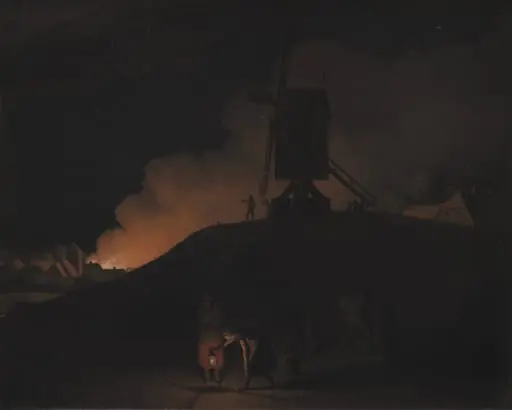 A Fire at Night
 Peasants Fleeing a Burning Barn
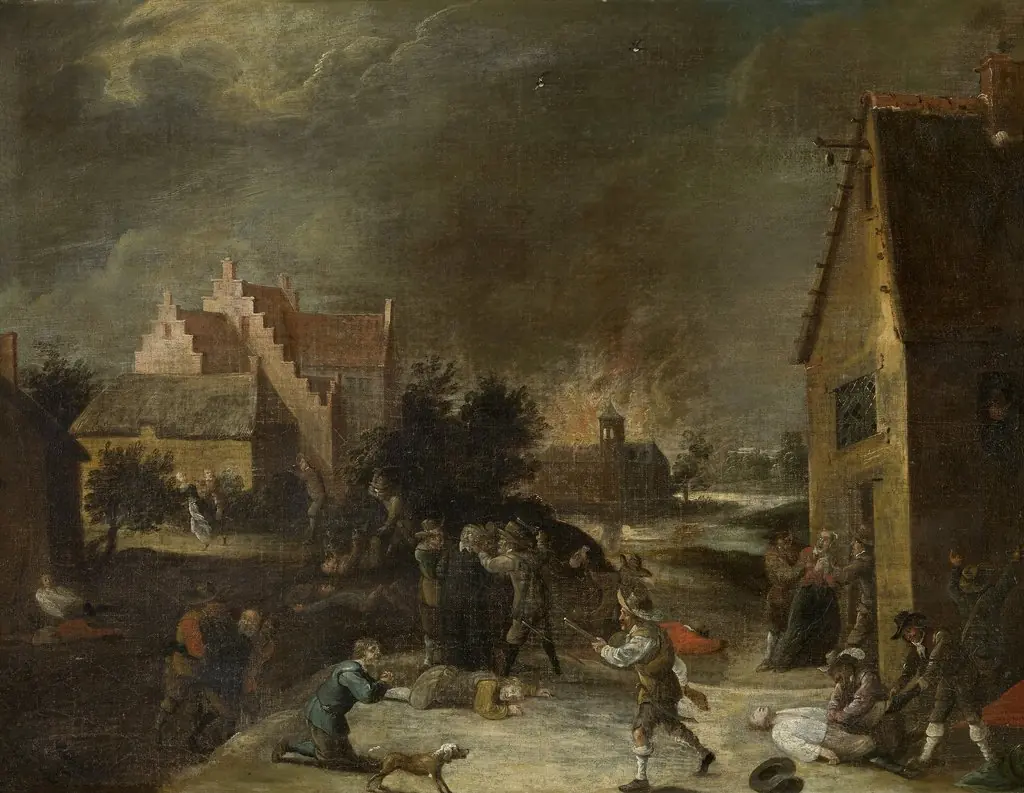 Looting of a village
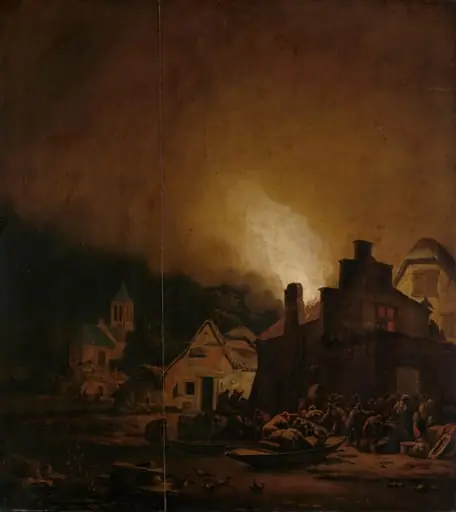 Fire by night in a Village
 Fire on the Farm