Artwork
Kustaa II Adolf ja hänen sotaneuvostonsa Würzburgissa, luonnos
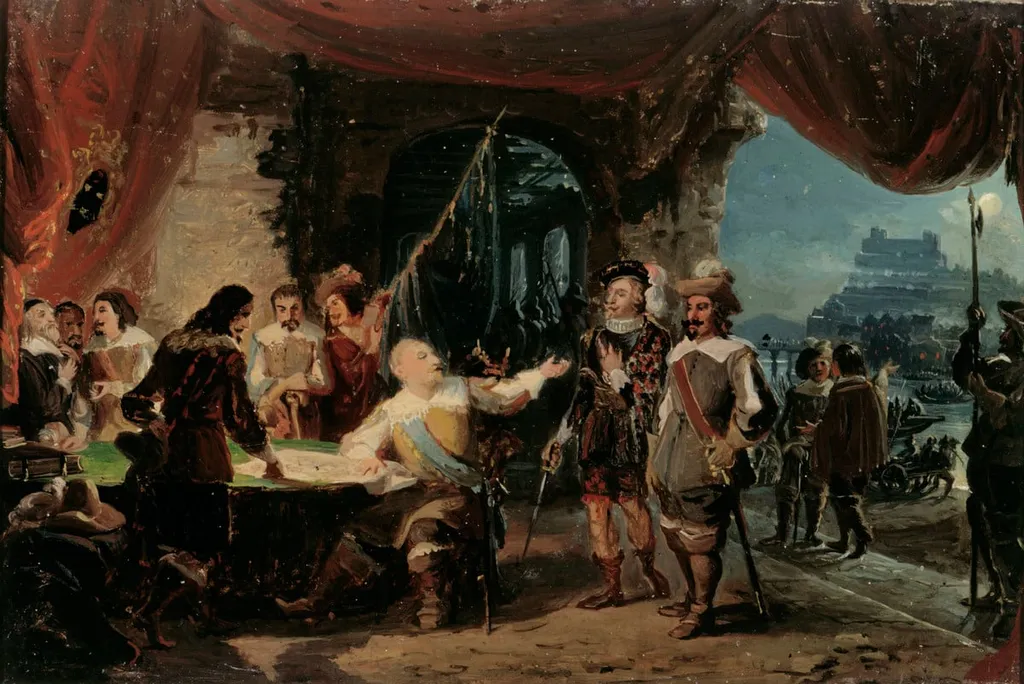
Kustaa II Adolf ja hänen sotaneuvostonsa Würzburgissa, luonnos is an unspecified painting by Robert Wilhelm Ekman. It is held in the collection of the Finnish National Gallery. This sketch depicts King Gustavus Adolphus of Sweden and his military council assembled outdoors beneath a tent near Würzburg.
About this work
Overview
The setting, with a distant city skyline and overcast sky, grounds the moment in a specific time and place during the Thirty Years' War.
This sketch depicts King Gustavus Adolphus of Sweden and his military council assembled outdoors beneath a tent near Würzburg. The scene captures a moment of strategic discussion, with the king at the center, surrounded by officers. The loose brushwork and unfinished quality suggest it was a preparatory study rather than a finished work. The setting, with a distant city skyline and overcast sky, grounds the moment in a specific time and place during the Thirty Years' War.
Subject & Meaning
The painting portrays Gustavus Adolphus in the role of commander, directing his officers during a campaign in southern Germany. The figures around him—some holding staffs of command, others studying documents—reflect the hierarchical structure of his army. The gesture of the king, combined with the focused attention of his council, conveys the gravity of wartime decision-making. The scene is not ceremonial but functional, emphasizing leadership in active conflict.
Technique & Style
The artist employs rapid, expressive brushstrokes and a limited palette to convey immediacy. Light and shadow are used to model forms and direct focus toward the central figure, suggesting an awareness of chiaroscuro. The rough handling of the canvas and lack of fine detail indicate this was a working sketch, likely intended to capture composition and lighting before a larger painting. The atmospheric sky adds emotional weight without decorative flourish.
History & Provenance
Created during or shortly after Gustavus Adolphus’s campaign in Germany (1630–1632), the sketch likely dates to the early 1630s. It may have been made by a court artist or military illustrator accompanying the Swedish army. The work remained in Swedish collections, possibly within royal or military archives, before entering a public collection. Its survival as a preparatory study offers rare insight into how wartime leadership was visually documented.
Context
This scene unfolds during the Protestant phase of the Thirty Years' War, when Gustavus Adolphus intervened in the Holy Roman Empire to counter Habsburg dominance. Würzburg, a Catholic prince-bishopric, was a strategic target. The council’s outdoor setting reflects the mobile nature of command during active campaigns. The sketch captures a moment of military pragmatism amid broader religious and political conflict across Central Europe.
Legacy
As a documentary sketch, it preserves the visual language of early modern military leadership. Though not widely exhibited, it contributes to understanding how Swedish commanders were portrayed in their own time—not as idealized heroes, but as active strategists in the field. Its rawness distinguishes it from later, more polished battle paintings, offering a direct link to the realities of 17th-century warfare.
Artist & collection
Artist
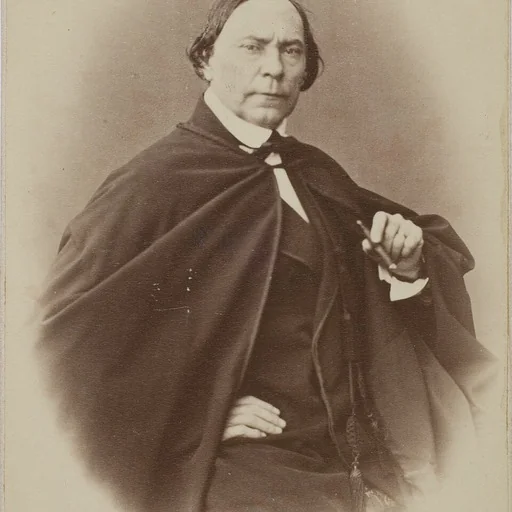
Robert Wilhelm Ekman (August 13, 1808 – February 19, 1873), a.k.a. R. W. Ekman, was a significant teacher and painter of the Finnish romantic portraits and early national romanticism.

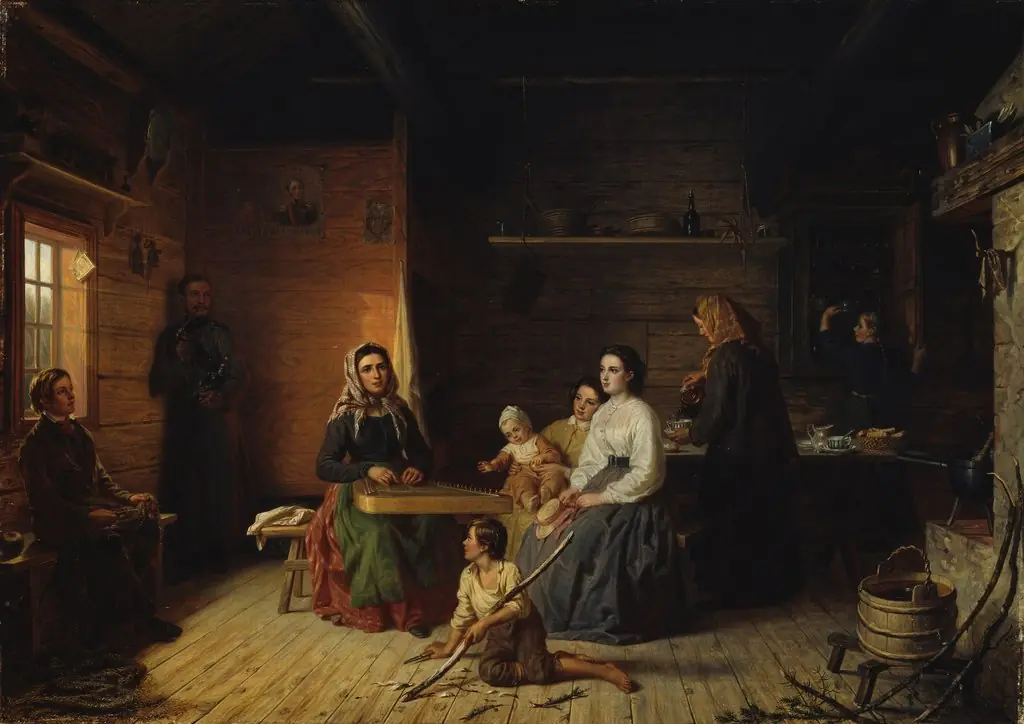 Kreeta Haapasalo Playing the Kantele in a Peasant Cottage
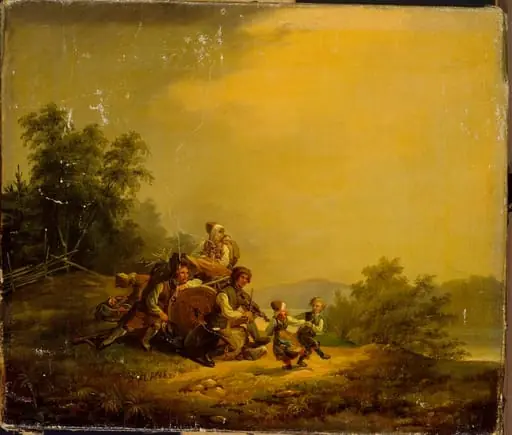 Lepääviä maalaisia ja tanssivia lapsia
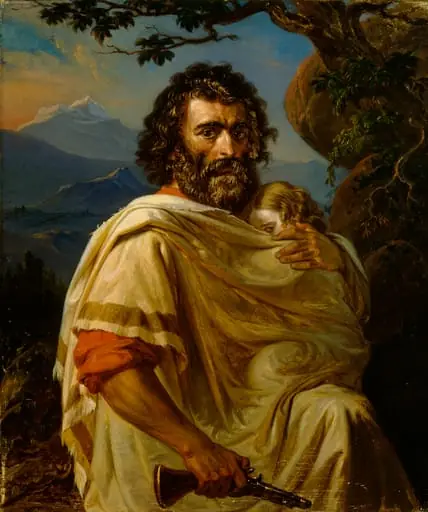 Italialainen mies lapsi käsivarrellaan
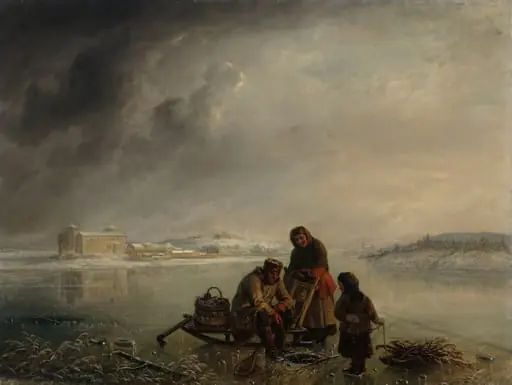 Talvikalastusta Turun linnan ulkopuolella
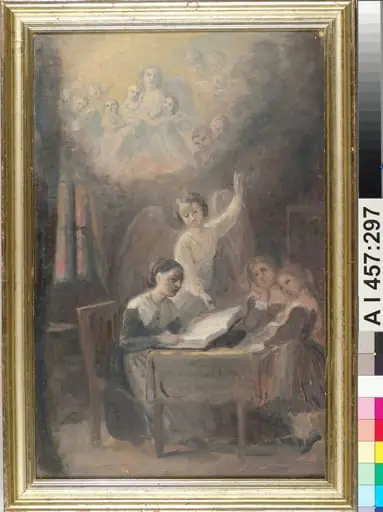 "Satu seitsemästä sisaruksesta", luonnos Haeggströmin sisarusten ryhmämuotokuvaa (1862) varten
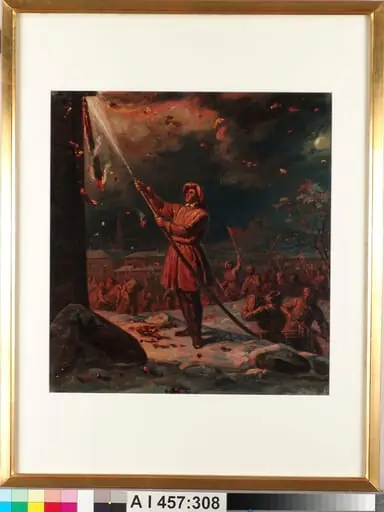 Turun palo
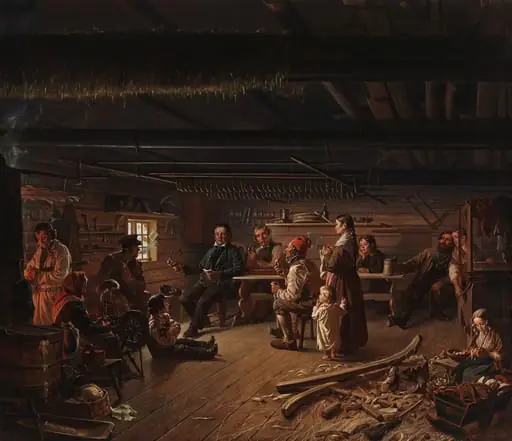 Pentti Lyytinen lukee runojaan savolaisessa pirtissä
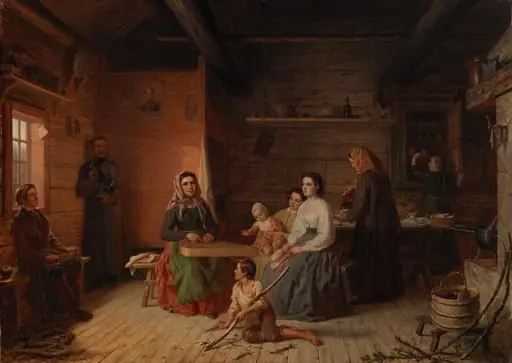 Kreeta Haapasalo soittaa kannelta talonpoikaistuvassa
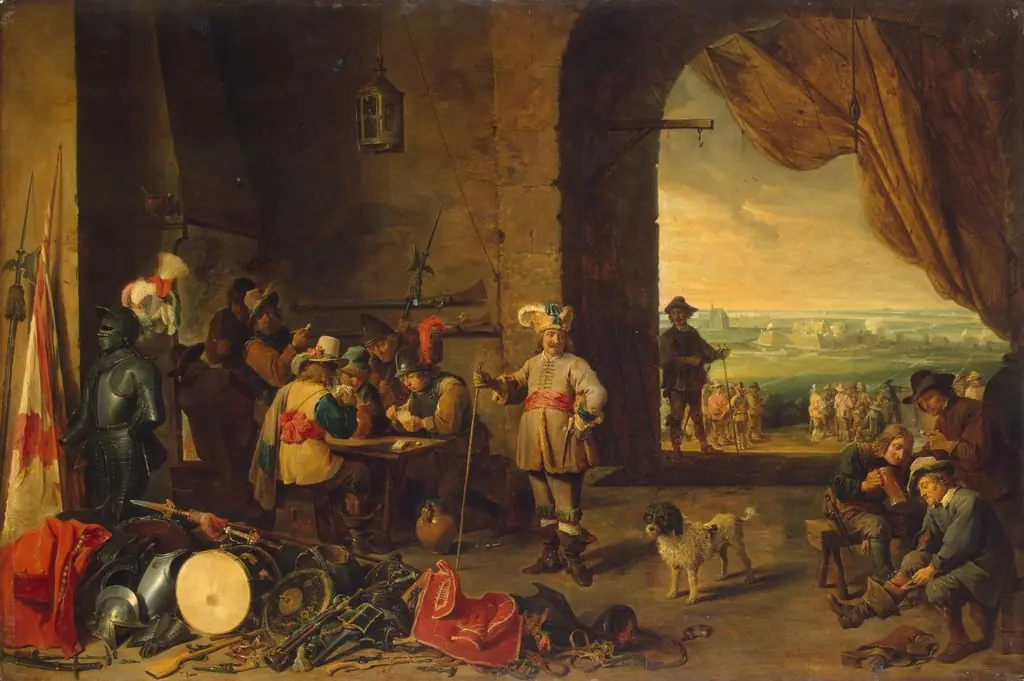 Guardroom
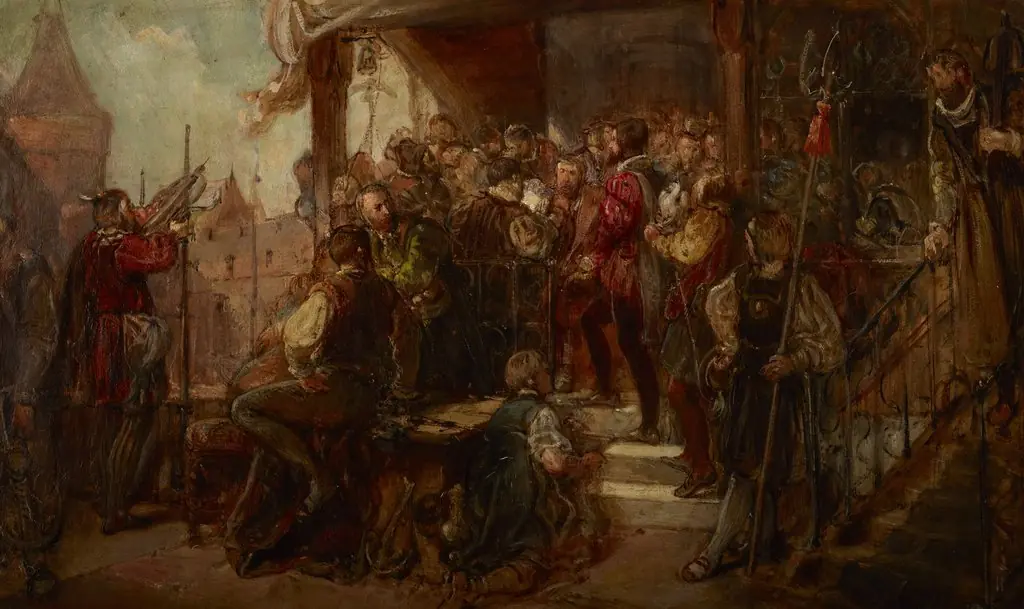 Presenting the Fowler to the Fowler Brotherhood (Sketch)
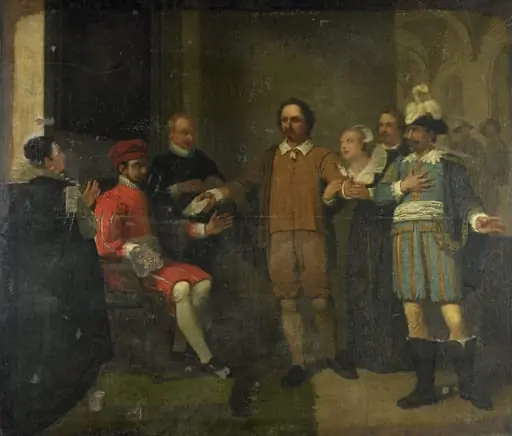 Jacob Simonsz de Rijk getting the Spanish Governor-General Requesens to Release Marnix van Sint Aldegonde, 1575
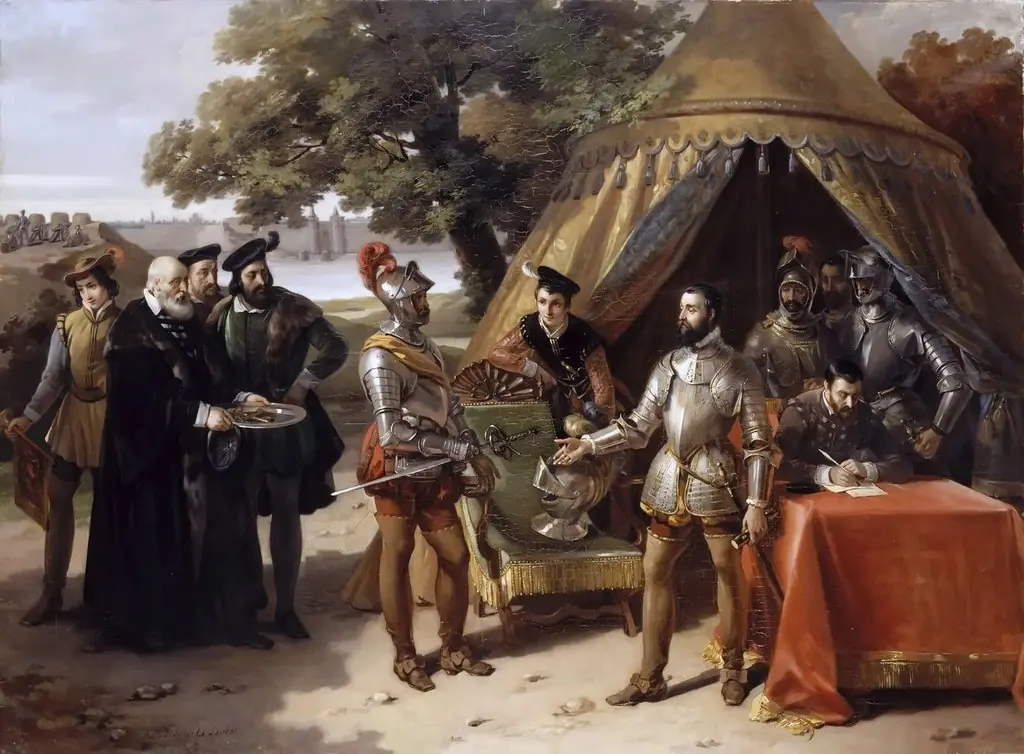 The Siege of Thionville, 23 June 1558
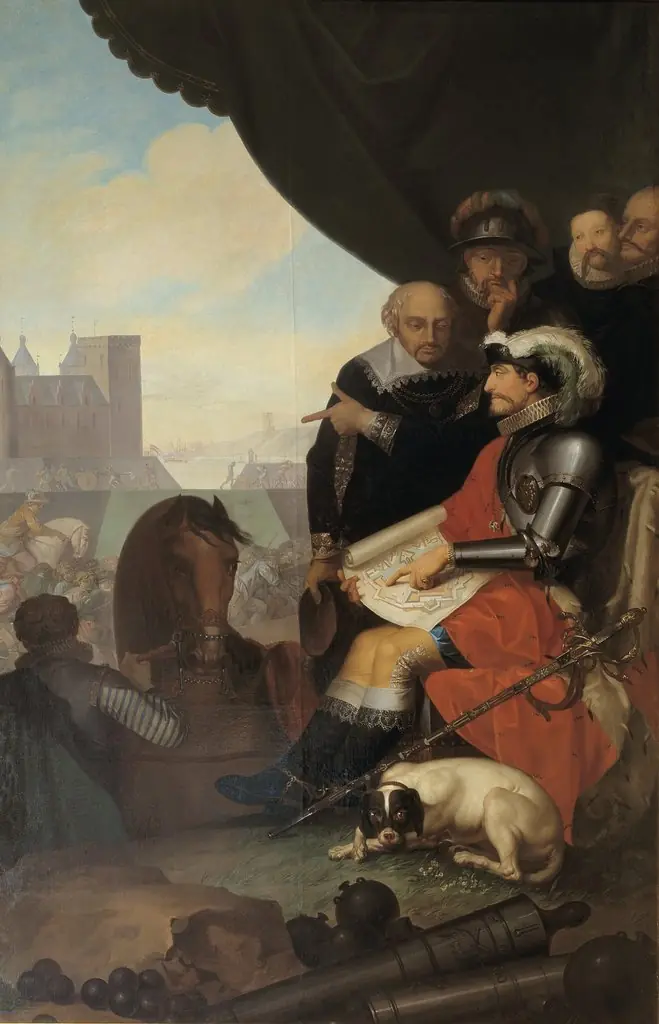 Frederik II Builds Kronborg Castle at Elsinore
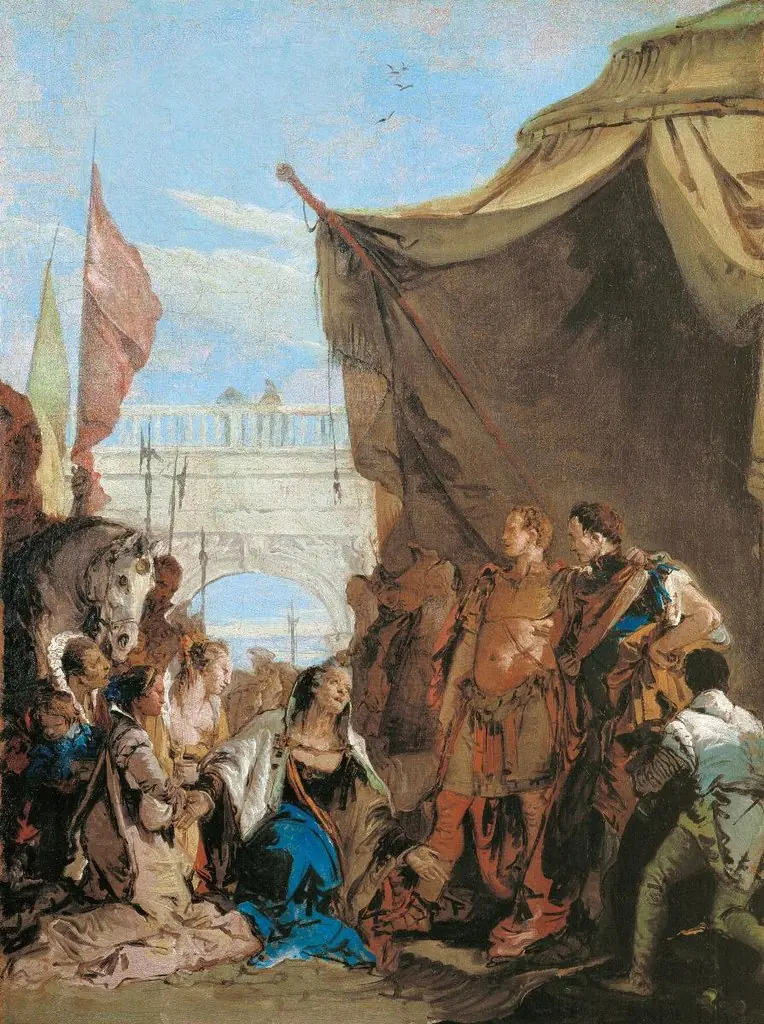 La famiglia di Dario dinanzi ad Alessandro
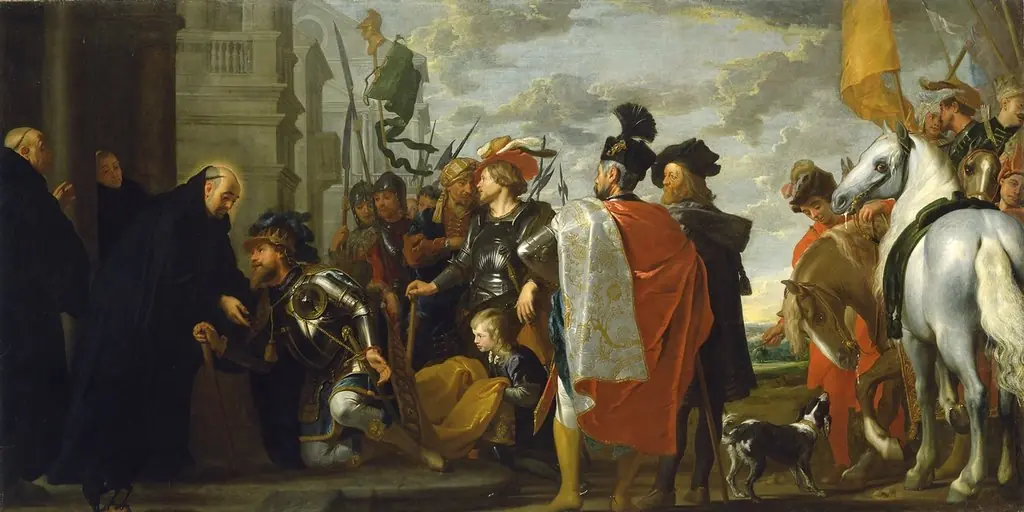 Saint Benedict receiving Totila, King of the Ostrogoths
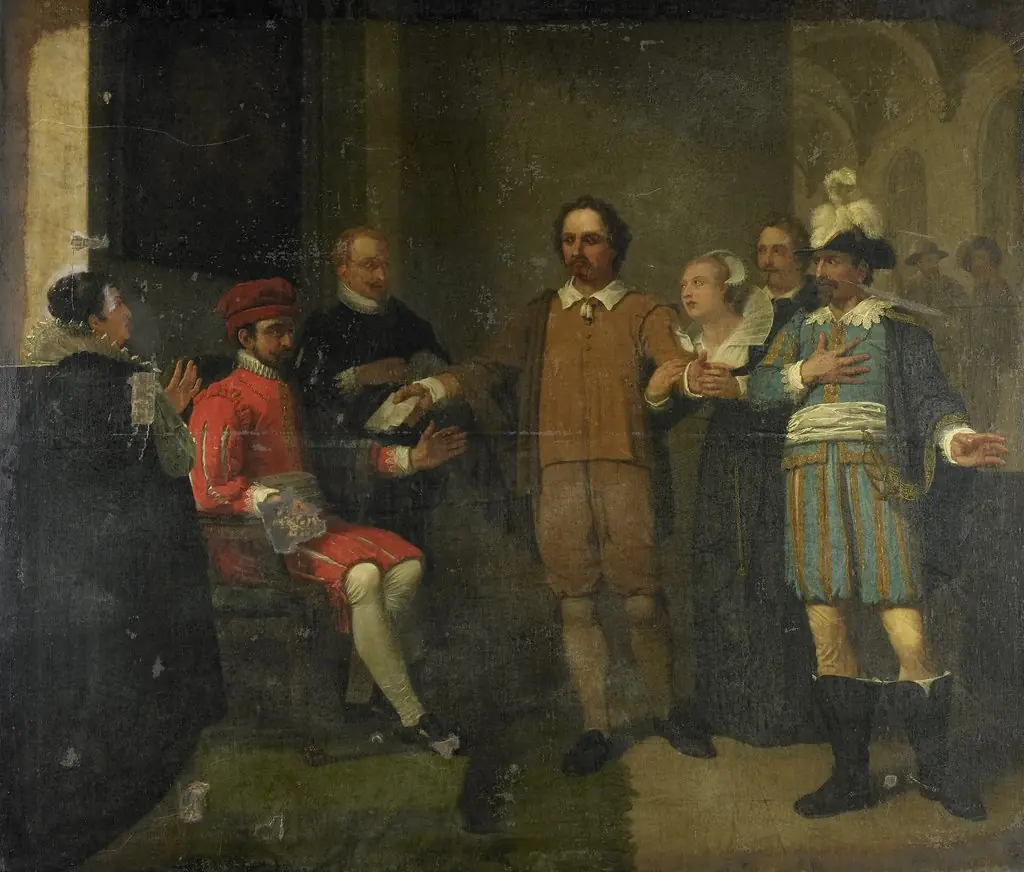 Jacob Simonsz de Rijk Secures from Spanish Governor-General Requesens the Release of Marnix van Sint Aldegonde
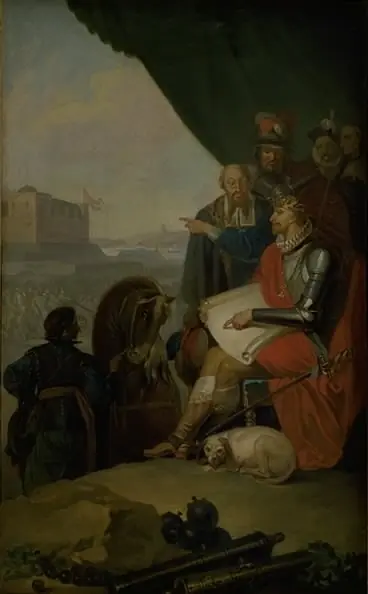 Frederik II Builds Kronborg Castle at Elsinore
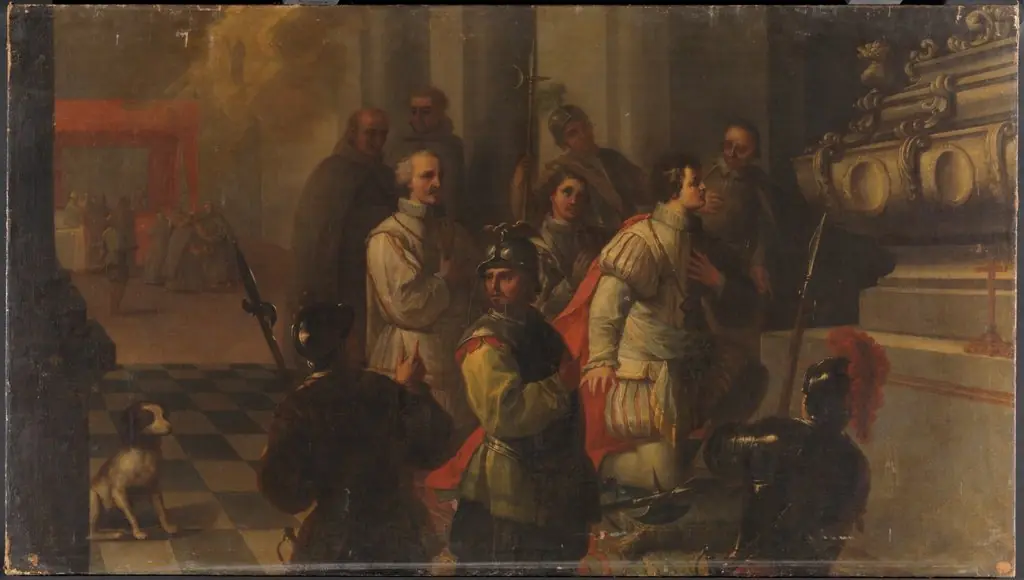 Curación y acción de gracias del príncipe don Carlos. Serie de la Vida de San Diego de Alcalá
 Mihai Viteazul contemplând capul lui Andrei Bathory
 A Guard Room