Artwork
Portrait of Charles de Guise, cardinal of Lorraine, archbishop of Reims
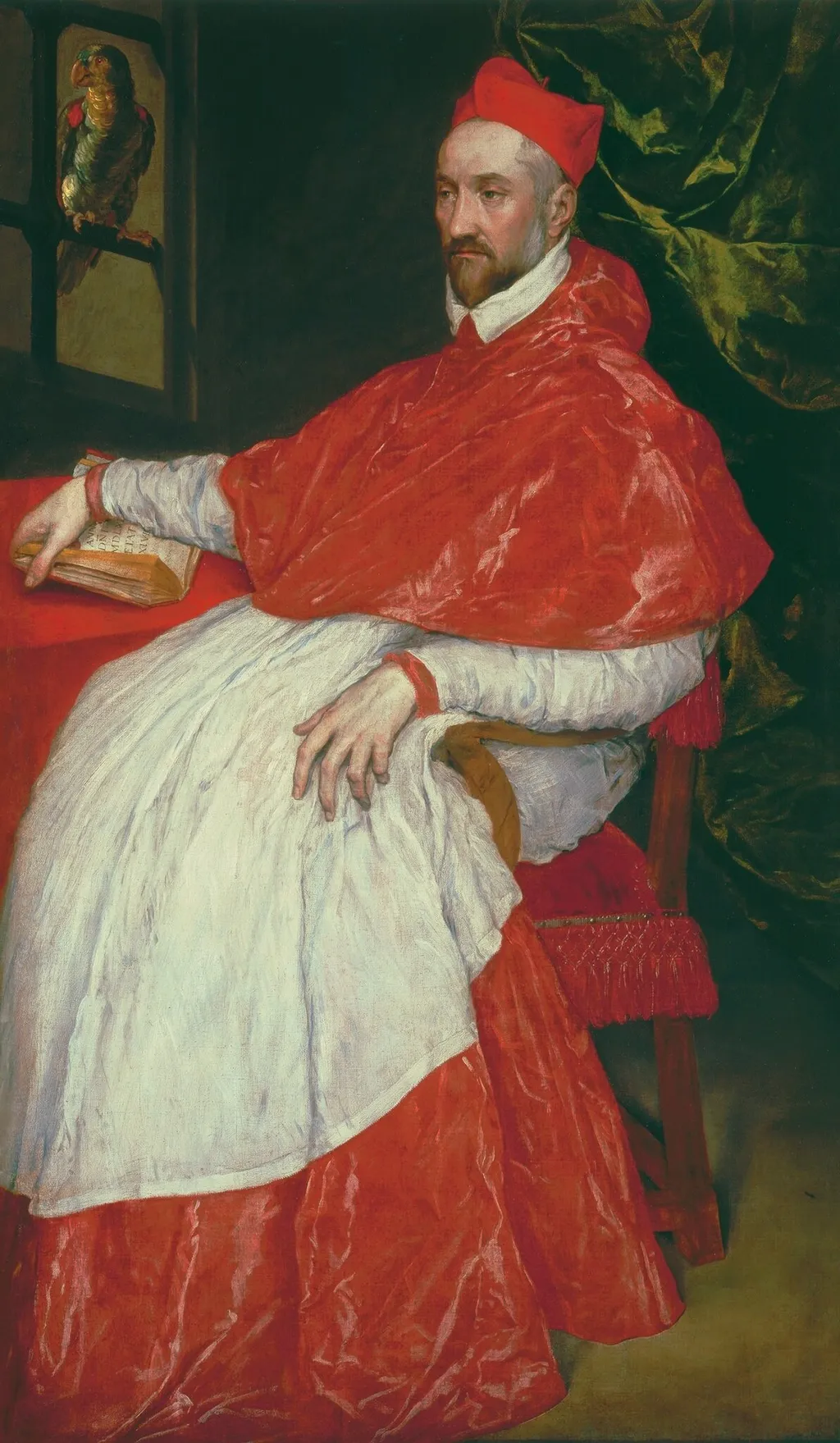
Portrait of Charles de Guise, cardinal of Lorraine, archbishop of Reims is an oil painting by the Mannerist artist El Greco. It dates from 1572 and is held in the collection of the Kunsthaus Zürich. Painted in 1572, this oil portrait captures Charles de Guise, Cardinal of Lorraine and Archbishop of Reims, in a composed, formal pose.
About this work
Overview
Painted in 1572, this oil portrait captures Charles de Guise, Cardinal of Lorraine and Archbishop of Reims, in a composed, formal pose.
Painted in 1572, this oil portrait captures Charles de Guise, Cardinal of Lorraine and Archbishop of Reims, in a composed, formal pose. Executed by El Greco during his early Italian period, the work reflects a transitional phase in his style, blending Northern European precision with emerging Mannerist tendencies. The painting is currently held in the collection of Kunsthaus Zürich, where it remains one of the few documented portraits by the artist of a French ecclesiastical figure.
Subject & Meaning
Charles de Guise, a powerful figure in French religious and political life, is depicted with solemn authority. His attire—red cardinal’s robes and a pointed biretta—signifies his rank, while the open book suggests scholarly devotion and ecclesiastical responsibility. His direct gaze and restrained posture convey gravitas, aligning with the Counter-Reformation ideal of clerical dignity. The absence of overt symbols of power, like a cross or scepter, emphasizes inner conviction over external display.
Technique & Style
El Greco employs chiaroscuro to model the cardinal’s form against a dark, atmospheric background, enhancing three-dimensionality. The fabric of the robe is rendered with subtle highlights, suggesting silk or velvet’s reflective quality, while the texture of the hat and skin is carefully differentiated. The brushwork is controlled yet expressive, with soft transitions in flesh tones and sharper definition in the edges of the garments. The greenery behind the figure is rendered minimally, serving as a muted backdrop rather than a narrative element.
History & Provenance
The portrait was likely commissioned during Charles de Guise’s visit to Italy, possibly in Rome, where El Greco was active before moving to Spain. It remained in European collections, eventually entering the Kunsthaus Zürich’s holdings in the 20th century. Documentation of its early ownership is sparse, but its stylistic features and subject align with known commissions from French cardinals seeking portraiture during the 1570s.
Context
In the 1570s, El Greco was refining his approach to portraiture amid the intellectual currents of the Counter-Reformation. Catholic elites, particularly high-ranking clergy, sought images that projected spiritual authority and intellectual depth. This portrait reflects that demand, situated between the naturalism of Venetian painting and the elongated forms El Greco would later develop in Toledo. It stands as a rare example of his engagement with French ecclesiastical patrons before his definitive move to Spain.
Legacy
Though less known than his Spanish works, this portrait contributes to understanding El Greco’s evolution as a portraitist. It demonstrates his capacity to adapt to the expectations of powerful patrons while maintaining a distinctive handling of light and texture. The painting remains a key reference for scholars studying his early technique and the circulation of artistic styles across 16th-century Europe.
Artist & collection
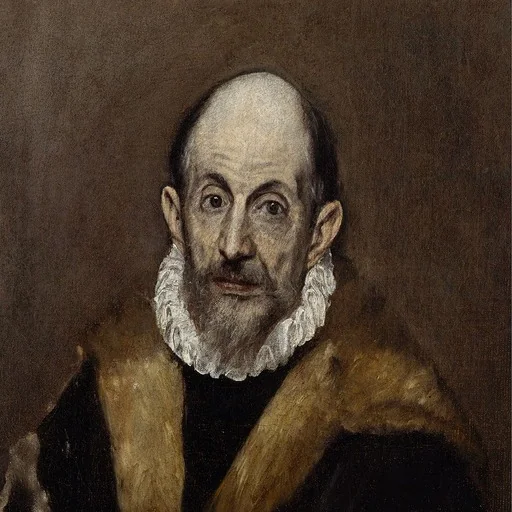
Artist
Doménikos Theotokópoulos was born in 1541 in Candia (modern Heraklion), the capital of Venetian-ruled Crete, where he was trained in the post-Byzantine tradition of icon painting.

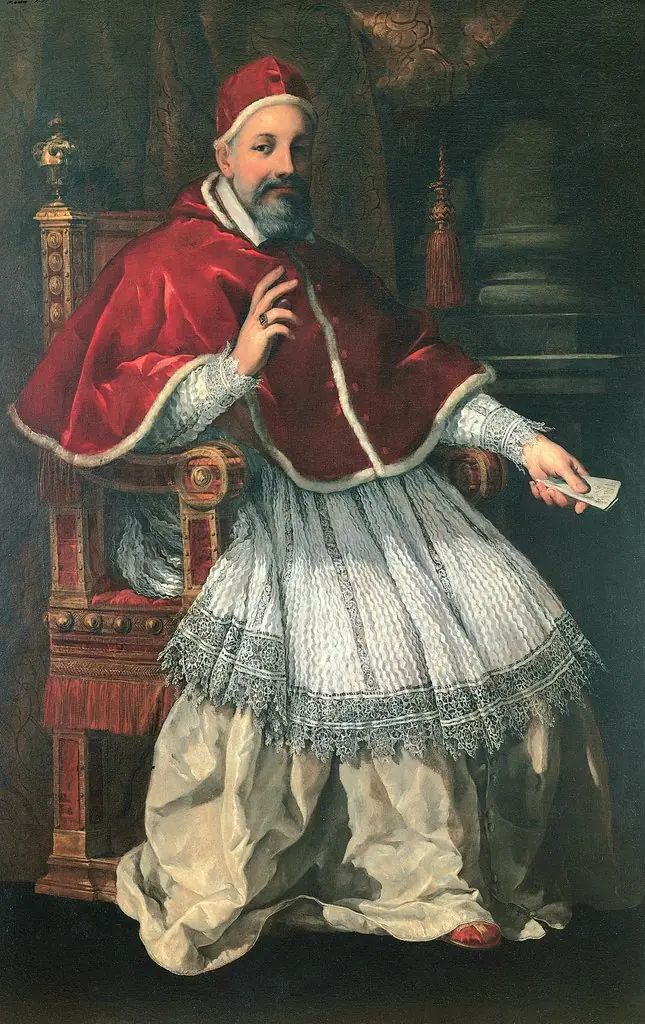 Portrait of Pope Urban VIII
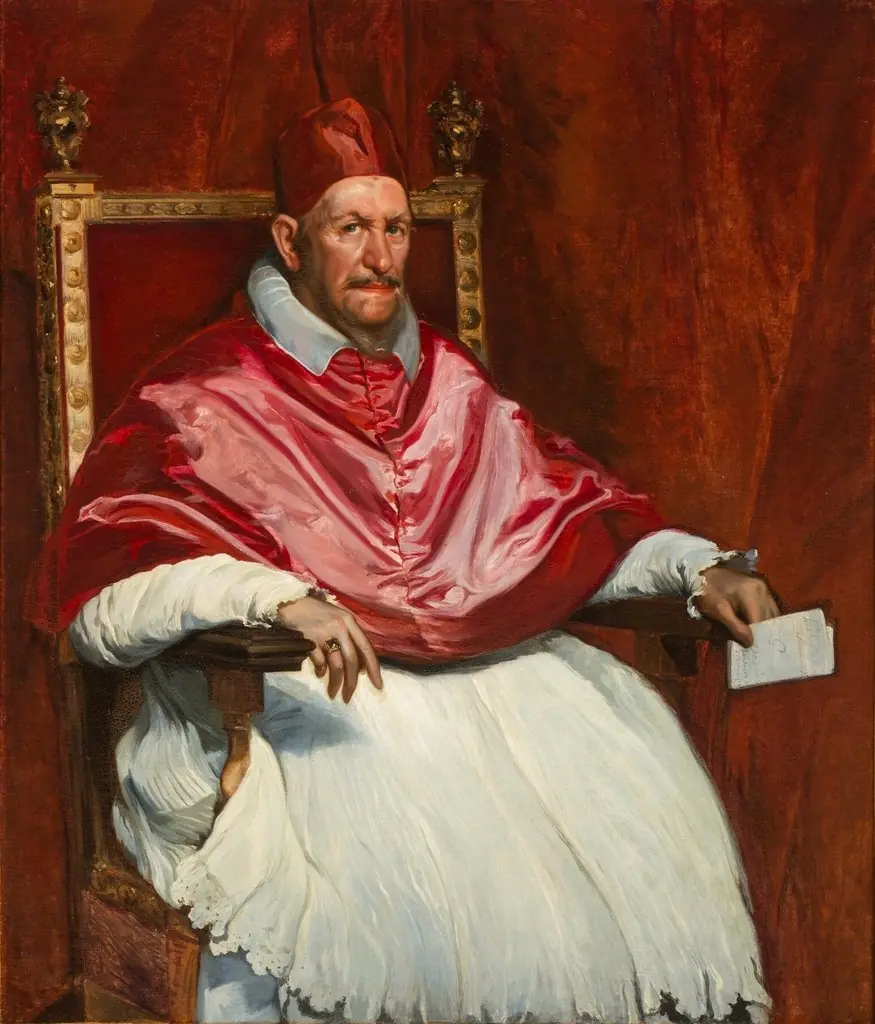 Innocent X, Pope (1574-1655)
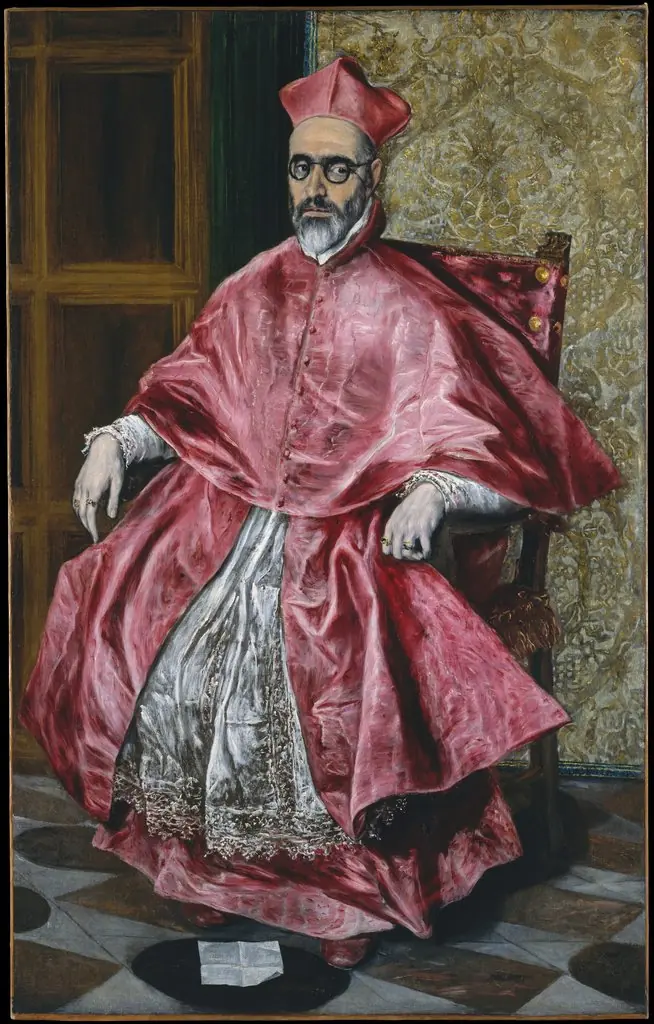 Cardinal Fernando Niño de Guevara
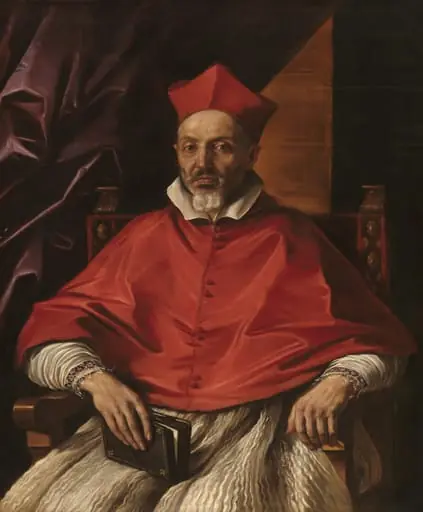 Cardinal Francesco Cennini
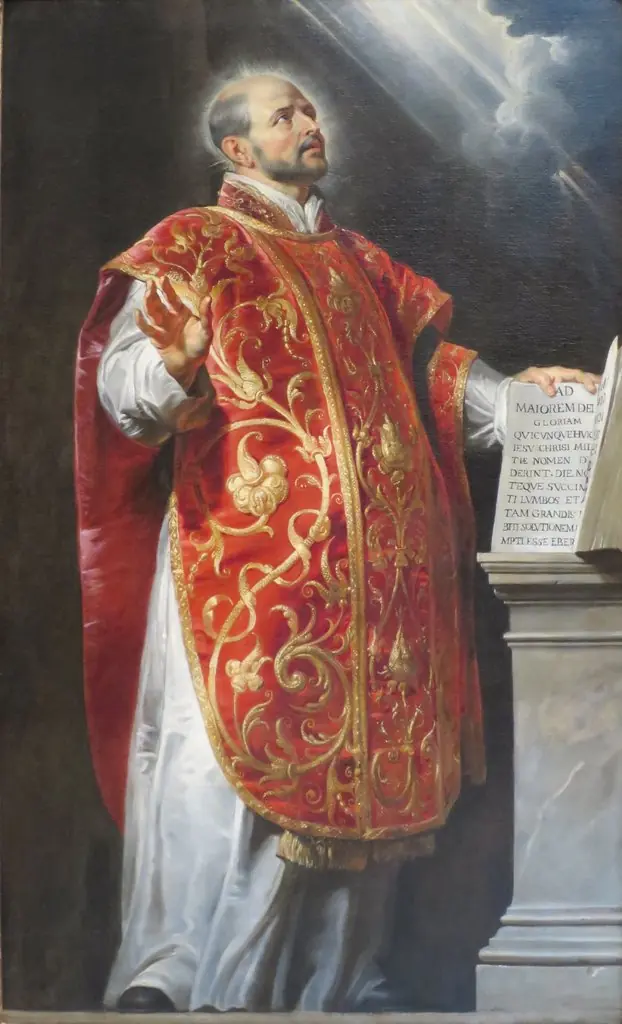 Saint Ignatius of Loyola
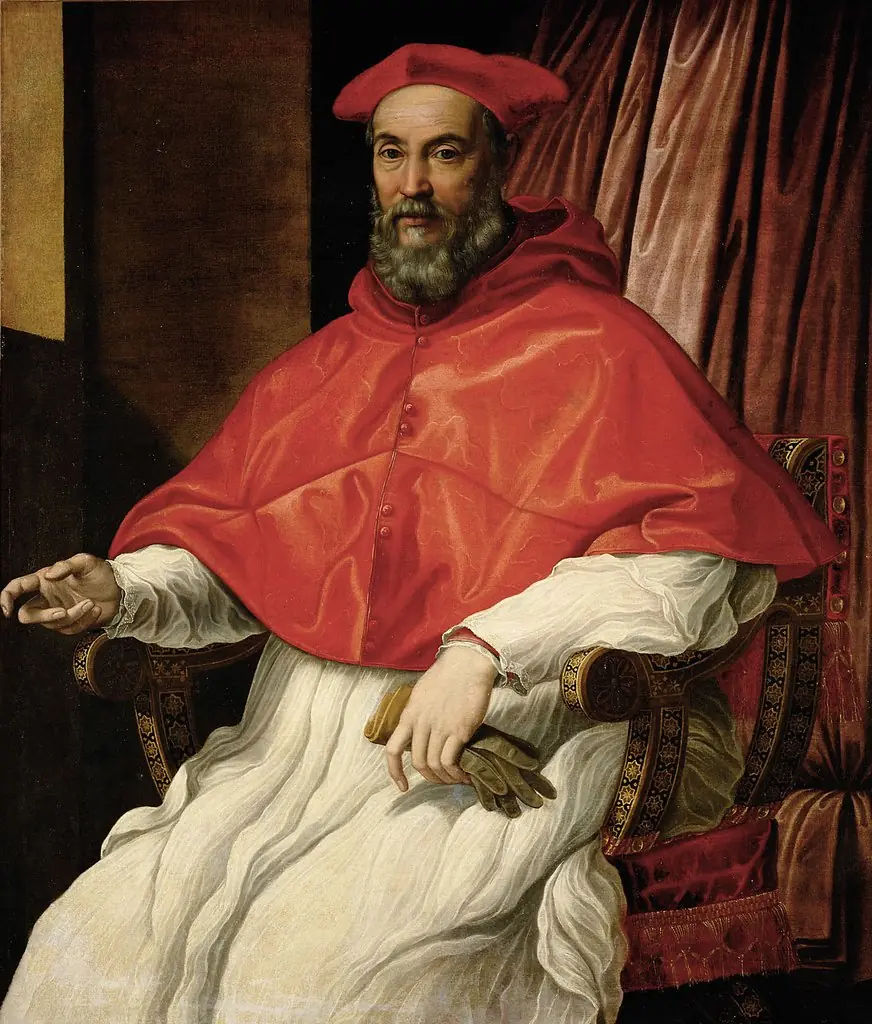 Bildnis eines Kardinals
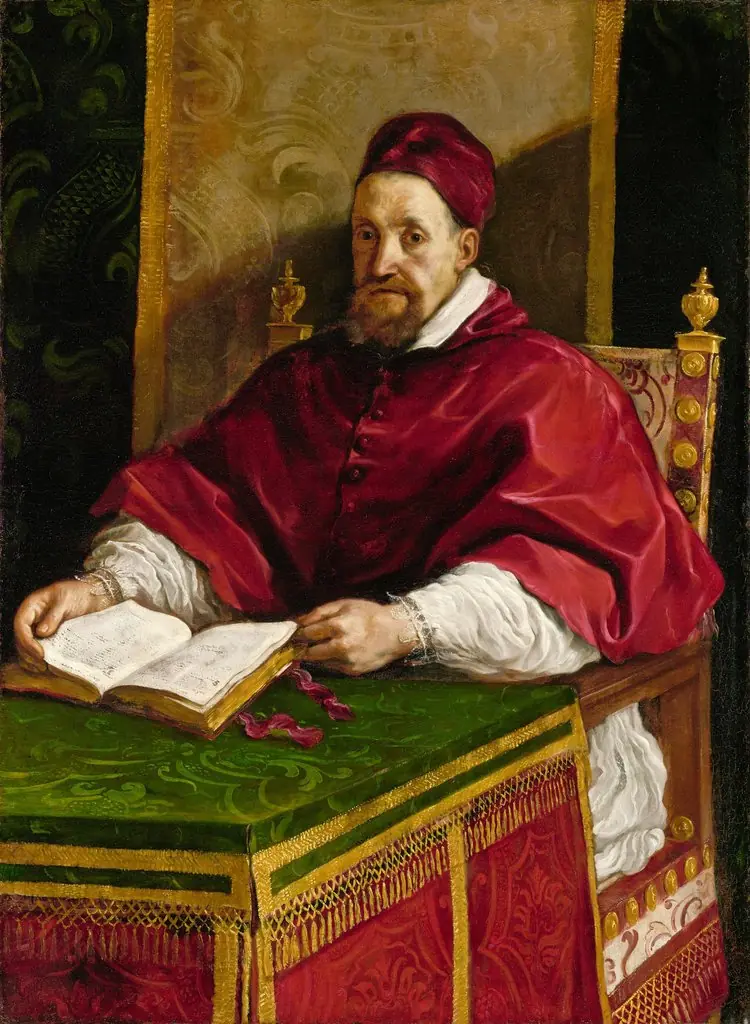 Portrait of Pope Gregory XV
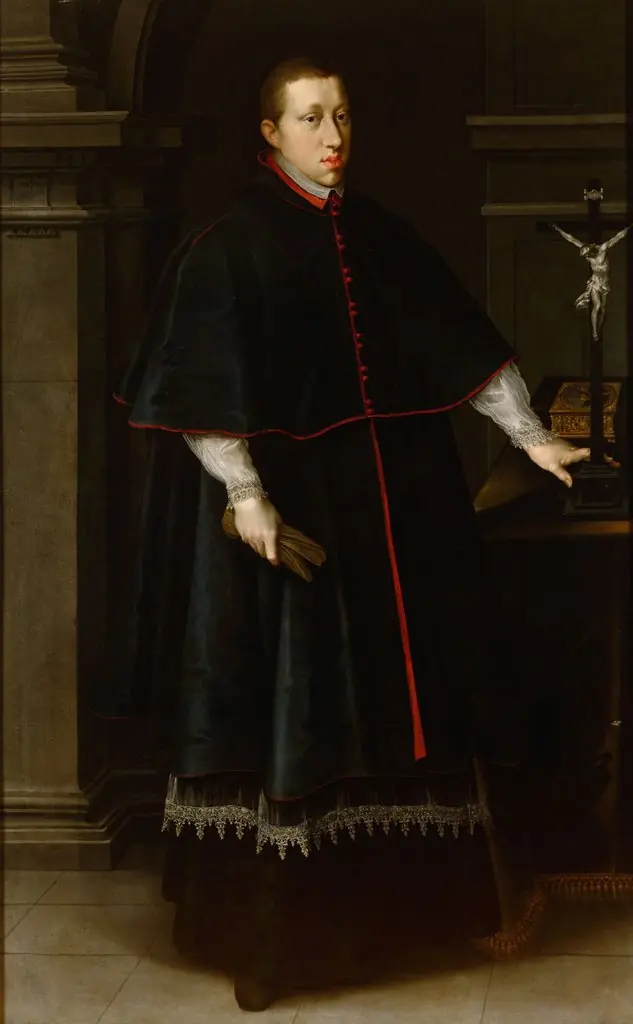 Archduke Leopold V (1586-1632) in the Spiritual Garment
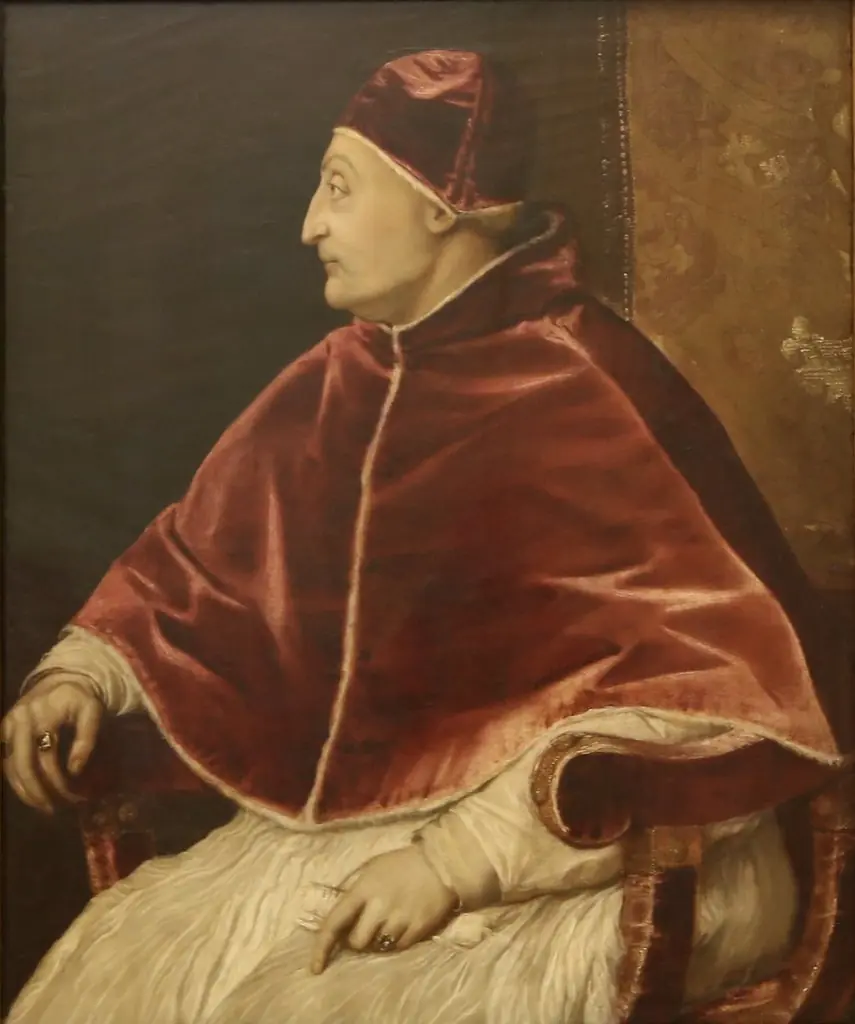 Portrait of Pope Sixtus IV
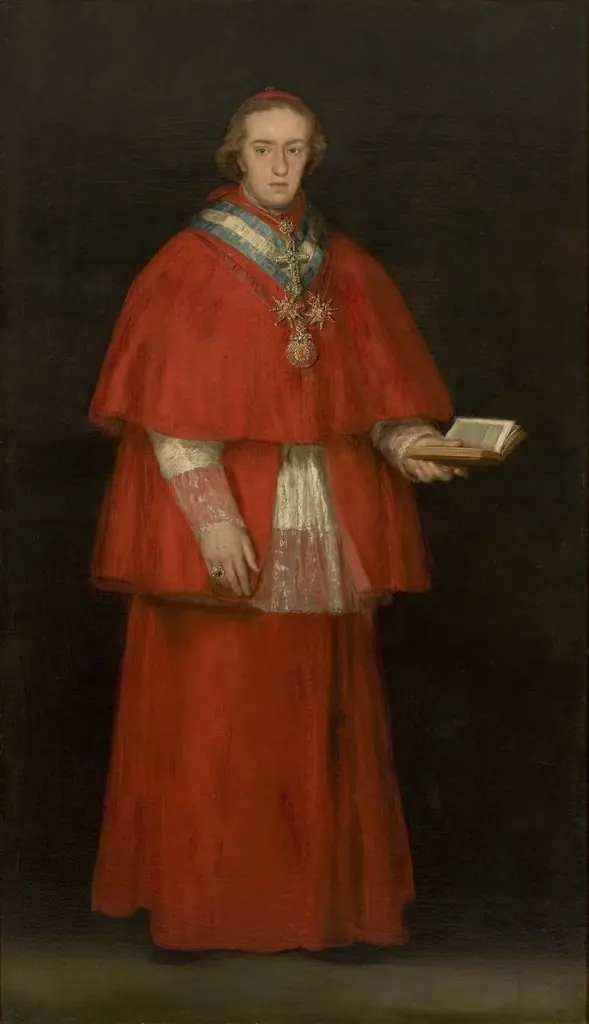 Portrait of Cardinal Luis María de Borbón y Vallabriga
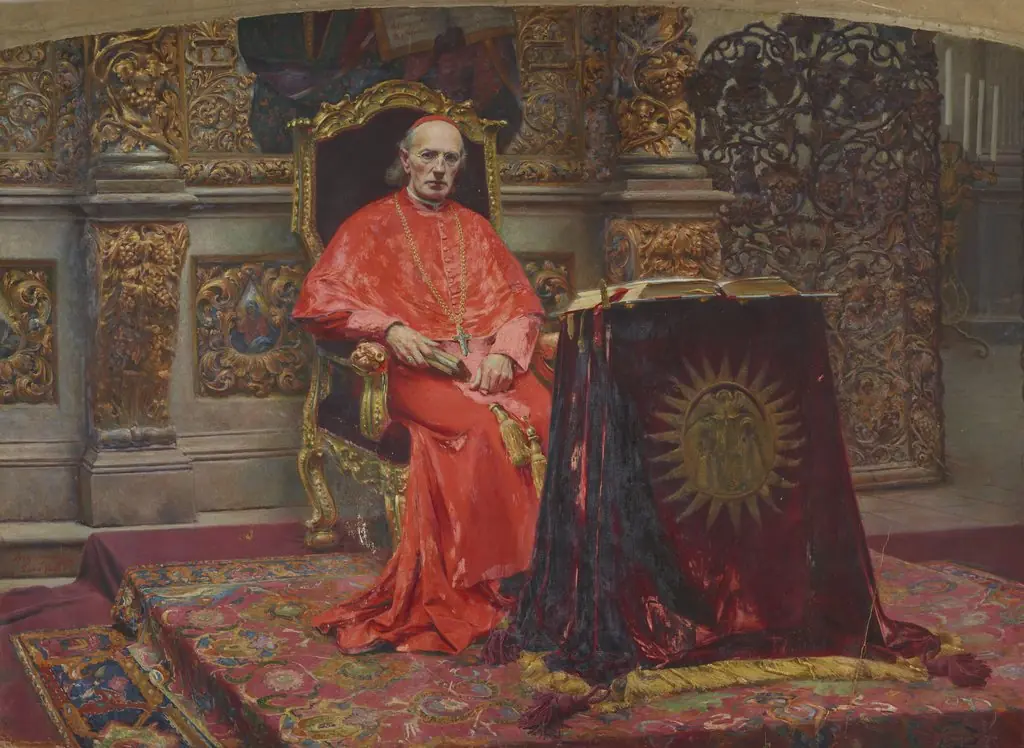 Portrait of Cardinal Sembratowicz
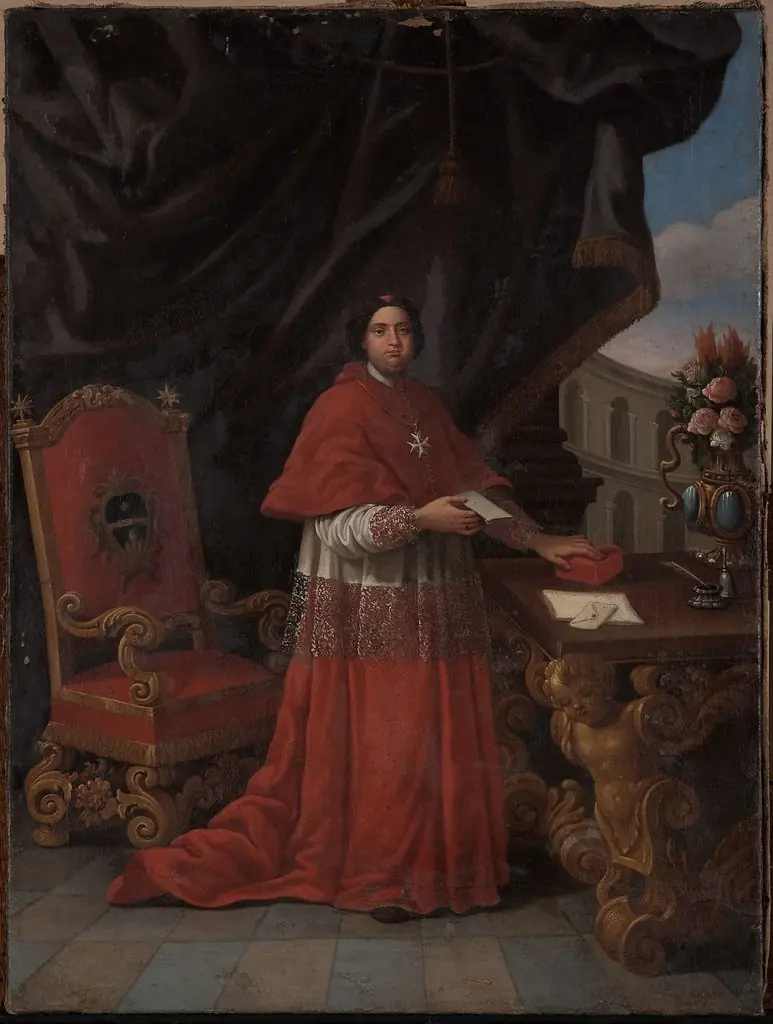 Portrait of a cardinal, Knight of Malta