Artwork
Saint Ignatius of Loyola
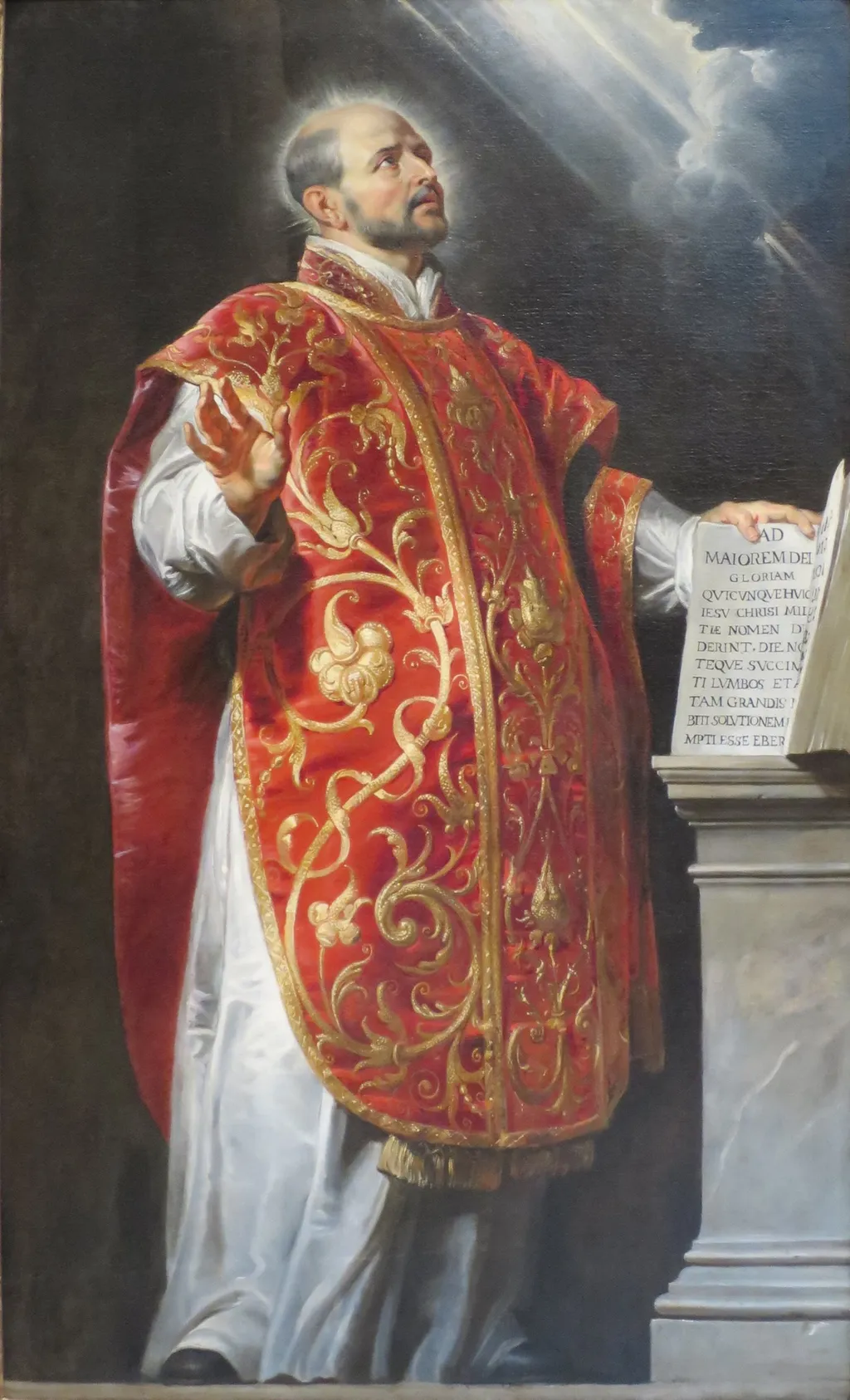
Saint Ignatius of Loyola is an oil painting by the Flemish Baroque painting artist Peter Paul Rubens. It dates from 1620 and is held in the collection of the Norton Simon Museum.
About this work
Overview
Created during the height of the Counter-Reformation, the painting reflects the Catholic Church’s effort to visually reinforce spiritual authority.
Painted in 1620 by Peter Paul Rubens, this oil-on-canvas work portrays Saint Ignatius of Loyola, founder of the Jesuit order. Created during the height of the Counter-Reformation, the painting reflects the Catholic Church’s effort to visually reinforce spiritual authority. Rubens, a leading Flemish artist of the era, employed the rich tonalities and dramatic lighting characteristic of Baroque religious art to convey reverence and divine presence.
Subject & Meaning
The figure of Ignatius stands in solemn contemplation, his gaze directed upward as if receiving divine inspiration. His ornate red vestment, embroidered with gold, signifies his ecclesiastical rank and the dignity of his mission. The Latin inscription on the pedestal likely references his spiritual writings or founding role. The upward gaze and still posture suggest inner revelation rather than physical action, aligning with Jesuit ideals of disciplined devotion and intellectual faith.
Technique & Style
Rubens used chiaroscuro to model the saint’s form with strong contrasts between light and shadow, enhancing the three-dimensionality of the figure. The rich textures of the robe—its folds, embroidery, and fabric weight—are rendered with meticulous brushwork. The dark, undefined background isolates the saint, focusing attention on his presence. The composition avoids clutter, emphasizing clarity and emotional gravity, hallmarks of Rubens’s mature religious portraiture.
History & Provenance
Commissioned during Rubens’s tenure as a court painter and diplomat, the painting was likely intended for a Jesuit institution or private chapel. It reflects the close ties between the artist and the Jesuit order, who frequently commissioned works to promote their spiritual mission. The painting remained in European collections throughout the 17th and 18th centuries, eventually entering a public museum where it is now preserved as part of the Flemish Baroque canon.
Context
In early 17th-century Europe, the Catholic Church used visual art to counter Protestant critiques and reinvigorate faith. Rubens’s imagery, blending classical grandeur with emotional intensity, served this agenda. Saint Ignatius, as a symbol of reform and education, was a frequent subject in Jesuit-sponsored art. This portrait aligns with broader efforts to present religious figures as both human and divinely guided, accessible yet exalted.
Legacy
Rubens’s depiction of Ignatius became a model for later representations of Jesuit saints, influencing religious portraiture across Europe. Its balance of dignity and dynamism set a standard for conveying spiritual authority without theatricality. The painting remains a key example of how Baroque aesthetics were harnessed to serve doctrinal purposes, illustrating the intersection of art, faith, and institutional power in early modern Europe.
Own this work as a print
Artist & collection
Artist
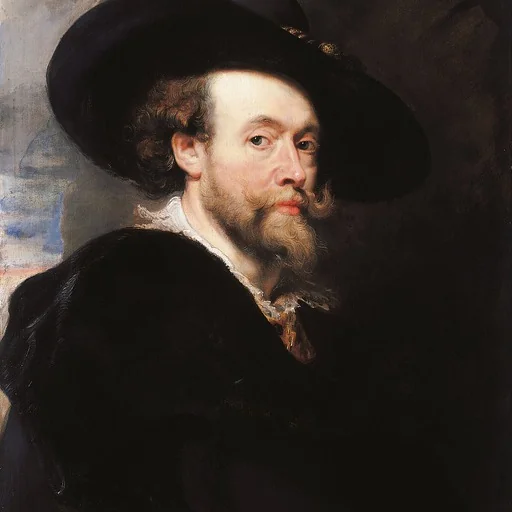
Sir Peter Paul Rubens ( ROO-bənz; Dutch: ; 28 June 1577 – 30 May 1640) was a Flemish artist and diplomat.

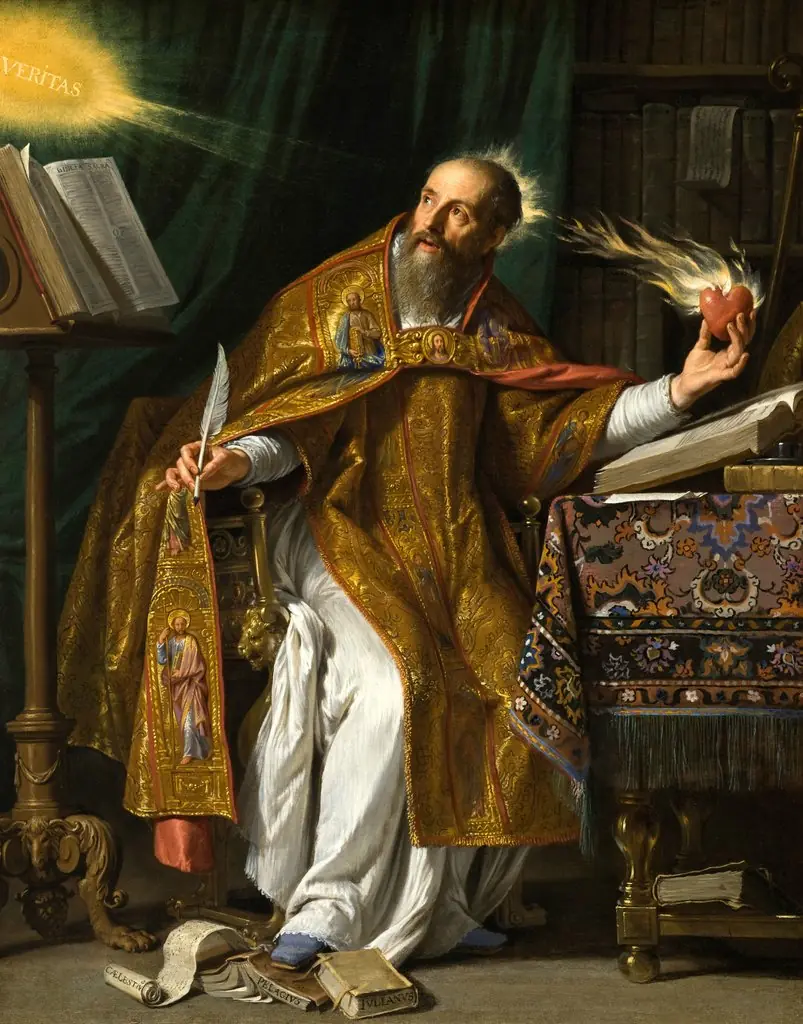 Saint Augustine
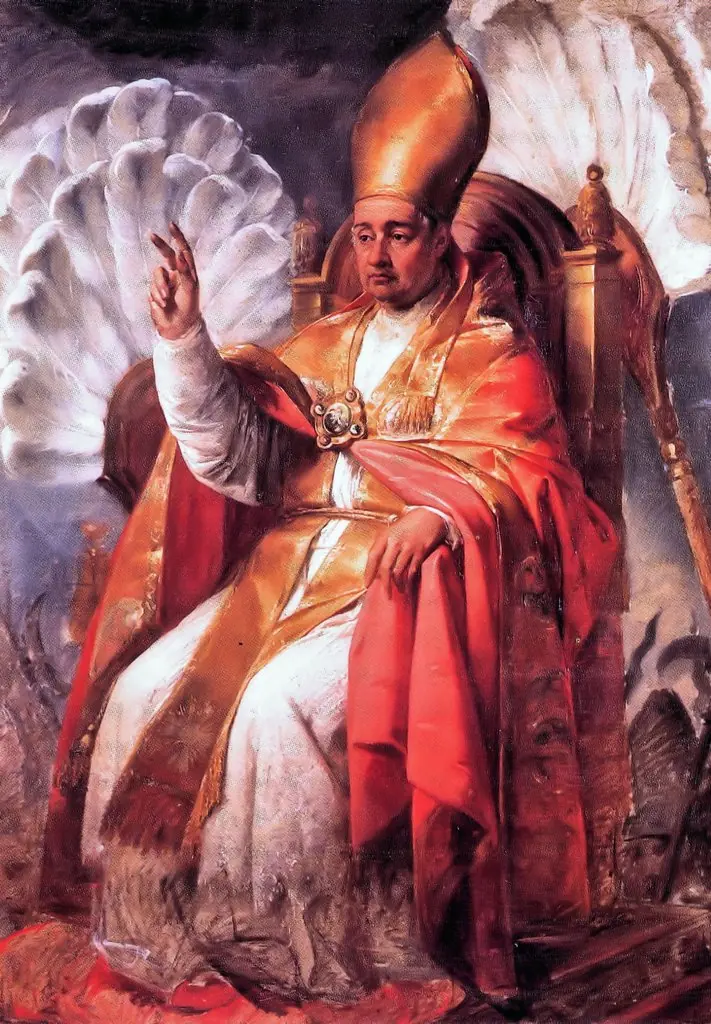 Portrait of Gregory XVI carried on the sedia gestatoria
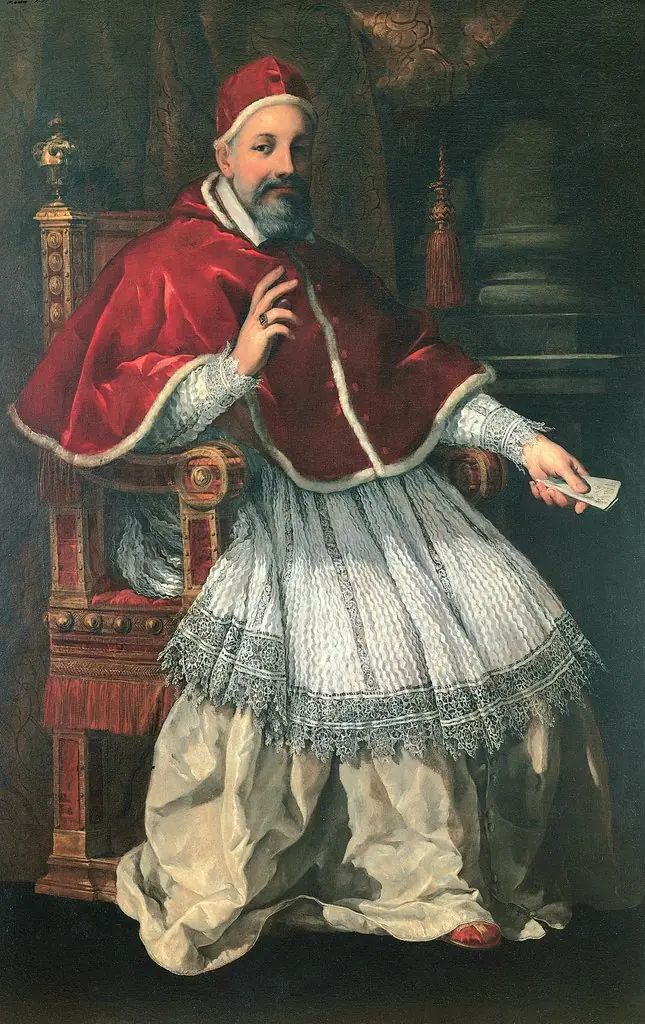 Portrait of Pope Urban VIII
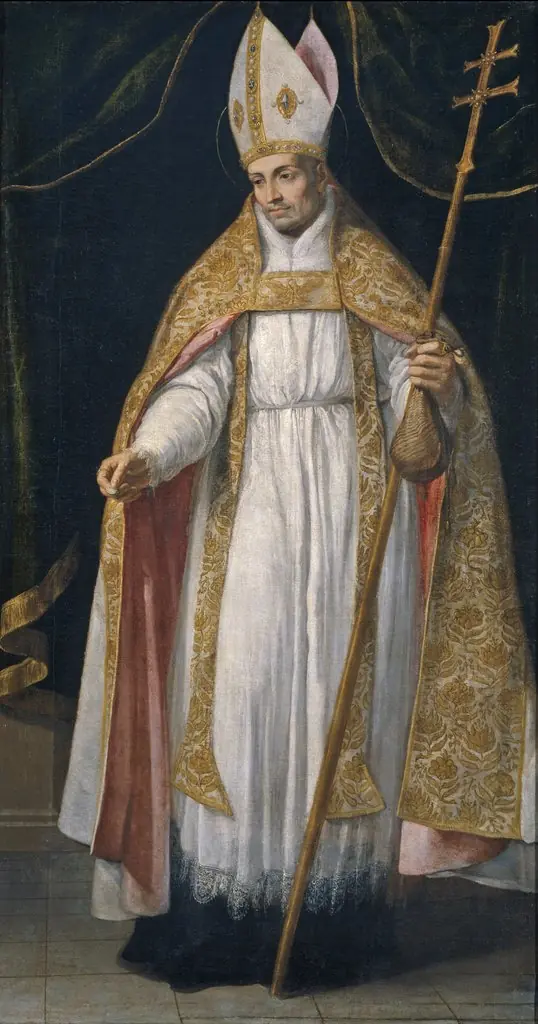 Santo Tomás de Villanueva
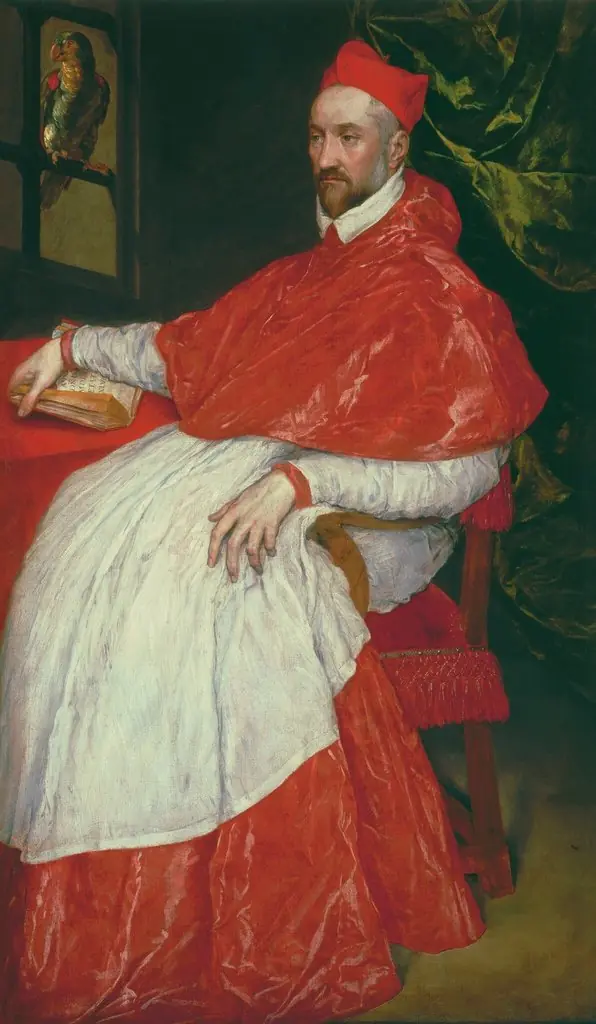 Portrait of Charles de Guise, cardinal of Lorraine, archbishop of Reims
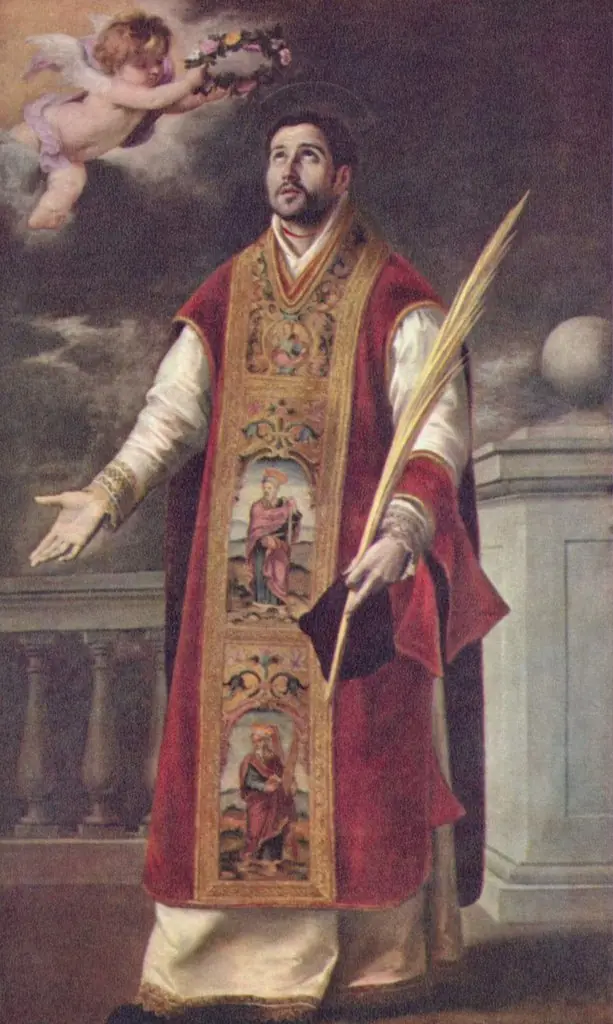 Saint Roderick
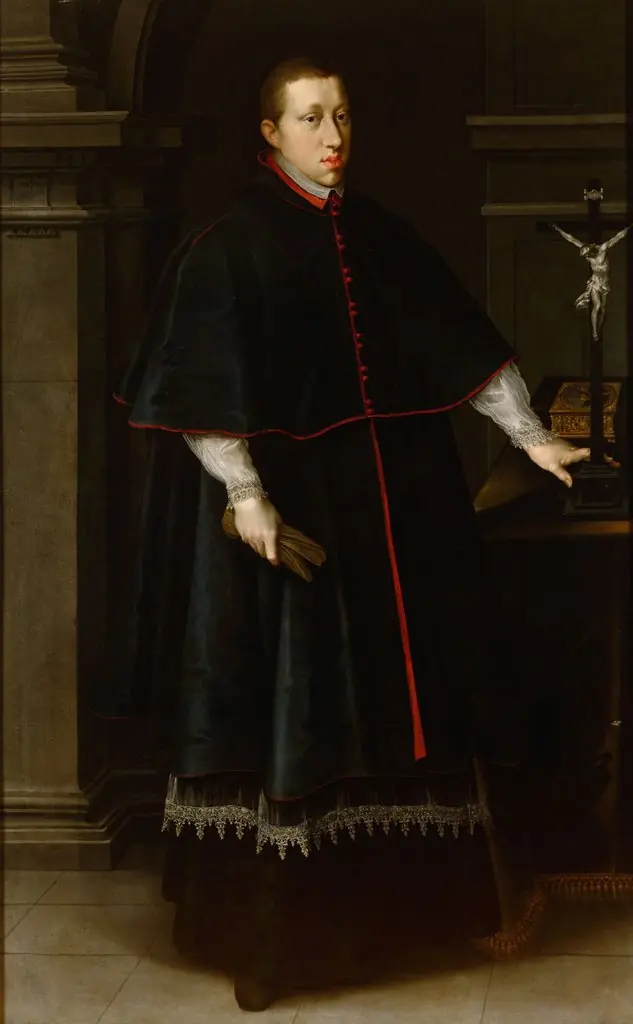 Archduke Leopold V (1586-1632) in the Spiritual Garment
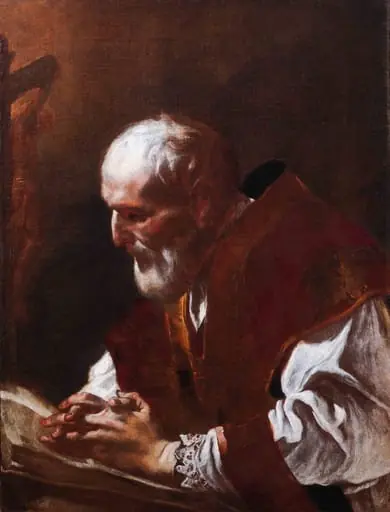 Sfântul Filippo Neri în meditație
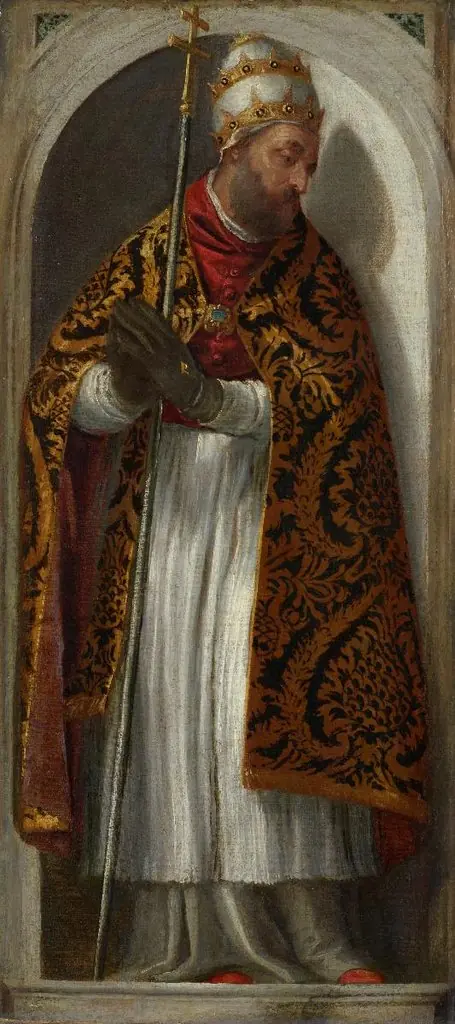 Papa Gregorio Magno
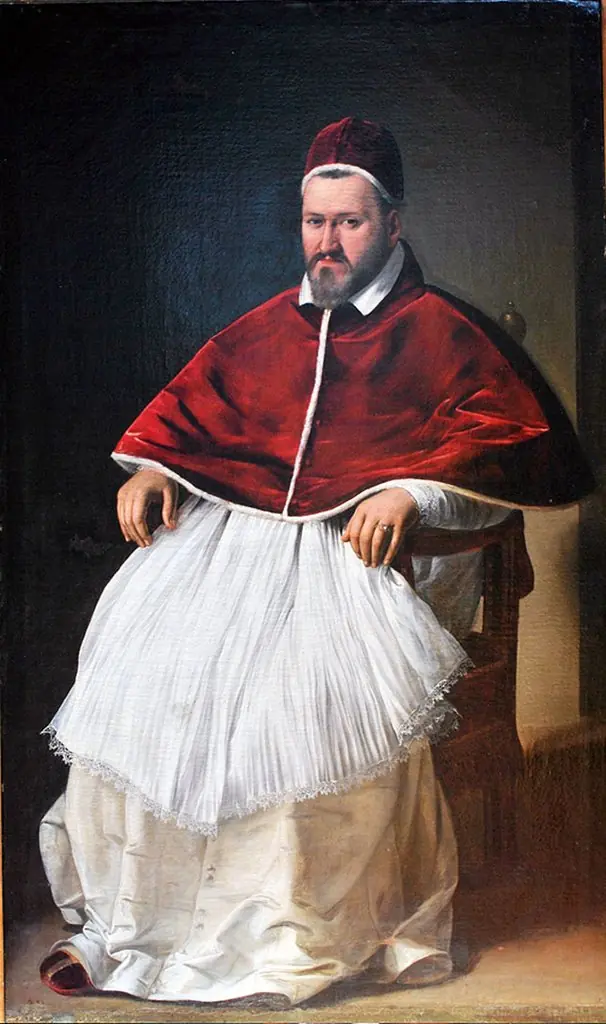 Portrait of Pope Paul V