Artwork
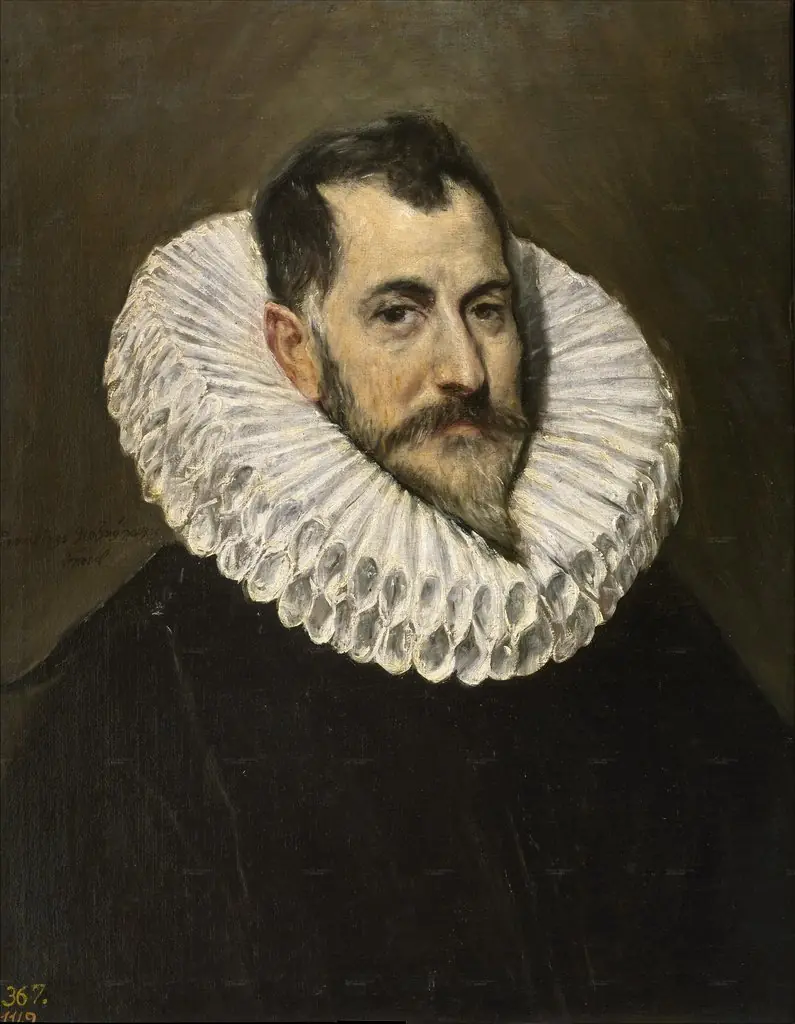
Portrait of Rodrigo de la Fuente
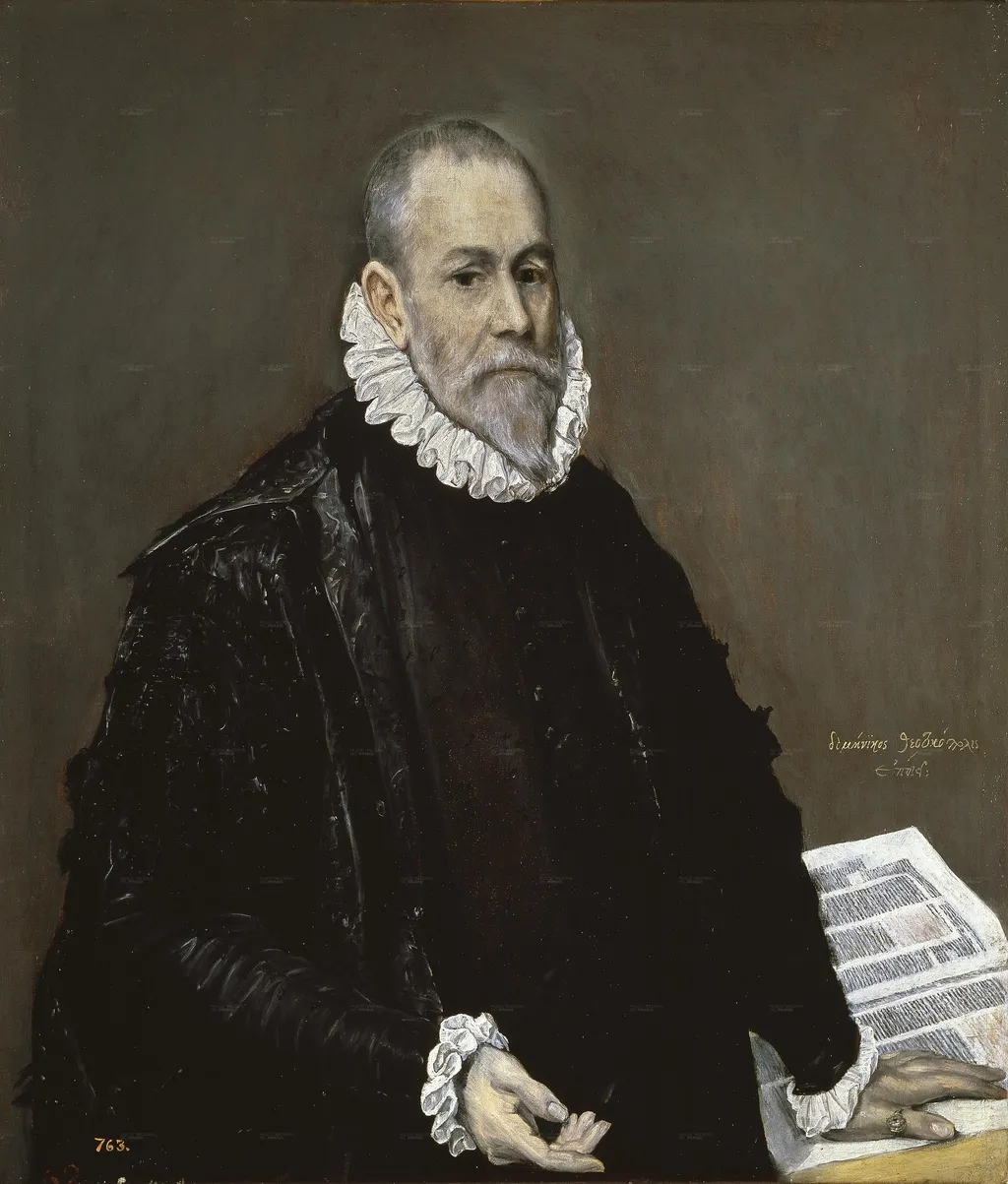
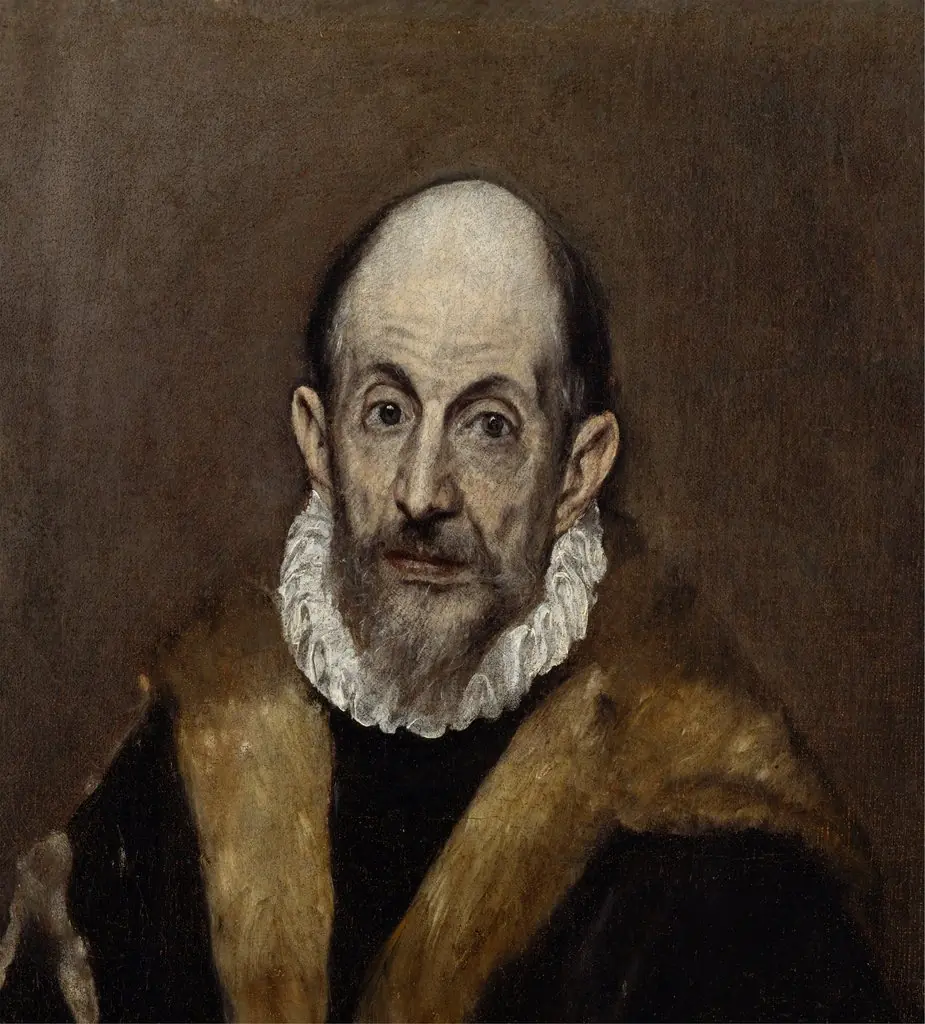
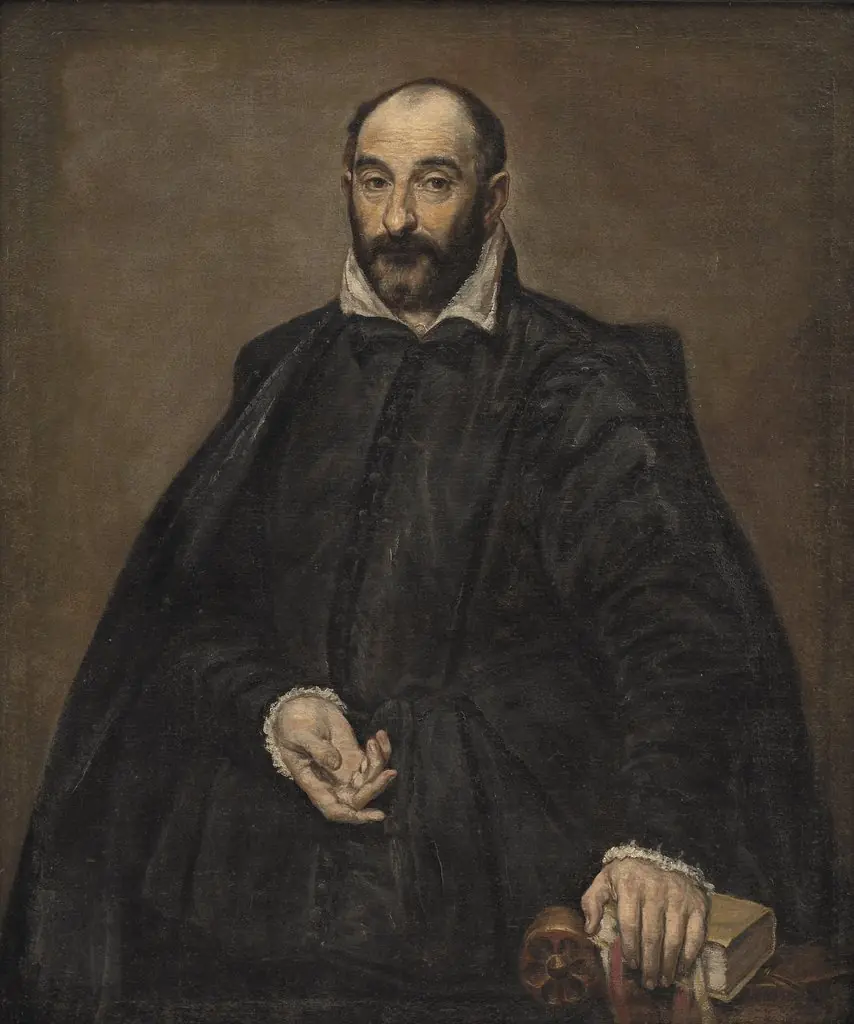
Portrait of Rodrigo de la Fuente is an oil painting by the Mannerist artist El Greco. It dates from 1592 and is held in the collection of the Museo del Prado.
About this work
This is a portrait of Rodrigo de la Fuente. It's an oil painting by El Greco.
The painting is dated to 1582. This is earlier than the period often associated with El Greco's work, which is typically dated between 1603 and 1614.
To learn more about the style and methods used in this portrait, look up the technique of glazing.
Overview
El Greco’s oil portrait, dated 1582, depicts a man traditionally identified as Rodrigo de la Fuente. Executed in Toledo, the work now belongs to the collection of the Museo del Prado. It belongs to the artist’s early Toledo period, predating the mature phase usually associated with his later output.
Subject & Meaning
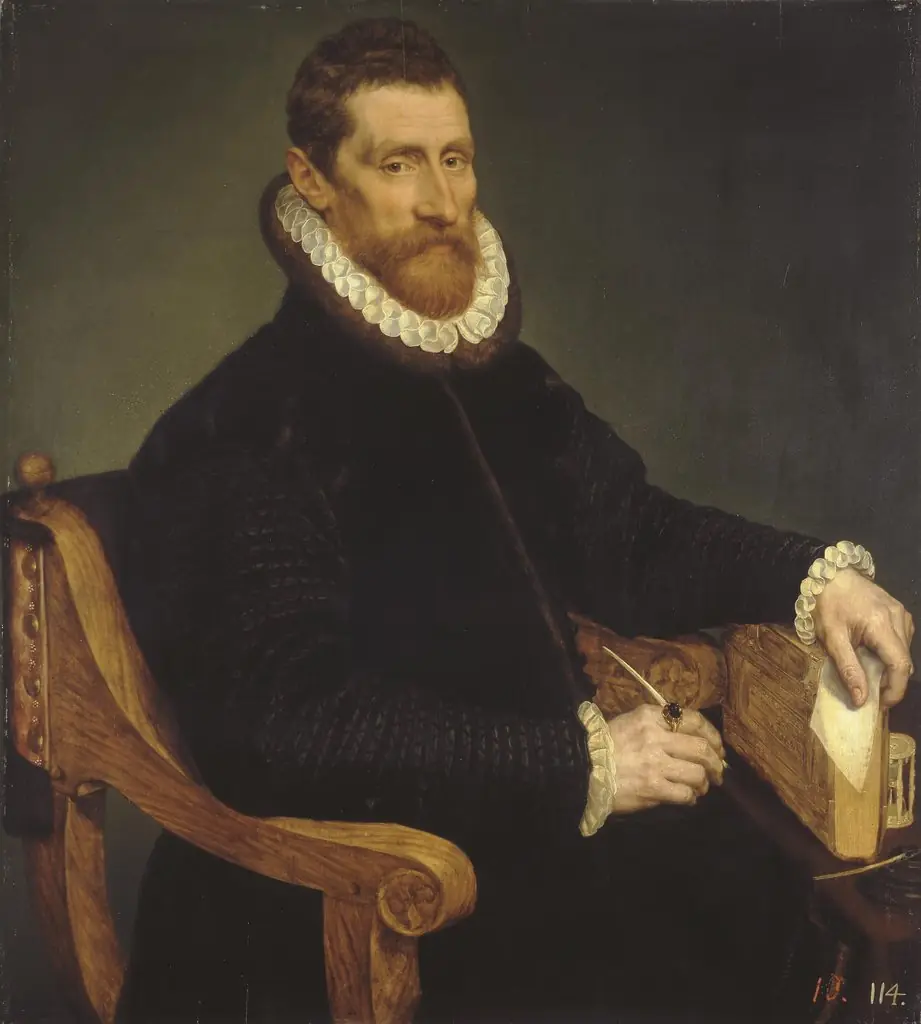
The sitter is presented with a distinctive thumb ring, a common emblem of physicians in the 16th century. While some scholars have linked the figure to Luis de Mercado, the royal physician, the prevailing identification aligns him with Rodrigo de la Fuente, a known associate of the painter.
Technique & Style
The portrait demonstrates El Greco’s early use of glazing, applying thin, translucent layers of oil to achieve depth of tone and a luminous flesh quality. The composition balances a restrained palette with subtle chiaroscuro, highlighting the sitter’s features without the elongated forms of his later style.
History & Provenance
Created in Toledo between 1582 and 1585, the painting entered the Spanish royal collection before being transferred to the Prado Museum in the 19th century. Documentation traces its ownership through the royal inventories, confirming its presence in the national collection since the early 1800s.
Context
The work belongs to a series of portrait commissions El Greco received from Toledo’s elite during his first decade in the city. It reflects the city’s growing demand for portraiture that combined Renaissance realism with emerging Mannerist sensibilities, a synthesis that would define his later fame.
Own this work as a print
Artist & collection
Artist
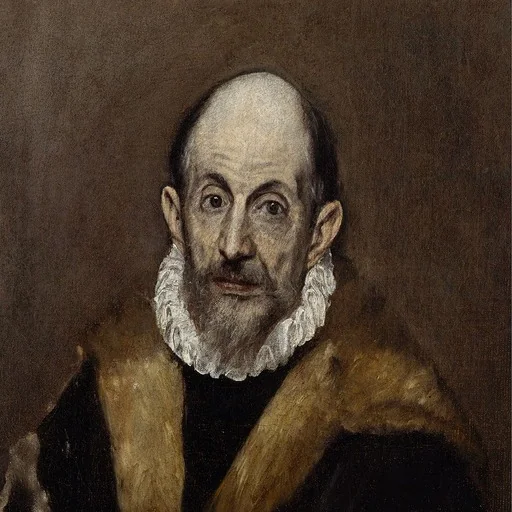
Doménikos Theotokópoulos was born in 1541 in Candia (modern Heraklion), the capital of Venetian-ruled Crete, where he was trained in the post-Byzantine tradition of icon painting.