Artwork
The Apostle Bartholomew (Paul)
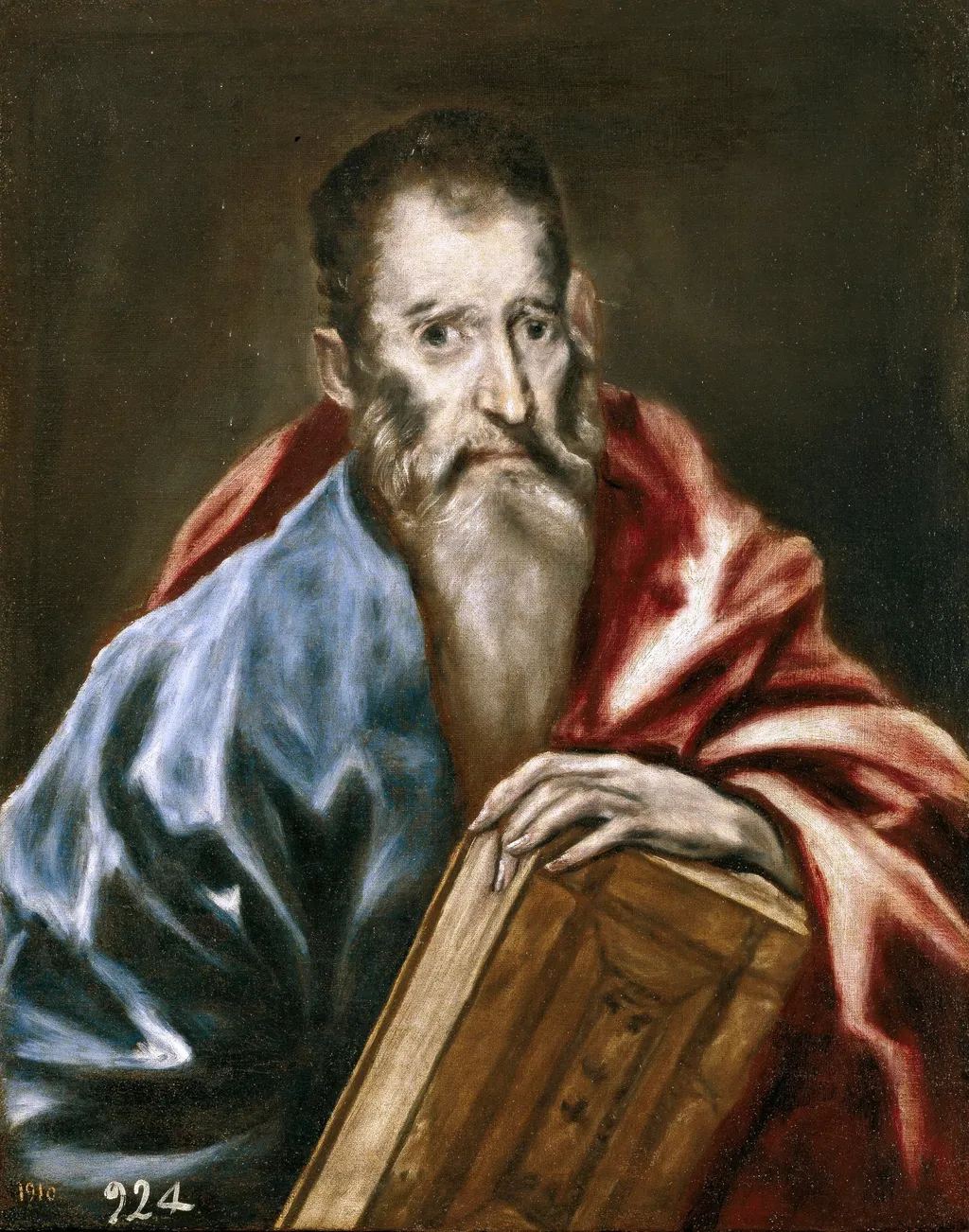
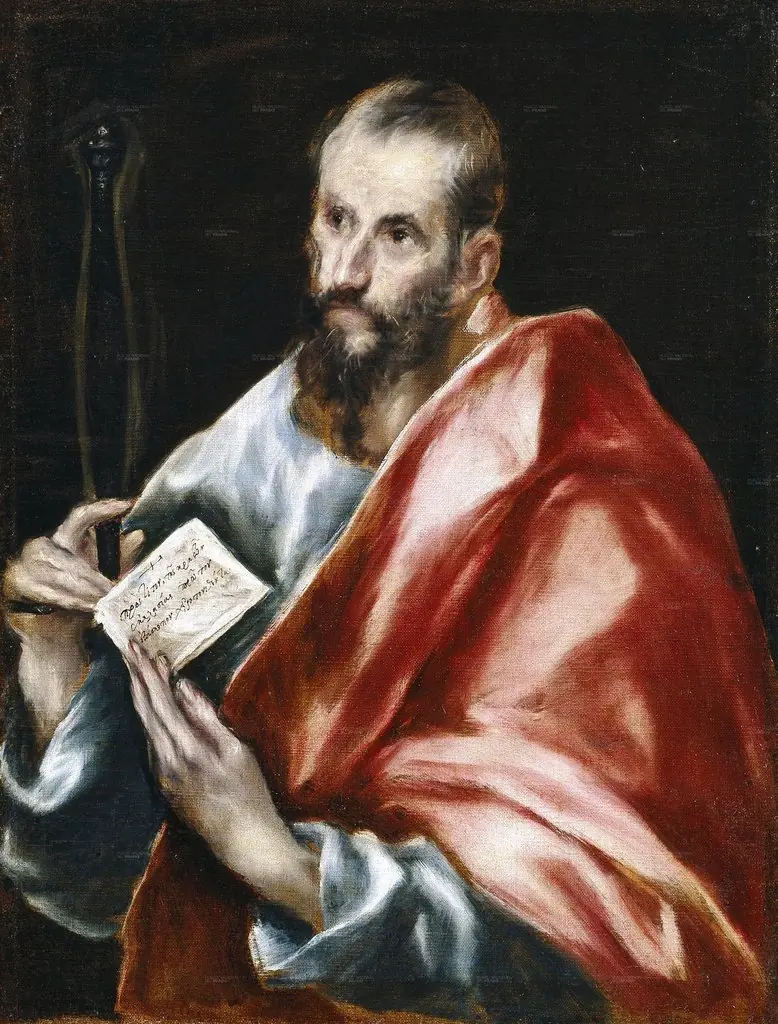
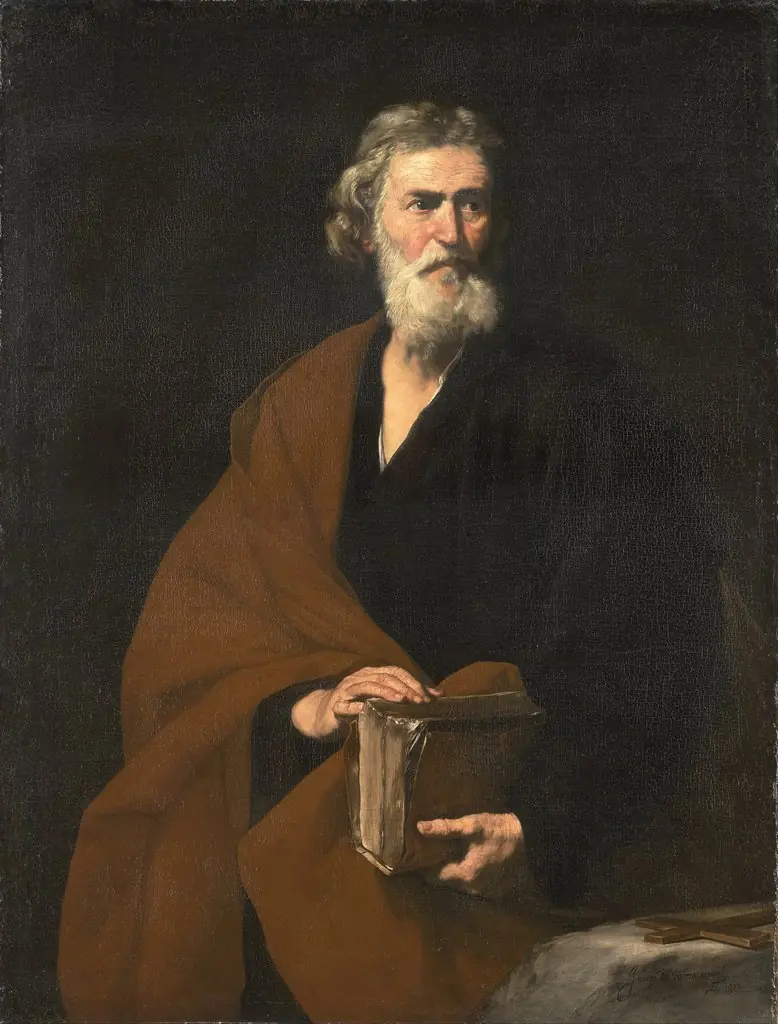
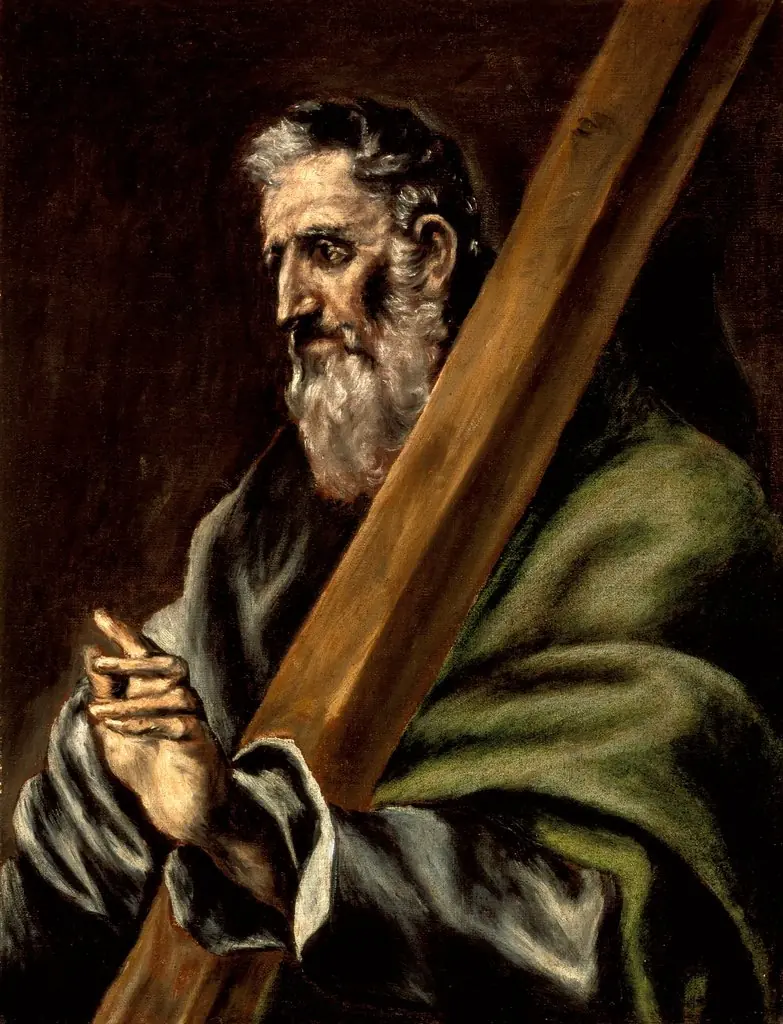
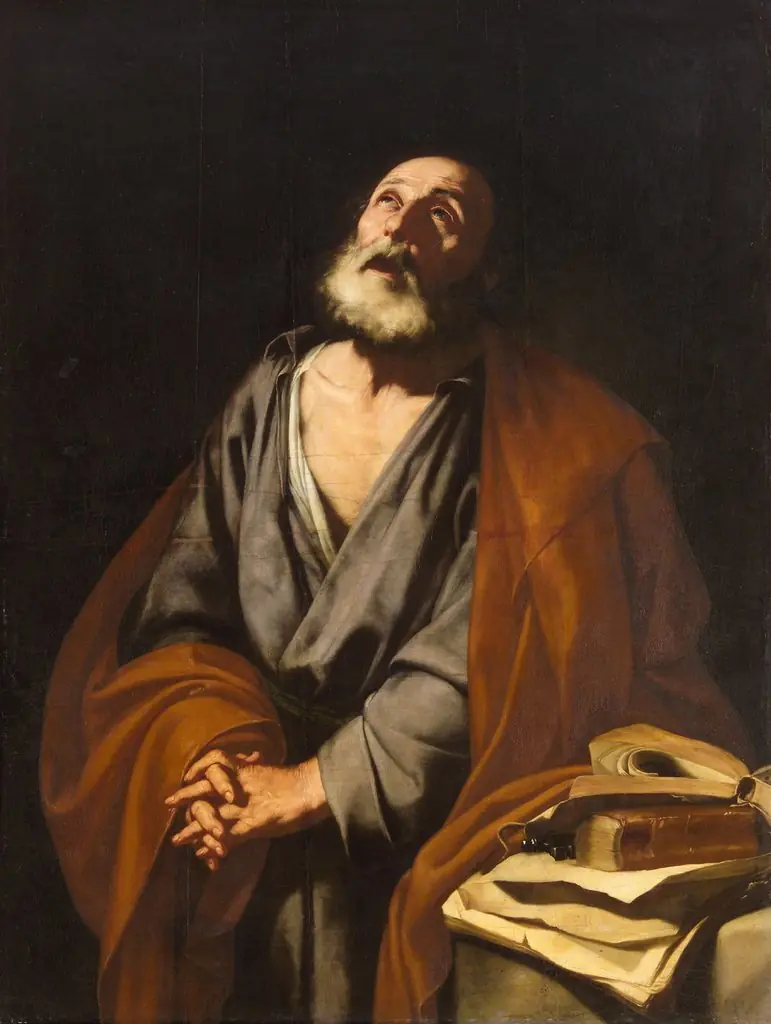
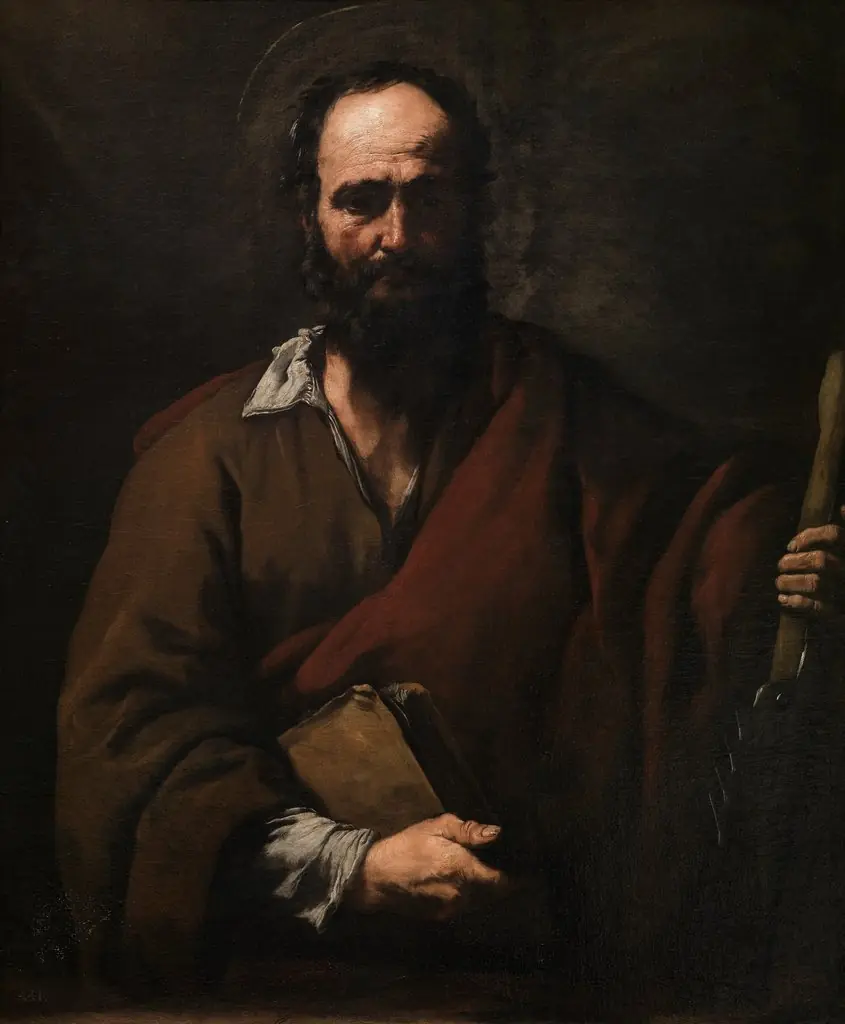
The Apostle Bartholomew (Paul) is an oil painting by the Mannerist artist El Greco. It dates from 1610 and is held in the collection of the Museo del Prado.
About this work
Overview
El Greco’s oil painting dated 1610 portrays the Apostle Bartholomew, identified by the presence of a book and a staff. The figure stands against a dark backdrop, his solemn gaze directed outward. Dressed in a blue robe over a red cloak, the composition emphasizes the saint’s contemplative demeanor, typical of the artist’s late period.
Subject & Meaning
The work presents Bartholomew as a learned and steadfast apostle, suggested by the book he holds, a symbol of scriptural authority, and the staff, an emblem of pilgrimage. The austere expression and upright posture convey a sense of spiritual resolve, aligning with Counter‑Reformation ideals that emphasized the moral fortitude of holy figures.
Technique & Style
El Greco employs pronounced chiaroscuro, using deep shadows to model the face and beard, while a narrow light source illuminates the features, creating a three‑dimensional effect. The brushwork on the skin and hair is meticulous, contrasting with the broader, more fluid handling of the drapery, a hallmark of his mature style.
History & Provenance
Completed in 1610, the painting entered the collection of the Museo del Prado, where it remains on display. Its attribution to El Greco has been consistently affirmed by scholars, based on stylistic analysis and archival records linking the work to the artist’s later output in Toledo.
Context
Created during the final decade of El Greco’s career, the portrait reflects the artist’s sustained interest in religious portraiture for Spanish patrons. The use of vivid red and blue garments mirrors contemporary liturgical colors, while the somber mood aligns with the period’s emphasis on devotional intensity.
Own this work as a print
Artist & collection
Artist
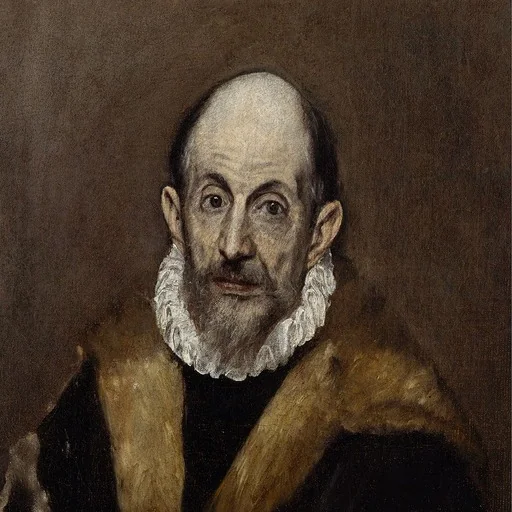
Doménikos Theotokópoulos was born in 1541 in Candia (modern Heraklion), the capital of Venetian-ruled Crete, where he was trained in the post-Byzantine tradition of icon painting.