Artwork
The Feast in the House of Simon
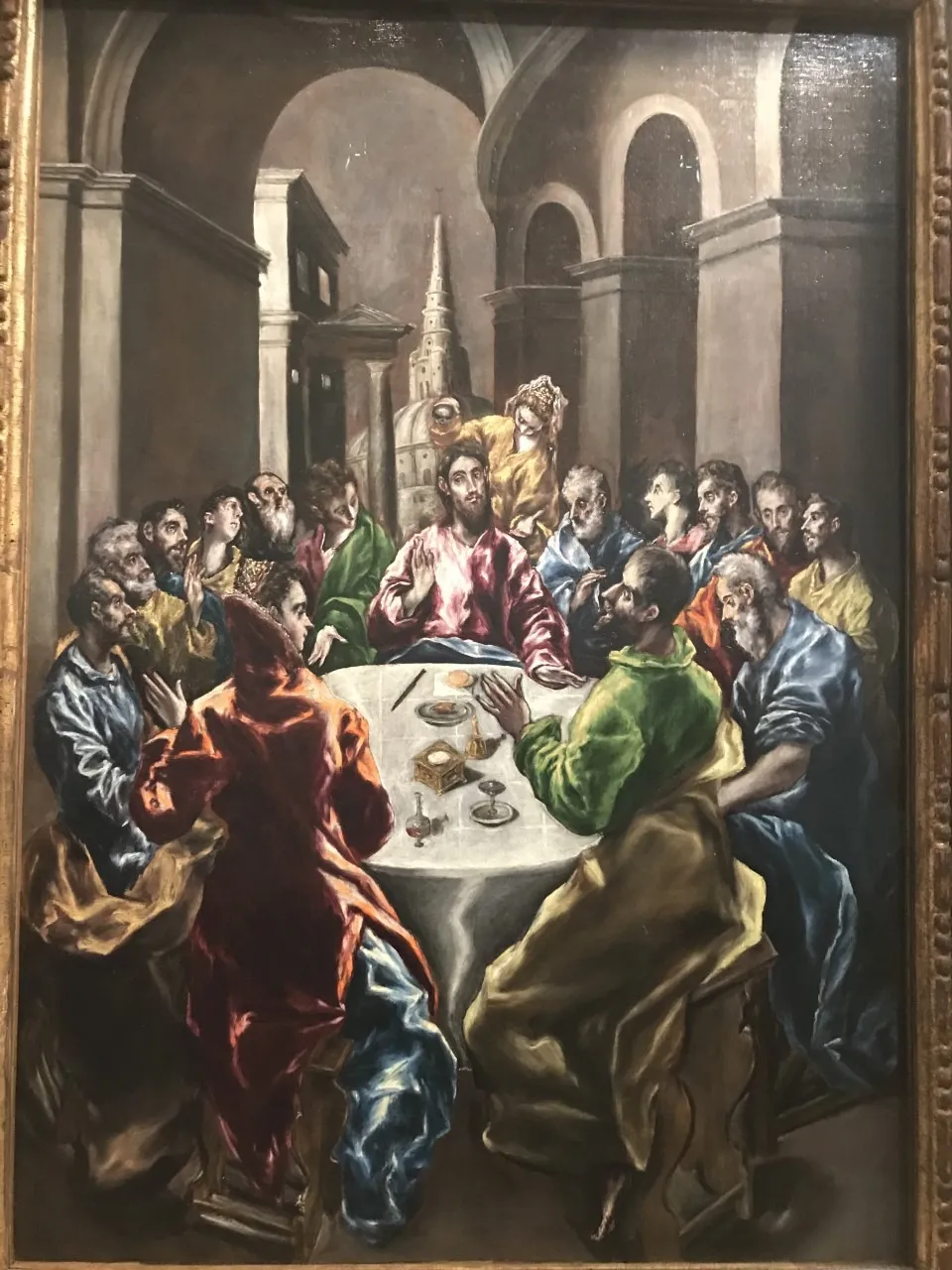
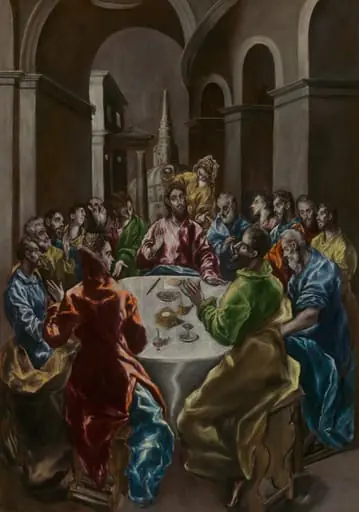
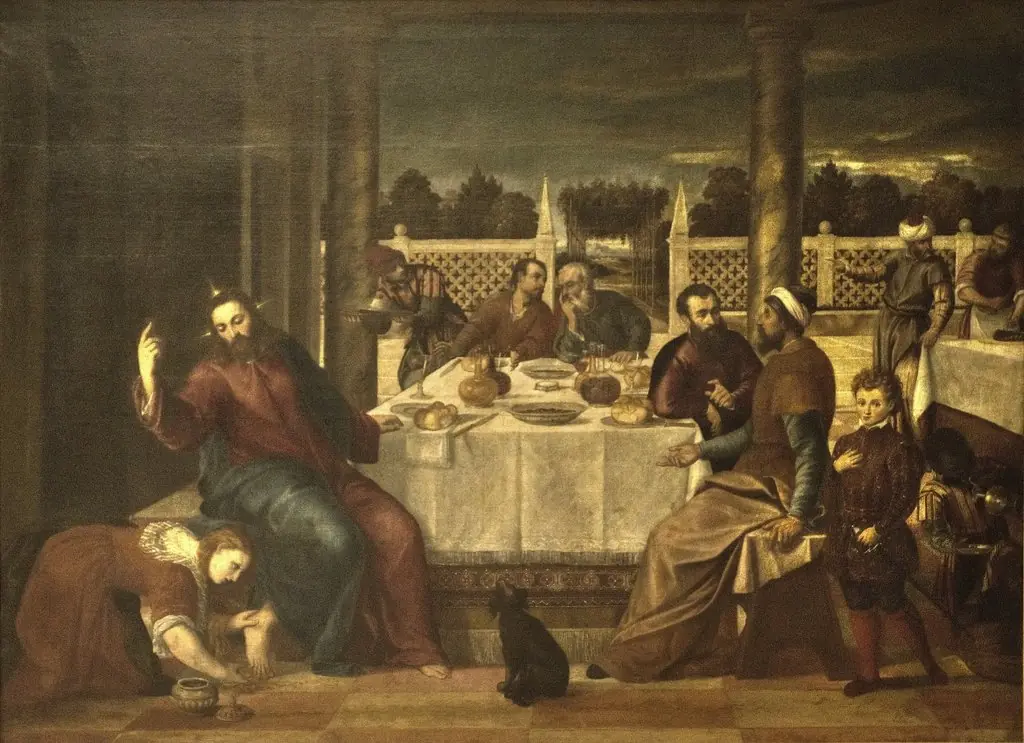
The Feast in the House of Simon is an oil painting by the Mannerist artist El Greco. It dates from 1600 and is held in the collection of the Art Institute of Chicago.
About this work
Overview
El Greco’s oil on canvas, dated around 1600, depicts the biblical episode of the banquet at Simon the Pharisee. The work is part of the collection of the Art Institute of Chicago, where it is displayed among the museum’s European paintings.
Subject & Meaning
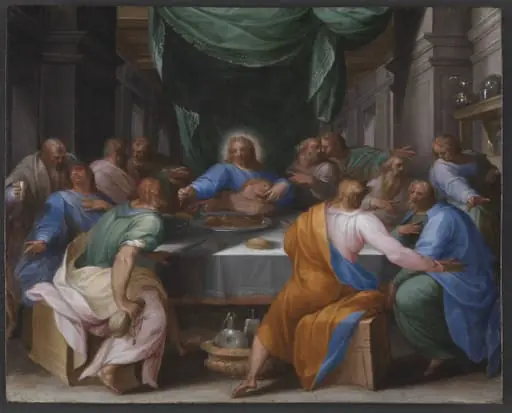
The composition gathers a group of male figures around a long table within an interior space, illustrating the moment when Simon hosts Jesus and his disciples. The central figure, with uplifted hands, draws attention to the spiritual significance of the gathering, while the surrounding participants listen or observe, emphasizing themes of hospitality and revelation.
Technique & Style
El Greco employs a strong chiaroscuro, allowing light to illuminate faces and hands against a darker, vaulted backdrop. The contrast heightens the drama and guides the viewer’s eye to the central gesture. Figures are rendered in elongated forms, with some dressed in muted robes and others in richer hues, reflecting the artist’s characteristic blend of Mannerist elongation and expressive color.
History & Provenance
Created at the turn of the 17th century, the painting entered the Art Institute of Chicago’s holdings through acquisition in the early 20th century. Its provenance traces a typical path from private collections in Spain to American institutional ownership, though detailed records of intermediate owners remain limited.
Context
The work belongs to El Greco’s mature period, during which he frequently explored religious narratives for Spanish patrons. The setting’s architectural arches and stone walls echo contemporary ecclesiastical interiors, situating the biblical scene within a familiar, solemn environment for viewers of the time.
Artist & collection
Artist
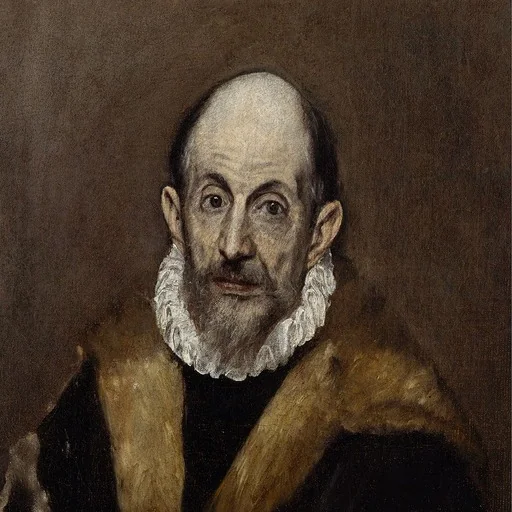
Doménikos Theotokópoulos was born in 1541 in Candia (modern Heraklion), the capital of Venetian-ruled Crete, where he was trained in the post-Byzantine tradition of icon painting.