Artwork
Christ Healing the Sick at the Pool of Bethesda
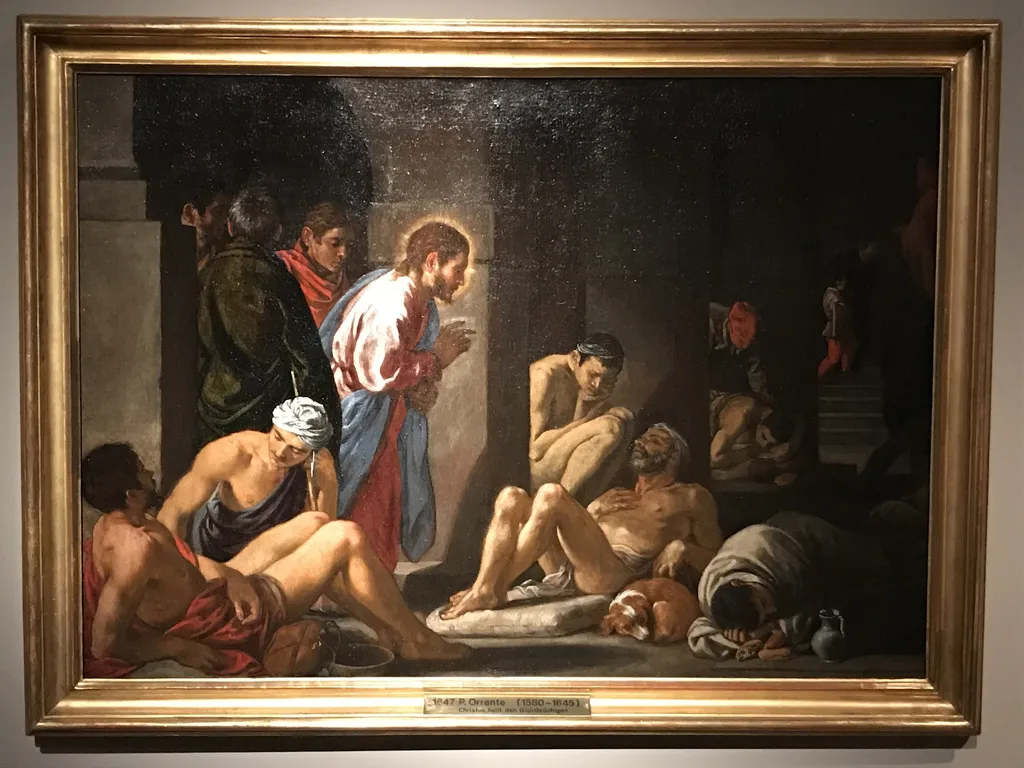
Christ Healing the Sick at the Pool of Bethesda is an oil painting by the Early Baroque Italian artist Pedro Orrente. It dates from 1617 and is held in the collection of the Kunsthistorisches Museum.
About this work
Overview
The composition centers on a quiet, authoritative Christ amid a group of suffering figures, rendered with restrained emotion and physical authenticity.
Painted in 1617, this oil-on-canvas work by Spanish artist Pedro Orrente portrays a moment from the Gospel of John in which Christ heals the infirm at the Pool of Bethesda. Executed during the early Baroque period, the painting reflects Orrente’s engagement with Italian naturalism, adapting its emphasis on observed reality to a Spanish devotional context. The composition centers on a quiet, authoritative Christ amid a group of suffering figures, rendered with restrained emotion and physical authenticity.
Subject & Meaning
The scene illustrates Christ’s compassion for the marginalized, as described in John 5:1–9, where he heals a man unable to enter the healing waters of Bethesda. Orrente avoids theatricality, focusing instead on the stillness of the moment—Christ’s outstretched arms signify divine authority without gesture, while the sick lie or sit in quiet desperation. The absence of overt miracle effects underscores a theological emphasis on grace received through presence rather than spectacle.
Technique & Style
Orrente employs chiaroscuro to isolate Christ’s figure against a dim, atmospheric background, drawing attention to his role as the source of light and healing. The palette is subdued, dominated by ochres, umbers, and muted blues, reinforcing the somber mood. Figures are rendered with careful attention to anatomical detail and varied postures, reflecting a naturalistic approach influenced by Caravaggio’s followers, yet tempered by Spanish sobriety and restraint.
History & Provenance
Created during Orrente’s mature period in Valencia, the painting likely originated as a private devotional commission, common among Spanish patrons seeking spiritually grounded imagery. Its survival into the modern era suggests it remained in regional collections, possibly within ecclesiastical or noble households. No documented public exhibition history exists prior to the 20th century, indicating its long-standing role as an intimate religious object rather than a public display piece.
Context
In early 17th-century Spain, religious art was shaped by Counter-Reformation ideals favoring clarity, emotional restraint, and doctrinal fidelity. Orrente, trained in Italy and influenced by Venetian and Roman painters, brought back a naturalistic style that diverged from the more ornate traditions of Spanish Mannerism. This work aligns with a broader trend among Spanish artists to ground sacred narratives in tangible human experience, avoiding idealization in favor of observable truth.
Legacy
Orrente’s *Christ Healing the Sick at the Pool of Bethesda* exemplifies a quiet but significant shift in Spanish religious painting toward psychological realism. Though not widely known outside regional collections, the work contributed to a local tradition of devotional naturalism that influenced later Valencian painters. Its understated power lies in its refusal to dramatize the miraculous, instead inviting contemplation through stillness and human vulnerability.
Artist & collection
Artist
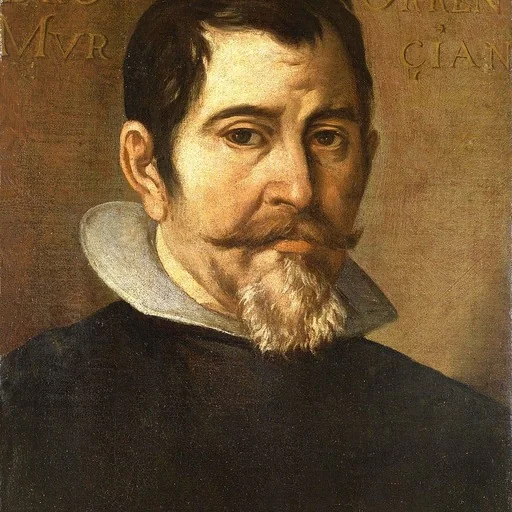
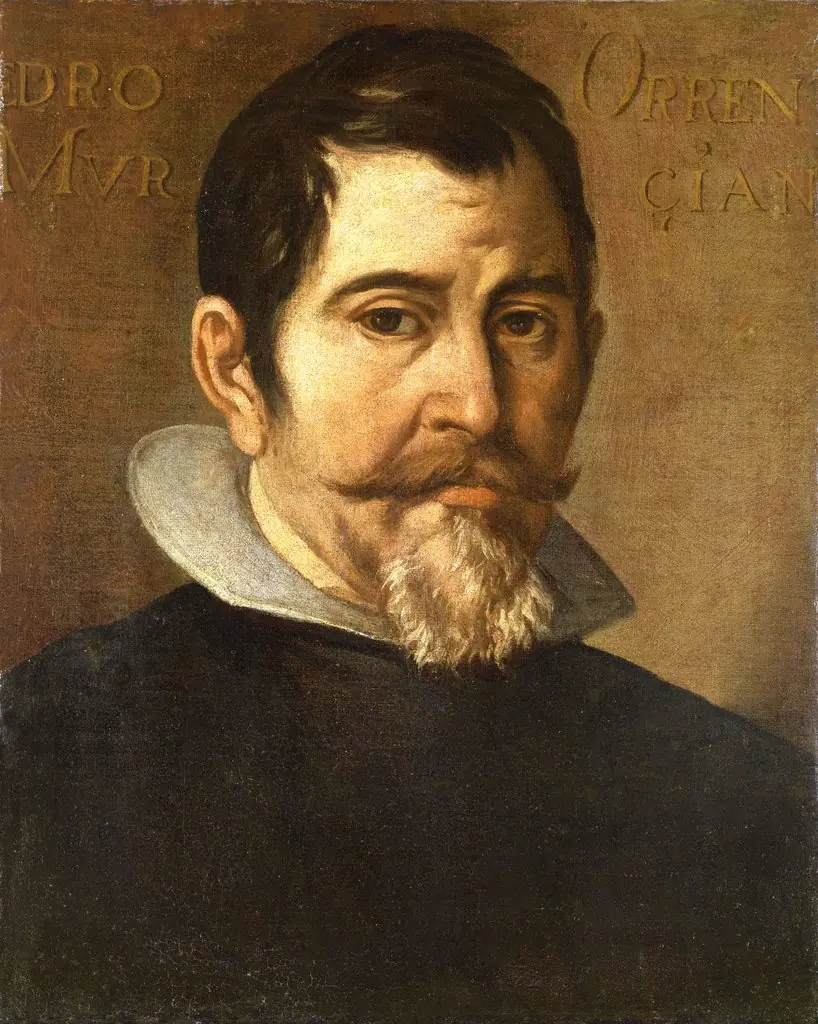
Pedro de Orrente (April 1580 – 19 January 1645) was a Spanish painter of the early Baroque period. He became one of the first artists in that part of Spain to paint in a Naturalistic style.

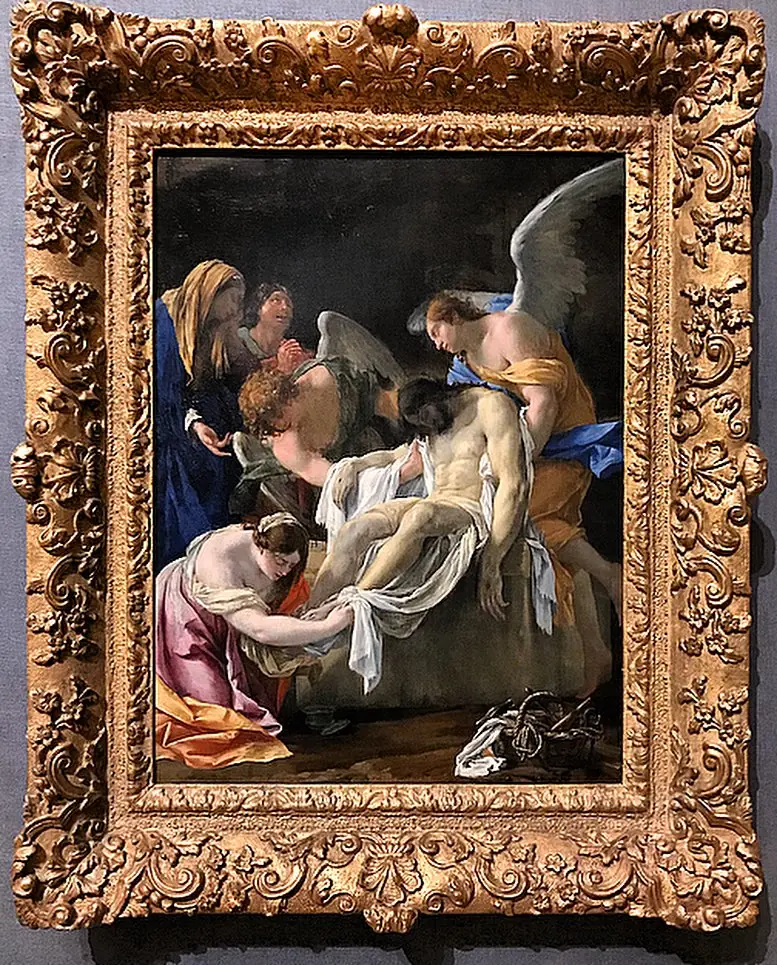 The Entombment
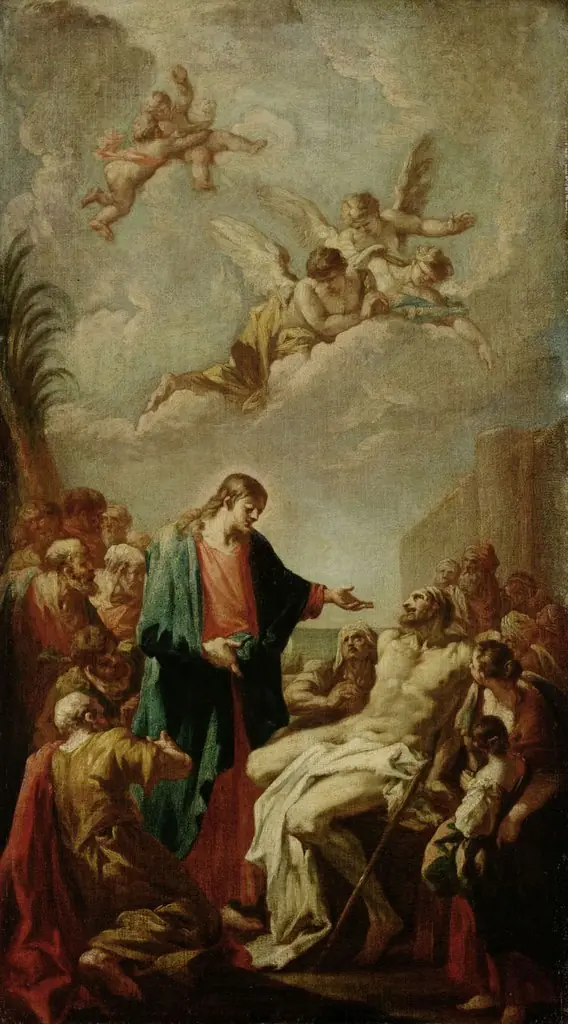 Christus heilt den Gichtbrüchigen
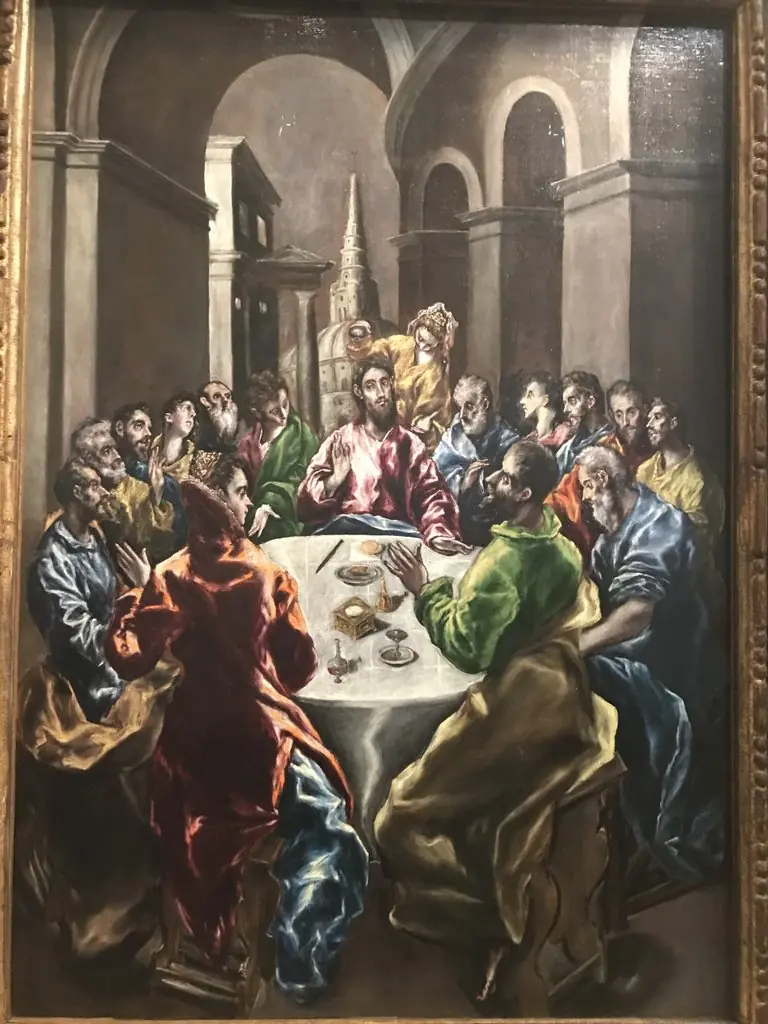 The Feast in the House of Simon
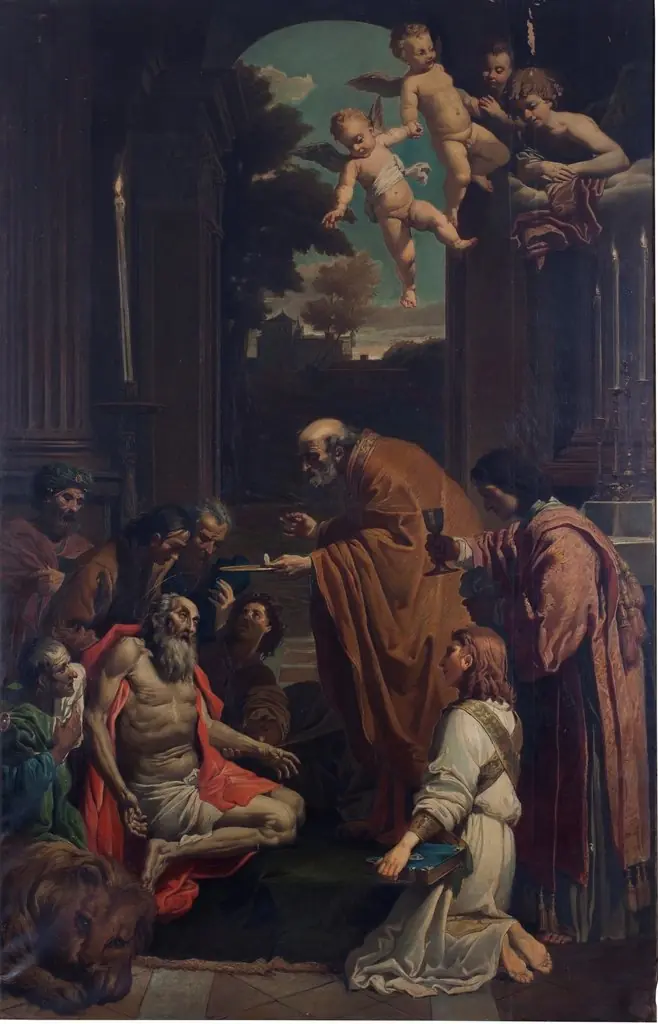 Última comunión de san Jerónimo o El viático de san Jerónimo
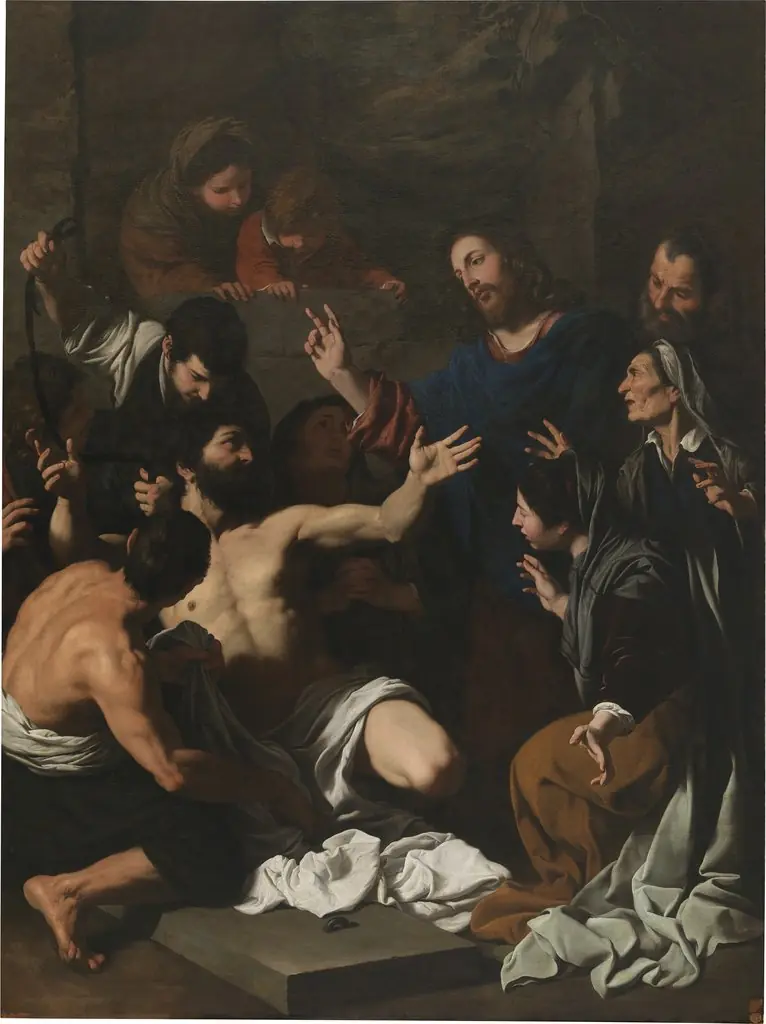 The raising of Lazarus
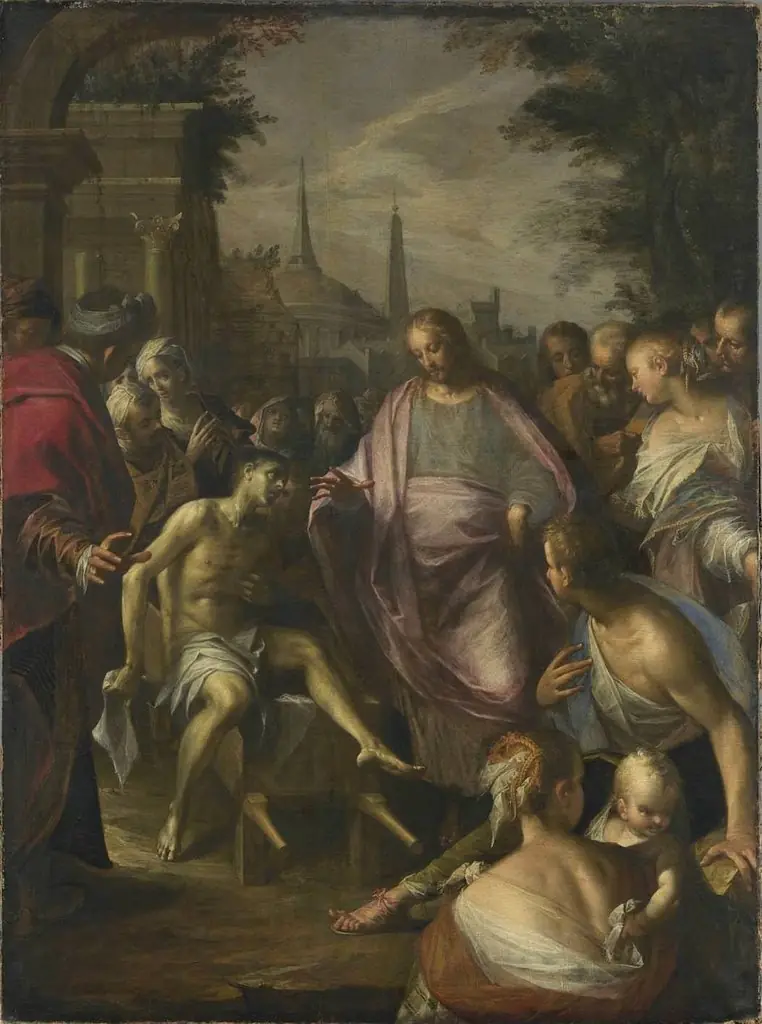 Die Auferweckung des Jünglings von Naim
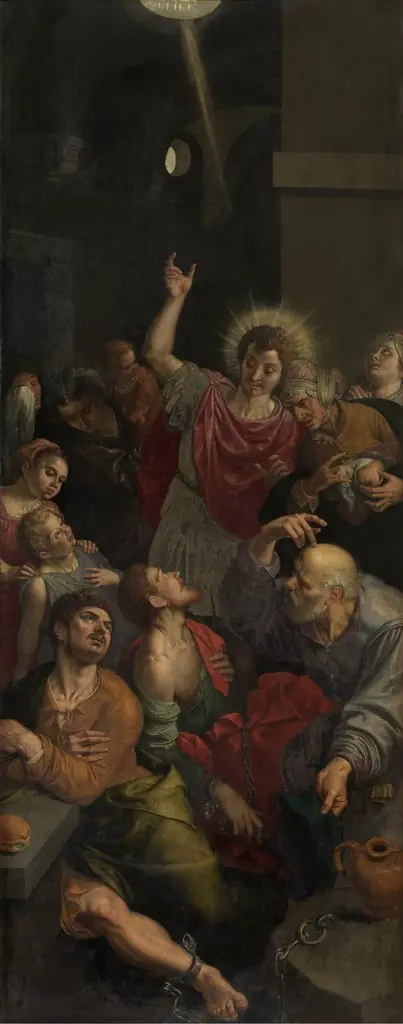 Saint Sebastian in Prison
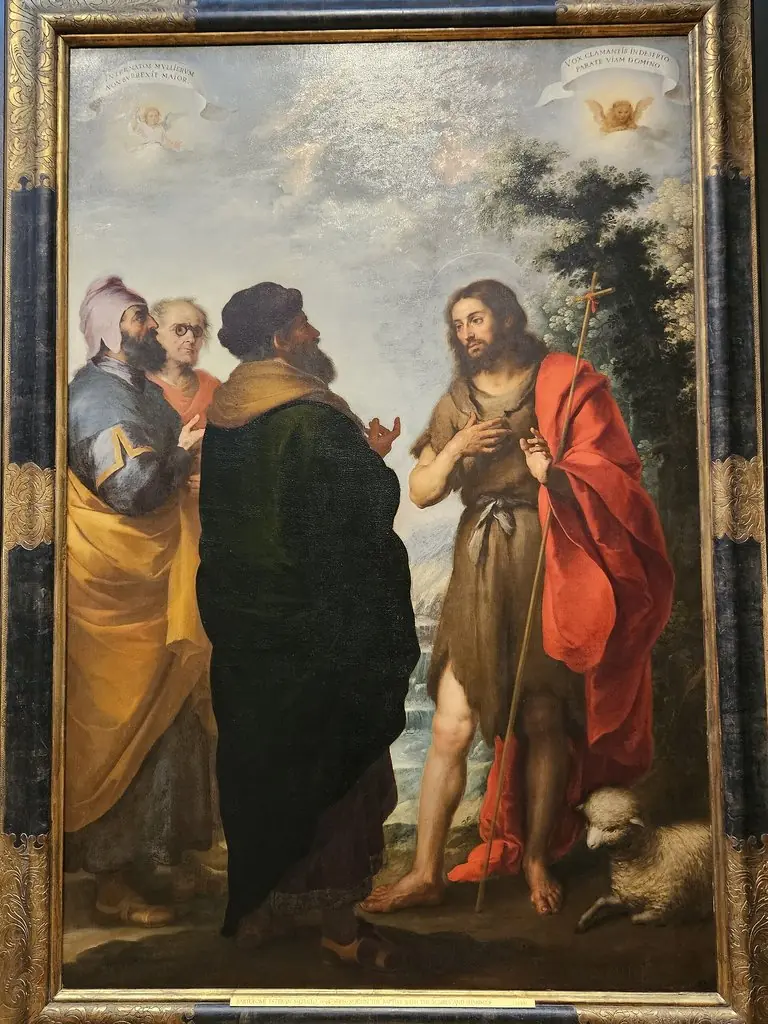 St. John the Baptist with the Scribes and Pharisees
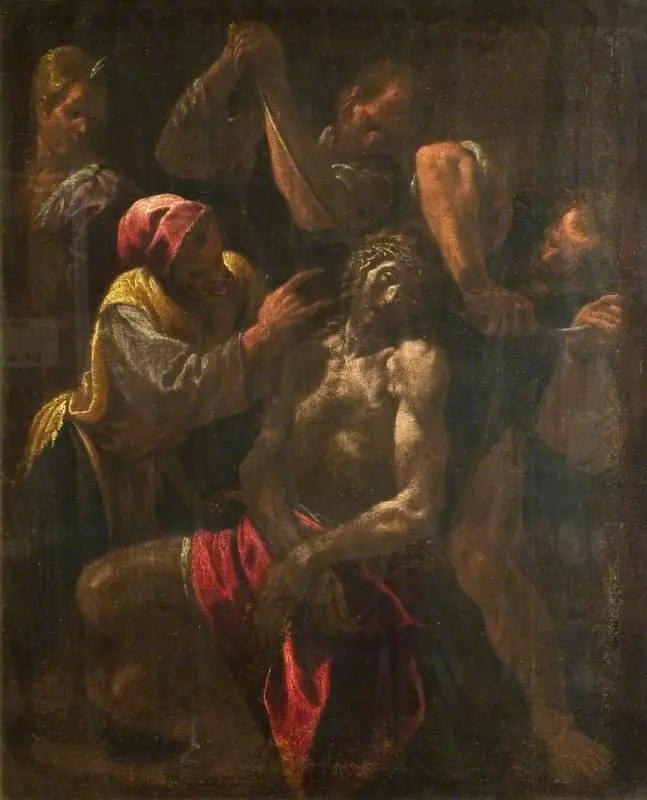 Christ Crowned with Thorns
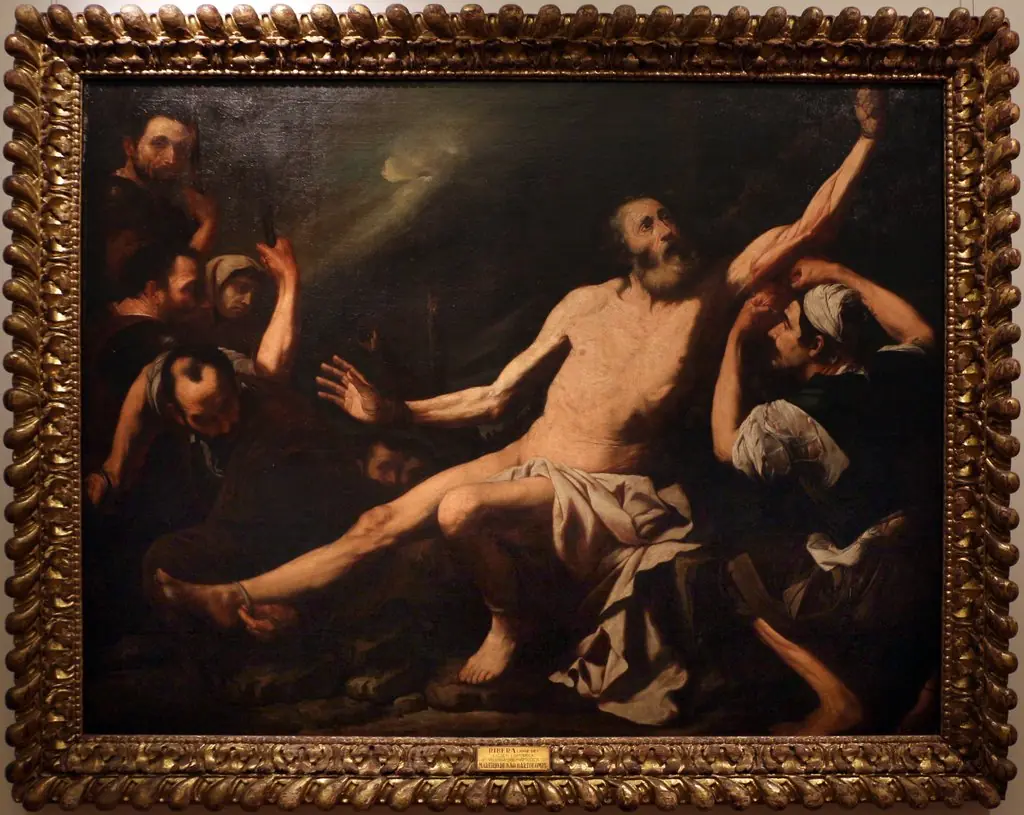 Martírio de São Bartolomeu