Artwork
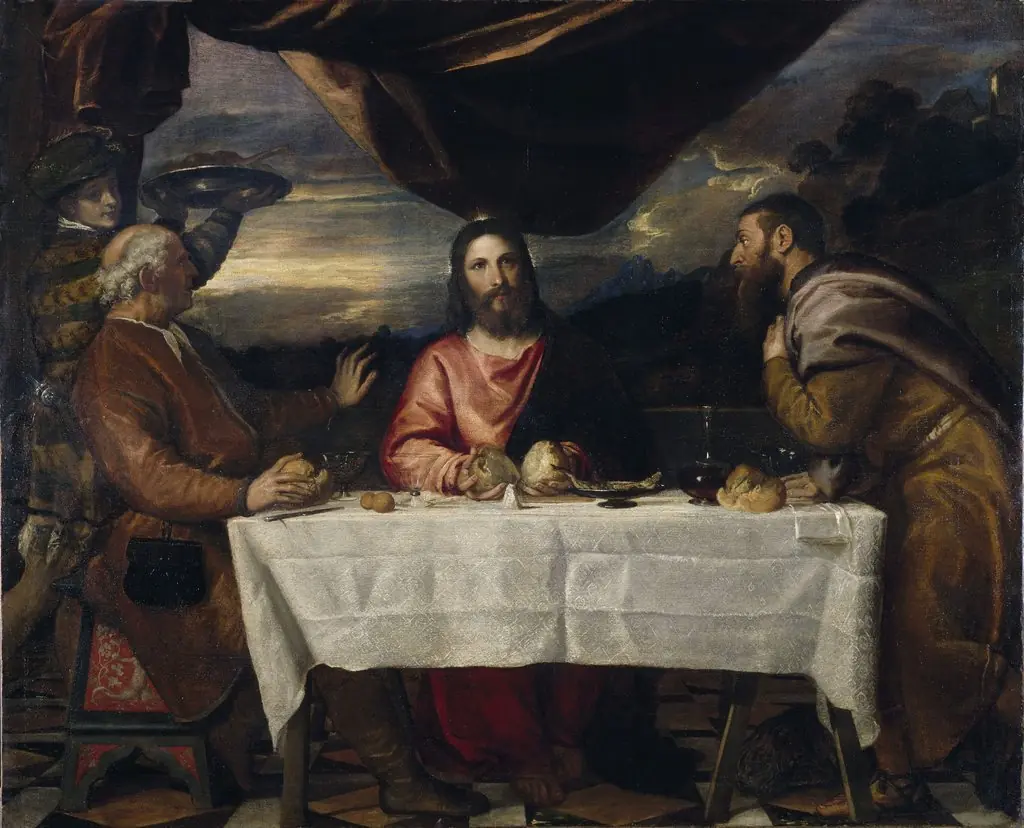
Christus mit den Jüngern in Emmaus
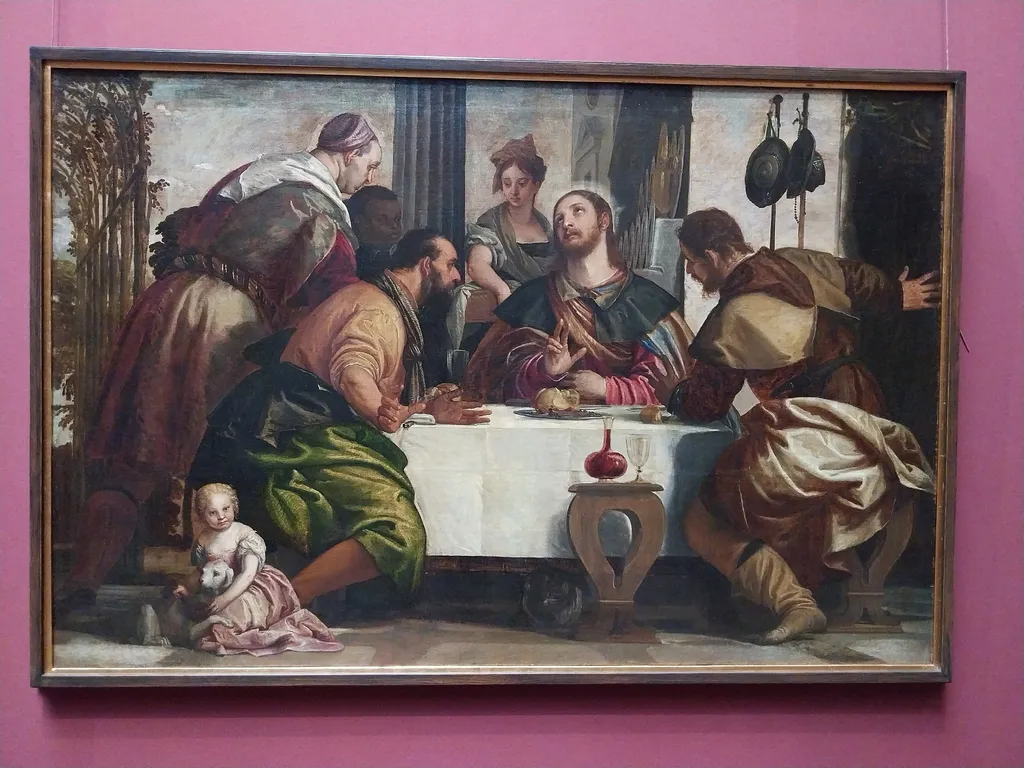
Christus mit den Jüngern in Emmaus is an oil painting by the Mannerist artist Paolo Veronese. It dates from 1560 and is held in the collection of the Staatliche Kunstsammlungen Dresden.
About this work
Overview
Painted in 1560 by Paolo Veronese, this oil-on-canvas work portrays the biblical moment of Christ’s revelation to his disciples in Emmaus. A key example of Venetian Renaissance painting, it reflects the artist’s mastery of composition and color. The piece resides in the Gemäldegalerie Alte Meister, part of a broader corpus of religious narratives Veronese produced during his peak years in Venice.
Subject & Meaning
The scene captures the instant after the resurrected Christ blesses bread, revealing his identity to two disciples. Figures gather around a table in quiet recognition, while a woman and child in the background suggest a domestic setting. The inclusion of everyday objects—glass, fruit, linen—grounds the divine moment in ordinary life, emphasizing intimacy over spectacle.
Technique & Style
Veronese employs rich, layered pigments to model forms with subtle gradations of light. The figures are arranged in a balanced, almost theatrical grouping, with Christ at the visual center. His use of color, particularly the contrast between warm robes and cool shadows, enhances spatial depth without relying on dramatic chiaroscuro, distinguishing his approach from contemporaries like Caravaggio.
History & Provenance
Commissioned during Veronese’s mature period, the painting entered the Gemäldegalerie Alte Meister’s collection in the 19th century, likely through the acquisition of private German holdings. Its attribution has remained consistent, with no significant alterations or restorations recorded. It reflects the tastes of Renaissance collectors who favored narrative clarity and refined execution.
Context
Created amid the Counter-Reformation, the painting aligns with Catholic efforts to reinforce biblical stories through accessible imagery.
Created amid the Counter-Reformation, the painting aligns with Catholic efforts to reinforce biblical stories through accessible imagery. While Venetian art often emphasized grandeur, Veronese here opts for restraint, focusing on emotional resonance. His choice of a modest interior, rather than a monumental architecture, reflects a broader trend toward human-centered religious scenes in mid-16th-century Italy.
Legacy
Though less celebrated than Veronese’s larger frescoes, this work exemplifies his ability to convey spiritual moments with quiet dignity. It influenced later genre scenes in Northern Europe, where domestic settings became vehicles for sacred narratives. Its preservation in a major European museum ensures continued study of Venetian painting’s nuanced approach to religious subject matter.
Artist & collection
Artist
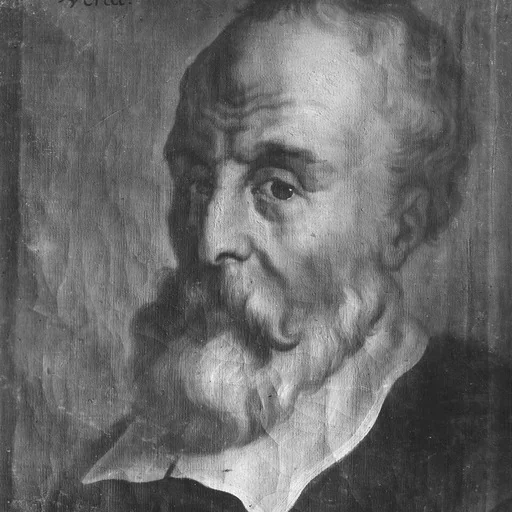
Paolo Caliari (1528 – 19 April 1588), known as Paolo Veronese ( VERR-ə-NAY-zay, -zee, US also -see; Italian: ), was an Italian Renaissance painter based in Venice, known for extremely large history paintings of…

 The Supper at Emmaus
 St. John the Baptist with the Scribes and Pharisees
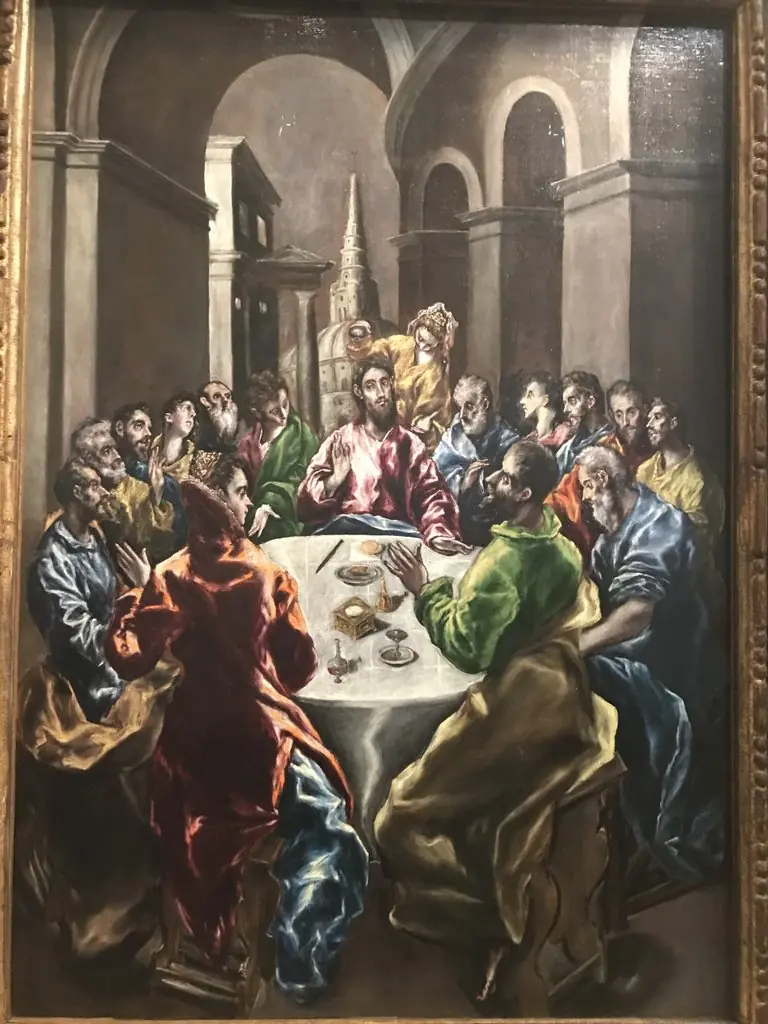 The Feast in the House of Simon
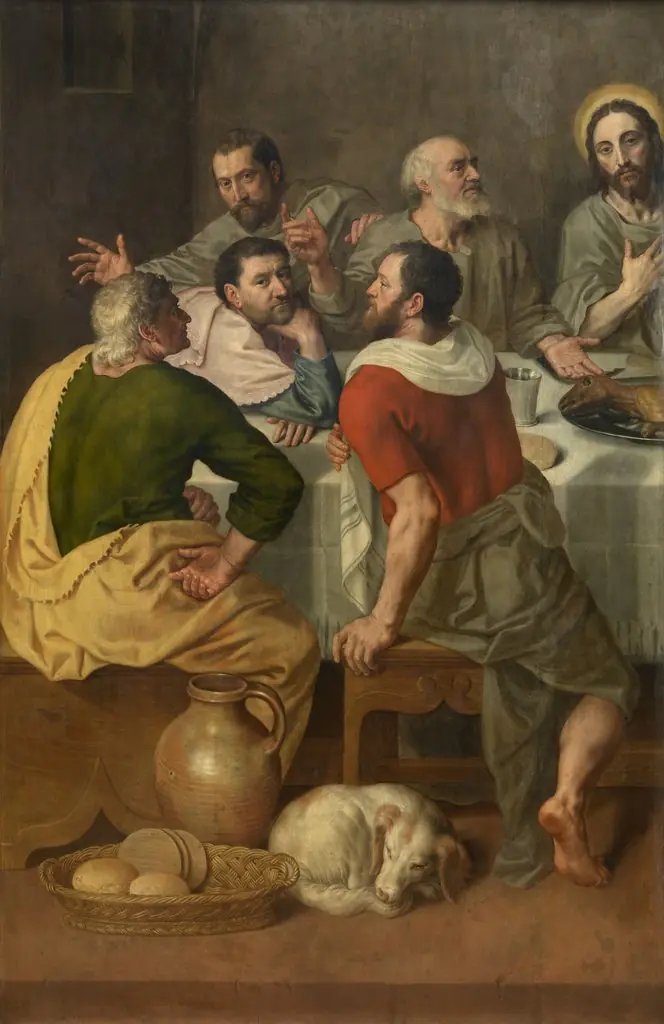 The last Supper
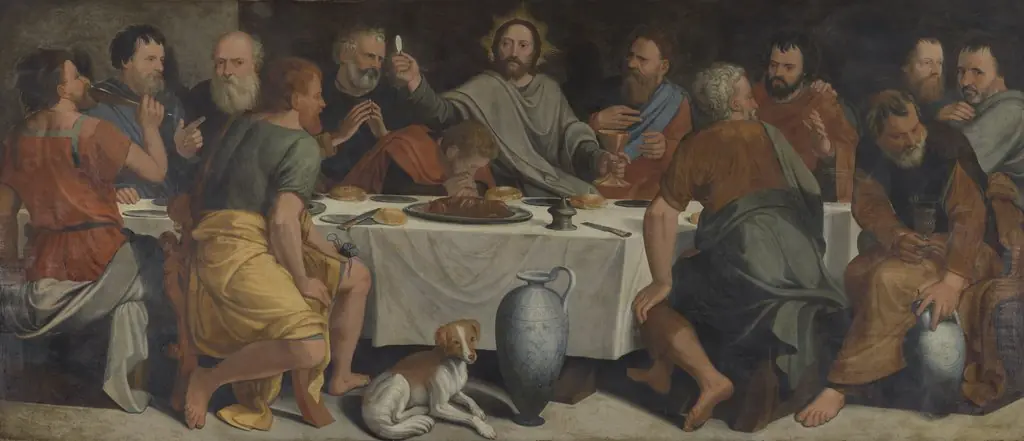 The Last Supper
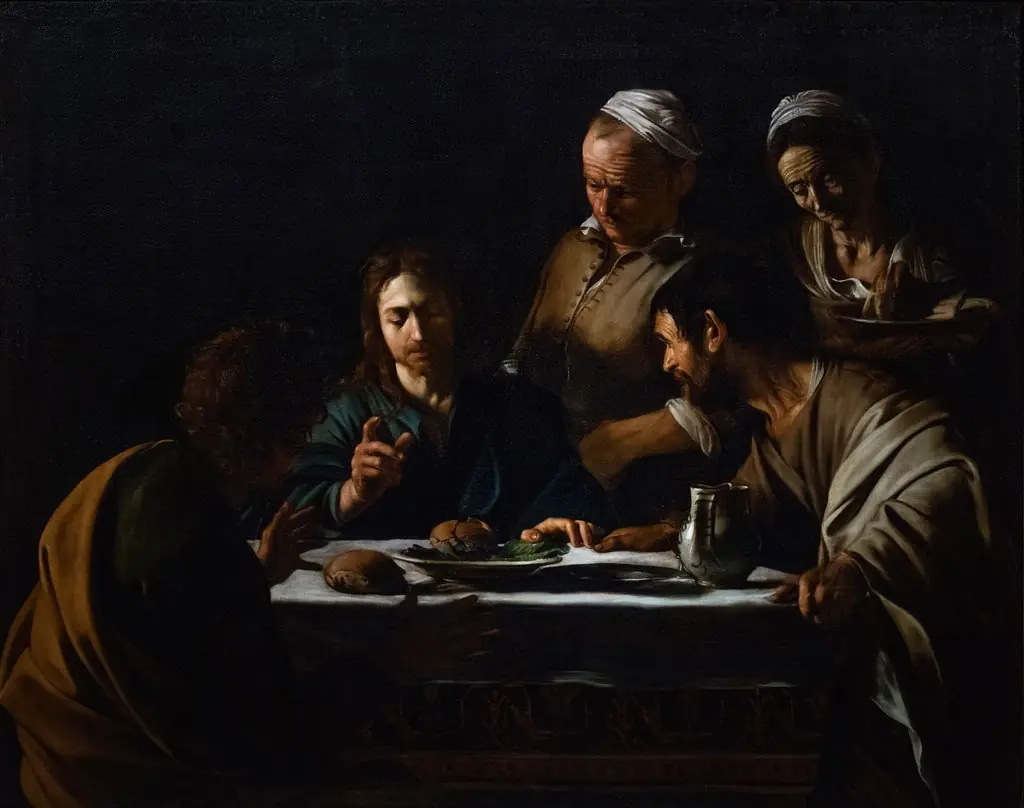 Supper at Emmaus
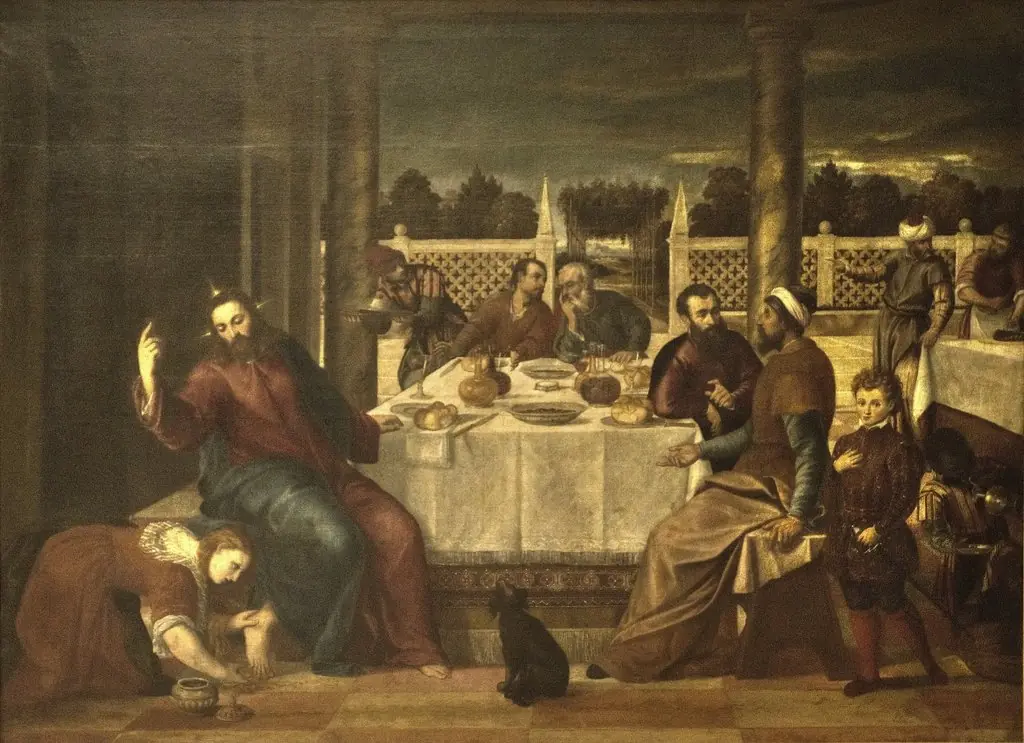 Jesus in the House of Simon the Pharisean, by Bonifacio de' Pitati
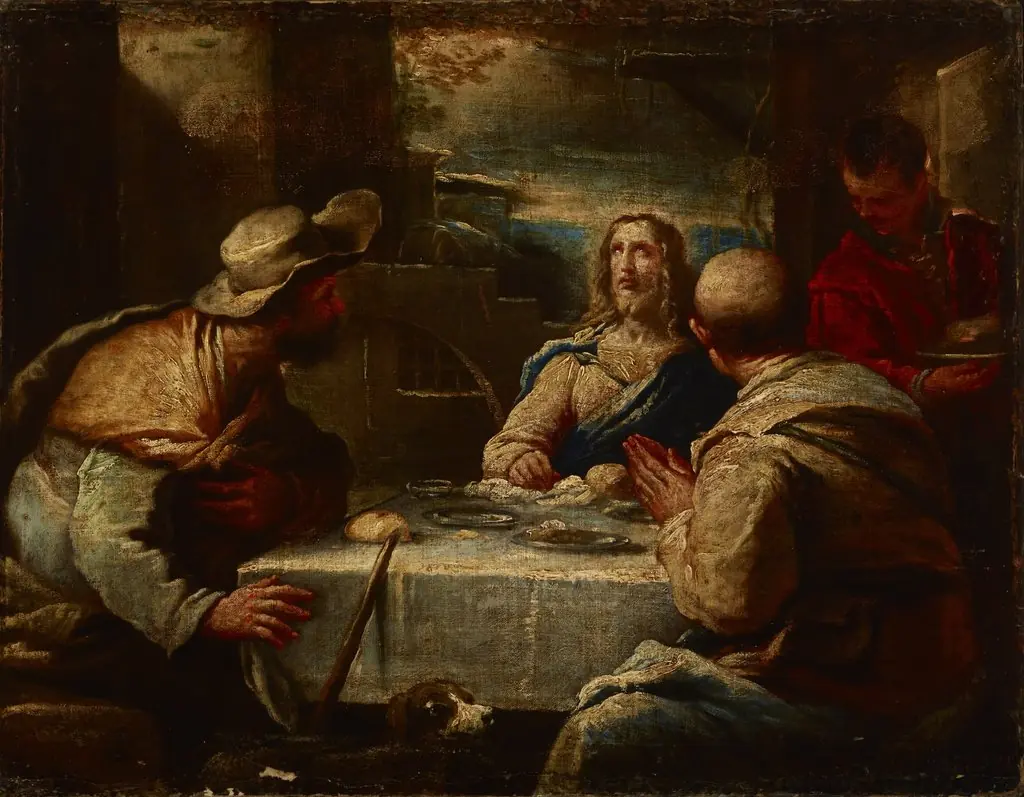 Christ in Emmaus
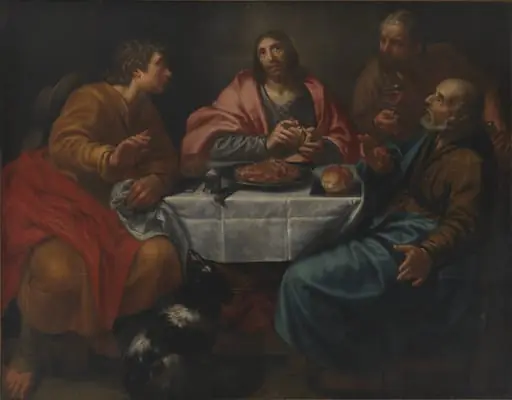 Christ in Emmaus
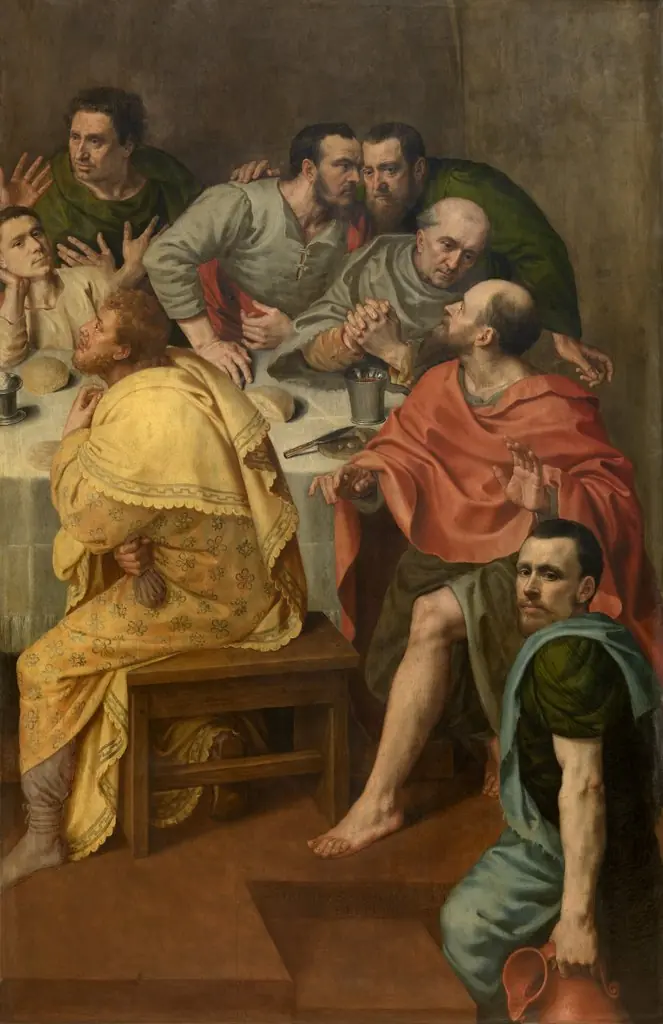 The Last Supper
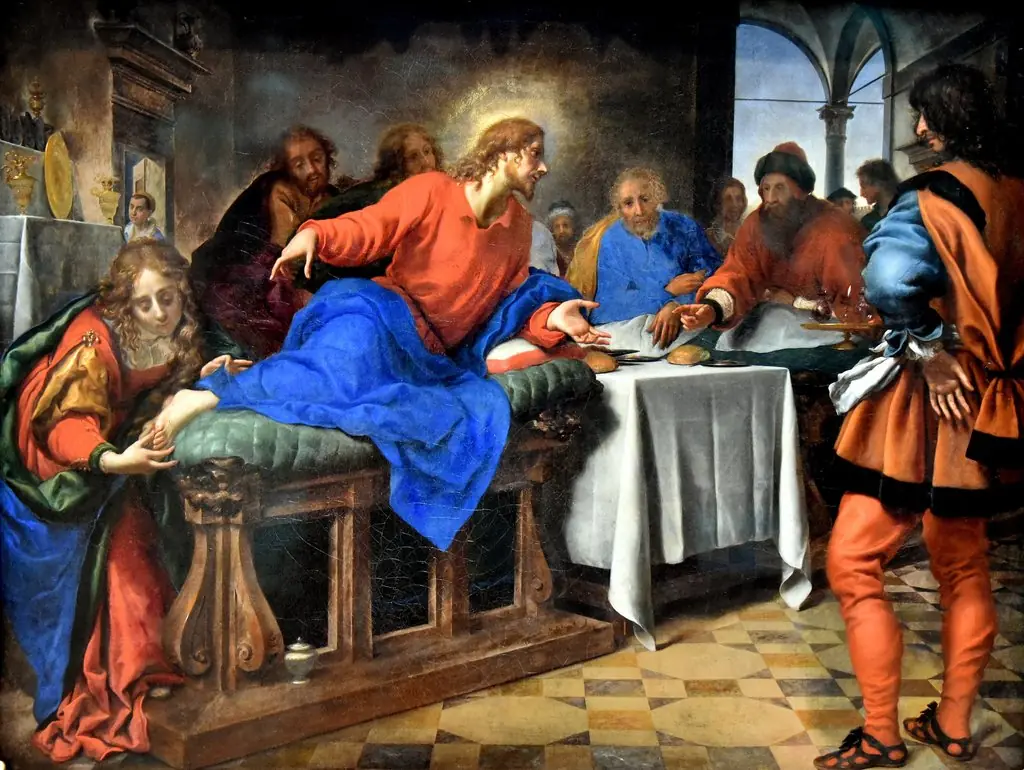 Christ and Mary Magdalen in the House of Simon
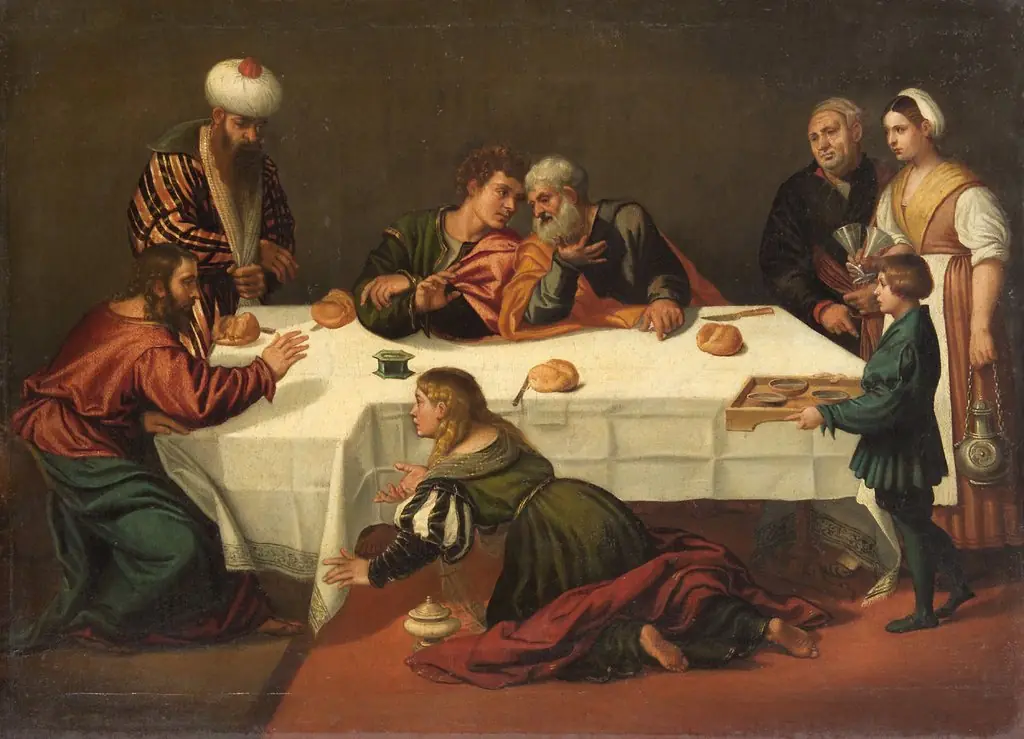 Anointing of Christ in Bethany