Artwork
Rîpă roșie
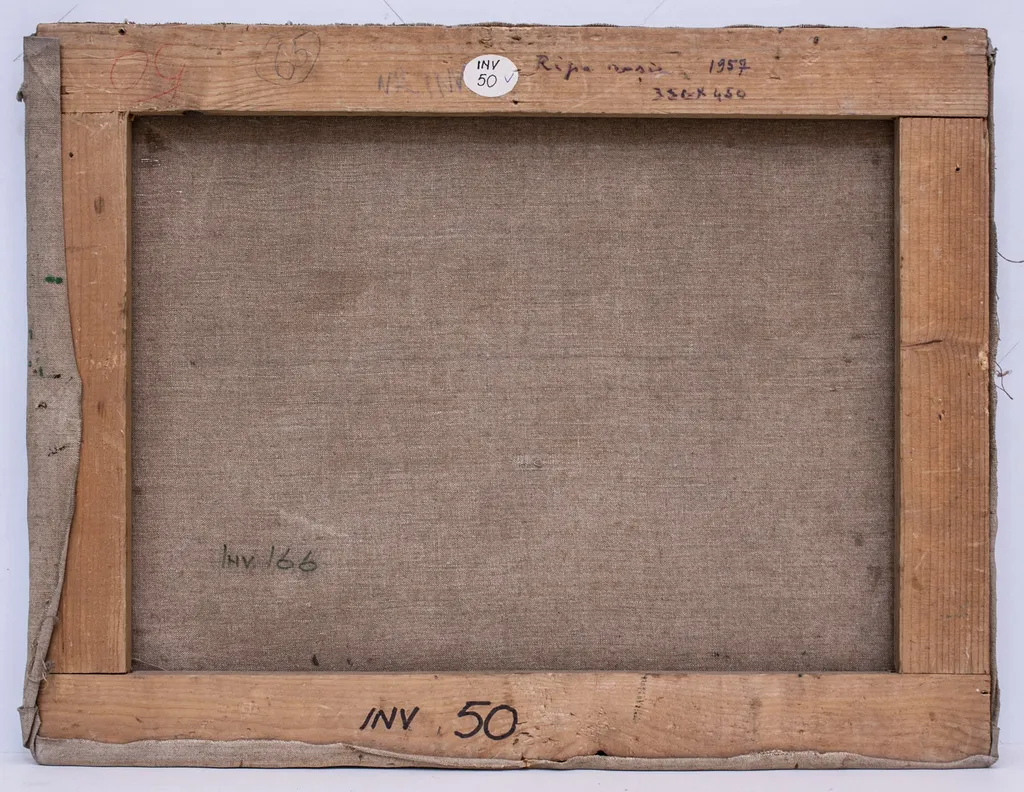
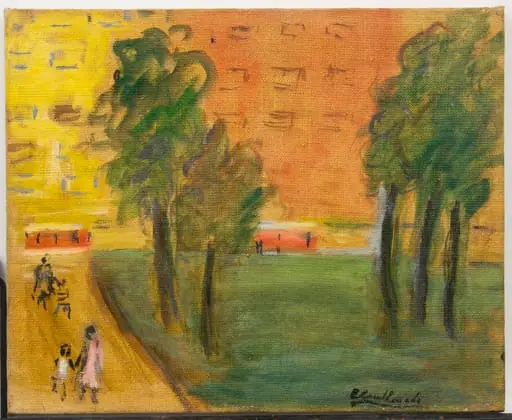
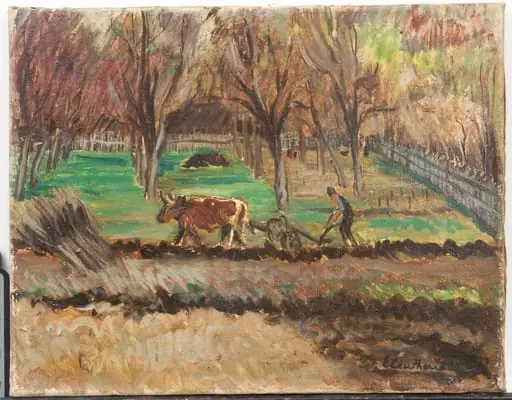
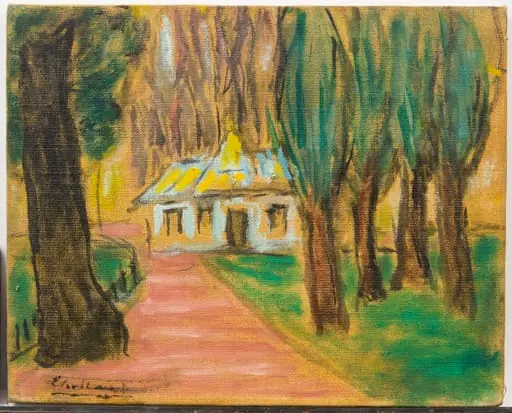
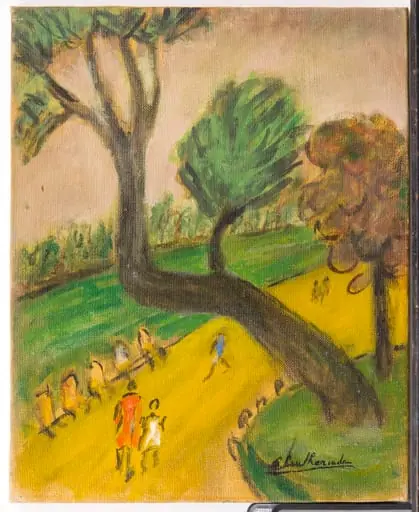
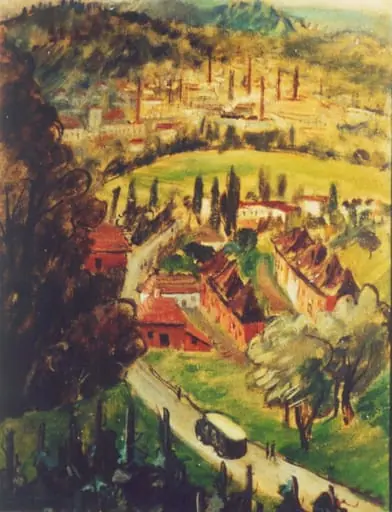
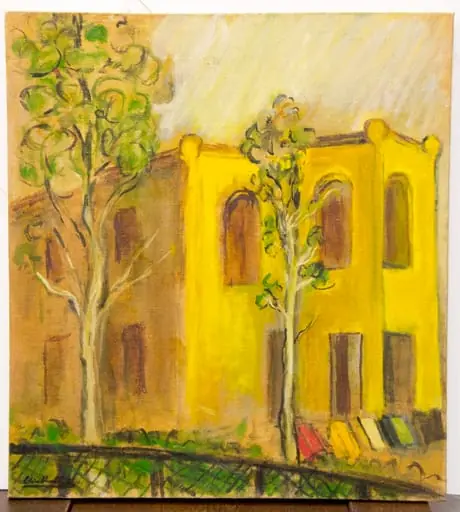
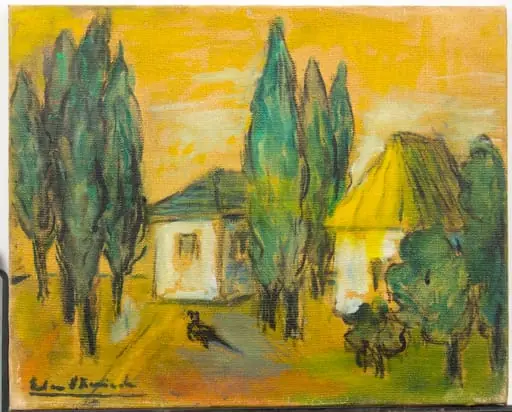
Rîpă roșie is an unspecified painting by Micaela Eleutheriade. It dates from 1950 and is held in the collection of the Gavrila Simion Eco-Museum Research Institute Tulcea.
About this work
Overview
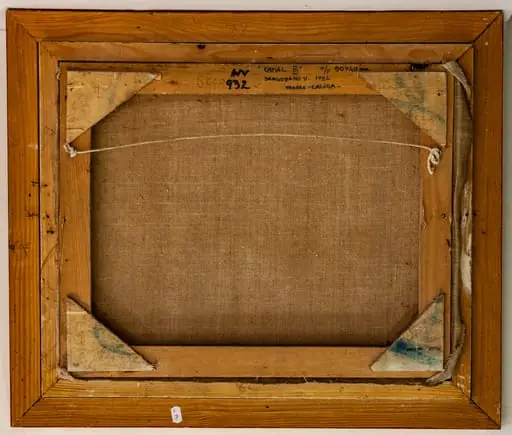
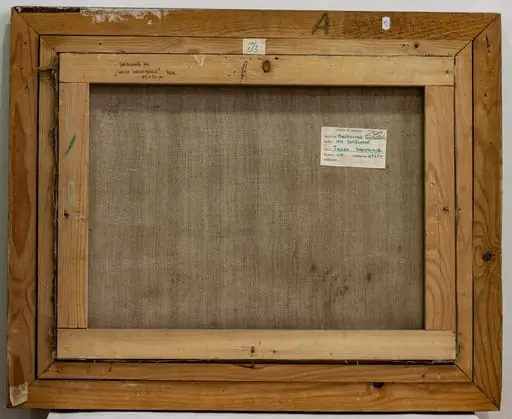
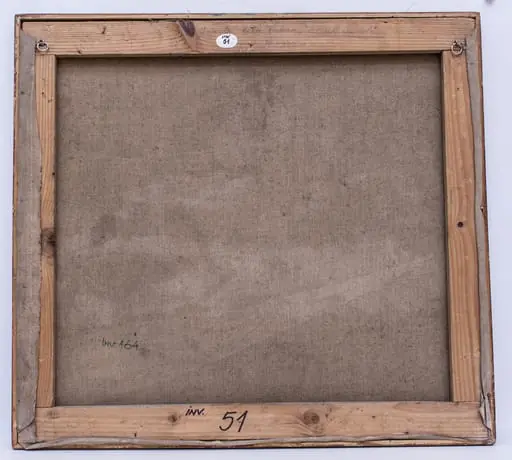
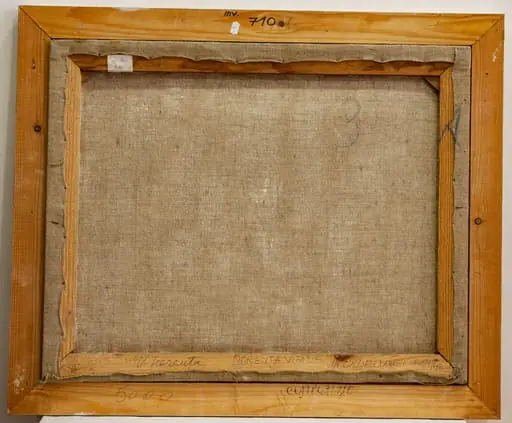
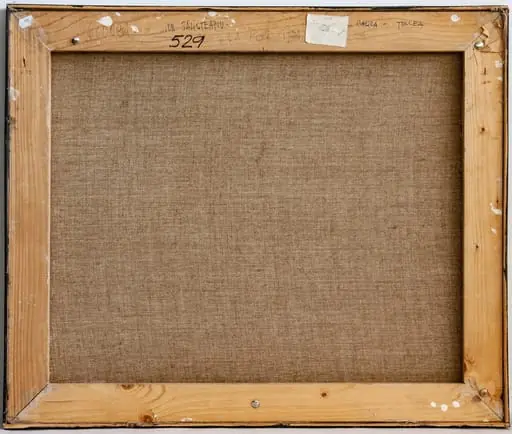
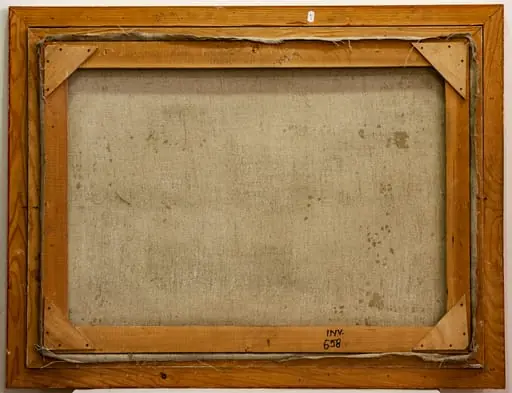
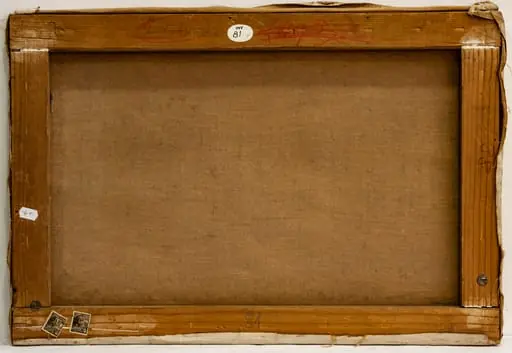
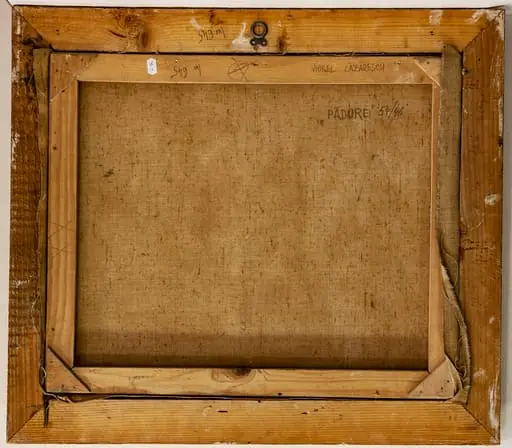
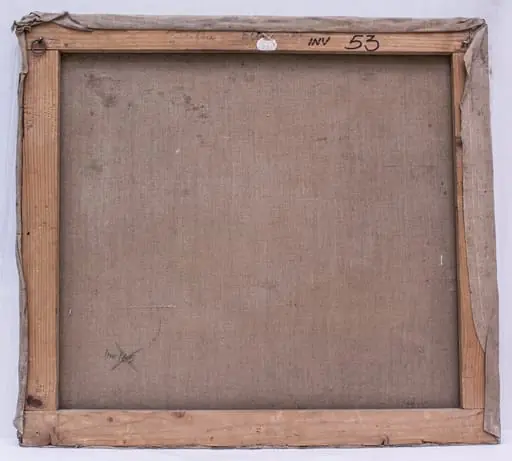
Rîpă roșie is an unadorned wooden frame with a stretched canvas, dated around 1950 and attributed to Micaela Eleutheriade.
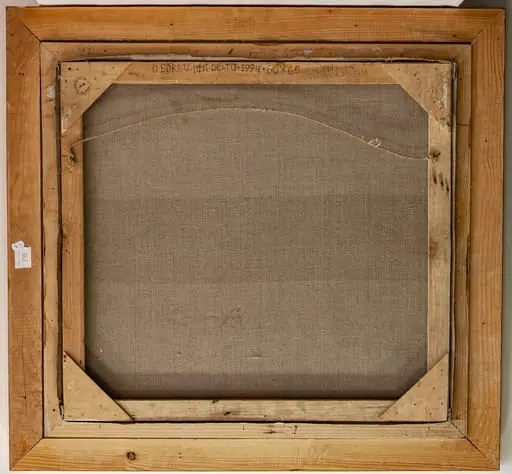
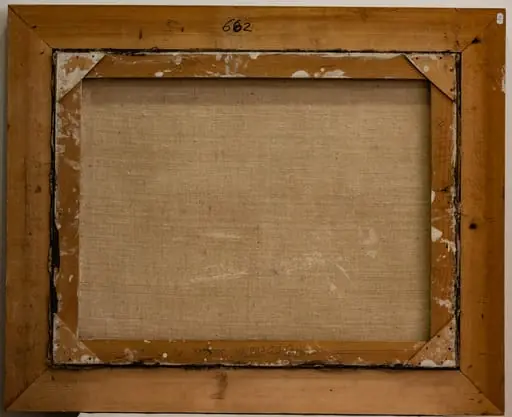
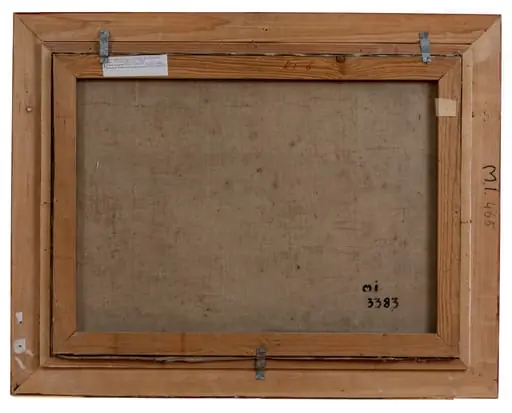
Rîpă roșie is an unadorned wooden frame with a stretched canvas, dated around 1950 and attributed to Micaela Eleutheriade. It resides in the Museum of Ethnography, where it is cataloged as part of a broader collection. The object lacks any painted surface, presenting instead a minimalist structure marked by wear, handwritten annotations, and institutional labeling, suggesting its role as a preserved artifact rather than a conventional artwork.
Subject & Meaning
The work’s title, meaning 'Red Stream' in Romanian, contrasts sharply with its visual emptiness. Its meaning may lie in its absence—inviting reflection on what is omitted, lost, or intentionally erased. The frame may have once held a painting now gone, or it may function as a conceptual statement about memory, absence, or the limits of representation in ethnographic contexts.
Technique & Style
The frame is constructed from aged wood, showing signs of handling and repair, with traces of paint and handwritten notes on its reverse. The canvas is stretched taut but unpainted, its surface uniformly dull and neutral. The technique is unembellished, prioritizing structural integrity over aesthetic embellishment, aligning with utilitarian or archival practices rather than artistic display.
History & Provenance
The object bears inventory numbers and a date stamp consistent with museum cataloging practices of the mid-20th century. Handwritten notes on the back likely record conservation efforts or administrative details. Its presence in the Museum of Ethnography suggests it was collected as part of a cultural or anthropological survey, though its original context before acquisition remains undocumented.
Context
Created in postwar Romania, Rîpă roșie emerges during a period when artists and institutions grappled with shifting cultural identities. In ethnographic collections, ordinary or incomplete objects were sometimes preserved as evidence of material culture. This frame may reflect a broader practice of documenting remnants—objects whose significance lies not in their appearance, but in their survival.
Legacy
Rîpă roșie endures not as a finished work but as a fragment—its value derived from its ambiguity and institutional framing. It challenges assumptions about what qualifies as art or artifact, prompting questions about preservation, intention, and the role of museums in shaping meaning from absence. Its quiet presence continues to invite interpretation beyond its physical form.
Artist & collection

Artist
Micaela Eleutheriade (1900–1982) was a noted Romanian painter and engraver. She was a descendant, through her mother, of the painter Gheorghe Tattarescu, the pioneer of neoclassicism in Romania.
Museum
Gavrila Simion Eco-Museum Research Institute Tulcea
Continue through works from the same source collection.