Artwork
Pădure
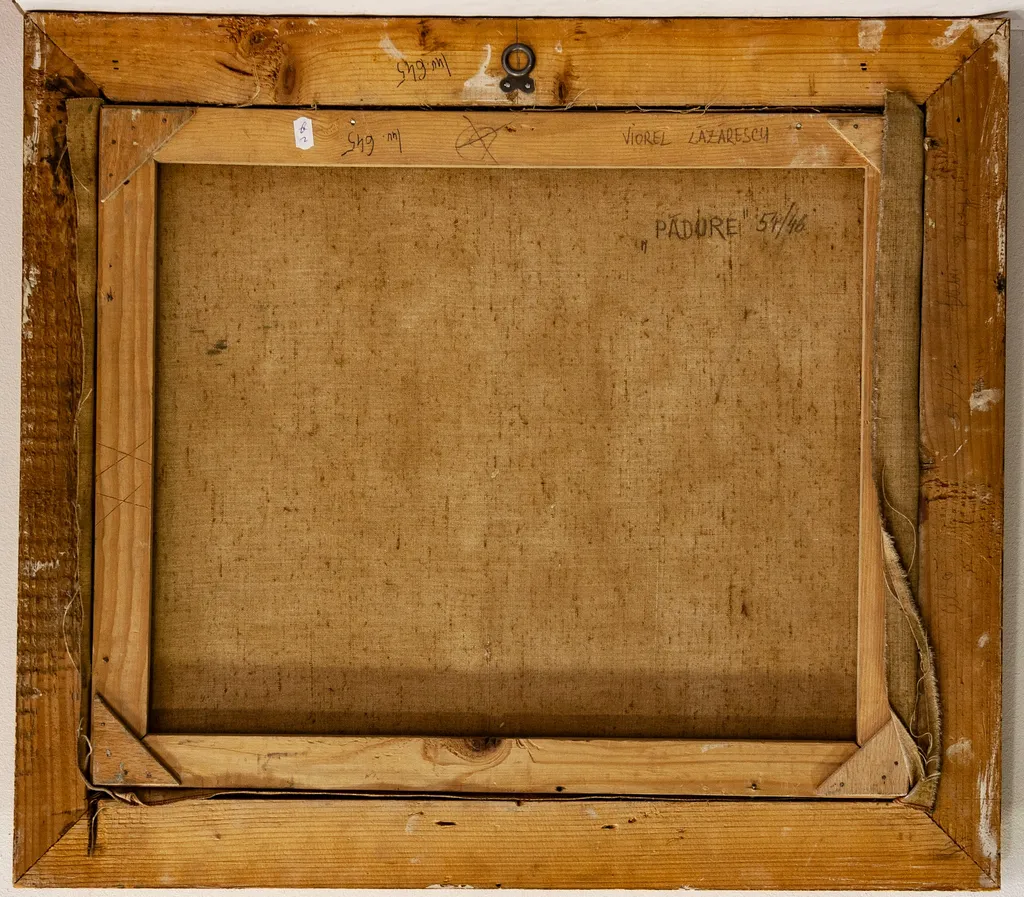
Pădure is an unspecified painting by Viorel Lăzărescu. It is held in the collection of the Gavrila Simion Eco-Museum Research Institute Tulcea.
About this work
Overview
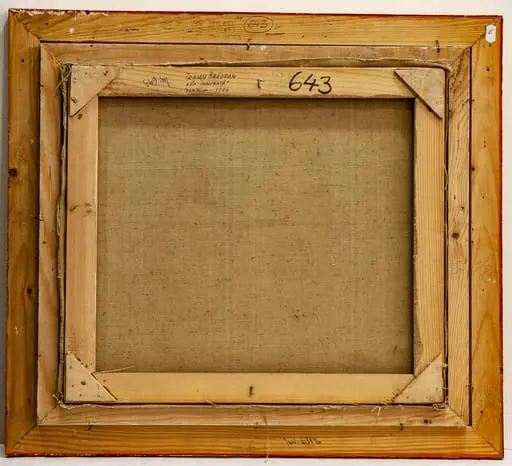
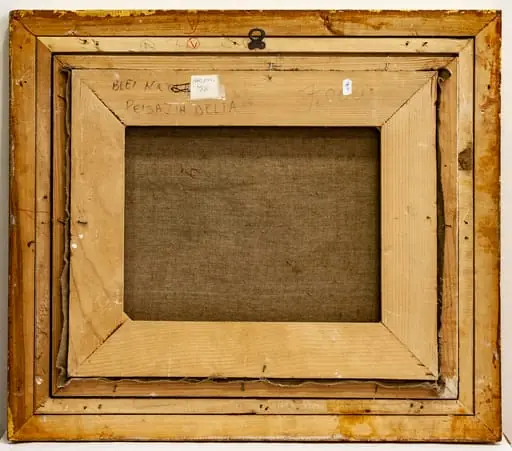
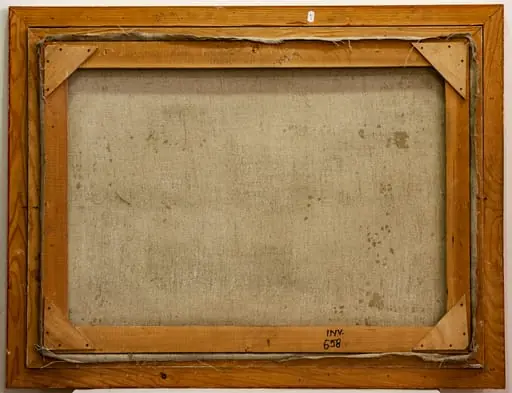
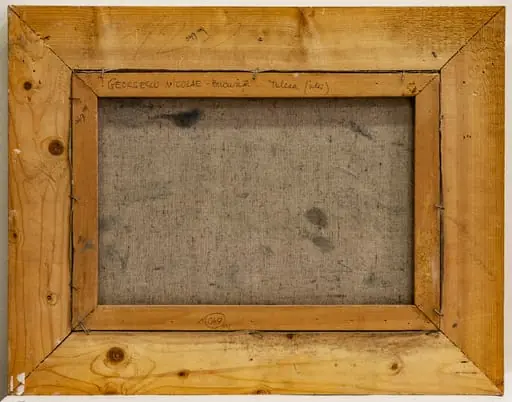
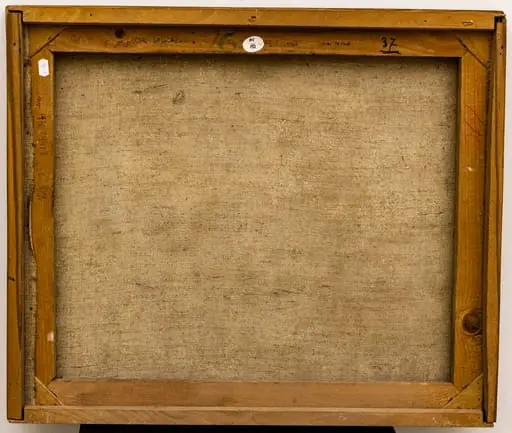
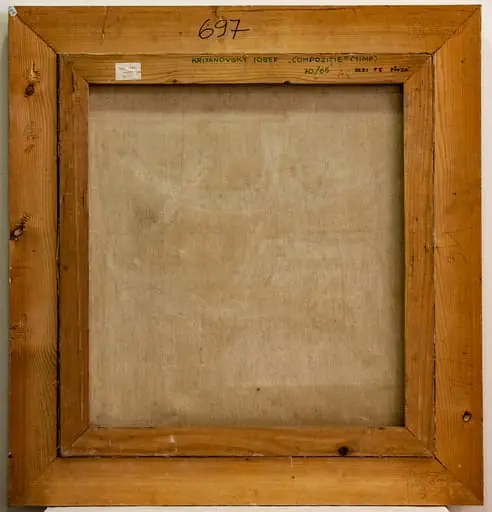
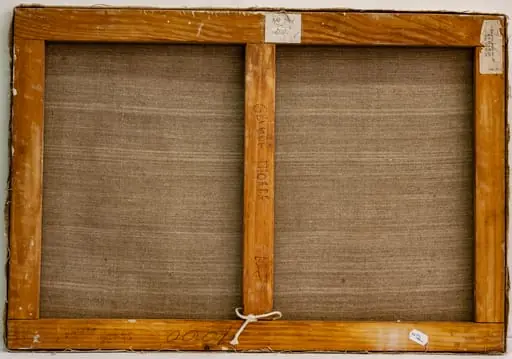
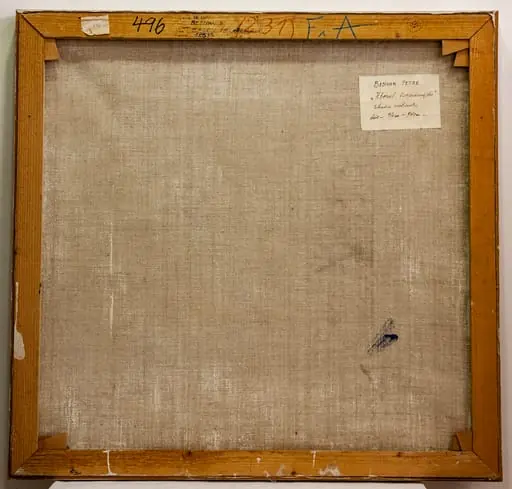
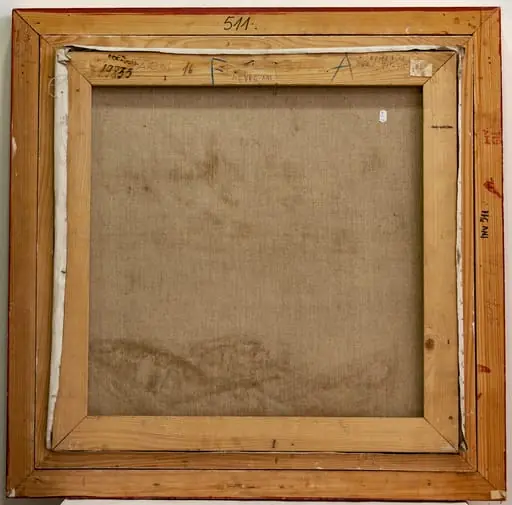
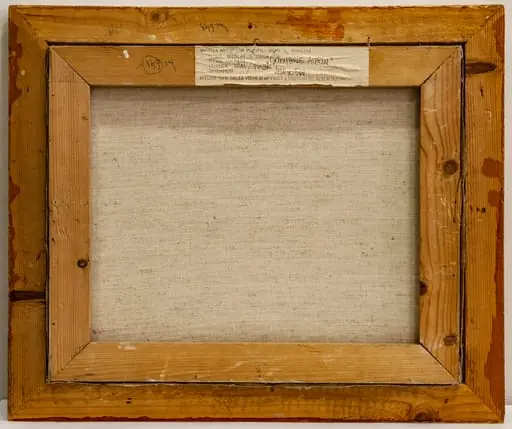
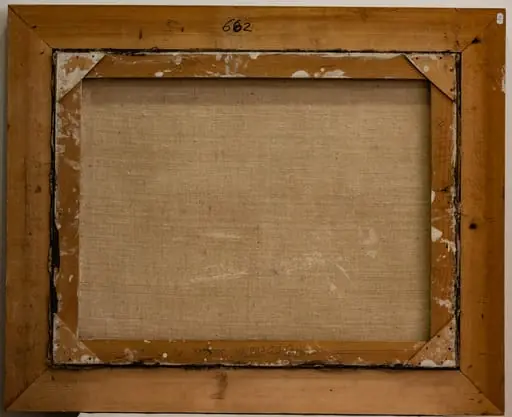
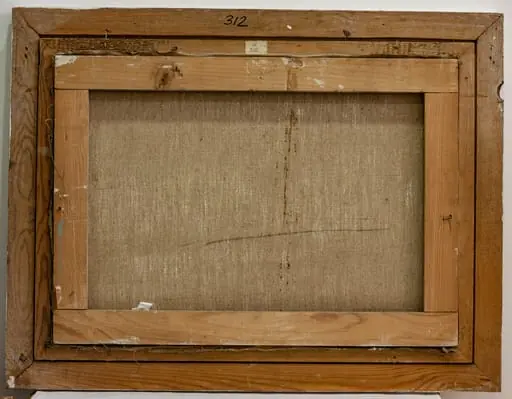
An empty wooden frame with a plain canvas, labeled 'Pădure' and attributed to Viorel Lăzărescu, is held in the collection of the Museum of Ethnography.
An empty wooden frame with a plain canvas, labeled 'Pădure' and attributed to Viorel Lăzărescu, is held in the collection of the Museum of Ethnography. The frame shows signs of age—rough edges, surface wear, and a faded back label. Handwritten measurements and a small tag are present, but no paint or imagery appears on the canvas. The object defies conventional expectations of art, inviting reflection on absence and intention.
Subject & Meaning
The title 'Pădure,' meaning 'forest' in Romanian, contrasts with the blank canvas, suggesting a conceptual engagement with nature’s invisibility or the limits of representation. The absence of imagery may imply a meditation on what cannot be depicted—memory, silence, or ecological loss. The work resists narrative, instead positioning emptiness as a deliberate artistic statement.
Technique & Style
The frame is handcrafted from aged wood, its irregular edges and worn surface indicating use rather than polished finish. The canvas is untreated, with no brushwork, pigment, or texture. The lack of formal artistic intervention on the surface, combined with the modest labeling and handwritten notes, aligns with an anti-aesthetic approach, prioritizing material presence over visual composition.
History & Provenance
The work is documented as part of the Museum of Ethnography’s holdings, though its origin remains unverified. Viorel Lăzărescu, a lesser-known Romanian artist, produced few documented works; this piece may have been created in the late 20th century. Its survival as a labeled object suggests it was preserved intentionally, possibly as a personal or experimental artifact rather than a public exhibition piece.
Context
Emerging in a period when Eastern European artists increasingly explored conceptual and minimal forms under political constraints, this work may reflect a quiet resistance to state-mandated realism. In a cultural climate where overt critique was risky, absence and ambiguity offered subtle modes of expression. The frame’s mundane appearance aligns with broader tendencies in underground art to use ordinary materials for subversive ends.
Legacy
Though not widely exhibited, the piece contributes to discussions on non-object art in Romanian modernism. Its preservation in a museum setting signals institutional recognition of conceptual gestures, even when they lack traditional form. It stands as a quiet example of how material absence can carry cultural weight, influencing later artists who prioritize idea over image.
Artist & collection
Artist
Viorel Lăzărescu painted quiet scenes of boats and forests. His brush captured simple, everyday moments—fishing boats pulled up on shore and tangled paths through dense woods. The lack of movement tags or contemporaries…
Museum
Gavrila Simion Eco-Museum Research Institute Tulcea
Continue through works from the same source collection.