Artwork
Peisaj
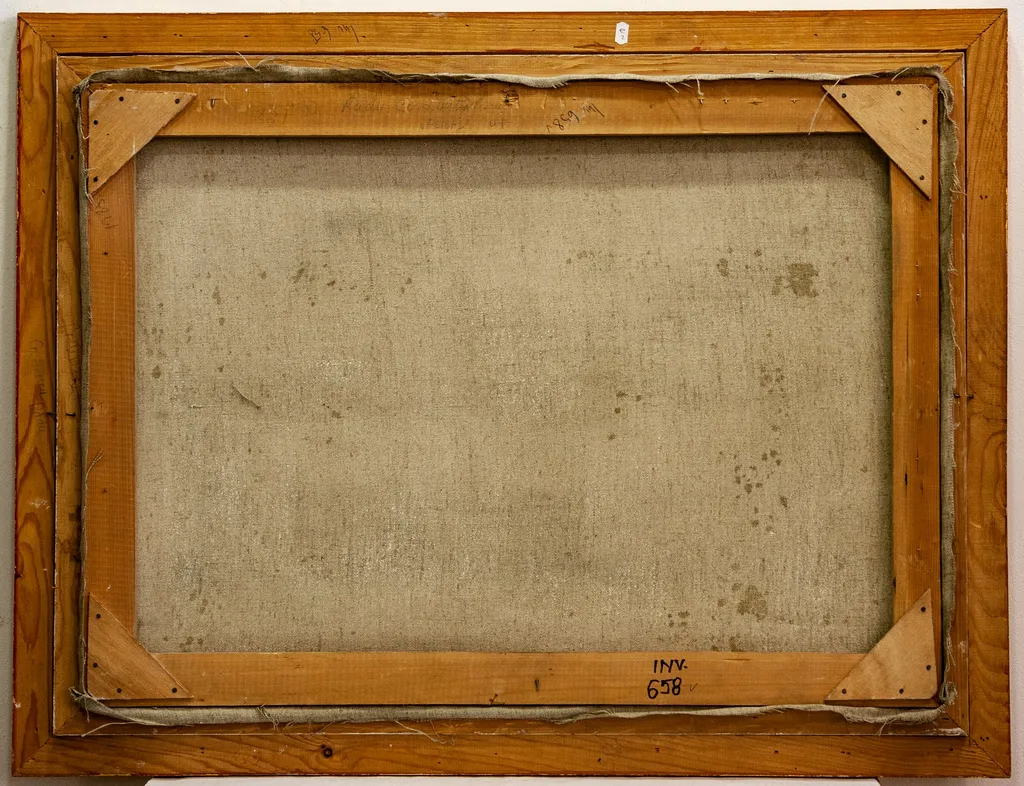
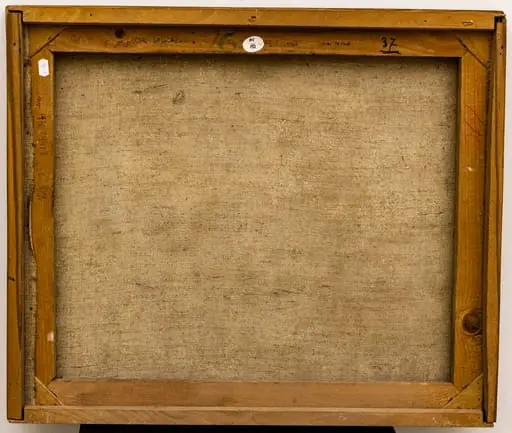
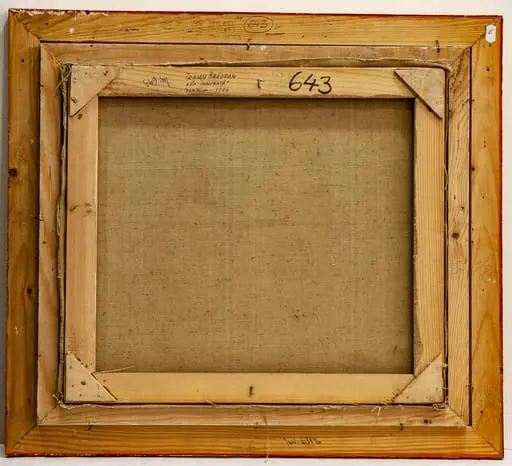
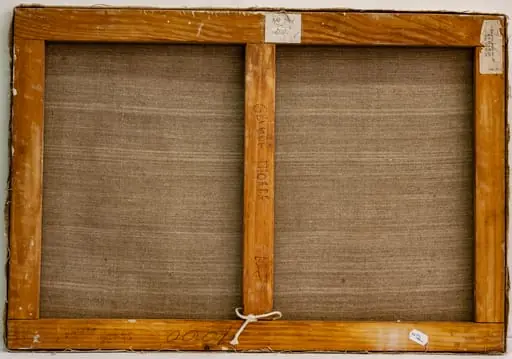
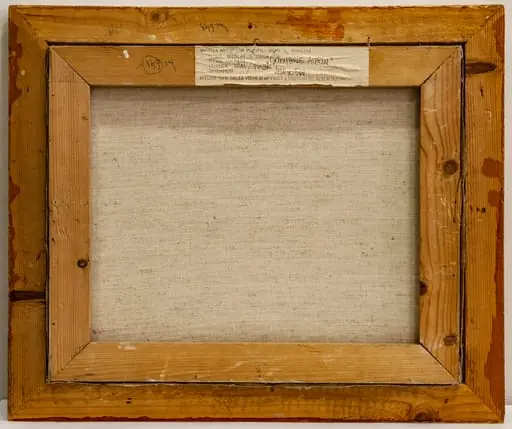
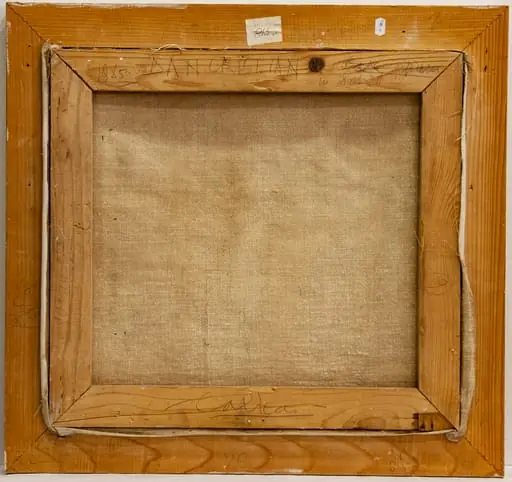
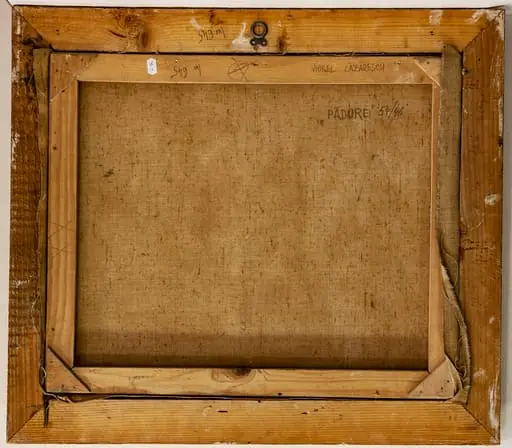
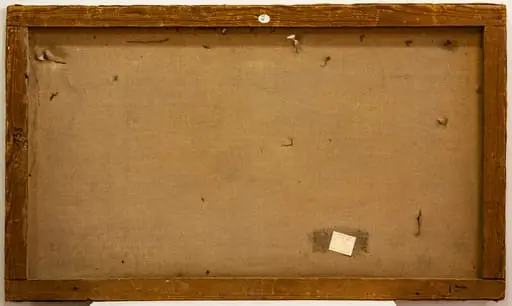
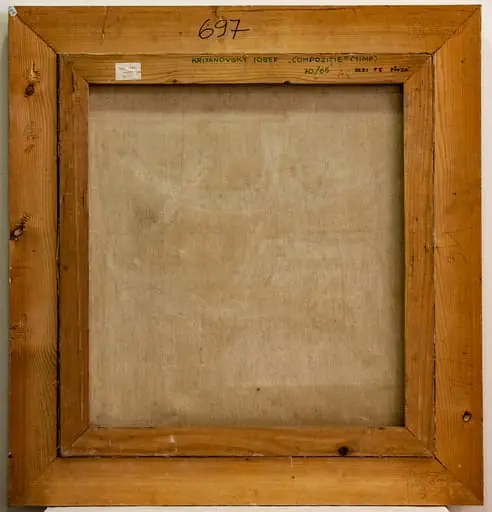
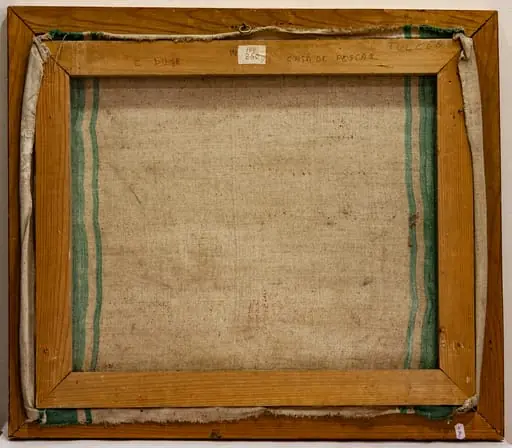
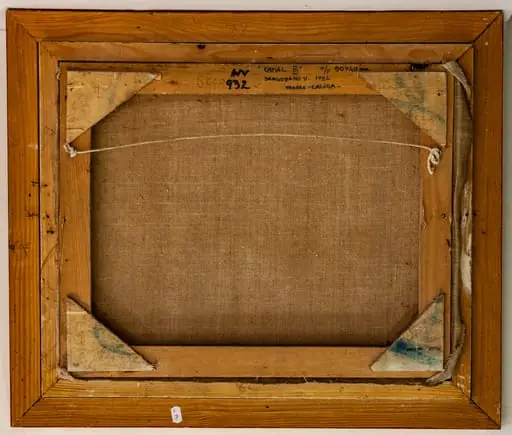
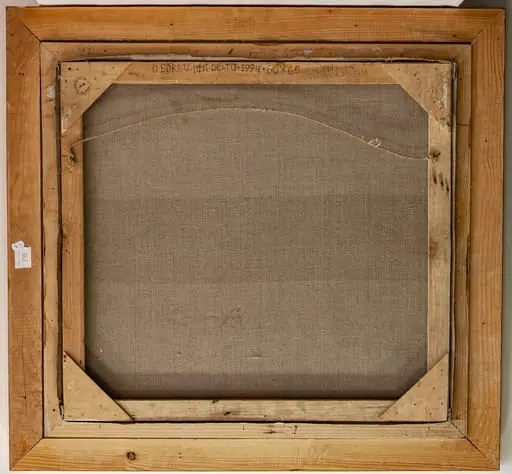
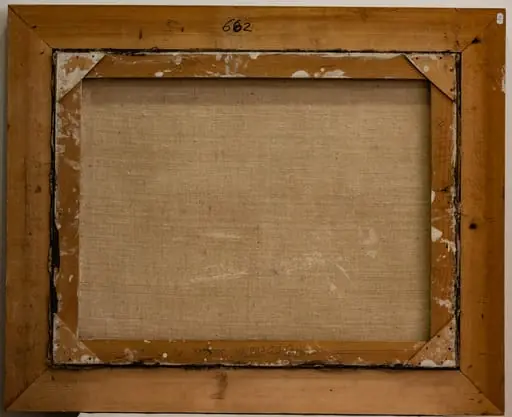
Peisaj is a print by Radu Constantinescu. It is held in the collection of the Gavrila Simion Eco-Museum Research Institute Tulcea. This object is an empty wooden frame, once used to hold a canvas during painting.
About this work
Overview
The frame shows signs of prolonged use—scuffs, fading, and small dark marks on the interior surface.
This object is an empty wooden frame, once used to hold a canvas during painting. The frame shows signs of prolonged use—scuffs, fading, and small dark marks on the interior surface. Handwritten annotations on the reverse suggest it was handled by an artist or studio assistant. No image remains on the canvas, leaving its original purpose ambiguous. The structure itself, simple and unadorned, reflects functional rather than decorative intent.
Subject & Meaning
The absence of imagery invites speculation about what was once depicted—or whether a work was ever completed. The frame may have held a study, a failed attempt, or a piece later removed or destroyed. Its emptiness does not signify failure but rather the transient nature of artistic process. The notes on the back hint at personal or logistical records, grounding the object in the daily routines of making art.
Technique & Style
The frame is constructed from plain, unvarnished wood, typical of utilitarian artist’s equipment. Its design prioritizes stability over ornamentation, suited for supporting canvases on an easel. The wear patterns suggest repeated assembly and disassembly. No decorative elements or branding are present, indicating it was likely mass-produced or locally made for practical use rather than as a collector’s item.
History & Provenance
The handwritten notes and numbers on the reverse imply a documented history within a studio or collection. These markings may reference dates, titles, or ownership, though their meaning is now obscure. The canvas’s faded state and surface discoloration suggest exposure to light and humidity over time. Its survival as a frame without its image points to a shift in value—from tool to artifact.
Context
In the 19th and early 20th centuries, such frames were standard in artists’ studios, often reused across multiple works. They were not preserved as objects of interest but as tools of labor. This frame’s retention suggests it was either overlooked, forgotten, or later recognized as a relic of artistic practice. Its existence reflects the material culture of working artists who prioritized function over permanence.
Legacy
Today, this frame stands as a quiet testament to the unseen labor behind art-making. It represents the countless canvases that were started, abandoned, or repurposed. Its preservation invites reflection on the impermanence of artistic output and the value assigned to objects after their original use has ended. It is a relic not of finished work, but of process.
Artist & collection
Artist
Radu Constantinescu made Peisaj, a print of a landscape. Peisaj shows a quiet valley with a single wooden house and a pathway cutting through tall grass. The print’s grainy texture suggests a quick, direct approach,…
Museum
Gavrila Simion Eco-Museum Research Institute Tulcea
Continue through works from the same source collection.