Artwork
Lacquer room
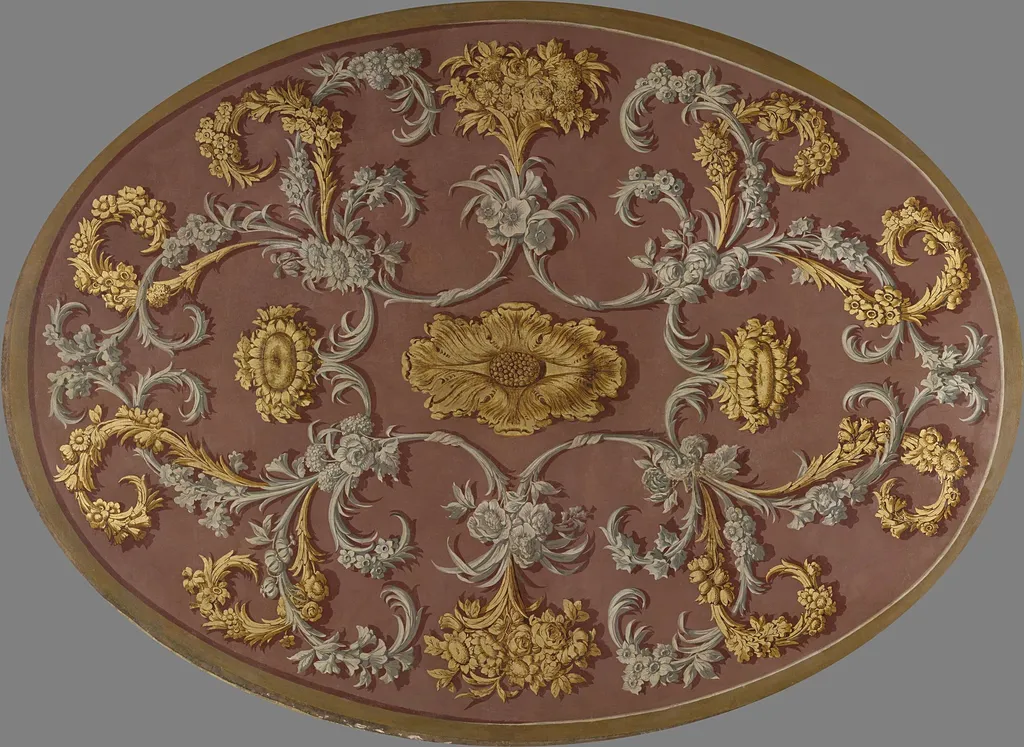
Lacquer room is an oil painting by the Rococo painting artist Elias van Nijmegen. It dates from 1725 and is held in the collection of the Rijksmuseum.
About this work
Overview
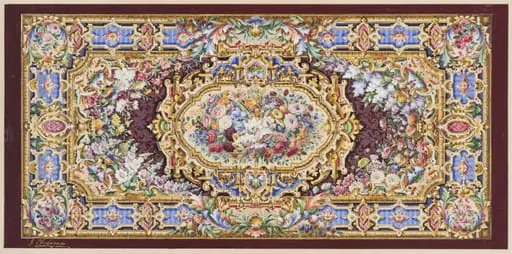
The composition is centered on a prominent blossom, surrounded by a balanced array of smaller flowers and foliage that radiate outward in a symmetrical pattern.
Elias van Nijmegen’s 1725 oil on canvas, titled Lacquer Room, presents a decorative floral motif rendered against a uniform reddish‑brown field. The composition is centered on a prominent blossom, surrounded by a balanced array of smaller flowers and foliage that radiate outward in a symmetrical pattern. The restrained background accentuates the intricate detailing of the botanical elements, creating a refined visual impression.
Subject & Meaning
The work depicts an ornamental arrangement of blossoms and leaves, employing a limited palette of gold, gray, white and darker tones to suggest a lacquered surface. While no narrative is evident, the emphasis on elegance and order reflects the decorative tastes of early‑18th‑century Dutch interiors, where such motifs often served as visual symbols of wealth and cultivated taste.
Technique & Style
Executed in oil, van Nijmegen achieves fine surface texture through delicate brushwork that defines individual petals and overlapping leaves. The use of a flat, saturated background allows the subtle tonal variations of the flowers to emerge, while the symmetrical layout demonstrates a controlled, almost schematic approach typical of decorative panel painting of the period.
History & Provenance
Created in 1725, Lacquer Room entered the collection of the Rijksmuseum, where it remains on display. The painting’s provenance prior to museum acquisition is not extensively documented, but its attribution to van Nijmegen aligns with his known output of decorative interior subjects during the Dutch Golden Age.
Artist & collection


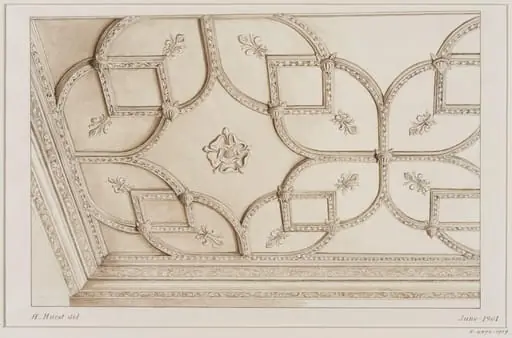 Untitled
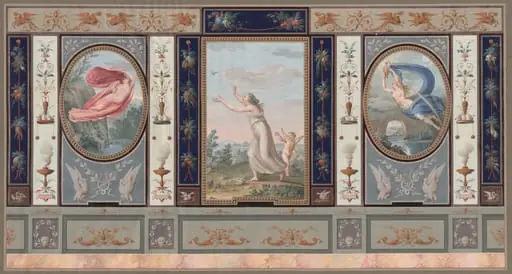 Elaborate Wall Decoration with Endymion and Hebe
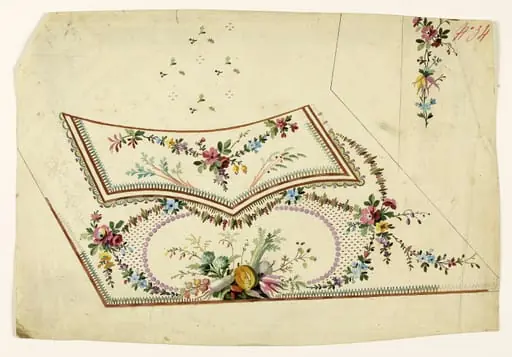 Trophée de fruits et légumes, guirlandes de fleurs et de pampres et frises de perles mauves, projets de broderies de gilet, XVIIIème siècle
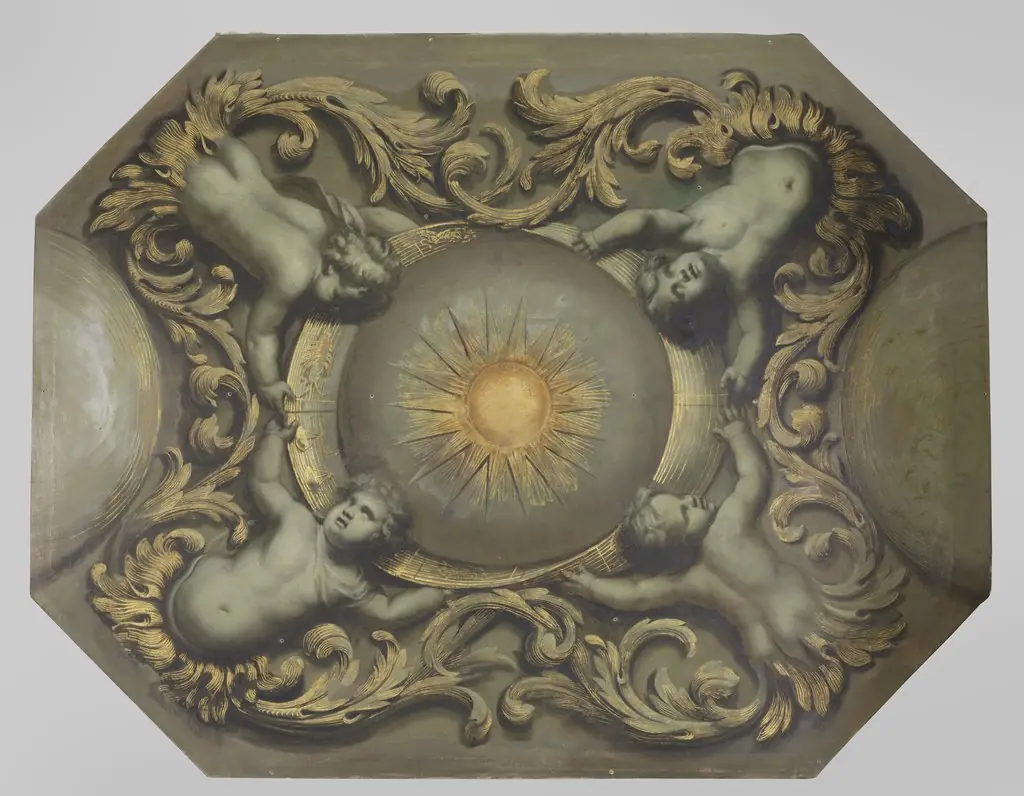 Schildering horend bij een plafond
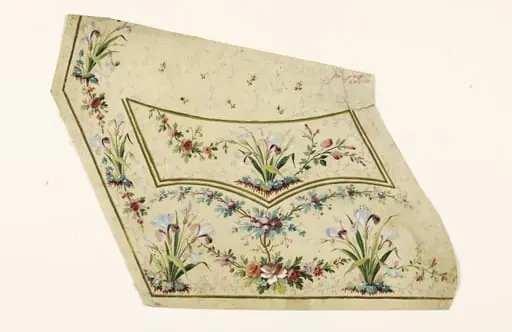 Composition de fleurs en bouquets et guirlandes de baies, projets de broderies de gilet, XVIIIème siècle
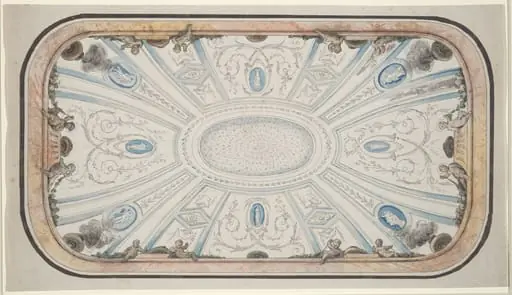 Design for a Ceiling
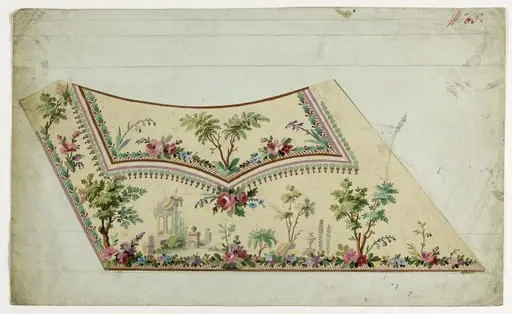 Gilet décor paysage architecture antique, projets de broderies de gilet, XVIIIème siècle
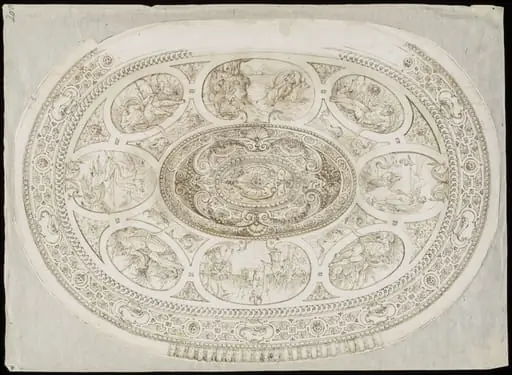 An oval with scenes of the Metamorphoses: The Rape of Europa, the peasants turned into frogs, The Fall of Icarus, Glaucus and Scylla
 Vase of Flowers in a Niche
 Untitled