Artwork
Fisherman and the Genie (Sketch)
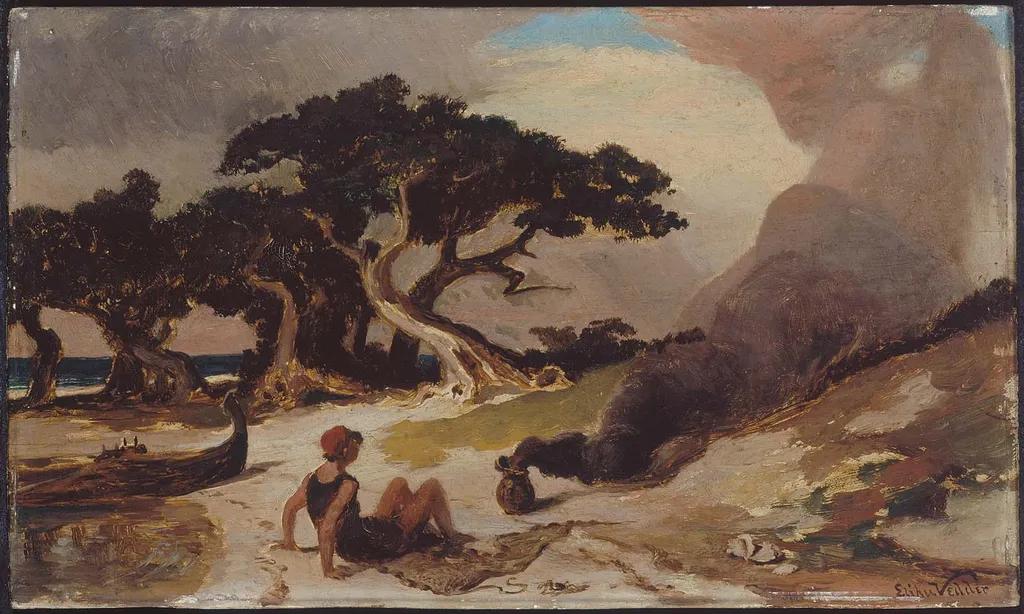
Fisherman and the Genie (Sketch) is an unspecified painting by Elihu Vedder. It dates from 1863 and is held in the collection of the Museum of Fine Arts Boston.
About this work
Overview
Elihu Vedder, an American artist known for his symbolic and literary subjects, produced this sketch in 1863 as a preparatory study for a larger work.
Elihu Vedder, an American artist known for his symbolic and literary subjects, produced this sketch in 1863 as a preparatory study for a larger work. Though executed in a modest scale, it reflects his deep engagement with mythic narratives drawn from Eastern traditions. The piece resides in the Museum of Fine Arts, Boston, as part of its 19th-century American art holdings, offering insight into Vedder’s creative process and thematic interests.
Subject & Meaning
The scene illustrates a moment from Arabian folklore, likely drawn from the tales of the One Thousand and One Nights, where a fisherman encounters a supernatural being released from a vessel. The genie’s form—part human, part vapor—suggests transformation and the unseen forces of fate. The fisherman’s stillness implies awe or resignation, framing the encounter as a quiet confrontation between the mortal and the mystical.
Technique & Style
Vedder employed chiaroscuro to model the figures against a muted backdrop, emphasizing the genie’s ethereal emergence from shadow. Loose brushwork and diluted pigments create a sense of atmospheric diffusion, particularly in the smoke-like limbs and hazy sky. The composition is deliberately sparse, focusing attention on the interaction between the two figures while the distant shore and trees provide a restrained, dreamlike context.
History & Provenance
Created during Vedder’s early career, this sketch predates his more widely recognized illustrations for The Rubaiyat of Omar Khayyam. It remained in the artist’s possession until its acquisition by the Museum of Fine Arts, Boston, where it entered the collection as part of a broader effort to document American artists’ engagement with non-Western mythologies in the mid-19th century.
Context
In the 1860s, American artists increasingly turned to Eastern literature and legend as sources of symbolic content, moving beyond classical or biblical themes. Vedder’s sketch reflects this trend, aligning with a broader cultural fascination with the Orient. His interest in allegory and the supernatural positioned him apart from his realist contemporaries, favoring introspective, poetic imagery over narrative clarity.
Legacy
Though not a finished painting, this sketch reveals Vedder’s consistent thematic concerns and his method of developing complex imagery through preliminary studies. It stands as an early example of how American artists interpreted non-Western myths with psychological depth rather than exoticism, influencing later Symbolist and mystical tendencies in American art.
Artist & collection

Artist
Elihu Vedder (26 February 1836 – 29 January 1923) was an American symbolist painter, book illustrator and poet from New York City.

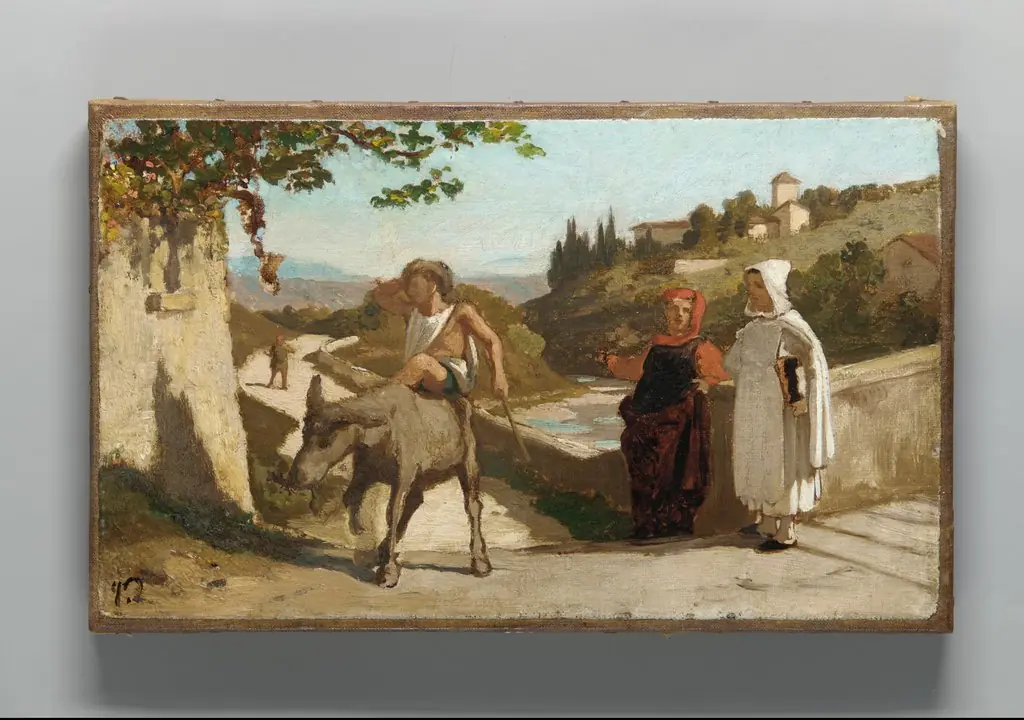 The Fable of the Miller, His Son, and the Donkey
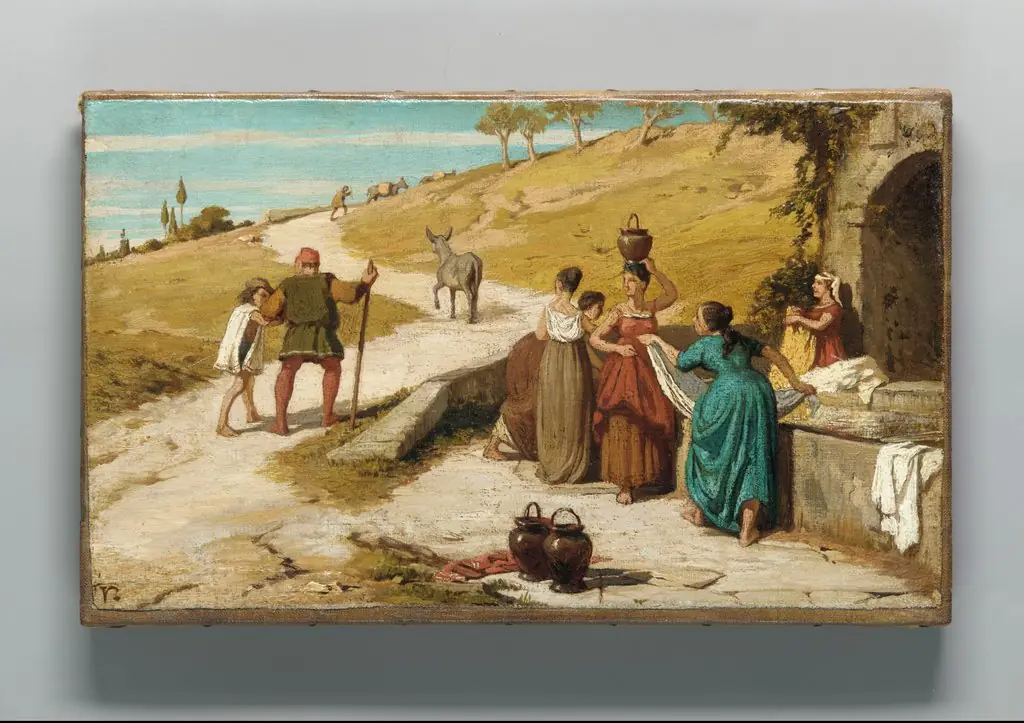 The Fable of the Miller, His Son, and the Donkey
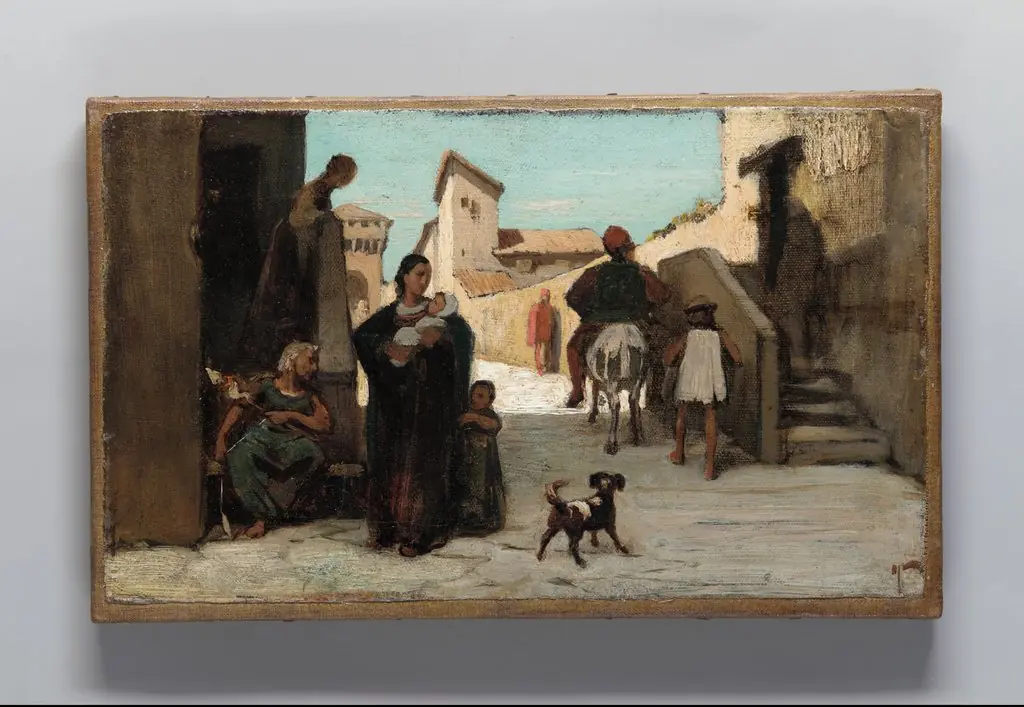 The Fable of the Miller, His Son, and the Donkey
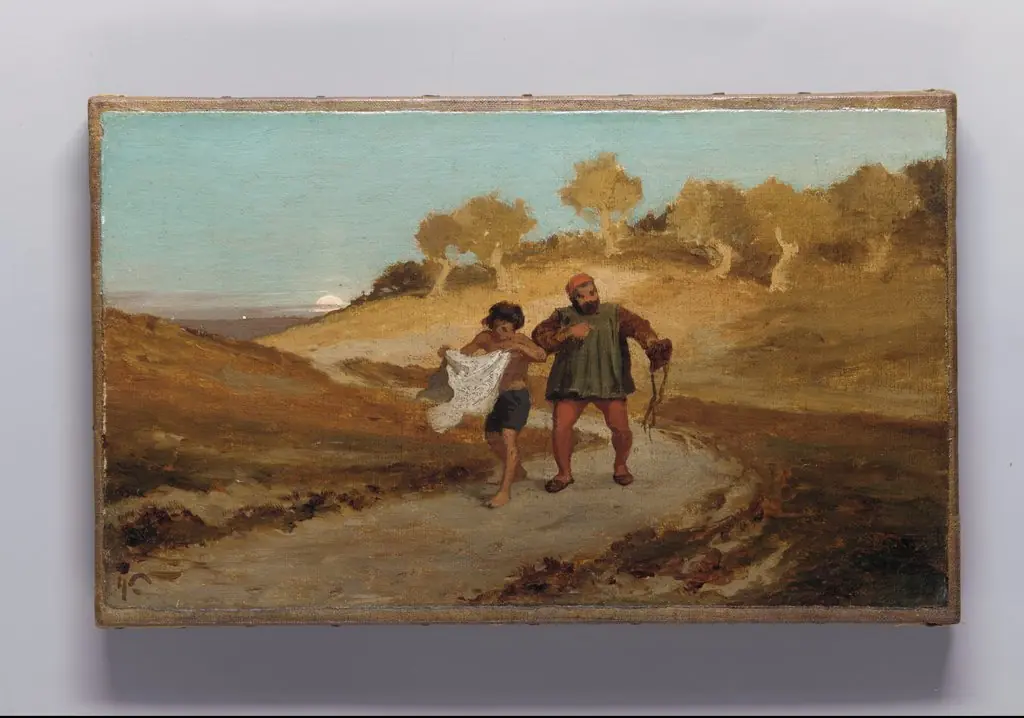 The Fable of the Miller, His Son, and the Donkey
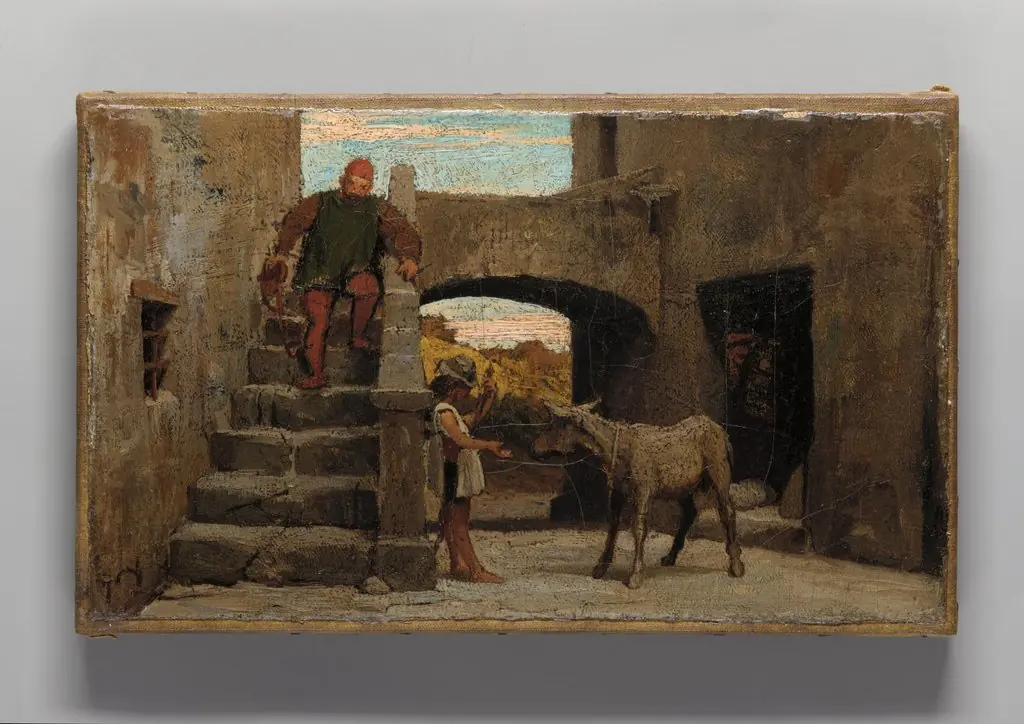 The Fable of the Miller, His Son, and the Donkey
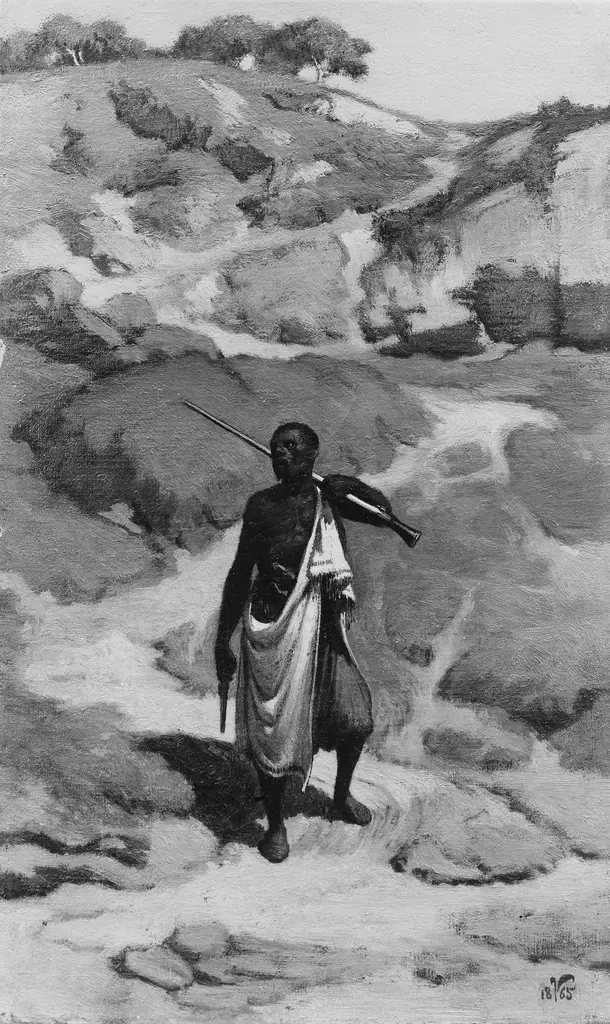 The African Sentinel
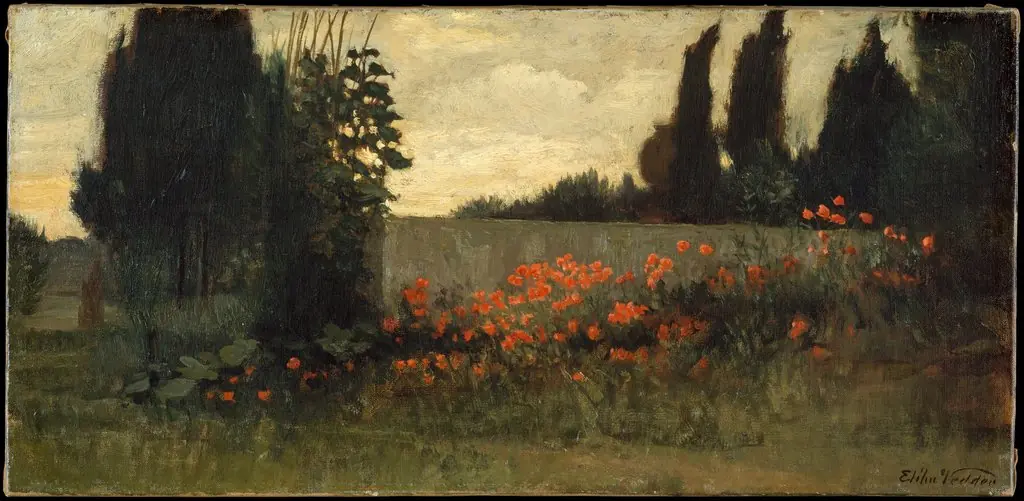 Cypress and Poppies
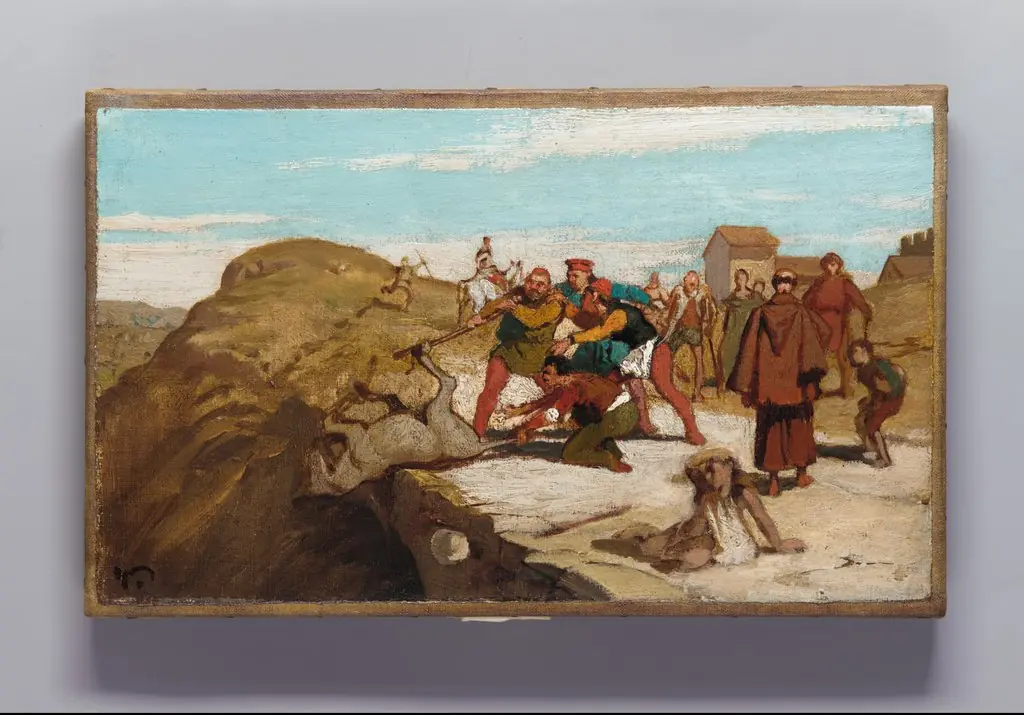 The Fable of the Miller, His Son, and the Donkey
 Edge of Lake Nemi
 Trees in Alupka. From the journey to Crimea
 Night Landscape with a Lioness
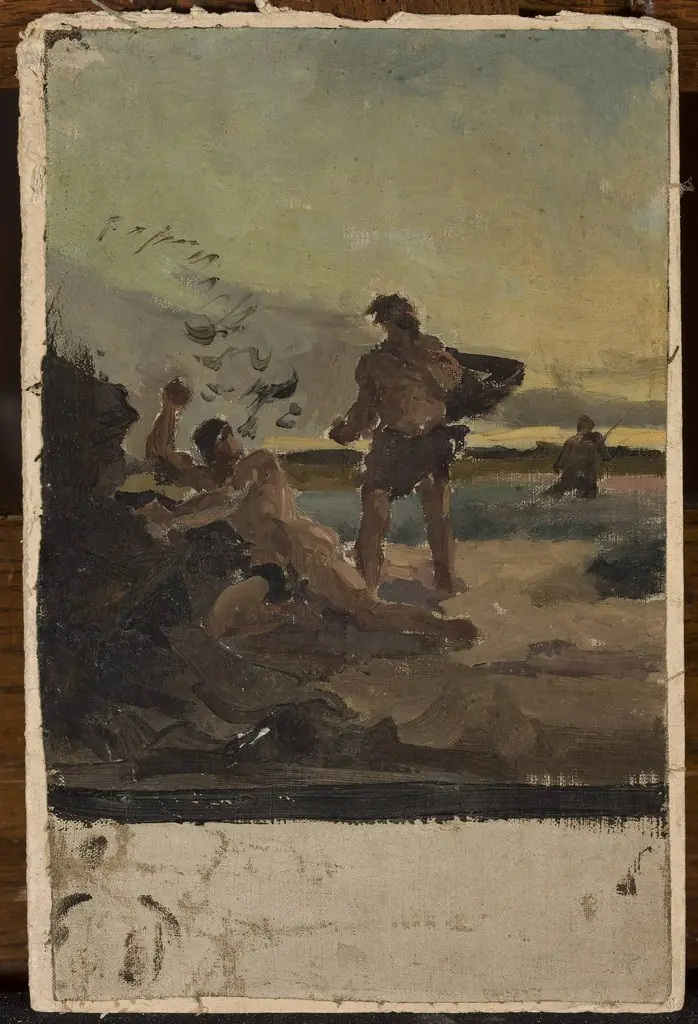 Brother robbers, sketch for a painting
 Evening at Saint-Privé
 Souvenir of Antibes (Souvenir d'Antibes)
 Pastures near the Sea
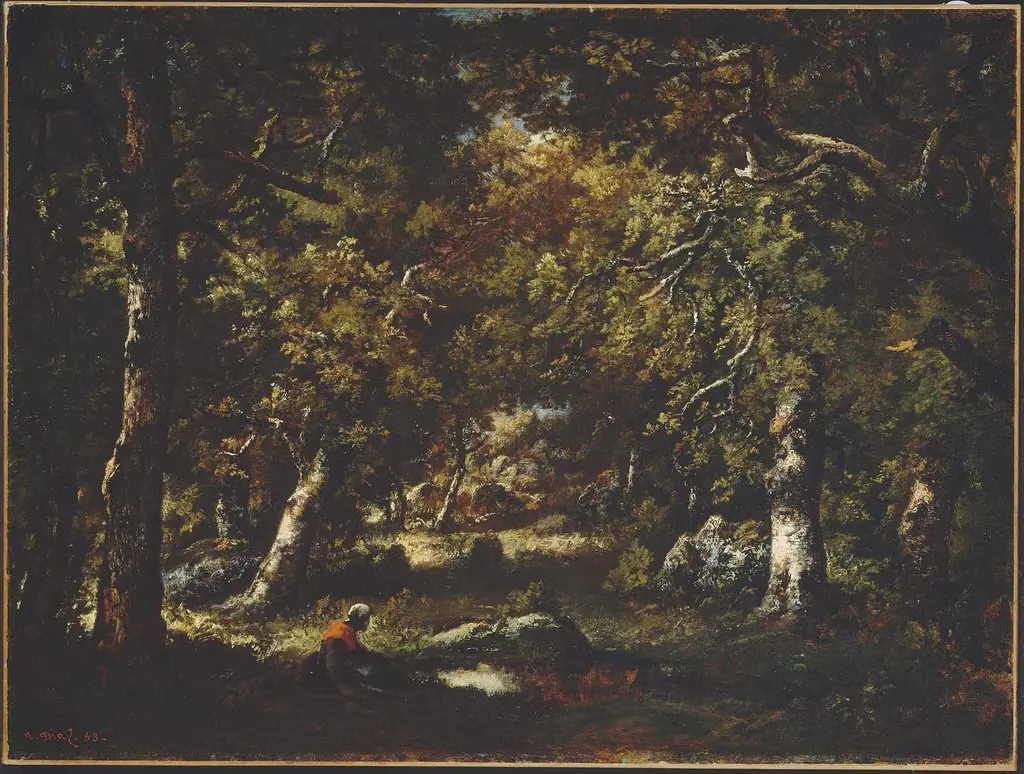 Pool in the Forest
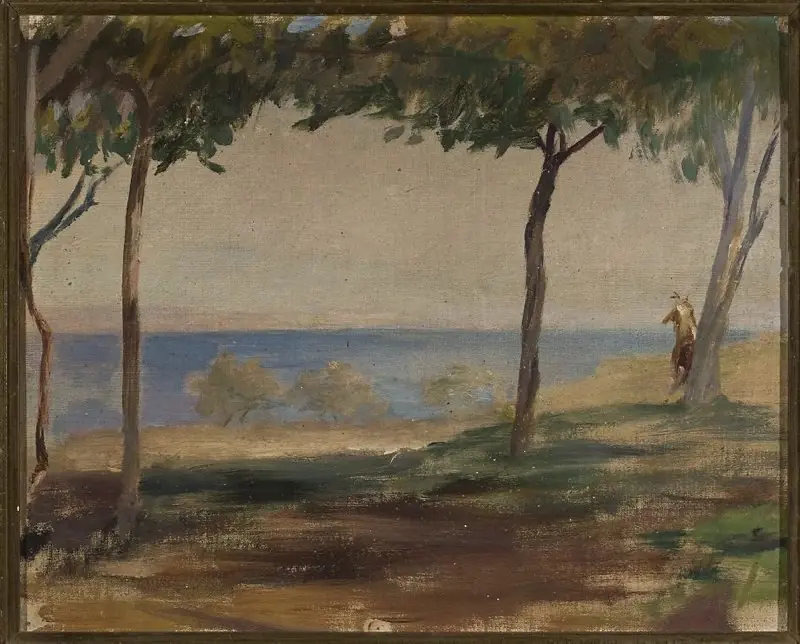 View of Asia Minor. From the journey to Constantinople
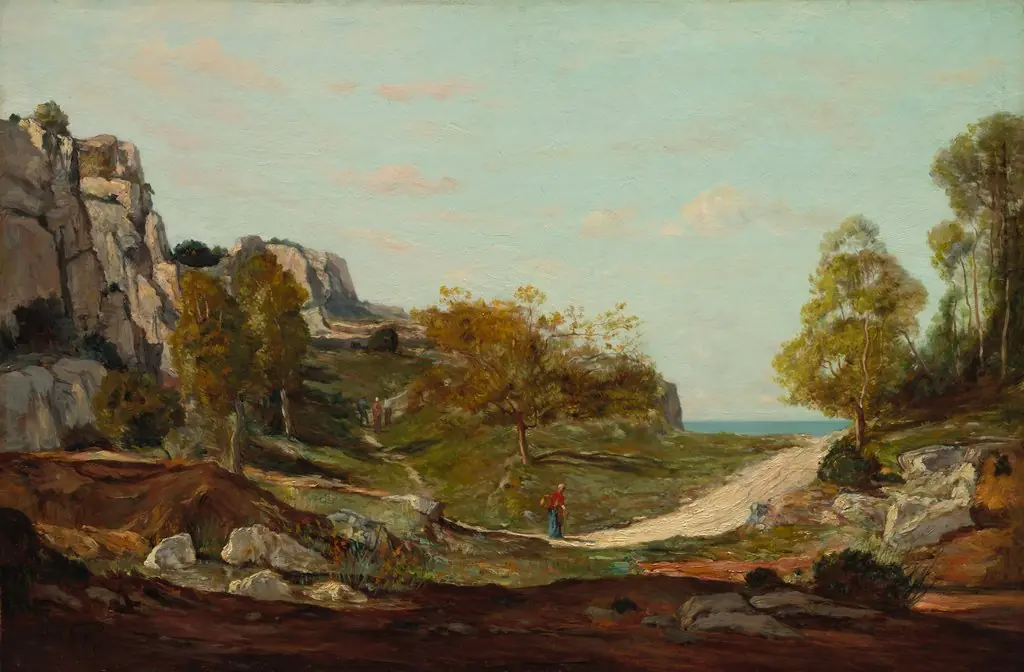 Landscape at Saint-André, Near Marseilles
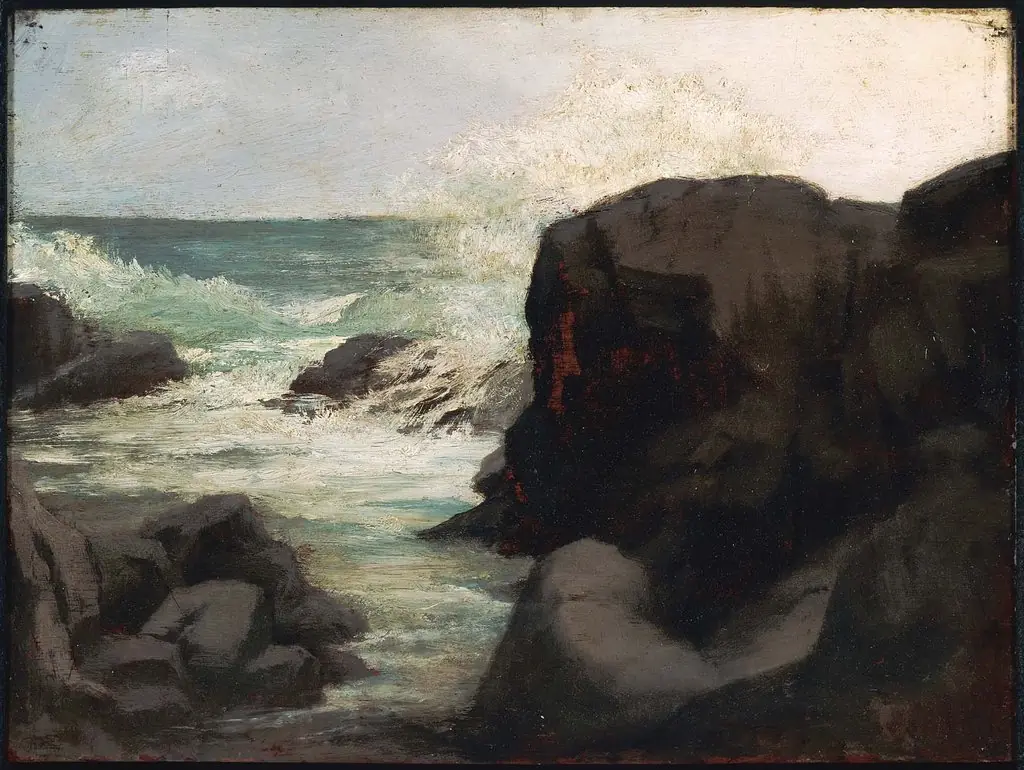 Sea and Rocks near Spouting Horn
 Marshlands