Artwork
Soul in Bondage
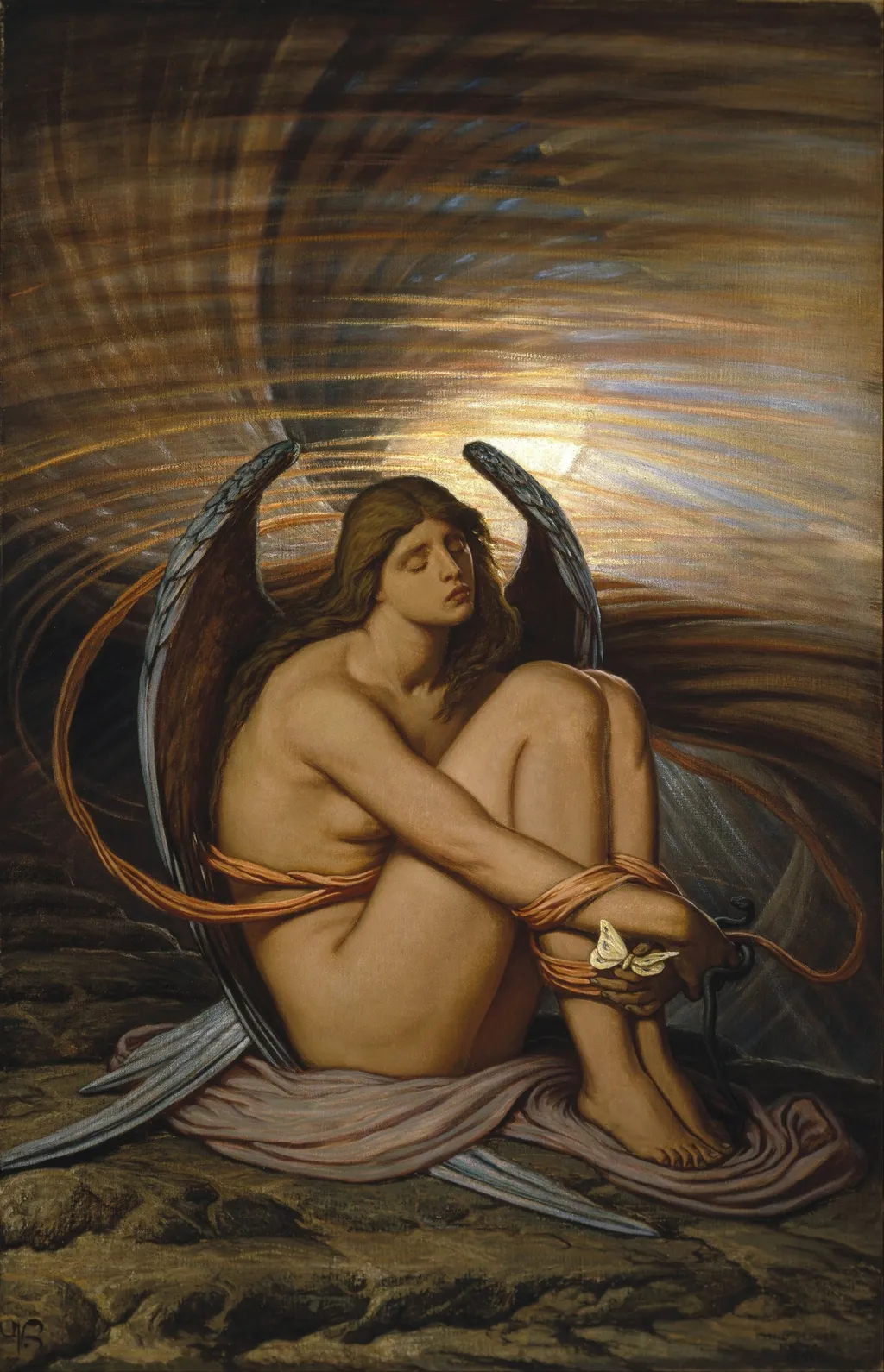
Soul in Bondage is an oil painting by the Post-Impressionist artist Elihu Vedder. It dates from 1896 and is held in the collection of the Brooklyn Museum.
About this work
Overview
Soul in Bondage is a 1896 oil painting by American symbolist artist Elihu Vedder, characterized by its somber depiction of a figure in emotional or spiritual confinement.
Subject & Meaning
The painting portrays a nude woman with wings, symbolizing the soul, in a state of bondage, conveyed through ropes binding her wrists and ankles. Her somber expression and downward gaze emphasize emotional turmoil, while a perched butterfly introduces a hint of transformative potential.
Technique & Style
Vedder employed a predominantly dark, swirling background in shades of brown and gray, contrasting with the figure's more defined form. The work exemplifies Symbolist priorities through its use of allegory and emphasis on inner experience.
History & Provenance
Created in 1896, Soul in Bondage is part of Vedder's contributions to the post-impressionist and symbolist movements. The piece is currently held in the collection of the Brooklyn Museum.
Context
This work reflects Vedder's broader artistic themes and styles, also evident in his illustrations for Edward FitzGerald’s *The Rubaiyat of Omar Khayyam*. It aligns with the Symbolist focus on the mystical and the inner life.
Legacy
Soul in Bondage represents a quintessential exploration of the 'soul in bondage' theme in late 19th-century American Symbolism, offering insights into the artistic and philosophical preoccupations of its time.
Own this work as a print
Artist & collection

Artist
Elihu Vedder (26 February 1836 – 29 January 1923) was an American symbolist painter, book illustrator and poet from New York City.

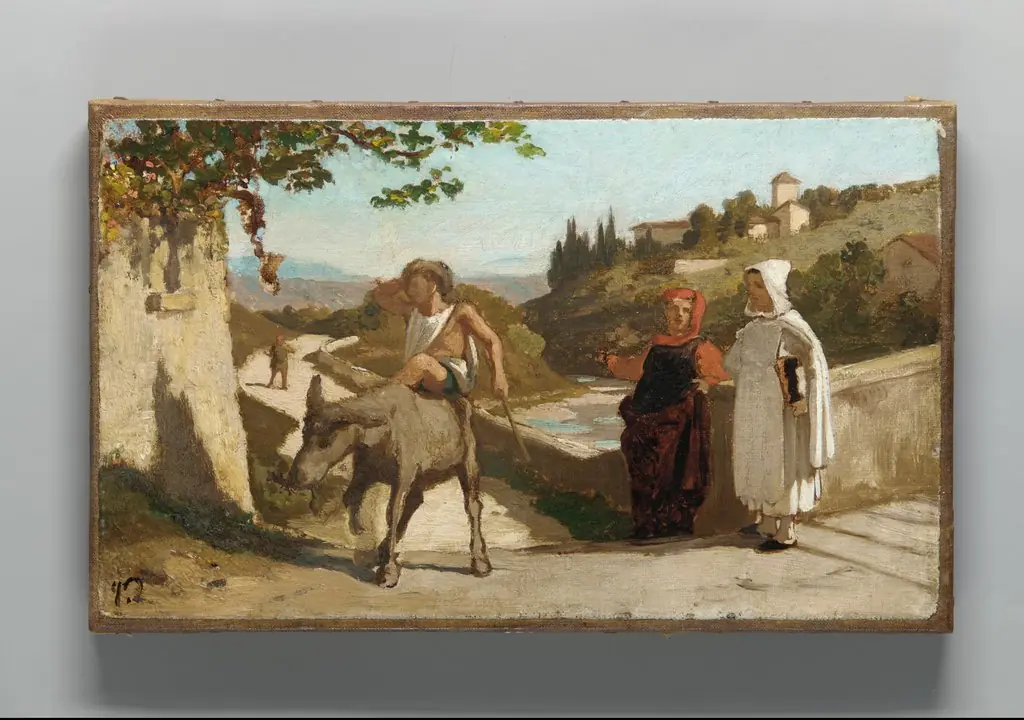 The Fable of the Miller, His Son, and the Donkey
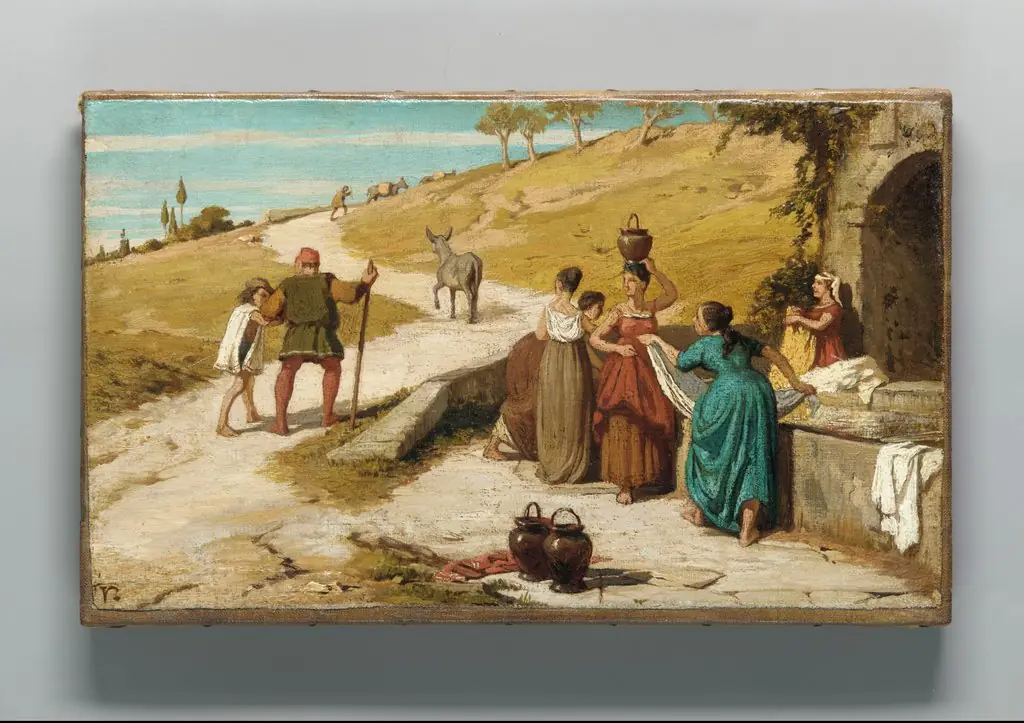 The Fable of the Miller, His Son, and the Donkey
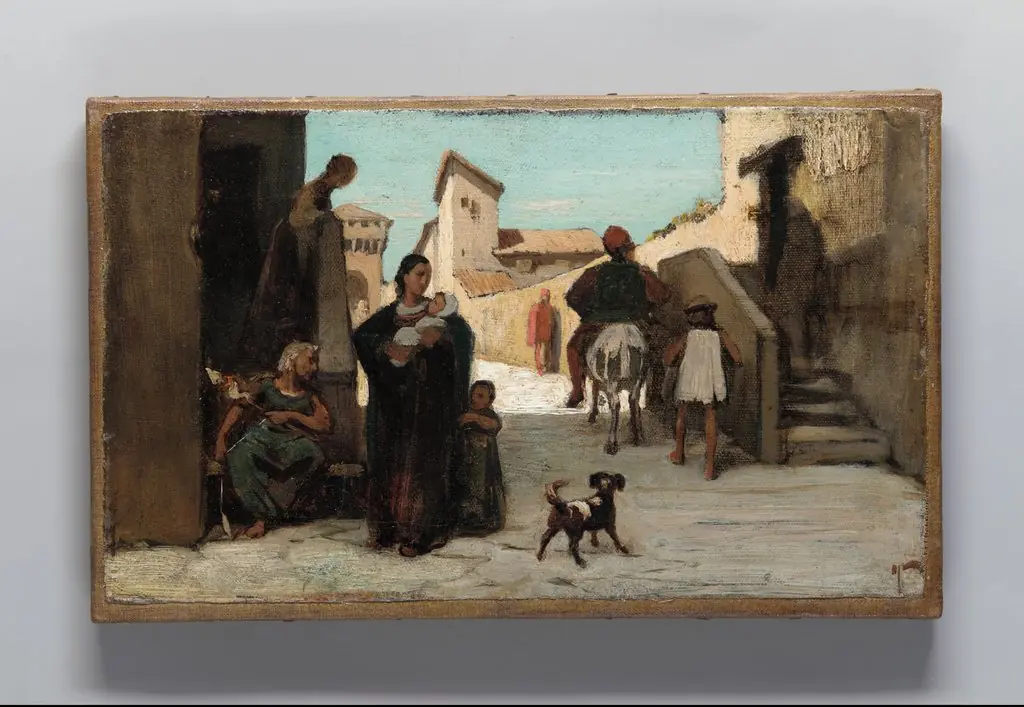 The Fable of the Miller, His Son, and the Donkey
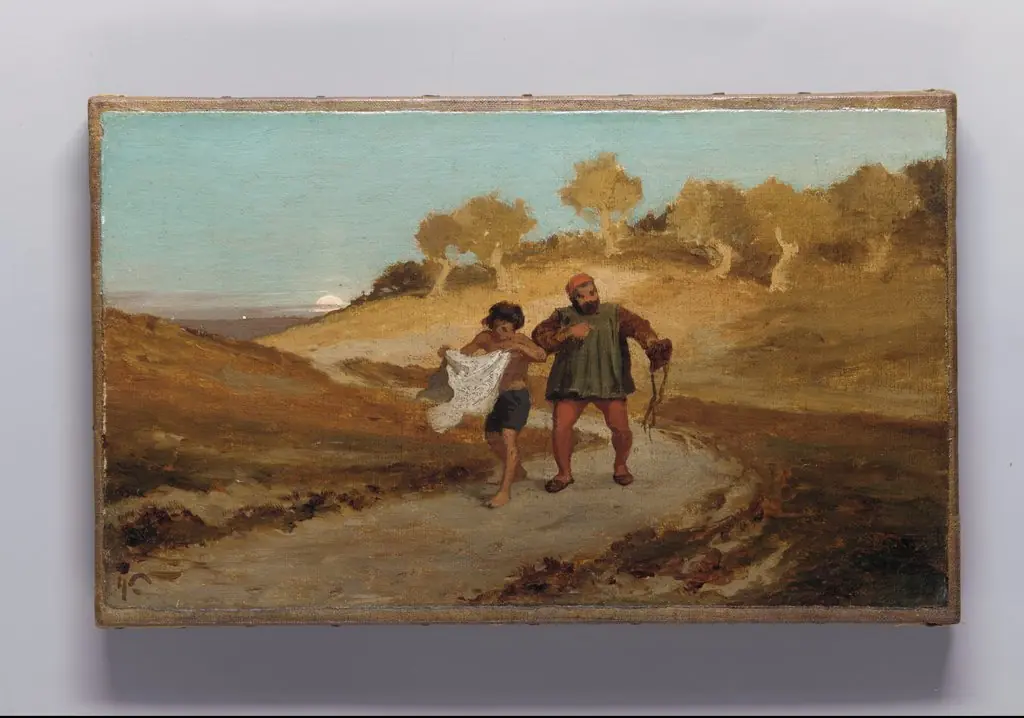 The Fable of the Miller, His Son, and the Donkey
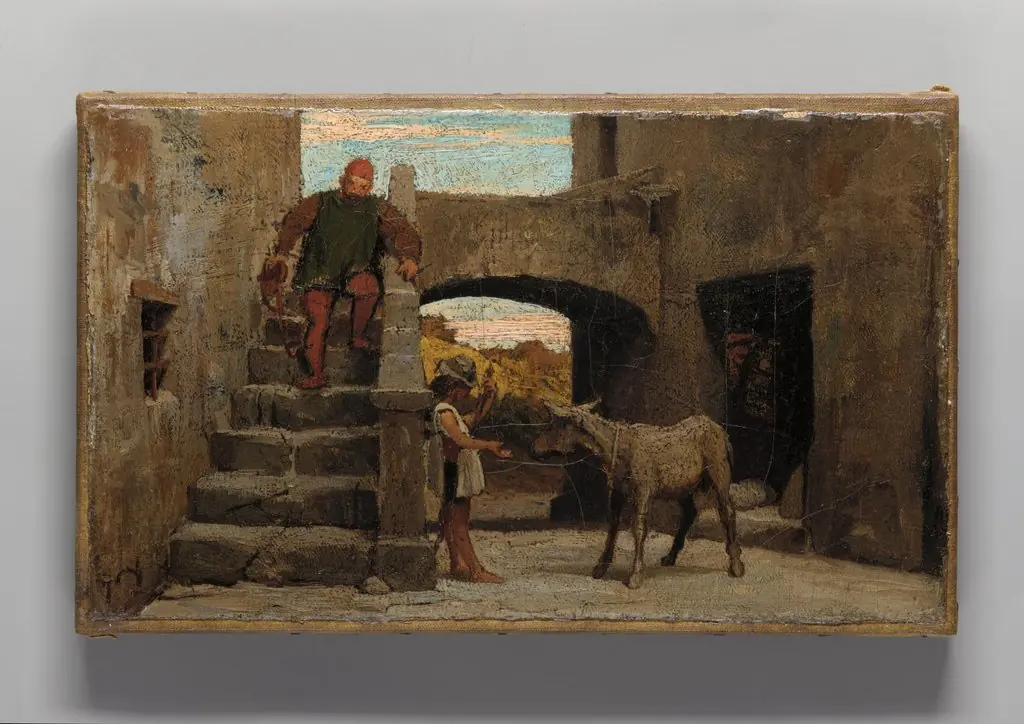 The Fable of the Miller, His Son, and the Donkey
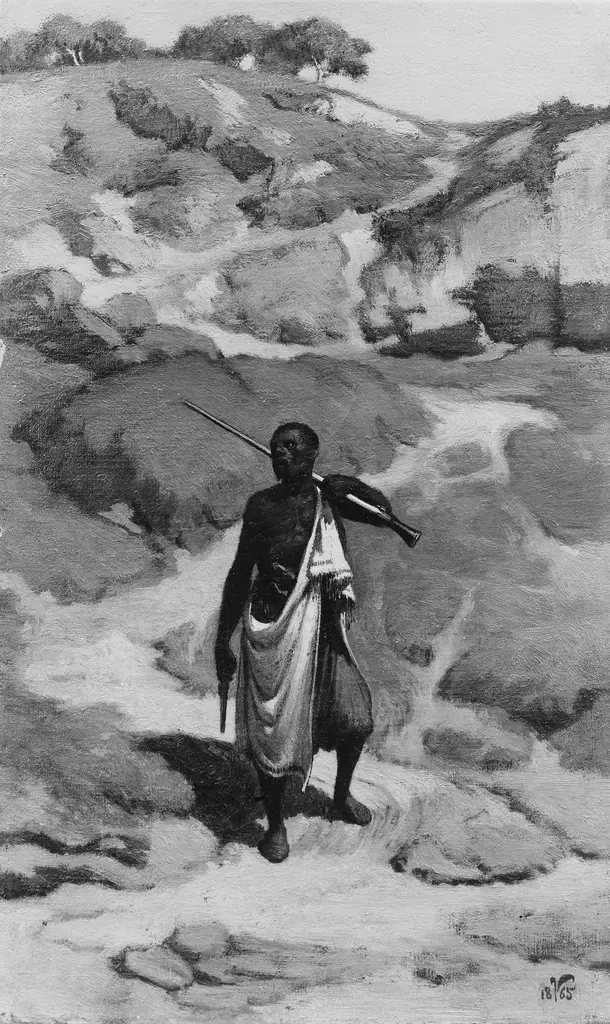 The African Sentinel
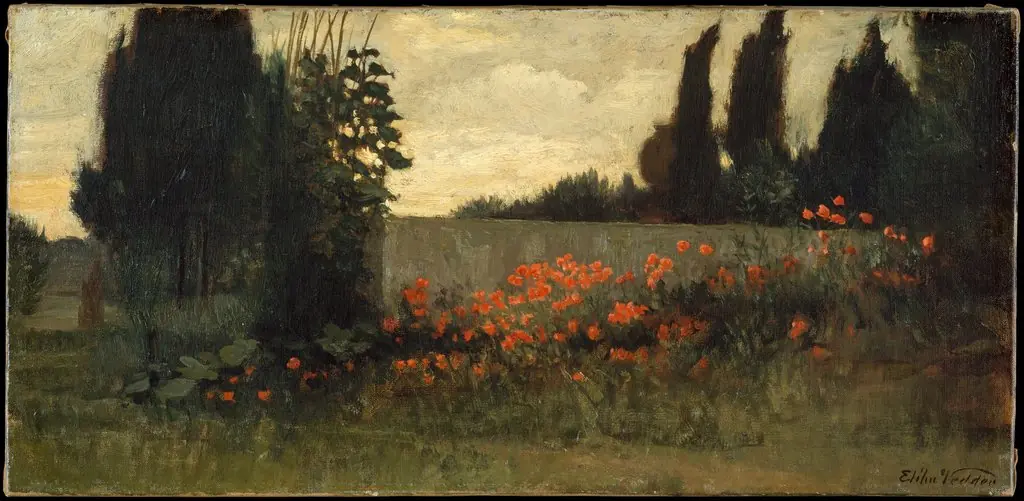 Cypress and Poppies
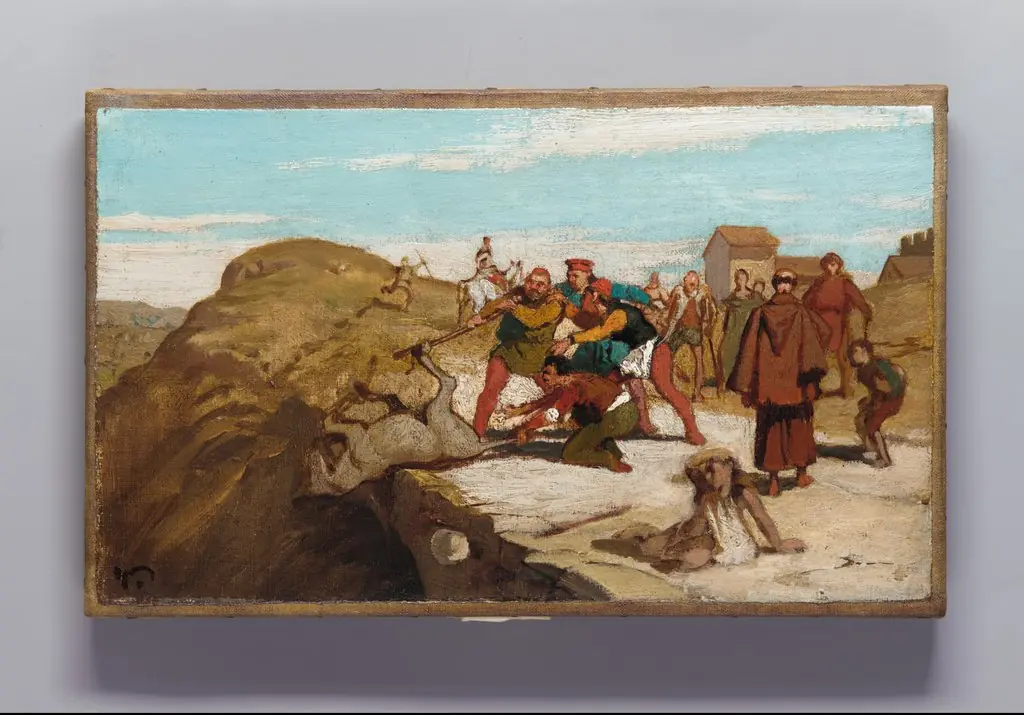 The Fable of the Miller, His Son, and the Donkey