Artwork
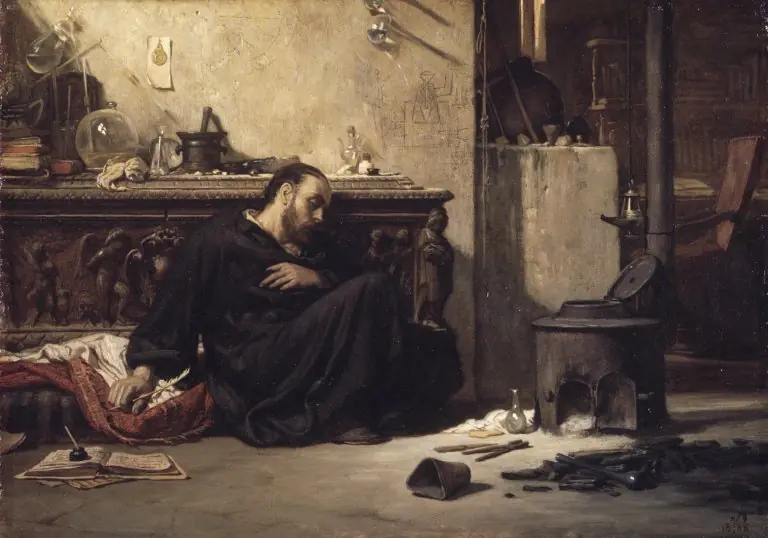
Study for The Dead Alchemist
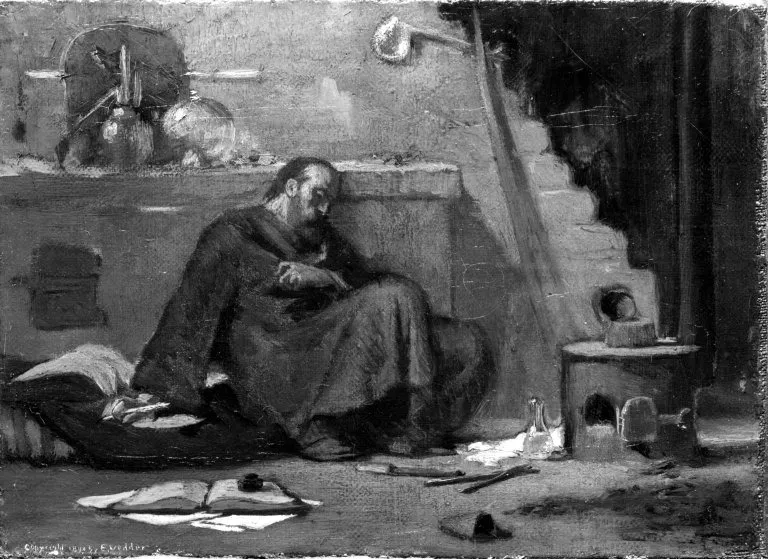
Study for The Dead Alchemist is an unspecified painting by the American Impressionist artist Elihu Vedder. It dates from 1866 and is held in the collection of the Brooklyn Museum.
About this work
Overview
Created in 1866 by American artist Elihu Vedder, this oil study is a preparatory work for a larger symbolic composition.
Created in 1866 by American artist Elihu Vedder, this oil study is a preparatory work for a larger symbolic composition. Though often associated with the broader currents of 19th-century American art, it predates and diverges from Impressionism, instead aligning with the introspective, allegorical tendencies of Symbolism. The piece reflects Vedder’s engagement with esoteric themes and his background in literary illustration.
Subject & Meaning
The painting portrays a robed figure seated alone in a shadowed chamber, head bowed as if in contemplation or exhaustion. Surrounding him are scattered alchemical tools, manuscripts, and vessels—objects linked to the pursuit of hidden knowledge. The figure’s stillness suggests not sleep but the aftermath of failed endeavor, evoking themes of intellectual solitude and the futility of seeking transcendence through material means.
Technique & Style
Vedder employs chiaroscuro to model form and deepen the atmosphere, using narrow bands of light to isolate the figure and key objects against a near-black background. Brushwork is controlled but not polished, favoring atmospheric effect over detail. The muted palette—dominated by browns, grays, and deep greens—reinforces the painting’s somber tone, while the composition’s tight focus amplifies its psychological weight.
History & Provenance
The study was completed during Vedder’s early career, shortly after his return from Europe, where he absorbed Renaissance and Romantic influences. It remained in the artist’s possession until donated to the Brooklyn Museum in the 20th century. Its status as a study, rather than a finished work, underscores its role in Vedder’s process of developing symbolic narratives for larger projects.
Context
In the mid-1860s, American artists increasingly turned to allegory and mysticism as alternatives to prevailing realism. Vedder, influenced by European Symbolists and occult literature, sought to express inner states through visual metaphor. This work emerged amid a broader cultural fascination with alchemy and spiritual inquiry, reflecting a quiet rebellion against industrial-era materialism.
Legacy
Though less known than his later illustrations, this study reveals Vedder’s early commitment to symbolic depth over narrative clarity. It anticipates his mature works and contributes to a lesser-known strand of American art that prioritized psychological and metaphysical themes. The painting remains a quiet testament to the artist’s pursuit of meaning beyond the visible world.
Artist & collection

Artist
Elihu Vedder (26 February 1836 – 29 January 1923) was an American symbolist painter, book illustrator and poet from New York City.

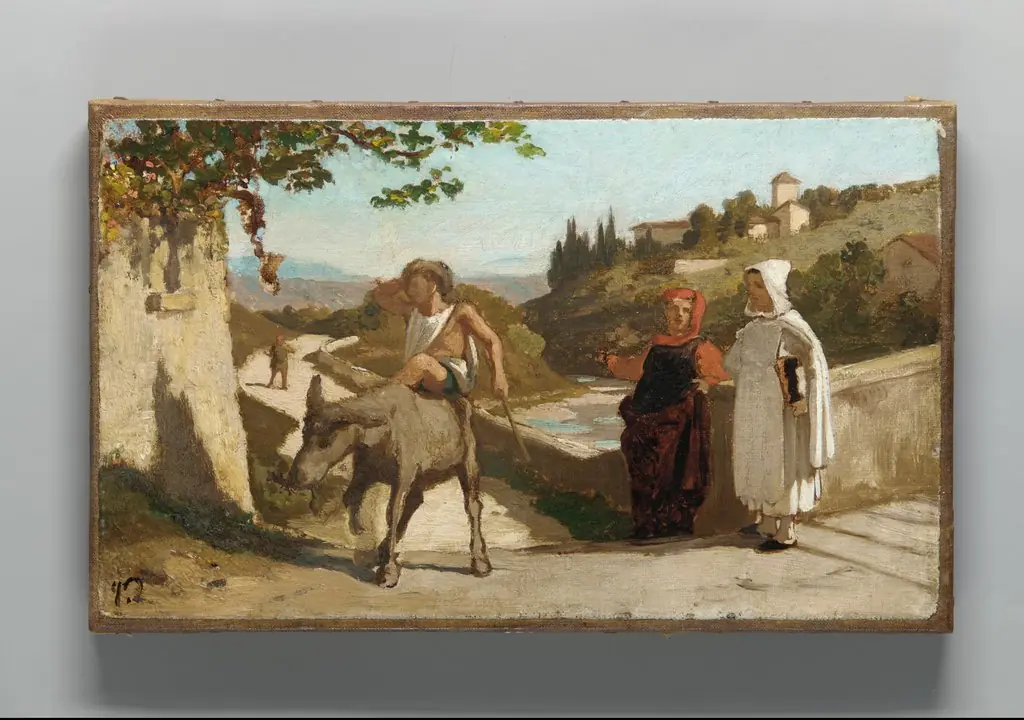 The Fable of the Miller, His Son, and the Donkey
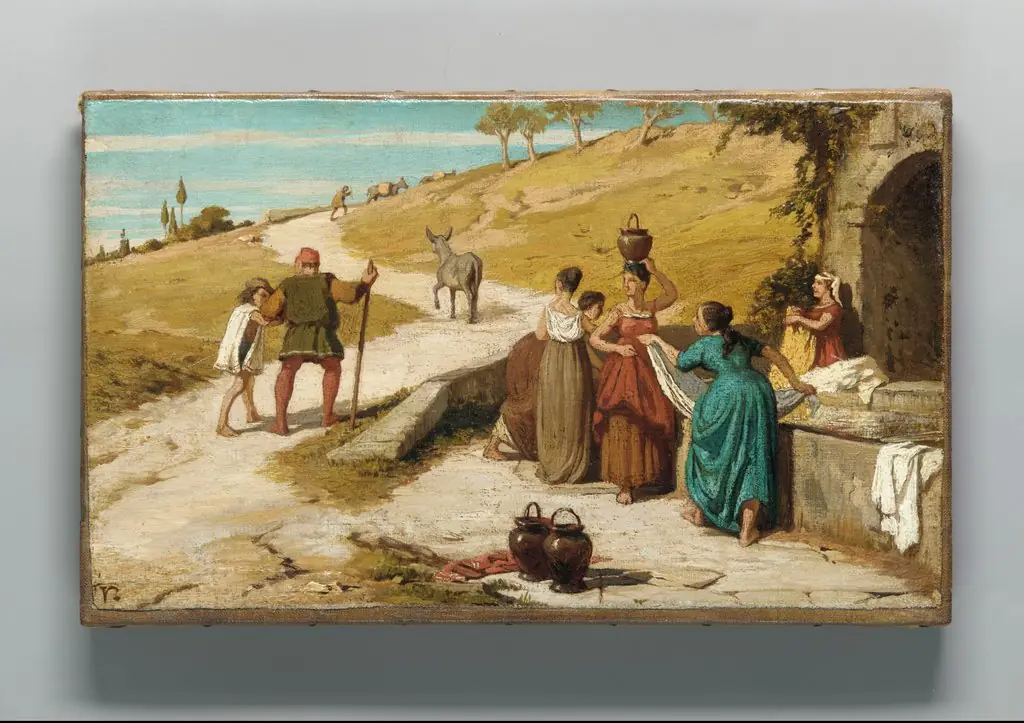 The Fable of the Miller, His Son, and the Donkey
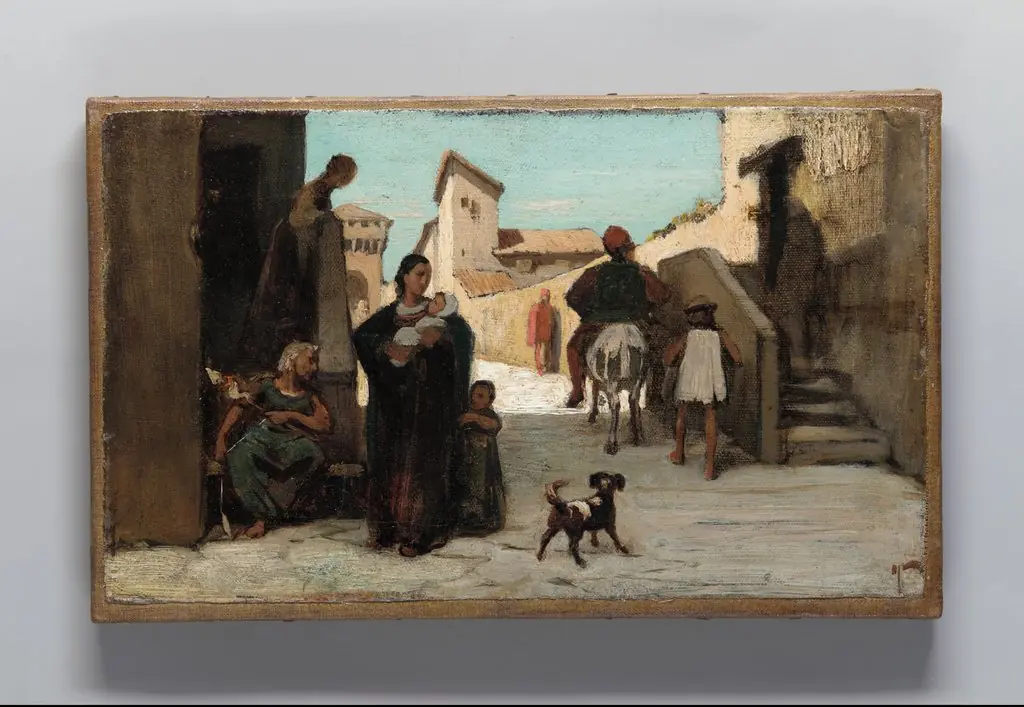 The Fable of the Miller, His Son, and the Donkey
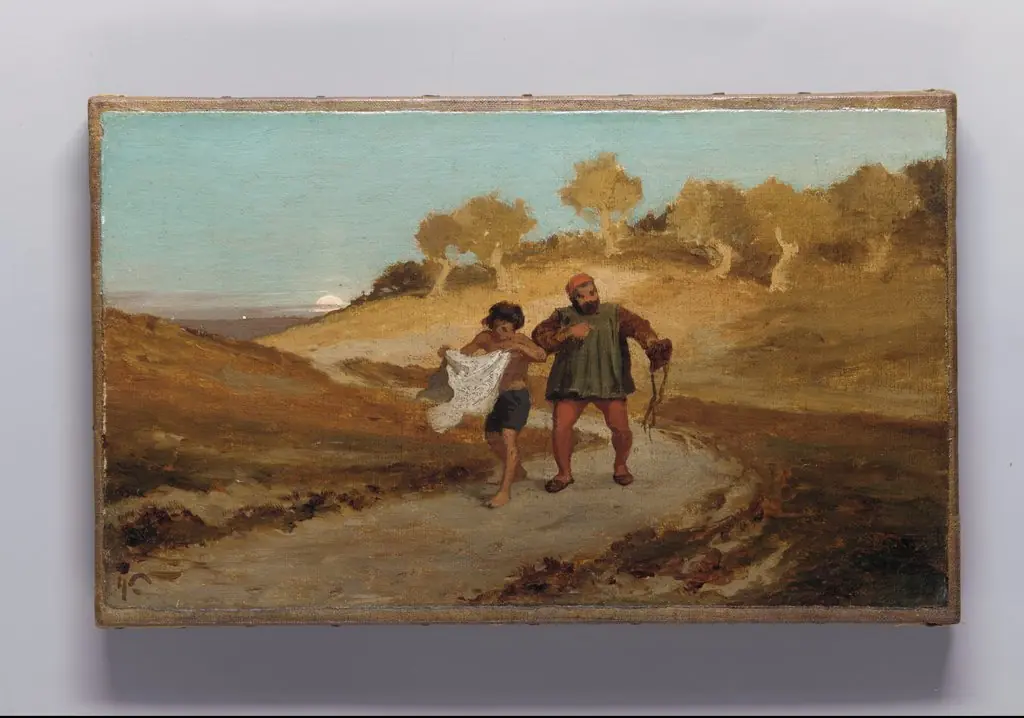 The Fable of the Miller, His Son, and the Donkey
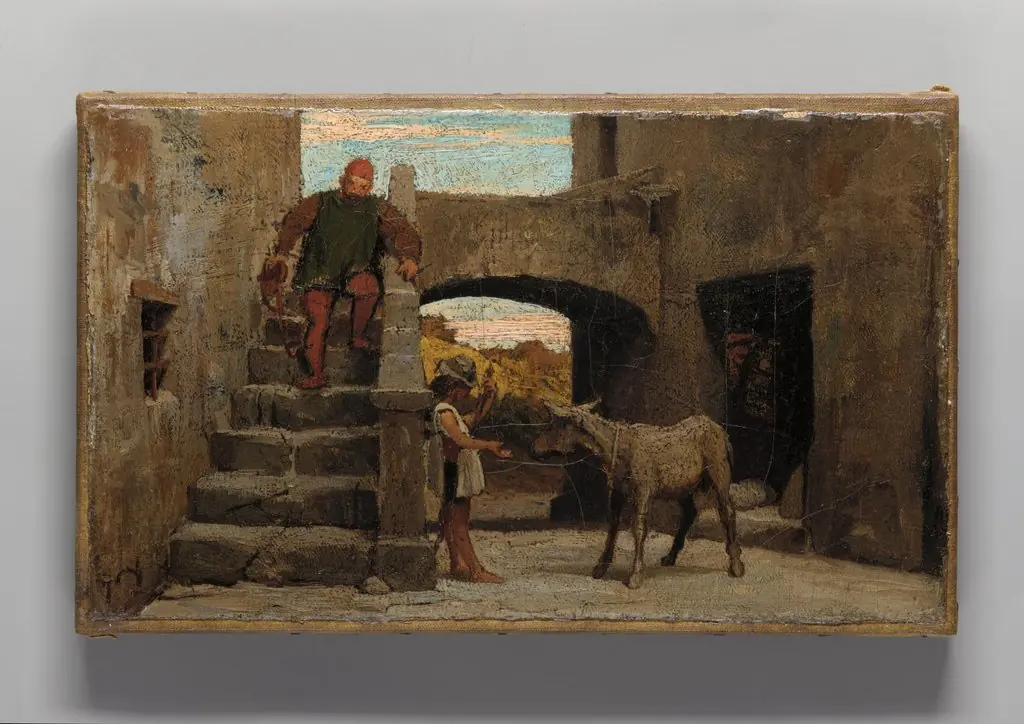 The Fable of the Miller, His Son, and the Donkey
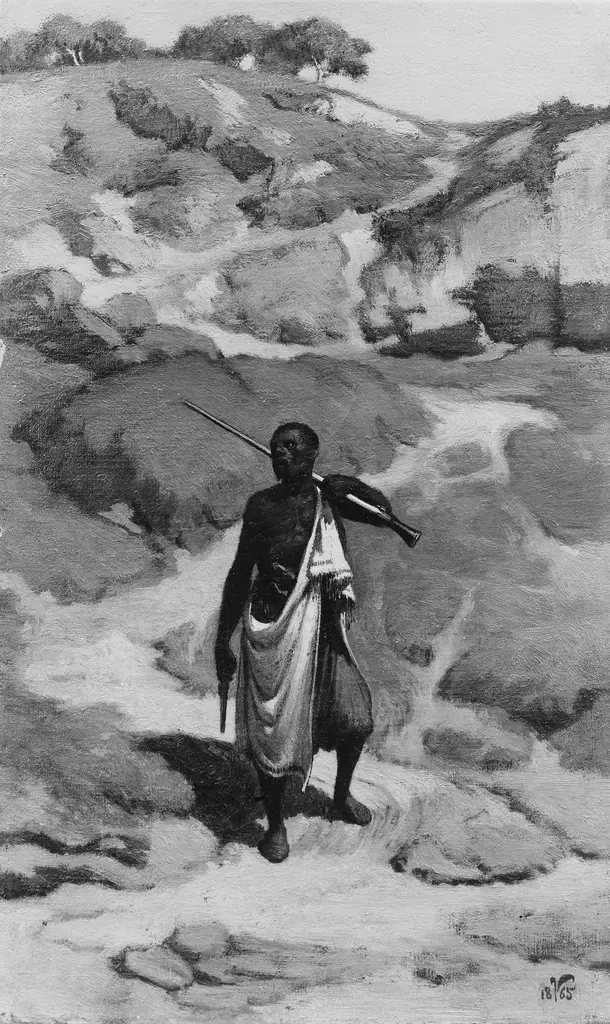 The African Sentinel
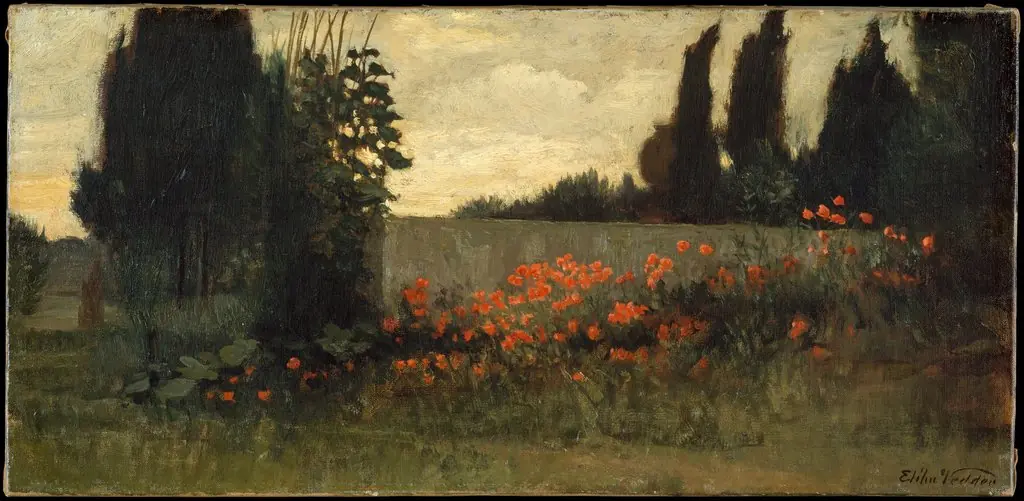 Cypress and Poppies
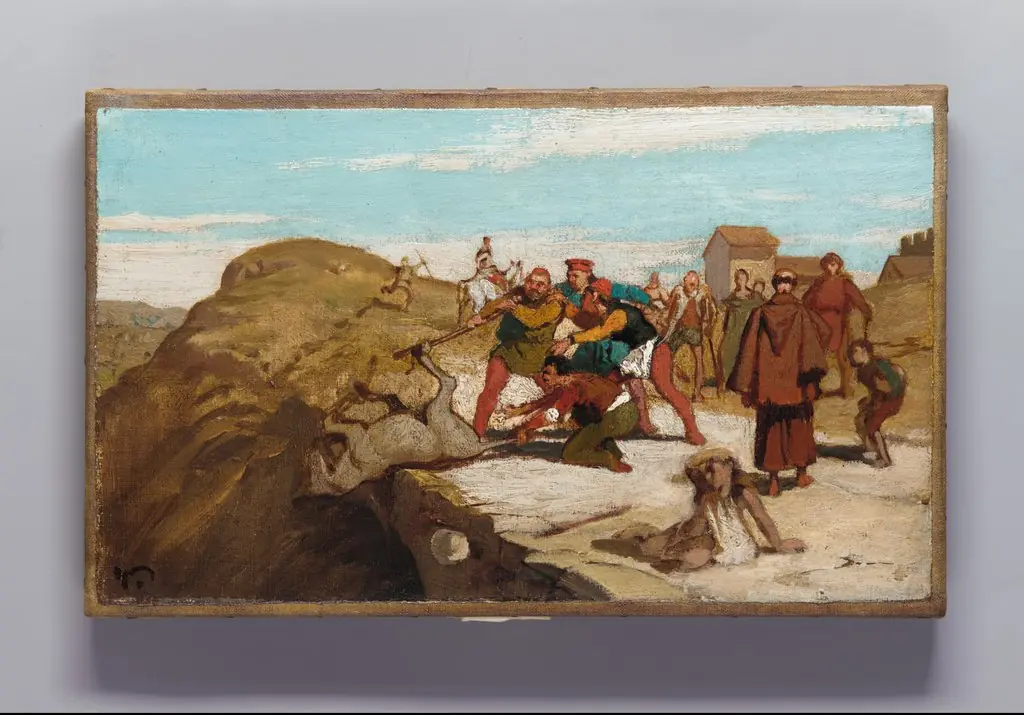 The Fable of the Miller, His Son, and the Donkey
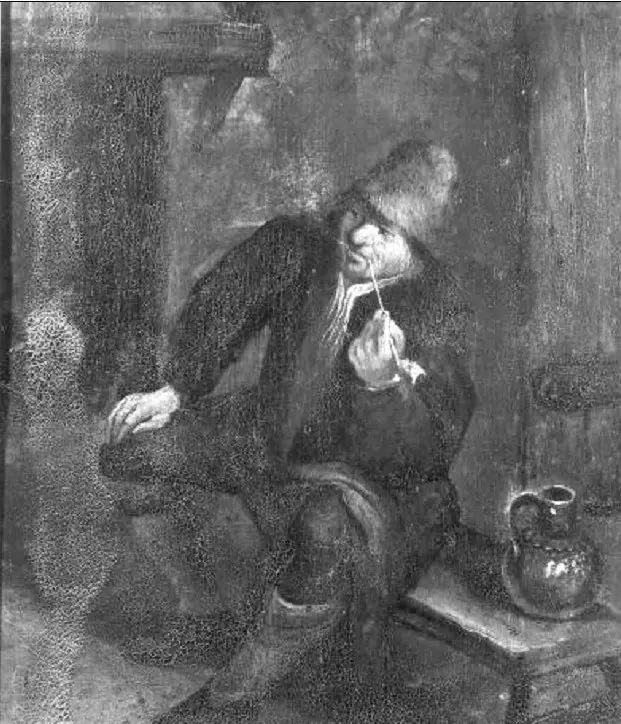 De Pijproker
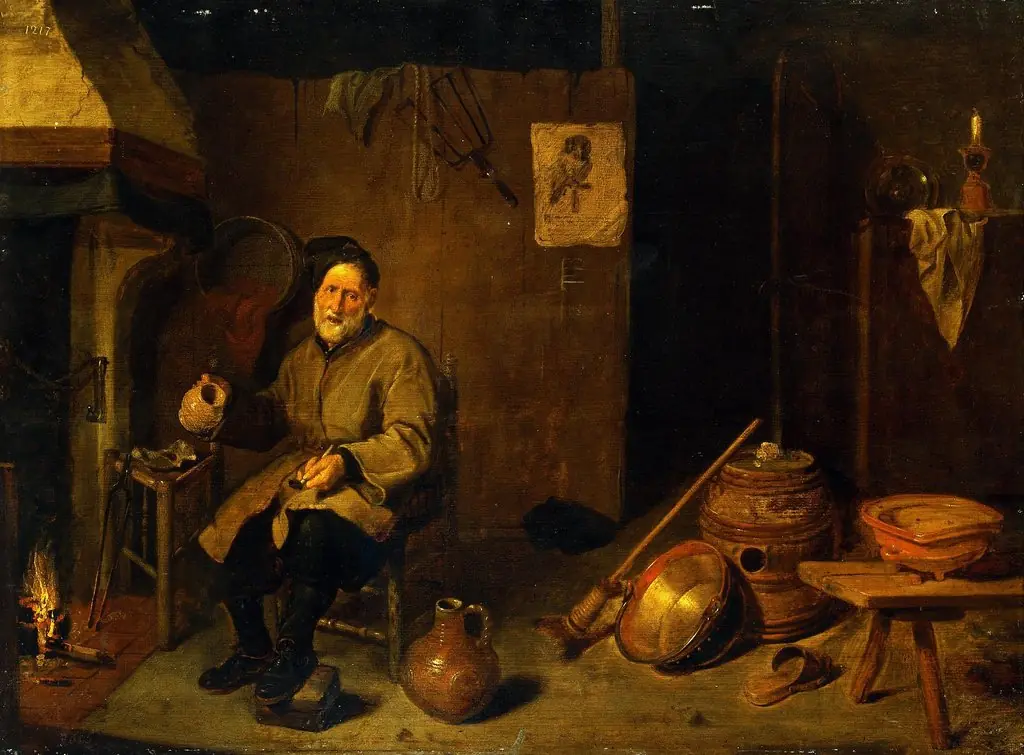 Peasant Holding an Empty Mug
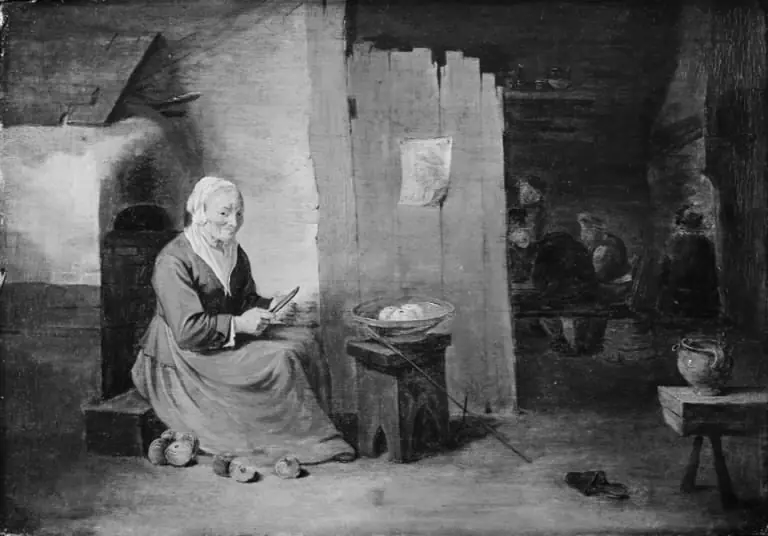 Interior of a Peasant's Cottage with an Old Woman Peeling Apples
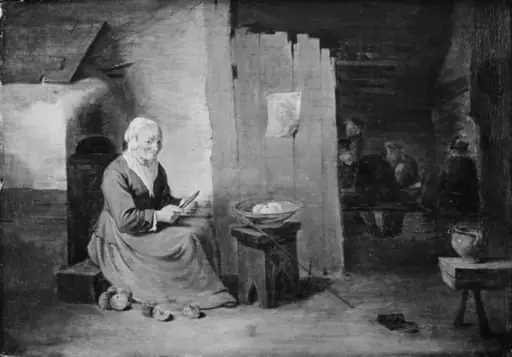 Interior of a Peasant's Cottage with an Old Woman Peeling Apples
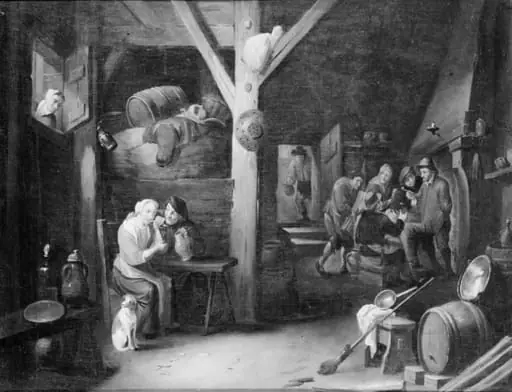 Dutch Farm Cottage
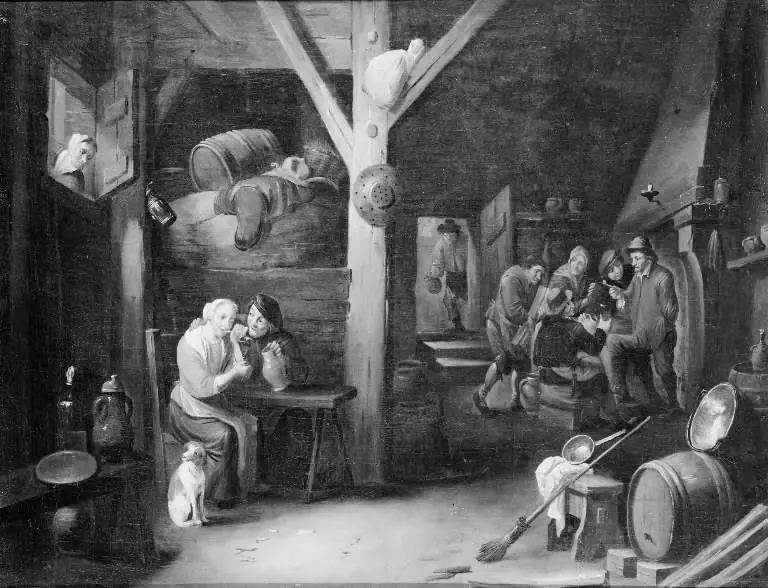 Dutch Farm Cottage
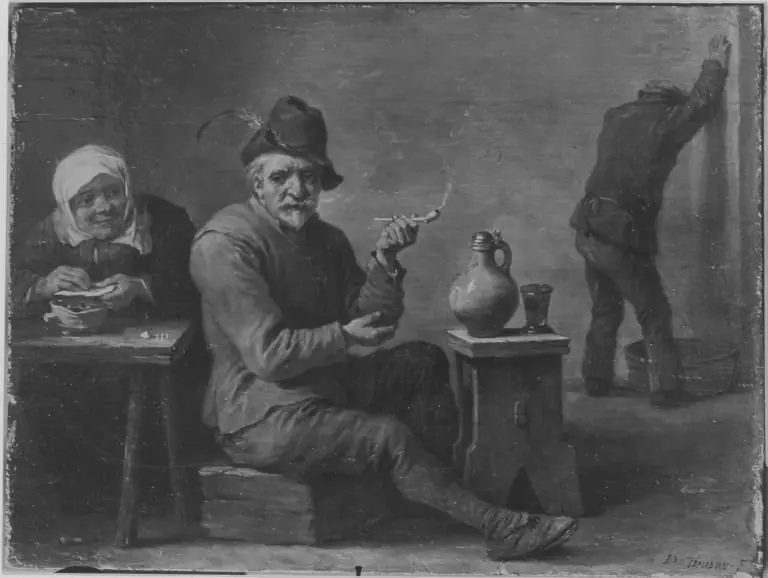 Zwei Bauern und ein altes Weib in der Schenke
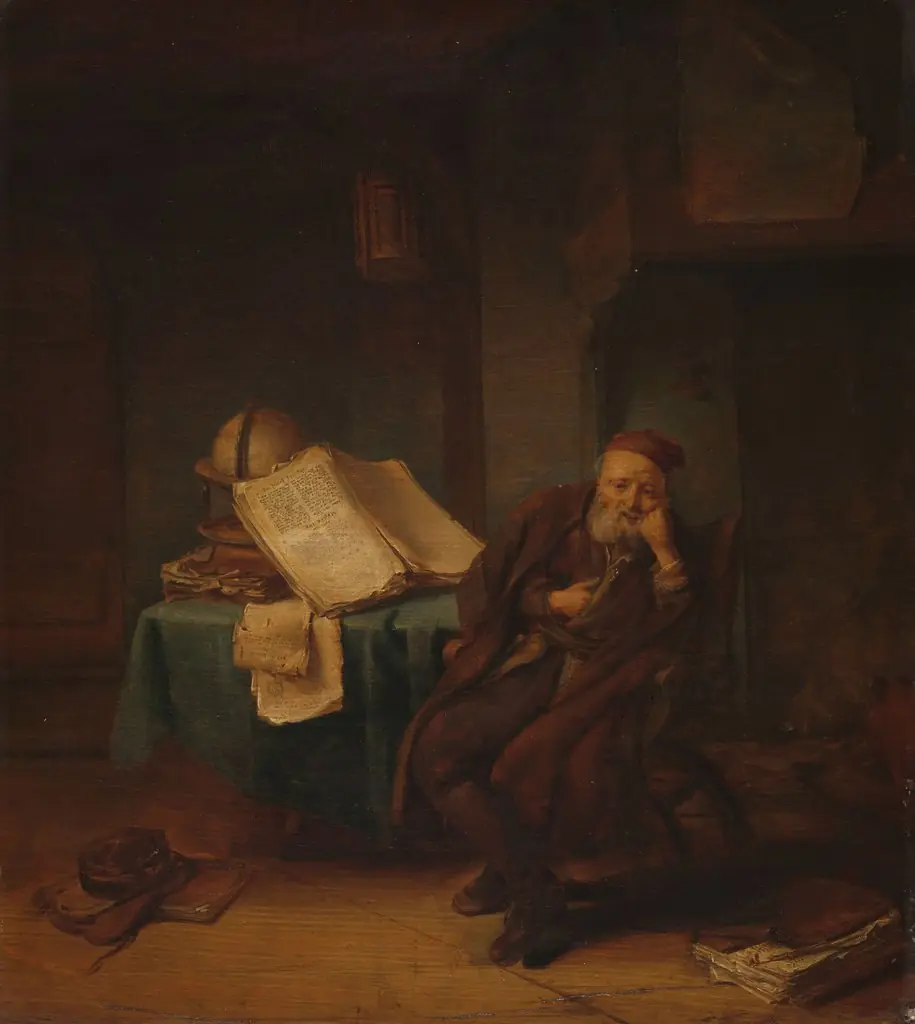 Philosopher in his Study
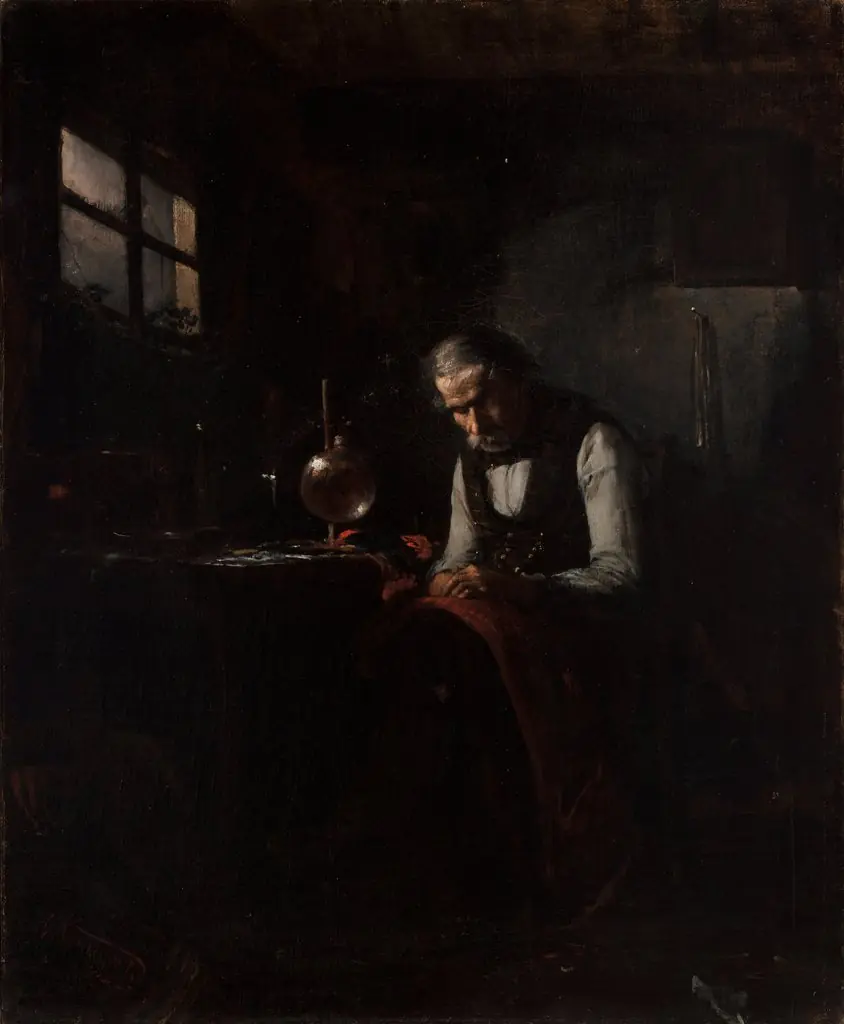 Tailor
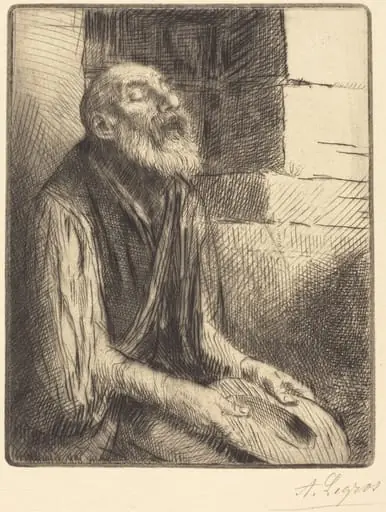 Seated Beggar (Mendiant assis)
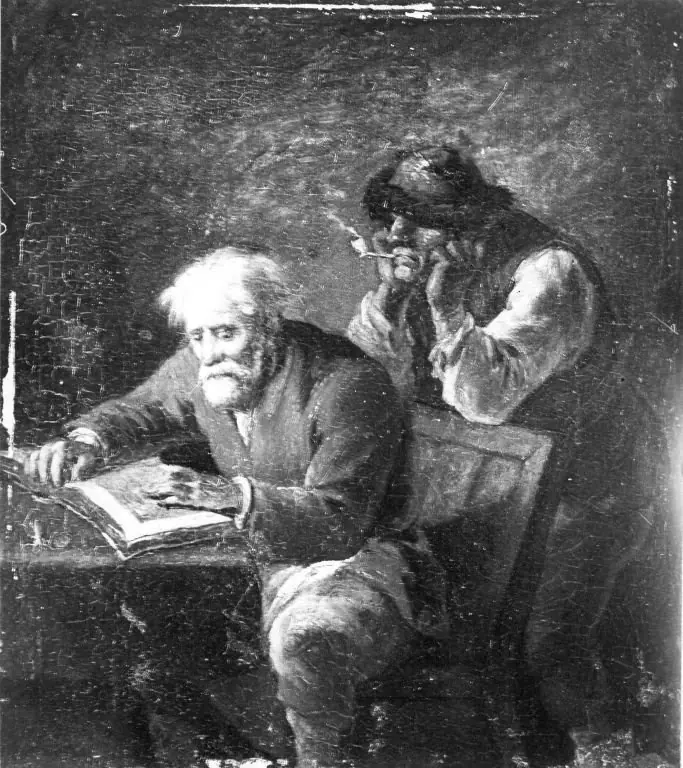 Bauerngenre
 The Dead Alchemist