Artwork
Weetangera, Canberra
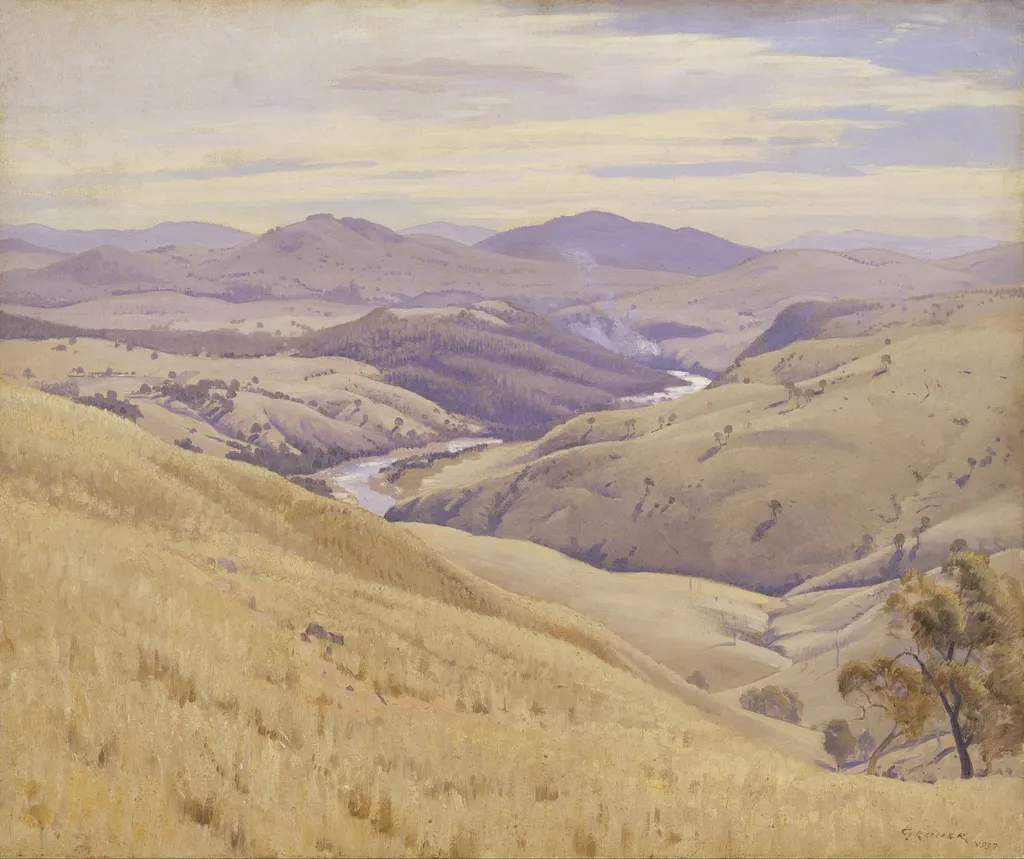
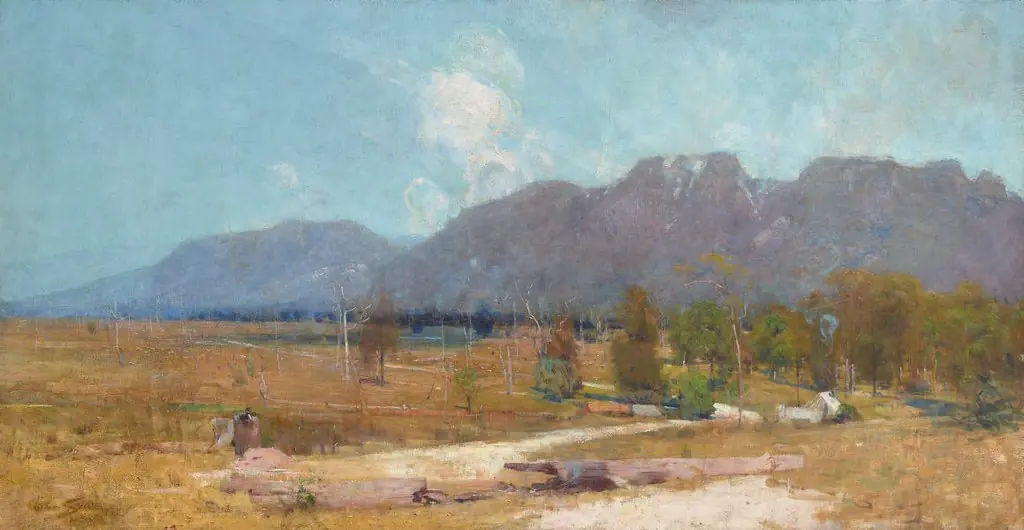
Weetangera, Canberra is an oil painting by the Impressionist artist Elioth Gruner. It dates from 1937 and is held in the collection of the Art Gallery of New South Wales.
About this work
Overview
The work reflects his sustained engagement with Australian landscape painting, particularly through direct outdoor observation.
Elioth Gruner completed *Weetangera, Canberra* in 1937 using oil paint on canvas. The work reflects his sustained engagement with Australian landscape painting, particularly through direct outdoor observation. Gruner’s approach aligned with the plein air practices of earlier Australian impressionists, emphasizing natural light and atmospheric conditions over idealized composition. The painting is held in the collection of the Art Gallery of New South Wales.
Subject & Meaning
The painting portrays a quiet valley near Canberra, with undulating hills, a narrow watercourse, and distant mountain ranges. The golden grasses of the foreground contrast with the muted greens and browns of the vegetation on the slopes. The soft haze over the peaks suggests early morning or late afternoon light, reinforcing a mood of stillness. There is no human presence, allowing the land itself to convey a sense of quiet endurance.
Technique & Style
Gruner employed loose, textured brushwork to capture the play of light across the terrain. His palette favors earth tones with subtle shifts in hue to suggest depth and atmosphere. Rather than sharp outlines, he used tonal gradations to define forms, particularly in the distant hills. The technique prioritizes optical realism over detail, echoing the influence of French and Australian impressionist traditions.
History & Provenance
Painted during Gruner’s mature period, *Weetangera, Canberra* was created after he had already won the Wynne Prize seven times for landscape painting. It entered the Art Gallery of New South Wales’ collection shortly after its completion, likely through direct acquisition. The work has remained in public ownership since, without significant changes in custody or exhibition history.
Context
In the 1930s, Australian artists increasingly turned to local landscapes as subjects of national identity, moving away from European models. Gruner’s focus on the Canberra region reflected a growing interest in the newly planned capital. His work contributed to a broader cultural project of defining Australian scenery through careful, light-sensitive observation rather than romanticized imagery.
Legacy
Gruner’s commitment to plein air painting and his sensitivity to Australian light influenced later generations of landscape artists. While not part of the Heidelberg School, his work is often discussed in relation to its precedents. *Weetangera, Canberra* remains a representative example of mid-20th century Australian realism, valued for its quiet authenticity rather than dramatic effect.
Own this work as a print
Artist & collection
Artist
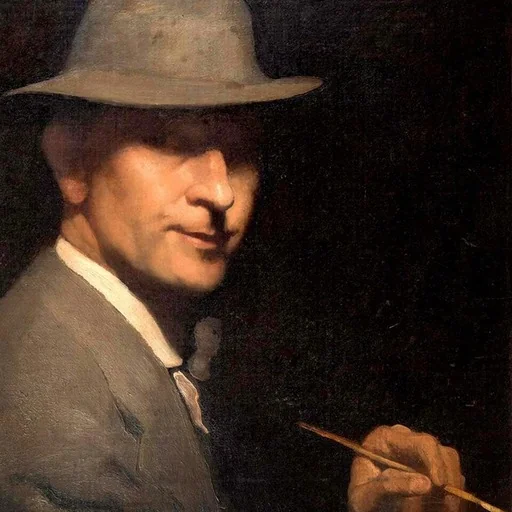
Elioth Lauritz Leganyer Gruner (16 December 1882 – 17 October 1939) was an Australian artist.

 Near Braemar, Aberdeenshire
 'Still glides the stream, and shall for ever ...
 Federal Capital Site
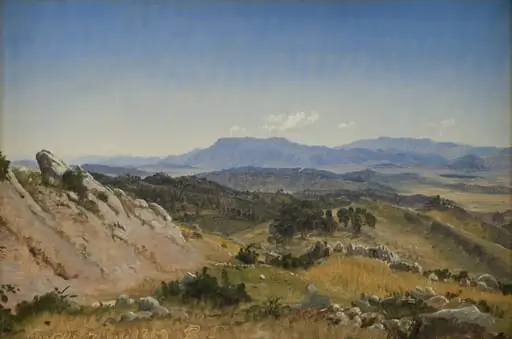 Rocky Hills near Civitella
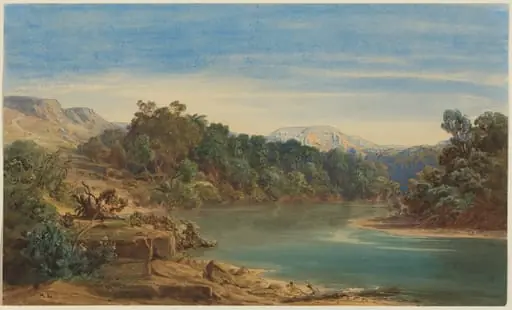 Along the Jordan River (recto)
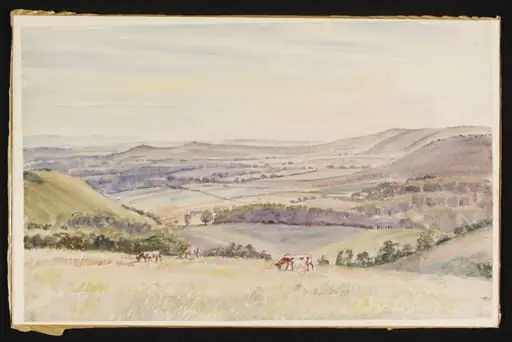 View over Pewsey Vale from Martinsell
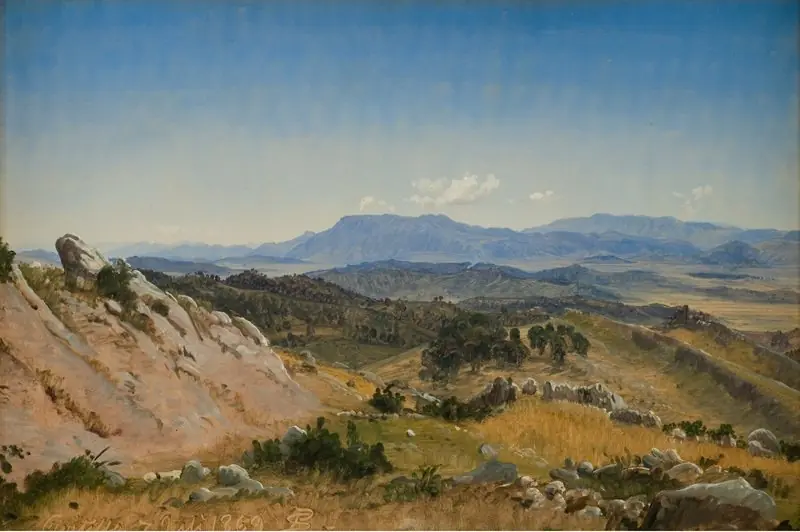 Rocky Hills near Civitella
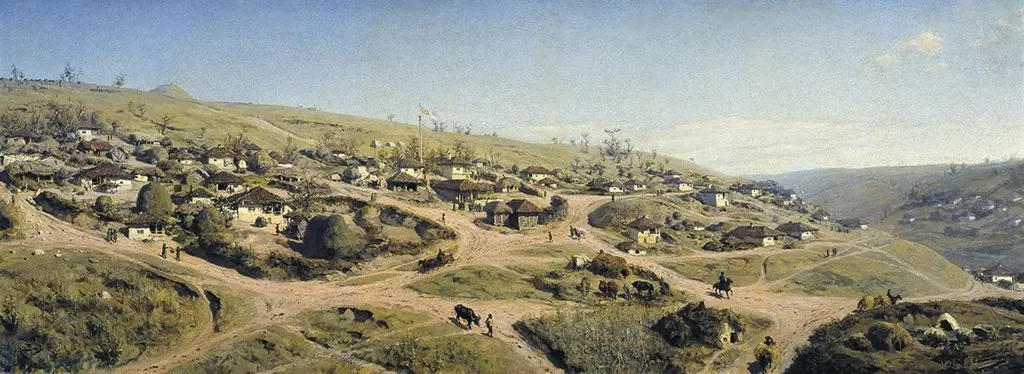 Brestovets
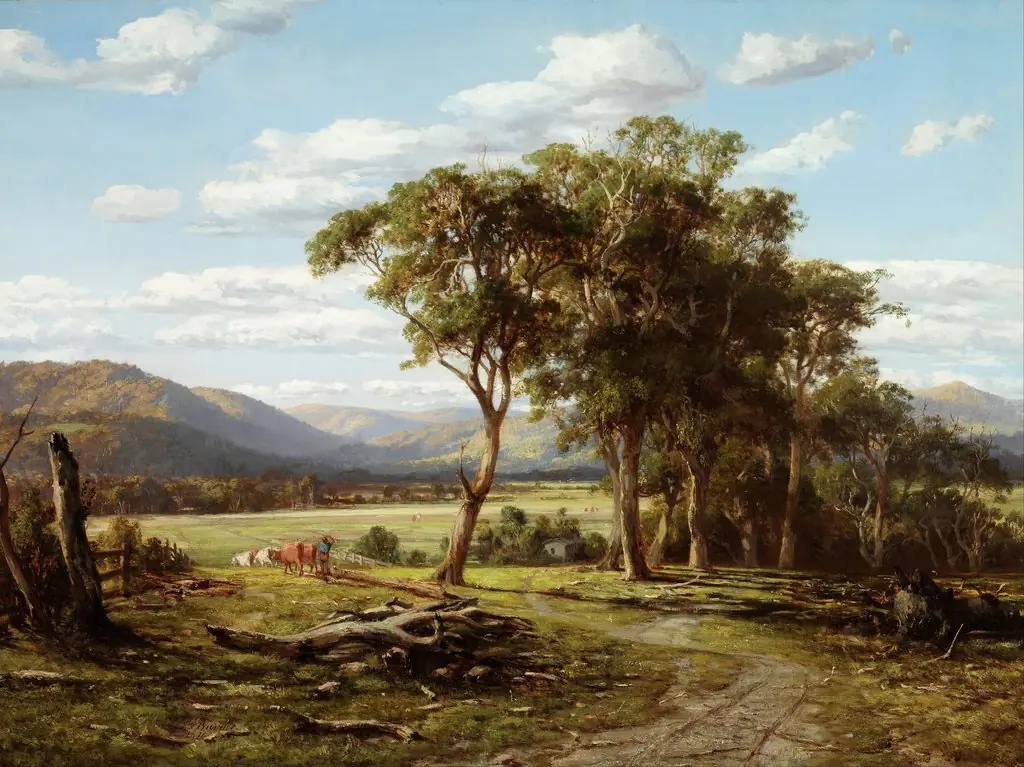 At Lilydale
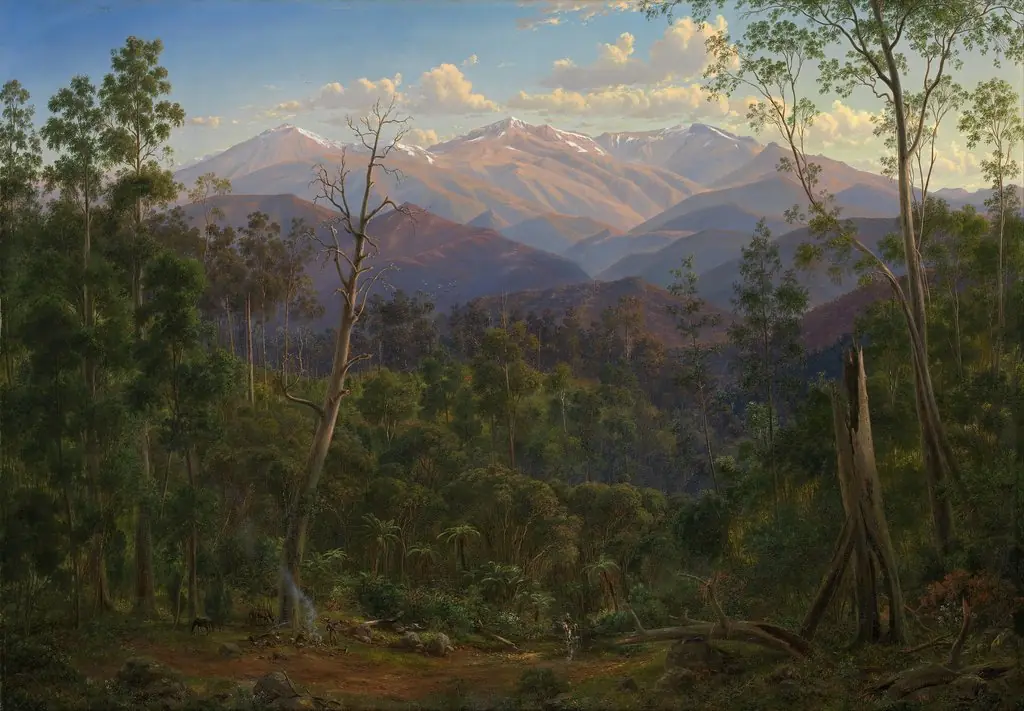 Mount Kosciusko, seen from the Victorian border (Mount Hope Ranges)
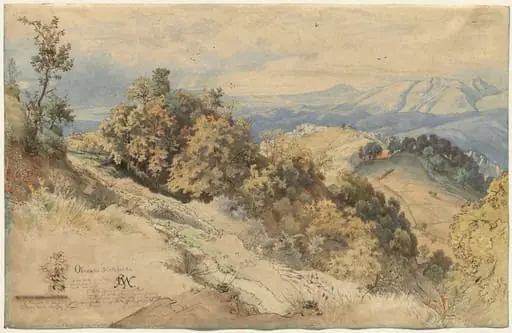 Sun and Rain in the Serpentara near Olevano
 The Gloucester Buckets