Artwork
Het doktersbezoek
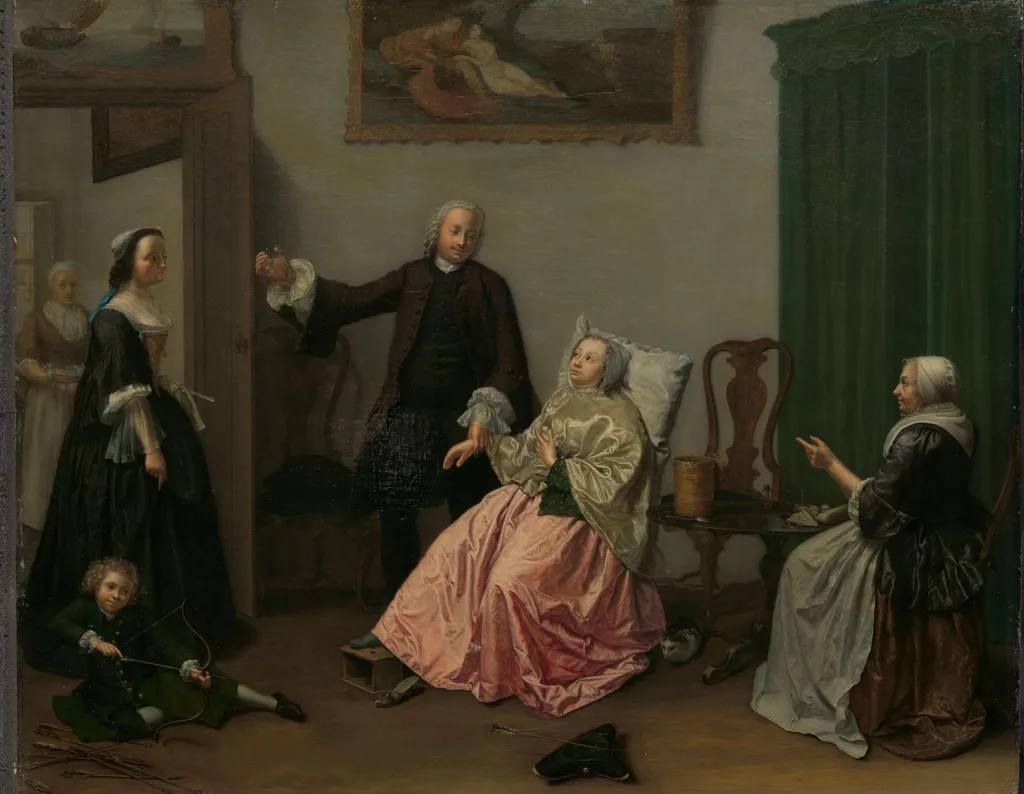
Het doktersbezoek is an unspecified painting by the Rococo painting artist Elisabeth Geertruida Wassenbergh. It dates from 1755 and is held in the collection of the Rijksmuseum.
About this work
Overview
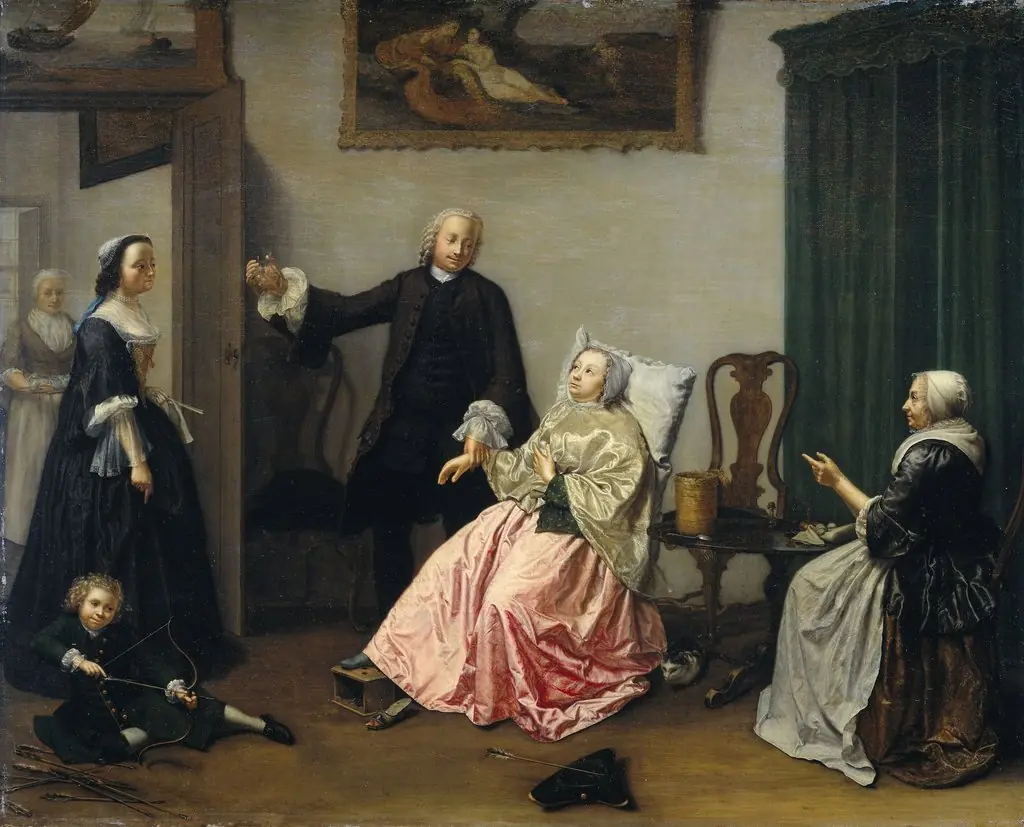
This 18th-century Dutch painting depicts a domestic medical consultation, where a physician examines a young woman while her mother observes closely. In the corner, a child plays with a miniature bow and arrow, subtly revealing the true cause of her condition. The scene blends realism with gentle satire, transforming a conventional medical moment into a quiet commentary on emotional affliction.
Subject & Meaning
The painting portrays lovesickness as the unseen illness, symbolized by the boy’s toy arrow—a reference to Cupid. While the doctor and mother interpret the symptoms physically, the viewer recognizes the emotional origin. The child’s innocent play exposes the absurdity of treating romantic longing as a medical condition, turning societal norms into a subtle jest without overt mockery.
Technique & Style
Elisabeth Geertruida Wassenbergh renders the scene with precise detail: the doctor’s focused hands, the mother’s furrowed brow, and the boy’s casual posture are rendered with quiet realism. The lighting is soft, emphasizing textures of fabric and skin. Her brushwork avoids theatricality, grounding the symbolic element in a believable domestic setting, reinforcing the painting’s understated wit.
History & Provenance
Painted by Wassenbergh, a Dutch artist from Groningen, the work reflects her departure from her father’s portrait-focused practice. She instead pursued genre scenes, a less common path for women artists of her time. The painting’s early ownership is undocumented, but it entered public collections in the 19th century, where it was recognized for its narrative subtlety and technical refinement.
Context
In 18th-century Dutch art, lovesickness was a recurring theme, often depicted with moral or humorous intent. Wassenbergh’s approach aligns with the broader genre tradition of domestic scenes but distinguishes itself through its quiet irony. Unlike overt moralizing works, this painting invites the viewer to participate in the revelation, making the joke accessible without didacticism.
Legacy
Wassenbergh’s work remains a rare example of a female artist’s contribution to Dutch genre painting. Her ability to embed layered meaning within everyday moments influenced later observers of domestic life. Though not widely known during her lifetime, her paintings are now studied for their nuanced storytelling and quiet subversion of artistic norms.
Own this work as a print
Artist & collection
Artist
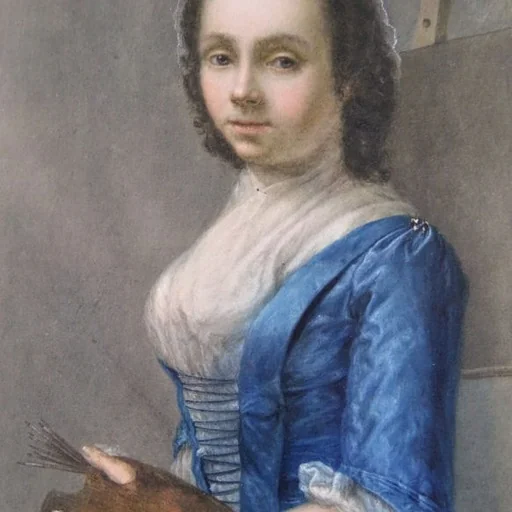
Elisabeth Geertruida Wassenbergh
Elisabeth Geertruida Wassenbergh (1729–1781) was an artist, born in Groningen.

 Doctor's Visit
 Portrait of the Family Hinlopen
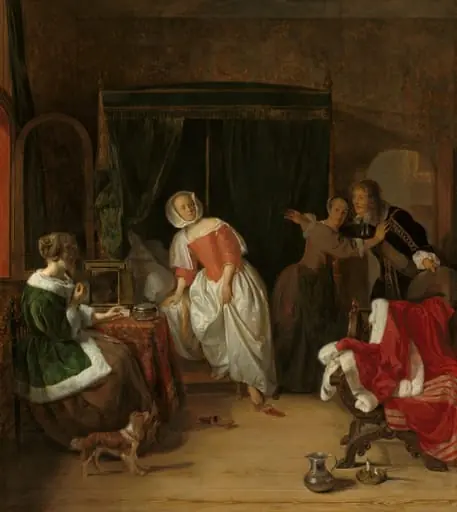 The Intruder
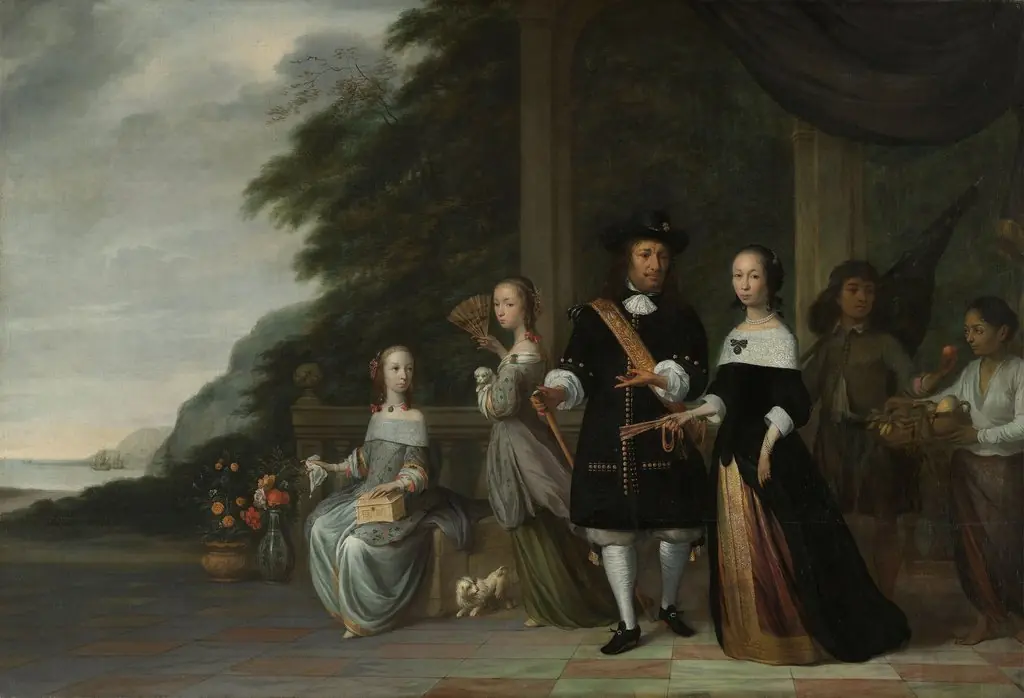 Pieter Cnoll, Cornelia van Nijenrode, their Daughters and Two Enslaved Servants
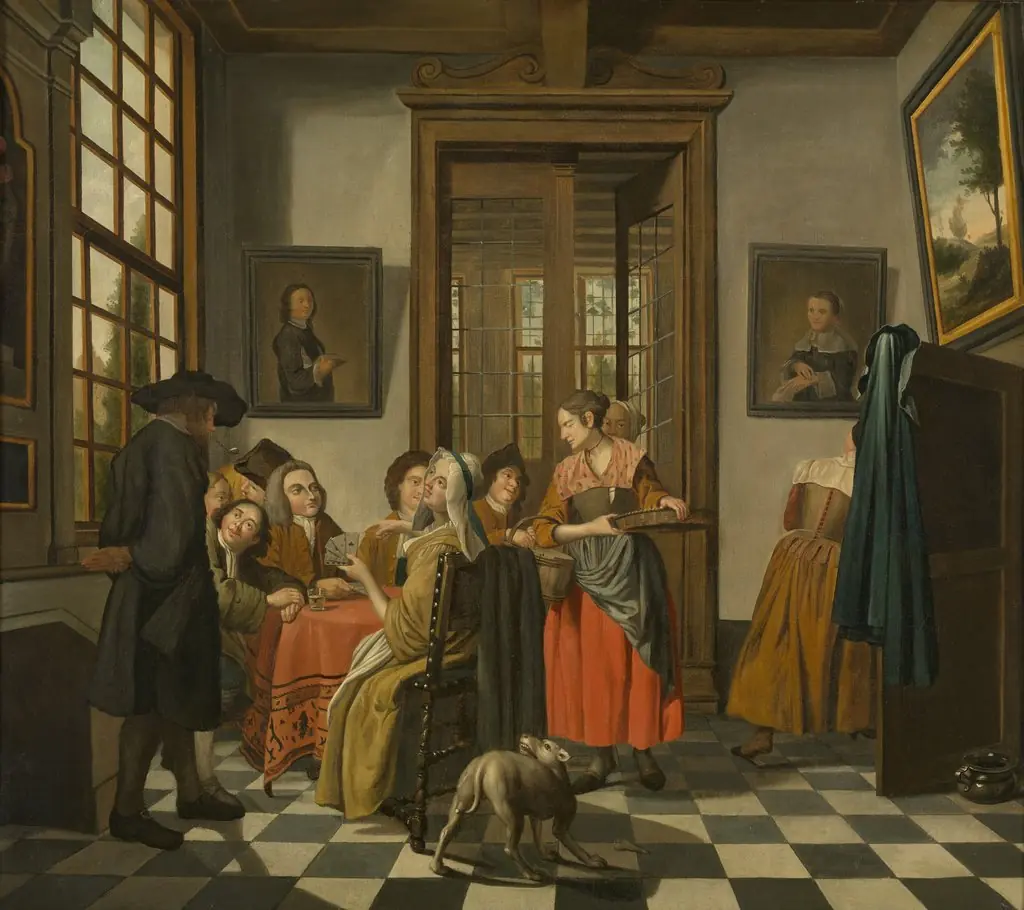 Card Game
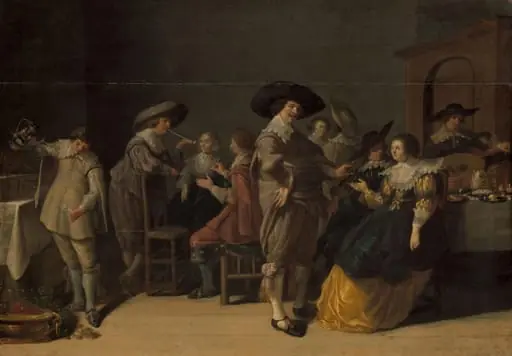 Distinguished Company in a Room
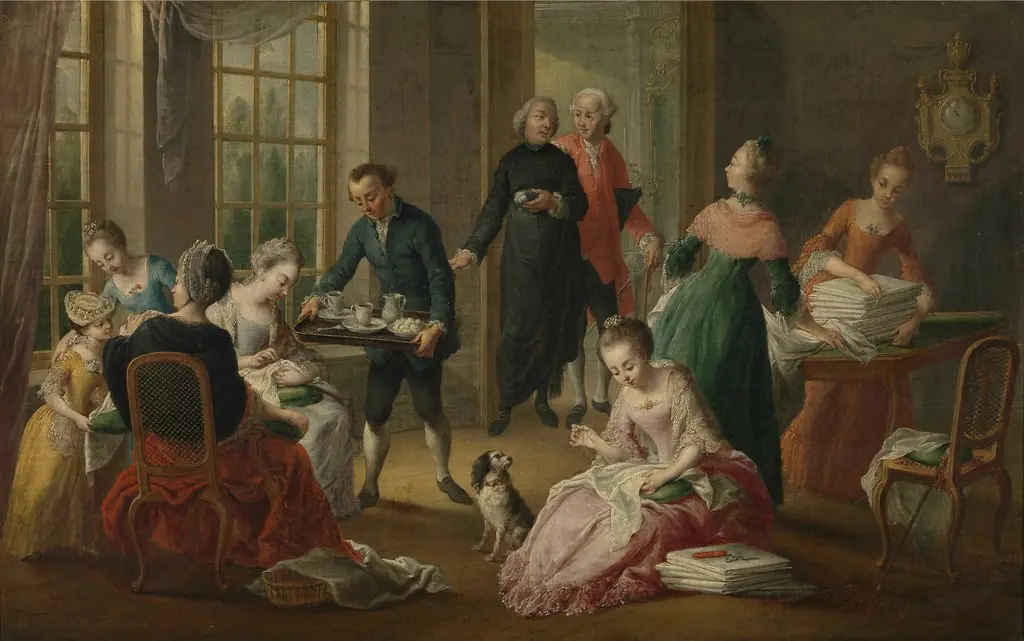 Afternoon Tea
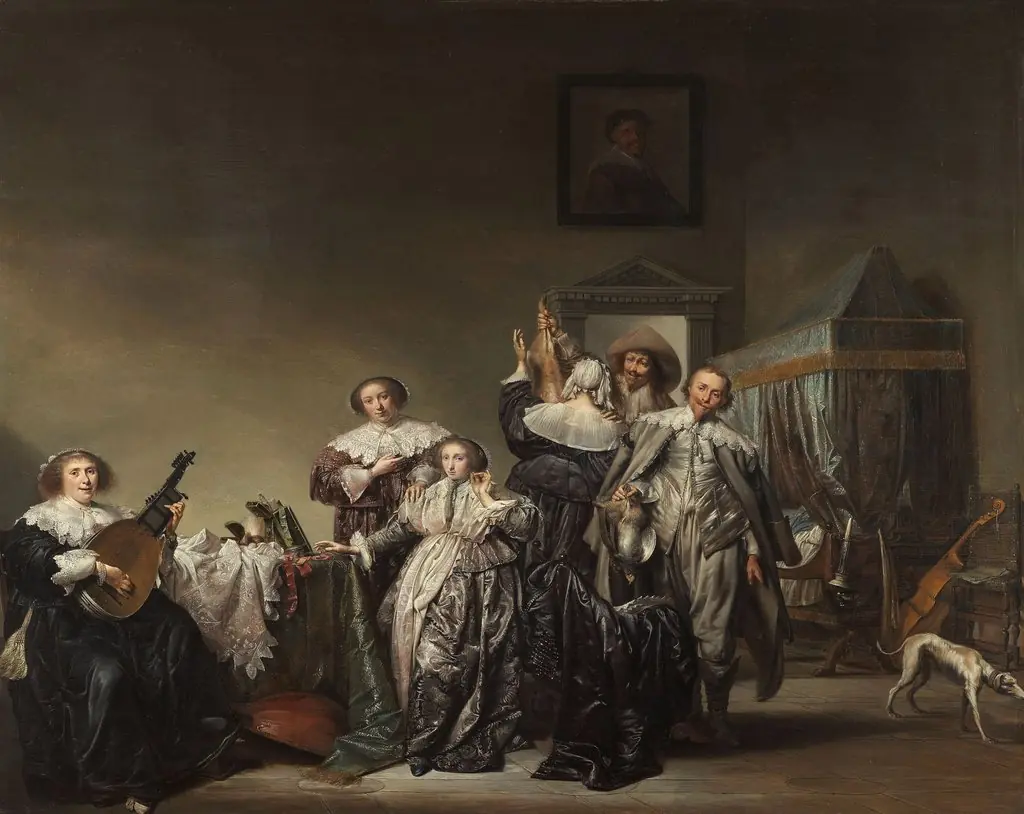 Gallant Company
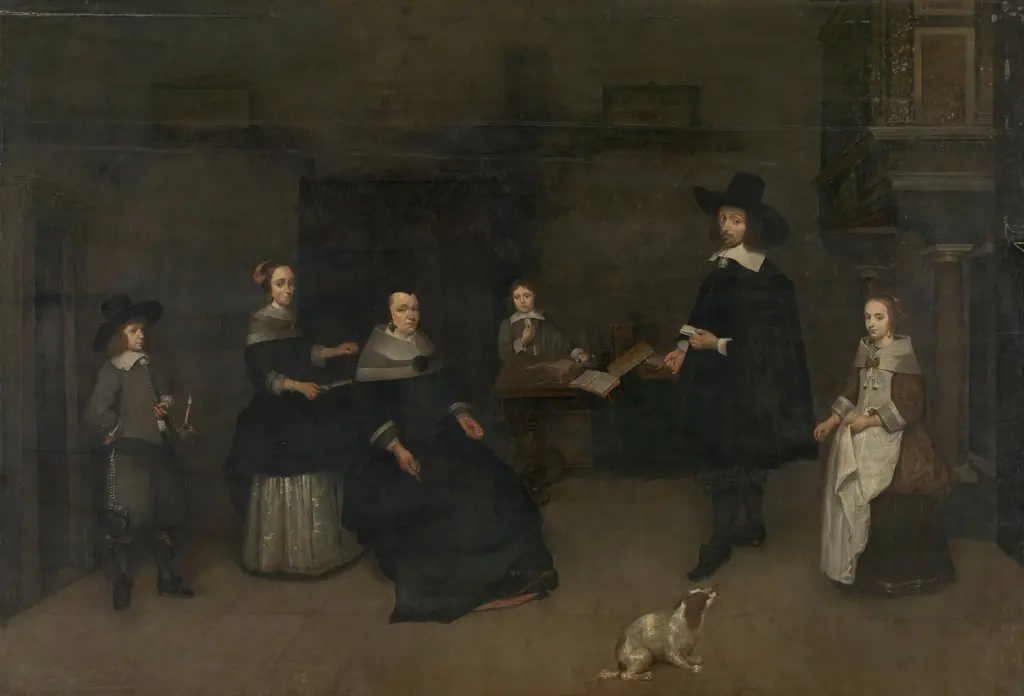 Family scene
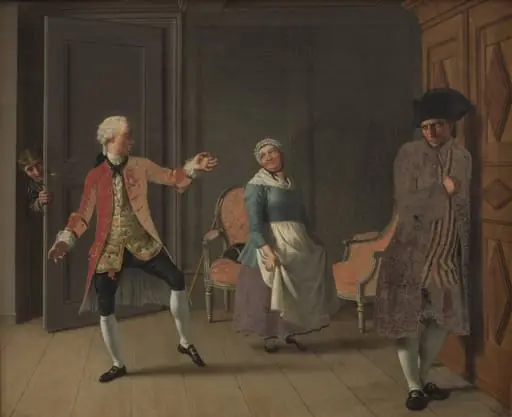 From Ludvig Holberg's "Jean de France", Act 1, Scene 6
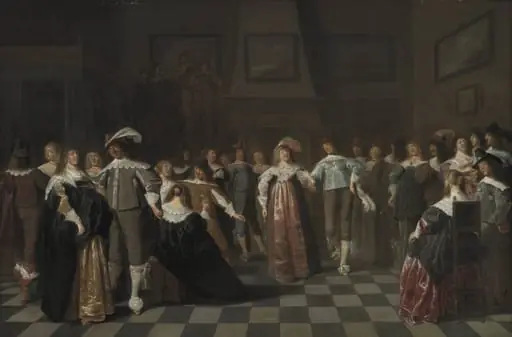 A Ball
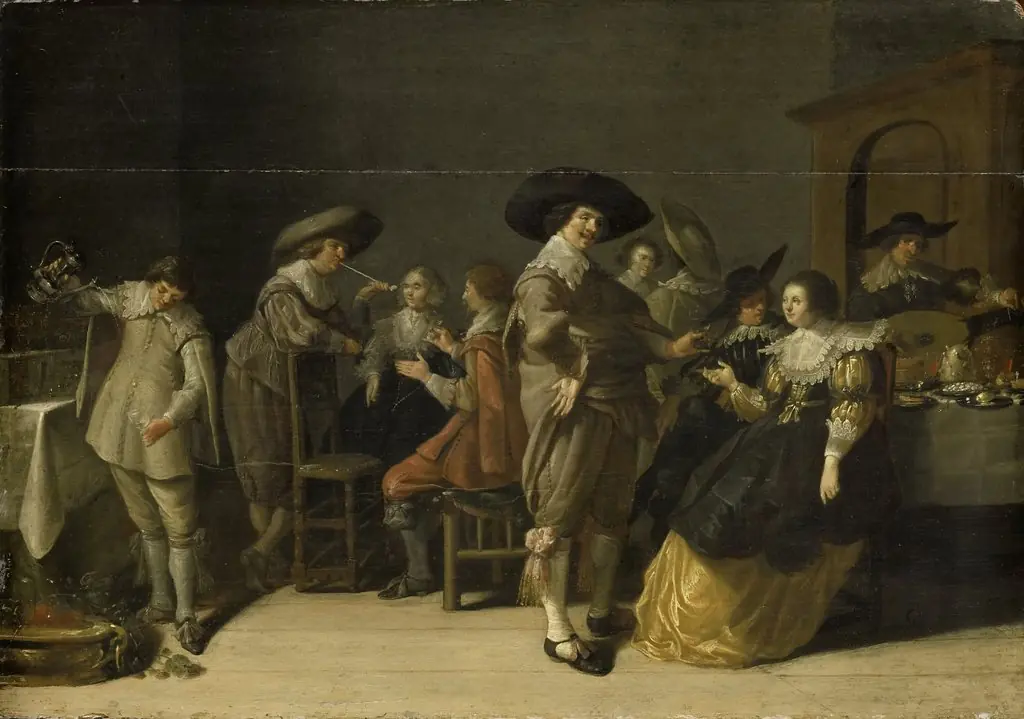 Distinguished company in a room