Artwork
Guy Little Theatrical Photograph
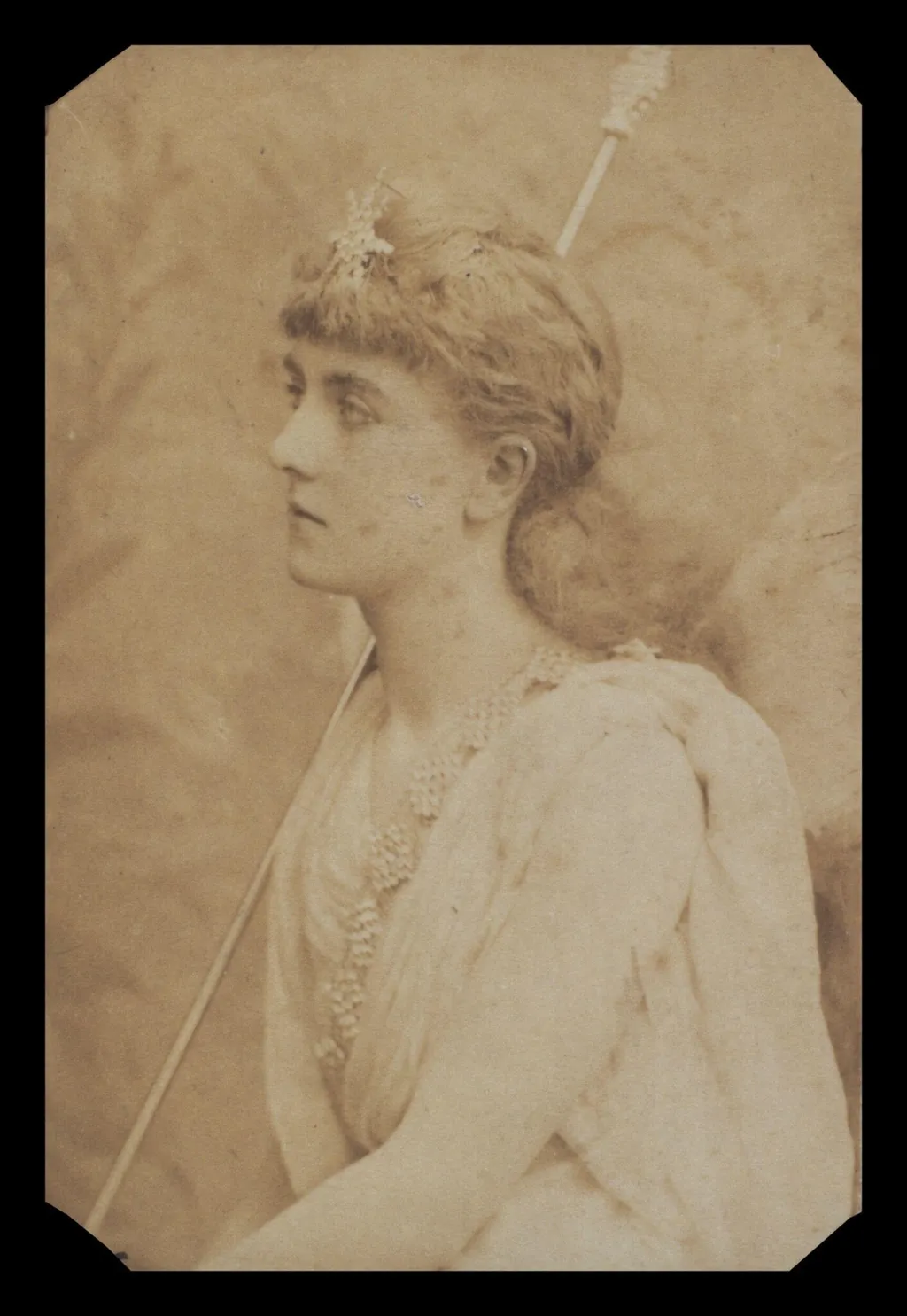
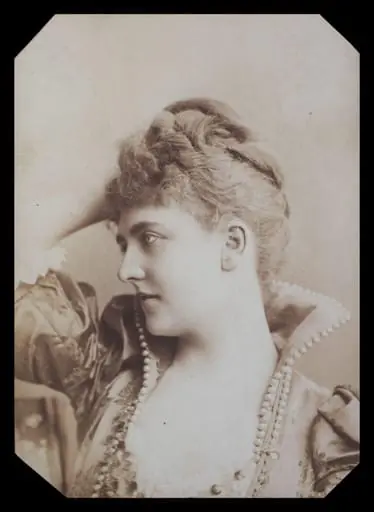
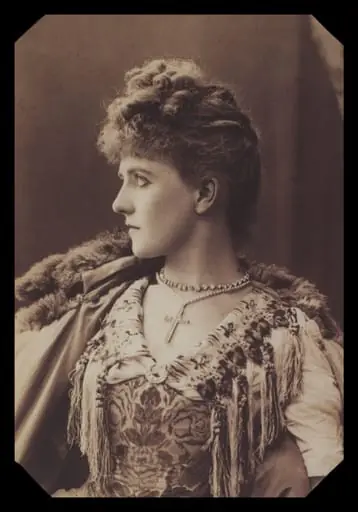
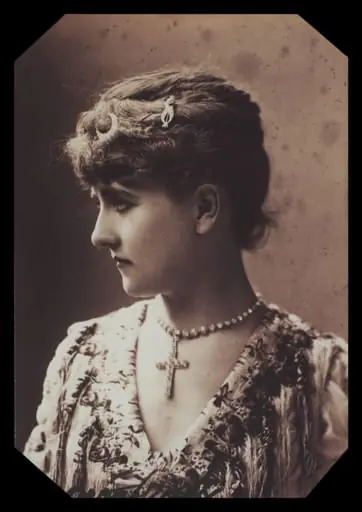
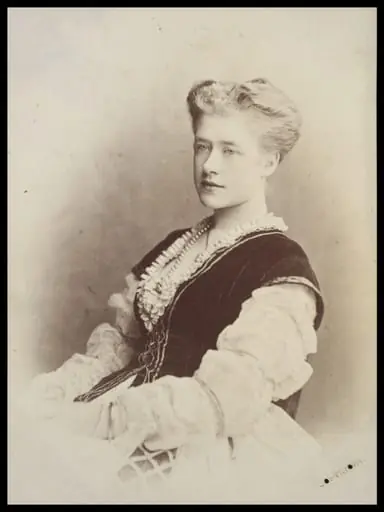
Guy Little Theatrical Photograph is a photographic photography by the Impressionist artist Elliott & Fry. It dates from 1882 and is held in the collection of the Victoria and Albert Museum.
About this work
They were albumen prints pasted on stiff card with the studio’s name printed underneath.
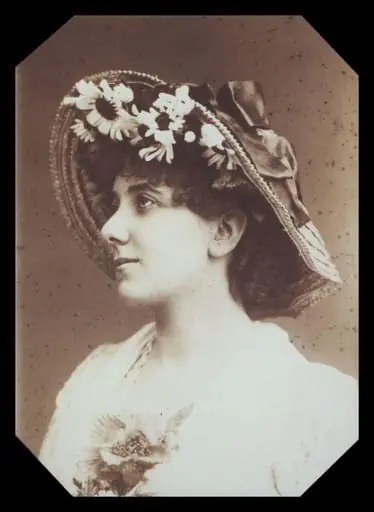
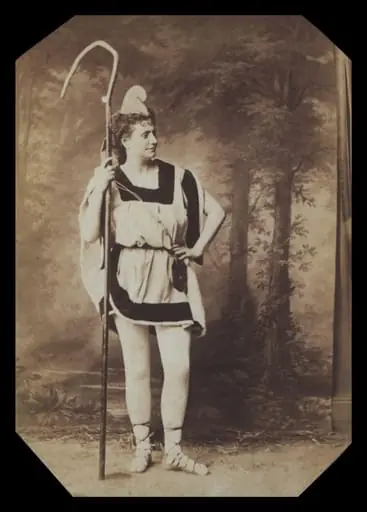
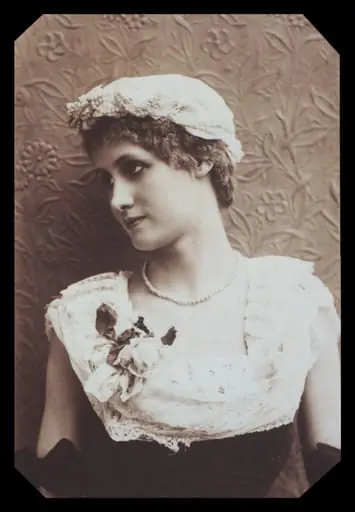
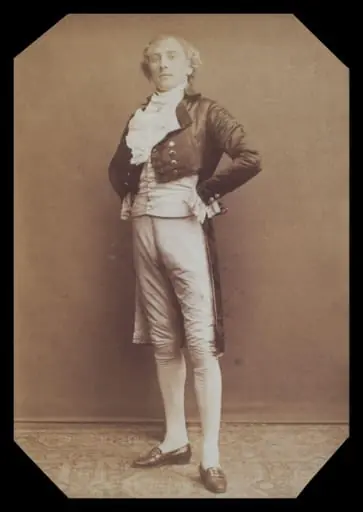
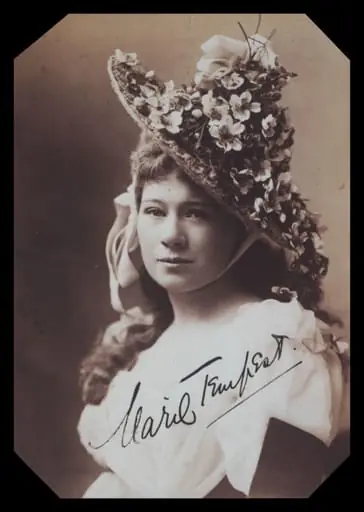
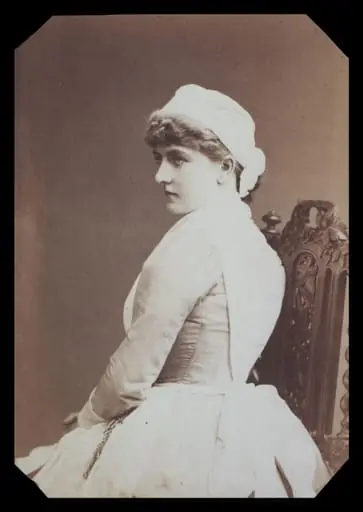
This 1882 photo shows May Fortescue as Celia in *Iolanthe* at the Savoy Theatre. Elliott & Fry took the shot, part of a series sold as cabinet cards. These prints were bigger and sturdier than earlier visiting-card photos.
Cabinet cards became popular in the late 1870s. They were albumen prints pasted on stiff card with the studio’s name printed underneath. Fans bought them to remember stars like Fortescue.
Look up Elliott & Fry.
Overview
This photograph, taken in 1882 by Elliott & Fry, captures actress May Fortescue in character as Celia from Gilbert and Sullivan’s operetta Iolanthe, performed at the Savoy Theatre. It is one of many theatrical portraits collected by Guy Tristram Little, a solicitor and avid archivist whose personal holdings of cabinet cards and related ephemera were later donated to the V&A. The image exemplifies the late-Victorian practice of preserving stage performances through commercial photography.
Subject & Meaning
May Fortescue portrayed Celia, a gentle, idealized character in Iolanthe, a satire blending fantasy and British institutions. The photograph freezes her in costume, emphasizing the theatricality of the role while serving as a tangible memento for audiences. Such images allowed fans to maintain a personal connection to performers beyond the live stage, transforming fleeting performances into enduring visual tokens of cultural participation.
Technique & Style
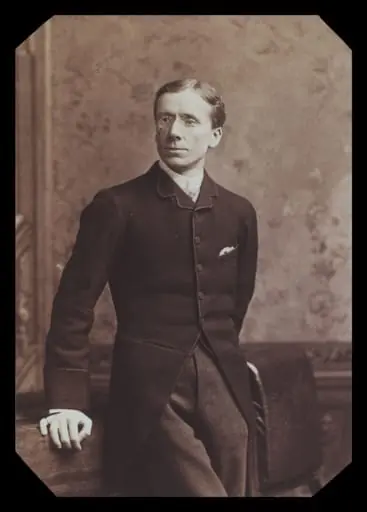
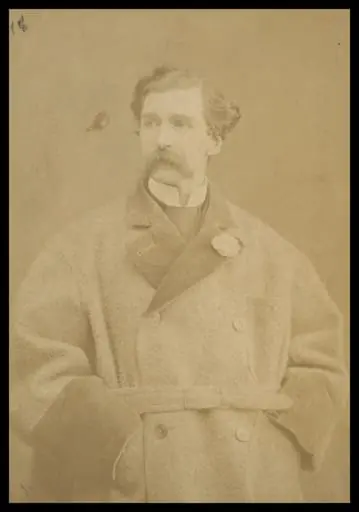
The image is an albumen print mounted on a sturdy card backing, characteristic of the cabinet card format popular from the late 1870s. Elliott & Fry, a leading London studio, used glass negatives to produce sharp, detailed portraits. The print retains the studio’s name printed along the lower edge, a standard feature that authenticated the source and lent commercial credibility. The composition is formal, with controlled lighting and minimal background, focusing attention on the performer’s expression and costume.
History & Provenance
The photograph was part of a vast personal collection assembled by Guy Tristram Little, who removed the images from their original mounts and reorganized them into themed albums. Little, a partner in a legal firm and executor of Gabrielle Enthoven’s estate, inherited her extensive theatrical archive. His collection, including this image, was bequeathed to the V&A in 1953, forming a foundational element of the museum’s Theatre Collections.
Context
Cabinet cards replaced the smaller carte de visite as the dominant format for theatrical portraits in the 1880s, reflecting growing public interest in celebrity culture and the commercialization of theatre. Studios like Elliott & Fry catered to this demand, producing series of images of popular actors and actresses. These cards were sold in shops and collected by enthusiasts, functioning as both souvenirs and cultural artifacts that documented the era’s performing arts.
Legacy
Little’s donation preserved a significant record of late-Victorian theatre, offering researchers access to visual documentation of performances otherwise lost to time. The photograph of Fortescue as Celia remains a key example of how photography intersected with popular entertainment, bridging the gap between live performance and mass reproduction. Its survival within institutional archives ensures continued study of theatrical identity and visual culture in the 19th century.
Artist & collection
Artist
These London guys snapped the 19th century’s biggest stars in quick, bright portraits you’d see outside the stage door.