Artwork
Guy Little Theatrical Photograph
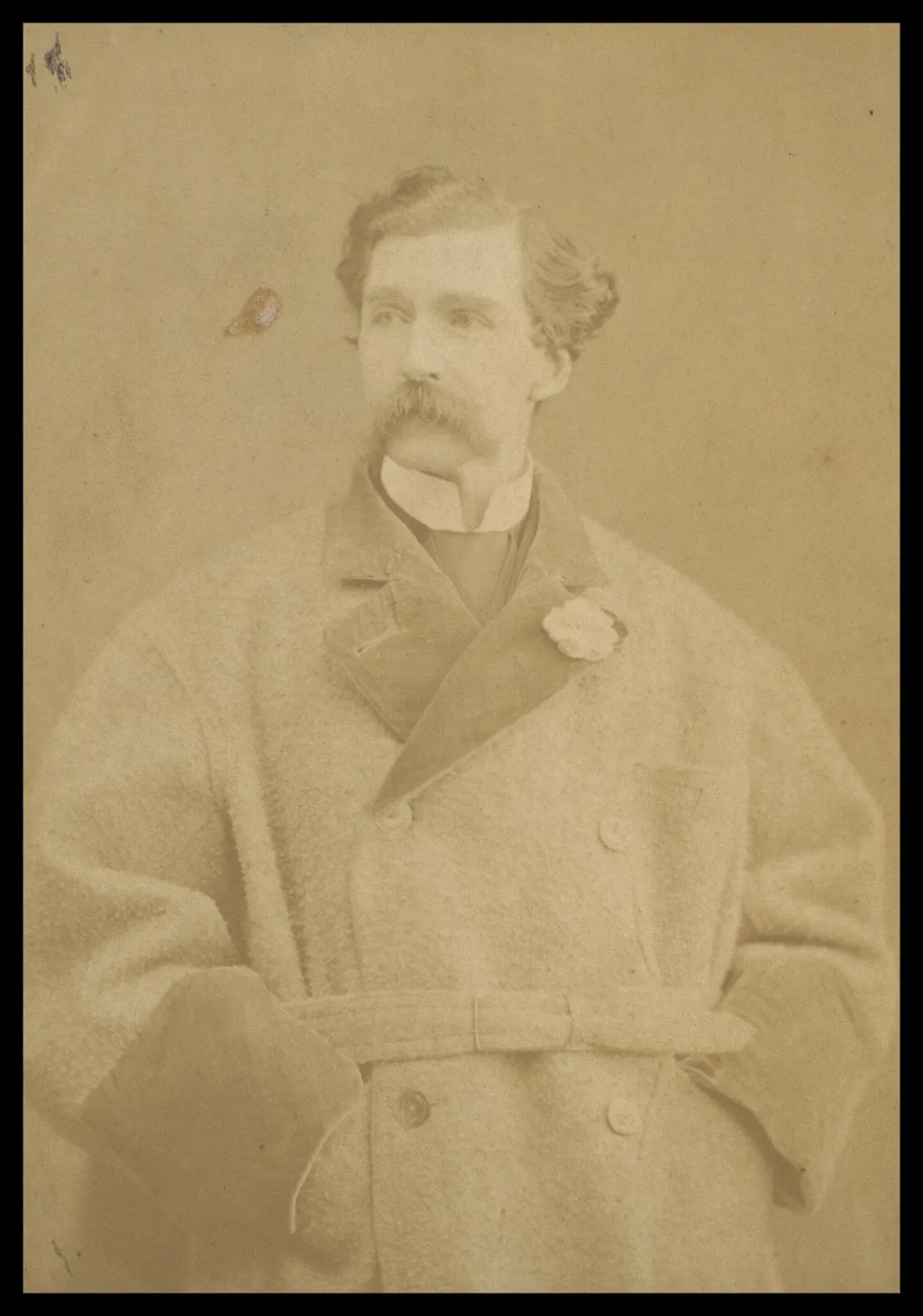
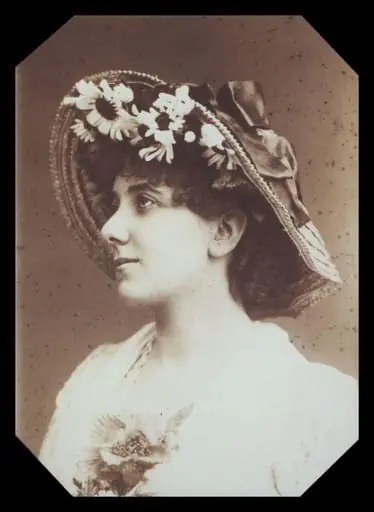
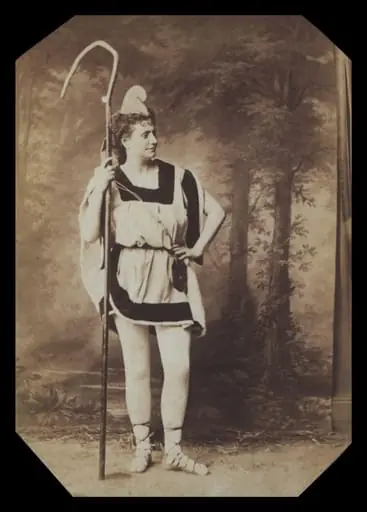
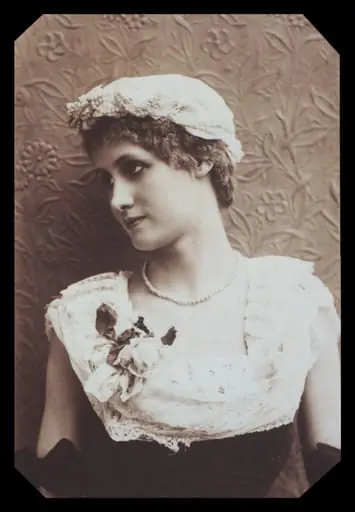
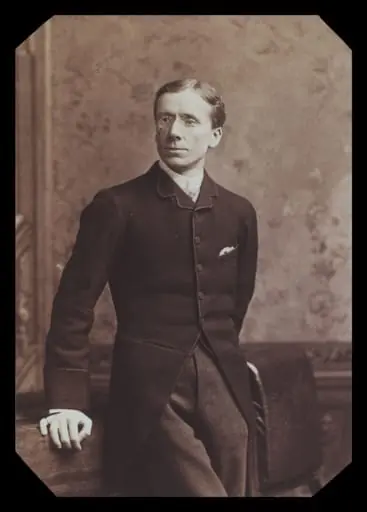
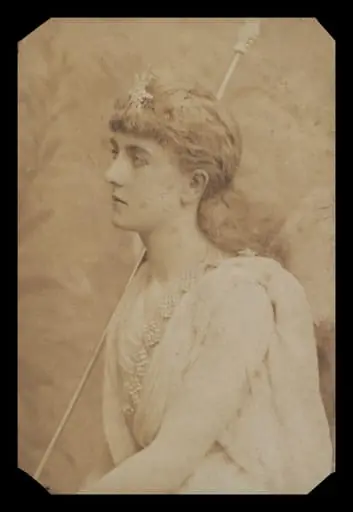
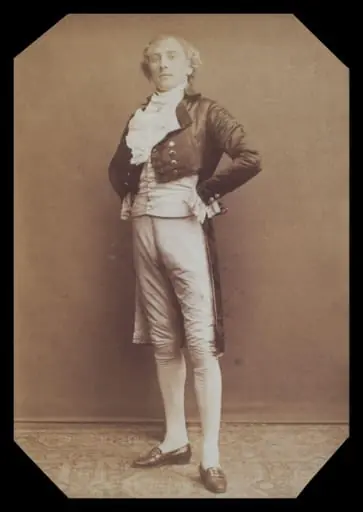
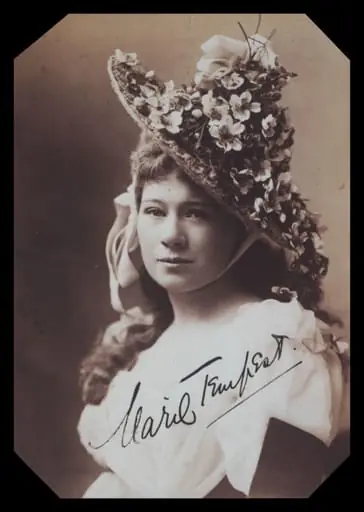
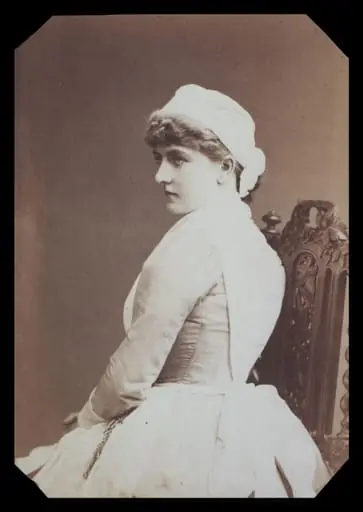
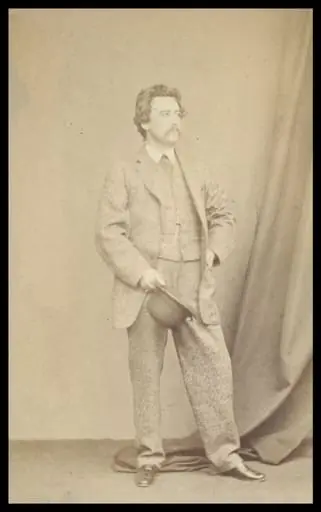
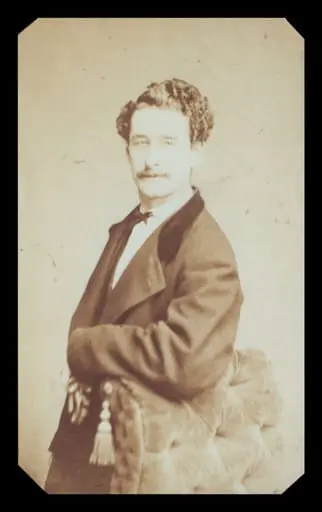
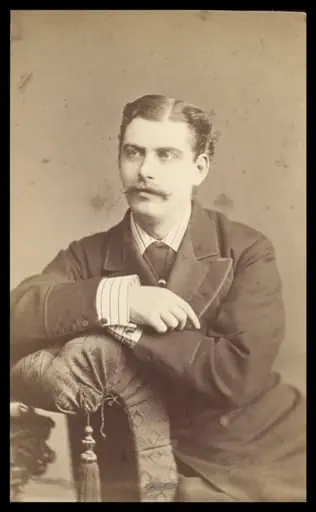
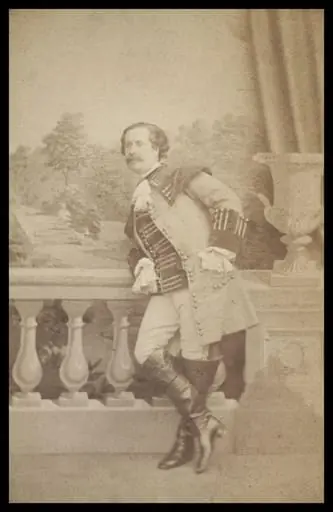
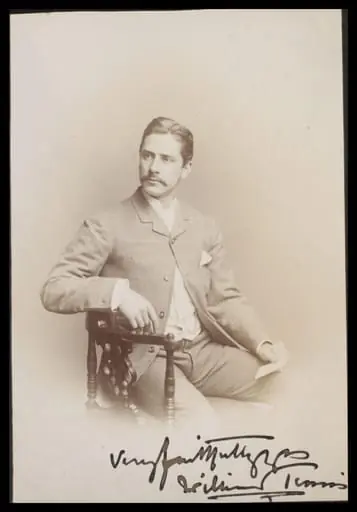
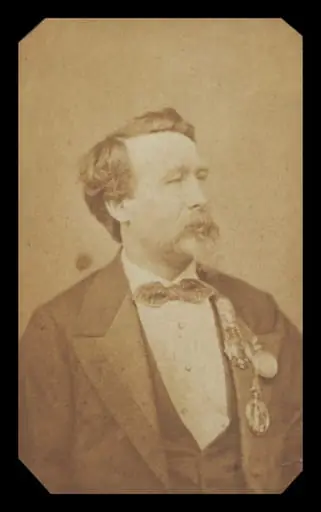
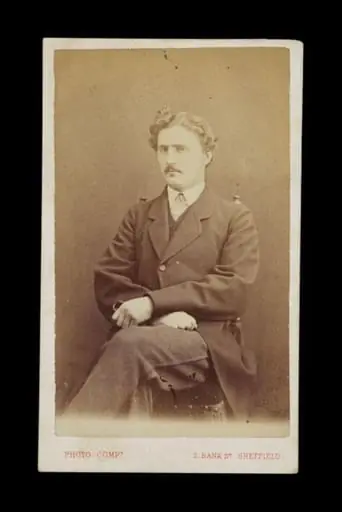
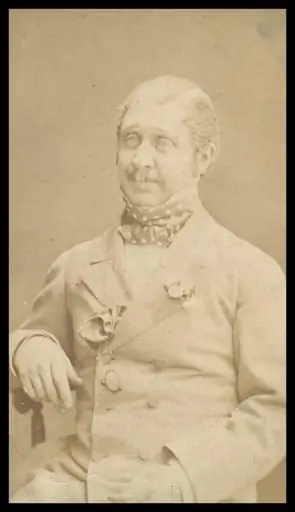
Guy Little Theatrical Photograph is a photographic photography by the Impressionist artist Elliott & Fry. It dates from 1870 and is held in the collection of the Victoria and Albert Museum. This photograph is part of a personal collection assembled by Guy Tristram Little, a solicitor and avid collector of visual ephemera.
About this work
Overview
This photograph is part of a personal collection assembled by Guy Tristram Little, a solicitor and avid collector of visual ephemera.
This photograph is part of a personal collection assembled by Guy Tristram Little, a solicitor and avid collector of visual ephemera. It was removed from its original card mount and bound into an album alongside hundreds of similar images. Little bequeathed the collection to the Victoria and Albert Museum in 1953, preserving a significant archive of 19th-century theatrical portraiture that reflects the era’s fascination with celebrity and photographic reproduction.
Subject & Meaning
The image depicts E.A. Southern, a Victorian actor, likely captured in costume or formal attire for public circulation. Such portraits served as both promotional tools and personal mementos, allowing audiences to connect with performers beyond the stage. The practice of collecting these images mirrored broader cultural interests in celebrity and visual documentation during a time when photography was becoming accessible to the middle class.
Technique & Style
The photograph is an albumen print made from a glass negative, typical of mid-to-late 19th-century studio portraiture. It was originally mounted on cardstock—either a carte de visite or cabinet card—with the photographer’s imprint printed along the border. The format’s standardized size and glossy finish were designed for easy handling, display, and exchange among collectors, reflecting the industrialization of photographic production.
History & Provenance
The image was once part of a commercial photographic series distributed widely in the 1860s–1890s. Guy Little acquired it as part of a larger assemblage of theatrical portraits, later removing them from their original mounts and organizing them into bound albums. After his death in 1953, the entire collection was donated to the V&A, where it became a foundational resource for the study of British theatre history.
Context
During the Victorian era, photographic portraits of actors were mass-produced as affordable keepsakes, paralleling the rise of celebrity culture and the expansion of print media. Cartes de visite gave way to cabinet cards as technology improved and tastes shifted toward larger formats. These images were not merely records of appearance but cultural artifacts that documented the intersection of performance, commerce, and domestic collecting habits.
Legacy
Little’s collection, now held by the V&A, offers a rare, intact record of how theatrical imagery was consumed and preserved by private individuals. Its survival provides scholars with insight into the social life of photographs—not just as art, but as everyday objects exchanged, curated, and treasured by ordinary collectors in an age before mass media.
Artist & collection
Artist
These London guys snapped the 19th century’s biggest stars in quick, bright portraits you’d see outside the stage door.