Artwork
Guy Little Theatrical Photograph
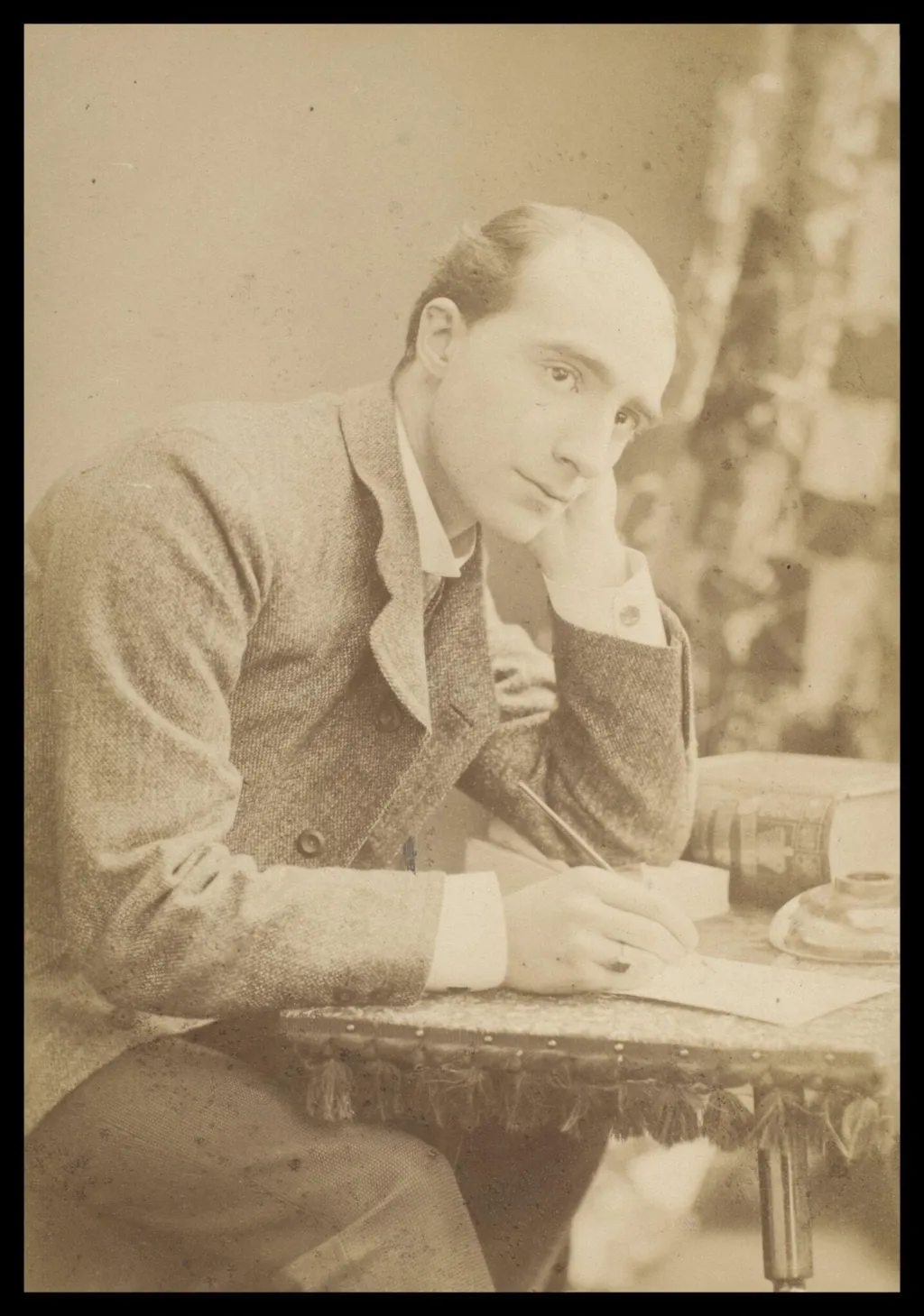
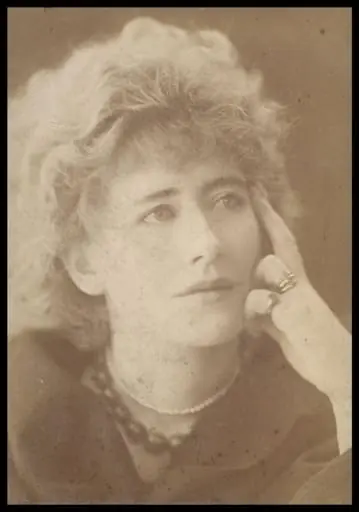
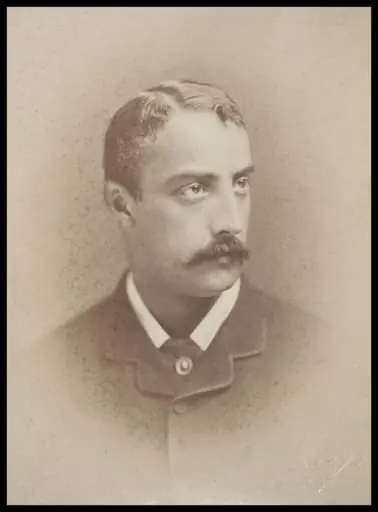
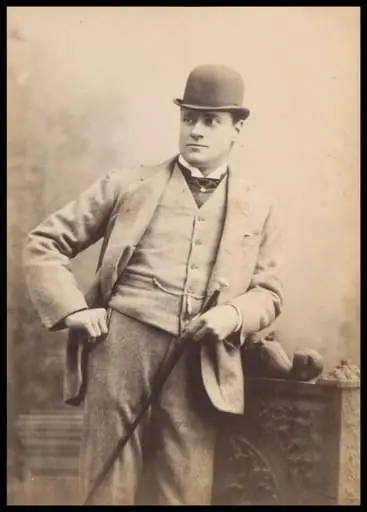
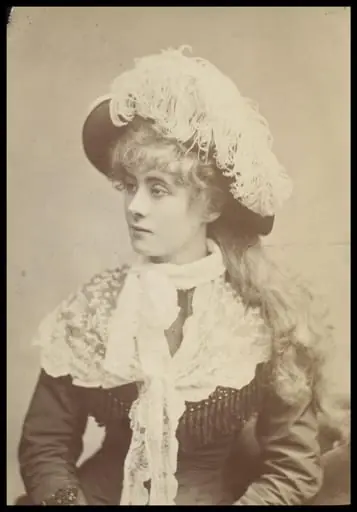
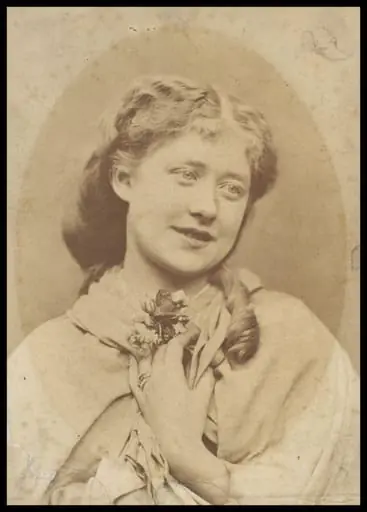
Guy Little Theatrical Photograph is a photographic photography by the Impressionist artist John Edwards. It dates from 1882 and is held in the collection of the Victoria and Albert Museum.
About this work
Overview
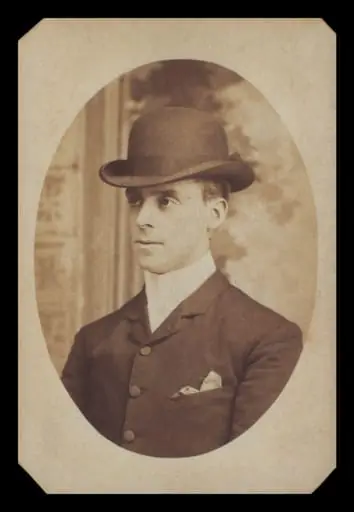
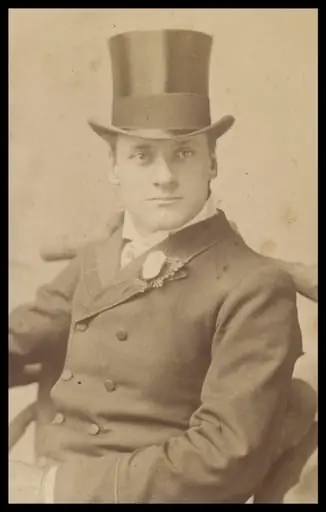
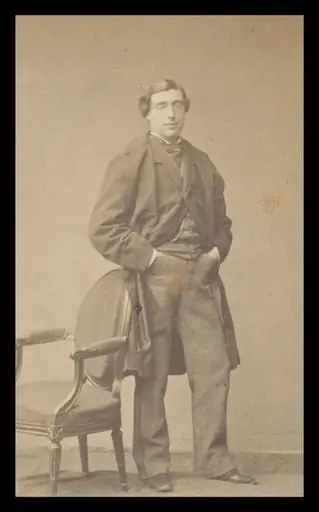
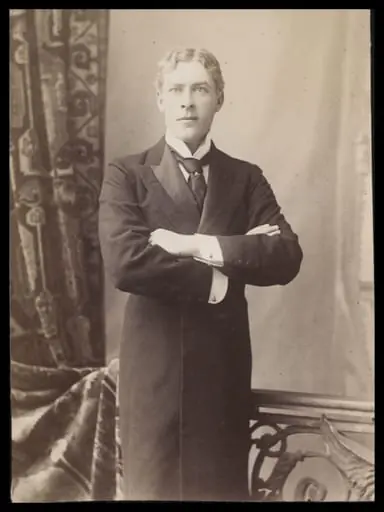
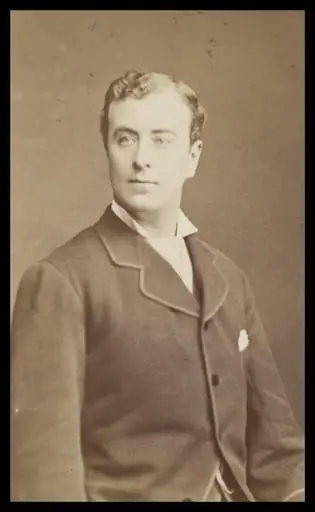
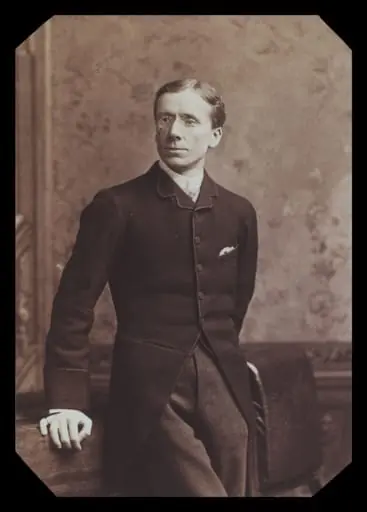
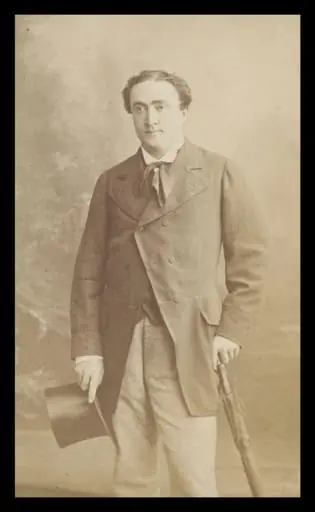
This photograph of actor Arthur Wing Pinero is part of a curated collection assembled by Guy Tristram Little, a solicitor and avid collector of visual ephemera.
This photograph of actor Arthur Wing Pinero is part of a curated collection assembled by Guy Tristram Little, a solicitor and avid collector of visual ephemera. Taken during the late 19th century, it reflects the widespread practice of capturing theatrical figures in studio settings. The image, originally produced as a cabinet card, was later removed from its mount and preserved in an album, illustrating Little’s systematic approach to archiving popular visual culture of his time.
Subject & Meaning
Arthur Wing Pinero, a prominent Victorian playwright and actor, is depicted here not in performance but as a public figure. The portrait conveys his status within the theatrical world, offering a controlled, dignified image meant for private circulation. Such photographs functioned as both personal mementos and cultural artifacts, bridging the gap between stage and society by making performers accessible beyond the theater.
Technique & Style
The image is an albumen print from a glass negative, characteristic of late 19th-century photographic practice. Mounted on a sturdy card backing bearing the photographer’s imprint, it follows the cabinet card format, which replaced the smaller carte de visite by the 1870s. The lighting is even, the pose restrained, and the background neutral—hallmarks of studio portraiture designed to emphasize the subject’s identity over theatrical flair.
History & Provenance
The photograph was once part of Guy Little’s personal collection of theatrical portraits, gathered over decades and later donated to the Victoria and Albert Museum. Little, who also served as executor for Gabrielle Enthoven’s theatrical archive, preserved these images by removing them from their original mounts and organizing them into bound albums. His collection became a foundational resource for the V&A’s Theatre Collections.
Context
During the Victorian era, photographic portraits of actors were mass-produced and collected like trading cards. The carte de visite, introduced in the 1850s, gave way to the larger cabinet card as demand grew for more durable and detailed images. These photographs were exchanged among enthusiasts, displayed in homes, and used to construct cultural identities around celebrity, reflecting the era’s fascination with performance and public persona.
Legacy
Little’s assembled albums represent one of the most comprehensive private holdings of theatrical photography from the period. Their transfer to the V&A ensured the preservation of a visual record otherwise lost to time. Today, these images serve as primary sources for understanding how actors were perceived, marketed, and remembered outside the confines of the stage, shaping scholarly access to 19th-century performance culture.
Artist & collection
Artist
John Edwards had a fascination with the theater scene. He took photos of performers, like those found in the Guy Little Theatrical Photographs. One photo from 1882 shows a detailed portrait of an actress. Edwards' work…