Artwork
John Tradescant the Younger and Hester, his second Wife
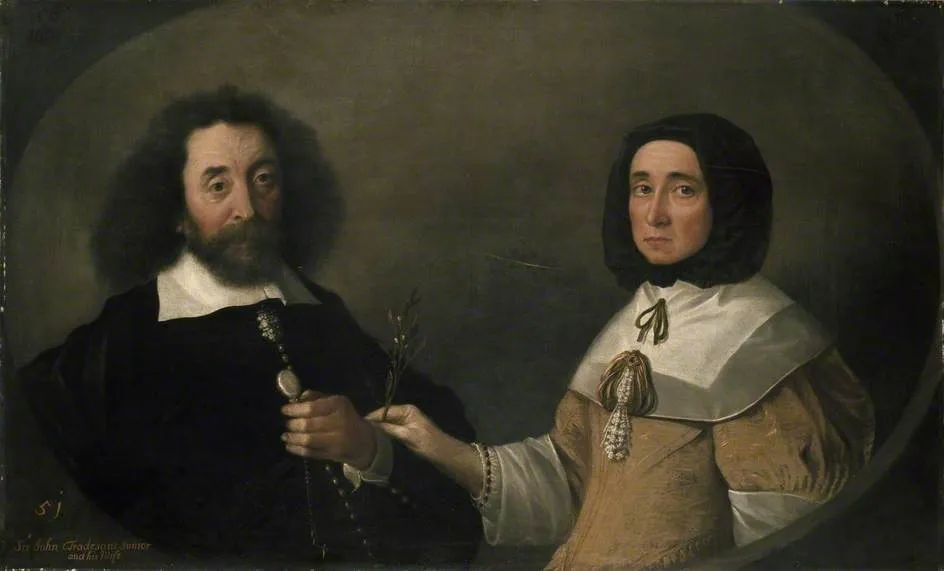
John Tradescant the Younger and Hester, his second Wife is an oil painting by Emanuel de Critz. It dates from 1646 and is held in the collection of the Ashmolean Museum.
About this work
Overview
This 17th-century oil on canvas painting, created around 1646 by Emanuel de Critz, portrays John Tradescant the Younger, a naturalist, alongside his second wife, Hester. The work is characterized by its use of oil paint on canvas, resulting in a rich and vibrant texture, and is currently part of the Ashmolean Museum's collection.
Subject & Meaning
John holds a plant, reflecting his profession as a naturalist, while Hester also holds a plant, symbolizing their shared interests or her support for his work.
The painting depicts John Tradescant the Younger on the left and his second wife, Hester, on the right. John holds a plant, reflecting his profession as a naturalist, while Hester also holds a plant, symbolizing their shared interests or her support for his work. Their attire and accessories—dark jacket, white shirt, brown dress, and modest headpiece—convey a sense of sobriety and middle-class status.
Technique & Style
Emanuel de Critz employed oil painting techniques to achieve a vivid, textured representation. The dark background serves to accentuate the couple's features and clothing, drawing the viewer's attention to the subjects. The style blends English portraiture traditions of the time with influences from de Critz's Flemish heritage, evident in the detailed rendering of fabrics and facial expressions.
History & Provenance
Painted during the reign of Charles I, this work is part of Emanuel de Critz's output in London, where he was active producing portraits and contributing to court masques. The painting is now held in the Ashmolean Museum's collection.
Context
Created amidst the tumultuous period leading up to the English Civil War, the painting offers a glimpse into the lives of London's middle-class intellectuals. John Tradescant's role as a naturalist and collector situates the couple within the era's burgeoning scientific curiosity.
Legacy
While not widely recognized outside academic circles, the painting provides valuable insight into 17th-century English portraiture, the life of John Tradescant the Younger, and the artistic contributions of Emanuel de Critz. Its presence in the Ashmolean Museum ensures its availability for historical and artistic study.
Artist & collection
Artist
Emmanuel de Critz (25 September 1608 – 2 November 1665) was an English painter. He was called the "best portraitist in London" by Robert Walker. He was born and baptized in London on 25 September 1608, as the younger…

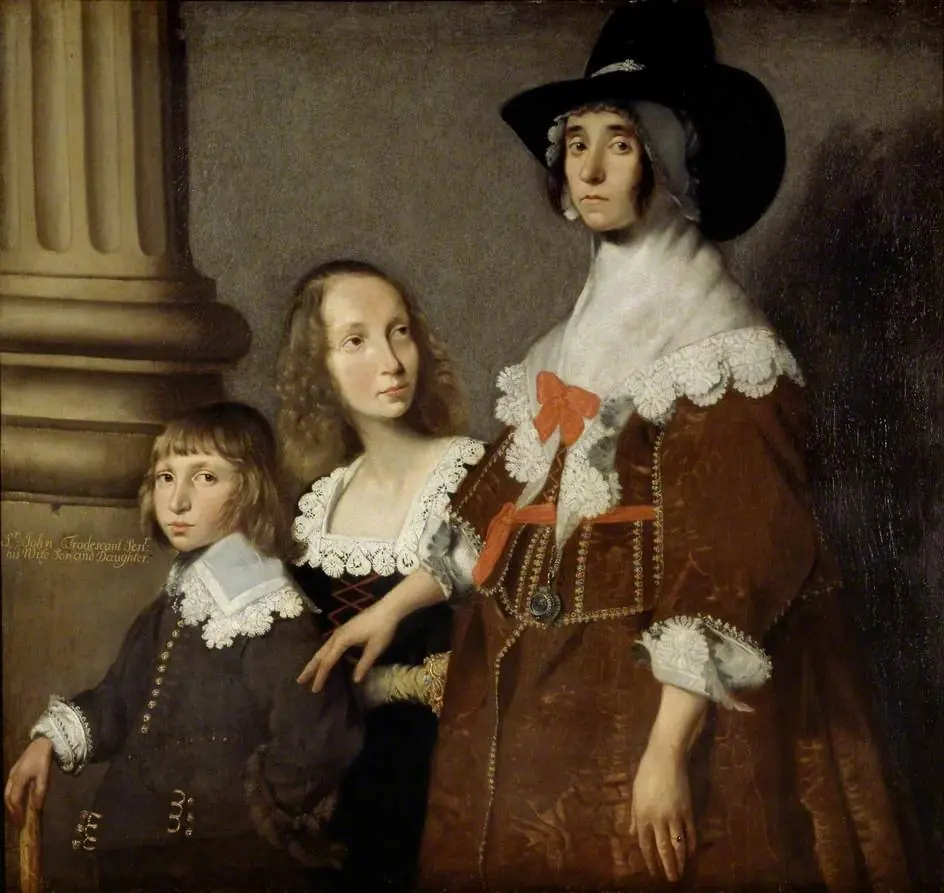 Hester Tradescant and her Stepchildren, John and Frances
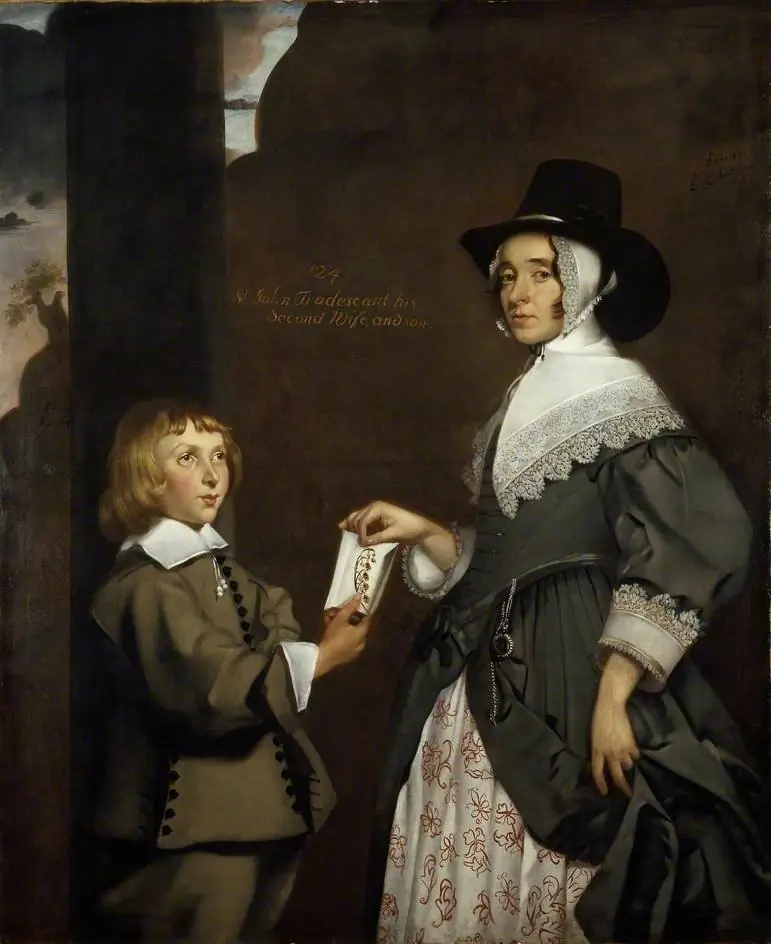 Hester Tradescant and her Stepson, John
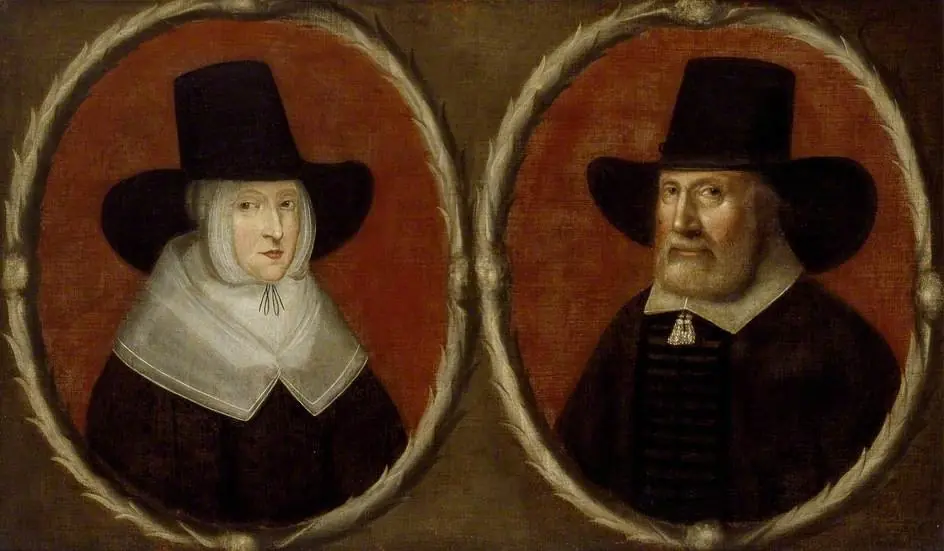 Portrait of a Couple, said to be John Tradescant the Elder and his Wife Elizabeth
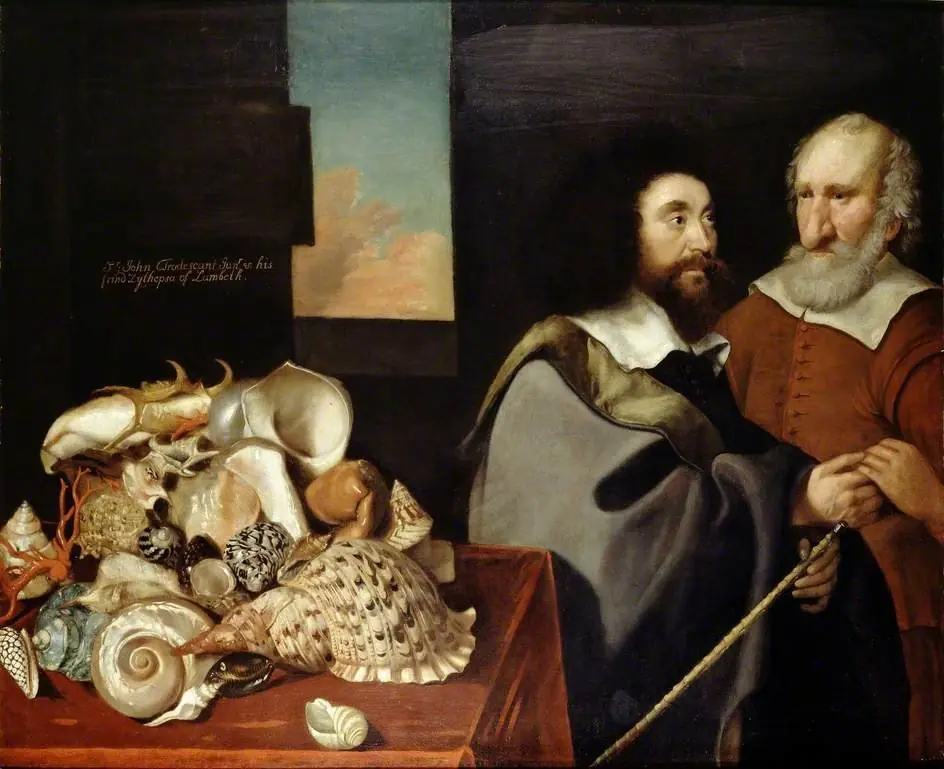 John Tradescant the Younger with Roger Friend and a Collection of Exotic Shells
 A man and his wife
 Maria de Deckere, Second Wife of Gillis de Smidt, and Béatrix, One of their Daughters