Artwork
John Tradescant the Elder
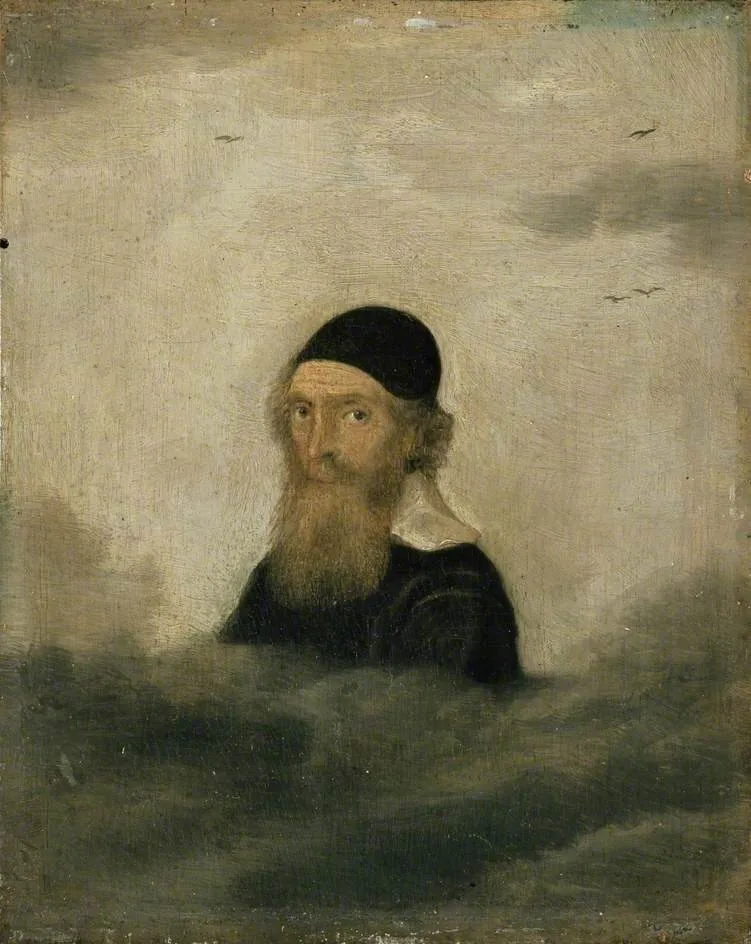
John Tradescant the Elder is an oil painting by Emanuel de Critz. It dates from 1646 and is held in the collection of the Ashmolean Museum.
About this work
Overview
The work is now part of the Ashmolean Museum’s collection, reflecting its historical significance in documenting early scientific figures through visual art.
Painted around 1646 by Emanuel de Critz, this portrait captures John Tradescant the Elder, a prominent English naturalist and collector. De Critz, son of a Flemish court painter, worked within London’s portrait tradition during the reigns of James I and Charles I. The work is now part of the Ashmolean Museum’s collection, reflecting its historical significance in documenting early scientific figures through visual art.
Subject & Meaning
John Tradescant the Elder was renowned for assembling one of England’s first significant collections of plants, minerals, and curiosities, later forming the core of the Ashmolean Museum’s founding holdings. The portrait presents him not as a nobleman but as a scholar, his quiet demeanor and plain attire emphasizing his intellectual pursuits over social status. His direct gaze suggests an engagement with the viewer, aligning the image with the era’s growing respect for empirical observation.
Technique & Style
De Critz employs a restrained palette of muted tones, with the subject’s black garments contrasting against a pale, unadorned background. The rendering of facial features is precise but unembellished, avoiding theatricality. Subtle textures in the fabric and the soft modeling of the beard convey a quiet realism. The painting’s calm composition and lack of decorative elements reflect a shift toward dignified, introspective portraiture in mid-17th-century England.
History & Provenance
The portrait was likely commissioned during Tradescant’s later years, possibly as a record of his contributions to natural history. It remained in the Tradescant family before becoming part of the Ashmolean’s founding collection in 1683, when Elias Ashmole donated the Tradescant archive. Its survival through the Civil War and subsequent institutional transfer underscores its value as both personal and public heritage.
Context
In mid-17th-century England, portraiture often served to affirm social rank, yet Tradescant’s image diverges by highlighting scholarly identity. His profession—collecting and cataloging natural specimens—aligned with emerging scientific interests, even as courtly masques dominated elite culture. This portrait thus represents a quieter, yet significant, current in English art: the recognition of non-aristocratic contributors to knowledge.
Legacy
The portrait endures as a visual anchor to the origins of the Ashmolean Museum and the institutionalization of natural history in England. It preserves the likeness of a man whose collections helped bridge the gap between private curiosity and public science. Though not widely known to the public today, the image remains a key artifact in understanding the cultural shift toward empirical study in early modern Britain.
Artist & collection
Artist
Emmanuel de Critz (25 September 1608 – 2 November 1665) was an English painter. He was called the "best portraitist in London" by Robert Walker. He was born and baptized in London on 25 September 1608, as the younger…

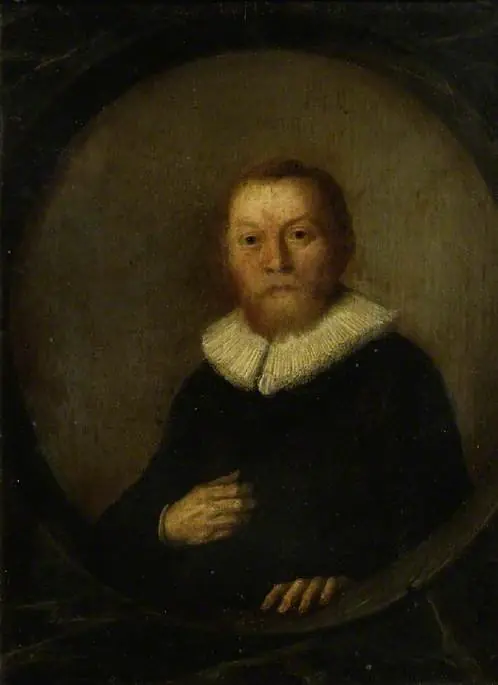 Portrait of a man
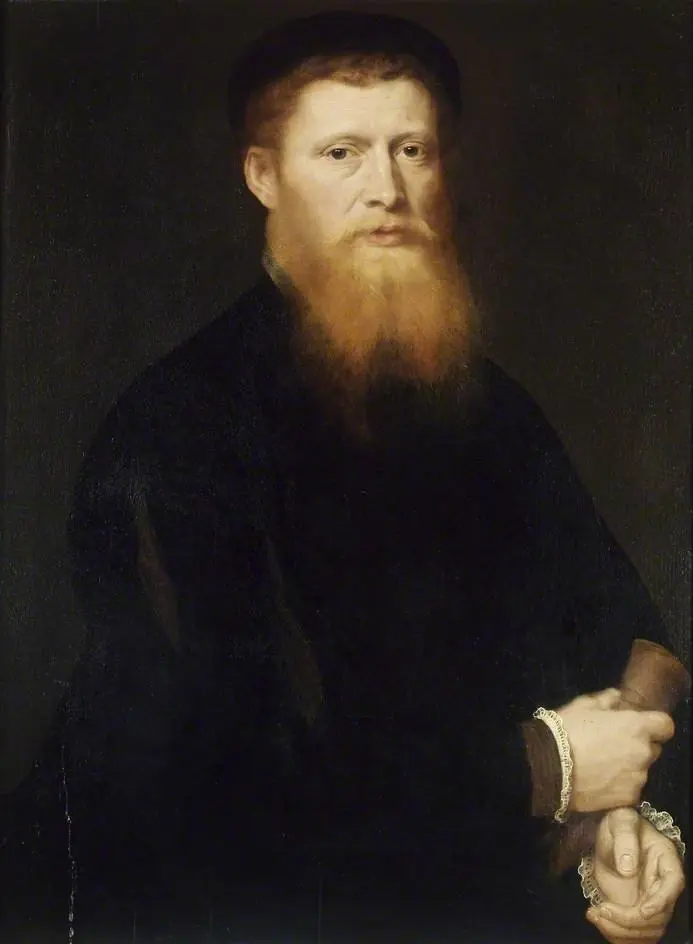 Half-length Portrait of a bearded Man
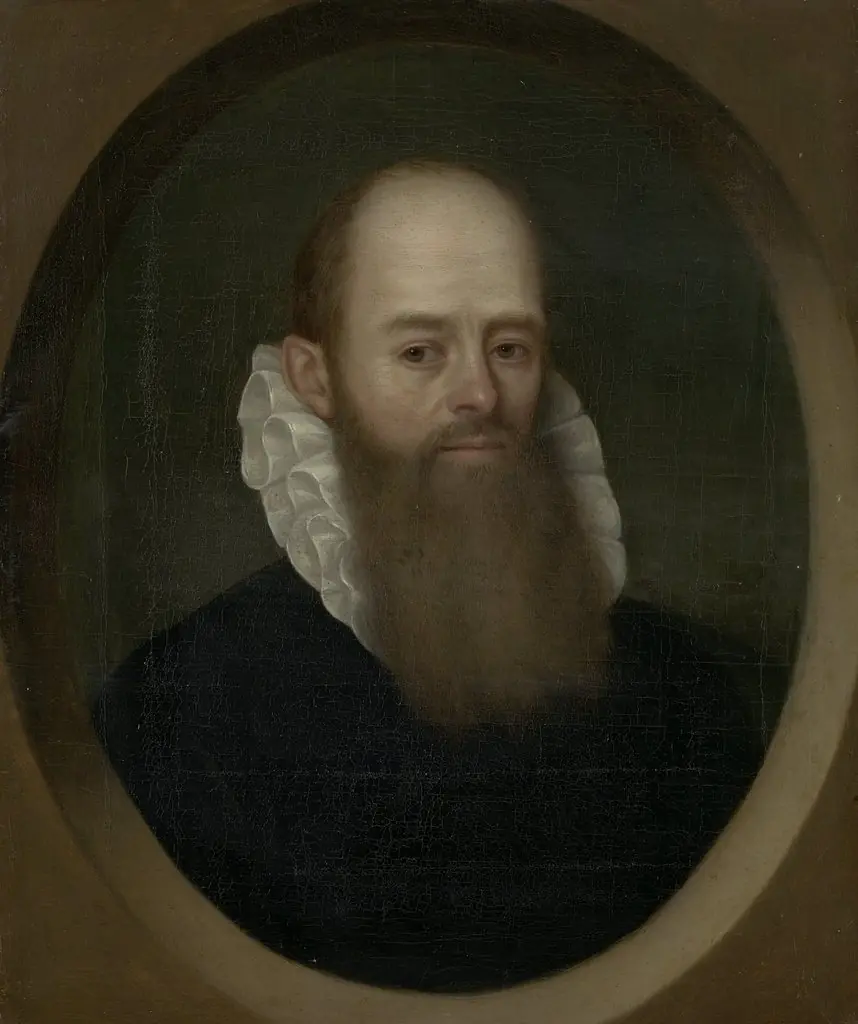 Cornelis van Ceters (1503-99)
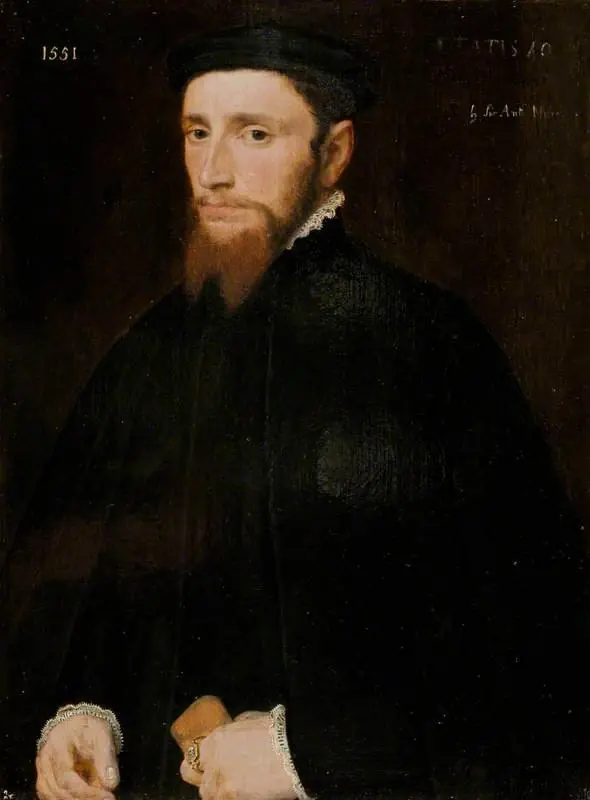 Portrait of a Man, called Mark Ker (died 1584)
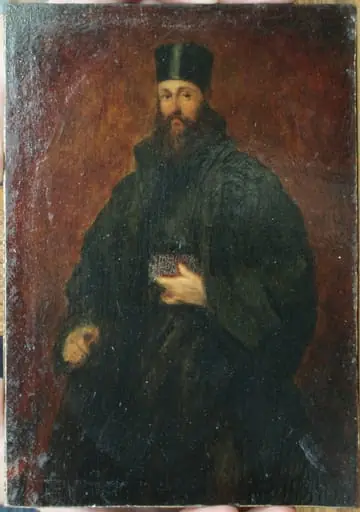 Portretul unui egumen
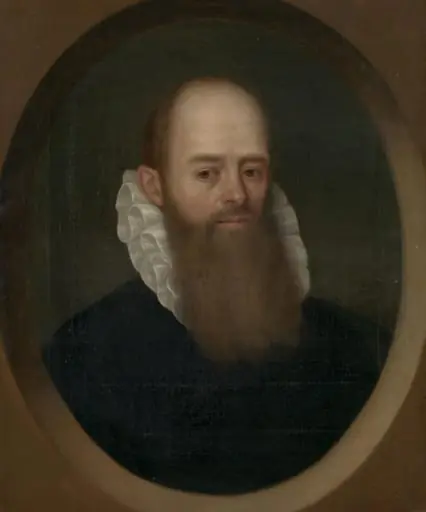 Cornelis van Ceters (1503-99)
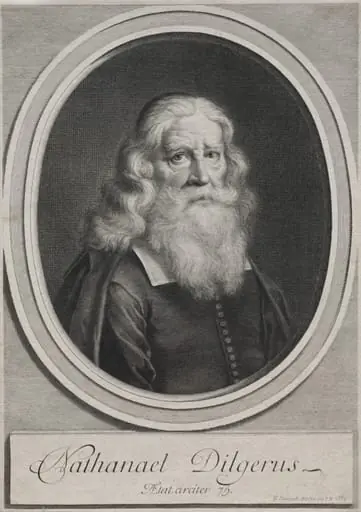 Nathanael Dilgerus, Minister of Danzig
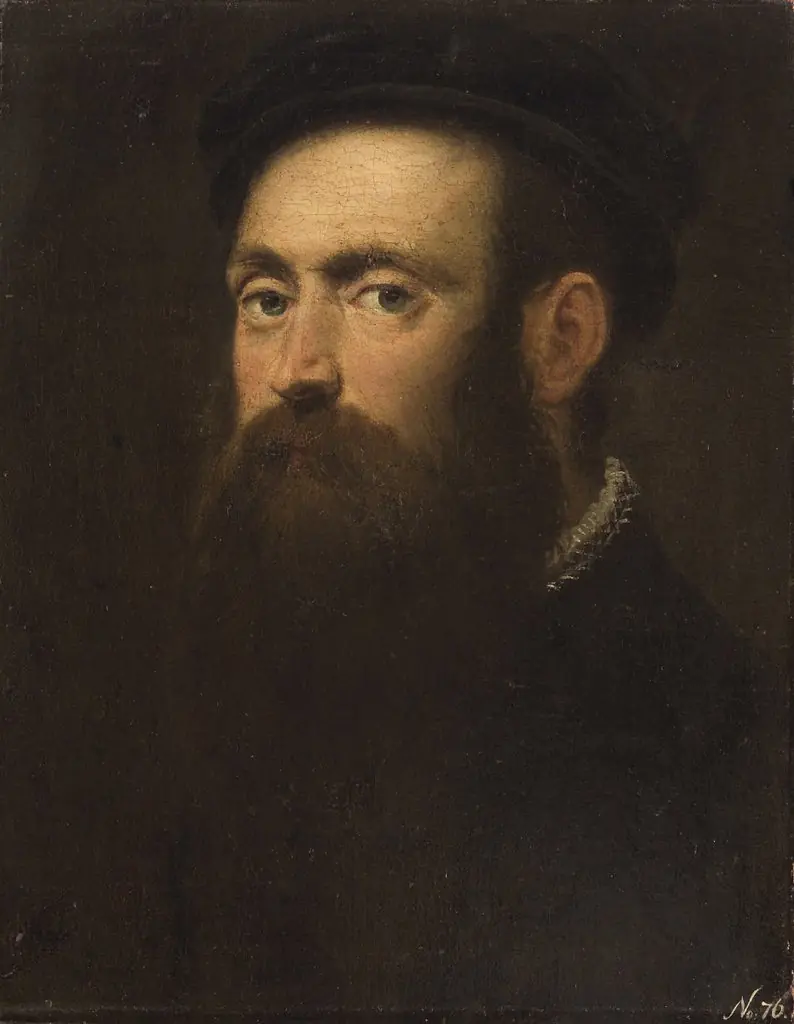 Bildnis eines bärtigen Mannes mit Barett
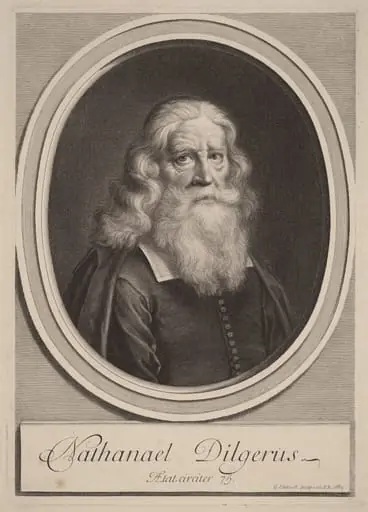 Nathanael Dilgerus
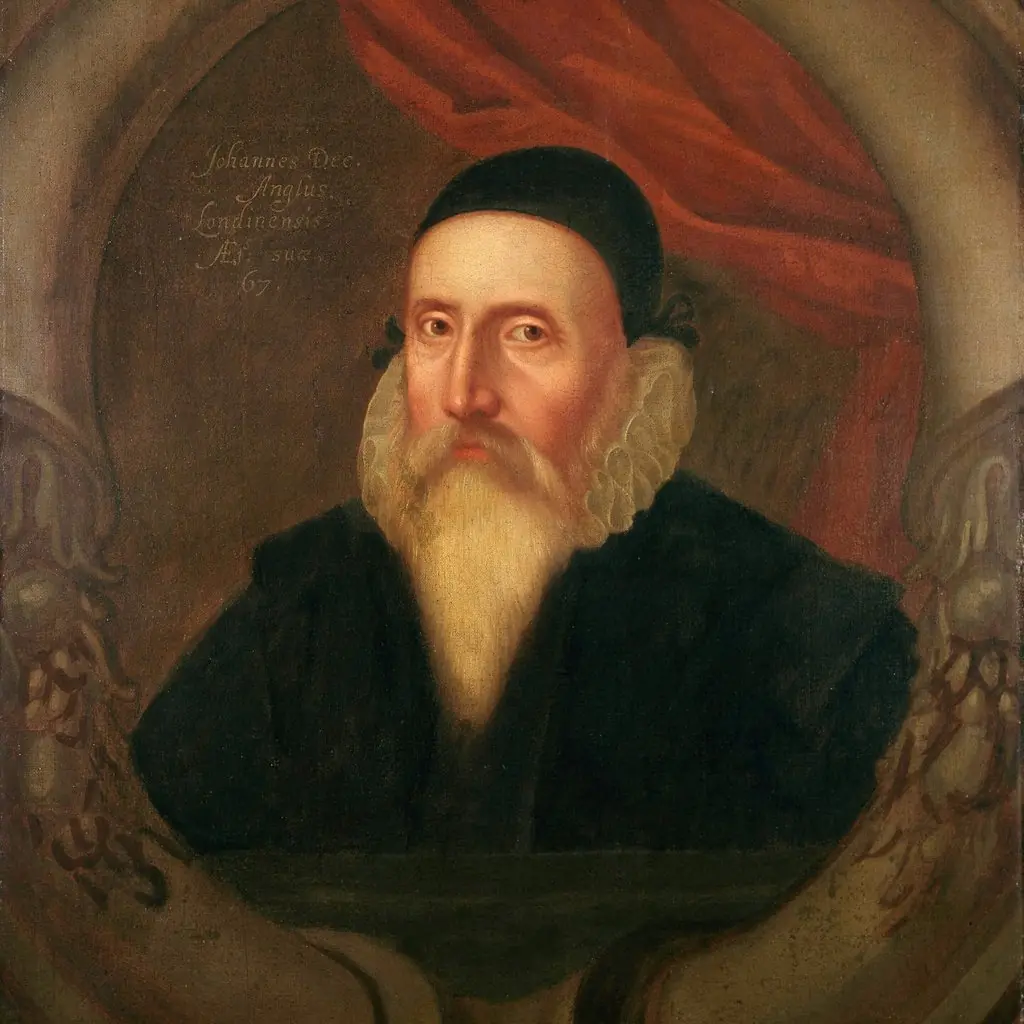 Portrait of John Dee
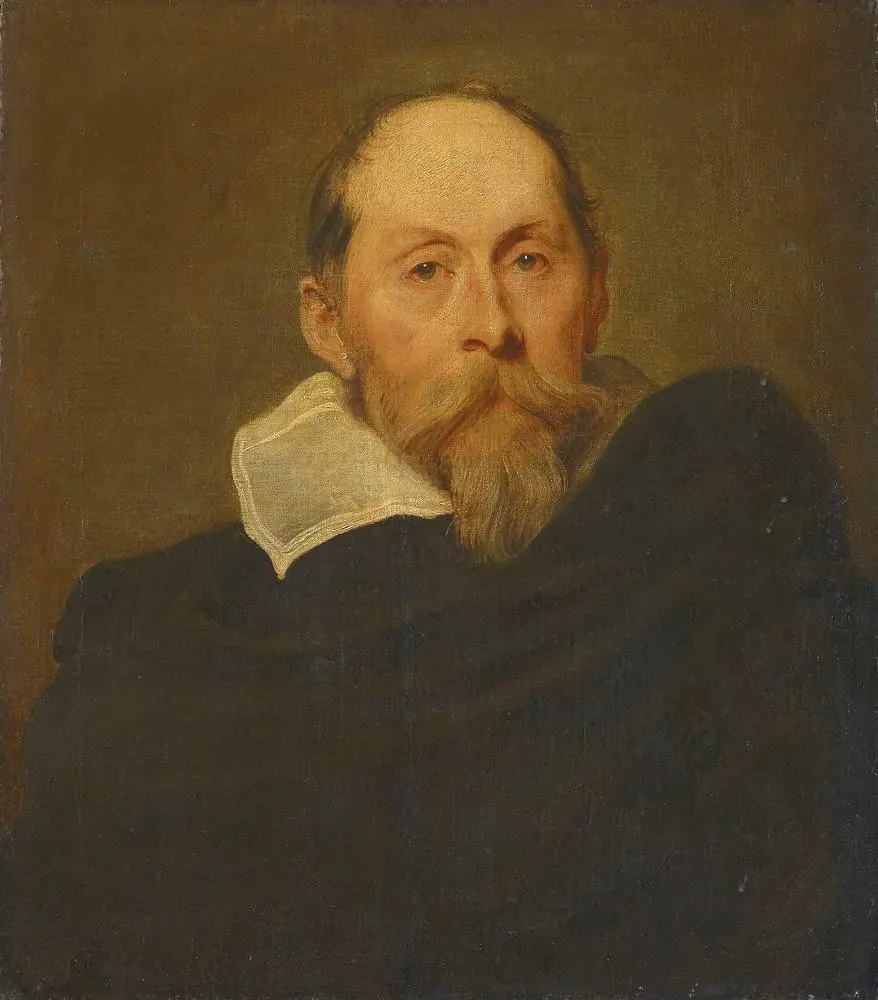 Portrait of a Man with a Blond Beard