Artwork
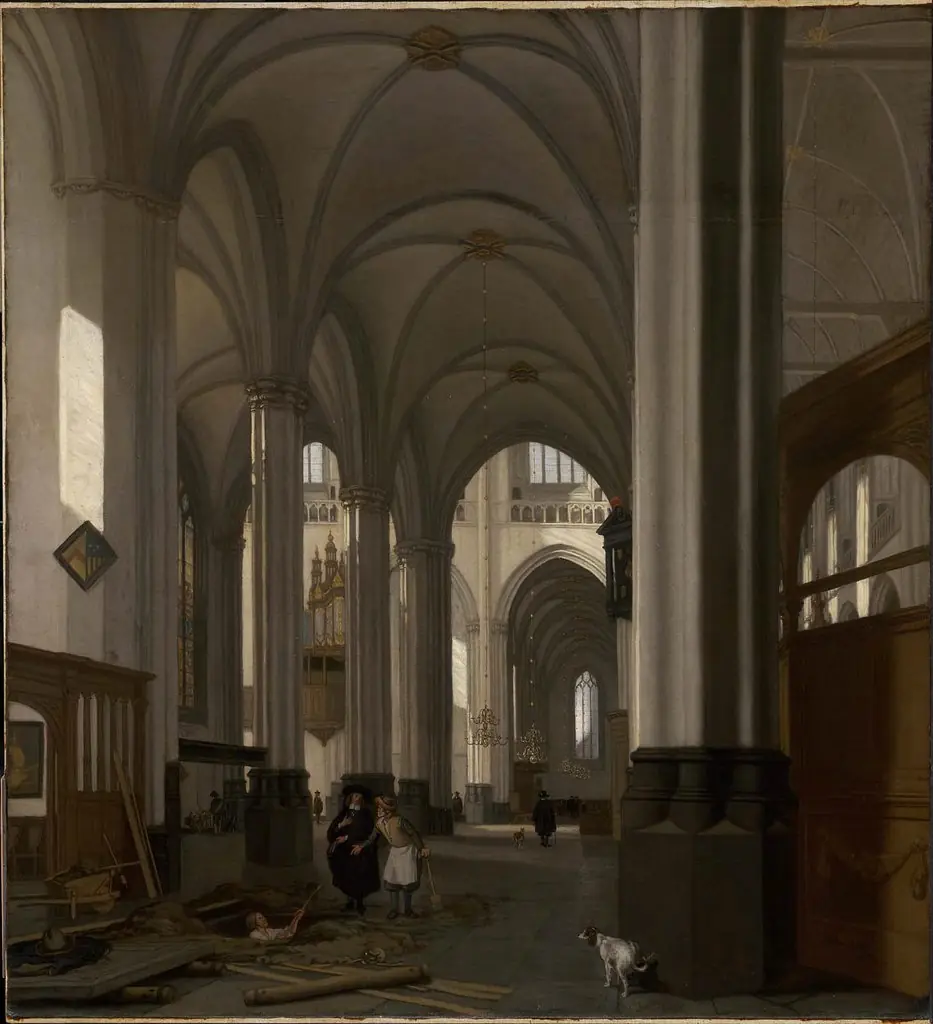
Interior of the Nieuwe Kerk in Delft with the Tomb of William the Silent
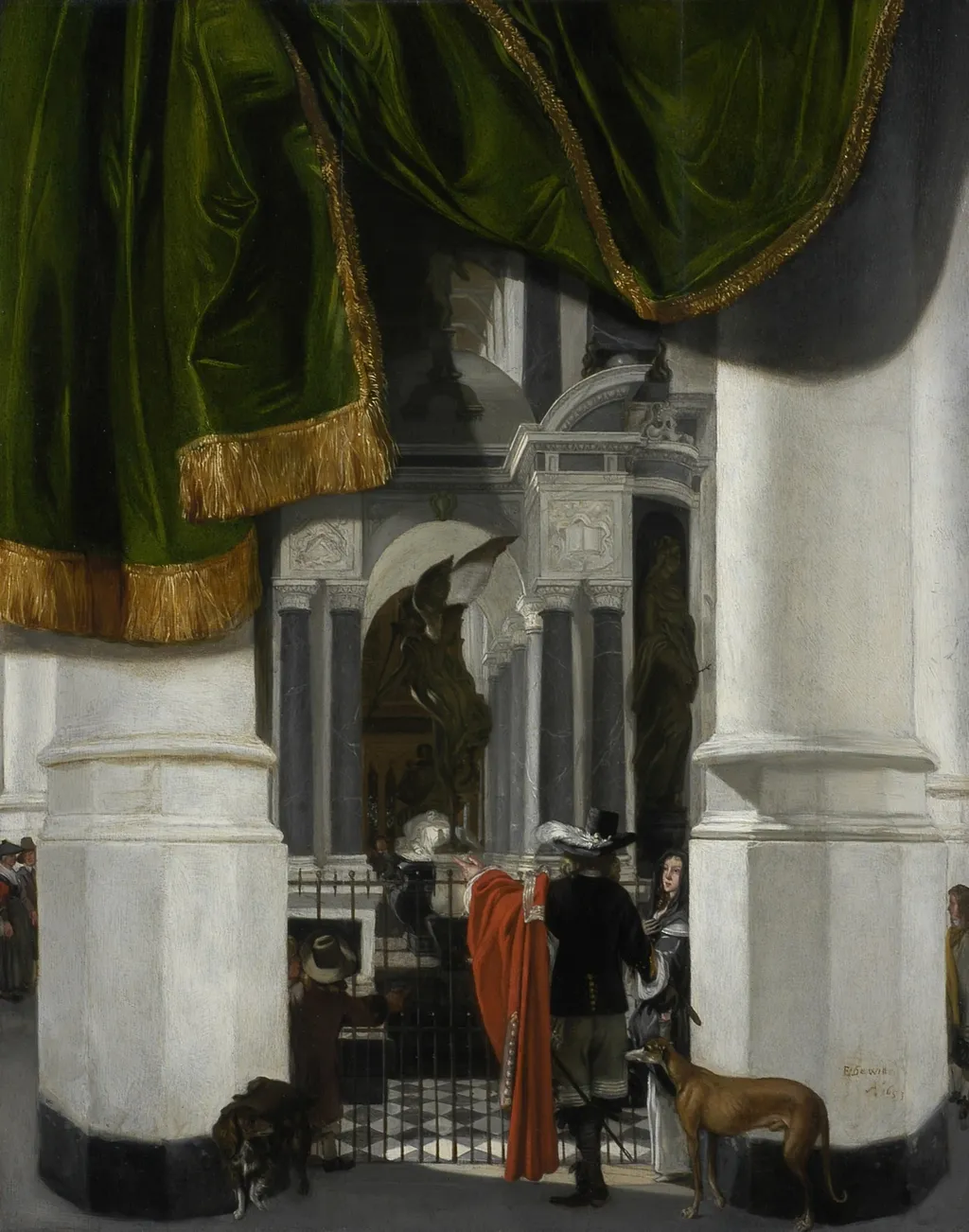
Interior of the Nieuwe Kerk in Delft with the Tomb of William the Silent is an oil painting by the Dutch Golden Age artist Emanuel de Witte. It dates from 1653 and is held in the collection of the Los Angeles County Museum of Art.
About this work
Overview
Emanuel de Witte’s 1653 oil canvas captures the nave of Delft’s Nieuwe Kerk, centering on the elaborate tomb of William the Silent. The composition balances architectural depth with a modest gathering of figures, drawing the eye to a richly draped green curtain and a small dog positioned near the monument. The work is part of the Los Angeles County Museum of Art’s collection.
Subject & Meaning
The painting presents the tomb of the Dutch founder‑statesman William the Silent as a focal point of reverence, emphasized by a heavy green curtain that hangs from the vaulted ceiling. A dog stands beside the sepulcher, a traditional symbol of loyalty, while two men in contemporary dress—one in a red cloak, the other in a black coat and hat—approach the entrance, suggesting a blend of solemn ceremony and everyday presence.
Technique & Style
De Witte employs a restrained palette of muted earth tones, punctuated by the vivid red of the cloak and the deep green of the curtain.
De Witte employs a restrained palette of muted earth tones, punctuated by the vivid red of the cloak and the deep green of the curtain. His handling of light creates a subtle chiaroscuro that models the white marble columns and arches, while the fine brushwork renders the textures of fabric, stone, and fur with quiet realism. The perspective draws the viewer into the interior space, a hallmark of his interior church scenes.
History & Provenance
Executed in 1653, the canvas remained in Dutch collections before entering the Los Angeles County Museum of Art, where it is displayed today. Its provenance reflects the 19th‑century interest in Dutch Golden Age interiors, leading to acquisition by an American institution seeking to represent that period.
Context
The Nieuwe Kerk in Delft served as the burial site for the House of Orange, and William the Silent’s tomb was a focal point of national memory. De Witte’s choice to depict this interior aligns with his broader oeuvre of church interiors, where he explored the interplay of architecture, light, and ritual in a post‑Reformation Dutch context.
Own this work as a print
Artist & collection

Artist
Emanuel de Witte was born circa 1617 in Alkmaar, the son of Pieter de Wit, a local schoolmaster.

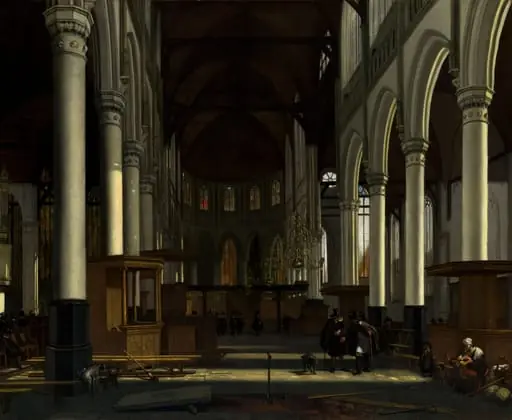 The Interior of the Oude Kerk, Amsterdam
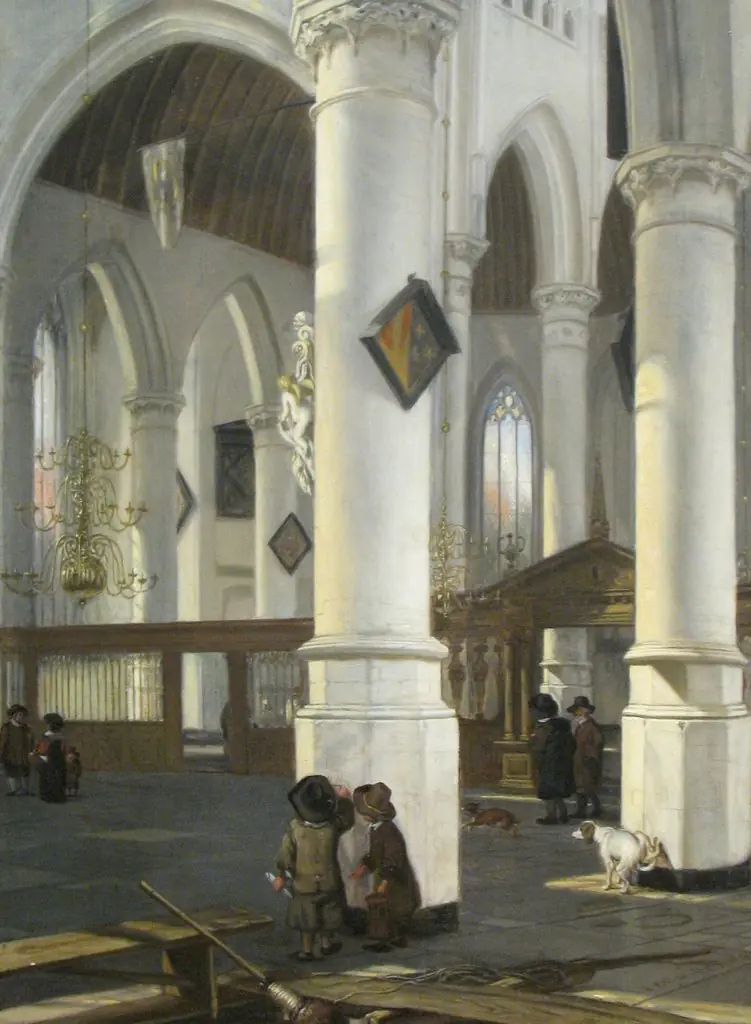 Interior of the Oude Kerk, Delft
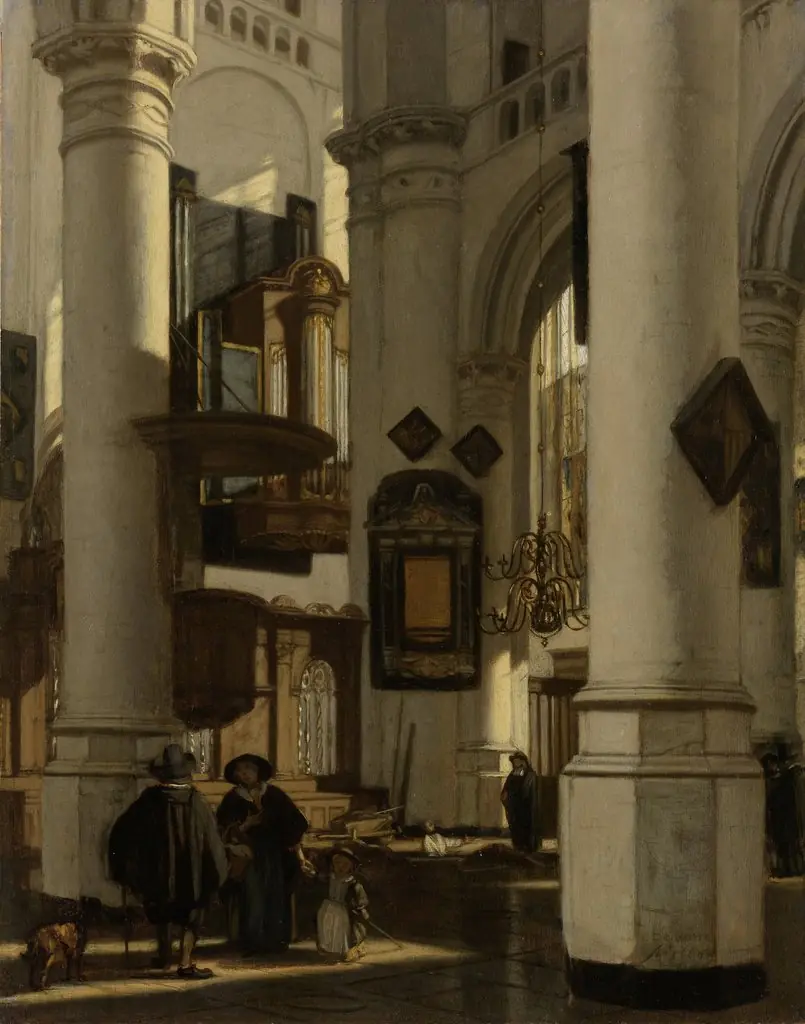 Interior of a Protestant, Gothic Church, with a Gravedigger in the Choir
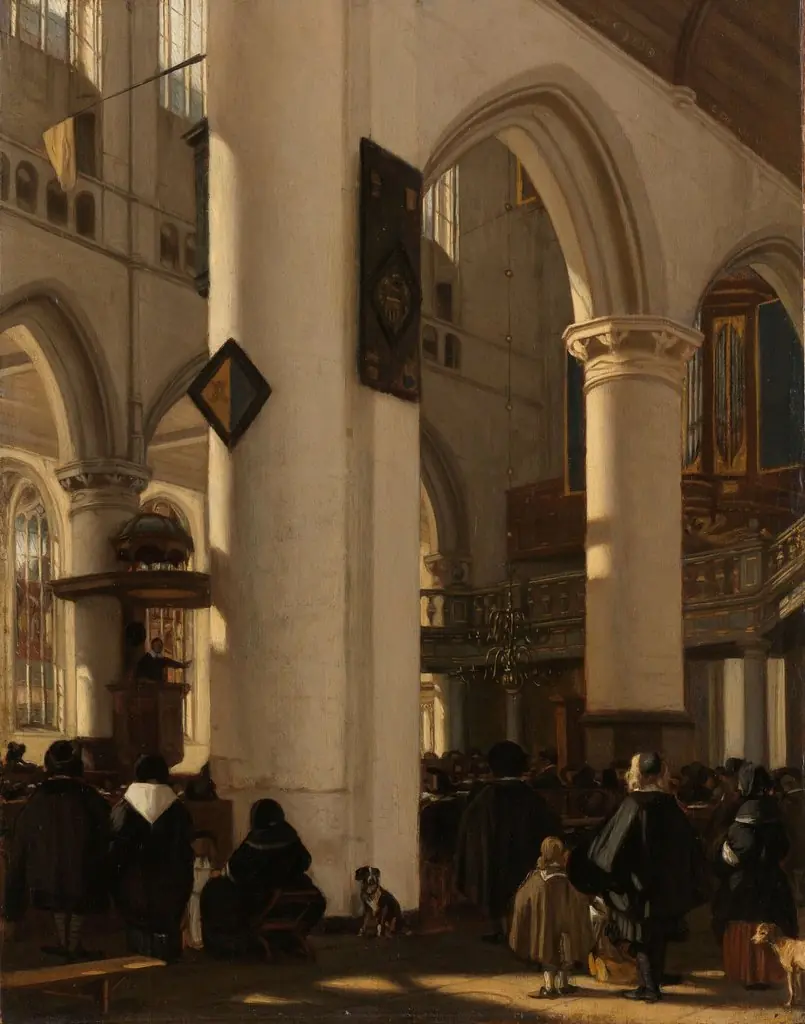 Interior of a Protestant, Gothic Church during a Service
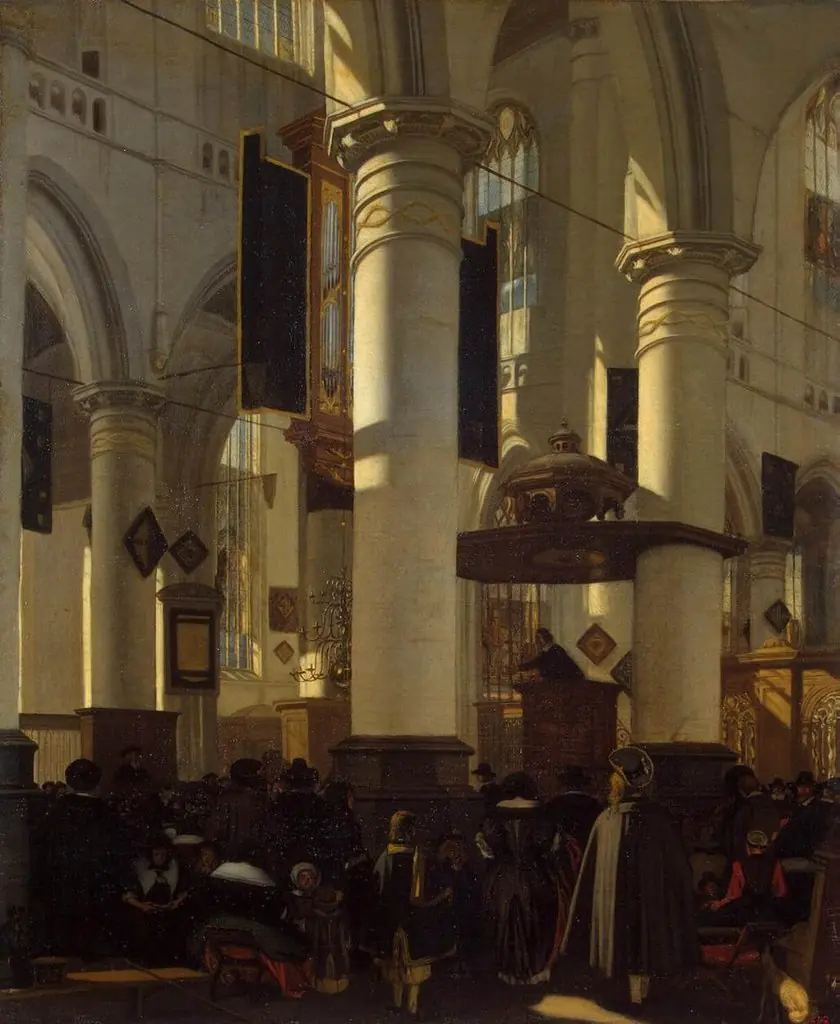 Interior of a Church
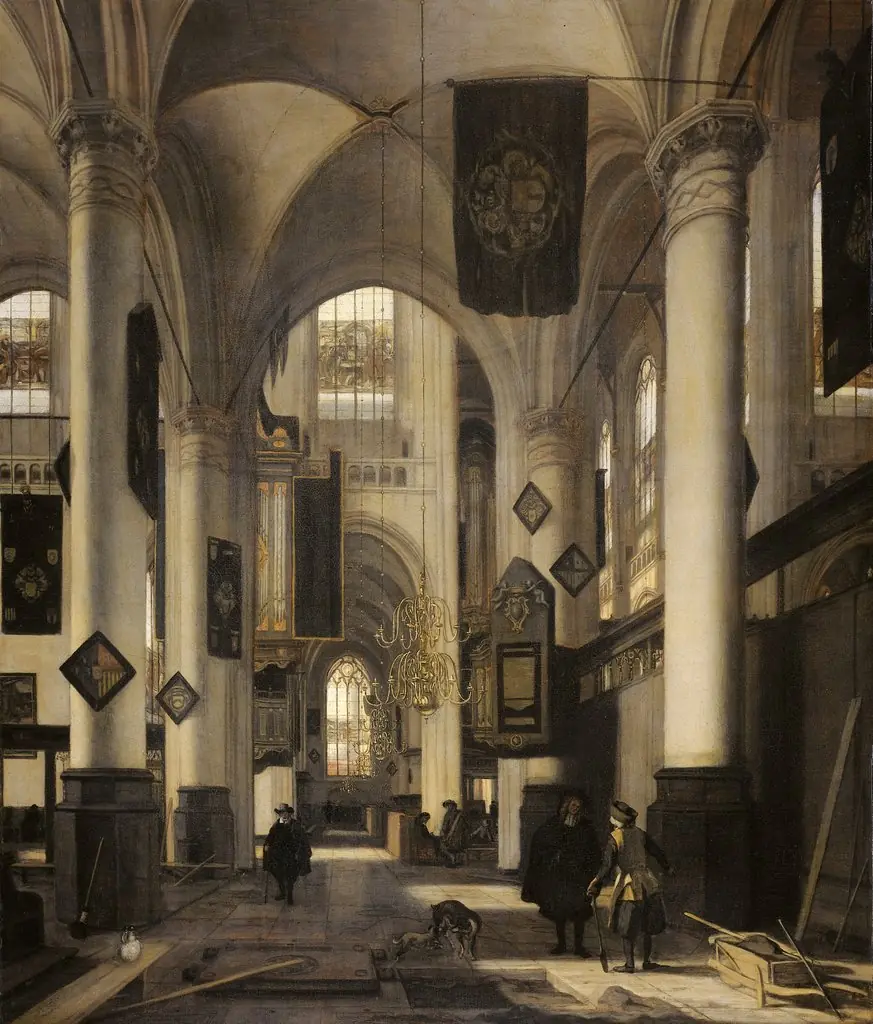 Interior of a Protestant Gothic Church
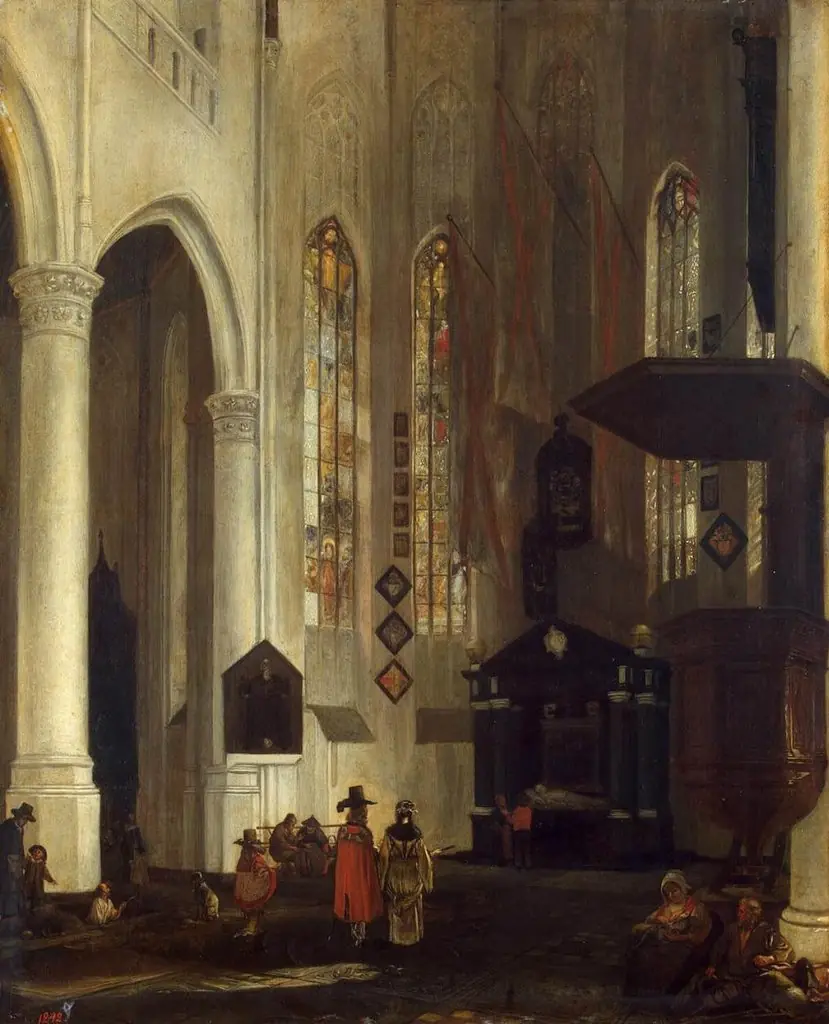 Old Church (Oudekerk) in Delft with the Tomb of Admiral Pieter Pieterszoon Hein (Heyn)
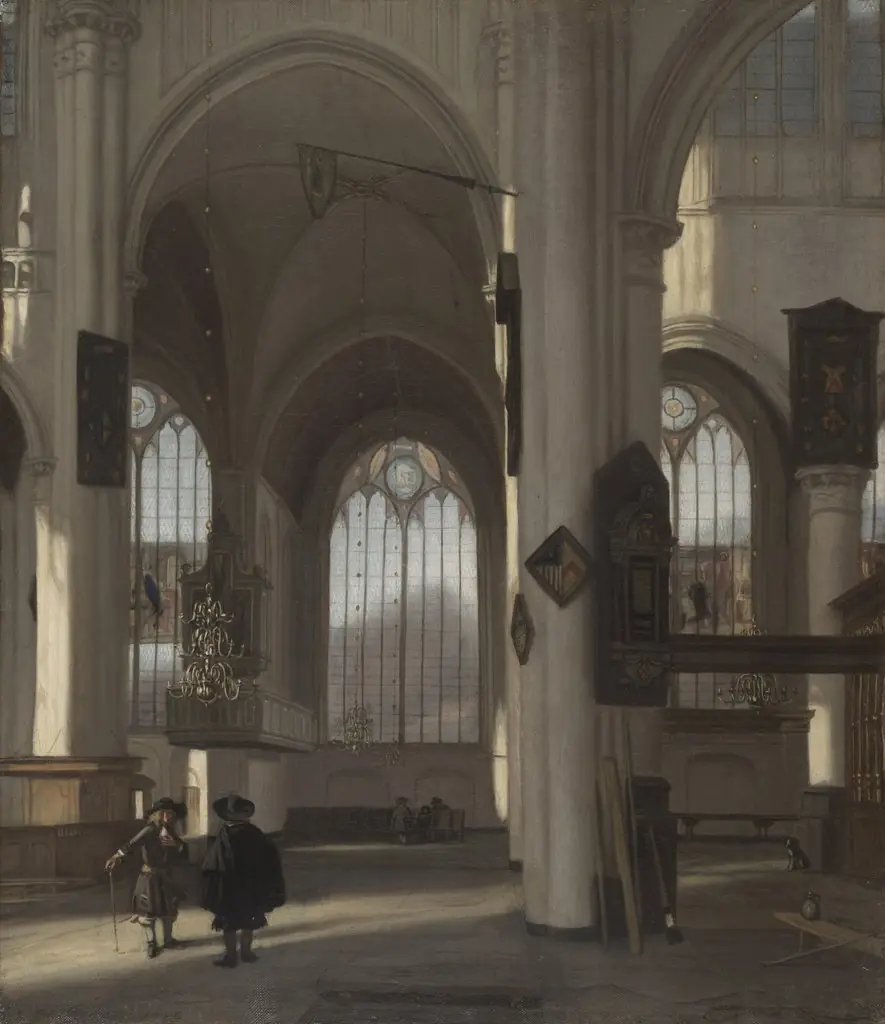 Interior of a Church
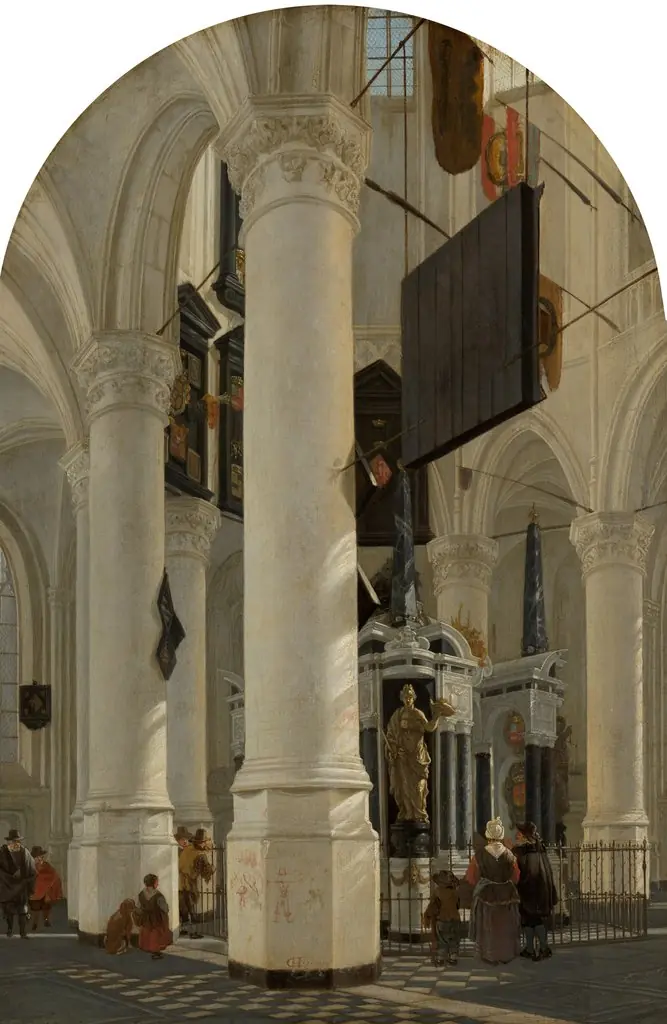 The Tomb of William the Silent in the Nieuwe Kerk in Delft
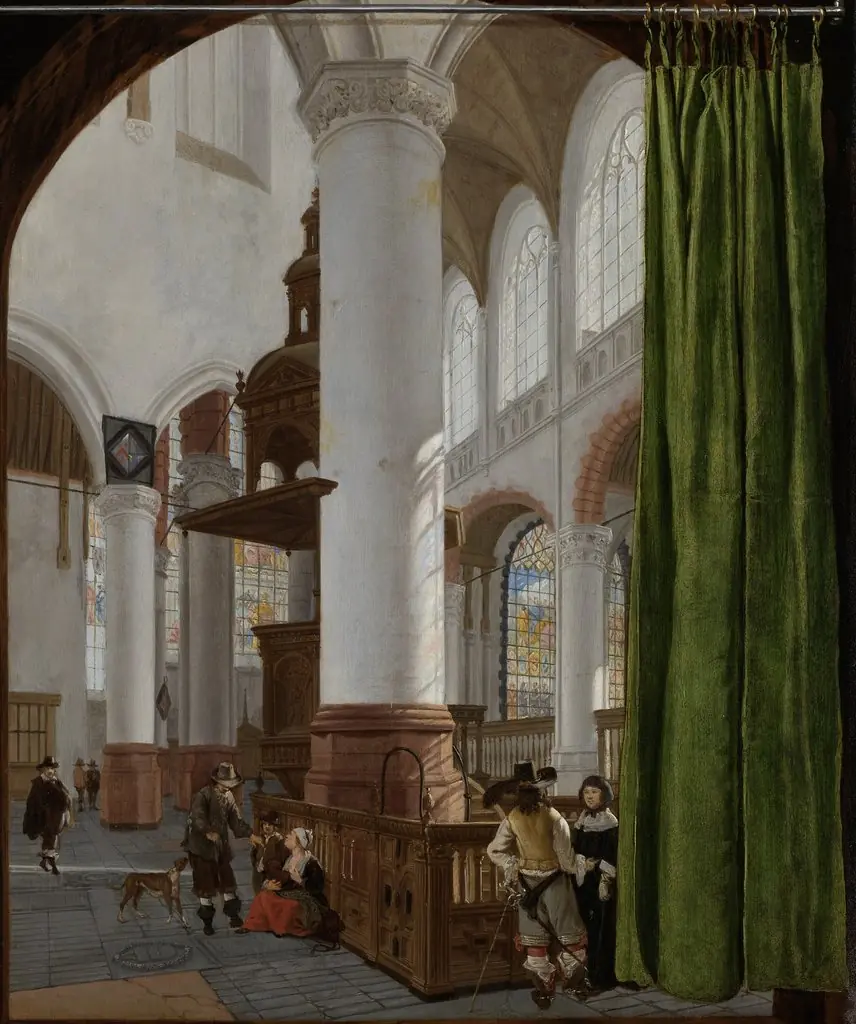 Interior of the Old Church in Delft
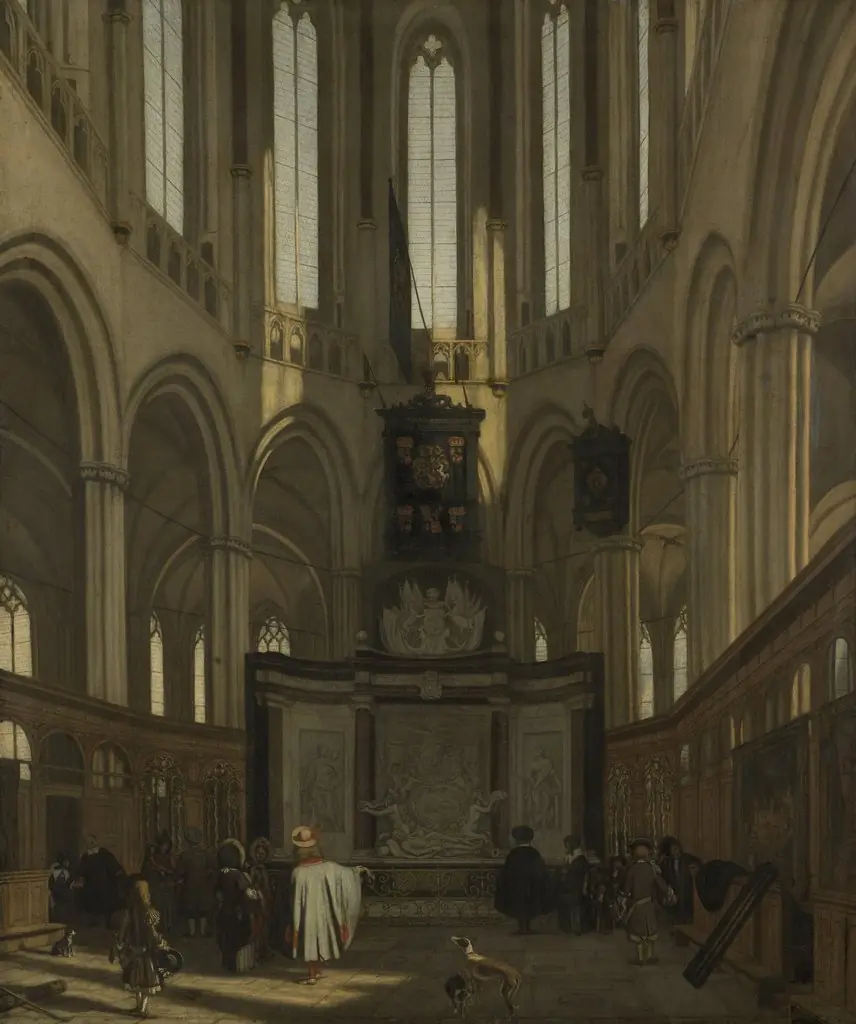 The Tomb of Michiel de Ruyter in the Nieuwe Kerk, Amsterdam
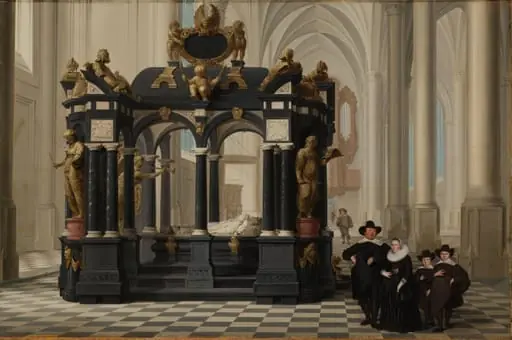 A Family beside the Tomb of Prince William i in the Nieuwe Kerk, Delft
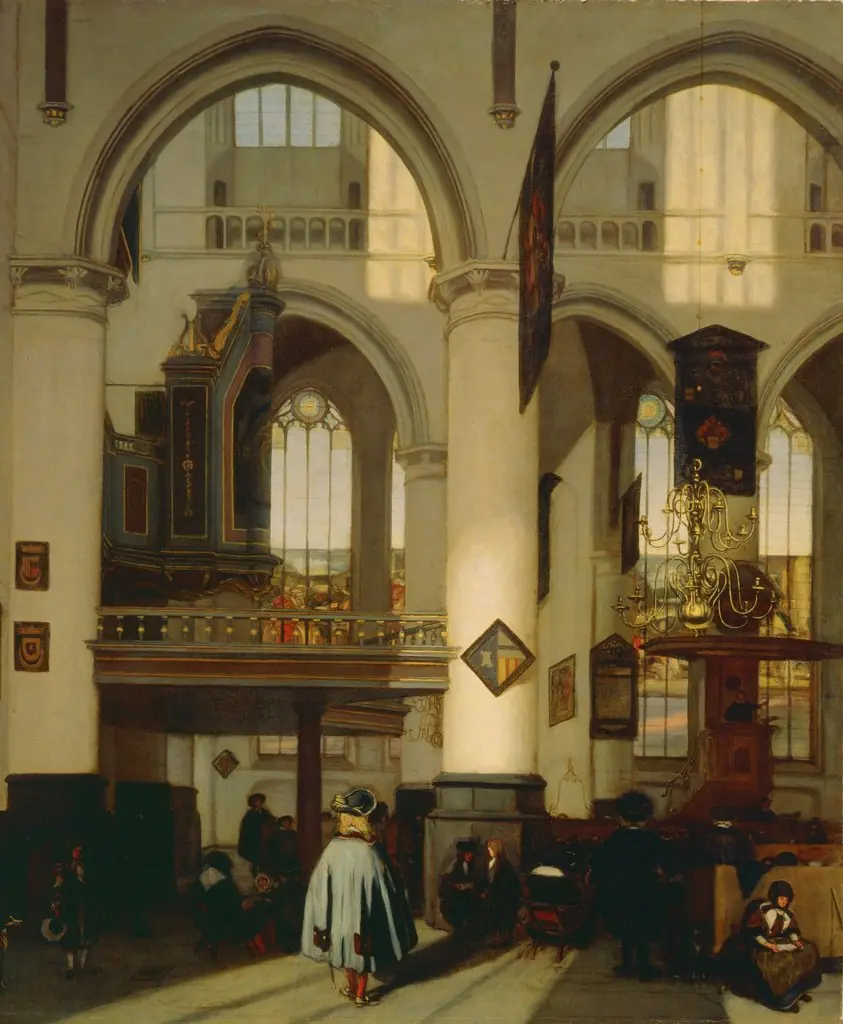 Interior of the Oude Kerk in Amsterdam
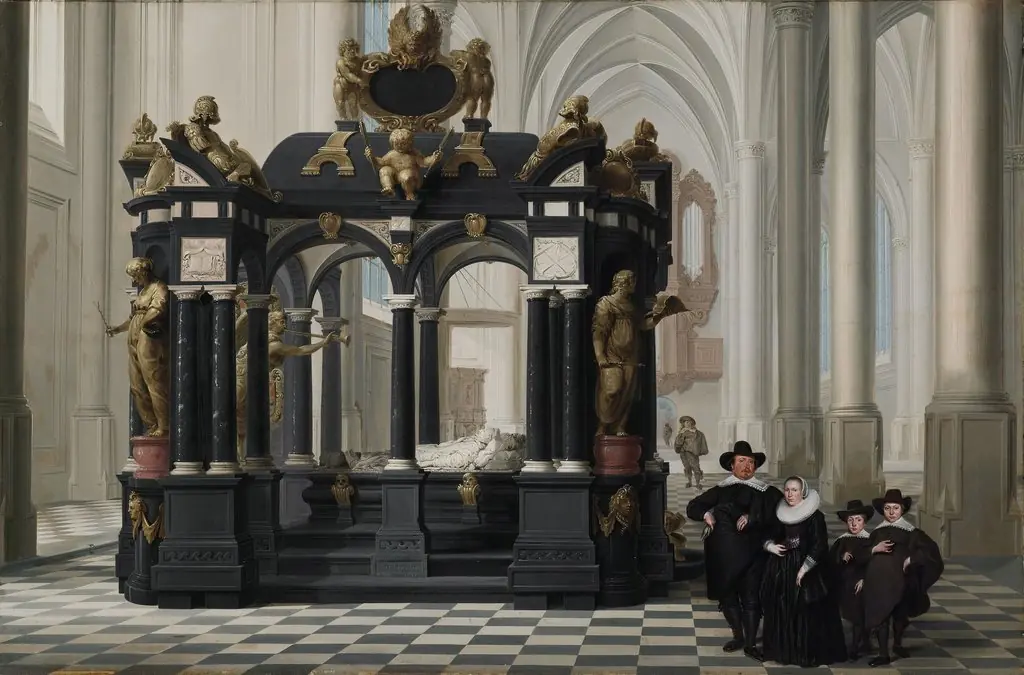 A Family beside the Tomb of Prince William I in the Nieuwe Kerk, Delft
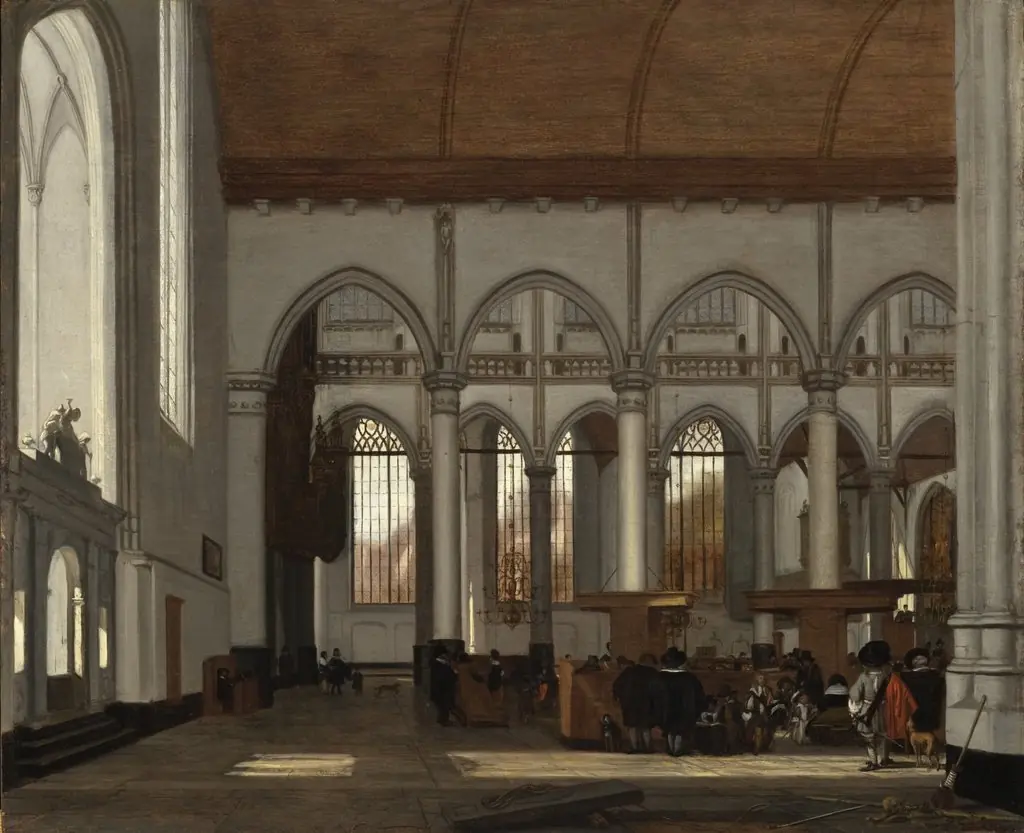 Interior of the Oude Kerk, Amsterdam
 Interior of the Nieuwe Kerk, Amsterdam