Artwork
Interior of the Synagogue in Amsterdam
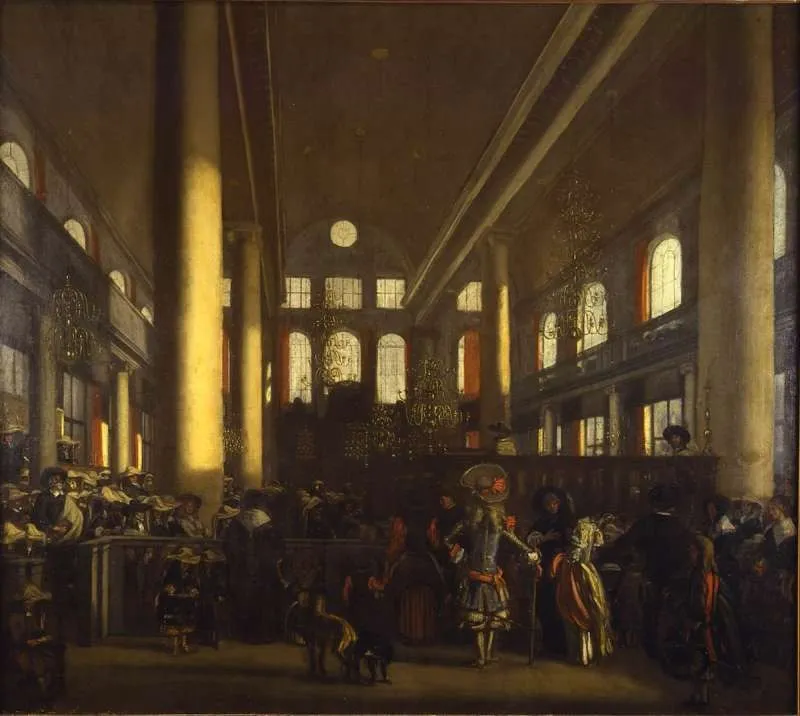
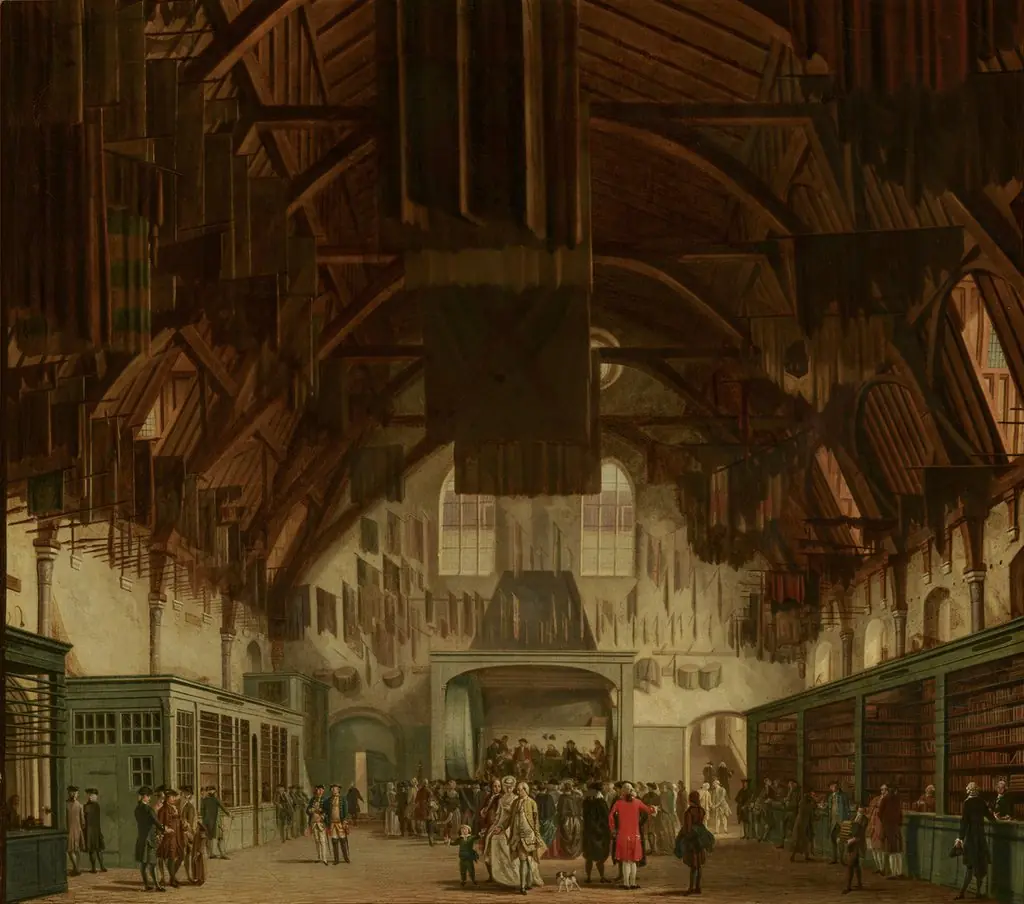
Interior of the Synagogue in Amsterdam is an unspecified painting by the Dutch Golden Age artist Emanuel de Witte. It dates from 1690 and is held in the collection of the Israel Museum.
About this work
Overview
Emanuel de Witte’s 1690 oil painting presents the interior of Amsterdam’s Portuguese Synagogue. The composition captures a spacious, vaulted hall illuminated by daylight streaming through numerous windows, revealing rows of tall columns that support the high ceiling. A small group of figures occupies the foreground, while a dog rests nearby, adding a domestic touch to the solemn setting.
Subject & Meaning
The work records a moment within the 17th‑century Jewish congregation, focusing on the communal space rather than a specific ritual.
The work records a moment within the 17th‑century Jewish congregation, focusing on the communal space rather than a specific ritual. The presence of both men and women, together with the attentive crowd, suggests a gathering for prayer or study. The dog, an unusual inclusion, may signal the everyday life that coexisted with religious practice, hinting at the integration of the community within Amsterdam’s urban fabric.
Technique & Style
De Witte employs a restrained palette and precise linear perspective to convey depth, guiding the eye from the foreground figures toward the receding arches. Subtle chiaroscuro models the architecture, while the diffused light entering through the windows creates a calm, atmospheric ambience. The brushwork is fine and controlled, emphasizing architectural detail over ornamental excess.
History & Provenance
Completed in 1690, the painting remained in private collections before being acquired by the Israel Museum, where it is currently displayed. Its provenance reflects the broader interest in Dutch interior scenes that emerged in the 18th and 19th centuries, positioning the work as a valuable documentary record of Amsterdam’s Jewish heritage.
Context
The Portuguese Synagogue, built in the mid‑17th century for Sephardic Jews, was renowned for its grandeur and acoustics. De Witte, known for his church interiors, turned his attention to this synagogue, applying his expertise in rendering sacred spaces to a non‑Christian setting. The painting thus contributes to a comparative understanding of contemporary religious architecture in the Dutch Golden Age.
Artist & collection

Artist
Emanuel de Witte was born circa 1617 in Alkmaar, the son of Pieter de Wit, a local schoolmaster.

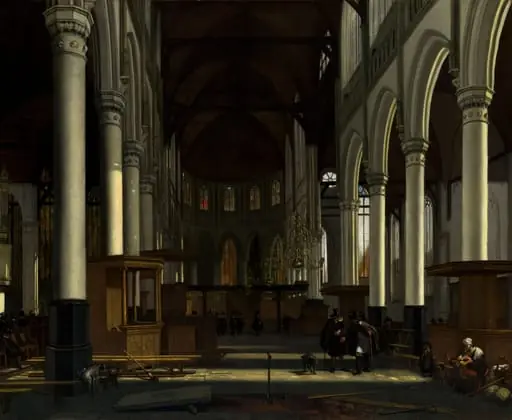 The Interior of the Oude Kerk, Amsterdam
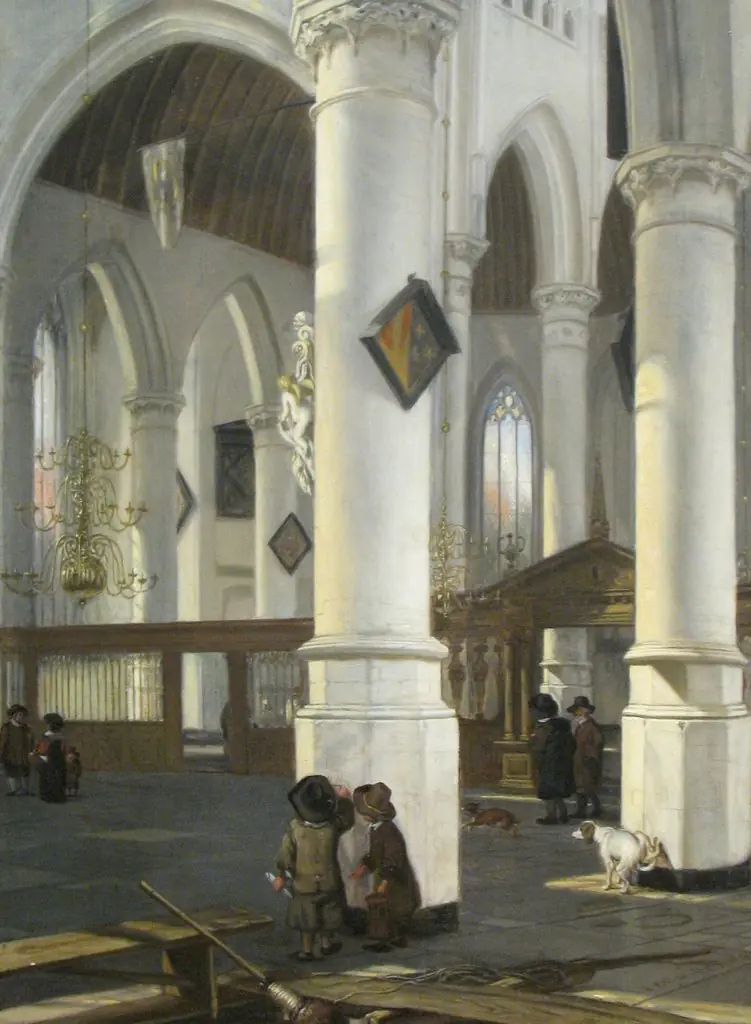 Interior of the Oude Kerk, Delft
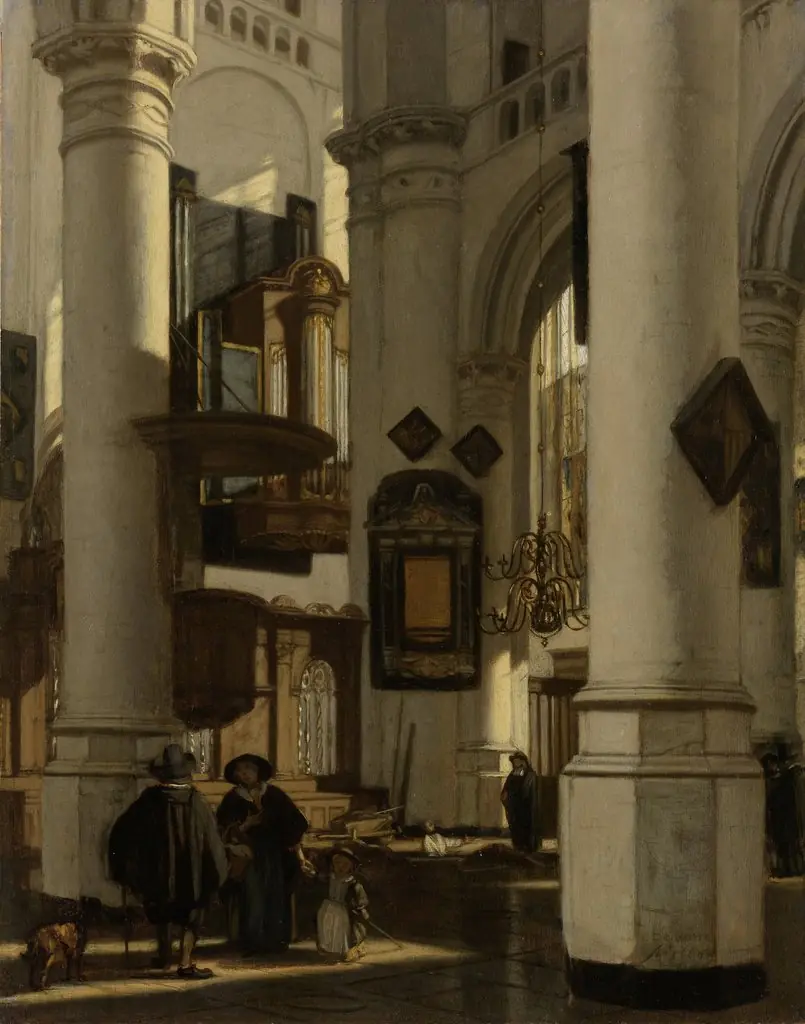 Interior of a Protestant, Gothic Church, with a Gravedigger in the Choir
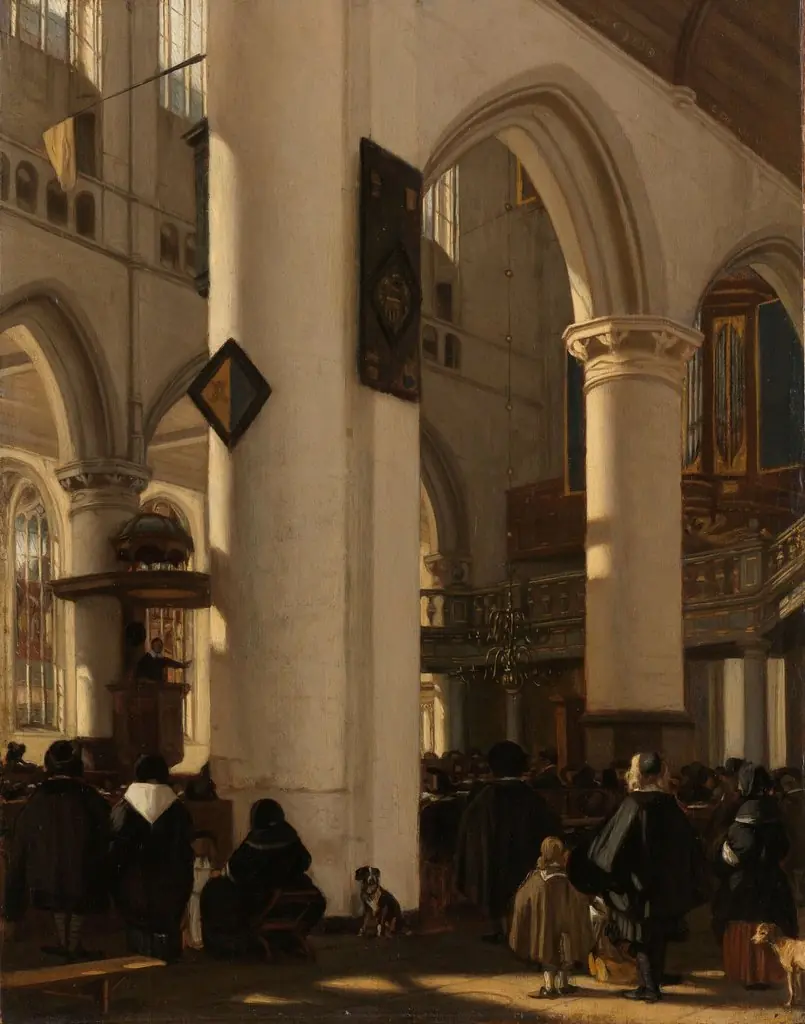 Interior of a Protestant, Gothic Church during a Service
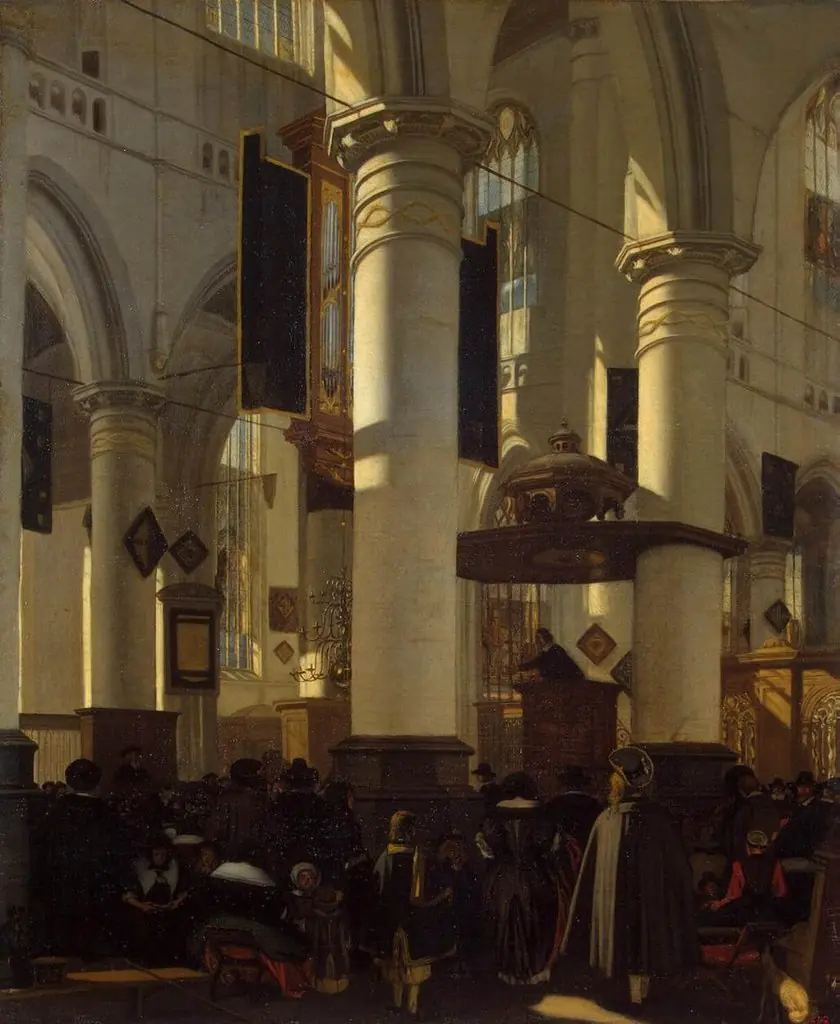 Interior of a Church
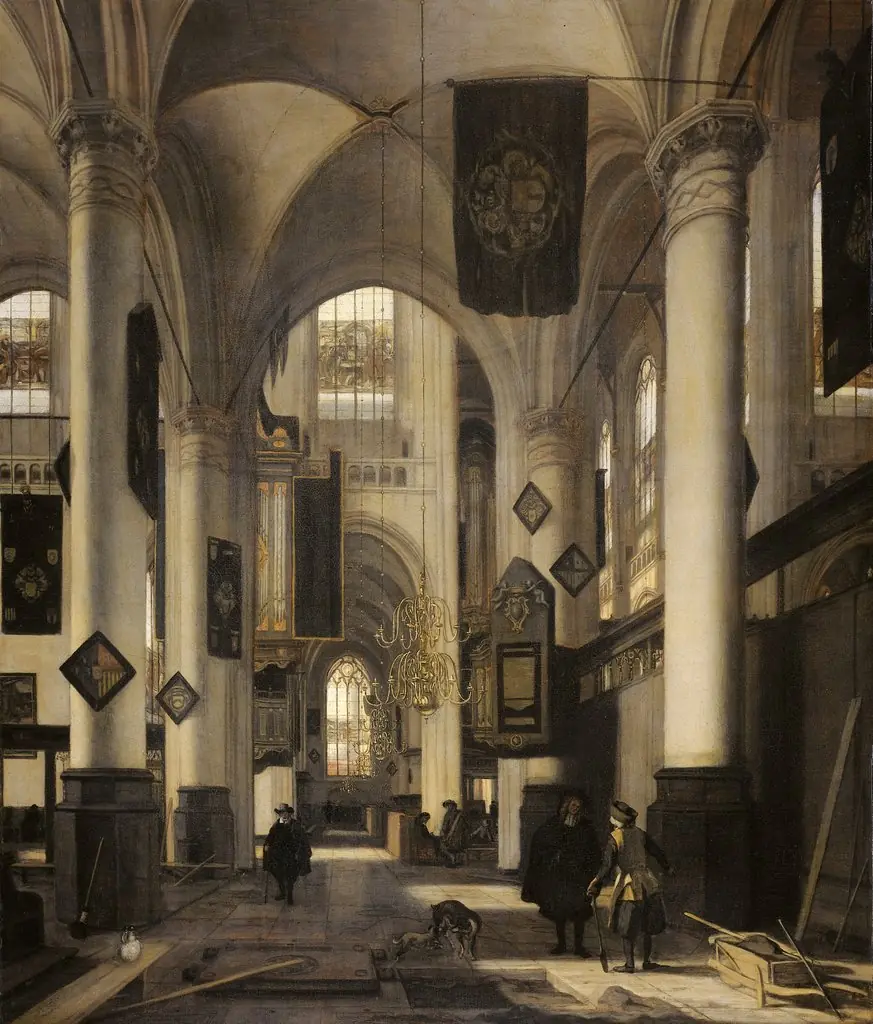 Interior of a Protestant Gothic Church
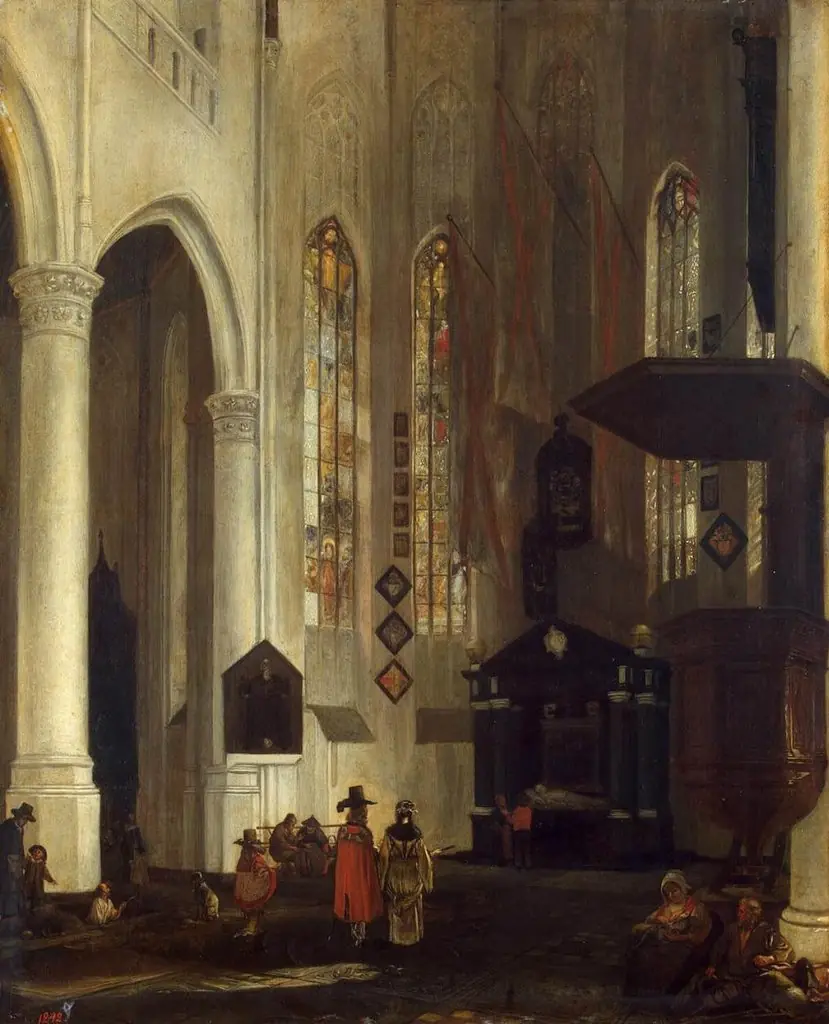 Old Church (Oudekerk) in Delft with the Tomb of Admiral Pieter Pieterszoon Hein (Heyn)
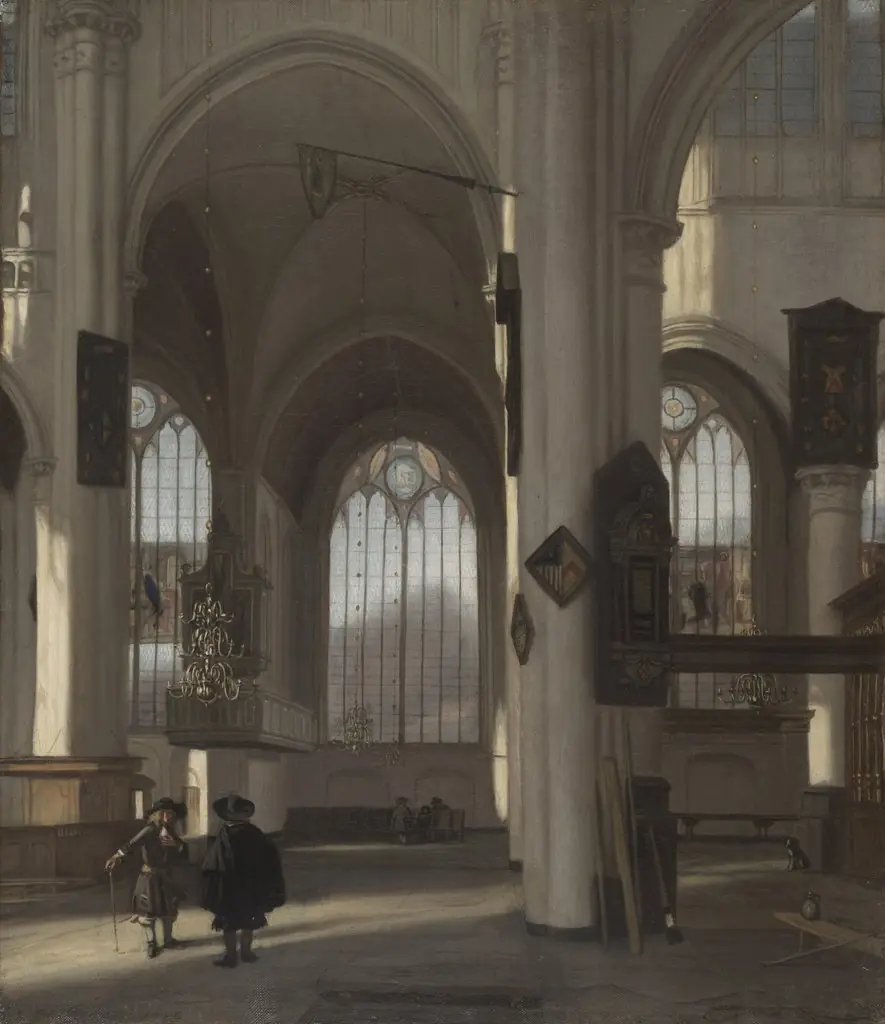 Interior of a Church
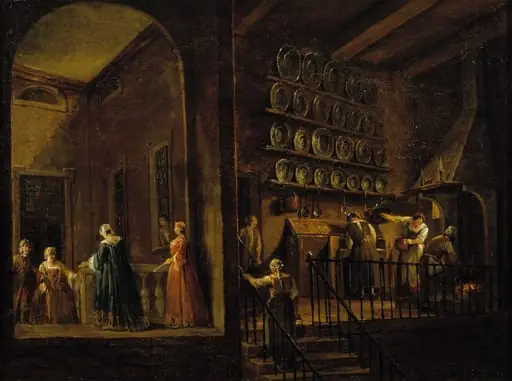 Keittiö
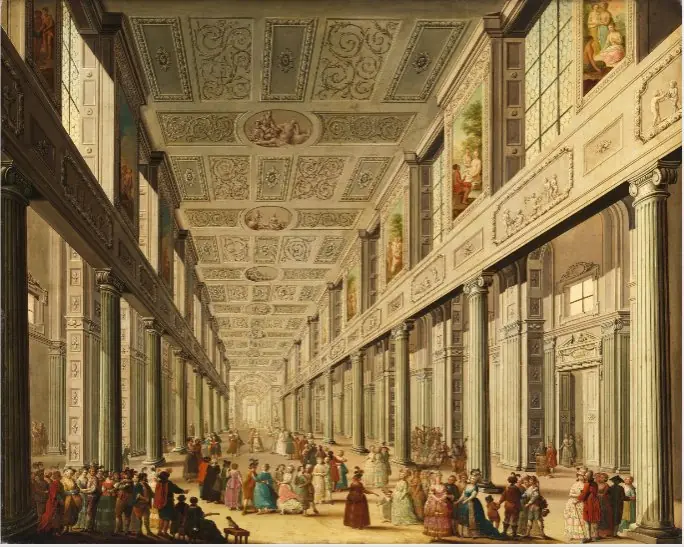 An Interior with a Fancy Dress Ball in Progress
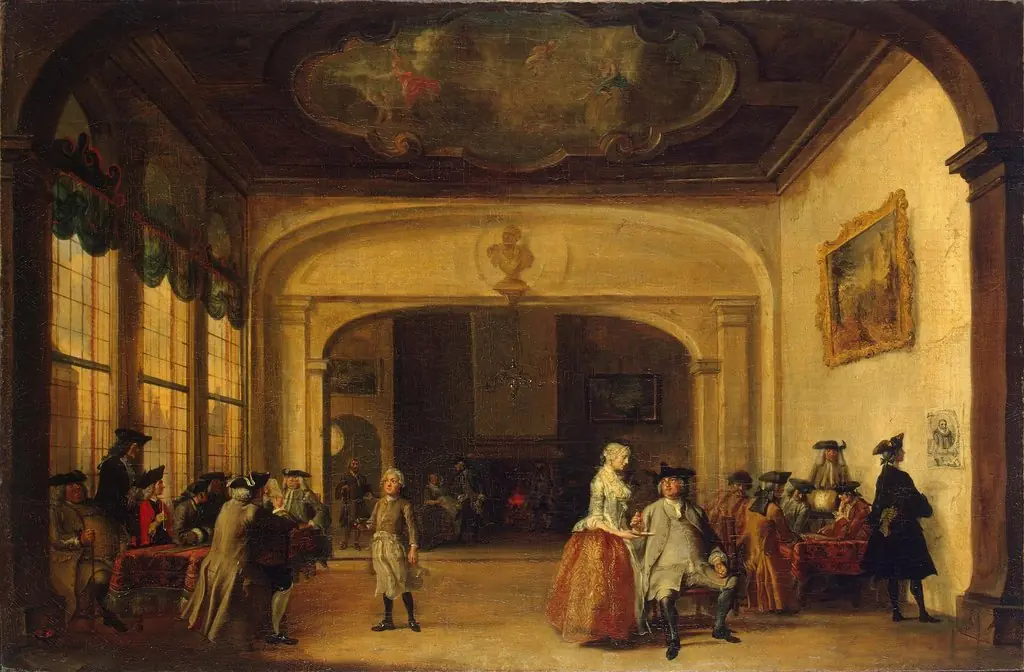 Scene in a Coffee Shop
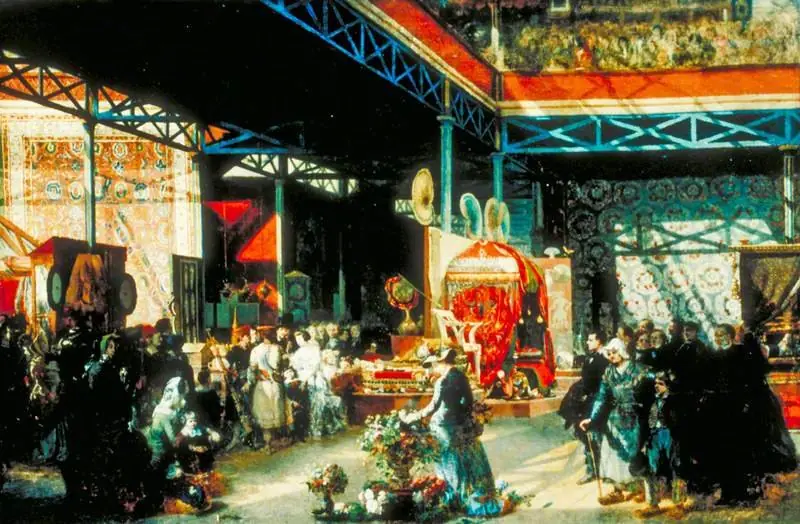 Queen Victoria, Prince Albert and Three of Their Children at the Indian Pavilion of the Great Exhibition
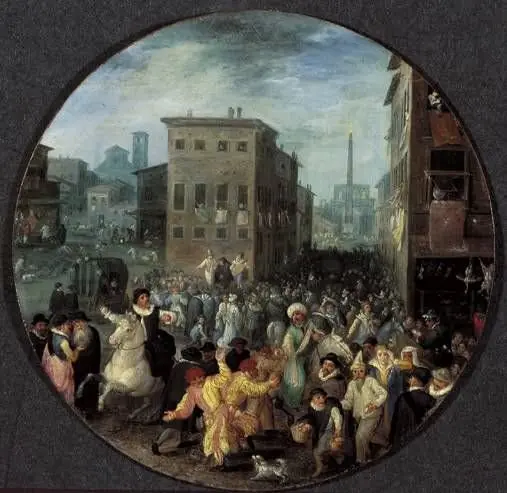 Roman Carnival: Allegory of Winter
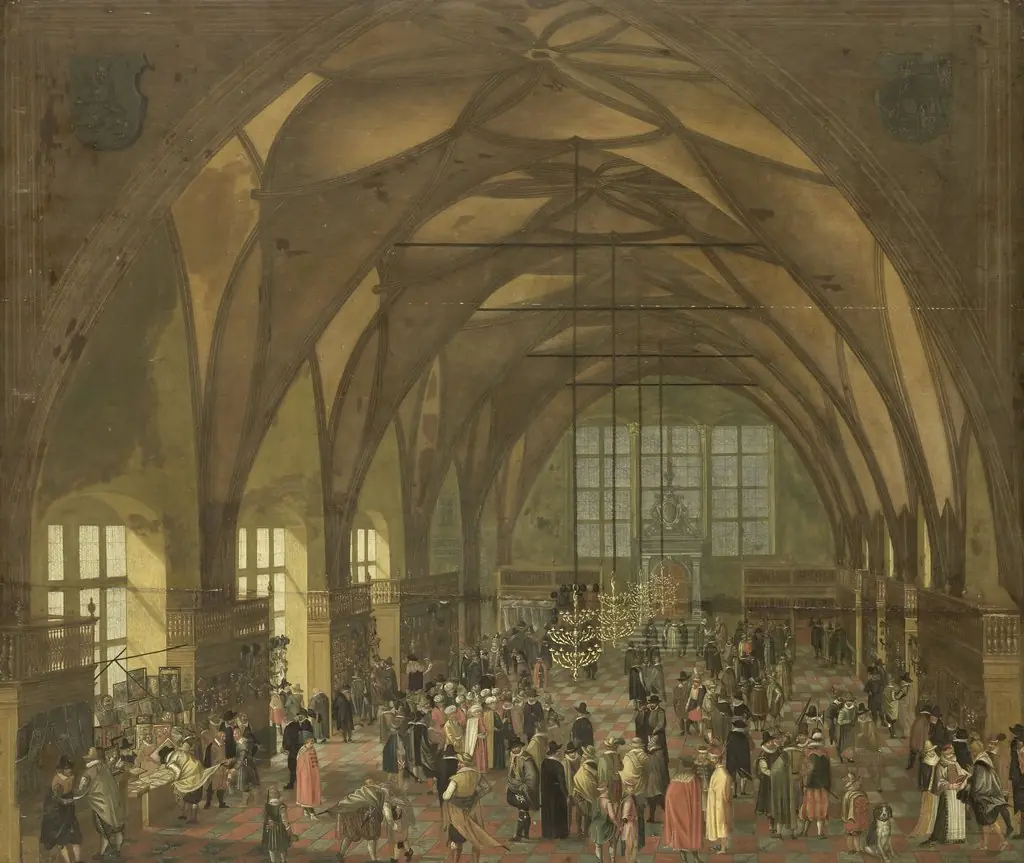 The great hall in the Hradschin in Prague
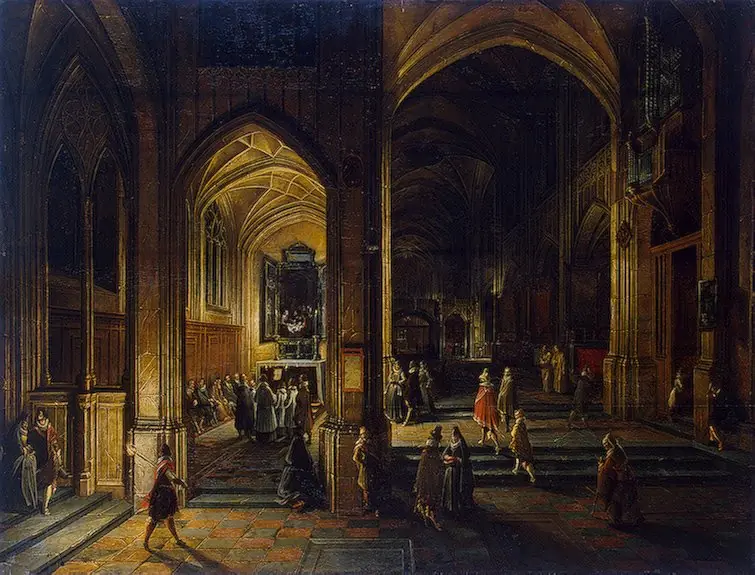 Interior of a Gothic Church
 The Main Hall of the Binnenhof in The Hague, with the State Lottery Office