Artwork
Tekfur Saray in Konstantinopel
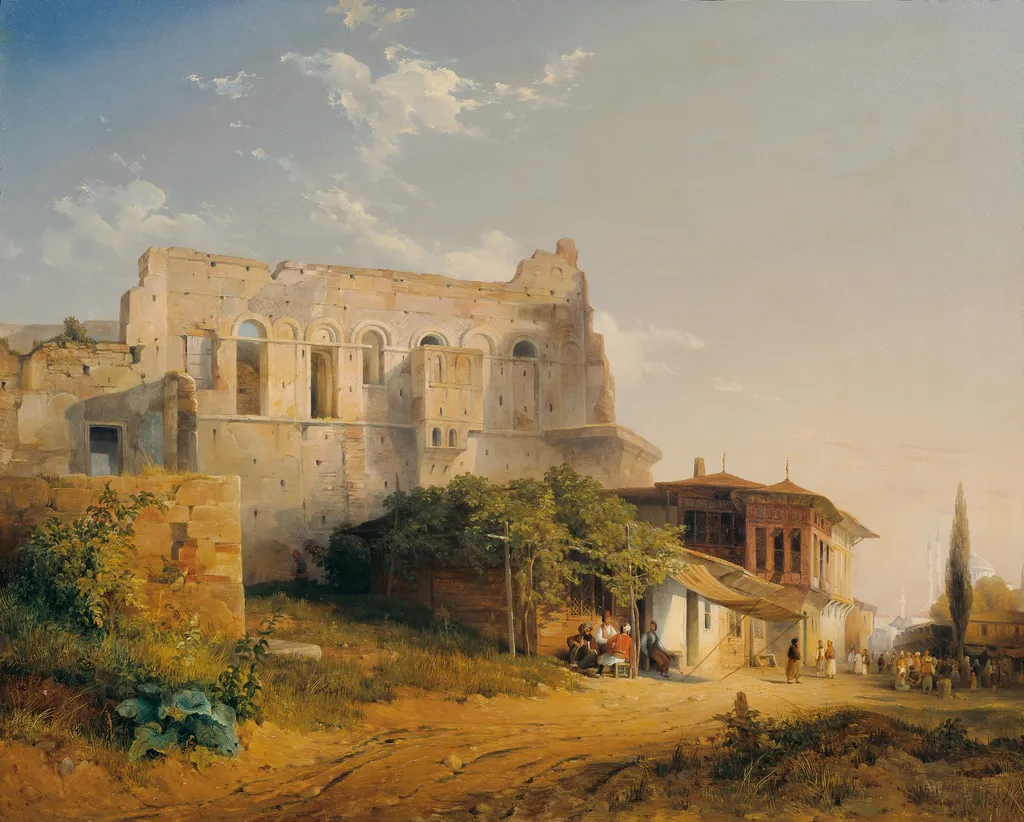
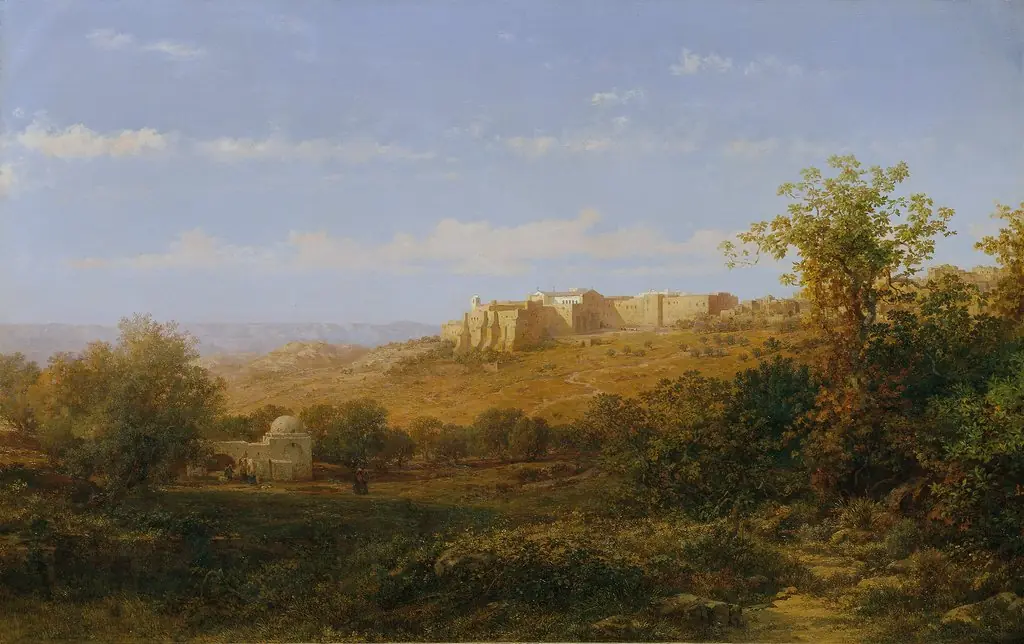
Tekfur Saray in Konstantinopel is an oil painting by the Biedermeier artist Emanuel Stöckler. It dates from 1849 and is held in the collection of the Kunsthistorisches Museum.
About this work
Overview
Painted in 1849 by Austrian artist Emanuel Stöckler, this oil on canvas depicts the Tekfur Saray, a Byzantine palace in Constantinople. The work belongs to a series of topographical studies Stöckler produced during his travels in the Ottoman Empire, reflecting a 19th-century European interest in documenting historical architecture in its contemporary state.
Subject & Meaning
The Tekfur Saray, once part of the Byzantine imperial complex, is shown as a weathered, largely abandoned structure. Stöckler’s focus on its decaying masonry and quiet isolation suggests a meditation on the passage of time and the fading legacy of Byzantine power, rather than a celebration of its former grandeur.
Technique & Style
Stöckler employs precise, muted brushwork to render the palace’s stone surfaces and surrounding landscape. The composition is balanced and observational, with soft atmospheric perspective and minimal human presence, emphasizing architectural form over narrative drama. Light is rendered subtly, enhancing the sense of stillness and age.
History & Provenance
Created during Stöckler’s journey through the Eastern Mediterranean, the painting entered the collection of the Kunsthistorisches Museum in Vienna shortly after its completion. It was likely acquired as part of a broader effort to document architectural heritage across former imperial territories now under Ottoman control.
Context
In the mid-19th century, European artists and scholars increasingly turned to the Levant to study remnants of antiquity. Stöckler’s work aligns with this trend, contributing to a visual archive that treated Byzantine ruins as historical documents rather than mere exotic scenery.
Legacy
The painting remains a documented example of 19th-century topographical art, valued for its accuracy and restrained aesthetic. It continues to serve as a reference for architectural historians studying the condition of Constantinople’s Byzantine structures in the decades before modern restoration efforts.
Own this work as a print
Artist & collection

 Ruins of the Church of the Holy Sepulchre
 Landscape with the Castle of Massa di Carrara
 Gateway in the Via Sepulcralis in Pompeii
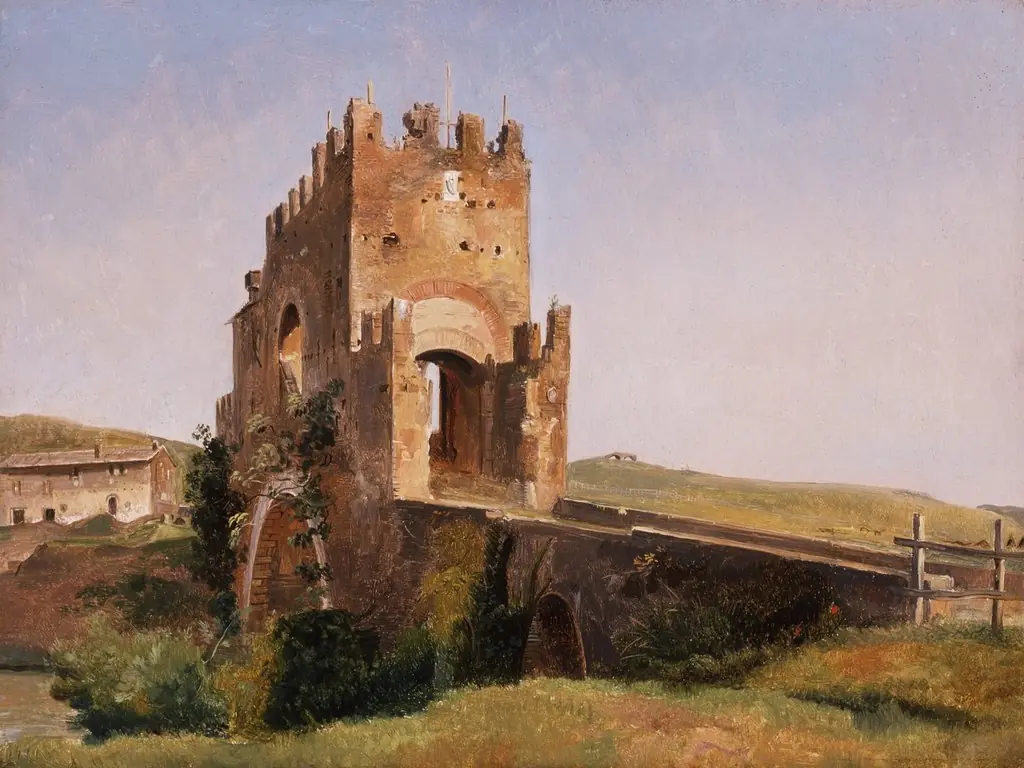 View of the Ponte Nomentano (Roman Campagna)
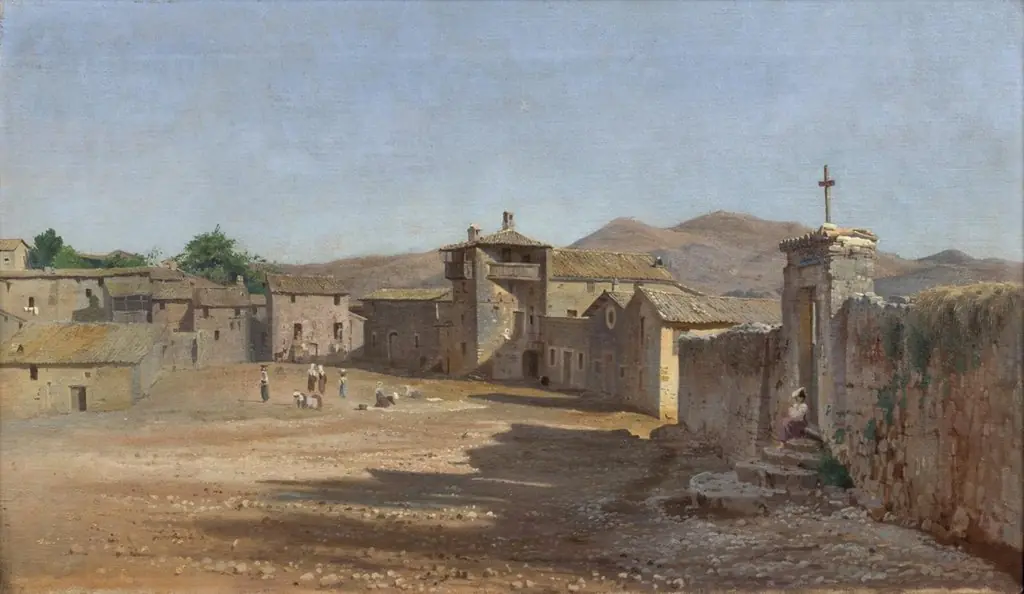 Torvet i Anticoli Corrado, Italien
 Sant'Agnese fuori le mura, Rome
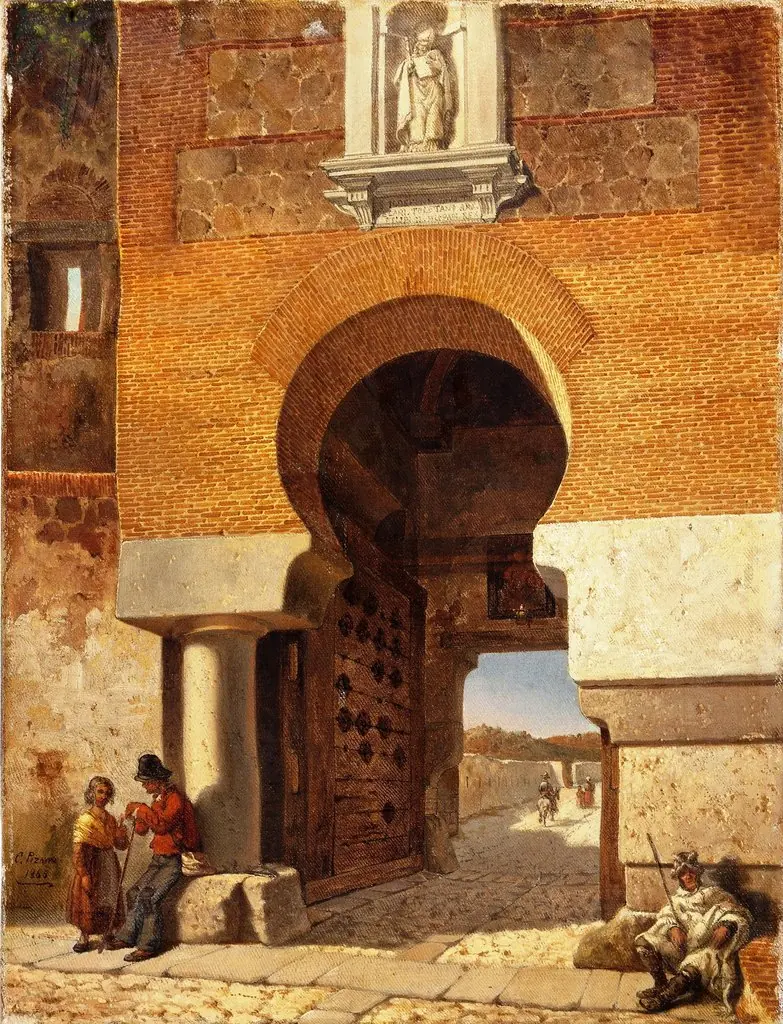 Puerta árabe de la plaza de armas en el puente de Alcántara de Toledo
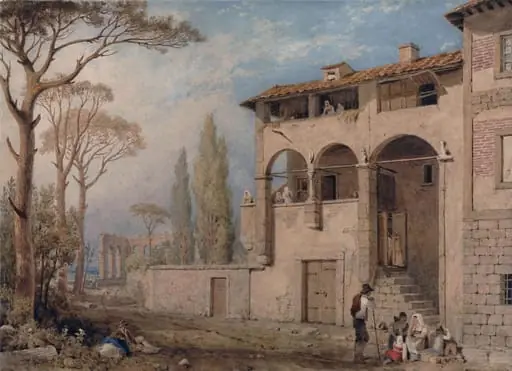 Buildings near Rome
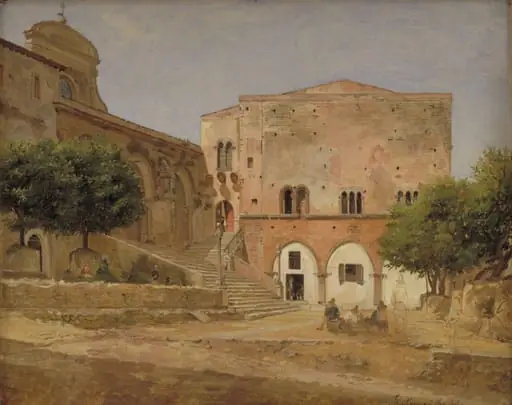 The Market Place in Priverno
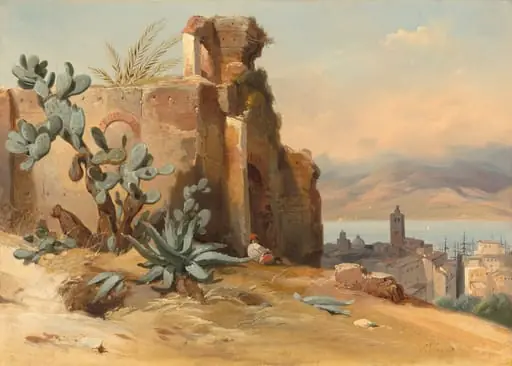 Ancient Ruins near Messina, Sicily
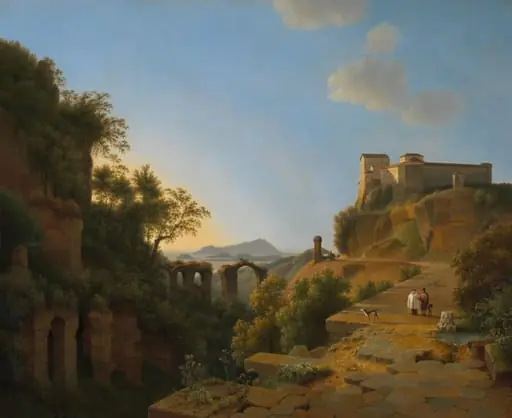 De golf van Napels met op de achtergrond het eiland Ischia
 Kloster in Bethlehem