Artwork
De golf van Napels met op de achtergrond het eiland Ischia
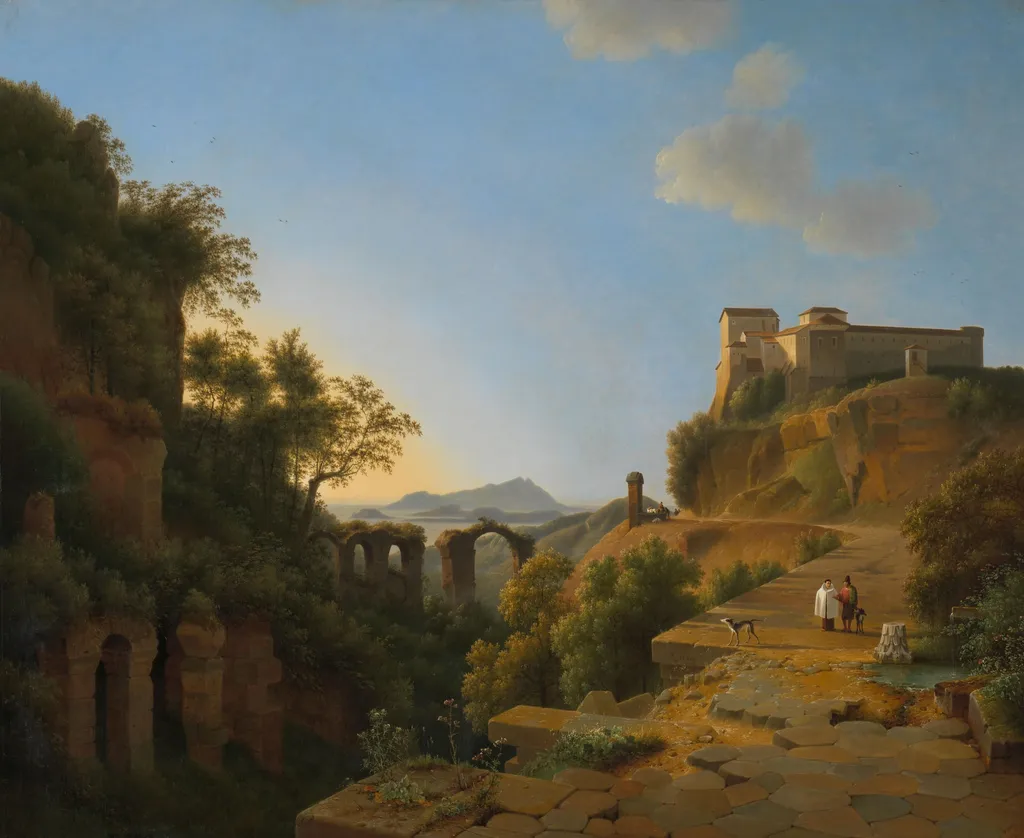
De golf van Napels met op de achtergrond het eiland Ischia is an unspecified painting by Joseph August Knip. It dates from 1818 and is held in the collection of the Rijksmuseum.
About this work
Overview
De golf van Napels met op de achtergrond het eiland Ischia is a landscape painting by Knip, synthesizing multiple Italian landmarks into a single, imaginative scene.
Subject & Meaning
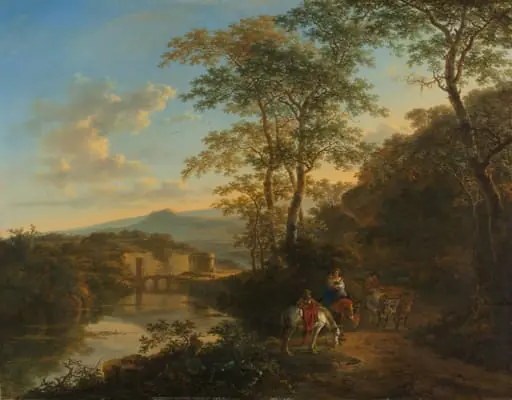
The painting combines the Gulf of Naples, the island of Ischia, and the volcano Epomeo with Roman monuments (Colosseum ruins, Nero's aqueduct, SS Quattro Coronati church) and a sculpted capital, blending real locations in a fictional arrangement.
Technique & Style
Knip's composition relies on earlier sketches from his Italian travels, effectively creating a 'travel scrapbook' effect by juxtaposing disparate elements in a unified landscape.
History & Provenance
While specific provenance details are not provided, the work reflects Knip's practice of composing scenes from pre-existing sketches, without necessarily depicting actual, contiguous locations.
Context
This painting exemplifies a broader artistic tendency of the time to recreate idealized, composite Italian landscapes for European audiences, often blending recognizable landmarks.
Legacy
The work's approach to combining real places in a fictional setting places it within a tradition of landscape painting that prioritizes artistic liberty over topographical accuracy, as seen in similar works at the Rijksmuseum.
Own this work as a print
Artist & collection
Artist
Joseph August Knip (sometimes Latinized to Josephus Augustus Knip; baptized 3 August 1777 in Tilburg – buried 1 October 1847 in Berlicum) was a Dutch painter.

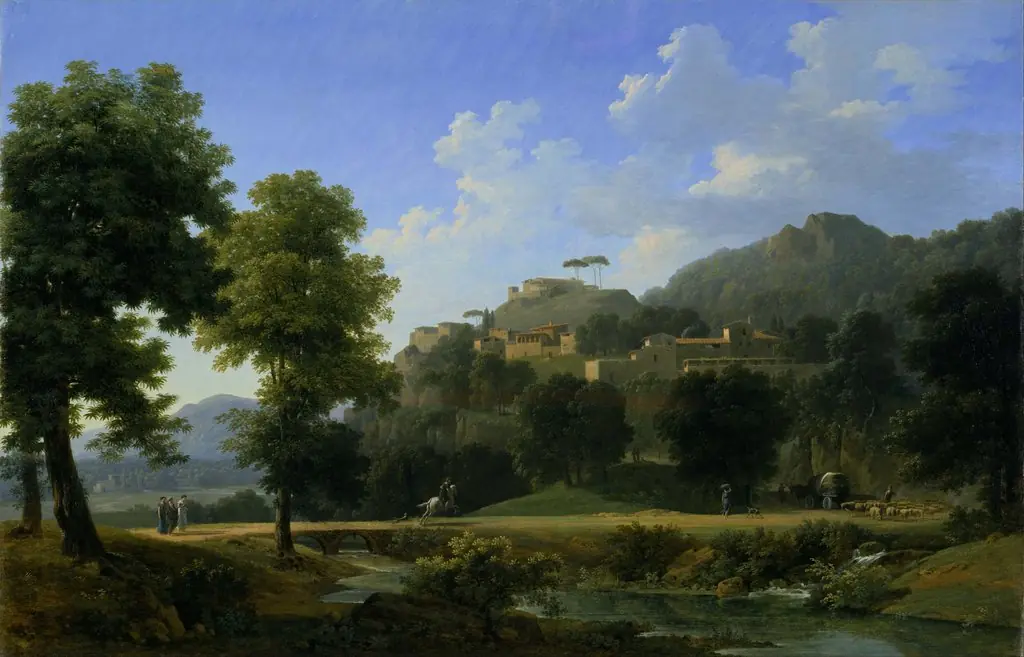 Italian Landscape (Le Paysage d'Italie)
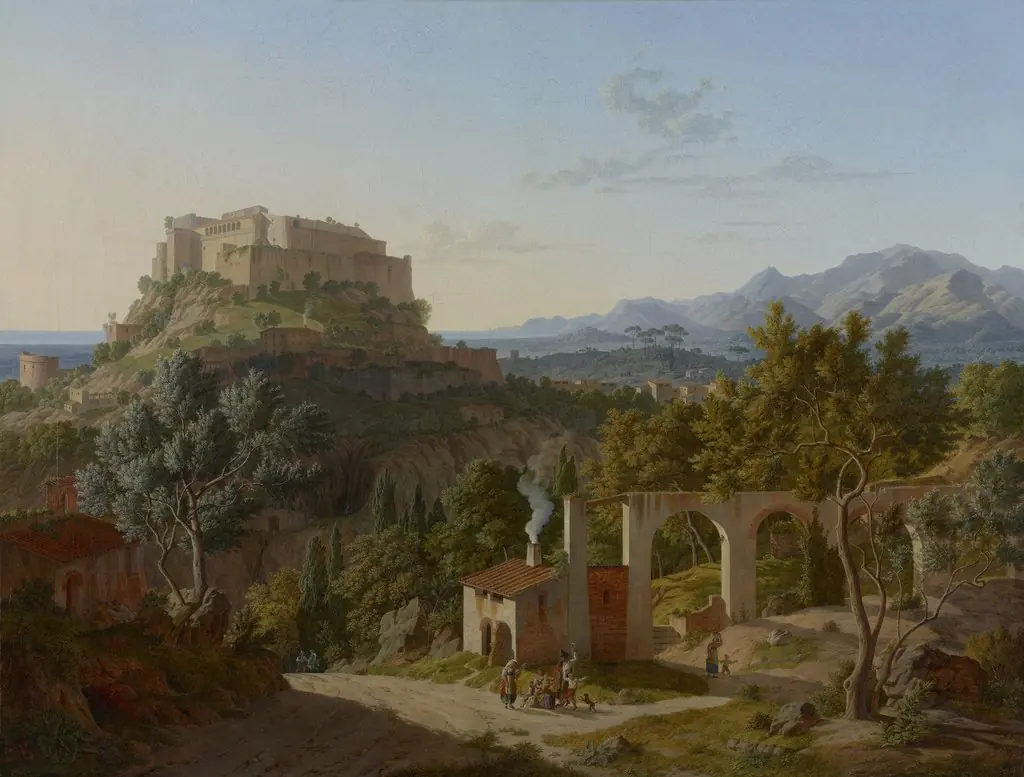 Landscape with the Castle of Massa di Carrara
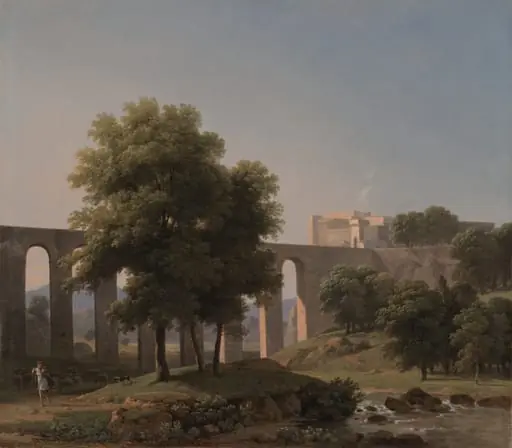 An Aqueduct Near a Fortress
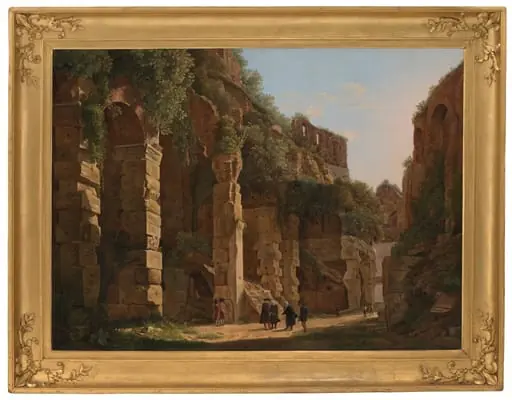 Inside the Colosseum
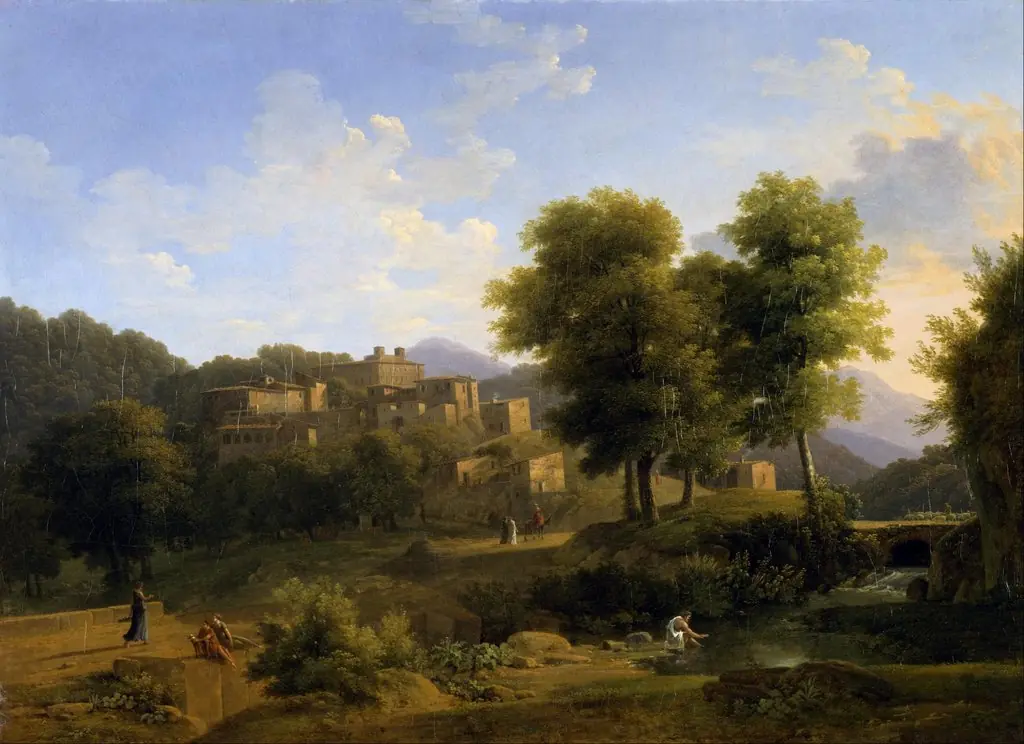 View of a Town in the Sabine Hills
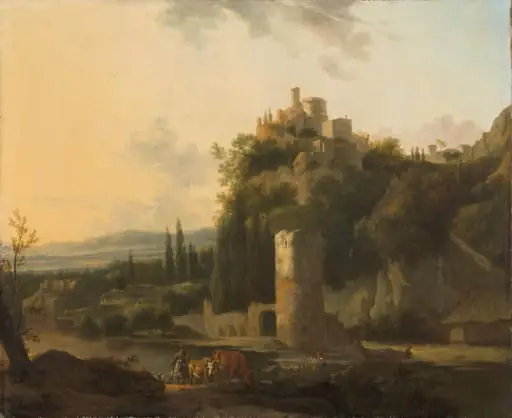 Italina landscape with round tower
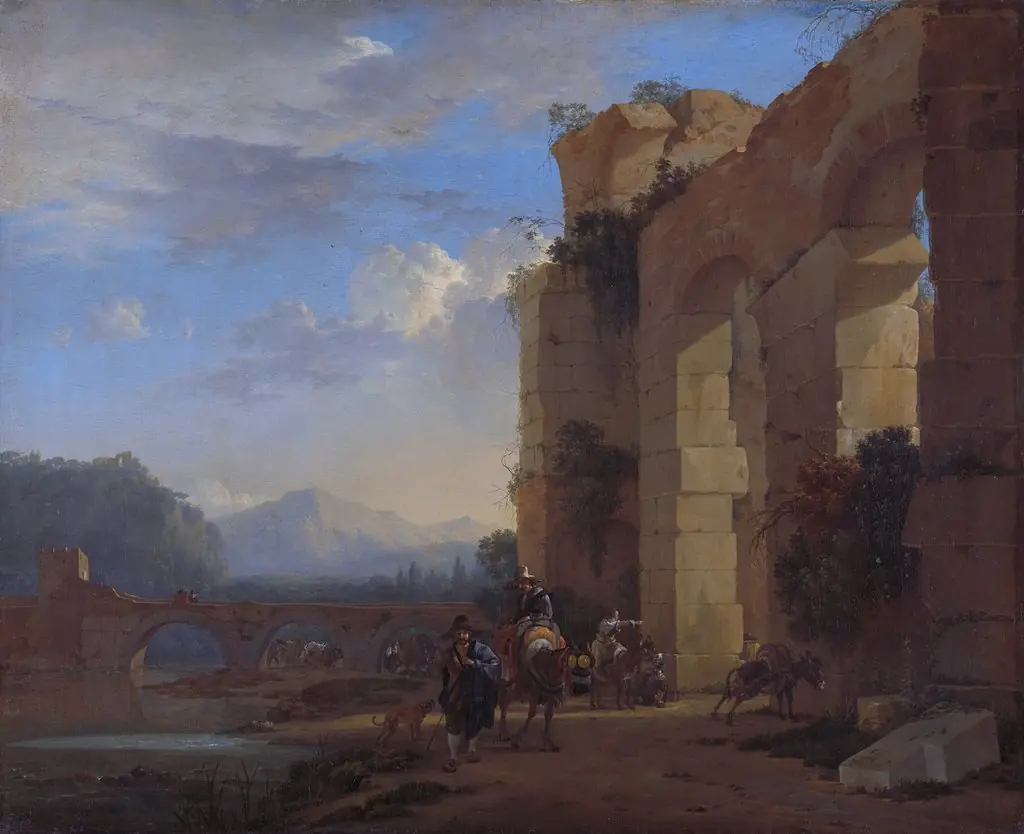 Muleteers beside an Italian Ruin
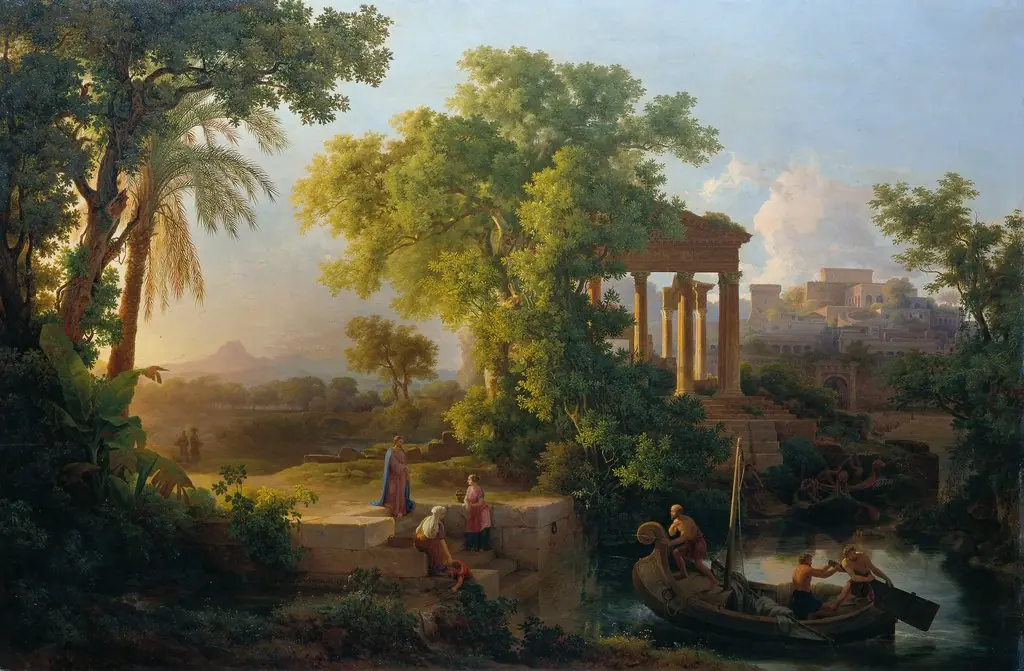 Landscape with the Vocation of St Peter
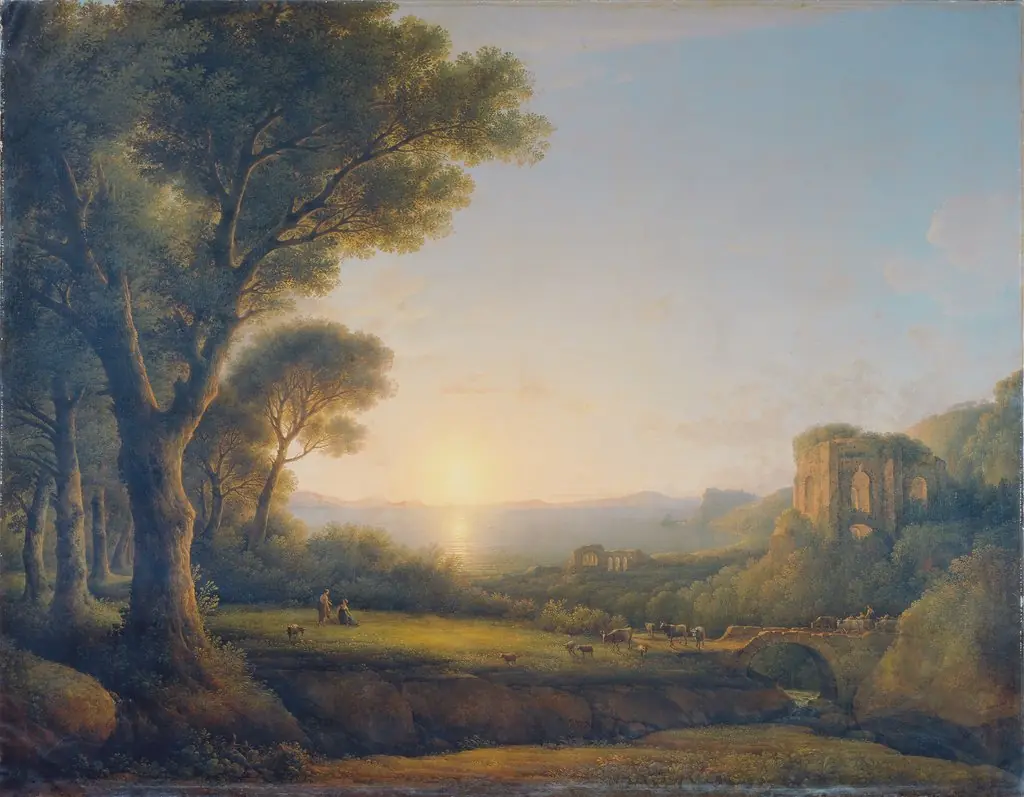 Der Meerbusen von Baiae bei Sonnenuntergang
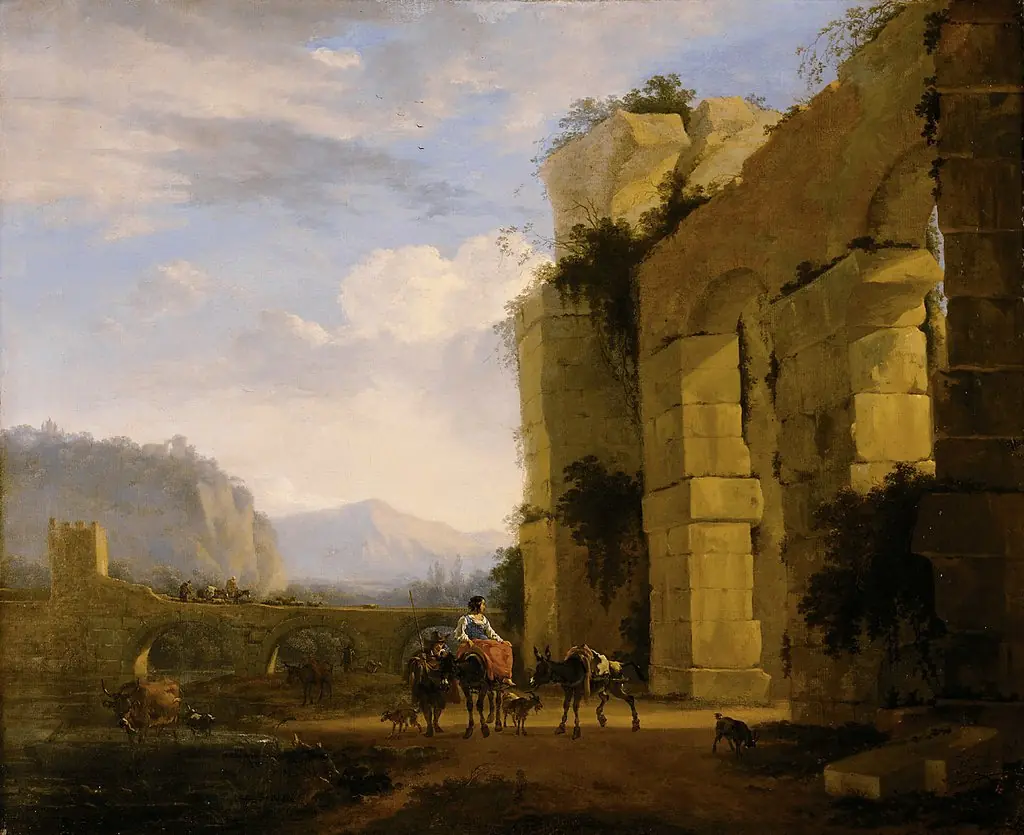 Landscape with the ruin of an aquaduct
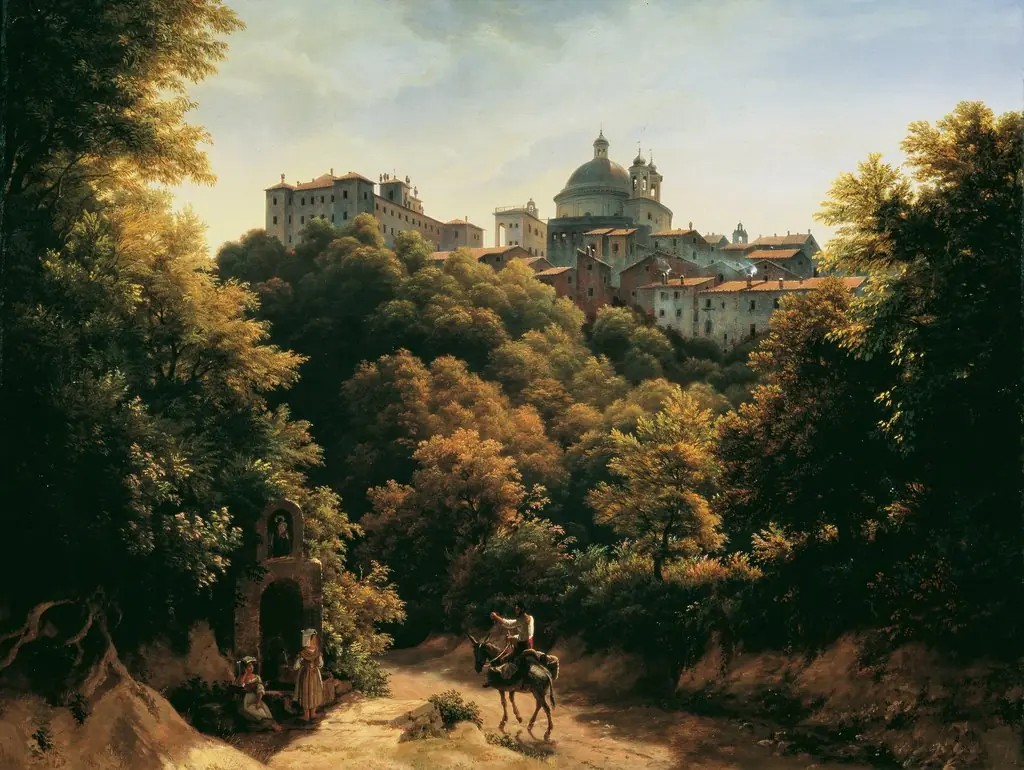 View of Ariccia
 Untitled