Artwork
Het begijnhof in Brugge
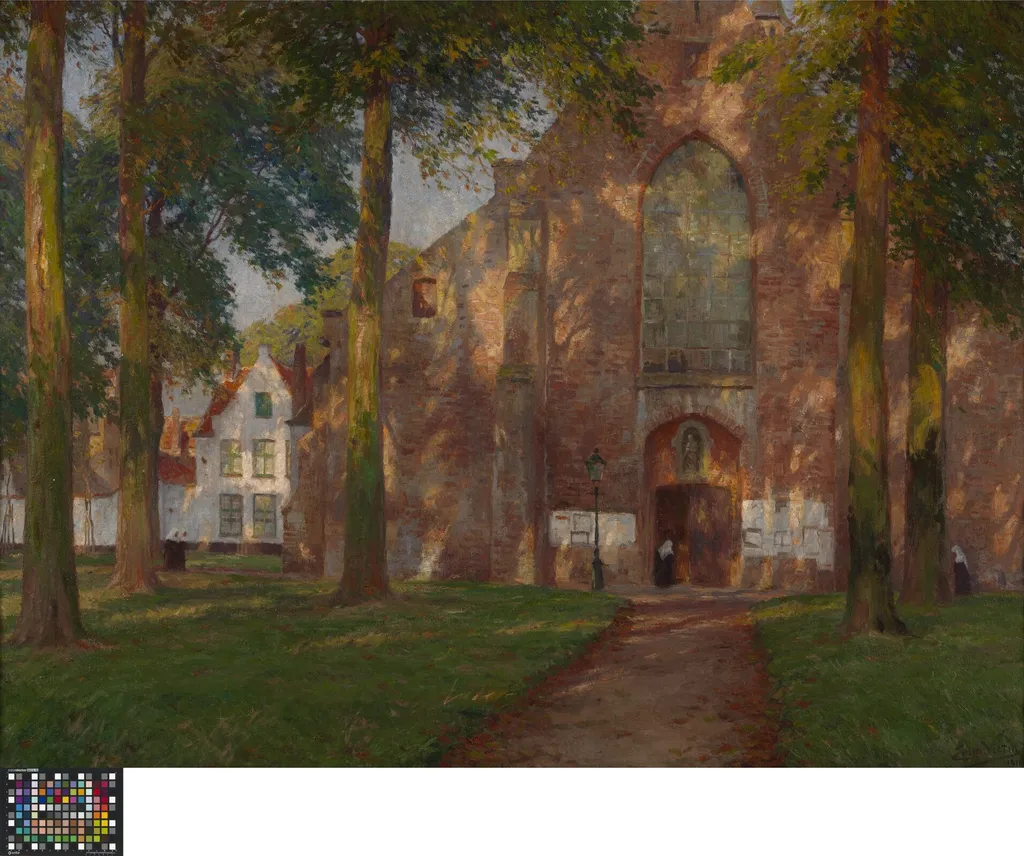
Het begijnhof in Brugge is an oil painting by the Symbolist artist Emmanuel Viérin. It dates from 1911 and is held in the collection of the Groeningemuseum.
About this work
Overview
This work reflects his interest in atmospheric precision and the quiet dignity of everyday Belgian landscapes, rather than dramatic narrative or idealization.
Emmanuel Viérin painted *Het begijnhof in Brugge* in 1911 using oil on canvas, capturing a quiet corner of the historic Beguinage in Bruges. A Belgian artist active from the late 19th century through mid-20th century, Viérin focused on urban and rural scenes illuminated by subtle natural light. This work reflects his interest in atmospheric precision and the quiet dignity of everyday Belgian landscapes, rather than dramatic narrative or idealization.
Subject & Meaning
The painting portrays the Beguinage, a secluded community of lay religious women, framed by trees and modest architecture. The central church, with its arched entrance and warm stone tones, anchors the composition as a symbol of stillness and devotion. The empty path and filtered light suggest solitude and introspection, evoking the contemplative rhythm of life within the enclosure without overt religious symbolism.
Technique & Style
Viérin employed soft gradations of light and shadow to model form and suggest depth, using layered oil glazes to achieve luminous effects. The dappled shadows beneath the trees and the muted color palette—earthy ochres, pale greens, and soft grays—create a hushed tonal harmony. His approach avoids sharp outlines, favoring atmospheric blending that aligns with Luminist principles while retaining a quiet realism.
History & Provenance
Completed in 1911, the painting entered the collection of the Groeningemuseum in Bruges, where it remains today. Viérin, a native of Bruges, frequently depicted local sites with intimate familiarity. The work was produced during a period when regional identity and quiet observation were gaining artistic value in Belgium, distancing itself from grand historical themes in favor of personal, place-based expression.
Context
In early 20th-century Belgium, artists like Viérin turned from academic traditions toward nuanced depictions of daily life and light. While influenced by Symbolist mood, his work diverged from allegory, instead grounding emotion in observed reality. The Beguinage, a protected medieval enclave, resonated as a symbol of enduring quietude amid industrial and social change, making it a fitting subject for his contemplative vision.
Legacy
Viérin’s *Het begijnhof in Brugge* contributes to a broader Belgian tradition of intimate landscape painting that values atmosphere over spectacle. Though not widely known outside regional circles, his careful rendering of light and place influenced later generations focused on local identity. The painting endures as a quiet record of a vanishing urban sanctuary, preserved through the artist’s attentive hand.
Own this work as a print
Artist & collection
Artist
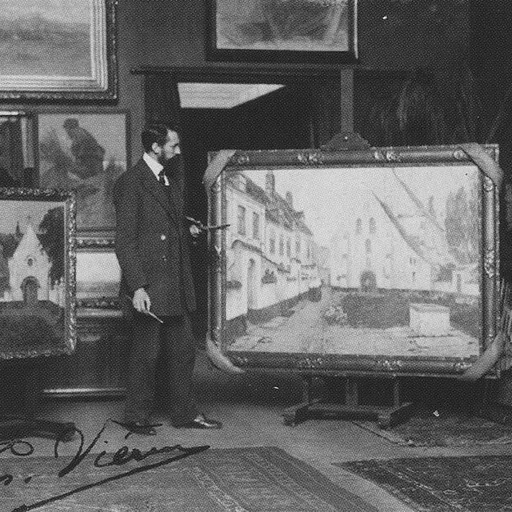
Emmanuel Viérin is a Belgian painter who belongs to the Belgian Luminist current. He was born in 1869 in Courtrai (Kortrijk), Belgium and died in 1954.

 Oude brug in Vlaanderen
 Dutch Street Scene
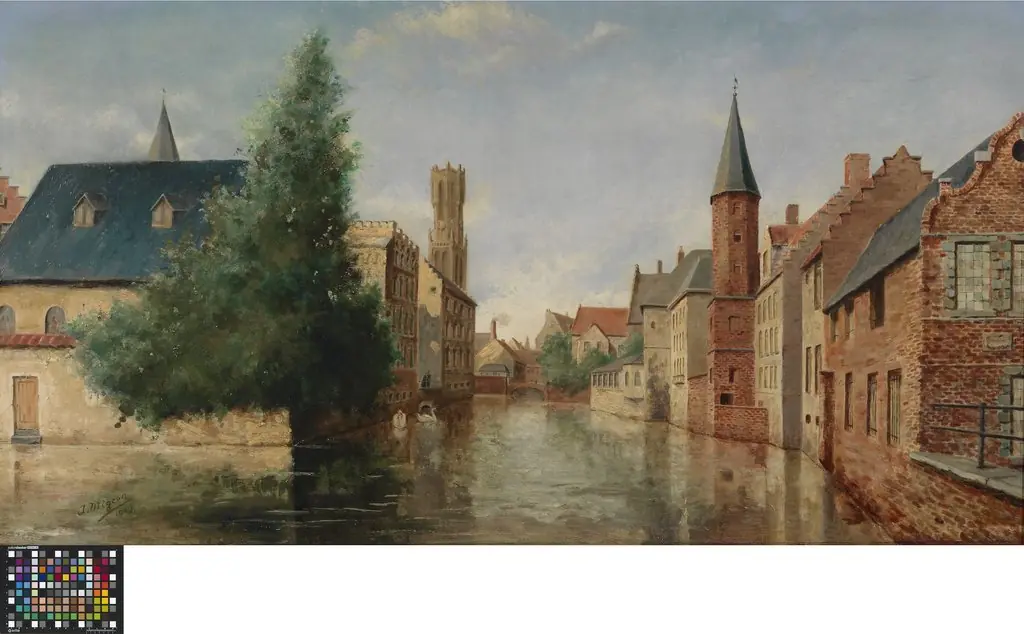 De Rozenhoedkaai in Brugge
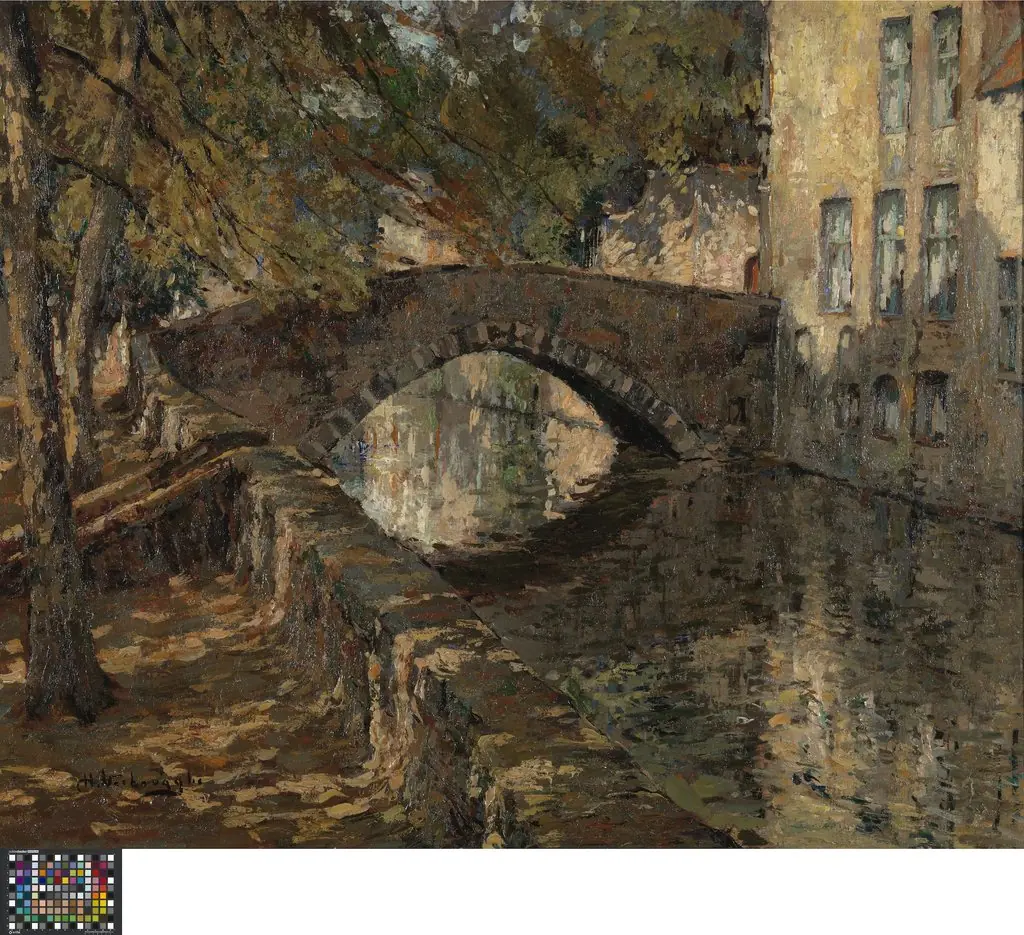 De Meebrug in Brugge
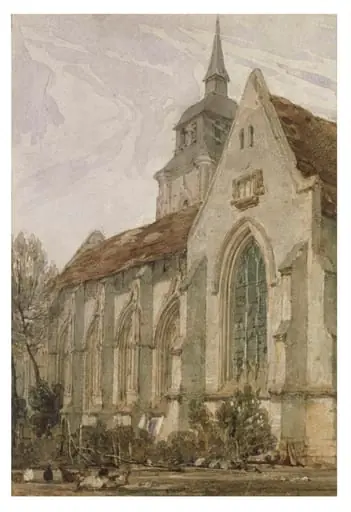 Church in Normandy
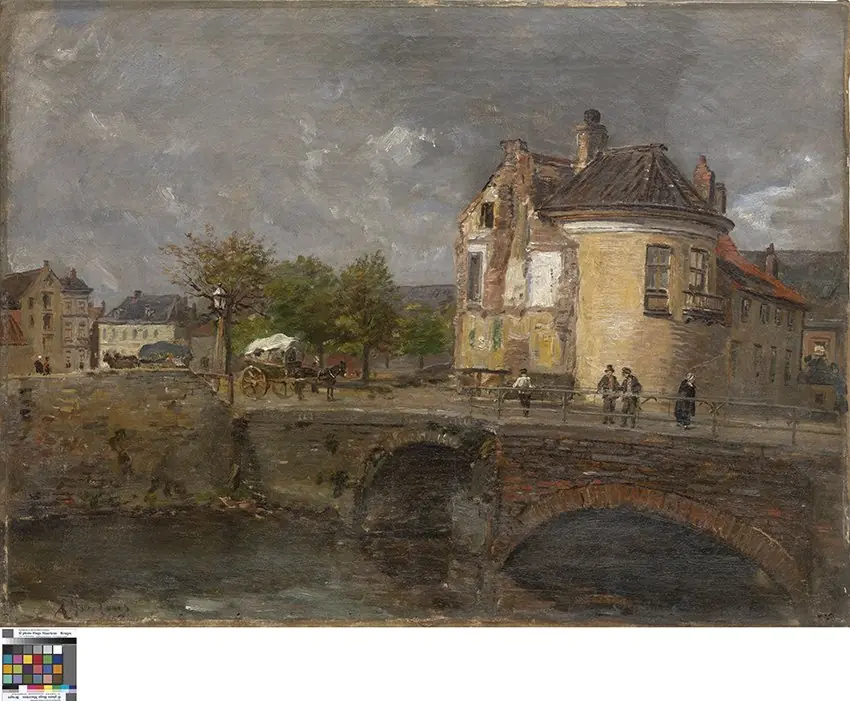 De Dampoort in Brugge
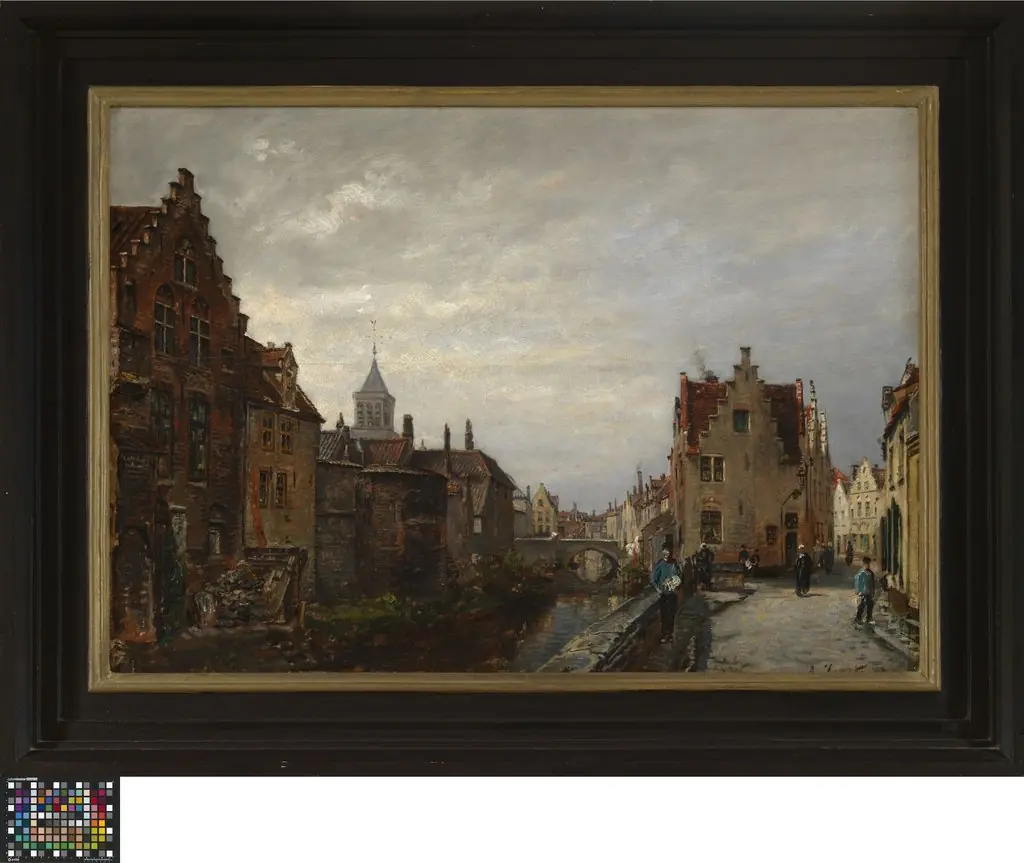 De Pottenmakersstraat in Brugge
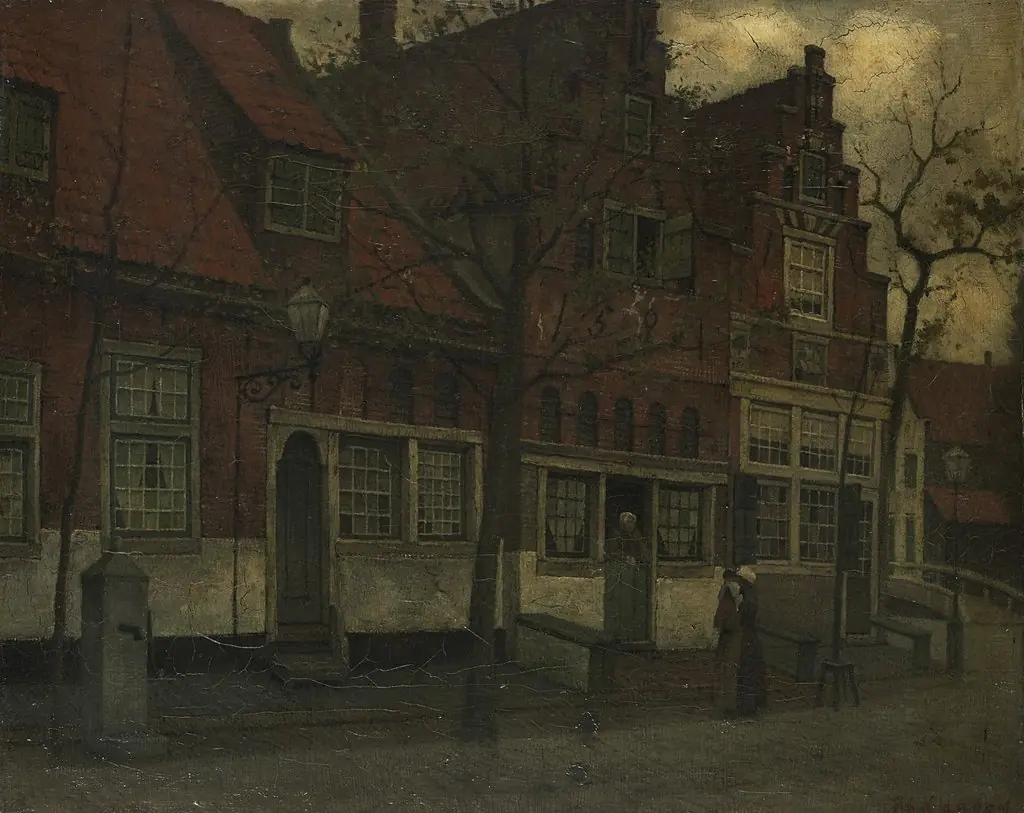 Houses on the Breedstraat, Enkhuizen
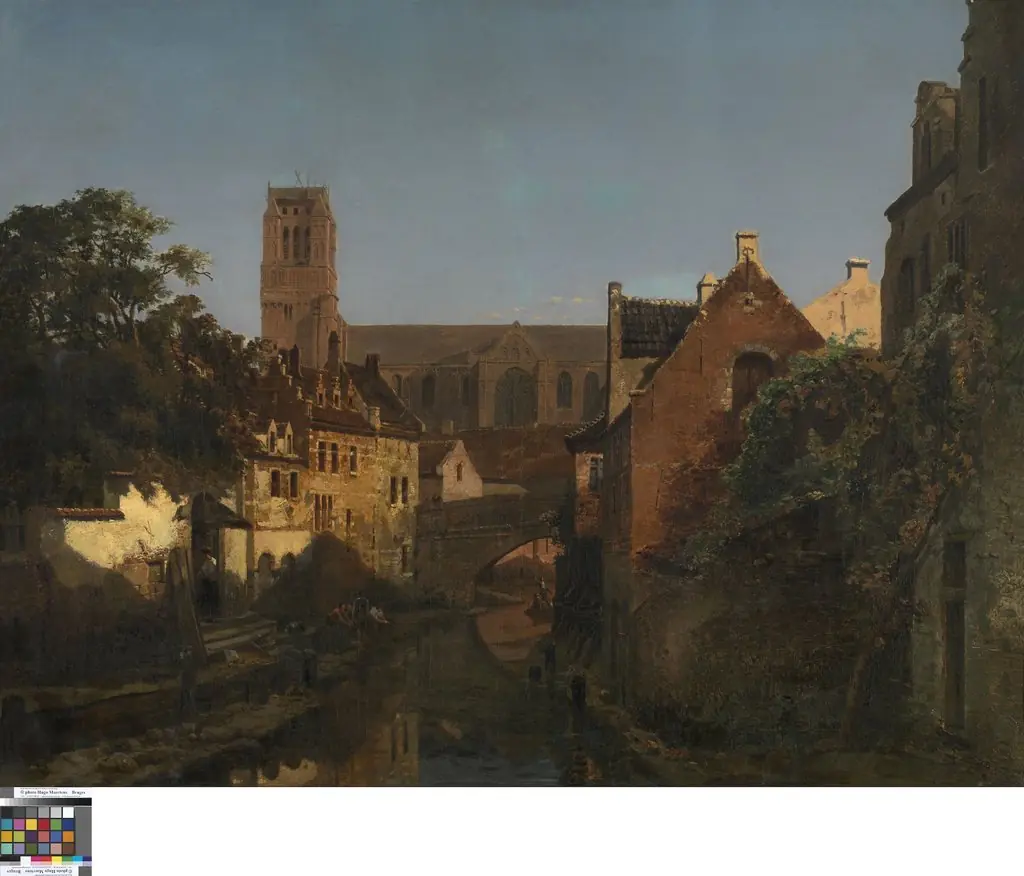 De Sint-Salvatorskerk in Brugge gezien vanop de Begijnhofbrug
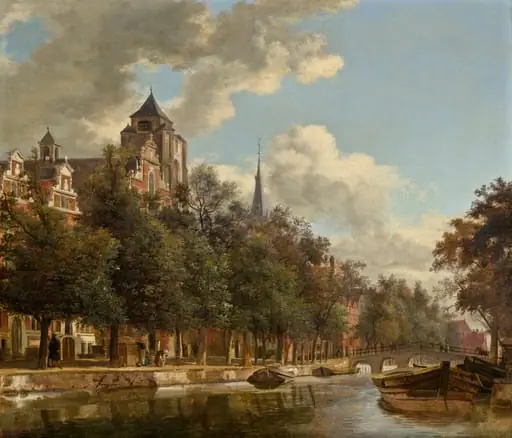 View Down a Dutch Canal
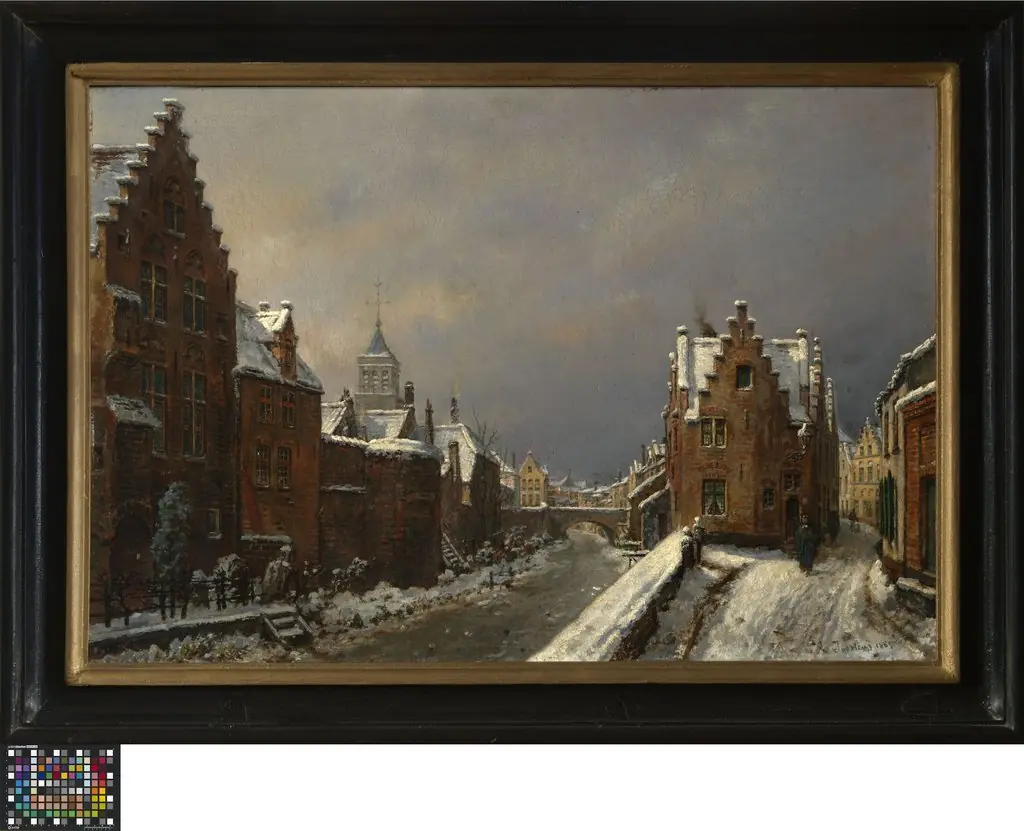 De Pottenmakersrei in Brugge tijdens de winter
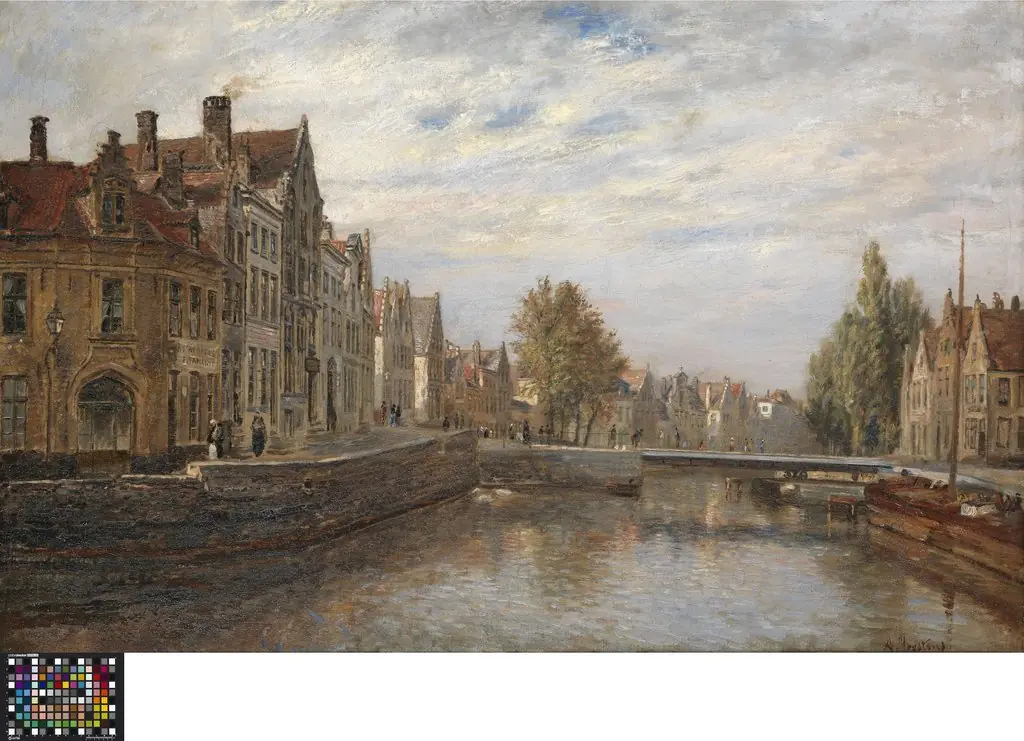 De Carmersbrug in Brugge