Artwork
Oude brug in Vlaanderen
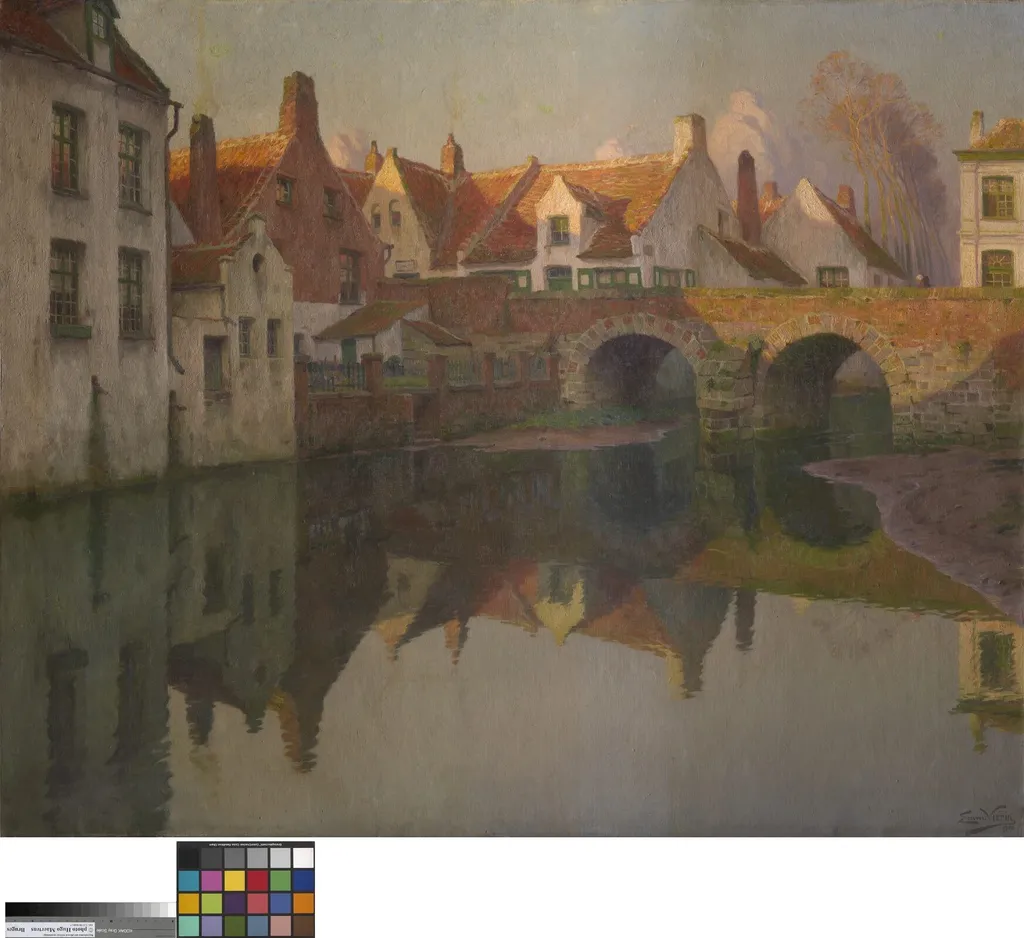
Oude brug in Vlaanderen is an oil painting by the Post-Impressionist artist Emmanuel Viérin. It dates from 1910 and is held in the collection of the Royal Museum of Fine Arts Antwerp.
About this work
Overview
The work belongs to the Belgian Luminist tradition, a subset of post-Impressionism focused on subtle light effects and quiet rural scenes.
Emmanuel Viérin, a Belgian artist born in 1869 in Courtrai, painted *Oude brug in Vlaanderen* in 1910 using oil on canvas. The work belongs to the Belgian Luminist tradition, a subset of post-Impressionism focused on subtle light effects and quiet rural scenes. It is part of the collection at the Royal Museum of Fine Arts Antwerp, reflecting Viérin’s enduring connection to Flemish landscapes and his commitment to capturing everyday environments with sensitivity.
Subject & Meaning
The painting depicts a modest village in Flanders centered around an ancient stone bridge crossing a still river. White-walled buildings with brown tiled roofs line the banks, their reflections merging with the water’s surface. The scene conveys stillness and continuity, emphasizing the quiet rhythm of rural life. There is no human presence, allowing the architecture and natural elements to speak for themselves as enduring markers of place and time.
Technique & Style
Viérin employed soft, layered brushwork to render light as a structural element rather than mere illumination. The water’s mirror-like surface is achieved through delicate tonal shifts, not sharp detail, enhancing the painting’s atmospheric depth. Shadows are muted, and color is restrained—ochres, grays, and pale blues dominate—creating harmony between land, water, and sky. His approach avoids dramatic contrast, favoring a contemplative equilibrium.
History & Provenance
Painted in 1910, the work remained within Belgian collections after its creation. It entered the Royal Museum of Fine Arts Antwerp’s holdings in the 20th century, likely through acquisition or donation. Viérin’s reputation as a regional painter grew slowly; his works were exhibited locally but rarely gained national prominence during his lifetime. The painting’s preservation reflects institutional recognition of his contribution to Flemish visual culture.
Context
In early 20th-century Belgium, artists like Viérin turned away from urban modernity to document rural tranquility amid industrial change. Luminism, influenced by French Impressionism but more subdued, emphasized natural light and quiet composition. This painting aligns with a broader movement among Belgian painters seeking to preserve regional identity through intimate, unembellished views of villages and waterways, resisting the grand narratives of history painting.
Legacy
Viérin’s work, including *Oude brug in Vlaanderen*, remains a quiet reference point in Belgian art history. While not widely known outside Flanders, his paintings are valued for their restraint and technical sensitivity to light. The piece contributes to an understanding of regional post-Impressionism and continues to inform exhibitions focused on early modern Belgian landscape painting, offering a counterpoint to more dramatic artistic trends of the era.
Artist & collection
Artist
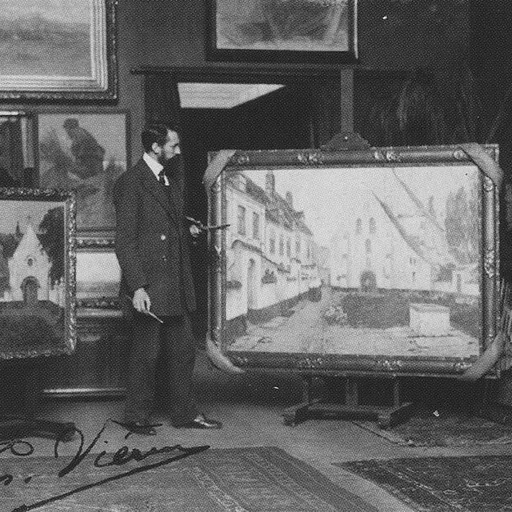
Emmanuel Viérin is a Belgian painter who belongs to the Belgian Luminist current. He was born in 1869 in Courtrai (Kortrijk), Belgium and died in 1954.

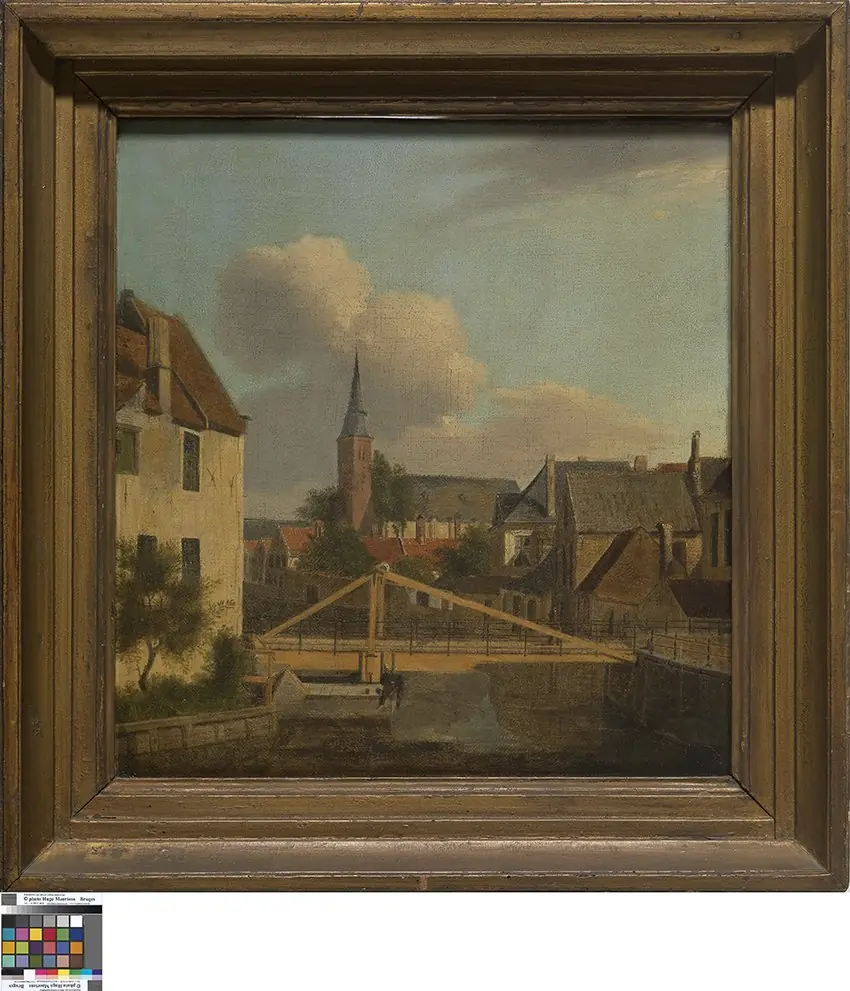 De Molenbrug in Brugge
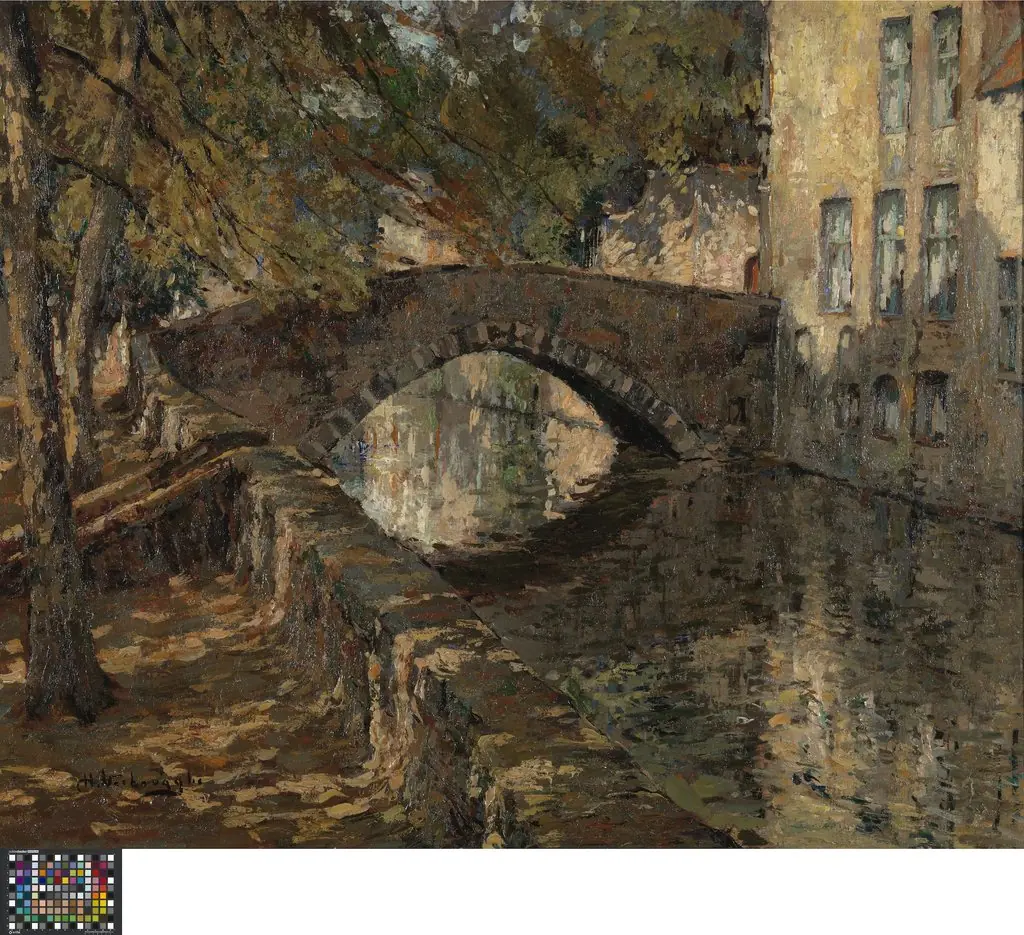 De Meebrug in Brugge
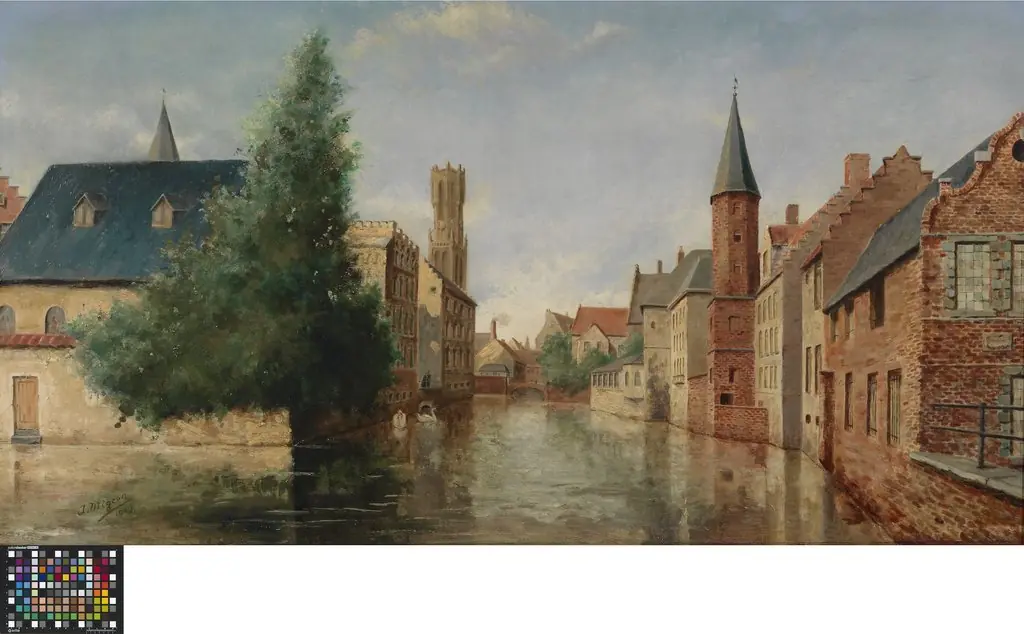 De Rozenhoedkaai in Brugge
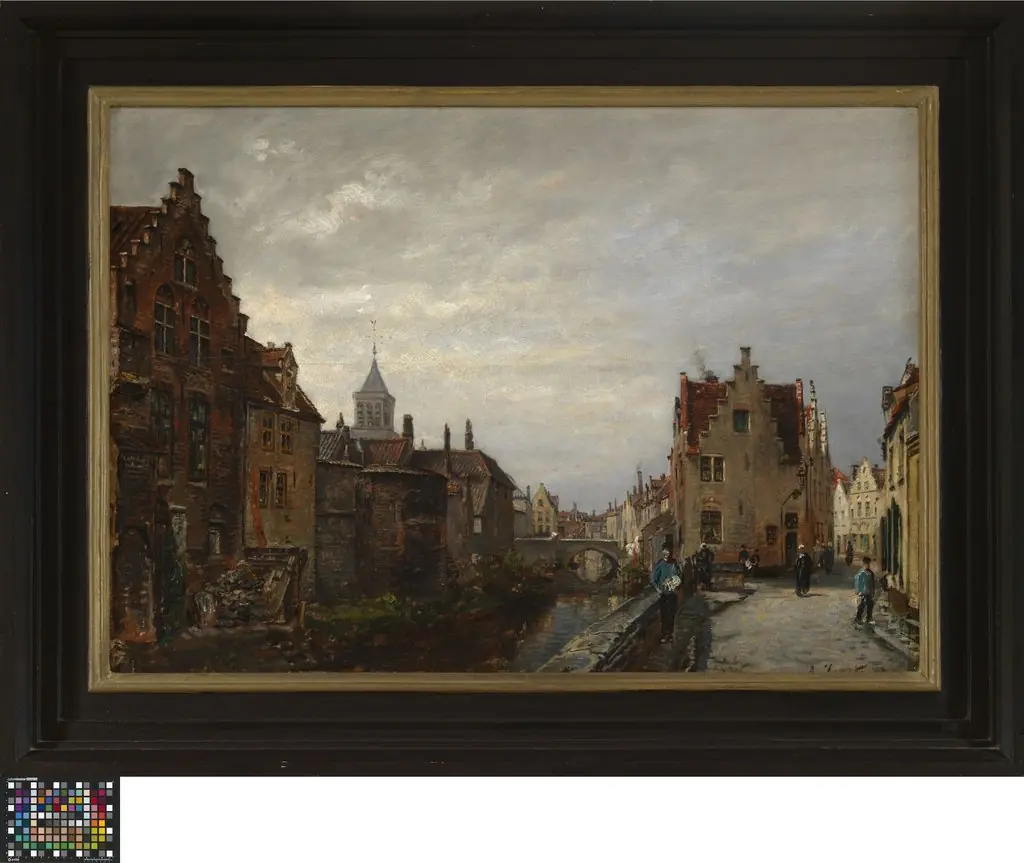 De Pottenmakersstraat in Brugge
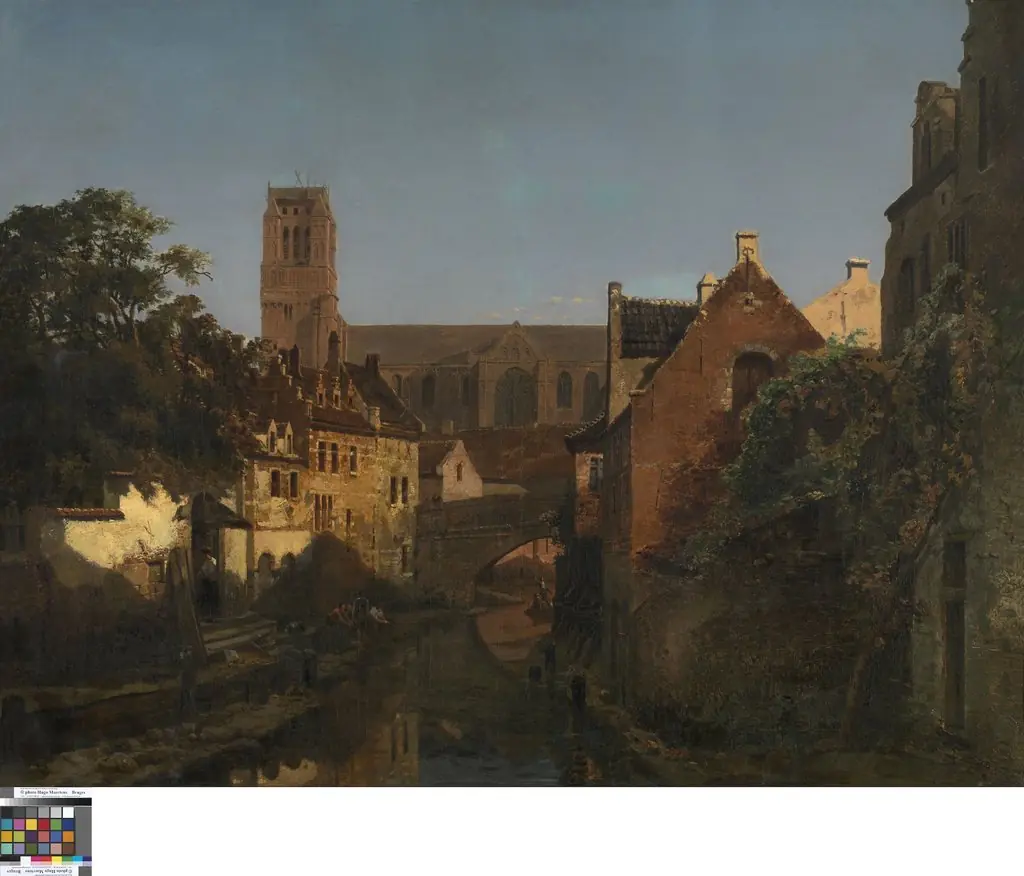 De Sint-Salvatorskerk in Brugge gezien vanop de Begijnhofbrug
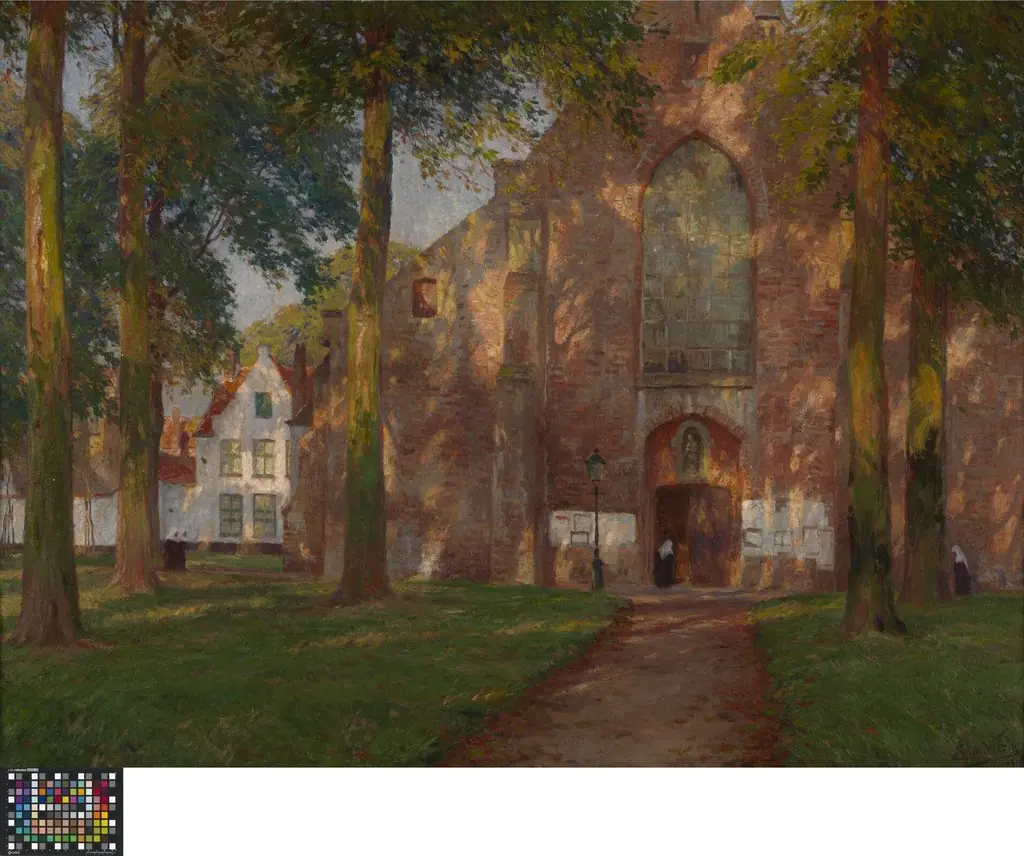 Het begijnhof in Brugge
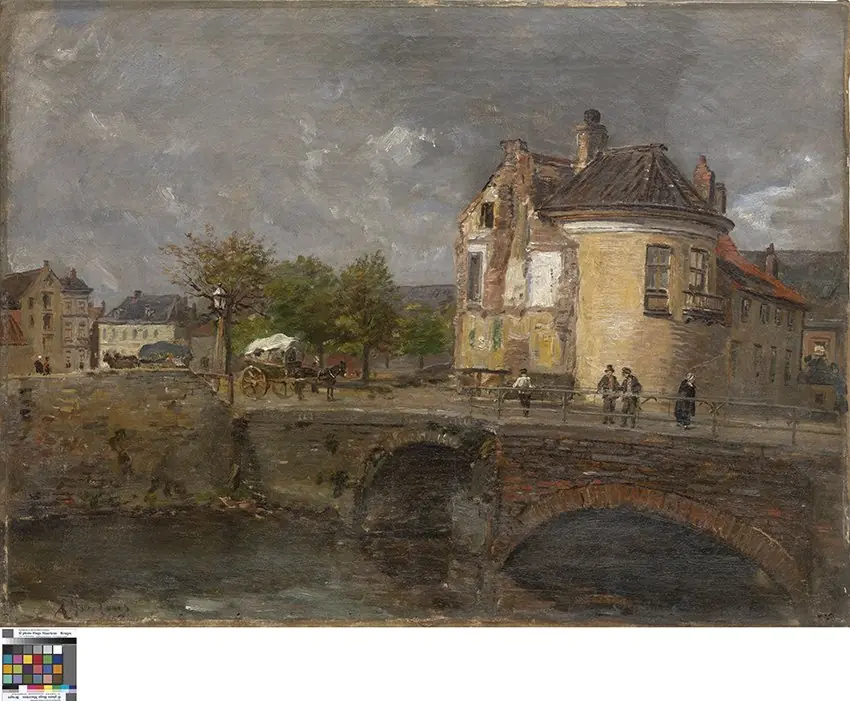 De Dampoort in Brugge
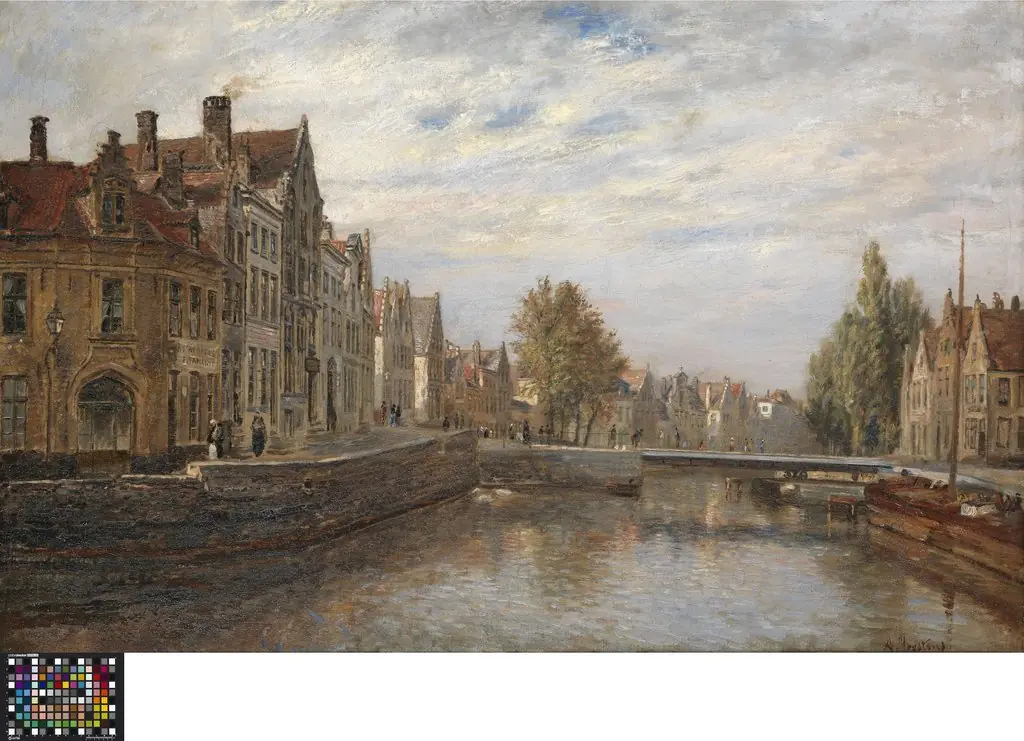 De Carmersbrug in Brugge
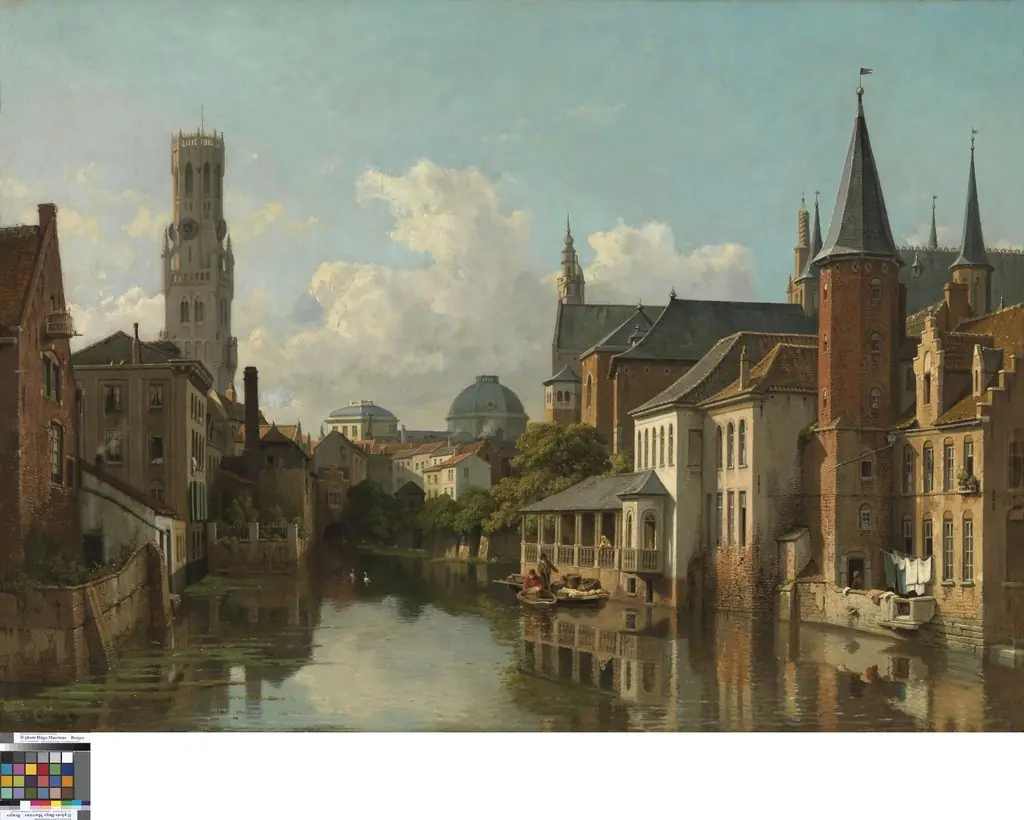 De Rozenhoedkaai in Brugge
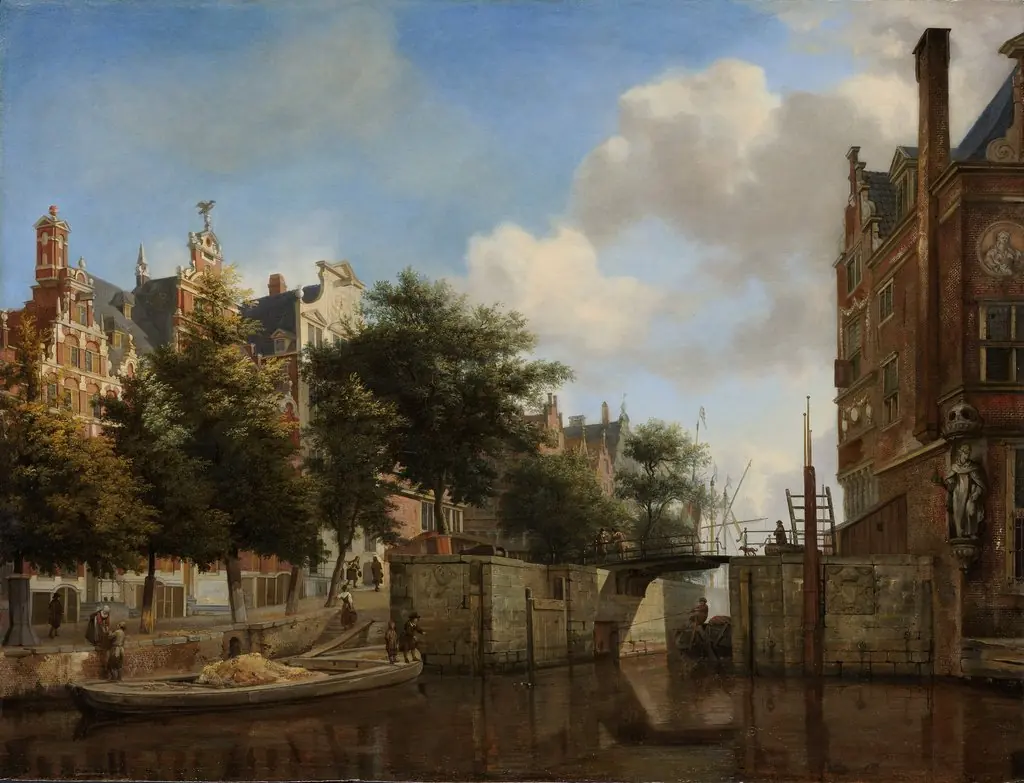 Amsterdam City View with Houses on the Herengracht and the old Haarlemmersluis