Artwork
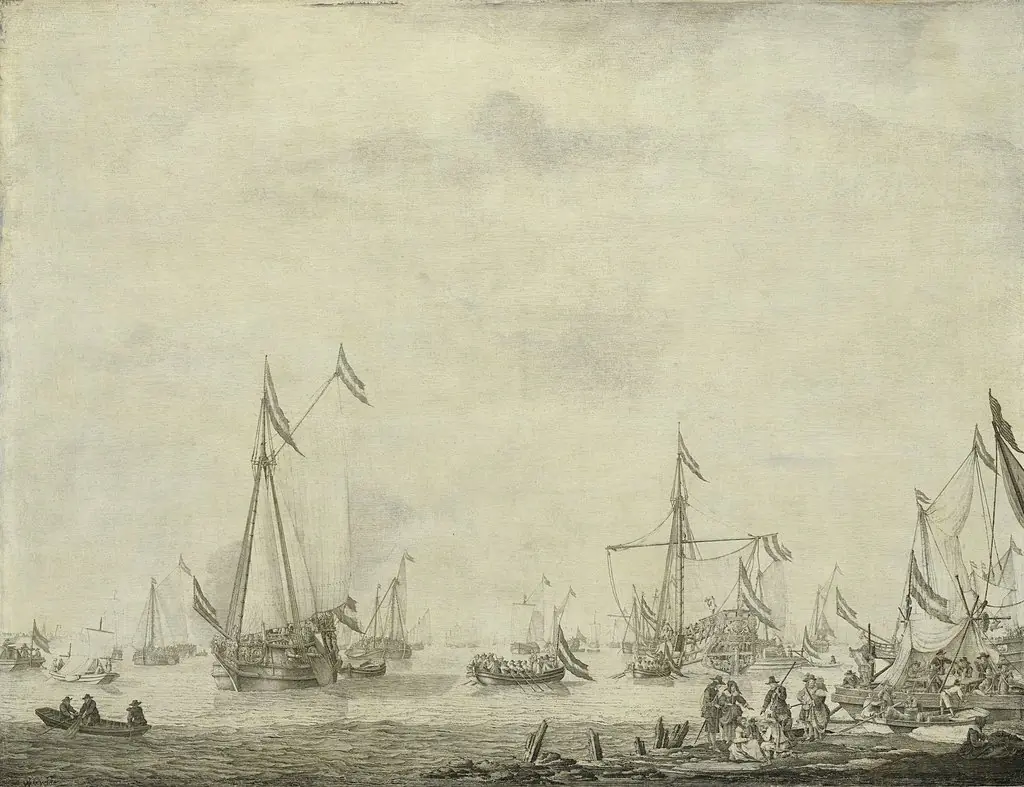
Manning the Fleet in the Harbor of Flushing, 1804
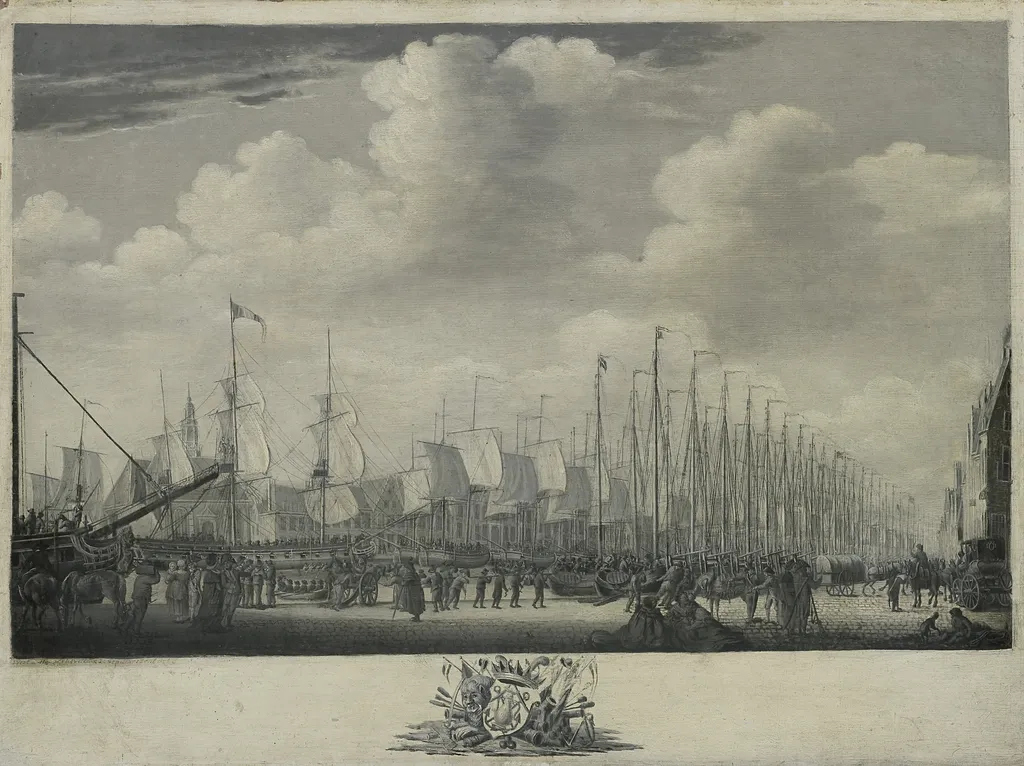
Manning the Fleet in the Harbor of Flushing, 1804 is an oil painting by Engel Hoogerheyden. It dates from 1804 and is held in the collection of the Rijksmuseum.
About this work
Overview
The work belongs to the Rijksmuseum’s collection and exemplifies early 19th-century Dutch maritime observation, emphasizing daily life over dramatic narrative.
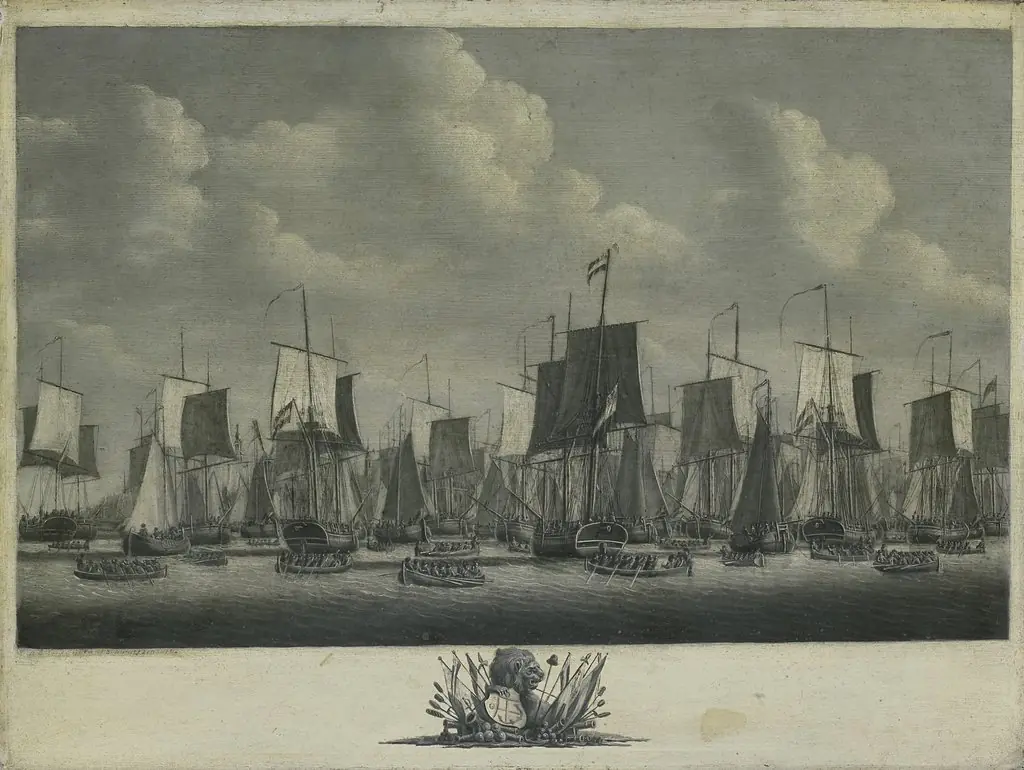
Painted in 1804 by Engel Hoogerheyden, this oil on canvas captures a quiet yet active harbor scene in Flushing. The composition centers on the shoreline, where figures and animals interact with the water’s edge, while vessels of varying scale populate the bay. The work belongs to the Rijksmuseum’s collection and exemplifies early 19th-century Dutch maritime observation, emphasizing daily life over dramatic narrative.
Subject & Meaning
The painting portrays ordinary harbor activity: people resting, tending to animals, and observing boats, suggesting a moment of pause amid routine labor. No single event dominates; instead, the scene conveys the rhythm of coastal existence. The presence of horses and carts implies trade or transport, reinforcing the harbor’s role as a node in regional commerce, not a ceremonial space.
Technique & Style
Hoogerheyden employs a restrained palette of grays, browns, and muted greens, lending the scene a subdued, atmospheric quality. Brushwork is precise but unobtrusive, with soft transitions between light and shadow to model forms without theatrical contrast. The horizon is low, allowing the sky and water to dominate, enhancing the sense of open space and quiet observation typical of Dutch landscape traditions.
History & Provenance
Created in 1804, the painting entered the Rijksmuseum’s holdings in the 19th century, likely through state acquisition or donation. Its survival reflects its status as a representative work of regional Dutch painting from the post-Napoleonic era. No significant alterations or reattributions are recorded, and it has remained in public collection since its acquisition.
Context
Flushing, a key port in the Netherlands, remained economically active despite the decline of the Dutch Golden Age. Hoogerheyden’s work aligns with a broader trend among Dutch artists to document everyday maritime life rather than glorify naval power. This shift reflects a cultural turn toward realism and the quiet dignity of ordinary labor in the early 1800s.
Legacy
Though not widely exhibited outside the Netherlands, the painting contributes to the understanding of regional Dutch painting beyond major urban centers. It stands as a quiet record of coastal life during a transitional period, offering insight into how artists documented the mundane with care and restraint, preserving a vanishing social landscape.
Artist & collection

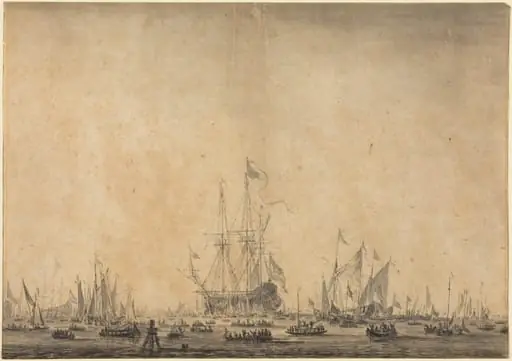 Marine
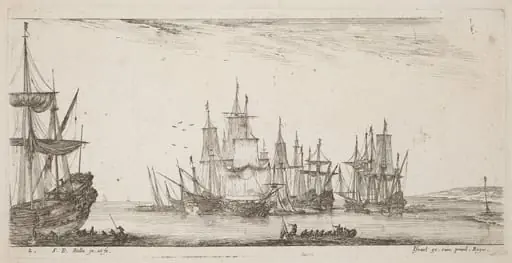 Group of Ships
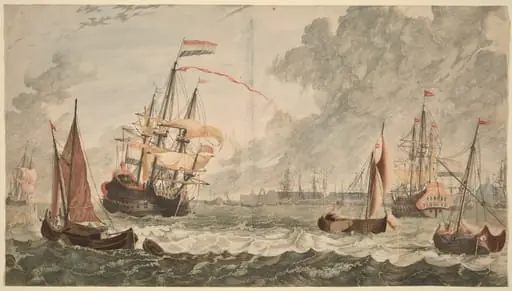 Amsterdam, Ships at the IJ on Choppy Waters
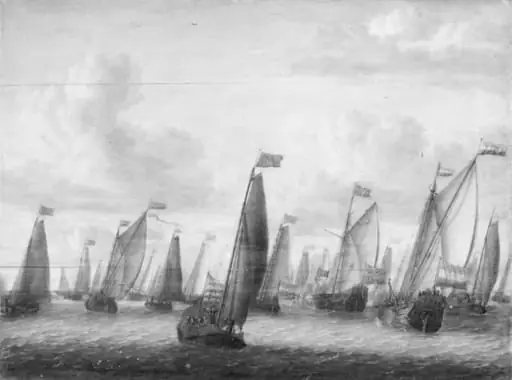 The so-called Admiral Race on the Amstel River
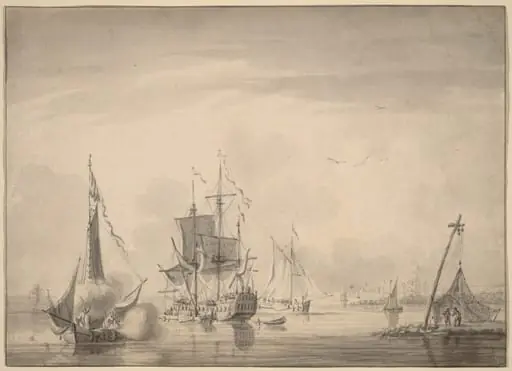 Harbor Scene
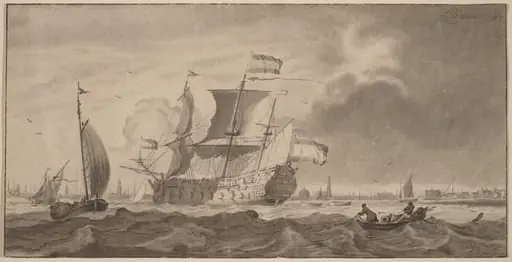 War Vessel in the Y
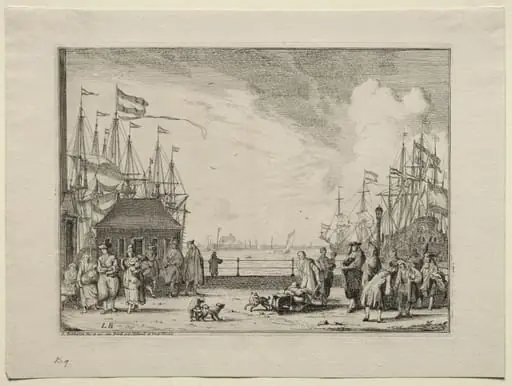 Port at Amsterdam
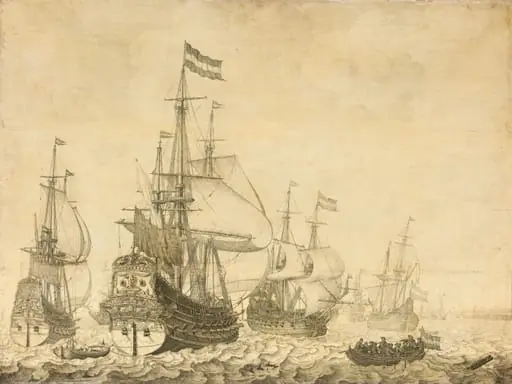 "Seascape with the Dutch Men-of-War including the "Drenthe" and the "Prince Frederick-Henry""
 The prince's yacht and the sate yacht leaving Moerdijk with Charles II of England on board, 1660