Artwork
Virgin of the Angels
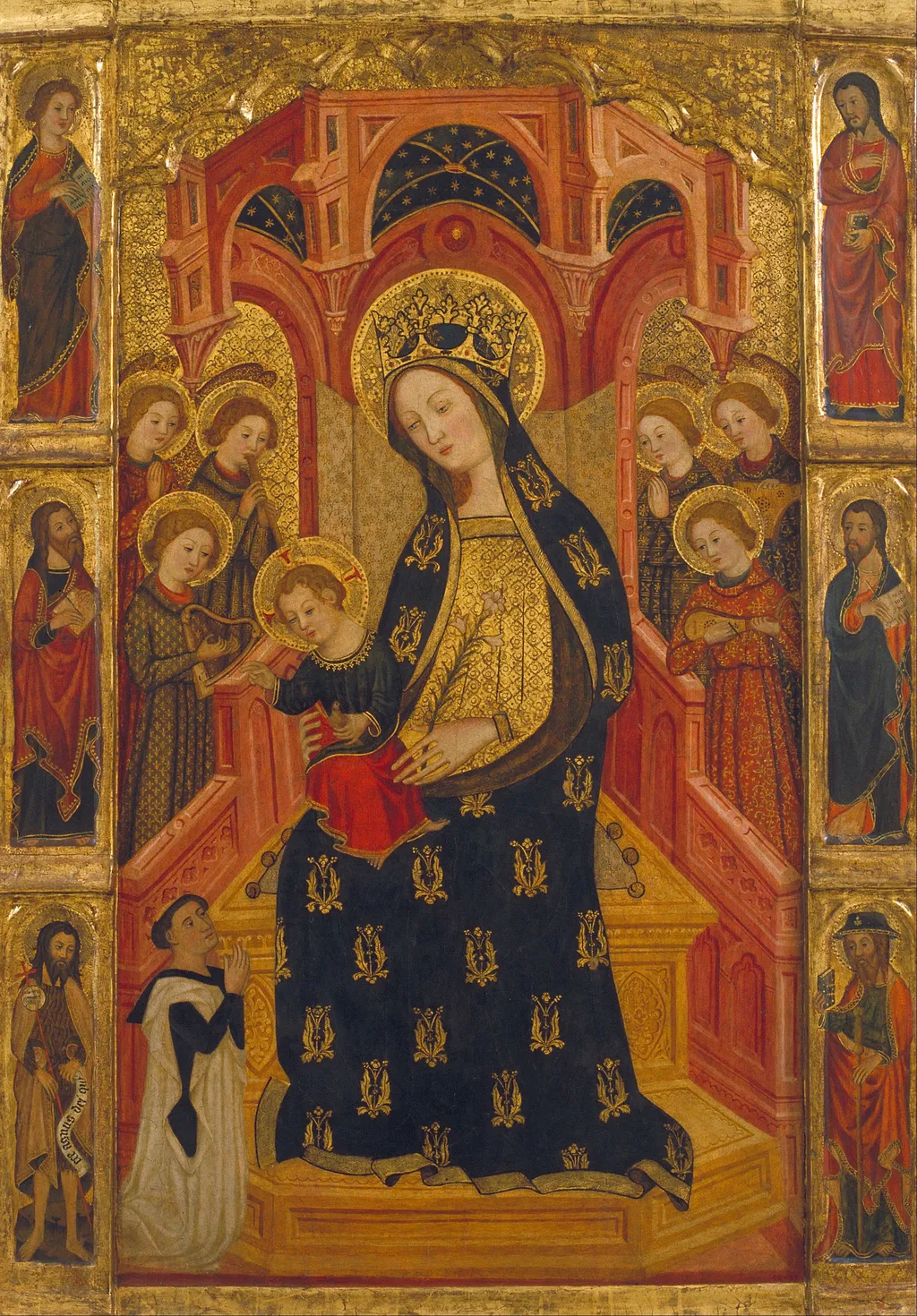
Virgin of the Angels is an unspecified painting by Enrique de Estencop. It dates from 1396 and is held in the collection of the Museu Nacional d'Art de Catalunya.
About this work
Overview
Painted in 1396 by Enrique de Estencop, this devotional panel portrays the Virgin Mary seated with the Christ Child, surrounded by adoring angels and saints.
Painted in 1396 by Enrique de Estencop, this devotional panel portrays the Virgin Mary seated with the Christ Child, surrounded by adoring angels and saints. Executed in tempera and gold leaf on wood, it exemplifies the International Gothic style prevalent in late 14th-century Catalonia. The work resides in the Museu Nacional d'Art de Catalunya, where it is recognized as a significant example of religious art from the period.
Subject & Meaning
The Virgin Mary, depicted as the Queen of Heaven, holds the Christ Child on her lap, symbolizing divine maternity and intercession. Surrounding figures—angels and saints—turn toward them in reverent stillness, reinforcing the sacred hierarchy. The gold crown and rich garments signify her celestial status, while the attentive gaze of the figures directs the viewer’s focus to the central mystery of the Incarnation.
Technique & Style
The painting employs tempera on wood with extensive gold leaf detailing, characteristic of Gothic panel painting. Fine brushwork defines the folds of the Virgin’s dark blue robe and the delicate features of the angels. The background, adorned with intricate patterns in red and gold, creates a flat yet luminous space, typical of the International Gothic aesthetic that prioritizes ornamentation and spiritual presence over naturalistic depth.
History & Provenance
Commissioned for a devotional context, likely a chapel or monastery, the painting entered the collection of the Museu Nacional d'Art de Catalunya in the early 20th century. Its attribution to Enrique de Estencop is based on stylistic analysis and documentary evidence from Catalan ecclesiastical records of the late 1300s. It has remained in institutional care since its acquisition, with no known major restorations altering its original surface.
Context
Created during a period of flourishing religious art in Catalonia, the painting reflects the influence of both French and Italian Gothic traditions. Local workshops adapted these styles to serve the spiritual needs of Catalan communities, blending rich iconography with refined craftsmanship. Such panels were often used in private devotion or liturgical settings, reinforcing theological narratives through visual splendor.
Legacy
Enrique de Estencop’s work contributes to the understanding of Catalan Gothic painting’s regional character. While not widely known outside specialist circles, this panel remains a key reference for scholars studying the transition from Byzantine conventions to more expressive, decorative forms in late medieval Iberia. Its preservation allows continued study of devotional practices and artistic techniques of the era.
Artist & collection
Artist
Enrique de Estencop painted religious scenes in the late 1300s. His small panel Virgin of the Angels shows a crowned Mary holding the Christ child, surrounded by angels with delicate gold halos. The colors are…

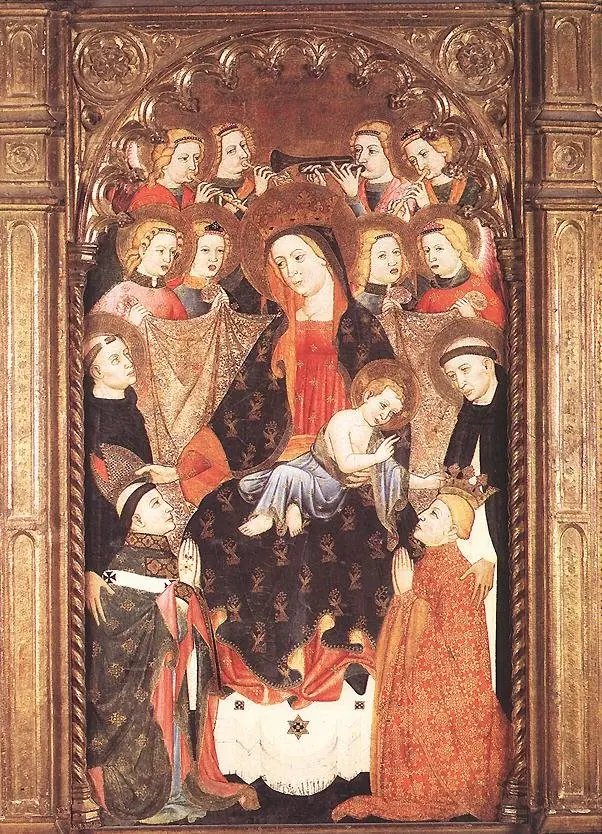 Virgin and Child with Angels and Saints
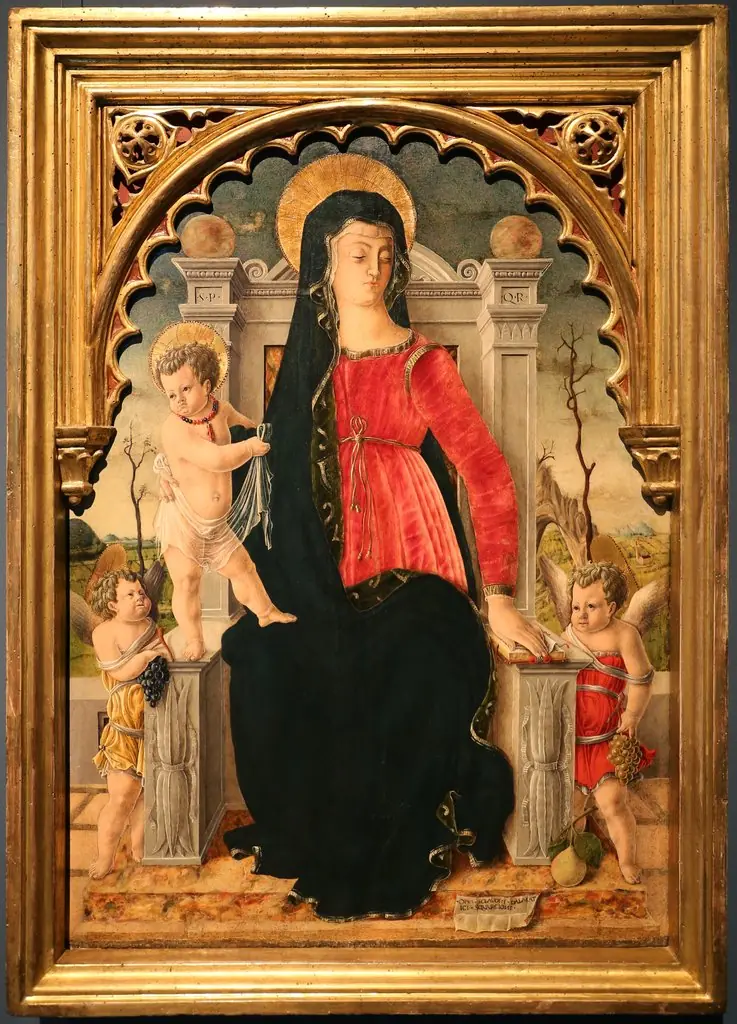 Virgin and Child enthroned with Angels
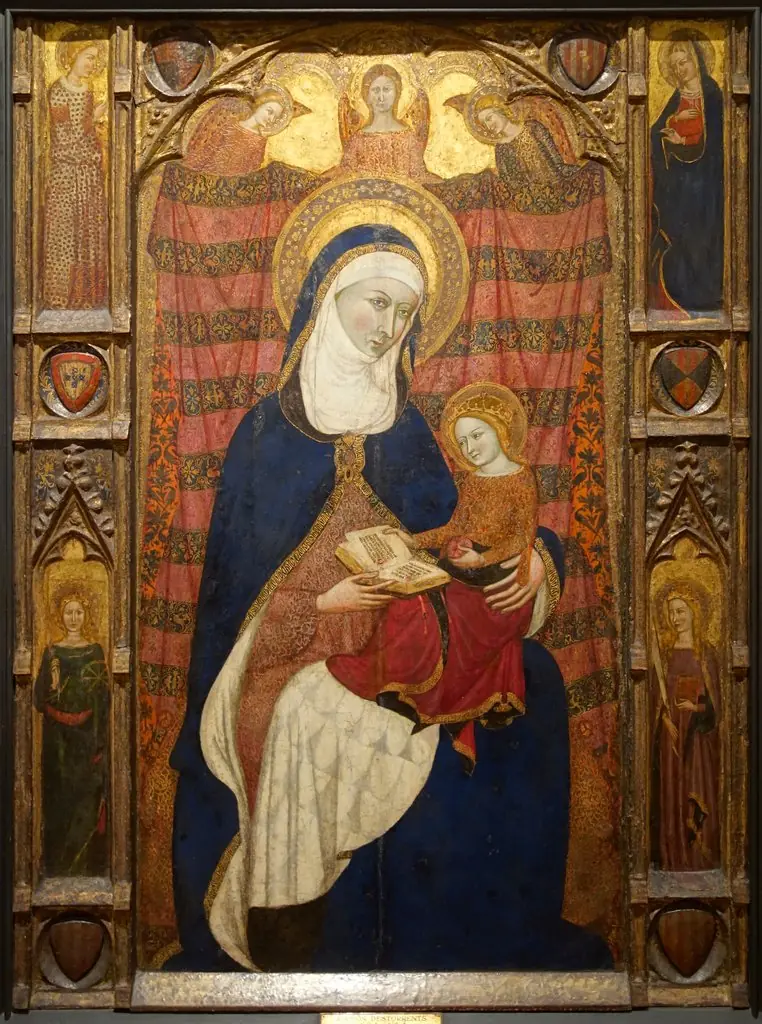 Retaule de Santa Anna i la Mare de Déu
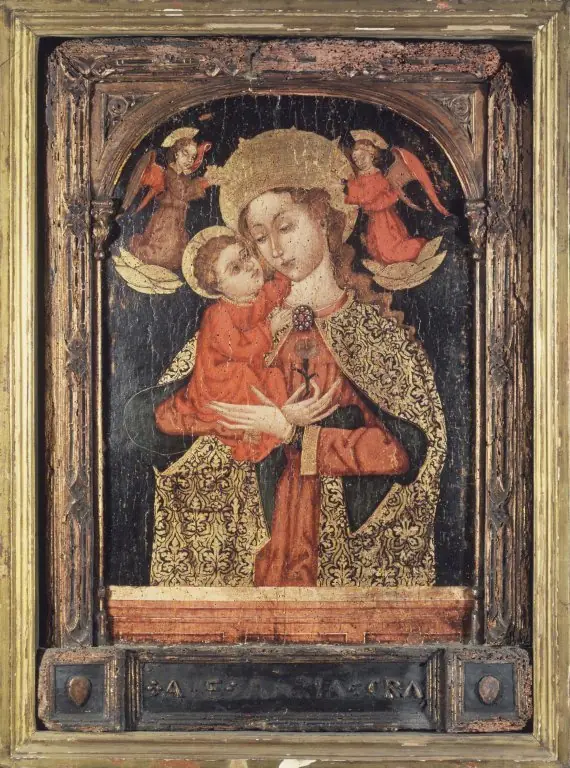 Virgin and Child with Two Angels
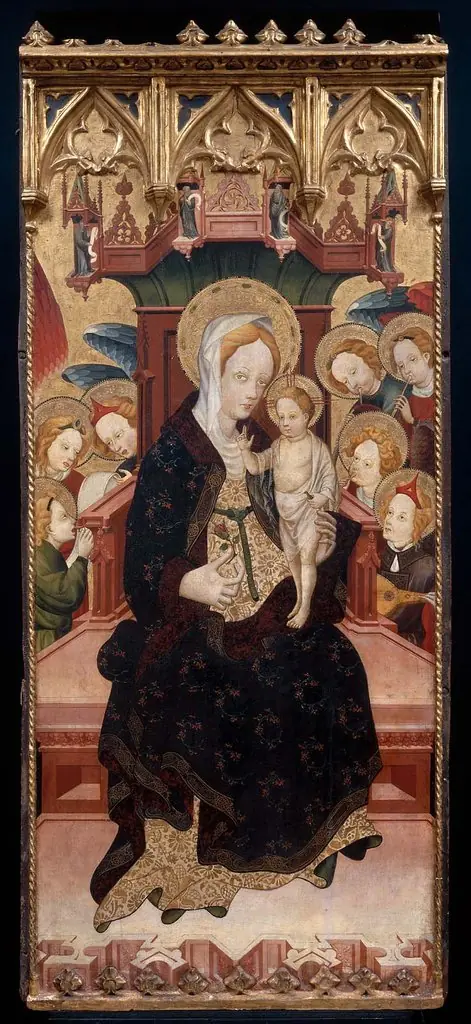 Virgin and Child Enthroned
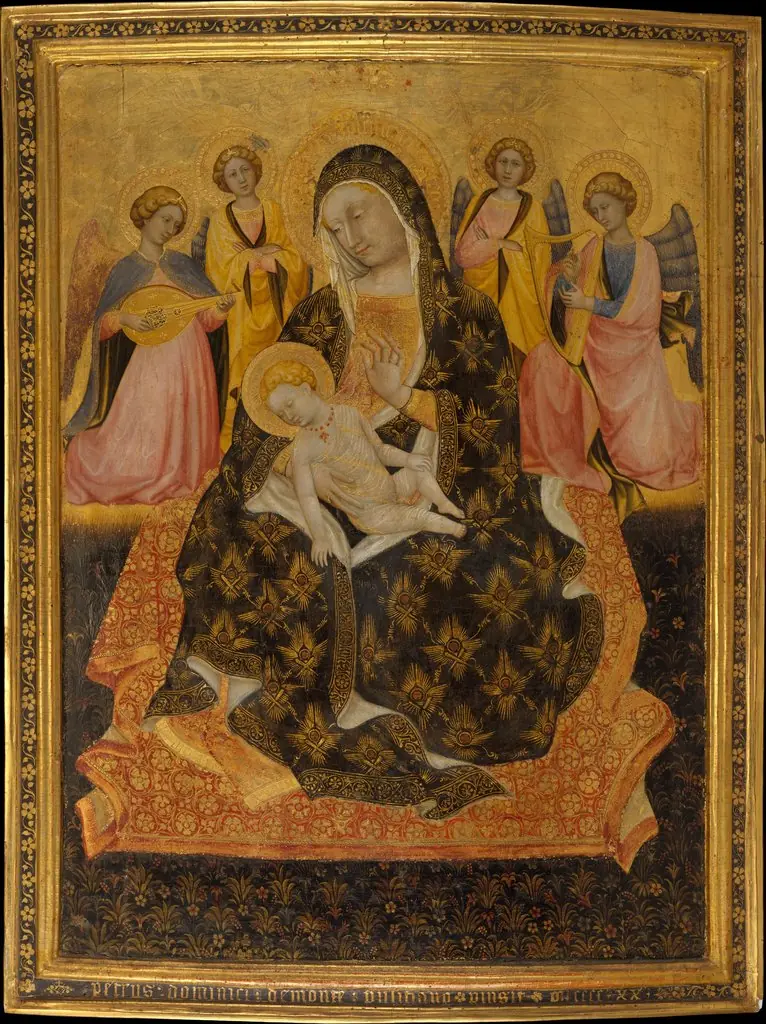 Madonna and Child with Angels
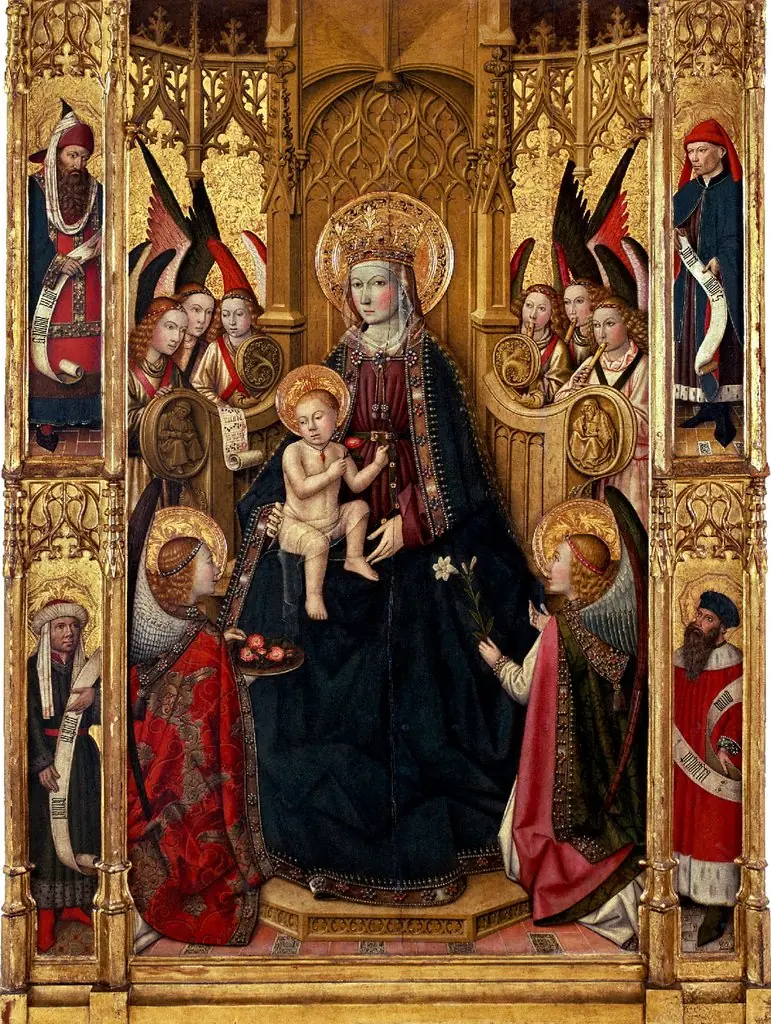 Madonna with child
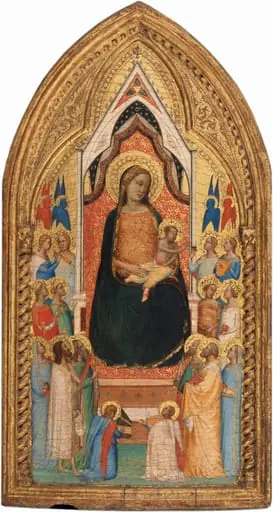 Madonna and Child with Saints and Angels
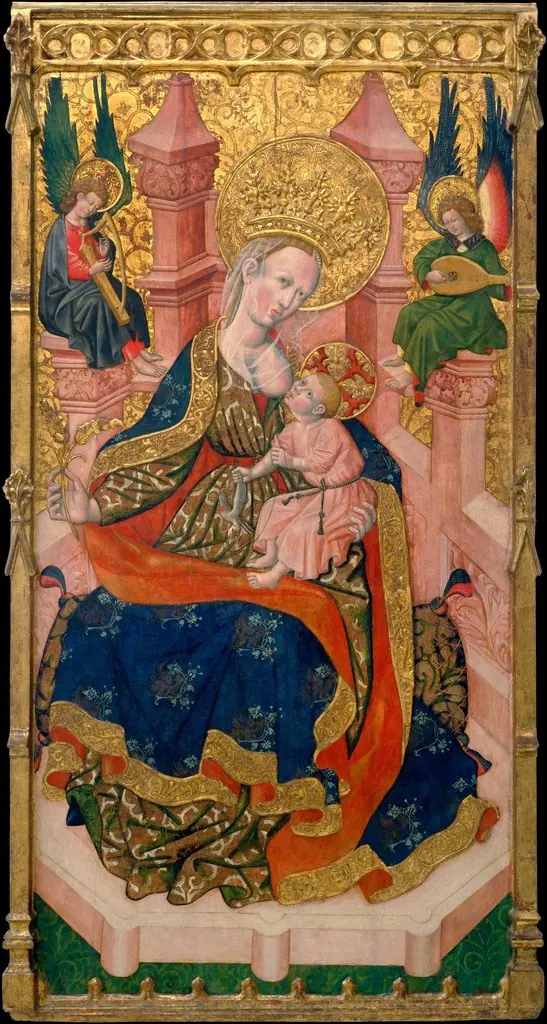 Virgin Suckling the Child
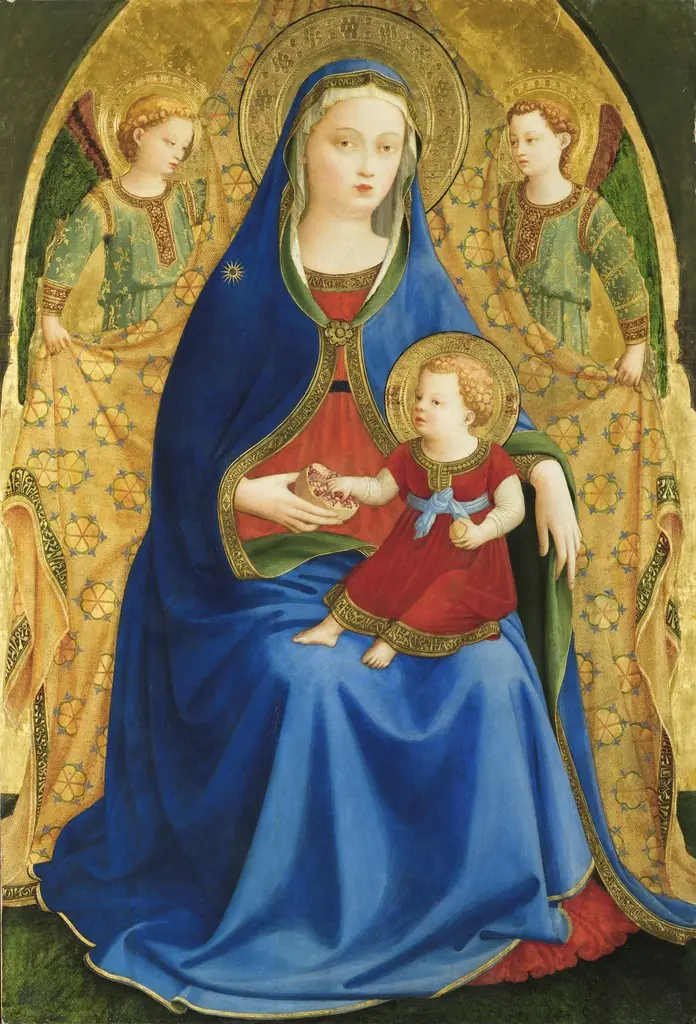 Madonna of the Pomegranate