Artwork
Retaule de Santa Anna i la Mare de Déu
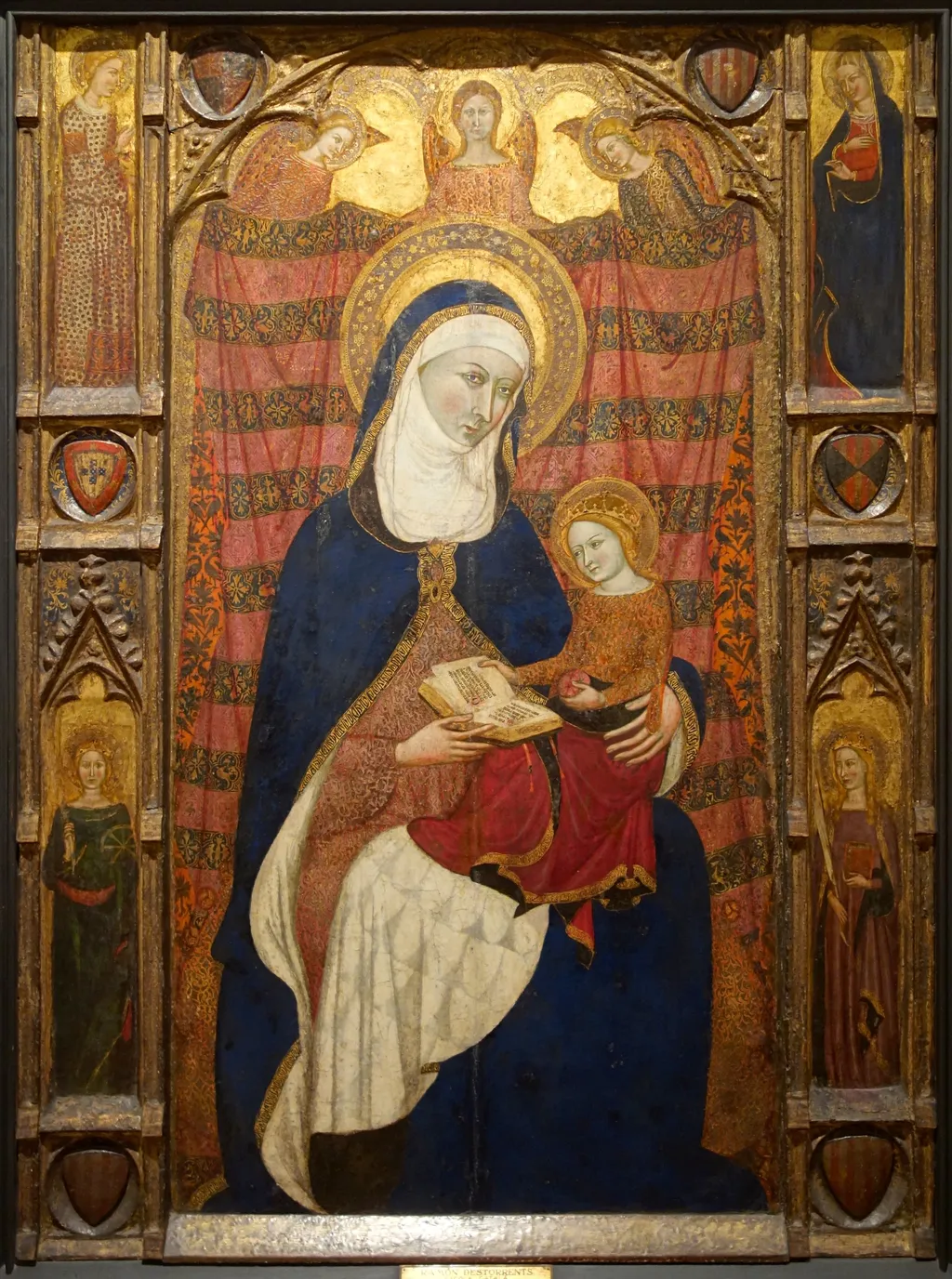
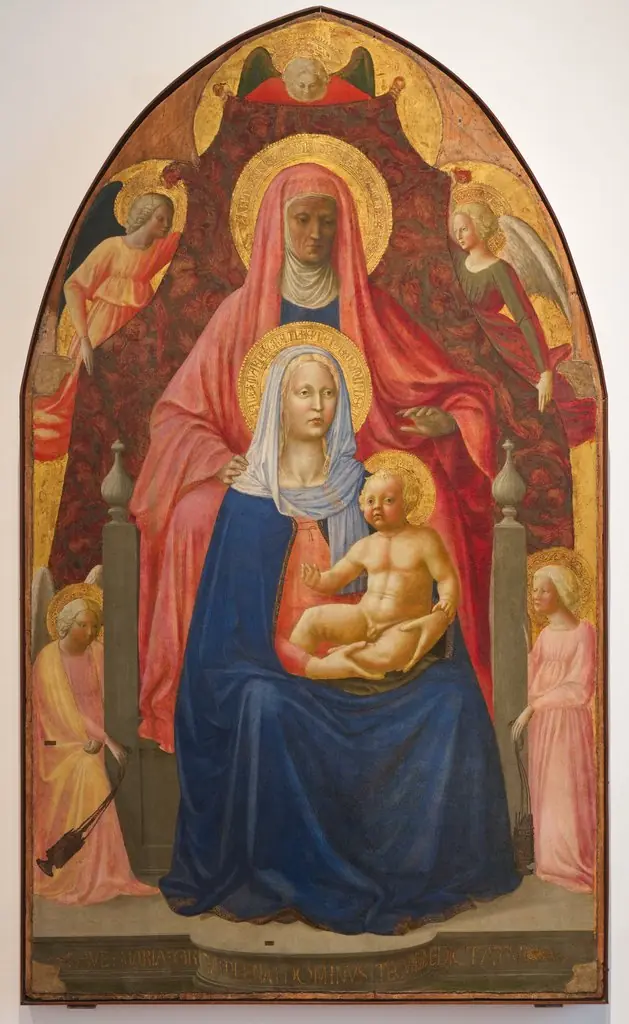
Retaule de Santa Anna i la Mare de Déu is a tempera painting by the Byzantine icon painting artist Ramón Destorrents. It dates from 1344 and is held in the collection of the National Museum of Ancient Art.
About this work
Overview
Created in 1344 by the Catalan artist Ramón Destorrents, this tempera panel depicts Saint Anne and the Virgin Mary in a devotional composition.
Created in 1344 by the Catalan artist Ramón Destorrents, this tempera panel depicts Saint Anne and the Virgin Mary in a devotional composition. Executed with meticulous detail, the work exemplifies the religious art of mid-14th-century Catalonia. Its formal structure and luminous gold background reflect broader Mediterranean artistic trends, particularly those emanating from Siena. The painting was originally part of a larger altarpiece, now fragmented, and remains one of the few securely attributed works by the artist.
Subject & Meaning
The central figures are the Virgin Mary, shown reading a book, and her mother, Saint Anne, standing beside her. An angel hovers behind them, while four additional winged forms flank the scene. The act of reading suggests Mary’s spiritual contemplation and divine knowledge. The presence of Saint Anne underscores the importance of maternal lineage in Christian theology. Together, the figures form a quiet, intimate vision of sacred lineage, intended to inspire reverence rather than dramatic narrative.
Technique & Style
Tempera paint, made from pigment mixed with egg yolk, was applied in thin, precise layers to achieve fine detail and luminous color. Destorrents employed gold leaf extensively for the background and halos, enhancing the figures’ otherworldly presence. The figures are rendered with elongated proportions and delicate facial features, echoing Byzantine traditions while incorporating the softer modeling and spatial awareness of Sienese Gothic painting. The carved wooden frame, adorned with architectural motifs and heraldic shapes, complements the panel’s sacred tone.
History & Provenance
The painting was likely commissioned for a private chapel or religious institution in Catalonia. Destorrents, who became court miniaturist to King Peter IV of Aragon in 1351, was active in Barcelona and surrounding areas, producing altarpieces and illuminated manuscripts. This panel remained in ecclesiastical collections until entering the National Museum of Ancient Art, where it is now preserved as a key example of Catalan Gothic painting from the period.
Context
In mid-14th-century Catalonia, religious imagery served both devotional and didactic purposes. The blending of Byzantine iconography with Italian Gothic elements reflects the region’s cultural connections across the Mediterranean. Destorrents’ work emerged during a time when Catalan patrons sought to align themselves with broader European artistic currents, particularly those from Italy. His style bridges local traditions and international influences, making his output a vital link in the region’s artistic evolution.
Legacy
Though few signed works by Destorrents survive, this panel anchors his artistic identity and provides insight into the workshop practices of the time. His influence is seen in later Catalan altarpieces that adopt similar compositional clarity and refined tempera technique. The painting remains a reference point for understanding how regional artists adapted foreign styles to local devotional needs, contributing to the distinct character of Iberian Gothic art.
Artist & collection
Artist
Ramón Destorrents was a Catalan mid-14th century painter and miniaturist. He was influenced by the Sienese Gothic painting. Numerous works, once assigned to other painters or anonymous, have been recently attributed to…

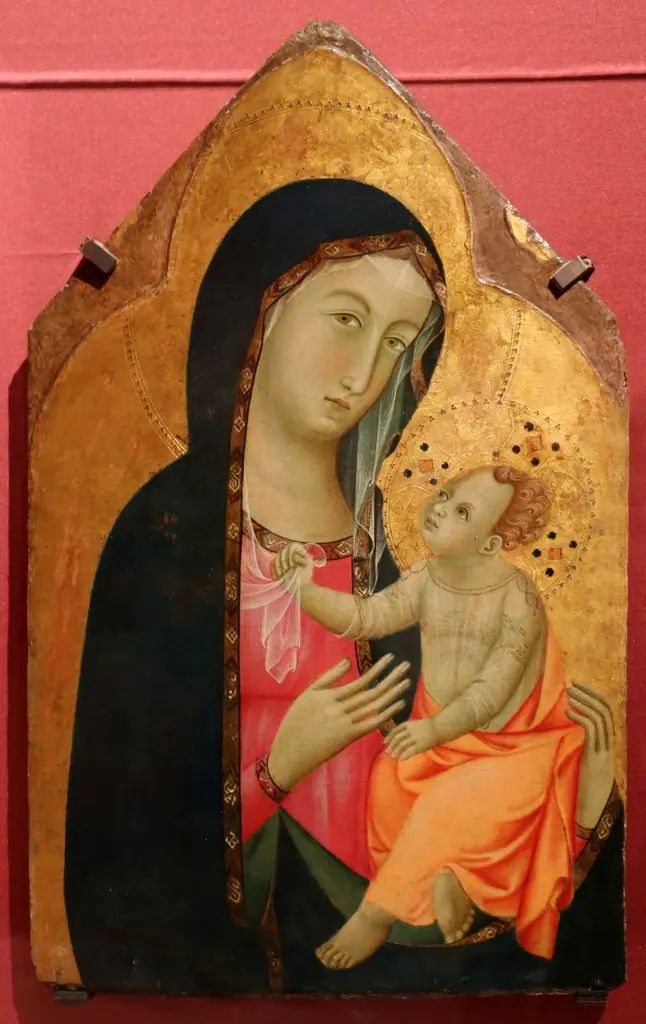 Madonna and Child
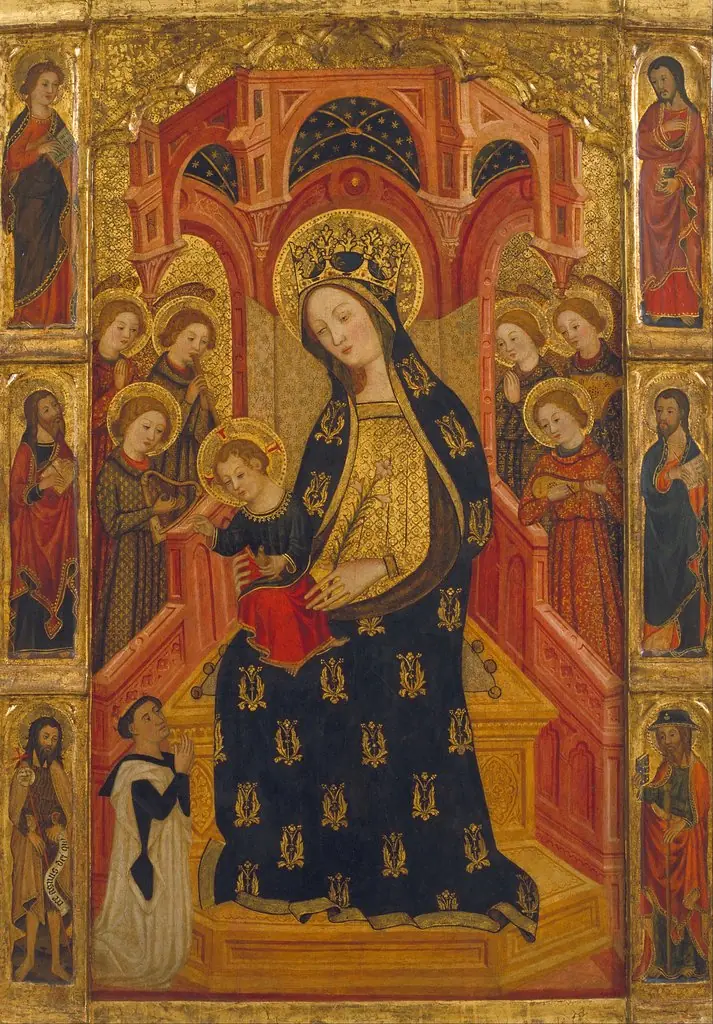 Virgin of the Angels
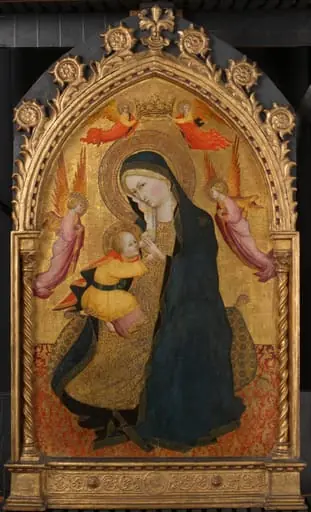 Madonna of Humility
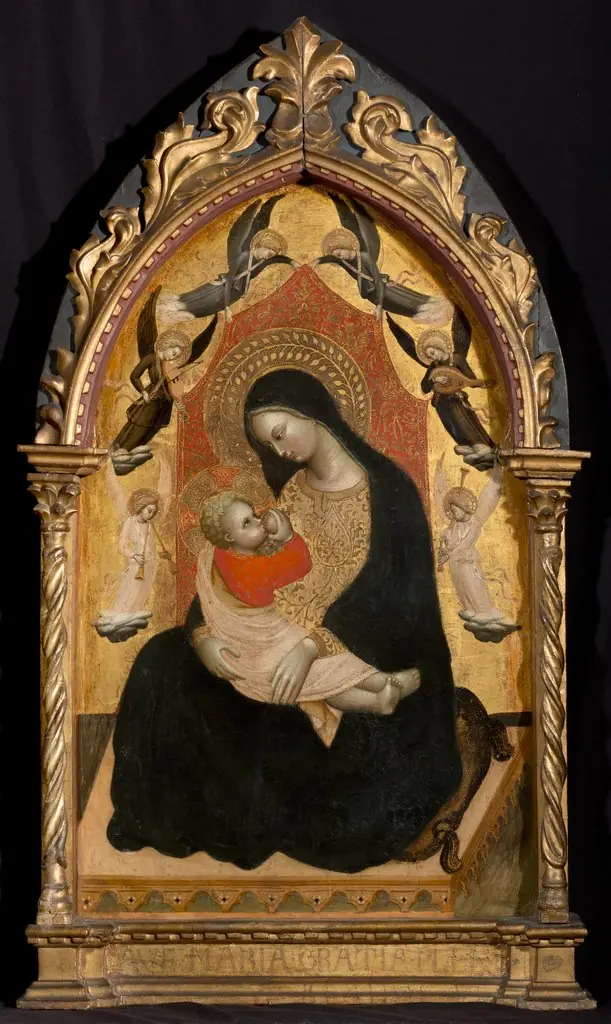 Virgin and Child with Music-Making Angels
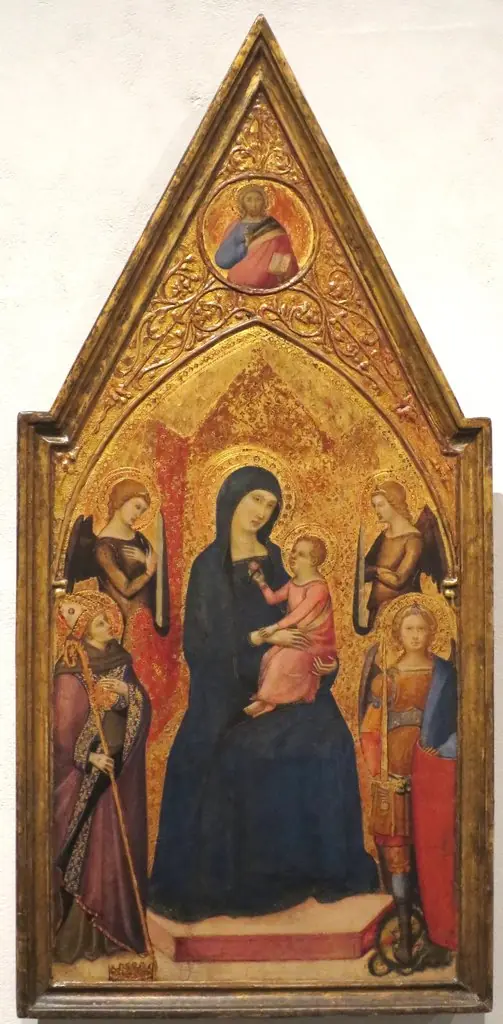 Virgin and Child with Sts. Louis of Toulouse and Michael
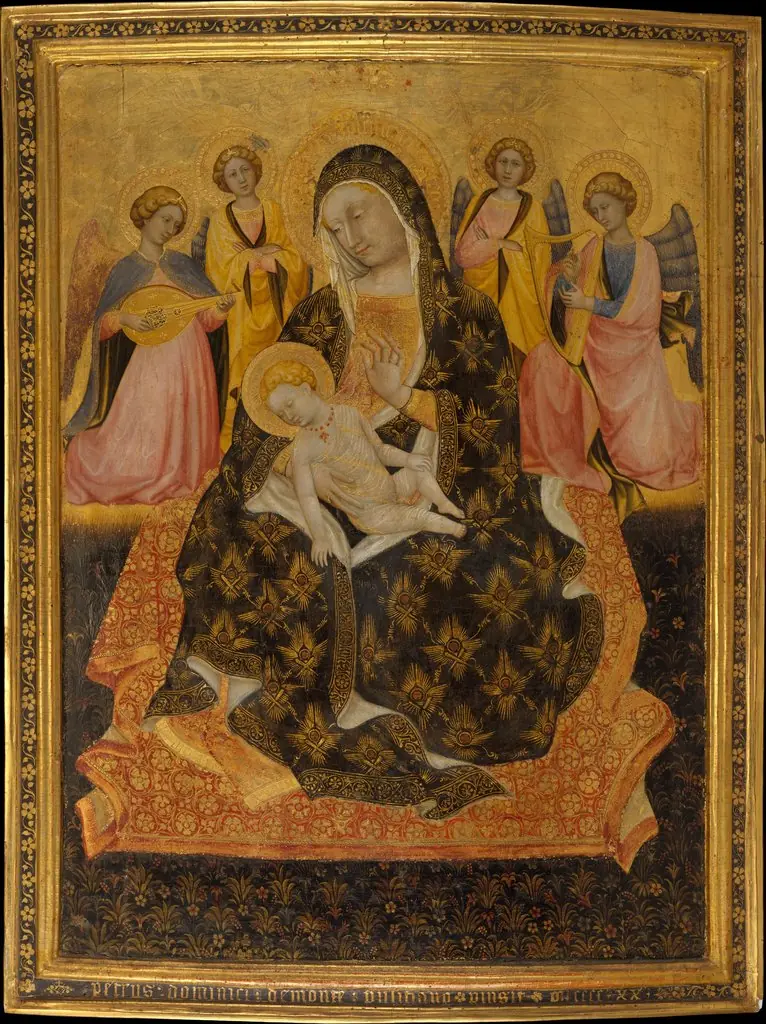 Madonna and Child with Angels
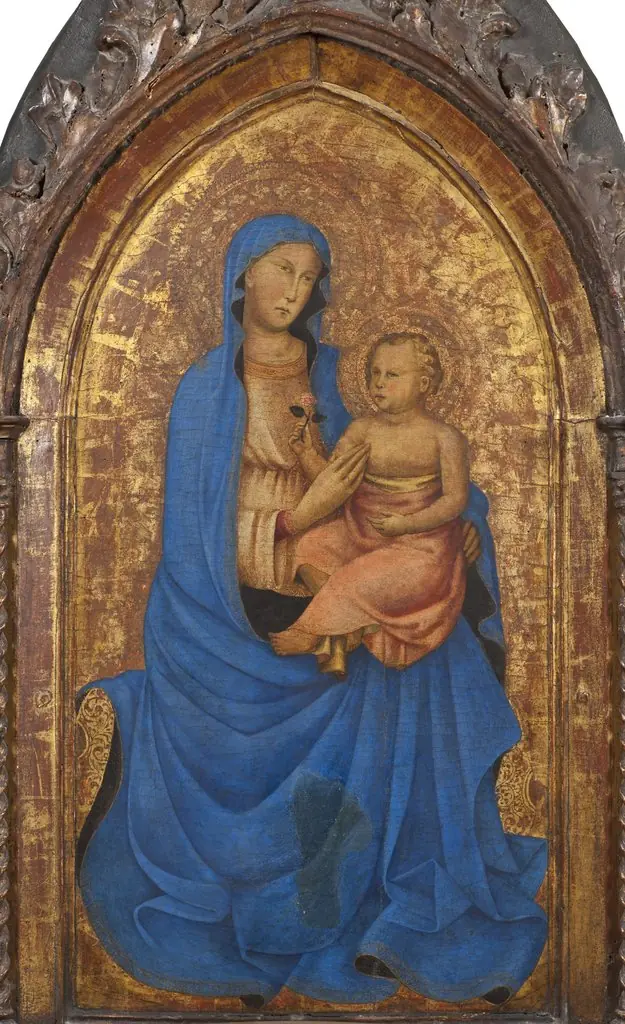 Madonna of Humility
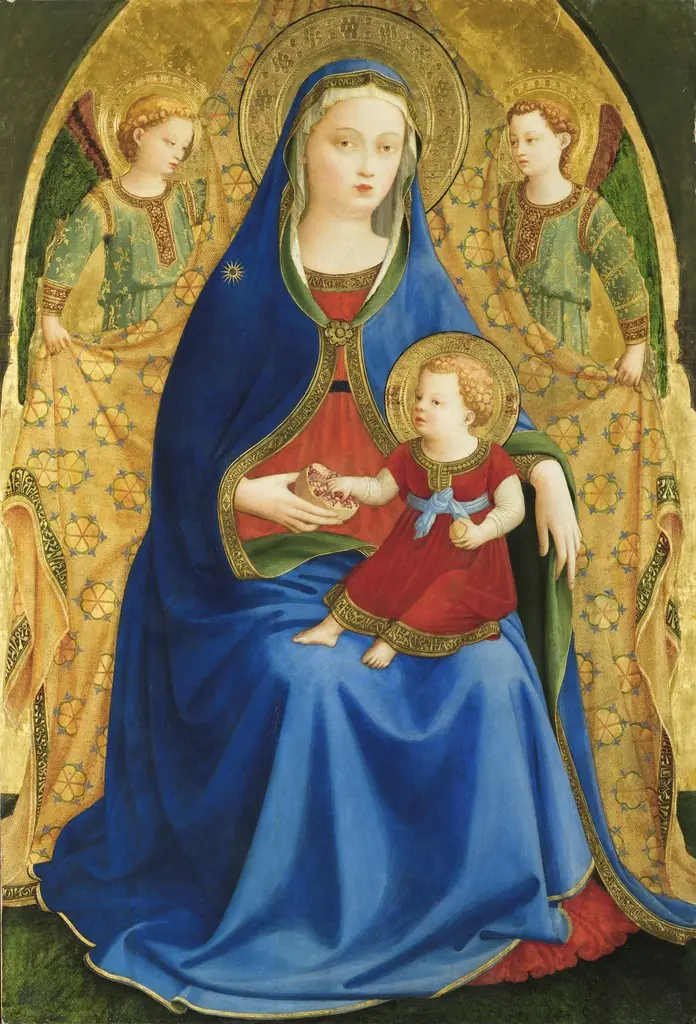 Madonna of the Pomegranate
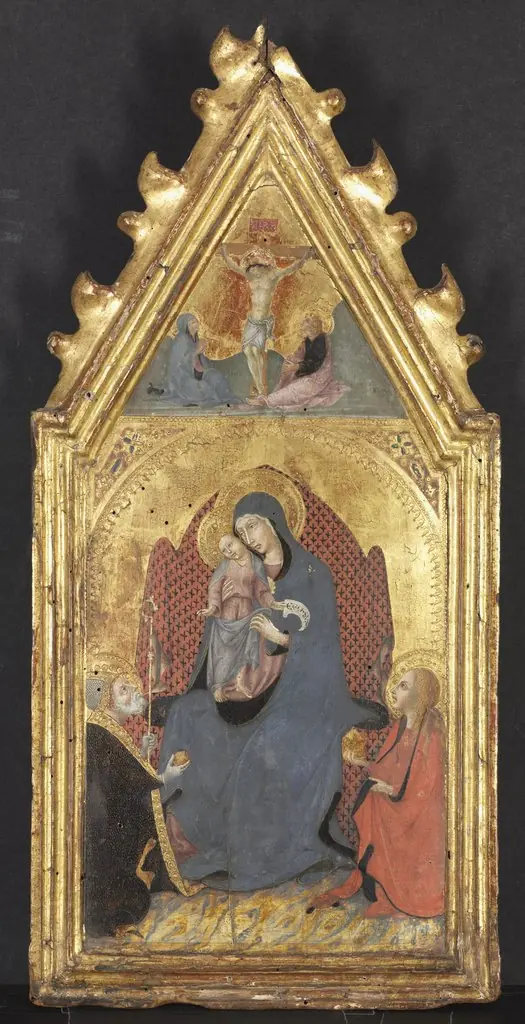 Virgin and Child Adored by Saints Mary Magdalene and Nicolas of Bari; Christ Crucified with the Virgin and Saint John the Evangelist
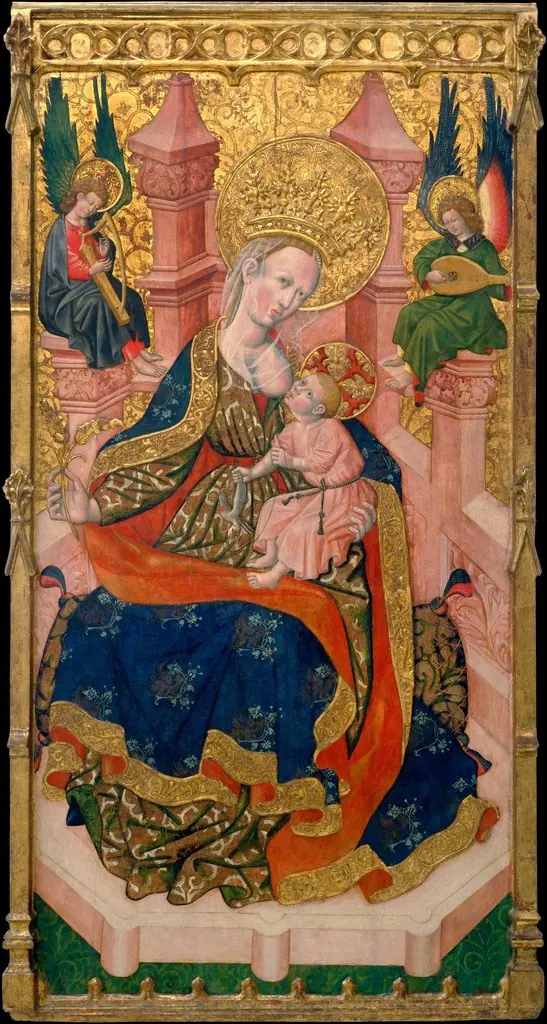 Virgin Suckling the Child
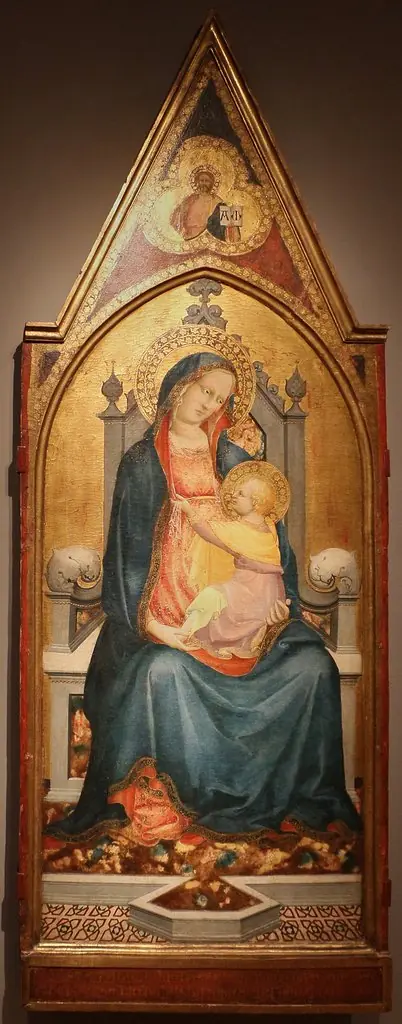 madonna col bambino in trono
 Virgin and Child with Saint Anne