Artwork
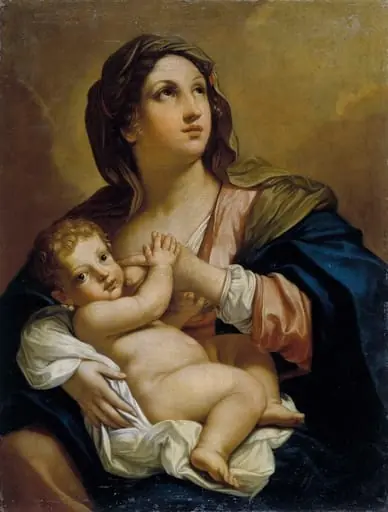
Saint mary with Jesus
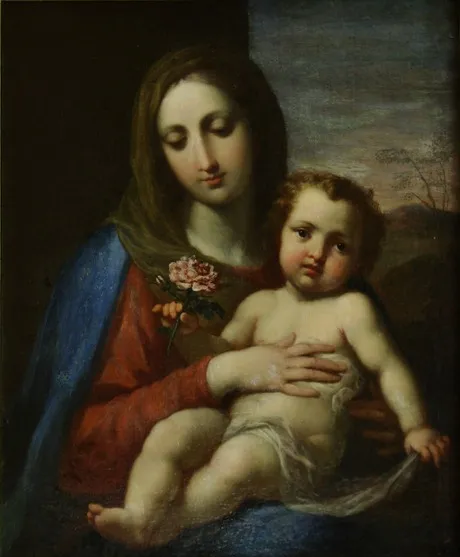
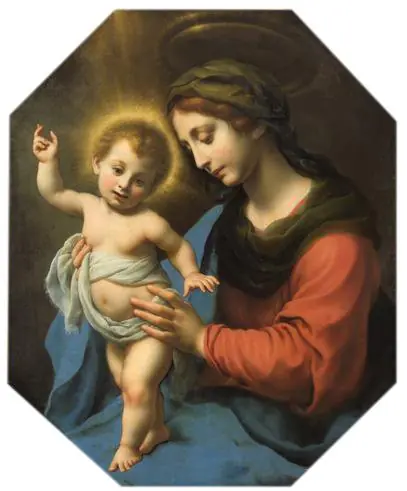
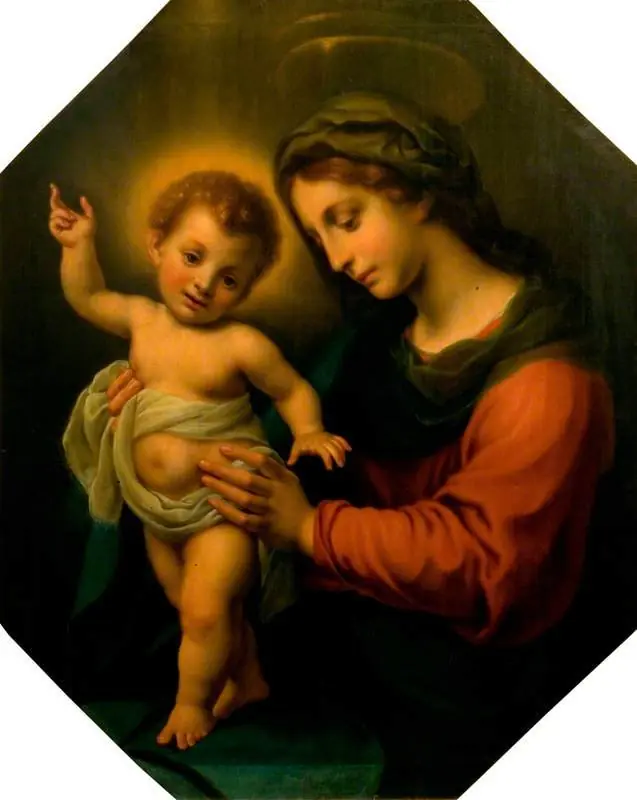
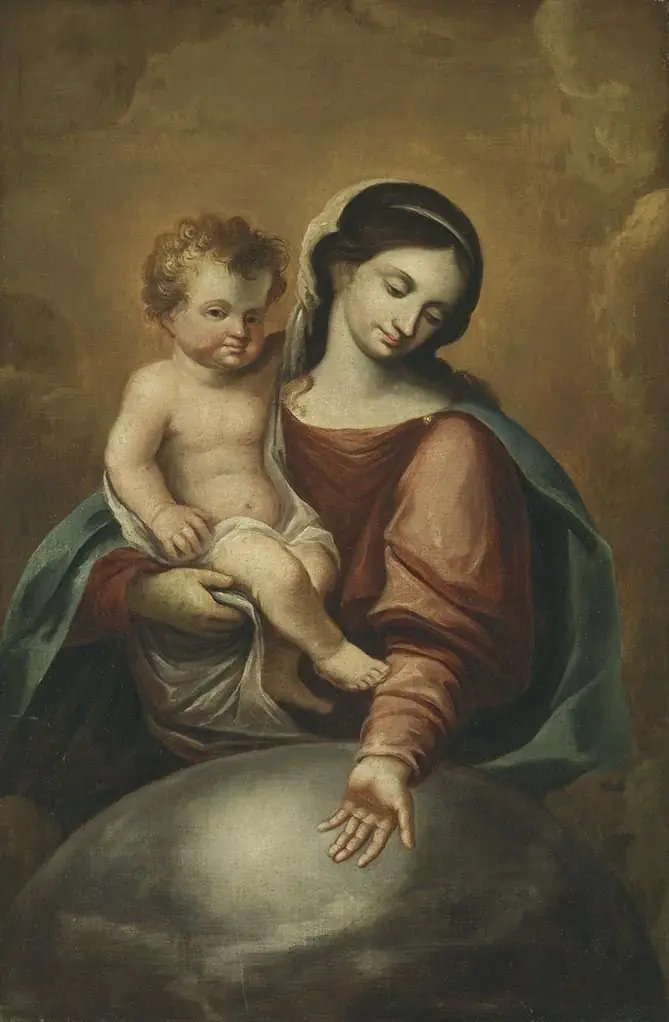
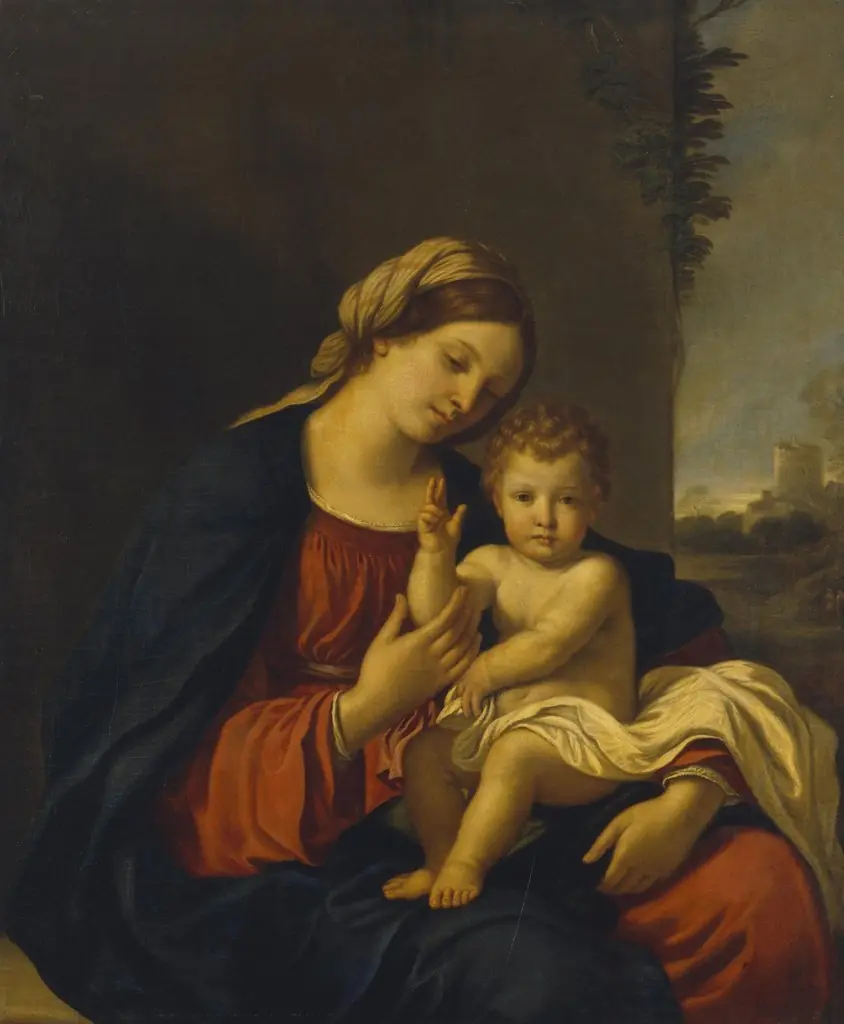
Saint mary with Jesus is an oil painting by the Early Baroque Italian artist Elisabetta Sirani. It dates from 1650 and is held in the collection of the National Gallery of Armenia.
About this work
Overview
As one of the few female artists of her time to gain professional recognition, she produced religious works for both church and private patrons.
Elisabetta Sirani painted this devotional image around 1650 in Bologna, using oil on canvas. As one of the few female artists of her time to gain professional recognition, she produced religious works for both church and private patrons. The painting features the Virgin Mary and the infant Jesus, rendered with quiet intimacy rather than grandeur. It is now held in the National Gallery of Armenia, part of a broader collection of early modern European art.
Subject & Meaning
The Virgin Mary, depicted as a young woman, holds the Christ child who gazes directly outward, inviting contemplation. She wears a red gown and a blue mantle, colors traditionally associated with divine grace and earthly humility. A pink flower in her hand may symbolize love or the Virgin’s purity, while her downward gaze suggests quiet reflection. The composition emphasizes maternal tenderness, aligning with Counter-Reformation ideals of accessible, emotionally resonant devotion.
Technique & Style
Sirani employed soft modeling and subtle chiaroscuro to define the figures against a dark, indistinct background. The baby’s bare skin is rendered with delicate highlights, contrasting with the textured folds of the white swaddling cloth. The landscape behind is barely suggested, focusing attention on the figures. Her brushwork is precise yet fluid, reflecting training in the Bolognese academic tradition while maintaining a personal sensitivity to gesture and expression.
History & Provenance
The painting was likely created for private devotion, as Sirani often produced smaller-scale religious works for collectors. It entered the National Gallery of Armenia’s collection in the 20th century, though its earlier provenance remains undocumented. Its presence in Yerevan reflects 19th- and 20th-century European art acquisitions by Armenian institutions, possibly through diplomatic or cultural exchanges.
Context
In mid-17th-century Bologna, women artists were rare but not unheard of; Sirani ran a successful studio and trained other female painters. Her religious images responded to the Catholic Church’s emphasis on emotional piety after the Council of Trent. Unlike grand altarpieces, this intimate portrait reflects a growing market for personal devotion, where quiet, humanized depictions of sacred figures held particular appeal.
Legacy
Sirani’s career paved the way for later women artists in Italy, though her reputation faded after her early death in 1665. This painting exemplifies her ability to convey spiritual depth through restrained composition and psychological nuance. Today, it stands as a testament to her technical skill and the quiet influence of female artists in a male-dominated field, contributing to ongoing reassessments of Baroque art beyond its most famous male practitioners.
Artist & collection
Artist
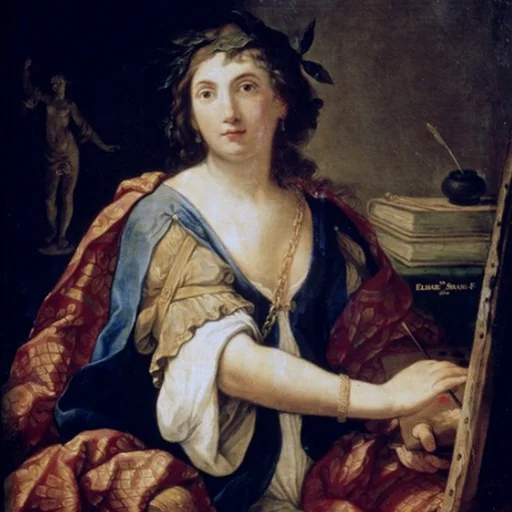
Elisabetta Sirani (8 January 1638 – 28 August 1665) was an Italian Baroque painter and printmaker who died in unexplained circumstances at the age of 27.

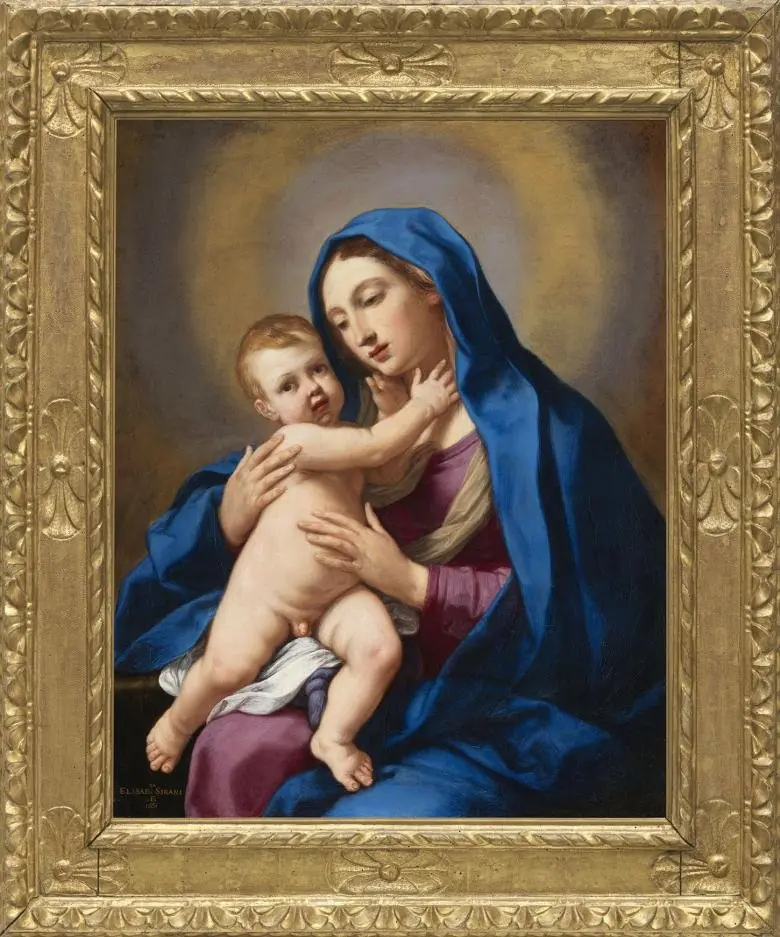 Virgin and Child
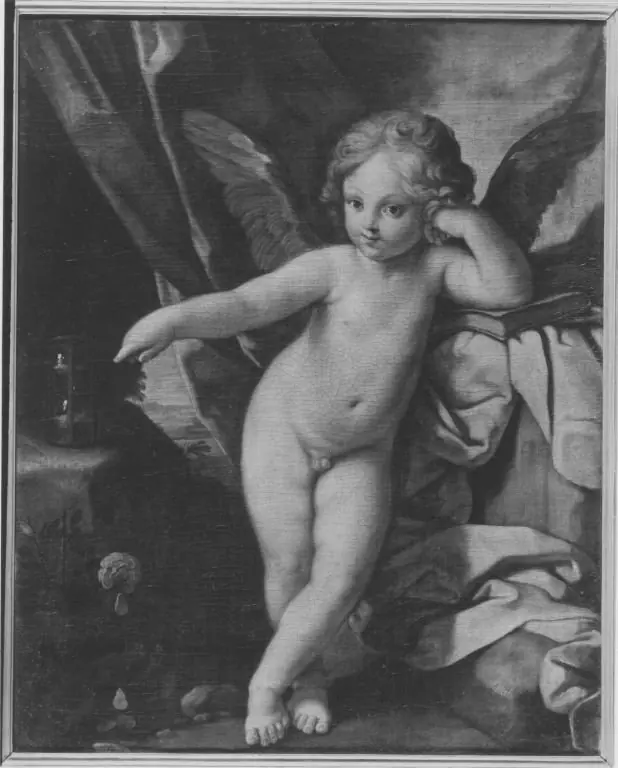 Genius of Transience
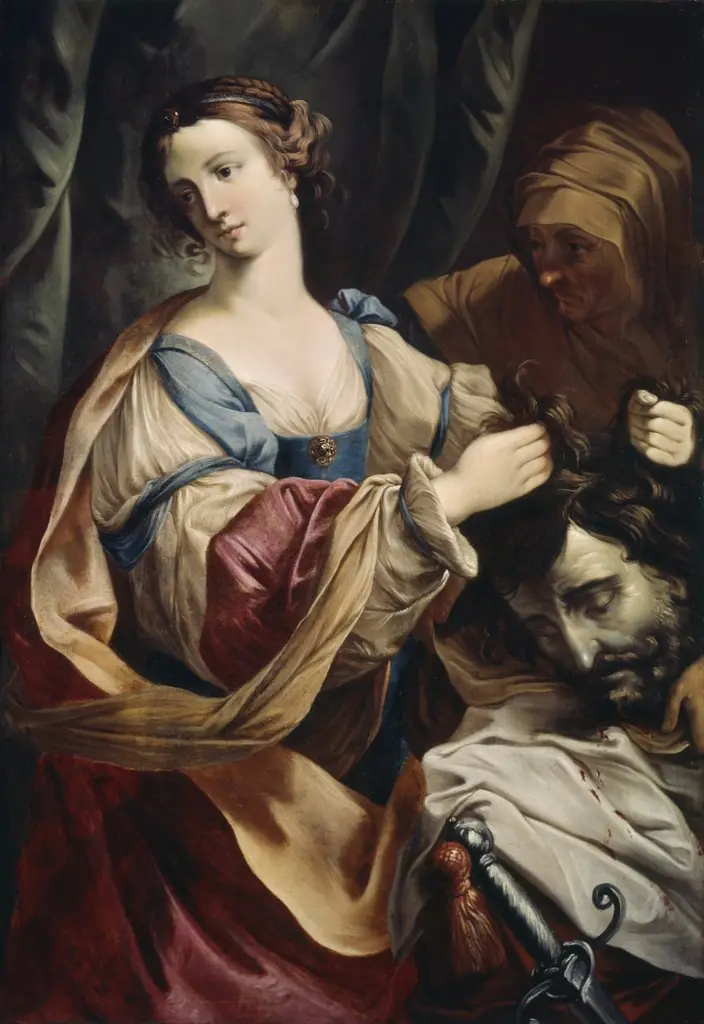 Judith with the Head of Holofernes
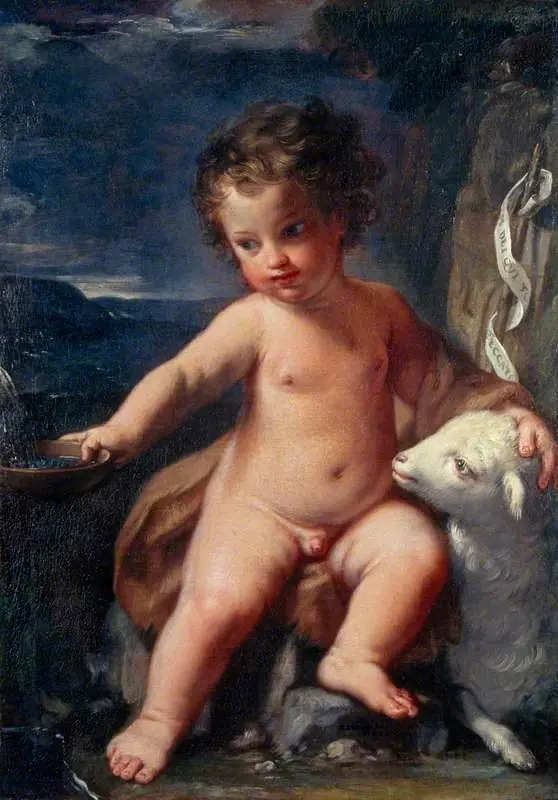 The Infant Saint John the Baptist in the Wilderness
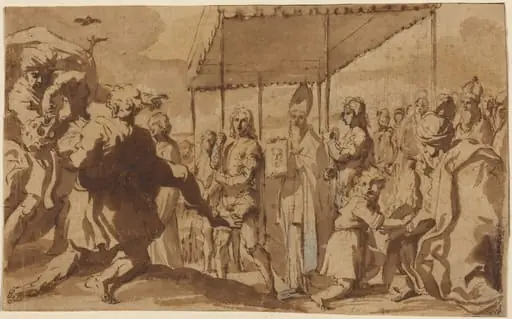 The Healing of the Possessed Boy in a Procession of the Volto Santo
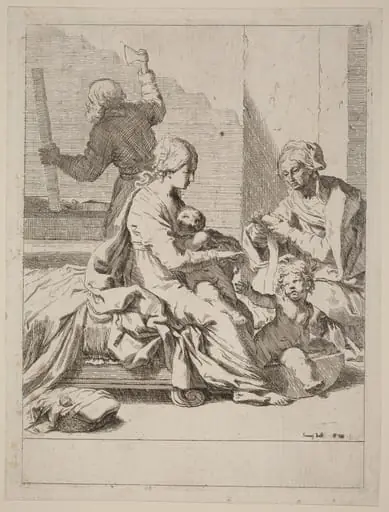 The Holy Family with Saint Elizabeth and Saint John the Baptist
 Turbaanipäinen nainen
 Neitsyt Maria ja Jeesus-lapsi