Artwork
Incredulity of Saint Thomas
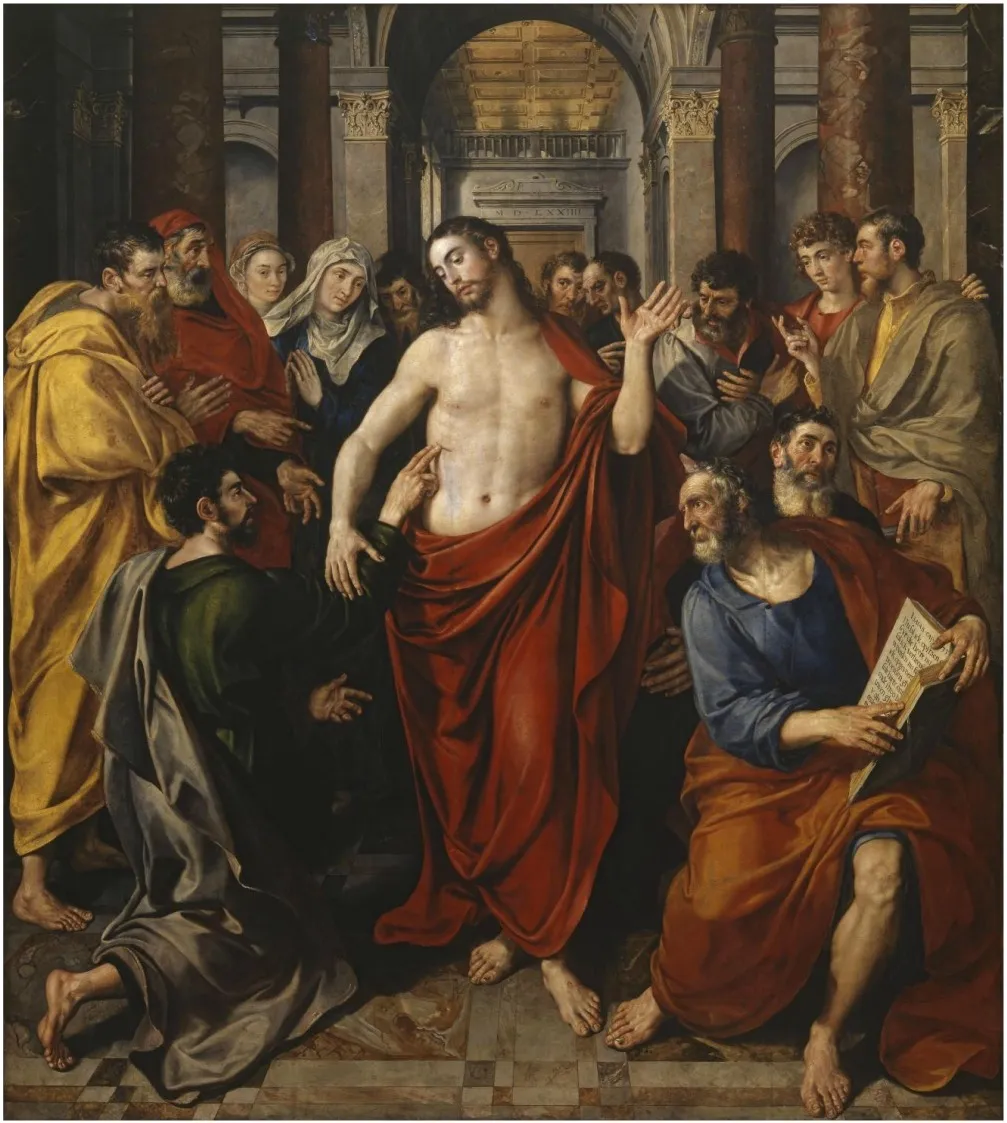
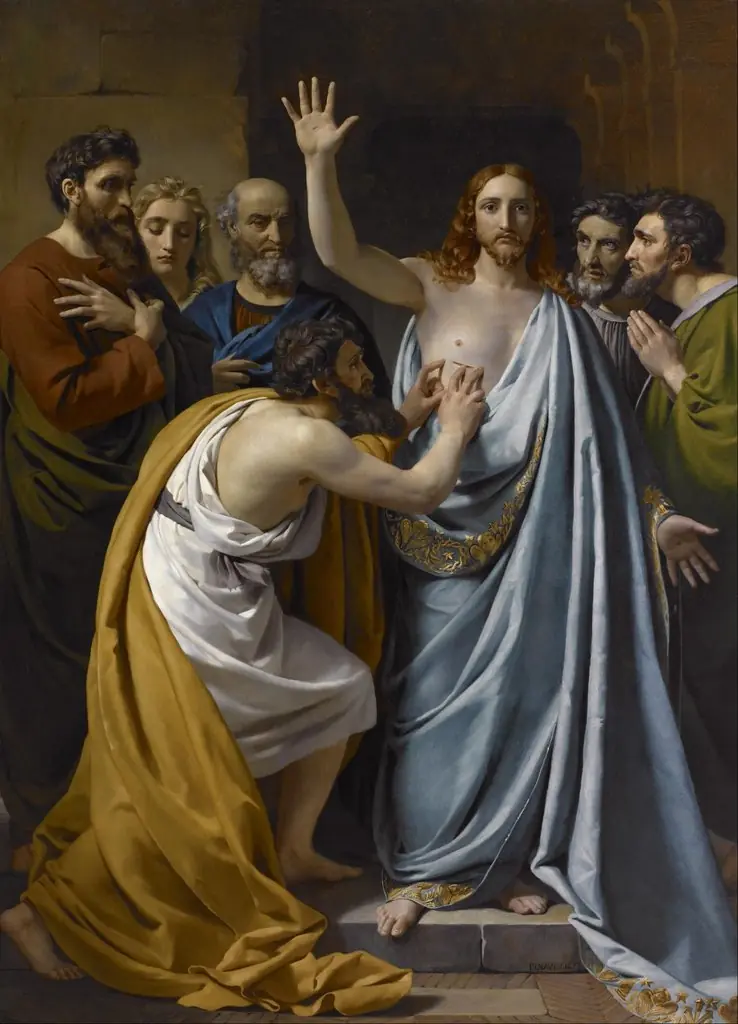
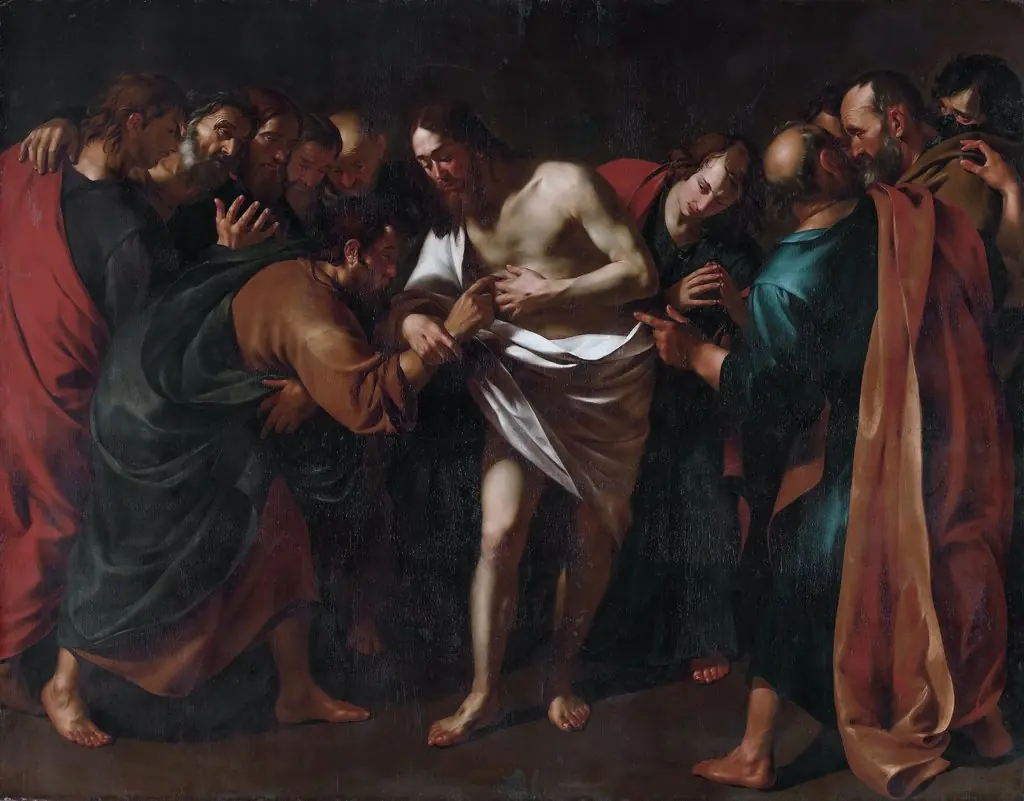
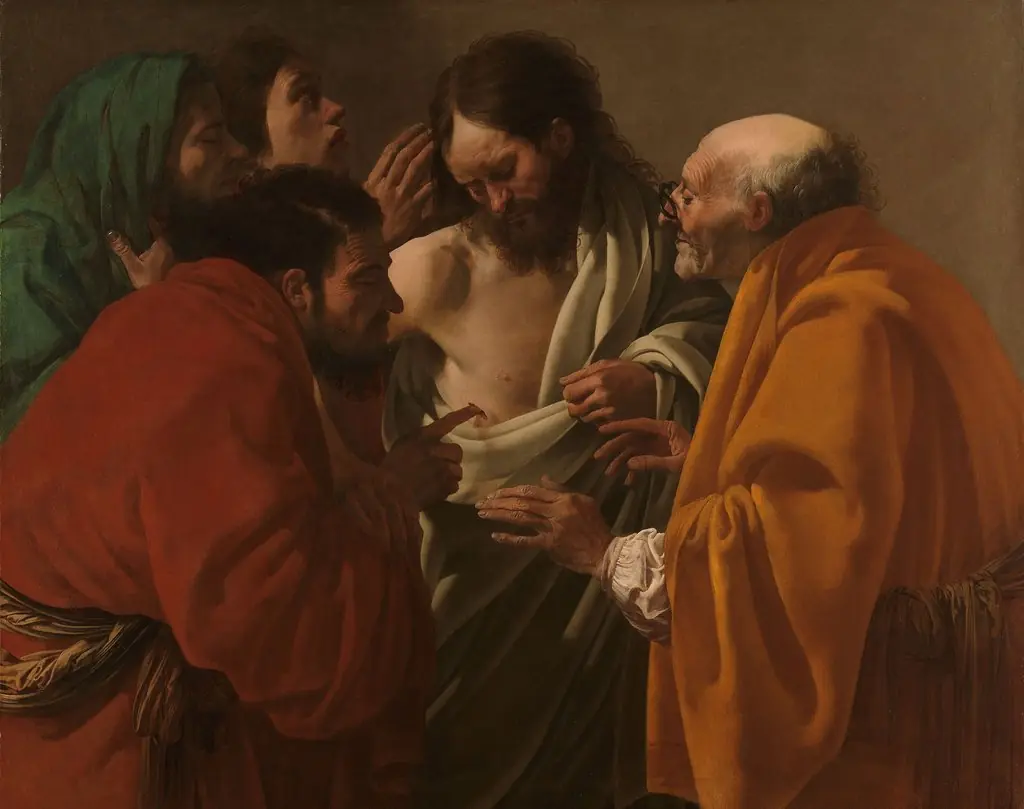
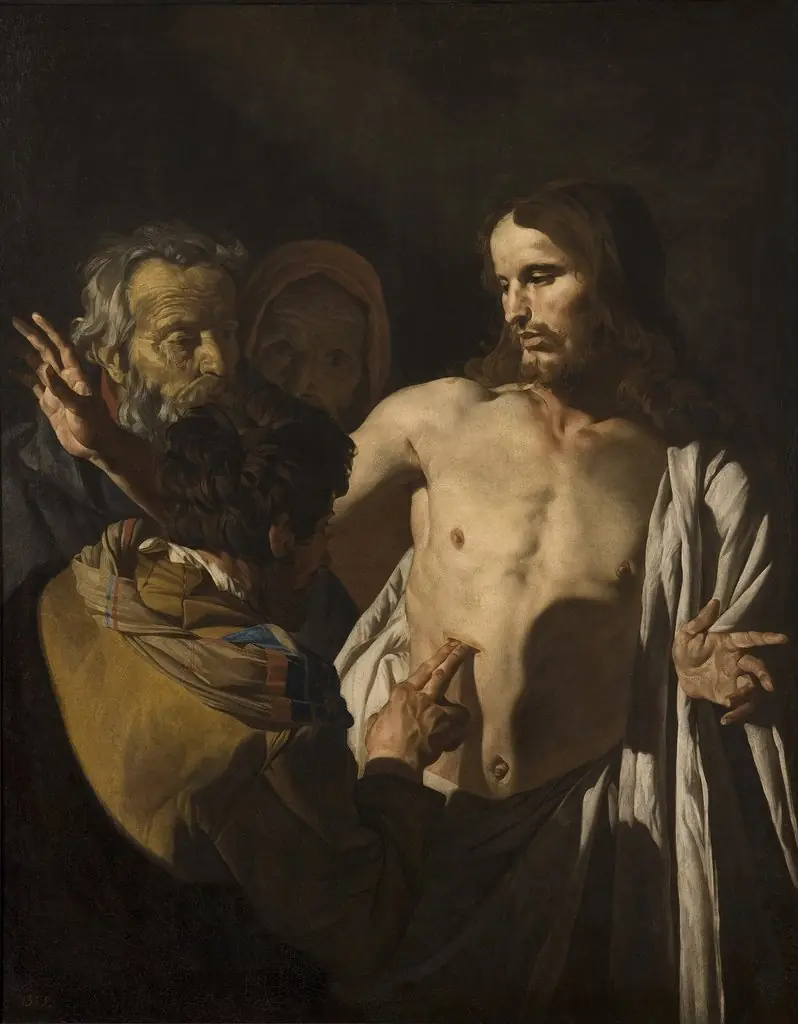
Incredulity of Saint Thomas is an oil painting by the Flemish Baroque painting artist Maerten de Vos. It dates from 1574 and is held in the collection of the Onze-Lieve-Vrouwekathedraal.
About this work
Overview
Created in the Spanish Netherlands, the painting reflects the enduring demand for religious imagery after the Iconoclastic disturbances.
Painted in 1574 by Maerten de Vos, this oil-on-panel work illustrates the biblical moment when Saint Thomas touches Christ’s side wound to verify the Resurrection. Created in the Spanish Netherlands, the painting reflects the enduring demand for religious imagery after the Iconoclastic disturbances. De Vos, a prominent figure in Antwerp’s artistic community, employed classical composition and detailed figures to convey theological narrative with clarity and emotional restraint.
Subject & Meaning
The scene captures the instant Thomas, kneeling before Christ, reaches to touch the wound in his side, while other apostles observe with varied expressions of awe and doubt. Christ, standing calmly, guides Thomas’s hand, embodying divine patience. The moment underscores the theme of faith grounded in evidence, a subject of theological debate during the Reformation. The surrounding figures, engaged in quiet discussion, suggest communal reflection rather than dramatic spectacle.
Technique & Style
De Vos uses chiaroscuro to model forms with subtle gradations of light and shadow, enhancing the three-dimensionality of the figures. Richly textured fabrics, precise facial expressions, and carefully rendered architectural elements reflect his training in Italianate composition. The tiled floor and arched backdrop provide spatial depth without overwhelming the central group. Color is restrained yet deliberate, with Christ’s red loincloth drawing attention without sensationalism.
History & Provenance
Commissioned during a period of religious realignment in the Southern Netherlands, the painting likely originated in a private or ecclesiastical setting in Antwerp. De Vos’s reputation as a prolific producer of religious subjects ensured wide circulation of his compositions through prints and copies. While the painting’s early ownership is undocumented, its survival reflects continued appreciation for devotional imagery in Catholic regions despite iconoclastic pressures.
Context
In the decades following the Iconoclastic Fury, Catholic patrons in the Spanish Netherlands sought art that reaffirmed doctrine through clear, emotionally resonant narratives. De Vos, succeeding Frans Floris, became a key figure in this revival. His approach blended Northern attention to detail with Italianate harmony, aligning with Counter-Reformation ideals that valued accessibility and moral clarity in sacred imagery.
Legacy
Though less widely known today than contemporaries like Rubens, de Vos’s works, including this painting, helped sustain a tradition of narrative religious art in Flanders. His compositions were disseminated through engravings, influencing regional artists and shaping devotional visual culture well into the seventeenth century. This painting remains a representative example of how theological themes were rendered with quiet authority during a time of religious upheaval.
Artist & collection
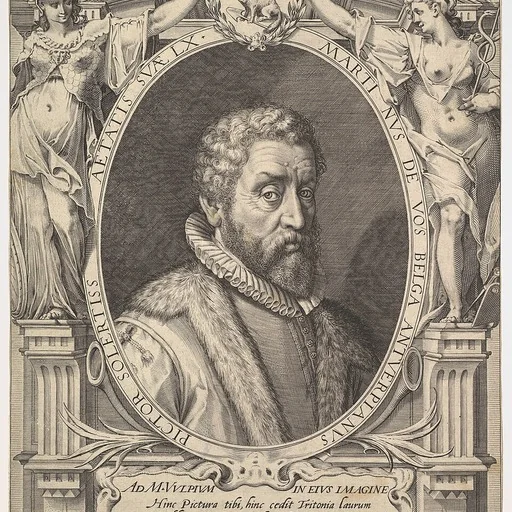
Artist
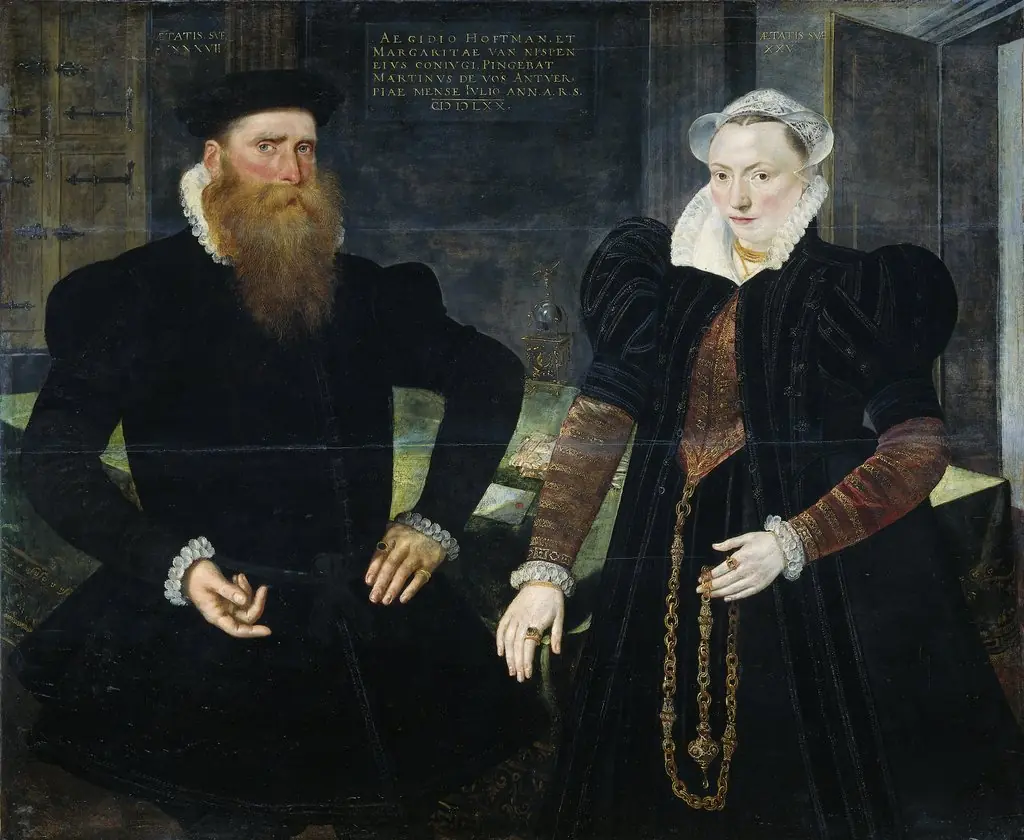
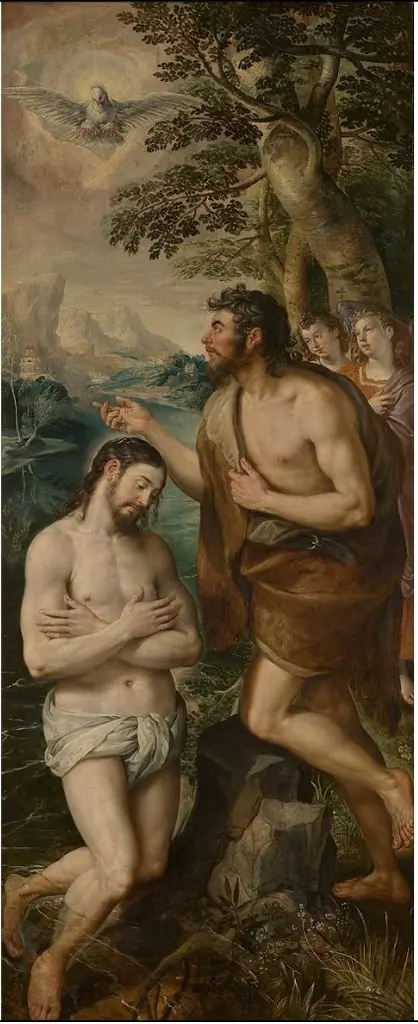
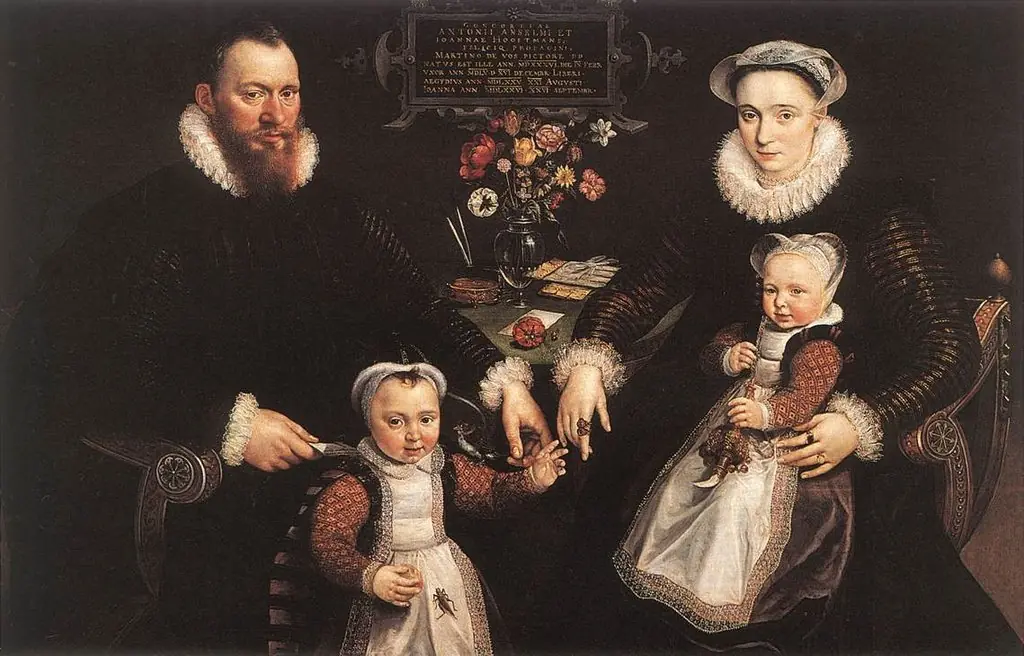
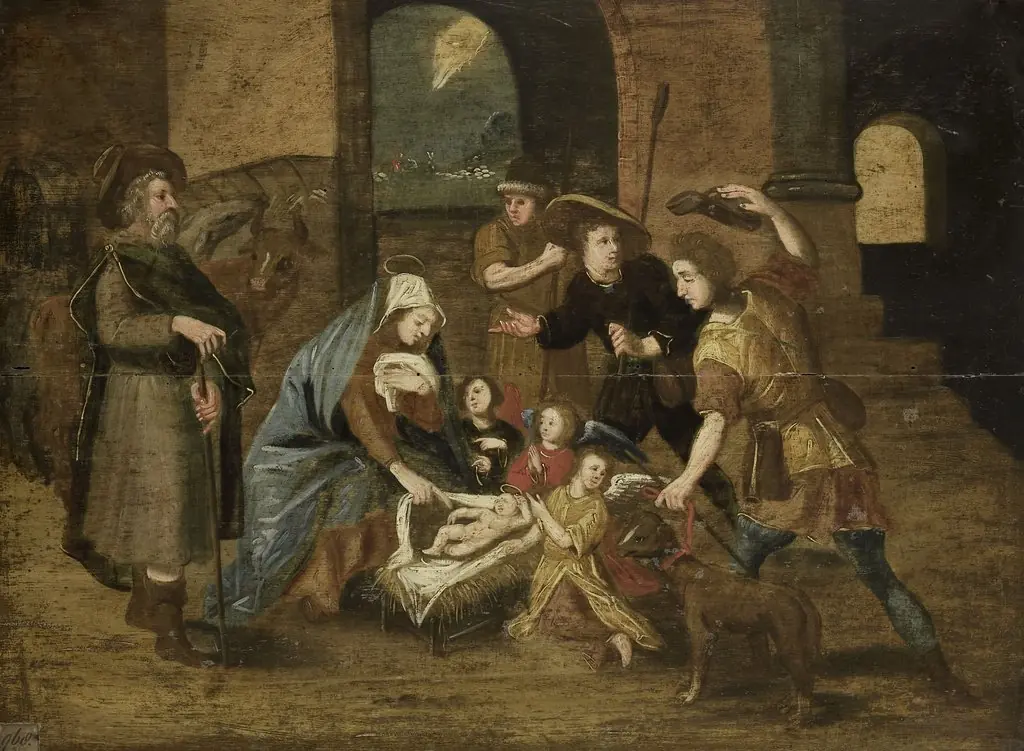
Maerten de Vos, Maerten de Vos the Elder or Marten de Vos (1532 – 4 December 1603) was a Flemish painter, known mainly for his history and allegorical paintings and portraits.