Artwork
Constantinslaget
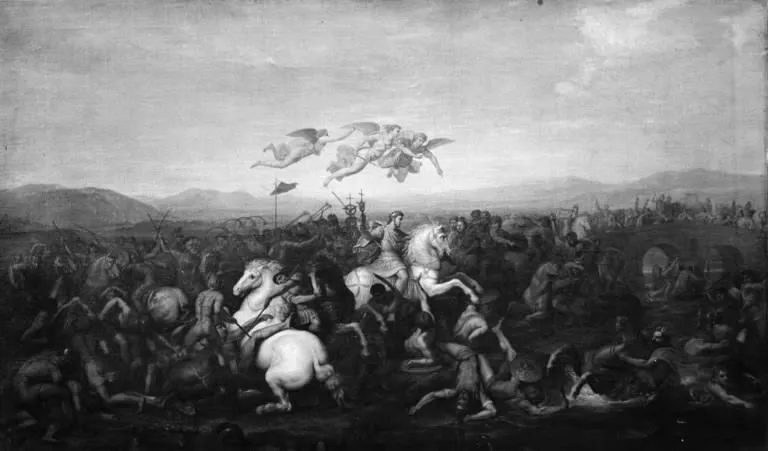
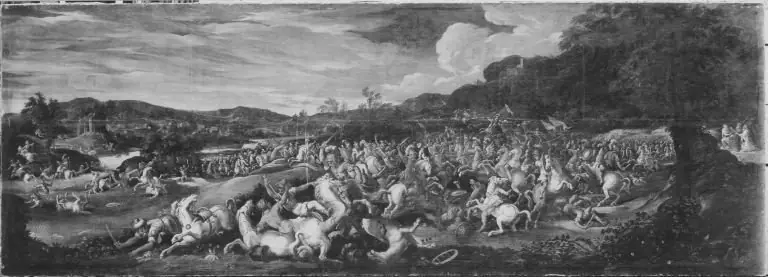
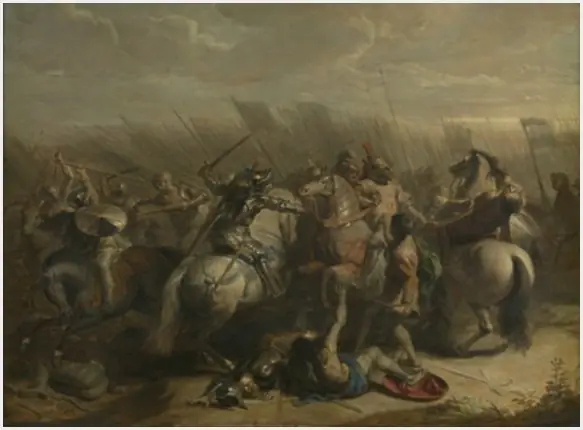
Constantinslaget is an oil painting by the Rococo painting artist Eric Paulsen. It dates from 1789 and is held in the collection of the Statens Museum for Kunst.
About this work
Overview
Pauelsen completed the piece shortly before his death by suicide in 1790, adding a somber context to its violent imagery.
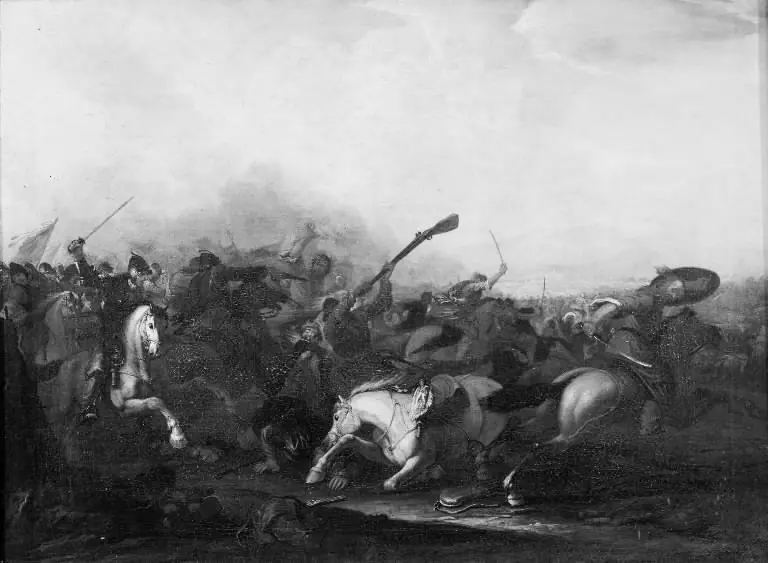
Erik Pauelsen painted *Constantinslaget* in 1789 using oil on canvas, capturing a turbulent cavalry engagement. Though primarily known for portraits and landscapes, this work stands as his most dramatic composition. It resides in the collection of Statens Museum for Kunst in Copenhagen. Pauelsen completed the piece shortly before his death by suicide in 1790, adding a somber context to its violent imagery.
Subject & Meaning
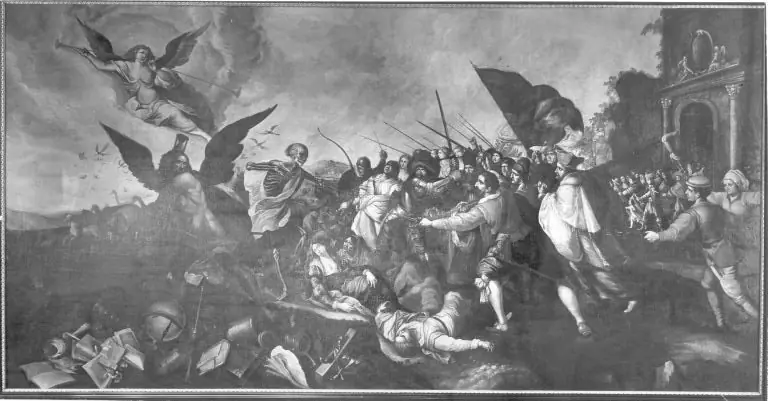
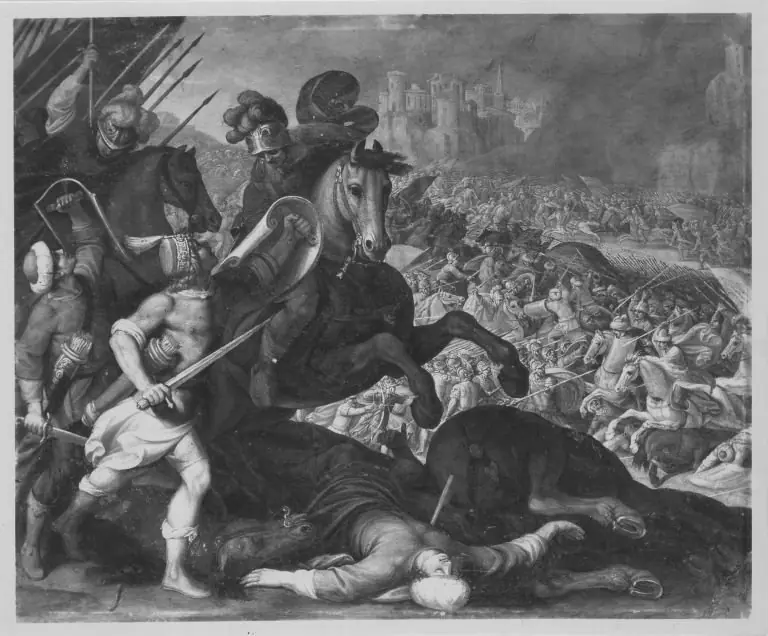
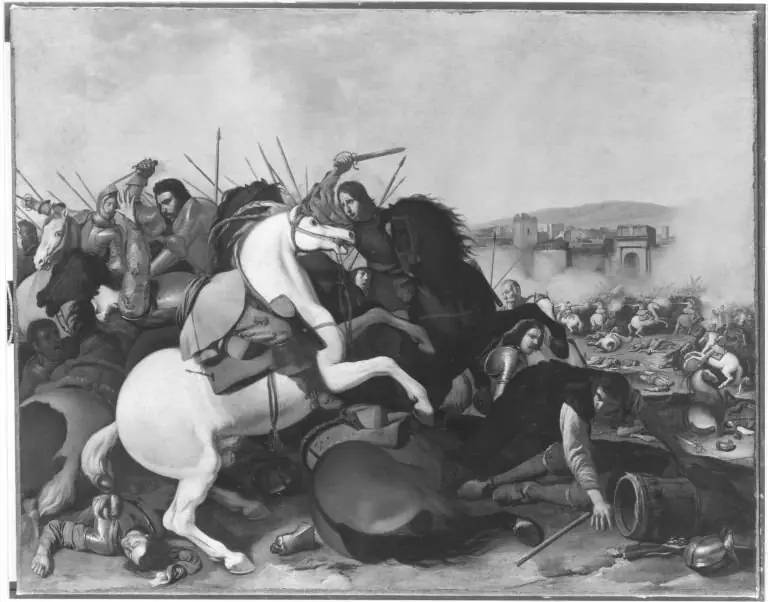
The painting depicts a chaotic medieval-style battle, likely inspired by historical or literary sources rather than a specific event. Centered on rearing and falling horses, the scene emphasizes disarray and motion. Soldiers on horseback clash with swords and spears, their forms fragmented by dynamic movement. The absence of clear narrative markers suggests a focus on the visceral experience of conflict rather than a documented historical moment.
Technique & Style
Pauelsen employed oil paint to build layered textures and subtle tonal shifts, enhancing the sense of motion and depth. Dark browns and blacks ground the composition, while lighter grays and whites suggest sky and dust. The brushwork is energetic, with loose strokes conveying the chaos of battle. While not overtly using chiaroscuro, the painting relies on contrast and atmospheric gradation to direct the viewer’s eye through the turmoil.
History & Provenance
Completed in 1789, *Constantinslaget* entered the collection of Statens Museum for Kunst shortly after Pauelsen’s death in 1790. It remained relatively obscure compared to his portraits, possibly due to its unconventional subject matter for a Danish artist of the time. The painting’s survival and preservation reflect institutional interest in lesser-known works from the late 18th century, even if they diverged from prevailing artistic trends.
Context
Created during the waning years of the Rococo era, *Constantinslaget* diverges from the period’s ornamental elegance, embracing instead a rugged, emotionally charged aesthetic. While European art increasingly turned toward Neoclassicism and historical grandeur, Pauelsen’s focus on chaotic battle reflects a more personal, perhaps introspective response to violence. His isolation from major artistic centers may have contributed to the work’s unique, unpolished character.
Legacy
Though Pauelsen never achieved widespread fame, *Constantinslaget* endures as a rare example of Danish Romantic sensibility predating the movement’s formal emergence. Its raw energy and emotional intensity have drawn scholarly attention in studies of Nordic art’s transition from Rococo to Romanticism. The painting remains a quiet testament to an artist whose personal struggles may have informed its visceral portrayal of conflict.
Artist & collection
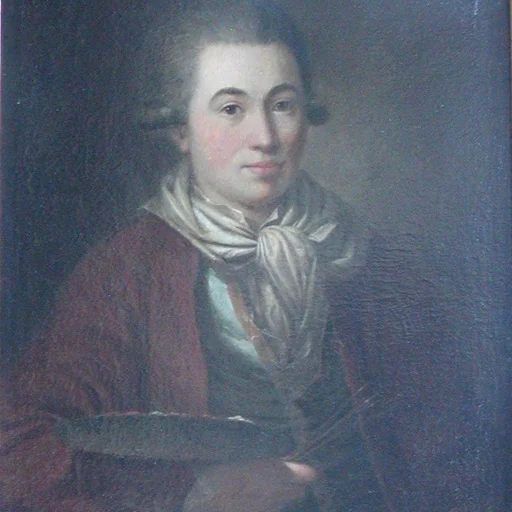
Artist
Erik Pauelsen (2 or 14 October 1749 – 20 February 1790) was a Danish painter. He is most notable for his landscapes and was also a popular portraitist. However, he did not experience the same level of success as Jens…