Artwork
Legendary Battle of the Torriani and Visconti - the Capture
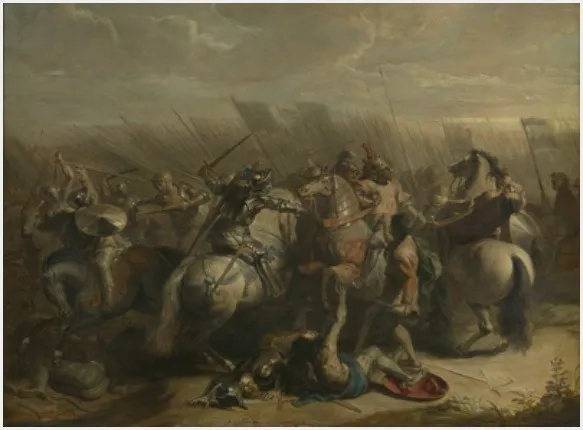
Legendary Battle of the Torriani and Visconti - the Capture is an oil painting by the Flemish Baroque painting artist Erasmus Quellinus II. It dates from 1649 and is held in the collection of the Royal Museums of Fine Arts of Belgium.
About this work
Overview
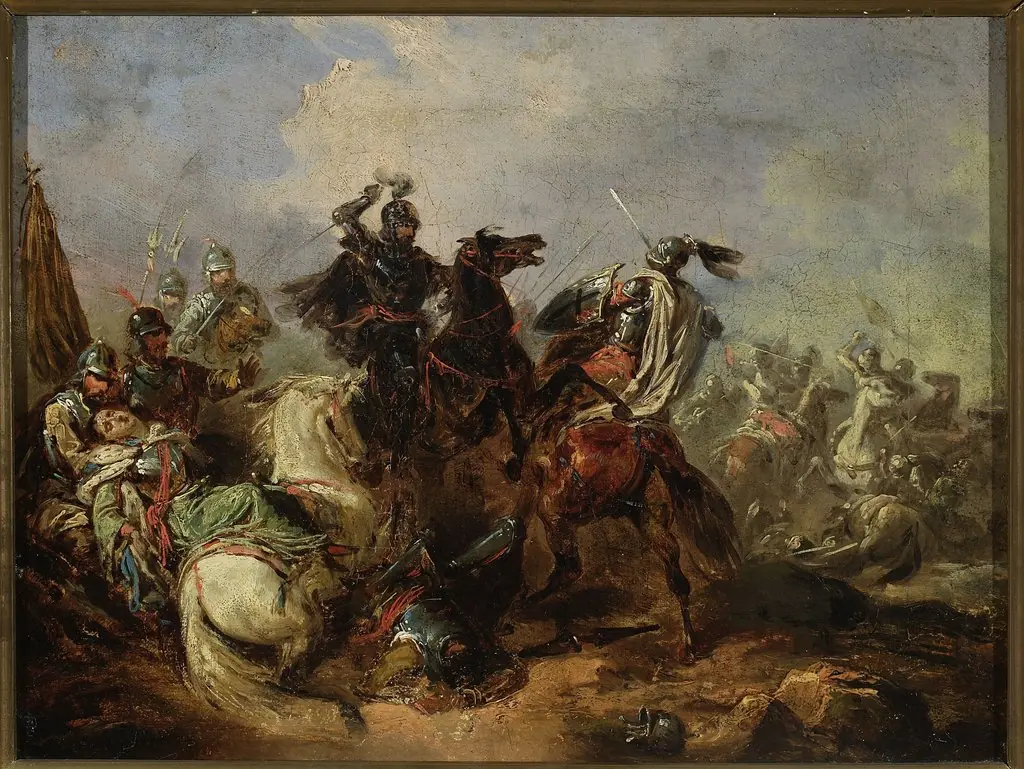
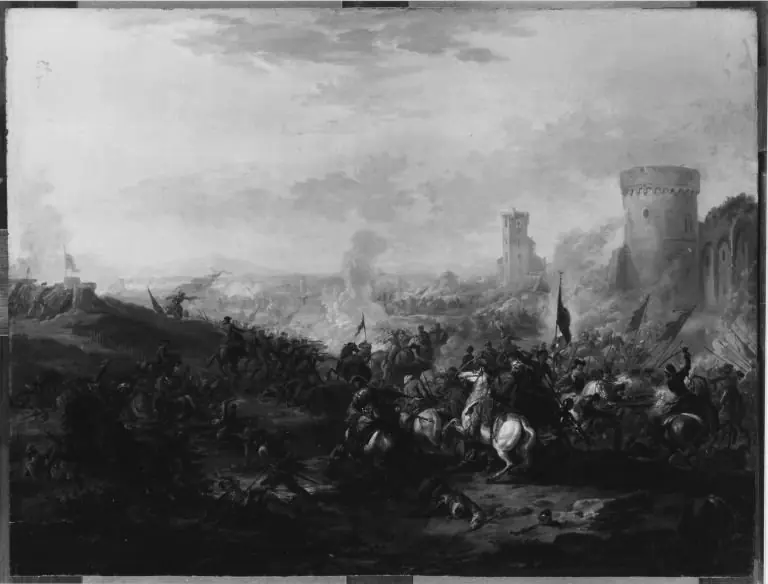
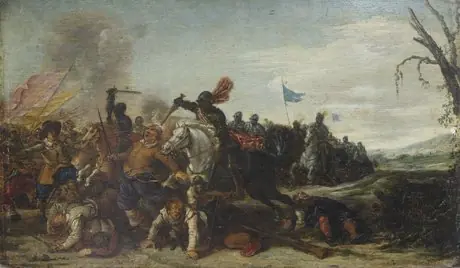
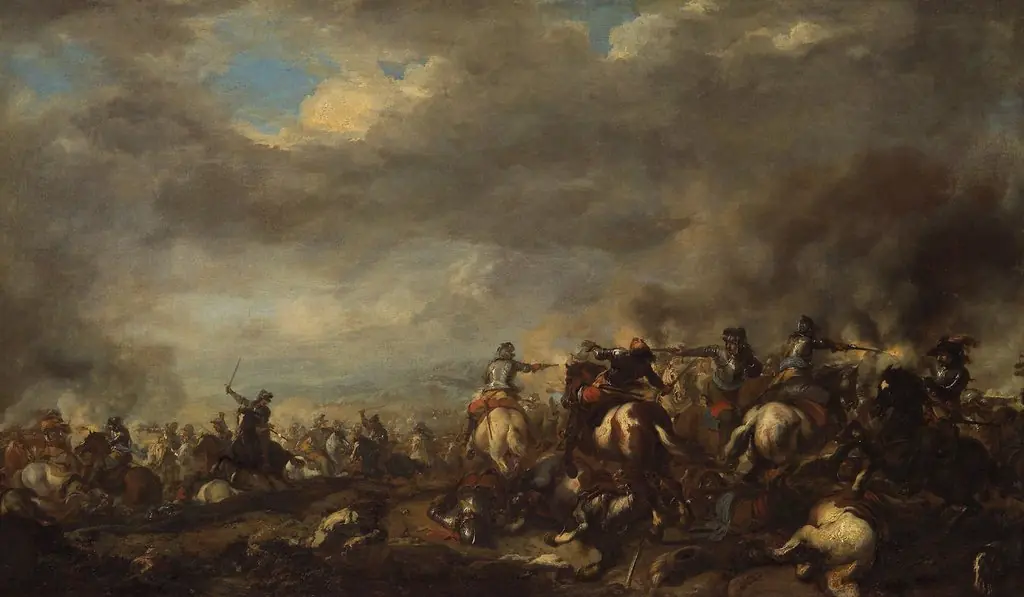
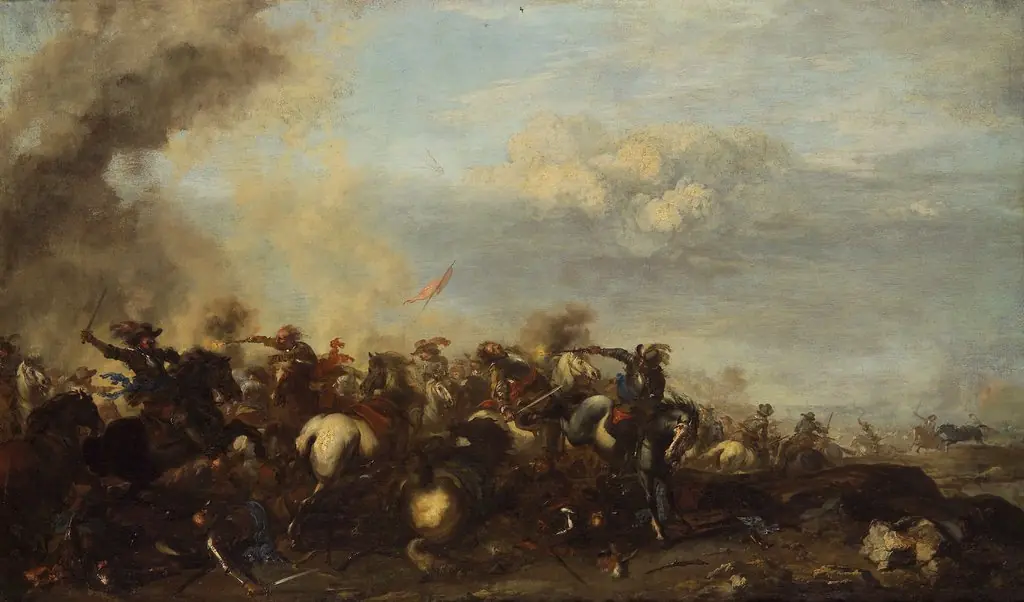
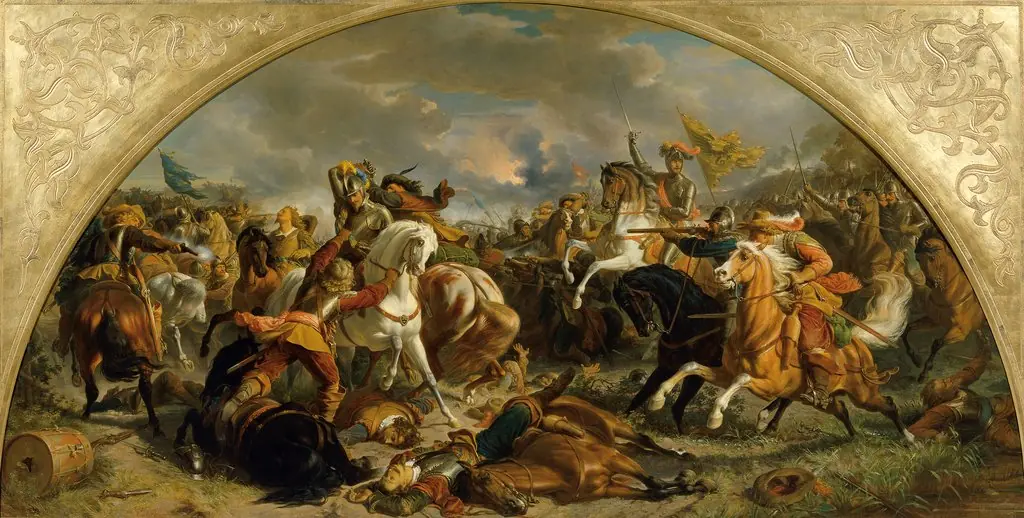
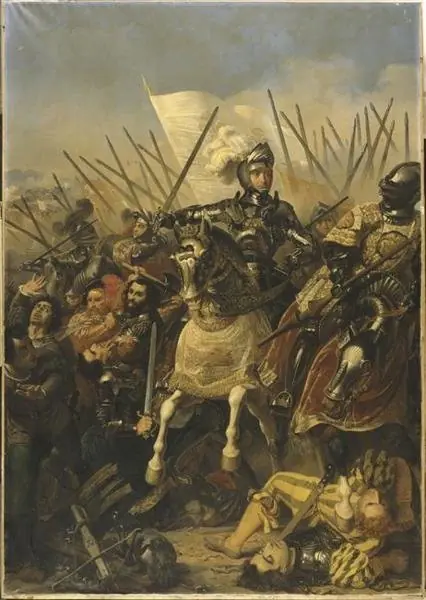
Erasmus Quellinus II’s 1649 oil painting captures a turbulent moment in a medieval clash, focusing on the moment a group of combatants is seized.
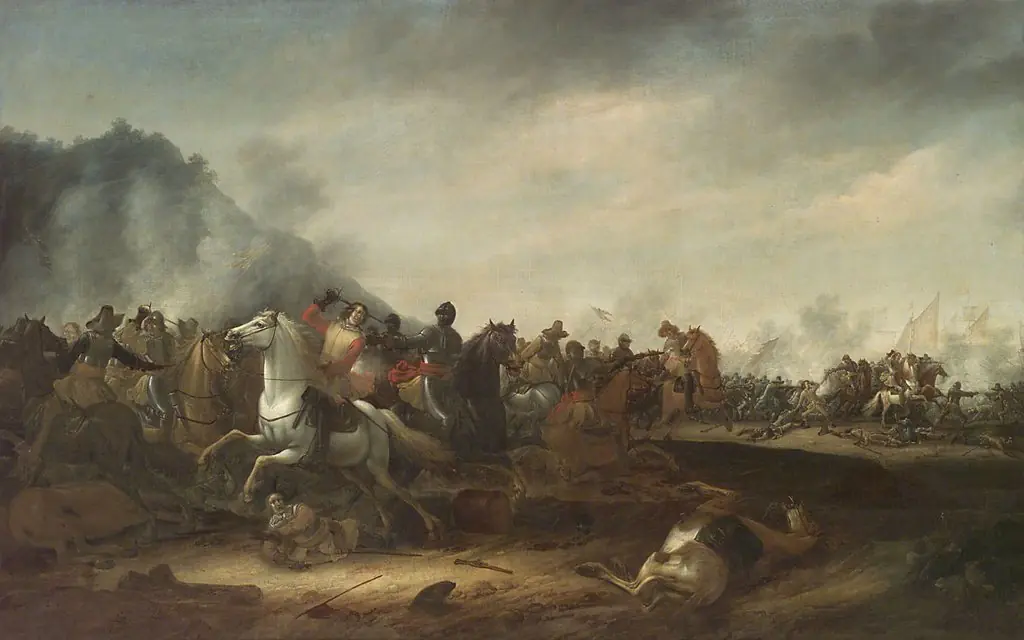
Erasmus Quellinus II’s 1649 oil painting captures a turbulent moment in a medieval clash, focusing on the moment a group of combatants is seized. The composition is densely packed, with mounted knights, fallen soldiers, and a storm‑filled sky creating a sense of immediacy. Dark tonalities dominate, punctuated by a striking red helmet, while light and shadow guide the viewer through the chaotic tableau.
Subject & Meaning
The work illustrates a historic encounter between the Torriani and Visconti families, emphasizing the capture of a key figure amid the melee. By foregrounding the violence and disorder, Quellinus underscores the brutal reality of medieval warfare and the fleeting nature of power, inviting contemplation of loyalty, defeat, and the human cost of dynastic conflict.
Technique & Style
Executed in the Flemish Baroque idiom, the painting employs vigorous brushwork and dramatic chiaroscuro to heighten tension. Quellinus balances a limited palette of browns, grays, and blacks with selective highlights, allowing armor and weaponry to gleam against a stormy backdrop. The crowded arrangement and swift gestures convey motion, while partial shadows conceal figures, enhancing depth within the limited surface.
History & Provenance
Created shortly after the death of Quellinus’s mentor Peter Paul Rubens, the canvas reflects the artist’s emergence as a leading Flemish painter. It entered the Royal Museums of Fine Arts of Belgium’s collection, where it remains part of the institution’s holdings of 17th‑century history paintings, illustrating the museum’s commitment to preserving Baroque narrative art.
Context
The painting belongs to a broader tradition of 17th‑century Flemish history painting, a genre that combined allegorical significance with vivid depictions of past events. Quellinus, trained in Rubens’s workshop, inherited a penchant for grand, theatrical scenes, applying it here to a specific Italian feud, thereby linking local Flemish artistic concerns with wider European historical narratives.
Artist & collection
Artist
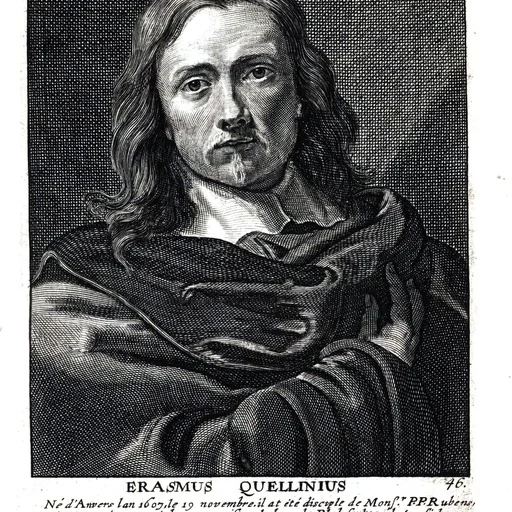
Erasmus Quellinus the Younger or Erasmus Quellinus II (November 19, 1607 – November 11, 1678) was a Flemish painter, engraver, draughtsman and tapestry designer who worked in various genres including history, portrait, allegorical, battle…

Museum
Royal Museums of Fine Arts of Belgium
Continue through works from the same source collection.
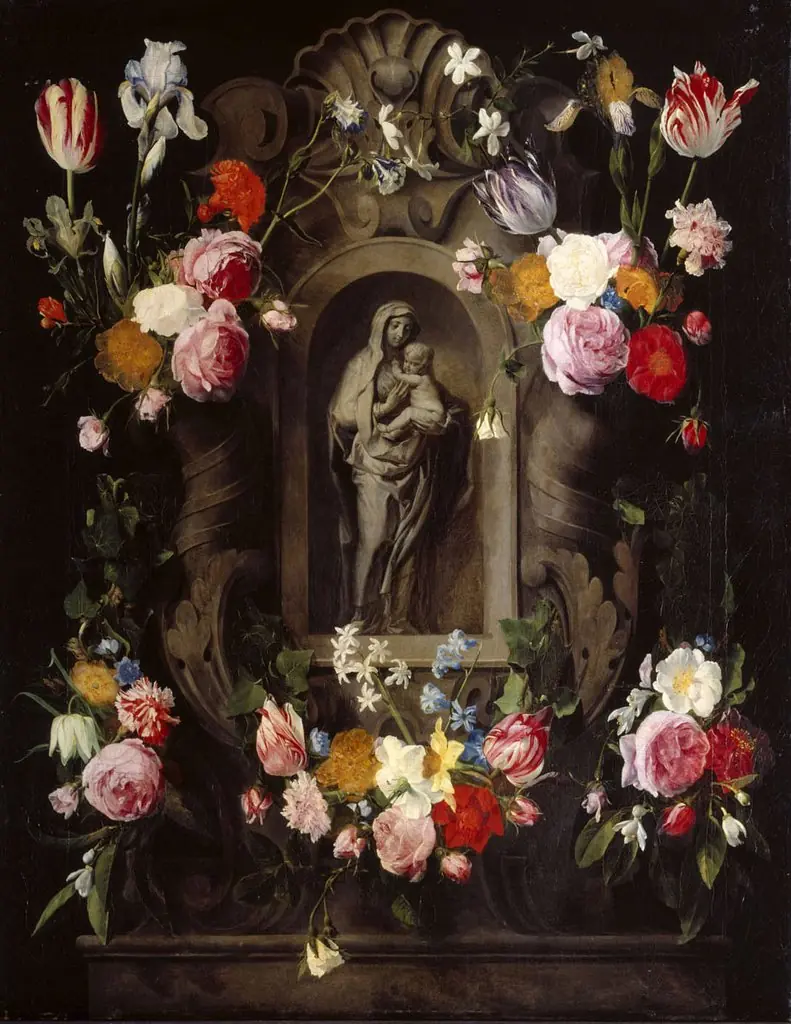 Madonna & Child Statuette in a Niche surrounded by a Garland of Flowers
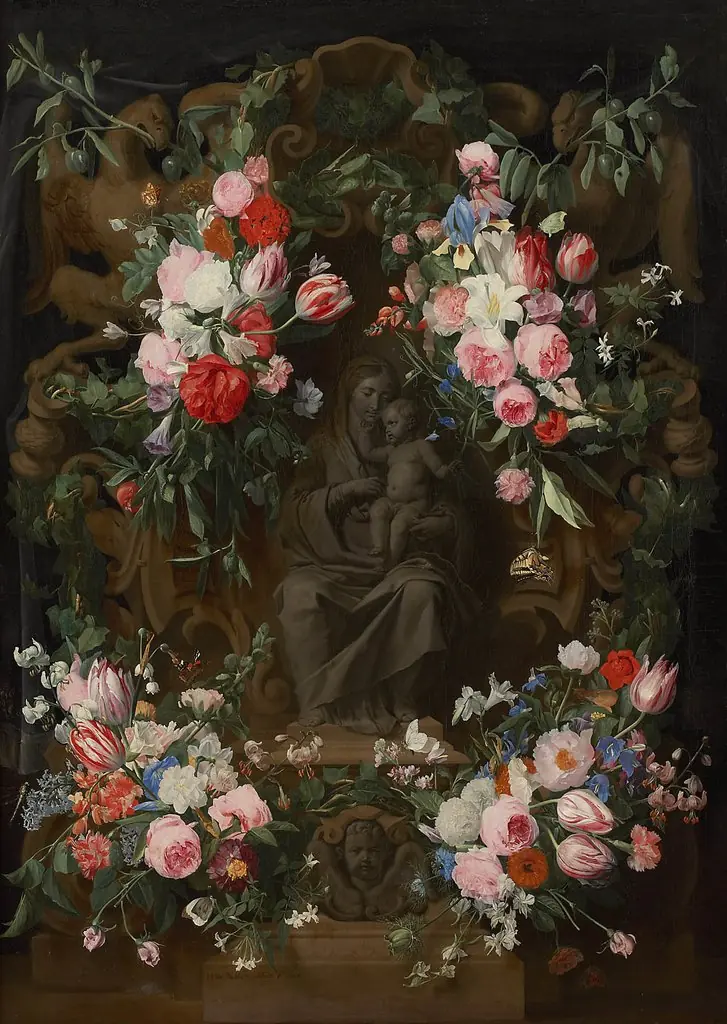 Seated Maria in a Flower Garland
 Holy Family in a Wreath of Flowers
 Cartouche addorned with flowergarlands surrounding a depiction of the Holy Family with the infant Saint John the Baptist
 Madonna and Child Framed a Garland of Flowers
 Portrait of a Boy
 Madonna with Child Jesus
 Achilles among the Daughters of Lycomedes