Artwork
Sieg der Isrealiten am Berg Horeb (zugeschrieben)
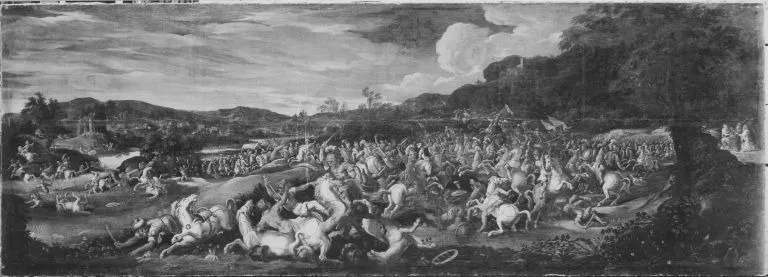
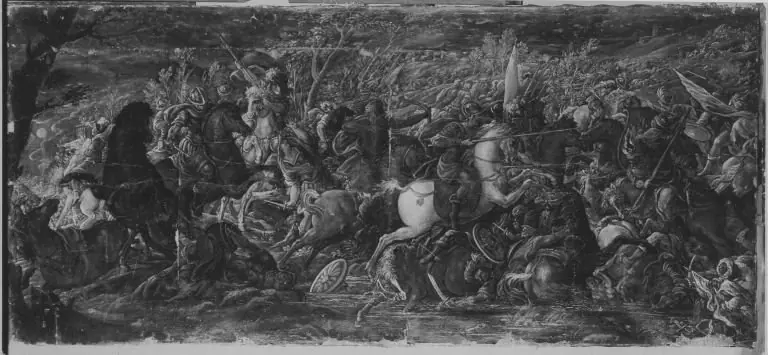
Sieg der Isrealiten am Berg Horeb (zugeschrieben) is an unspecified painting by the Mannerist artist Hans Bocksberger the Younger. It dates from 1556 and is held in the collection of the Bavarian State Painting Collections.
About this work
Overview
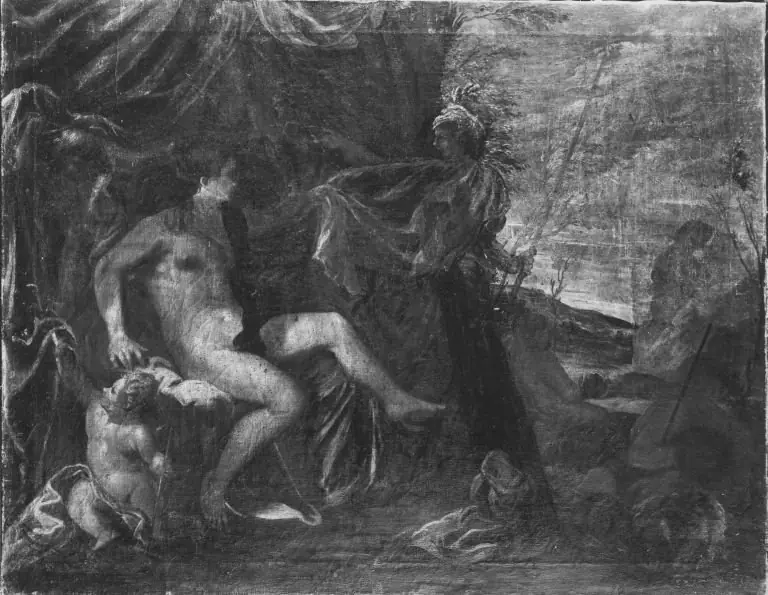
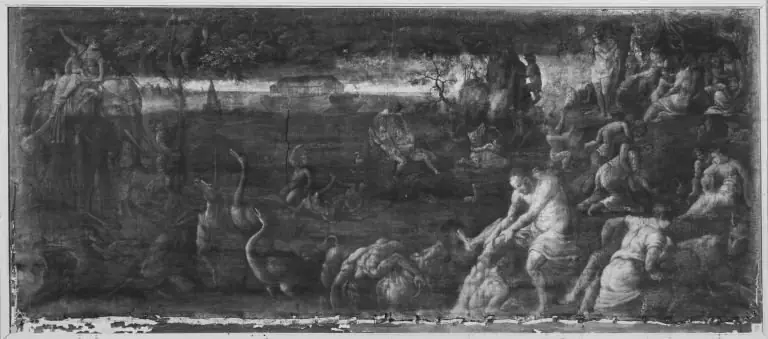
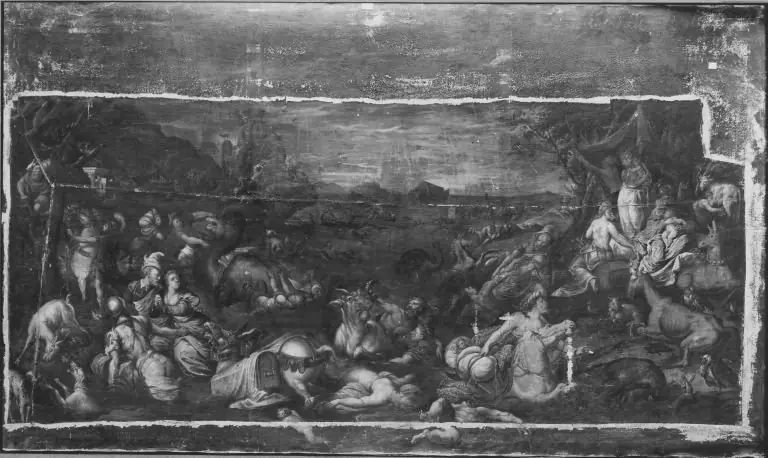
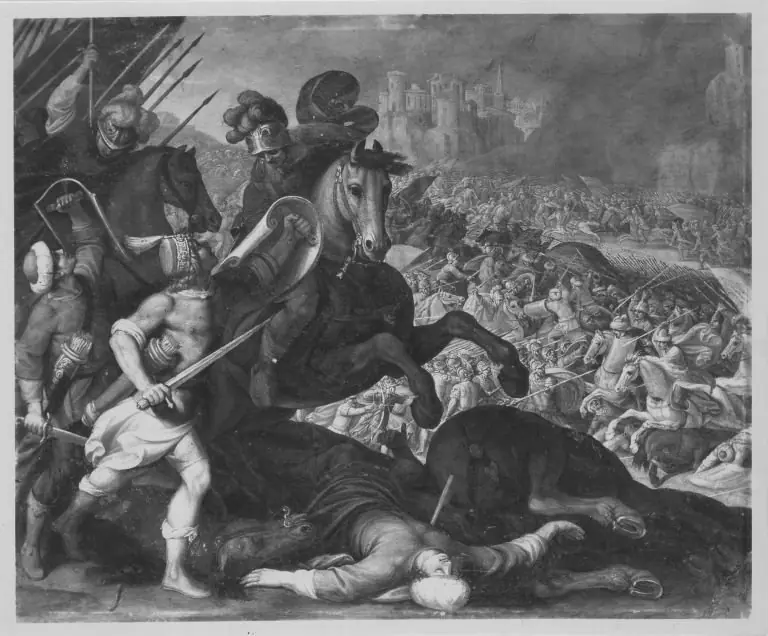
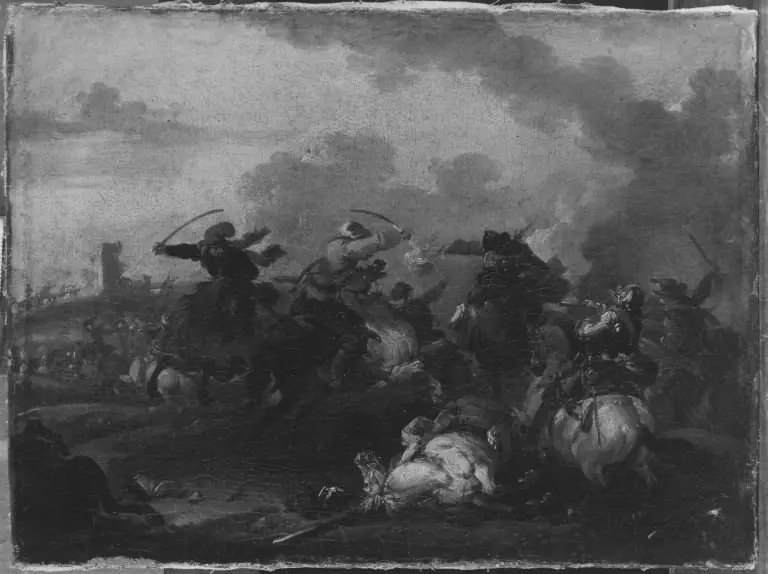
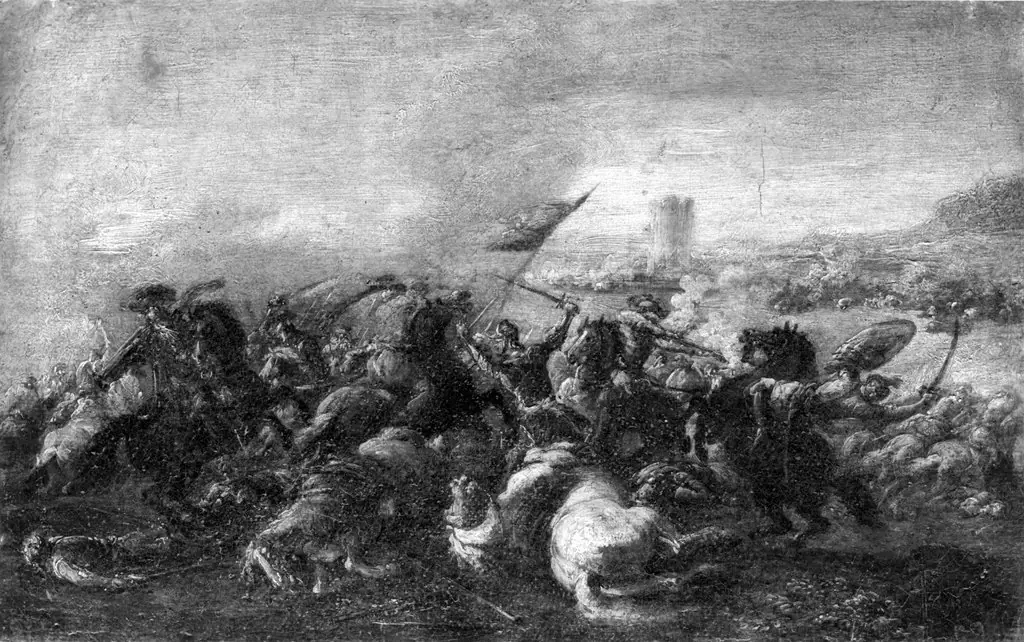
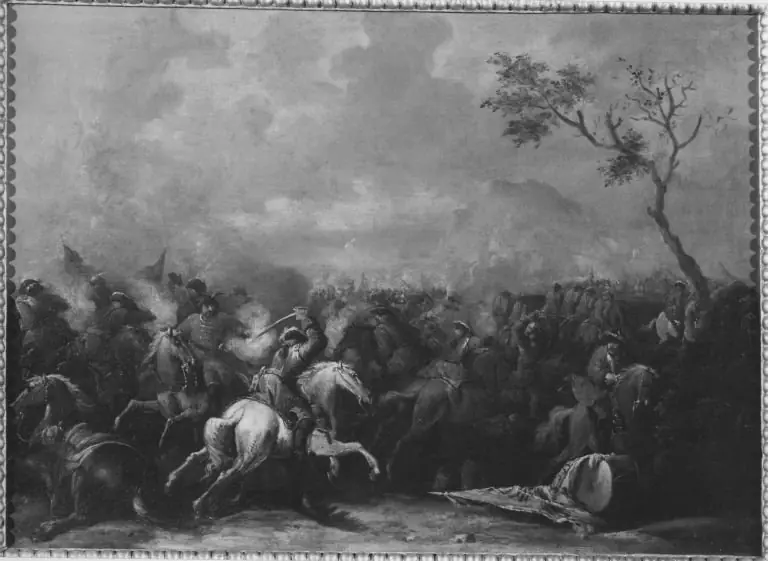
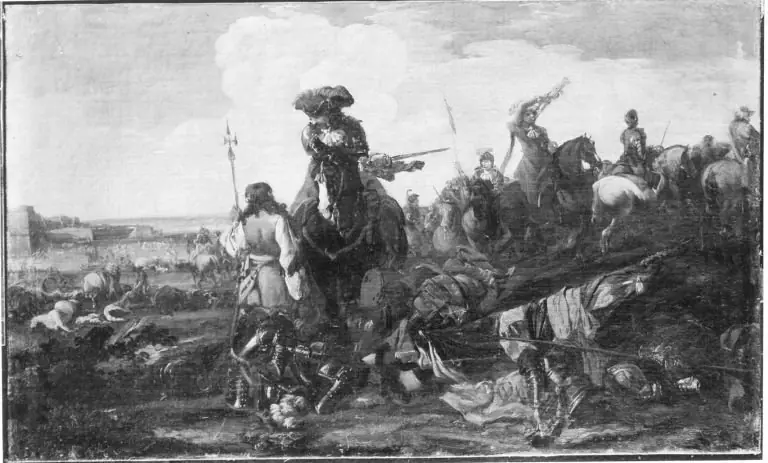
The work, titled *Sieg der Israeliten am Berg Horeb*, is an attributed 1556 oil painting by Hans Bocksberger the Younger. It is part of the collection of the Alte Pinakothek in Munich. The canvas depicts a tumultuous battle, populated by numerous mounted and foot soldiers under a storm‑laden sky.
Subject & Meaning
The scene illustrates the biblical episode in which the Israelites triumph on Mount Horeb, a moment traditionally associated with divine intervention. The chaotic arrangement of combatants emphasizes the violence of the conflict while the distant landscape suggests a broader, mythic setting.
Technique & Style
Bocksberger employs a pronounced chiaroscuro, juxtaposing bright, illuminated figures against deep shadows to model the bodies and highlight the drama of combat. The vigorous brushwork and crowded composition convey movement, while the stark lighting directs the viewer’s eye toward the central clash.
History & Provenance
Created in the mid‑16th century, the painting entered the Alte Pinakothek’s holdings during the museum’s early acquisitions of German Renaissance works. Documentation attributes the piece to Bocksberger the Younger, though a definitive signature is absent, leading scholars to label it as “attributed.”
Context
The work belongs to the late Renaissance tradition of biblical battle scenes popular in Central Europe, where artists combined devotional narrative with the emerging interest in naturalistic anatomy and dynamic composition. Its dramatic lighting reflects the influence of Northern Italian chiaroscuro techniques that spread to German workshops in the 1540s.
Artist & collection
Artist
Hans Bocksberger the Younger (1525–1587) was an artist, born in Salzburg.