Artwork
Untitled
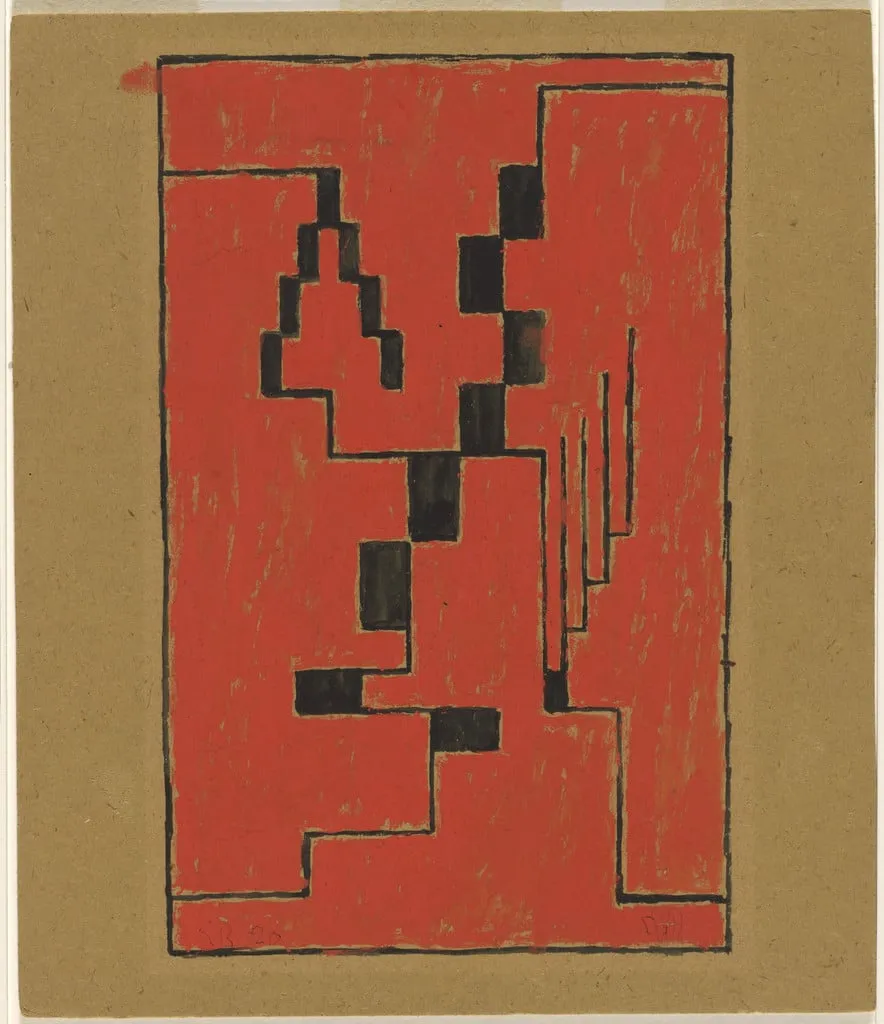
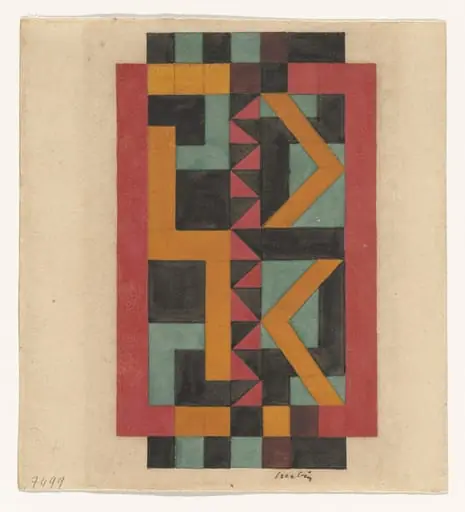
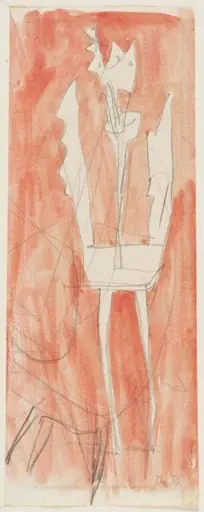
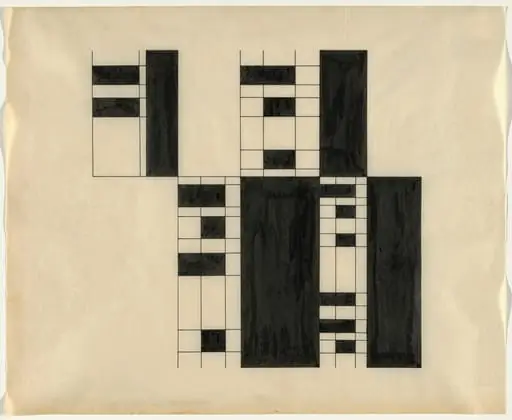
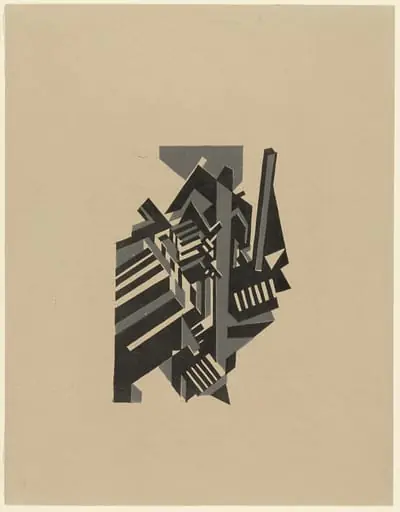
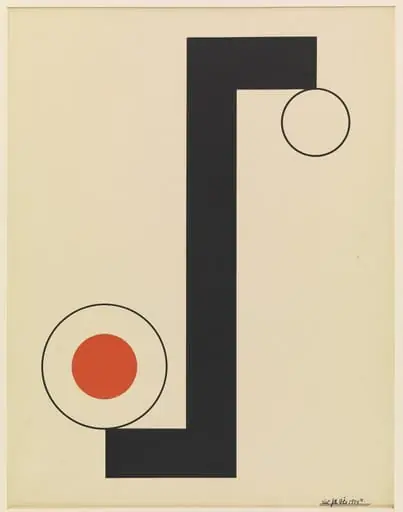
Untitled is a watercolor drawing by Erich Buchholz. It dates from 1920 and is held in the collection of the Museum of Modern Art.
About this work
Overview
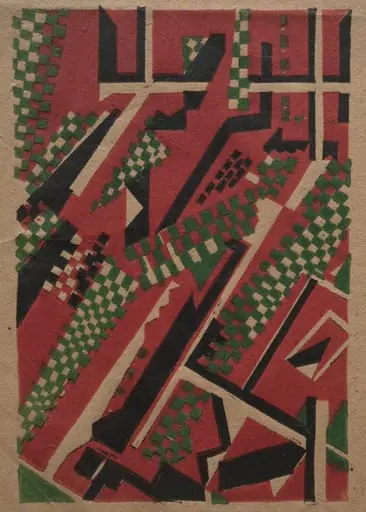
Erich Buchholz created this gouache and watercolor work on board in 1920. It is part of The Museum of Modern Art’s collection. The piece is abstract, lacking representational forms, and emphasizes geometric disruption through color and line. Its materials and scale suggest an experimental approach to composition, typical of early 20th-century German avant-garde practices.
Subject & Meaning
The work contains no recognizable subject matter. Instead, it presents a field of red punctuated by jagged black lines that fracture the surface into irregular polygons. These forms suggest movement or tension without referencing external reality. The absence of narrative invites focus on the interaction of color and structure, reflecting an interest in pure visual dynamics over symbolic content.
Technique & Style
Buchholz applied gouache and watercolor with visible brushwork and possibly a blade, resulting in uneven edges and a tactile surface.
Buchholz applied gouache and watercolor with visible brushwork and possibly a blade, resulting in uneven edges and a tactile surface. The red background is layered unevenly, creating a sense of material presence. Black lines, thick and deliberate, cut across the field in sharp, angular trajectories. The technique prioritizes physicality and spontaneity over precision, aligning with expressive abstraction of the period.
History & Provenance
Completed in 1920, the work emerged during a period of radical artistic experimentation in Germany. It entered The Museum of Modern Art’s collection in the mid-20th century, likely through acquisitions focused on European modernism. Its preservation as a drawing on board, rather than canvas, reflects the artist’s preference for portable, intimate supports common among avant-garde practitioners of the time.
Context
Created in the aftermath of World War I, the piece reflects broader trends in German abstraction, where artists sought new visual languages to express fragmentation and renewal. Buchholz was associated with the Berlin avant-garde and exhibited alongside figures connected to Constructivism and Expressionism. This work exemplifies the era’s move away from figuration toward structural inquiry.
Legacy
Though not widely known today, Buchholz’s work contributes to the understudied corpus of early German abstract art. This piece remains a quiet example of how non-representational forms were explored in small-scale media during the 1920s. Its presence in MoMA’s collection ensures its inclusion in broader narratives of modernist experimentation beyond dominant figures of the period.
Artist & collection
Artist
Erich Buchholz (1891–1972) was a German artist in painting and printmaking. He was a central figure in the development of non-objective or concrete art in Berlin between 1918 and 1924. He interrupted his artistic…