Artwork
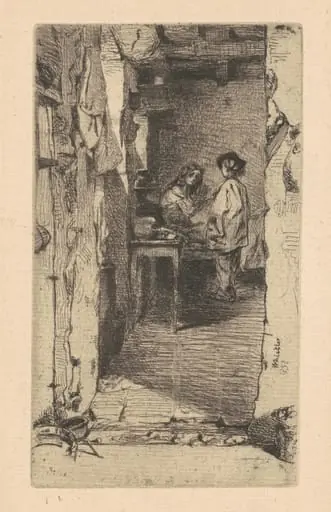
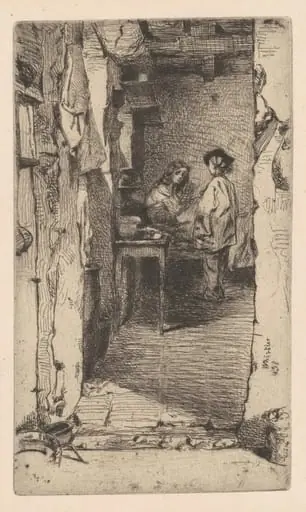
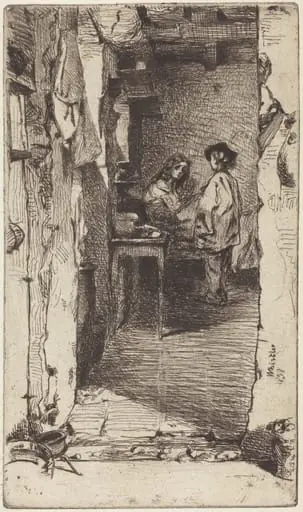
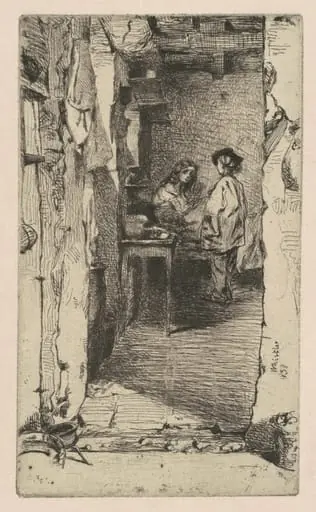
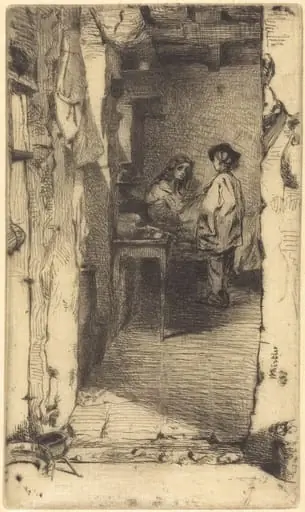
Paris: The Rag Picker's Child
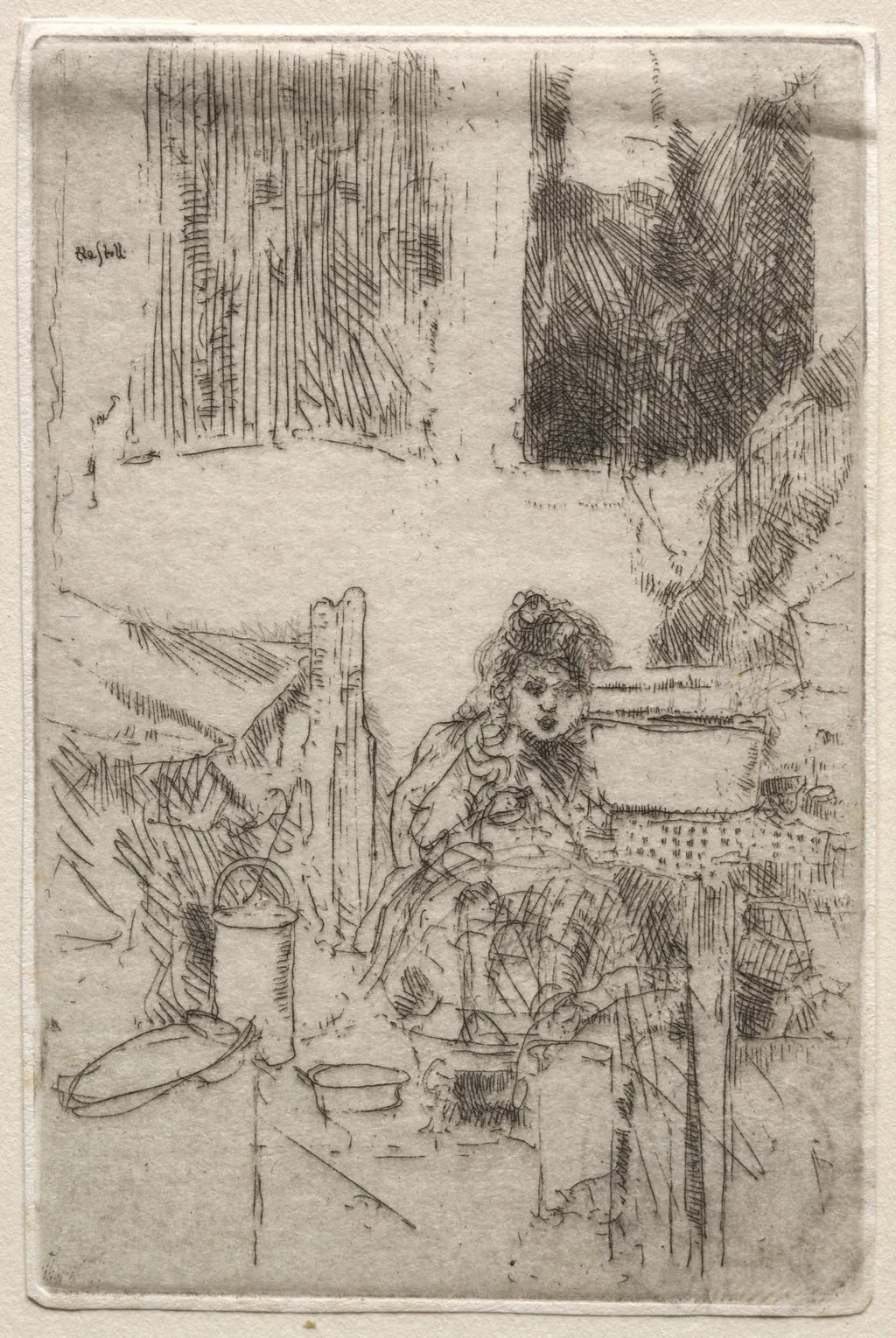
Paris: The Rag Picker's Child is a print by Ernest Haskell. It dates from 1910 and is held in the collection of the Cleveland Museum of Art.
About this work
Overview
Created in 1910 by Ernest Haskell, this ink drawing captures a moment of everyday urban life in Paris. Executed with rapid, expressive lines, the work belongs to a series of observational sketches Haskell made during his time in the city. It is part of the permanent collection at The Cleveland Museum of Art, where it is valued for its candid depiction of labor and its spontaneous aesthetic.
Subject & Meaning
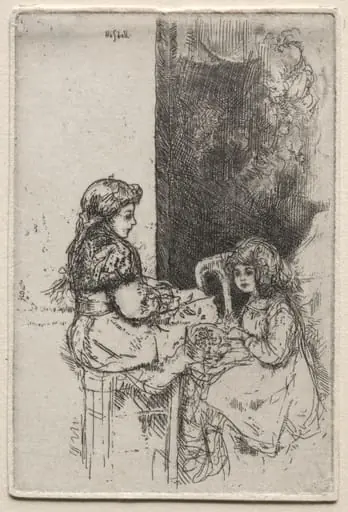
The figure is a woman seated on a low stool, clutching a bundle of discarded textiles. Her posture suggests fatigue, and the scattered objects nearby—a hat, a bowl—hint at a makeshift living space. The title identifies her as a rag picker, a common but marginalized occupation in early 20th-century Paris. The image conveys quiet dignity amid hardship, without overt sentimentality or judgment.
Technique & Style
Haskell employed loose, scratchy ink lines to build form and texture, avoiding precise outlines. The drawing’s immediacy suggests it was made en plein air or in a single sitting. Shading is achieved through hatching and varied pressure, giving the rags and wooden pole a tactile, almost gritty presence. The lack of detail in the background focuses attention on the figure and her burden.
History & Provenance
Haskell, an American artist active in Europe, produced numerous sketches during his travels, many of which were later preserved in institutional collections.
The drawing entered The Cleveland Museum of Art’s collection through a donation or acquisition in the 20th century, though its exact path from Paris to Cleveland remains undocumented. Haskell, an American artist active in Europe, produced numerous sketches during his travels, many of which were later preserved in institutional collections. This piece is one of several surviving examples of his urban studies.
Context
In early 1900s Paris, rag pickers—often women and children—scoured streets for reusable materials, selling them to recyclers or merchants. Their work was essential to the city’s informal economy but socially invisible. Haskell’s sketch aligns with a broader artistic interest in documenting working-class life, influenced by Realism and early modernist attention to ordinary subjects.
Legacy
Though not widely exhibited, the drawing contributes to a modest but significant body of work by Haskell that records the overlooked corners of European cities. Its unembellished style reflects a shift away from idealized depictions toward direct observation. Today, it serves as a quiet testament to the labor that sustained urban life in a rapidly changing era.
Artist & collection

Artist
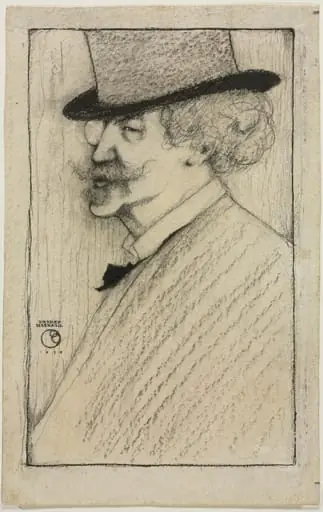
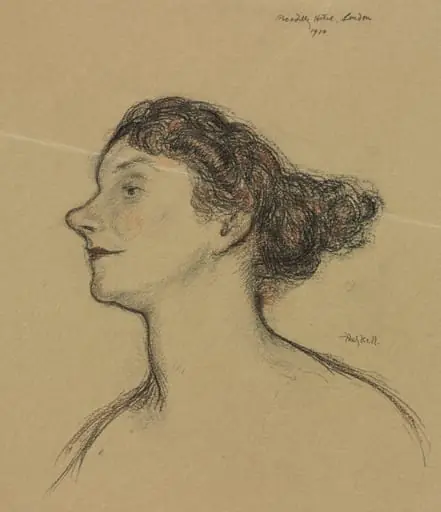
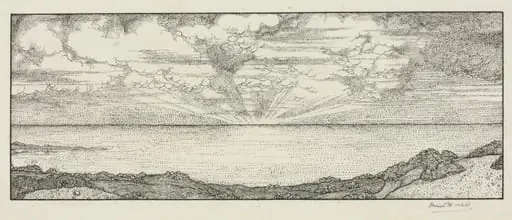
Ernest Haskell was an American artist and illustrator, internationally famous in his lifetime and remembered for his etchings, as well as engravings, pen-and-ink drawings, lithographs and watercolors.

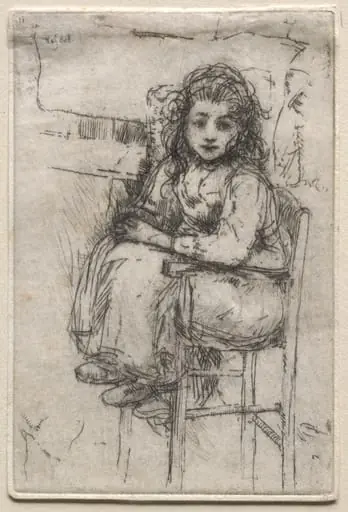 Paris: The Scavenger's Daughter
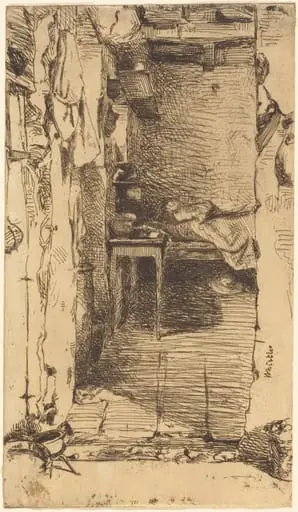 Rag Pickers, Quartier Mouffetard, Paris
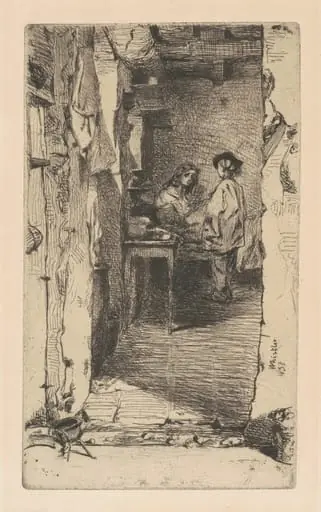 Rag Pickers, Quartier Mouffetard, Paris
 Rag Pickers, Quartier Mouffetard, Paris
 Rag Pickers, Quartier Mouffetard, Paris
 Rag Pickers, Quartier Mouffetard, Paris
 Rag Pickers, Quartier Mouffetard, Paris
 Rag Pickers, Quartier Mouffetard, Paris