Artwork
Paris: The Scavenger's Daughter
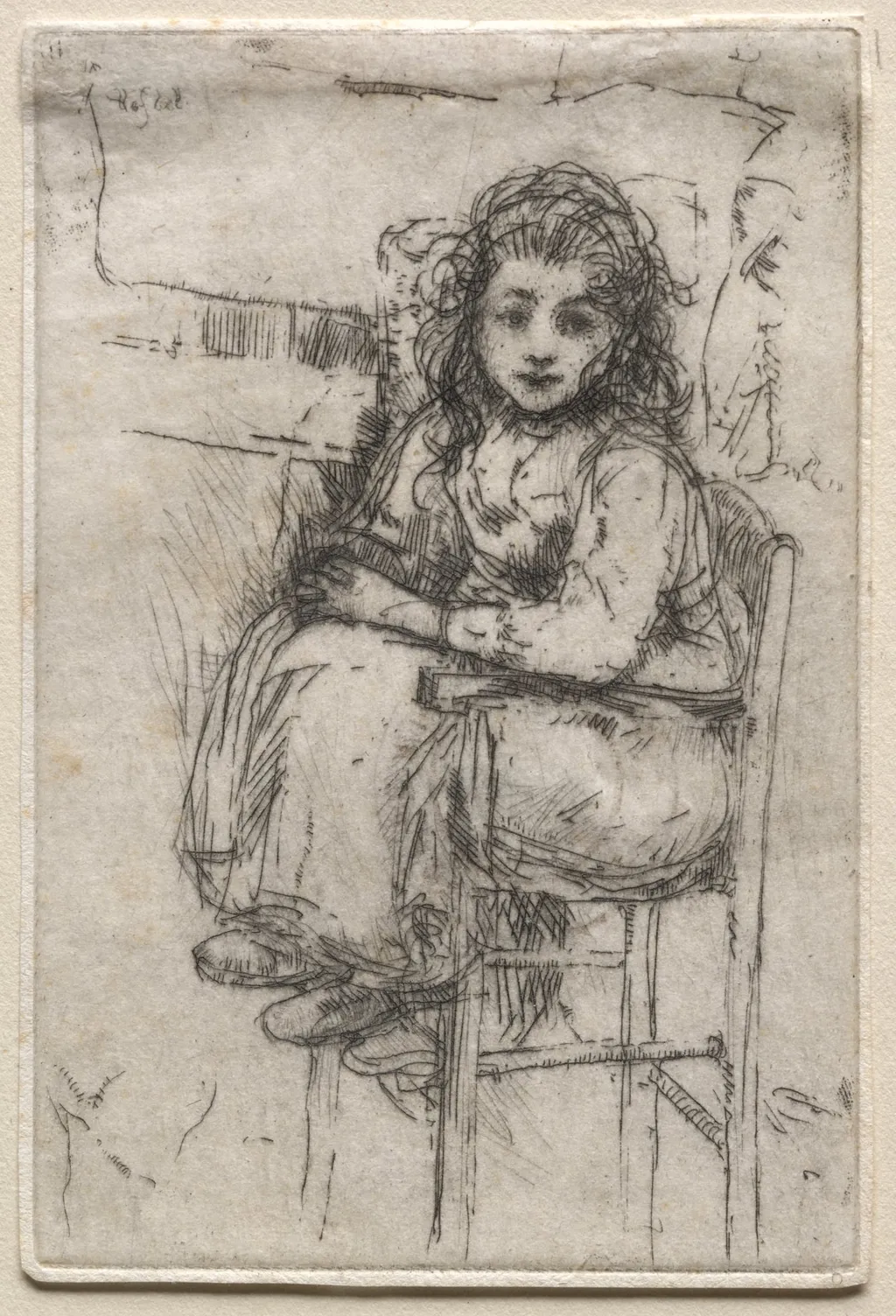
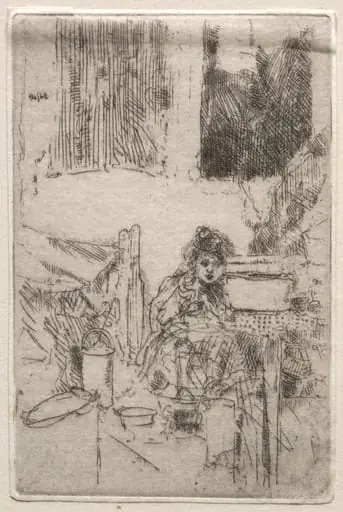
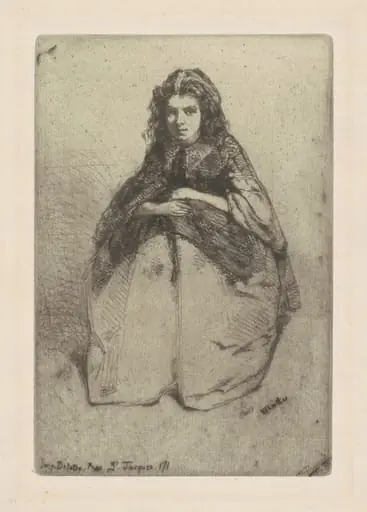
Paris: The Scavenger's Daughter is a print by Ernest Haskell. It dates from 1910 and is held in the collection of the Cleveland Museum of Art.
About this work
Overview
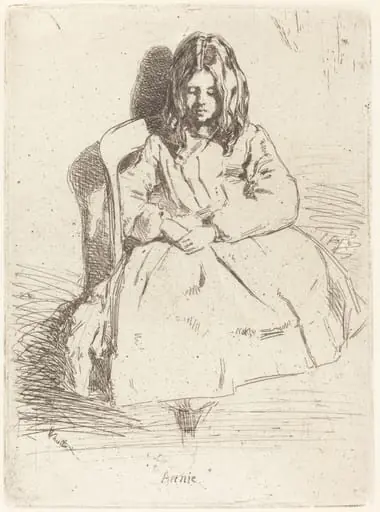
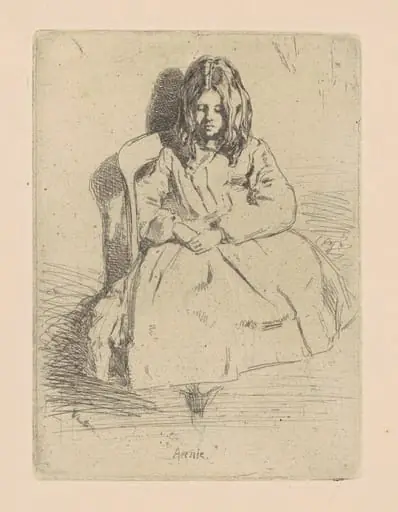
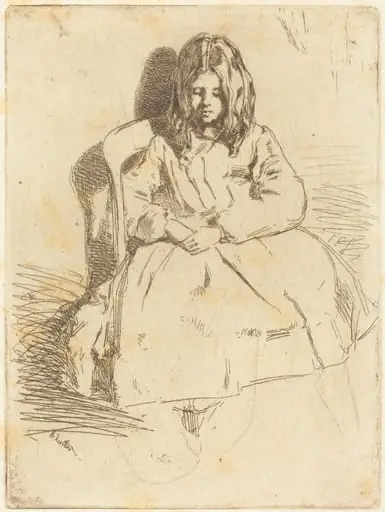
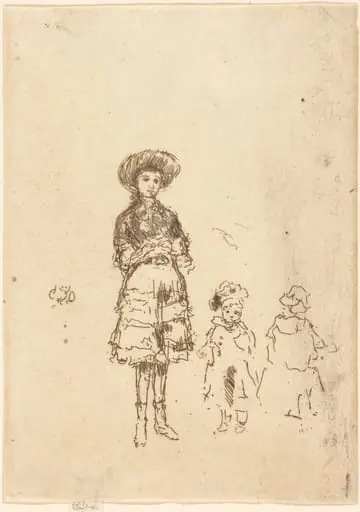
Created in 1910 by American artist Ernest Haskell, this print captures a moment of urban labor in Paris. Rendered in a muted palette with careful tonal contrasts, the work portrays a woman engaged in street cleaning. It resides in The Cleveland Museum of Art as part of its collection of early 20th-century prints, reflecting Haskell’s interest in everyday life in European cities.
Subject & Meaning
The distant figures and architecture frame her as part of the city’s unseen workforce, emphasizing routine labor over spectacle.
The central figure is a woman dressed in a long garment, holding a broom and bucket, suggesting her role as a street cleaner. Her posture and solitary presence convey quiet diligence amid the urban environment. The distant figures and architecture frame her as part of the city’s unseen workforce, emphasizing routine labor over spectacle. The title, though evocative, does not romanticize her condition but grounds it in observation.
Technique & Style
Haskell employed chiaroscuro to model form and suggest depth, using subtle shifts in tone rather than bold lines. The woman’s dress and the building facades are rendered with slightly higher contrast against the softer grays of the pavement and sky. The print’s texture and atmospheric perspective evoke a sense of place without overt detail, aligning with the quiet realism of early modernist printmaking.
History & Provenance
The work entered The Cleveland Museum of Art’s collection in the 20th century, likely acquired during a period when American institutions were expanding holdings of European prints. Its provenance traces back to Haskell’s active years in Paris, where he produced numerous studies of urban life. No significant exhibition history is documented prior to its inclusion in the museum’s permanent collection.
Context
In 1910, Paris was undergoing modernization, yet many laborers still performed manual tasks like street cleaning. Haskell, an American artist living abroad, focused on unidealized scenes of daily work, aligning with broader trends in Realist and Impressionist-influenced printmaking. His approach avoided sentimentality, instead offering a restrained view of social roles within the city’s evolving landscape.
Legacy
Though not widely reproduced, the print contributes to Haskell’s reputation as an observer of quiet urban moments. It reflects a shift in early 20th-century art toward documenting labor and ordinary life with dignity, rather than grandeur. The work remains a modest but enduring example of how printmakers captured the rhythms of city existence beyond the tourist gaze.
Artist & collection

Artist
Ernest Haskell was an American artist and illustrator, internationally famous in his lifetime and remembered for his etchings, as well as engravings, pen-and-ink drawings, lithographs and watercolors.