Artwork
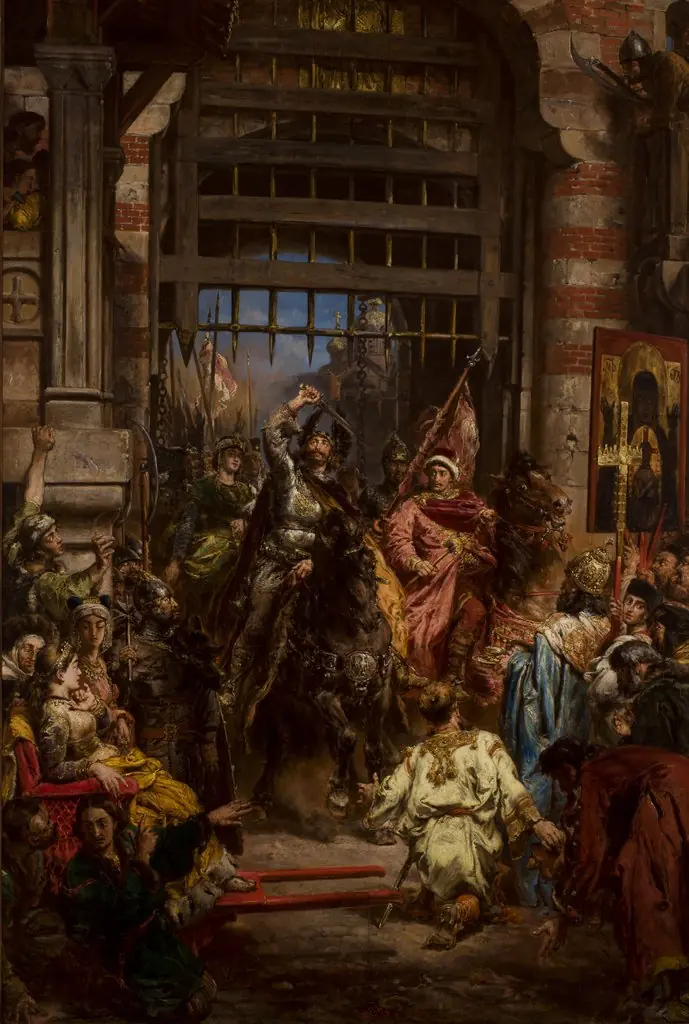
Entrada triunfal en Valencia del rey don Jaime el Conquistador (año 1238)
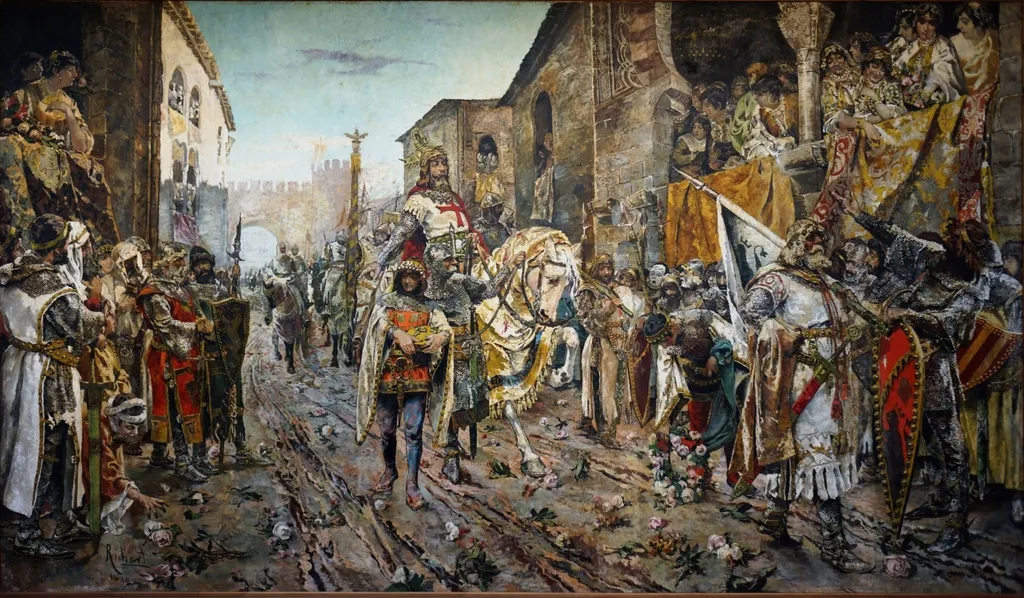
Entrada triunfal en Valencia del rey don Jaime el Conquistador (año 1238) is an oil painting by the Post-Impressionist artist Fernando Richart Montesinos. It is held in the collection of the Museo del Prado.
About this work
Overview
Entrada triunfal en Valencia del rey don Jaime el Conquistador (1238) is an 1892 oil painting by Fernando Richart Montesinos, currently housed at the Museo del Prado. The work captures a vibrant street scene commemorating a historical event.
Subject & Meaning
The painting depicts the triumphant entry of King James I of Aragon (Jaime el Conquistador) into Valencia in 1238. At the scene’s core is the king on a white horse, adorned with a white and gold blanket, surrounded by a diverse crowd of onlookers in various attire, including military and civilian dress.
Technique & Style
Richart Montesinos employs oil painting to create a detailed, dynamic composition. Notable is the use of chiaroscuro, a technique emphasizing contrasts between light and dark to achieve a sense of volume and depth, particularly evident in the illumination of the central figures against the shaded backdrop of stone buildings.
History & Provenance
Created in 1892, the painting is part of the Museo del Prado’s collection, reflecting the institution’s interest in preserving works that narrate significant moments in Spanish history.
Context
The work was produced during a period of renewed interest in Spain’s medieval past, reflecting late 19th-century nationalist and historical revival trends in art. The scene’s setting against a backdrop of stone buildings and a blue sky in the distance adds to the historical and celebratory ambiance.
Legacy
While not widely discussed in global art historical narratives, the painting remains a valued piece within the Prado’s collection for its depiction of a pivotal moment in Spanish history and its exemplification of late 19th-century historical painting techniques.
Artist & collection
Artist
Fernando Richart Montesinos (1858–1884) was an artist, born in Castellón de la Plana.

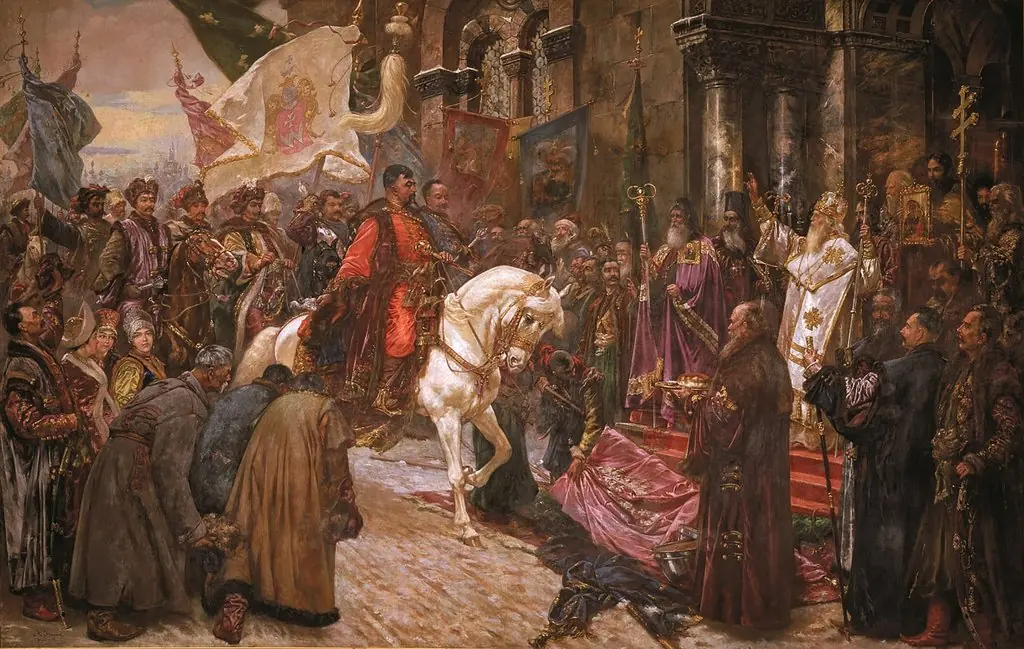 В'їзд Богдана Хмельницького до Києва 1649 року
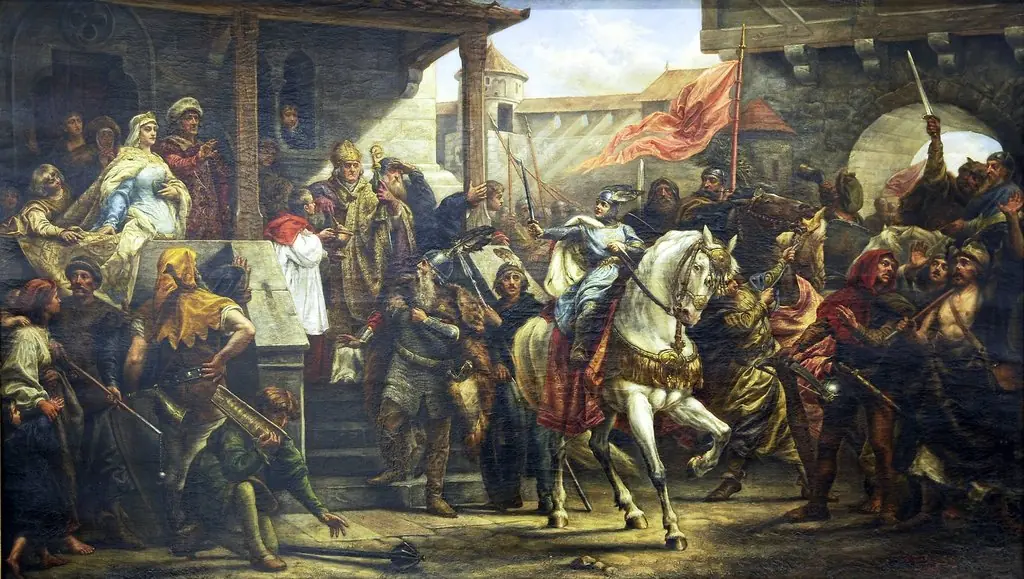 Władysław Herman blesses Bolesław the Wry-Mouthed before a war campaign
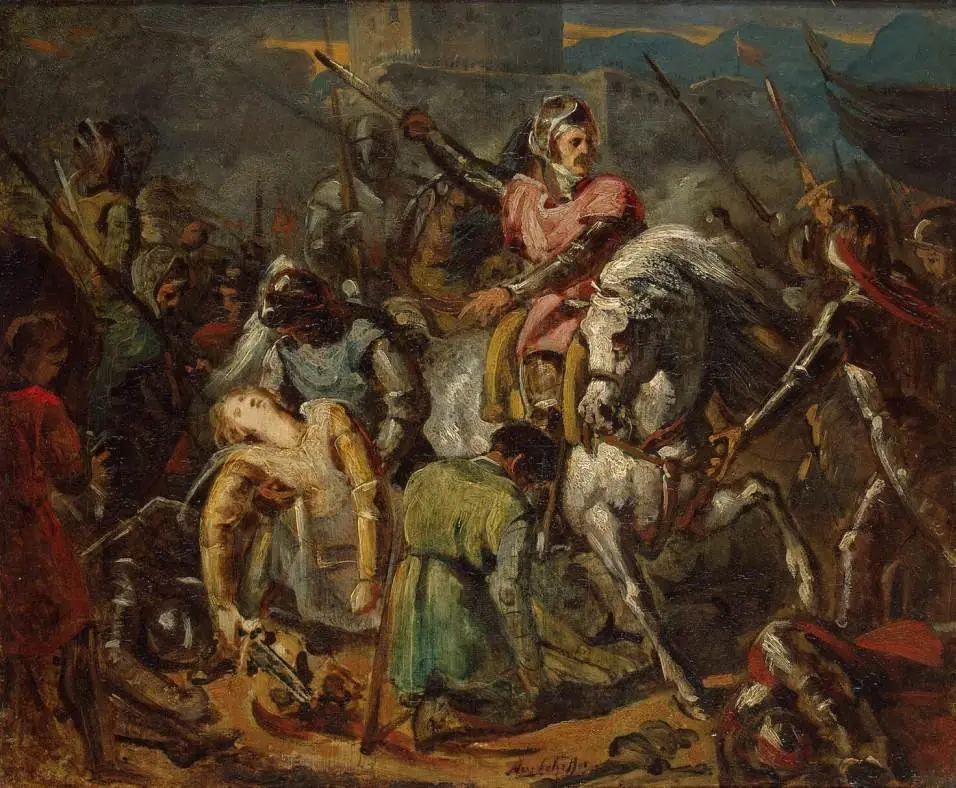 Death of Gaston de Foix in the Battle of Ravenna on 11 April 1512
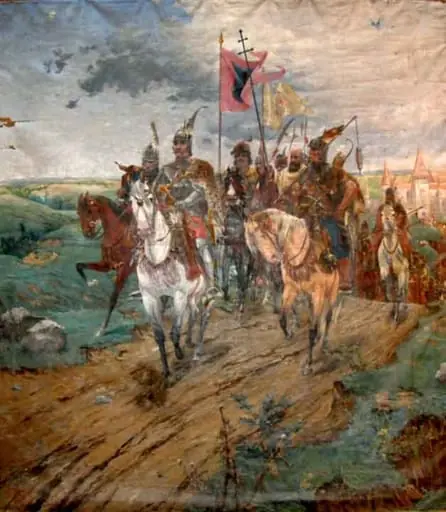 Iancu de Hunedoara
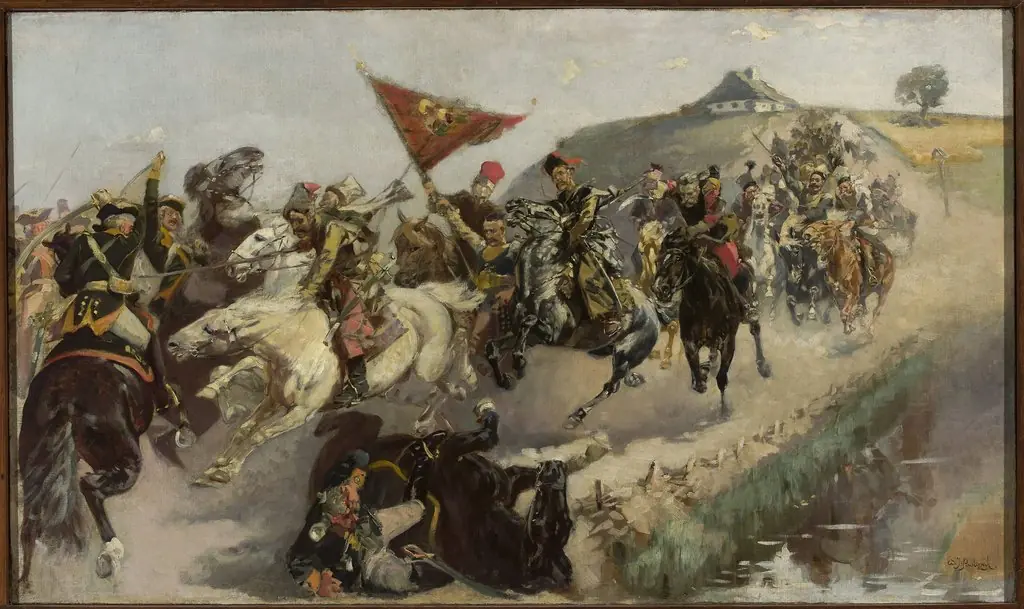 Skirmish on the road
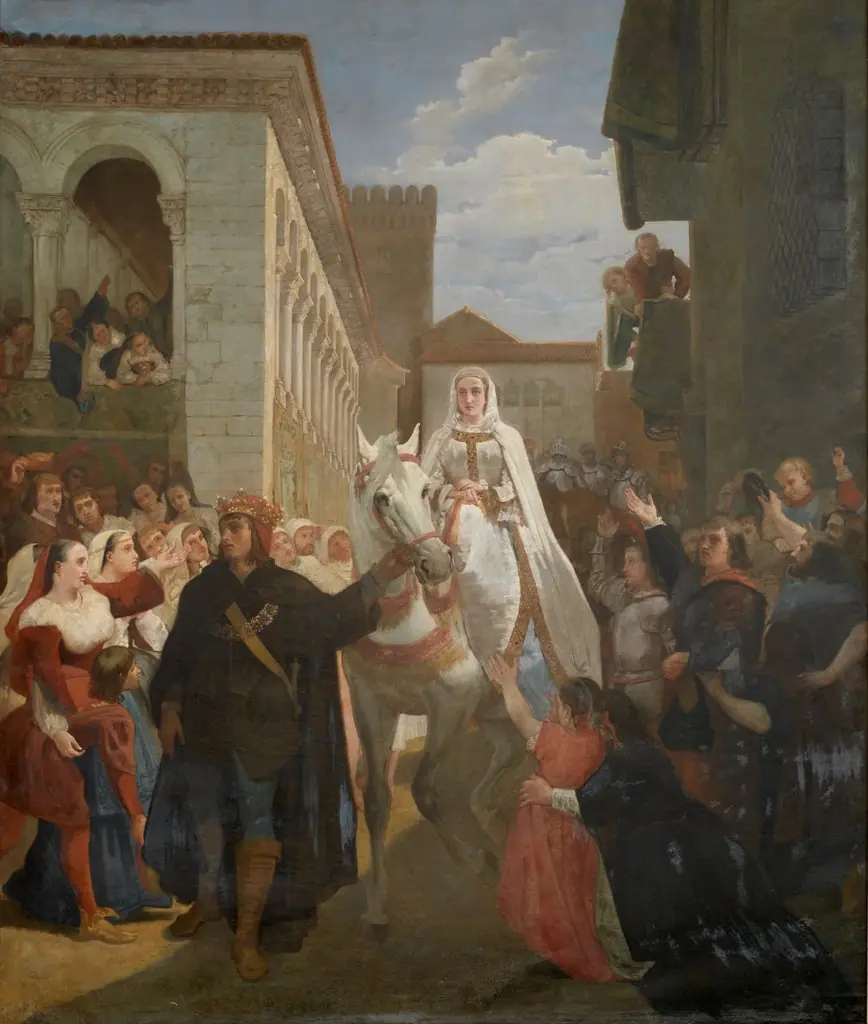 Manifestación del rey don Enrique IV de Castilla al pueblo segoviano
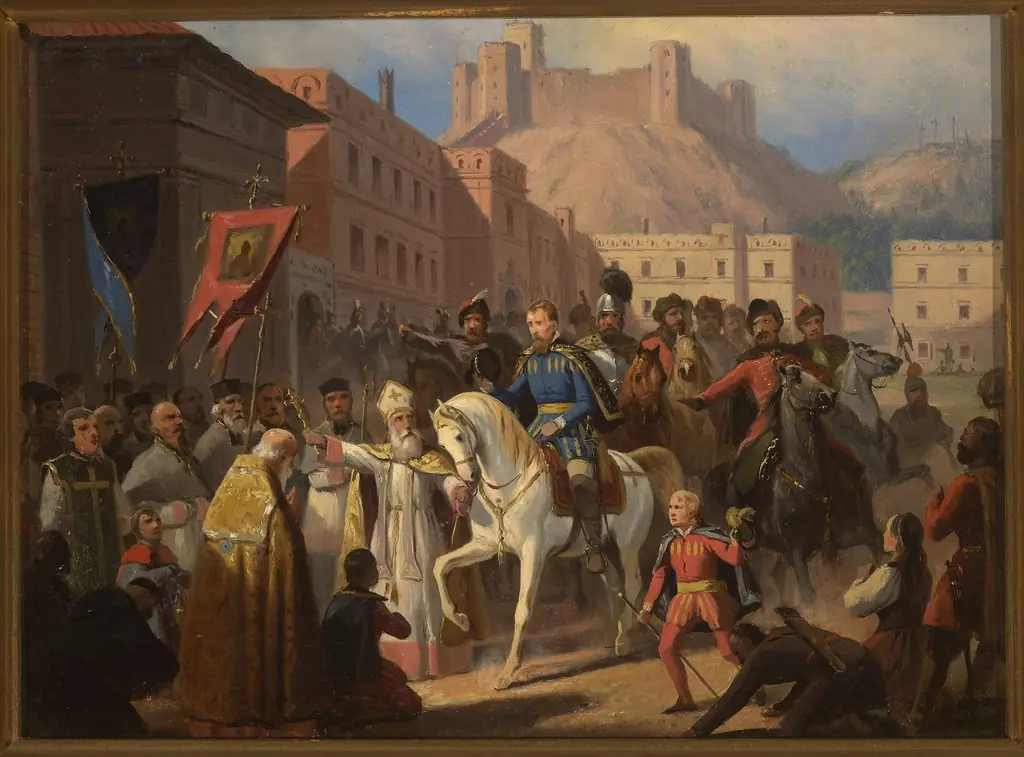 Hosius, bishop of Vilnius, and Sigismund Augustus
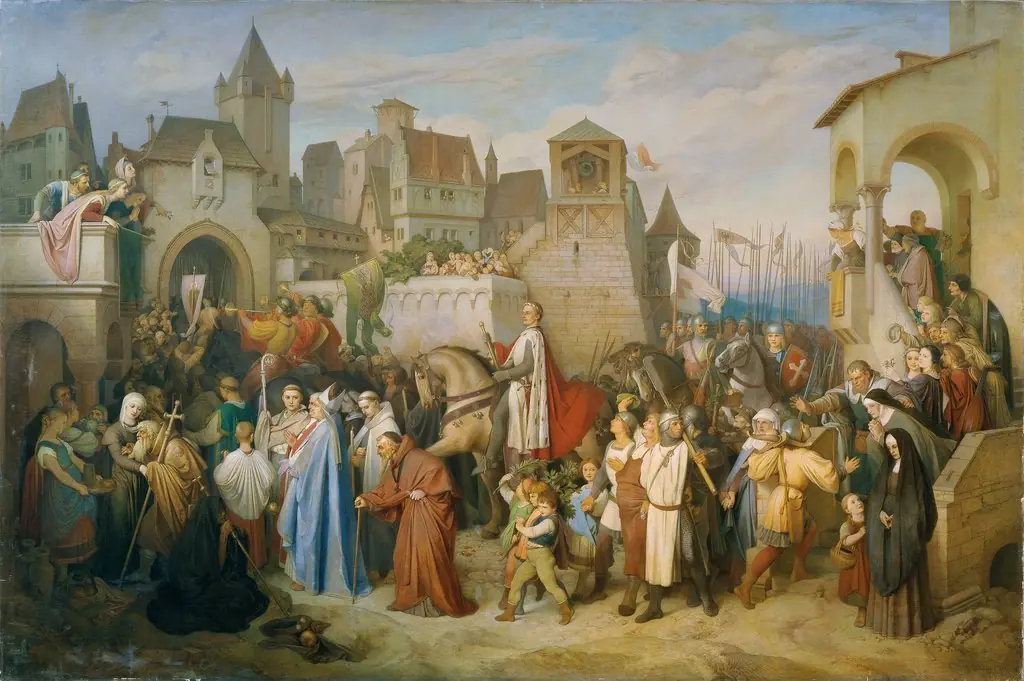 Herzog Leopolds des Glorreichen Einzug in Wien nach dem Kreuzzug von 1219
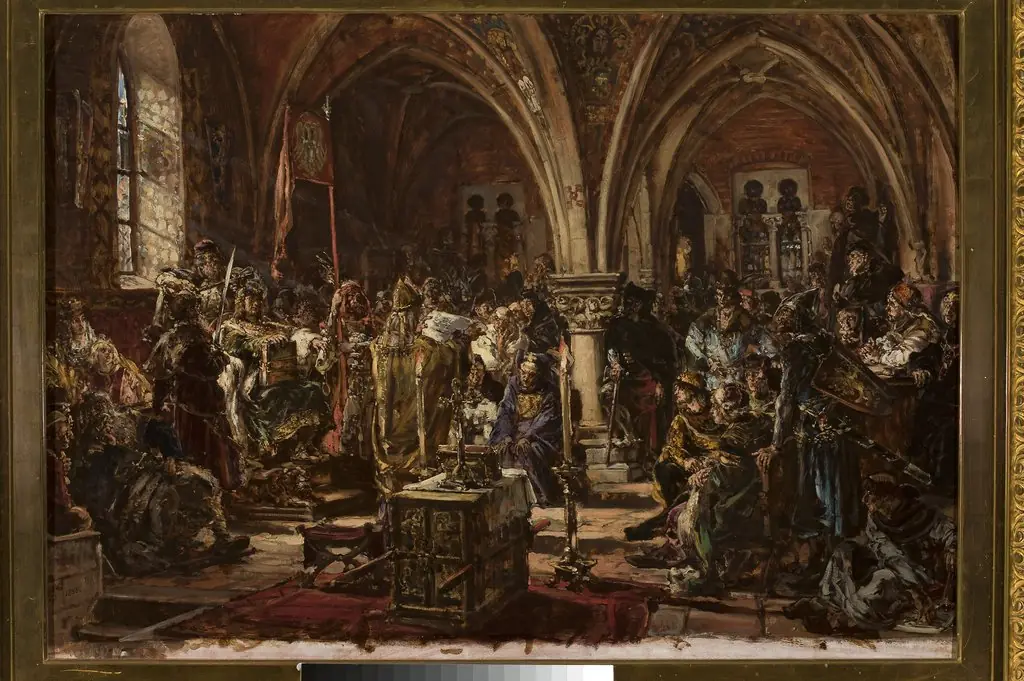 The First Parliament in Łęczyca, from the series “History of Civilization in Poland”
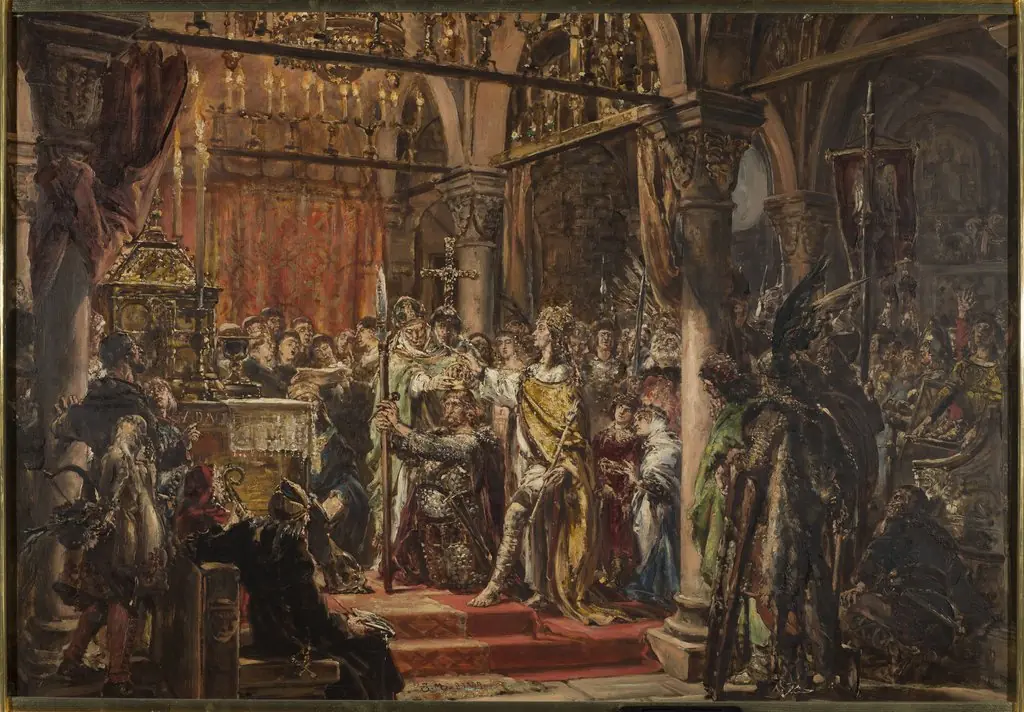 Coronation of the First King, 1001 AD, from the series “History of Civilization in Poland”
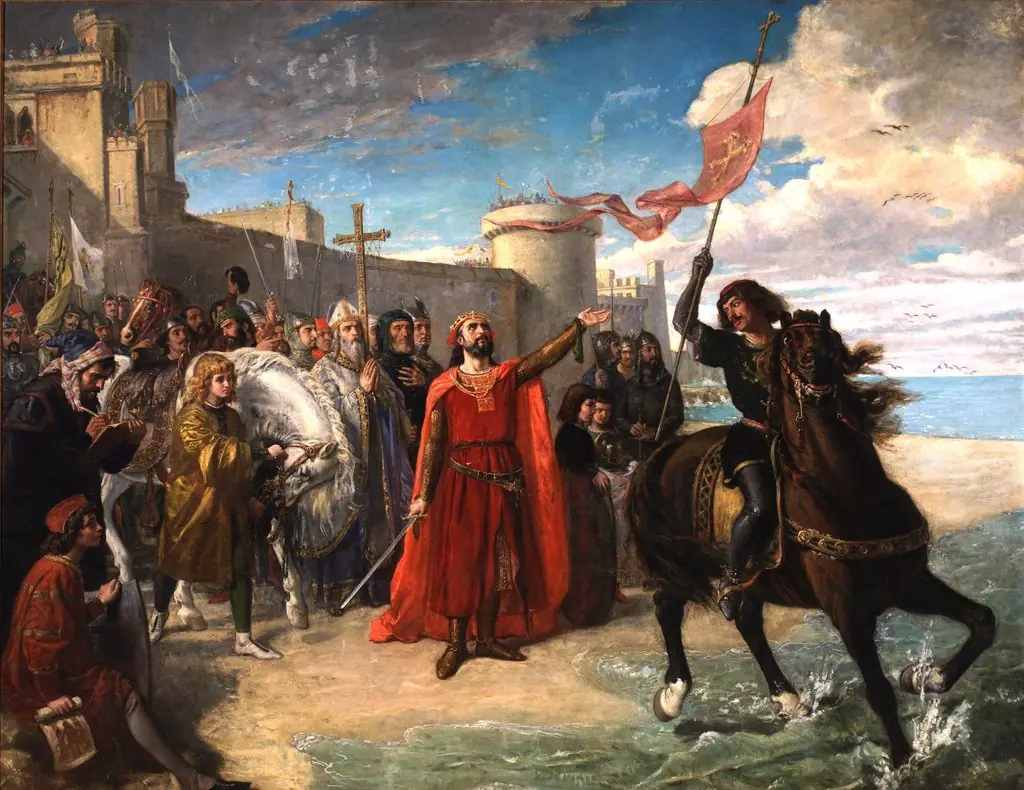 Don Alfonso el Sabio después de haber ganado a los moros la plaza de Cádiz primera plaza marítima que poseyeron los reyes de Castilla tomó posesión del mar para abrir a los cristianos el camino que había de conducirles al África
 Boleslaw the Brave with Svyatopolk at the Golden Gate in Kiev