Scene from the Inferno (canto IX)
1818
ink
From the collection of National Gallery of Art
1818
ink
From the collection of National Gallery of Art
Dominant colour
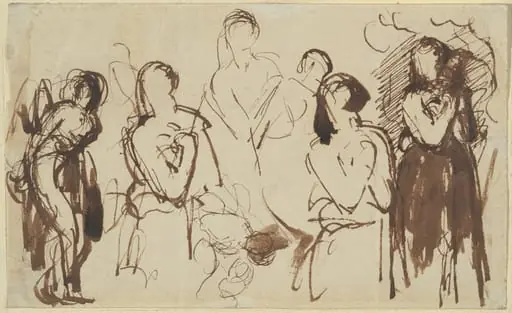
Scene from the Inferno (canto IX) is a 1818 ink by William Etty, a Romanticism work, held at National Gallery of Art.
This painting depicts a dramatic scene with multiple figures in motion. In the foreground, a woman in a long robe stands to the right, looking towards the left. On the left side, a winged figure with a beard and long hair is shown in mid-air, while another figure with wings and a beard is seen in the background. The scene is set against a backdrop of a crowd of people, with some lying on the ground. The overall atmosphere of the painting is one of turmoil and chaos. If you're interested in exploring more art from this period, you might want to look into the Romanticism movement.
This drawing, created by William Etty in 1818, visually interprets a scene from Canto IX of Dante's Inferno using pen, black ink, and gray wash. The composition captures a dynamic, multi-figure scene set amidst a turbulent crowd.
The drawing depicts a woman in a long robe gazing left, a bearded, winged figure in mid-air to her left, and another similar figure in the background. These elements convey the chaotic and tumultuous nature of the Inferno's narrative.
Etty employed pen and black ink for outlines and details, complemented by gray wash to achieve depth and shading. The style reflects the expressive and emotive qualities characteristic of Romantic-era illustrations of literary works.
Created in 1818, specific details about the drawing's ownership history and exhibitions are not provided in the available information.
This work is contextualized within the broader artistic movement of Romanticism, which often emphasized dramatic, emotional, and literary themes—aligning with the intense, chaotic depiction of Dante's Inferno.
The drawing's impact or influence on subsequent artistic interpretations of the Inferno, or its significance within Etty's oeuvre, is not detailed in the provided information.
Read the full account in the museum source.
Bird Men
The Flight, Holy Family Walking with Angel
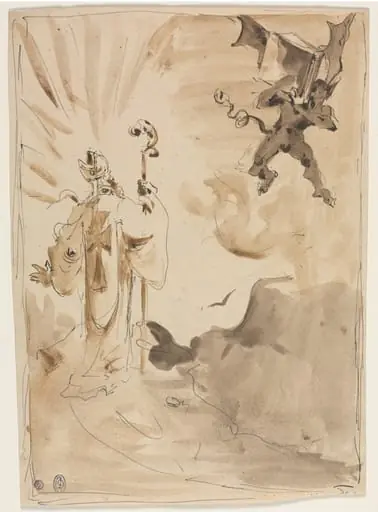
The Bishop and the Demon (recto)
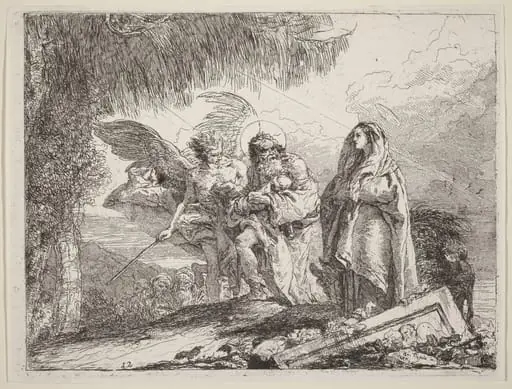
The Flight, Holy Family Walking with Angel
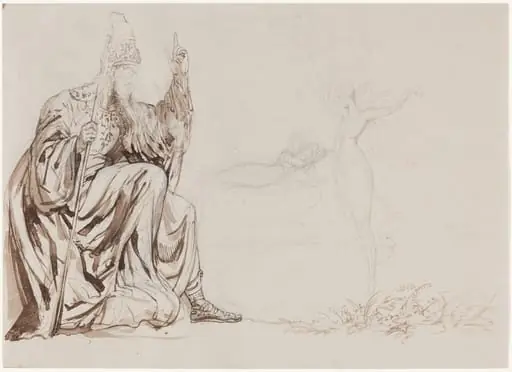
A Magician
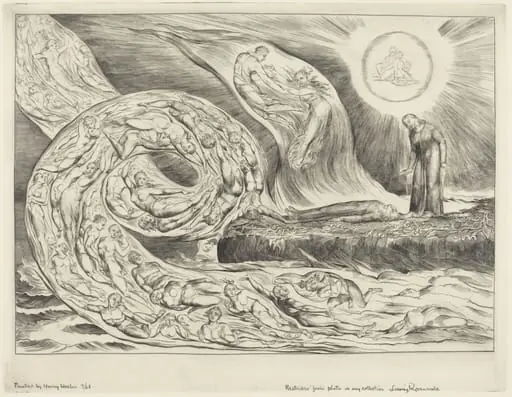
The Circle of the Lustful: Paolo and Francesca
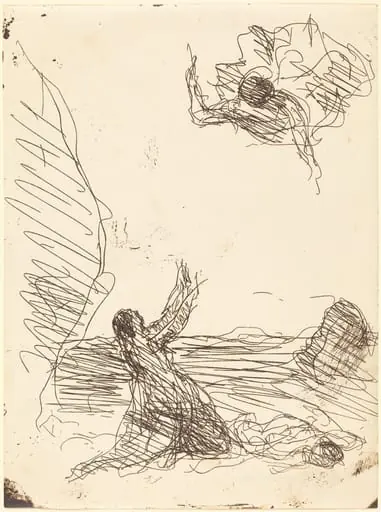
Hagar and the Angel (Agar et l'ange)
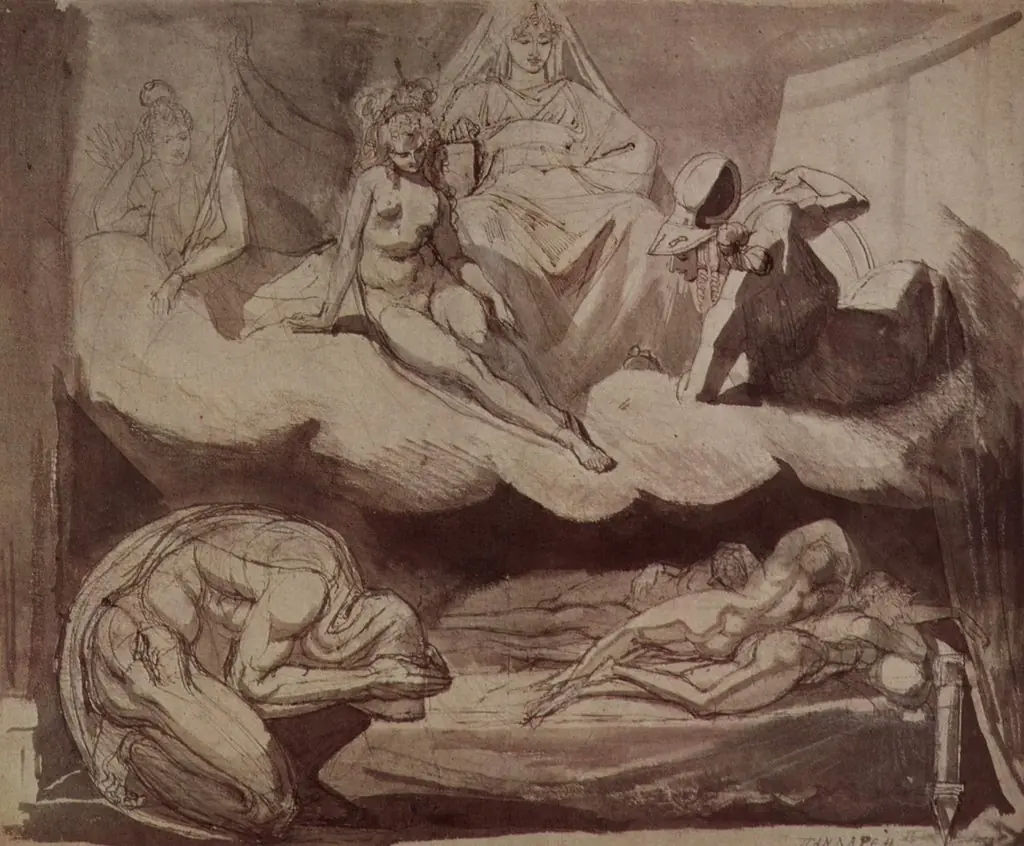
The Daughters of Pandareos
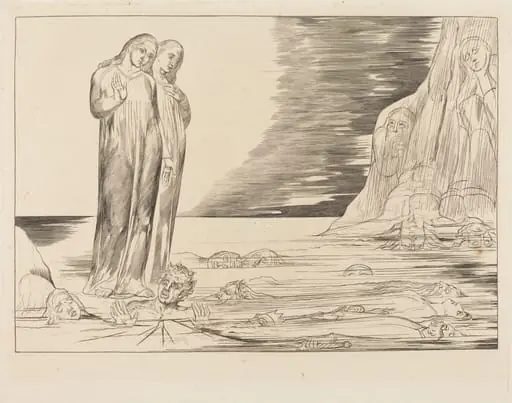
The Circle of the Traitors; Dante's Foot Striking Bocca degli Abbate
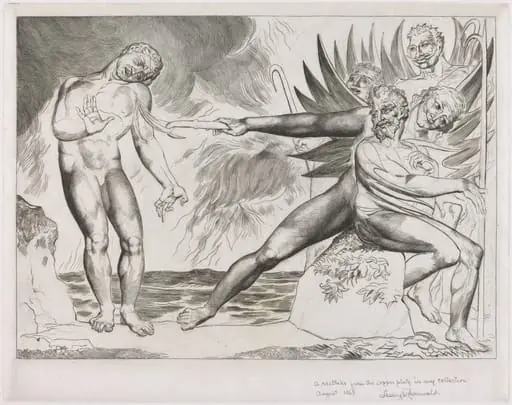
The Circle of the Corrupt Officials; the Devils Tormenting Ciampolo
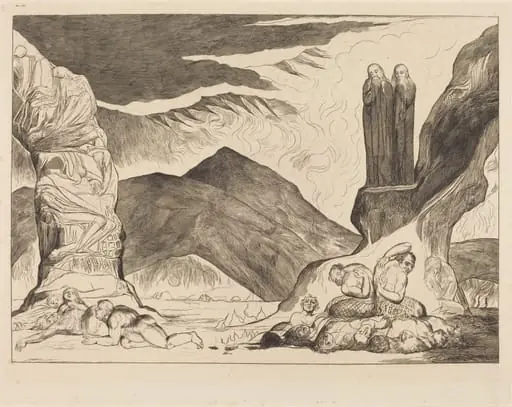
The Circle of the Falsifiers: Dante and Virgil Covering their Noses because of the st
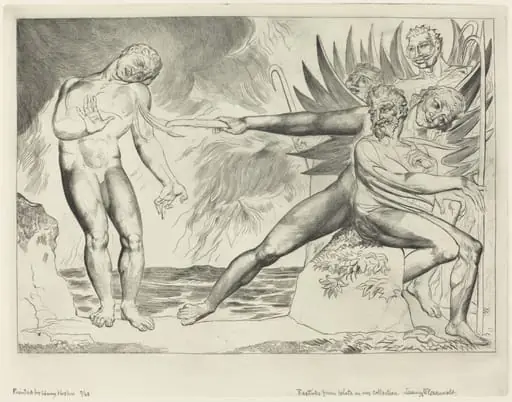
The Circle of the Corrupt Officials; The Devils Tormenting Ciampolo
Your cart is empty
Explore artworks →
![The Horse of Selene from the Elgin Marbles [recto], by William Etty](https://pub-3a17a9933ad74fb28aa30fa758592f23.r2.dev/artworks/9ba6b2e51464c157/thumb.webp)
![Study of a Horse [verso], by William Etty](https://pub-3a17a9933ad74fb28aa30fa758592f23.r2.dev/artworks/cb7cd0a7be190de2/thumb.webp)