Artwork
Reading
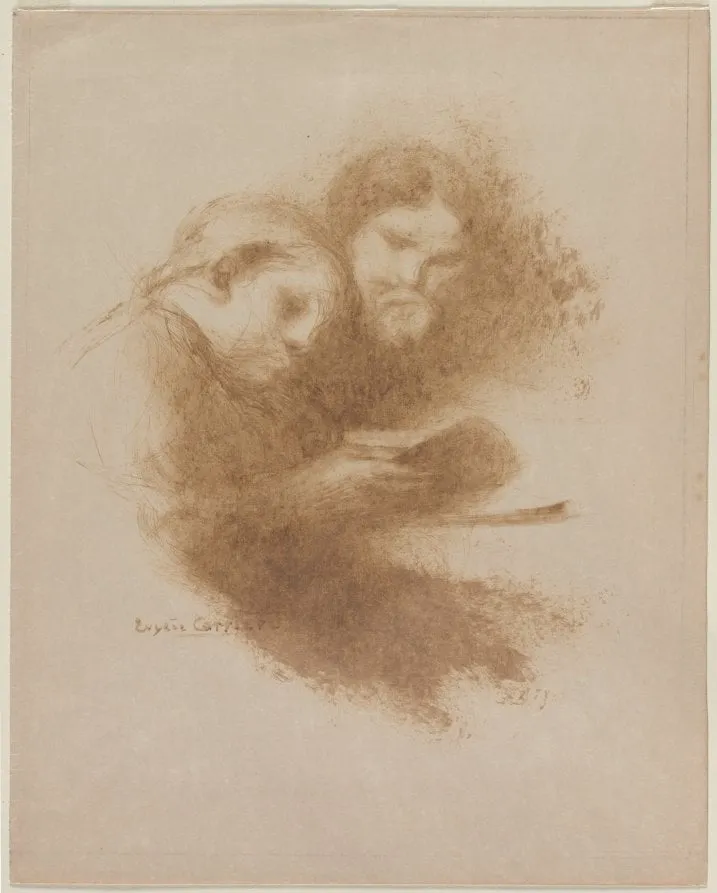
Reading is a drawing by the Impressionist artist Eugène Carrière. It dates from 1888 and is held in the collection of the Cleveland Museum of Art.
About this work
Overview
The composition captures a quiet domestic moment, with forms emerging from a muted, atmospheric ground rather than being defined by contour.
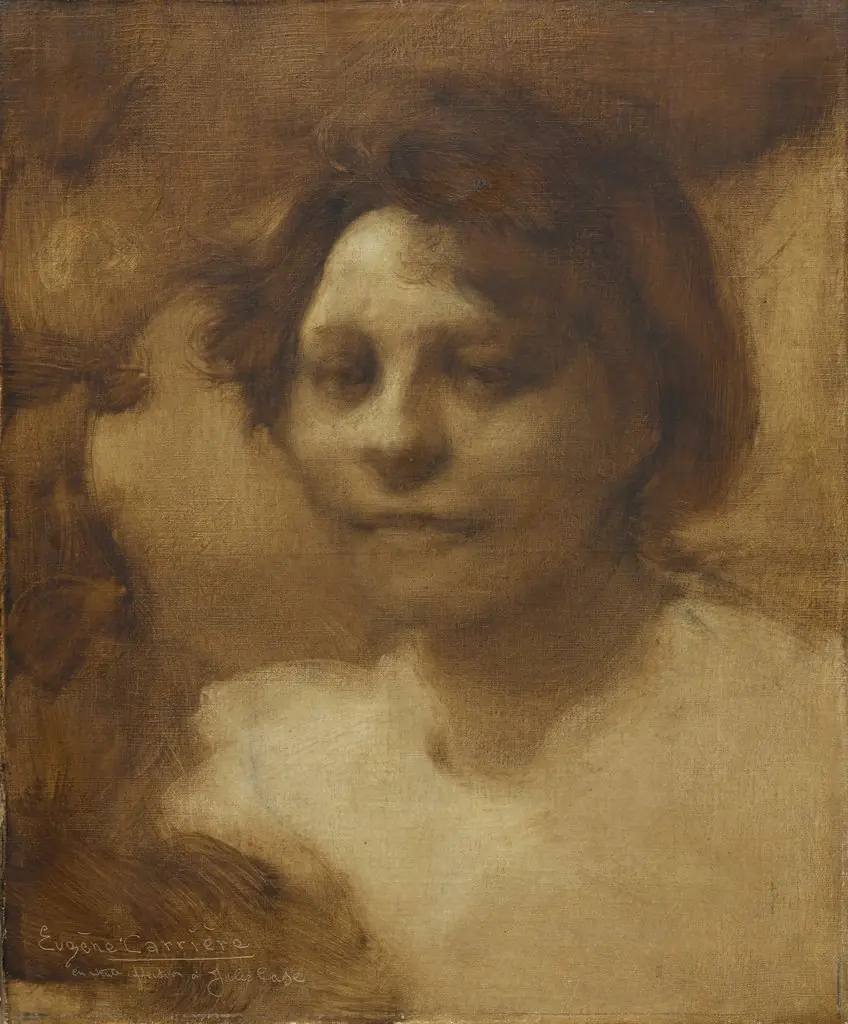
This drawing by Eugène Carrière exemplifies his distinctive approach to figural representation, rendered in soft, smudged ochre tones that dissolve boundaries between figures and environment. The composition captures a quiet domestic moment, with forms emerging from a muted, atmospheric ground rather than being defined by contour. Carrière’s technique prioritizes mood over detail, creating an effect of gentle dissolution that invites contemplation.
Subject & Meaning
The scene portrays a family gathered around a book, their postures suggesting shared focus and intimacy. Carrière often turned to domestic life as a source of quiet emotional resonance, avoiding narrative drama in favor of subtle, universal gestures. The absence of sharp detail and the soft glow of skin and hands emphasize connection over individual identity, transforming the moment into something meditative and timeless.
Technique & Style
Carrière employed thin, layered washes and smudged lines to eliminate hard edges, allowing figures to rise from the paper as if emerging from haze. His use of ochre and warm grays creates a unified tonal field, where light seems to emanate from within the forms rather than from an external source. This method, akin to sfumato, prioritizes atmospheric unity over precise delineation, enhancing the sense of quiet reverie.
History & Provenance
The work originates from Carrière’s mature period, when he consistently explored intimate interiors and familial themes across drawings and paintings. While its exact provenance is not documented here, it aligns with his known practice of working from life, often using close relatives as models. The piece reflects his sustained interest in the poetic potential of the everyday, a focus that defined his artistic output from the 1880s onward.
Context
In late 19th-century France, Carrière’s work stood apart from the sharp realism of naturalism and the vibrant hues of Impressionism. His hazy, monochromatic style resonated with Symbolist interests in inner experience and the ineffable. Though less widely recognized than his contemporaries, his approach influenced later artists seeking emotional depth through tonal subtlety and atmospheric ambiguity.
Legacy
Carrière’s technique of blurring form into atmosphere contributed to a broader shift in modern drawing toward emotional suggestion over descriptive precision. His use of soft edges and limited palette prefigured later explorations in tonal abstraction, particularly among artists interested in memory and psychological space. Though not widely imitated, his quiet aesthetic continues to inform approaches to intimacy in 20th-century graphic art.
Artist & collection

Artist
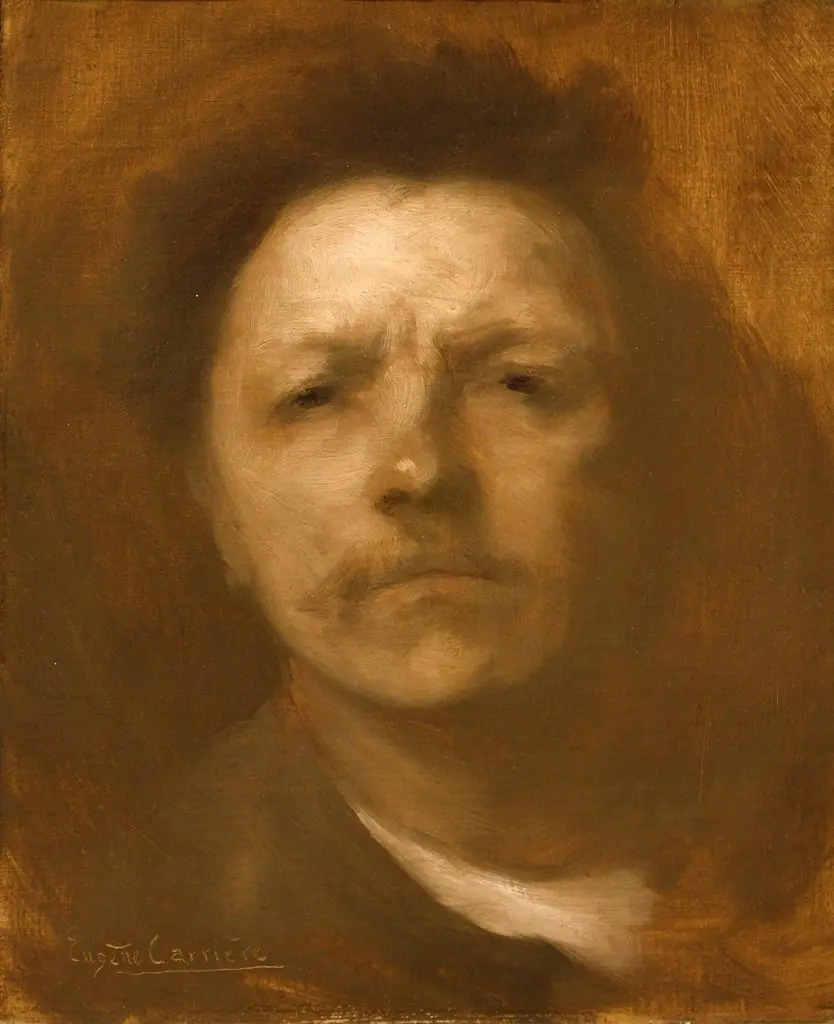
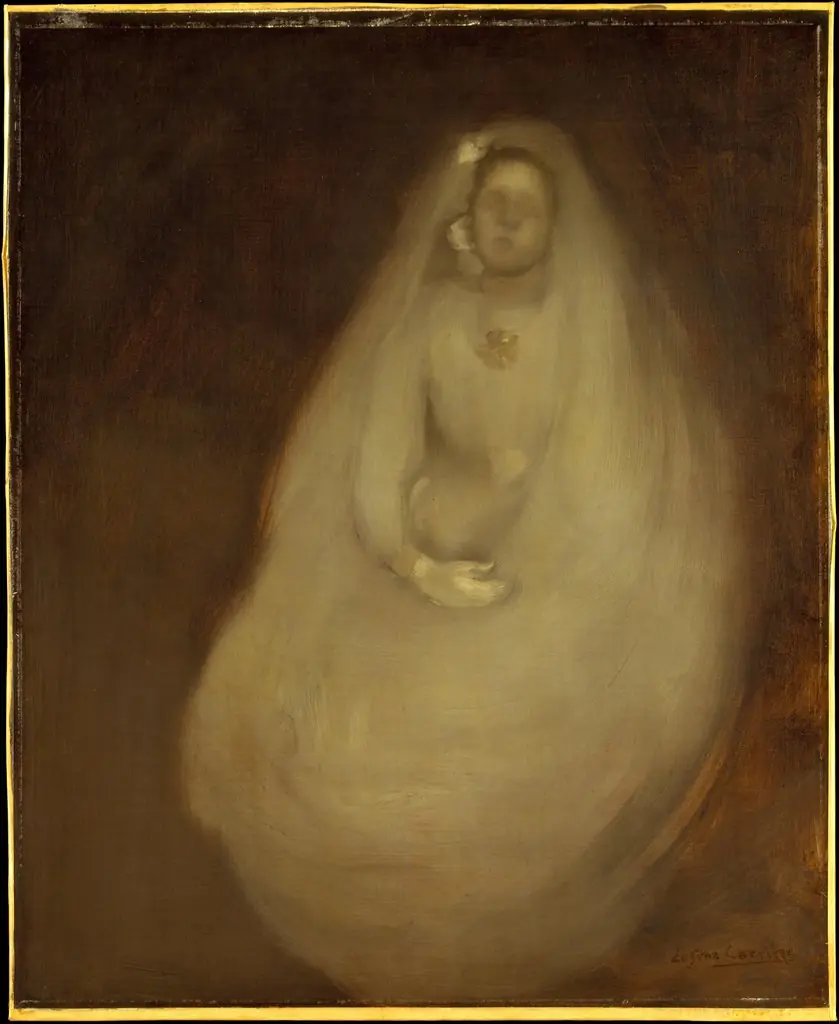
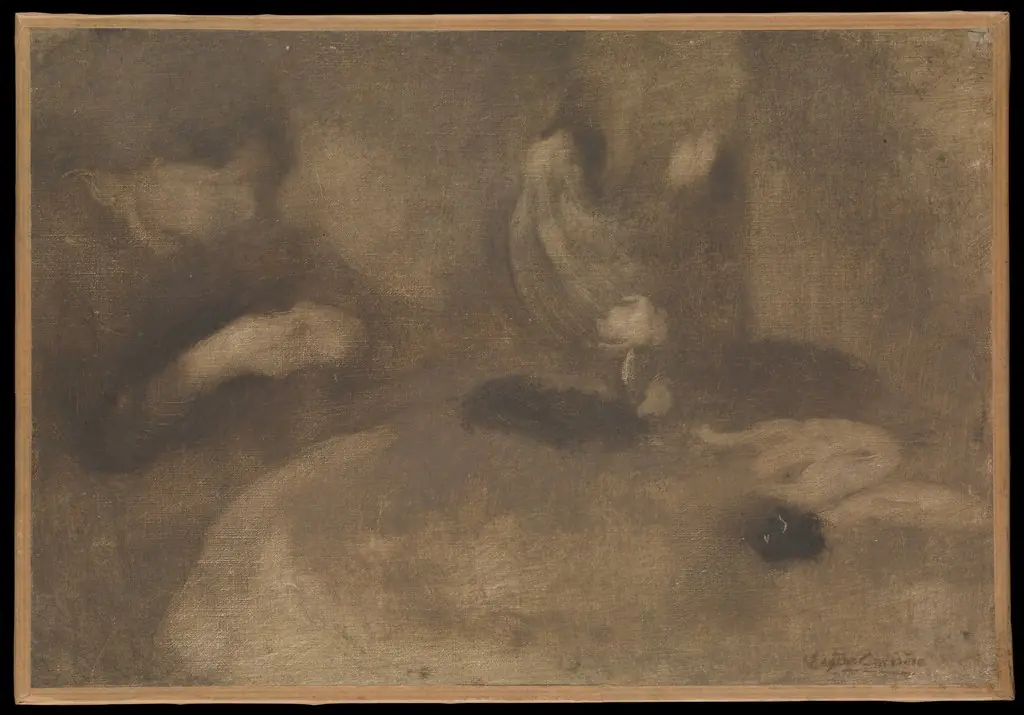
Eugène Anatole Carrière was a French Symbolist artist of the fin-de-siècle period.

![Studies of a Female Head [recto], by Perry, Enoch Wood, Jr.](https://artifactworldgallery.com/img/perry-enoch-wood-jr--studies-of-a-female-head-recto--da87fb5fc8e6c9bf-w320.webp) Studies of a Female Head [recto]
Studies of a Female Head [recto]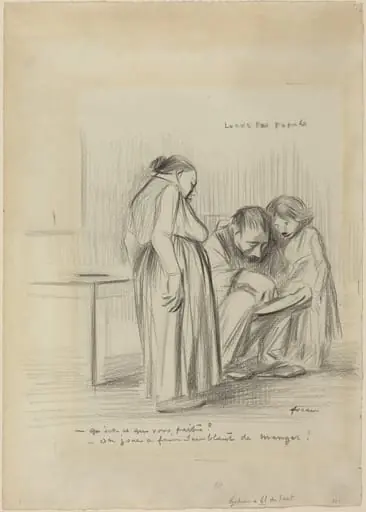 a) Ludus pro Populo (recto); b) Head of a Man (verso)
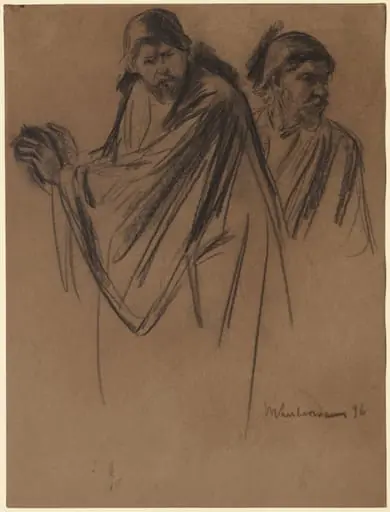 Studies for Saint Paul on the Way to Damascus
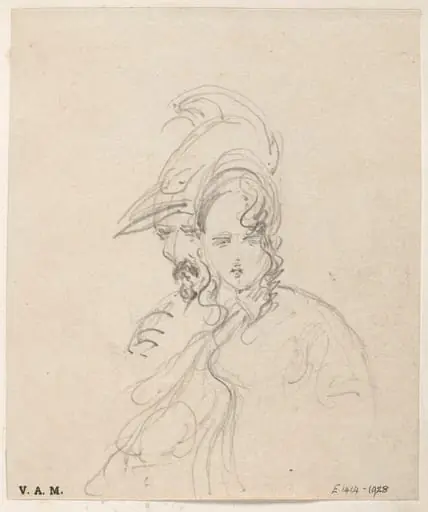 A Western woman and a bearded man in a helmet
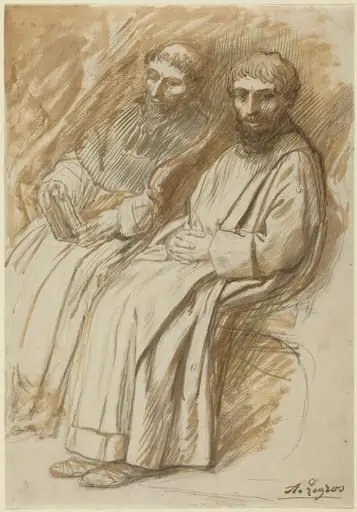 Two Monks Seated in a Church
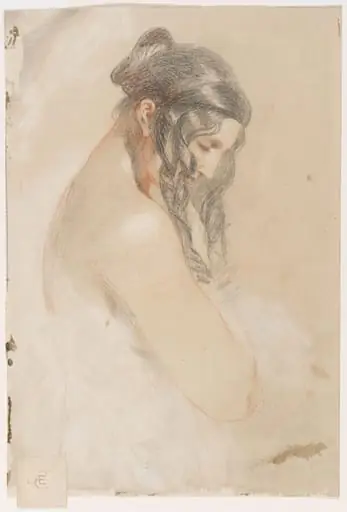 Untitled
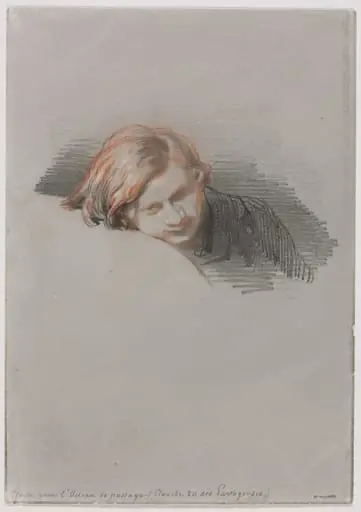 Head of a Young Man (Study for L'Oiseau de passage)
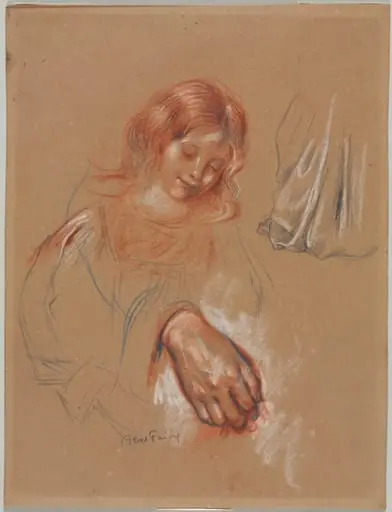 Study of a Child's Head and Study of a Woman's Hand and Drapery
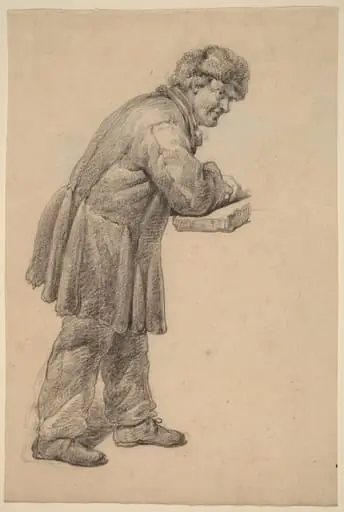 Character Study
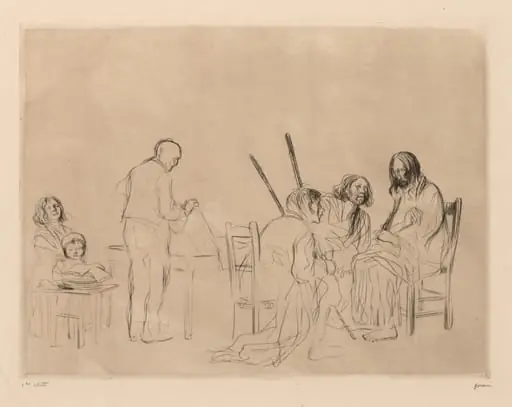 Before the Supper at Emmaus
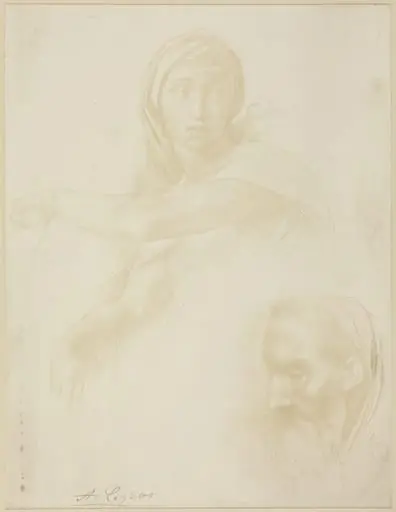 Study of Delphic Sibyl; Head of a Man
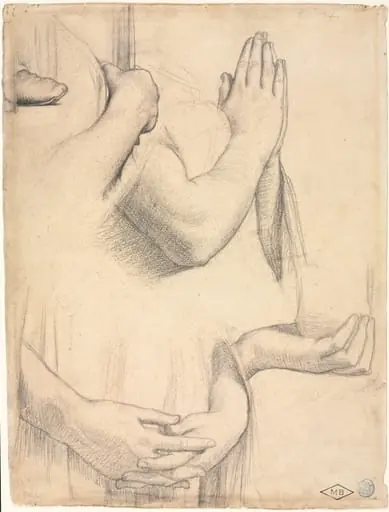 Study of Hands